
Women’s Mental Health Smartwatch with HRV and Mood Insights
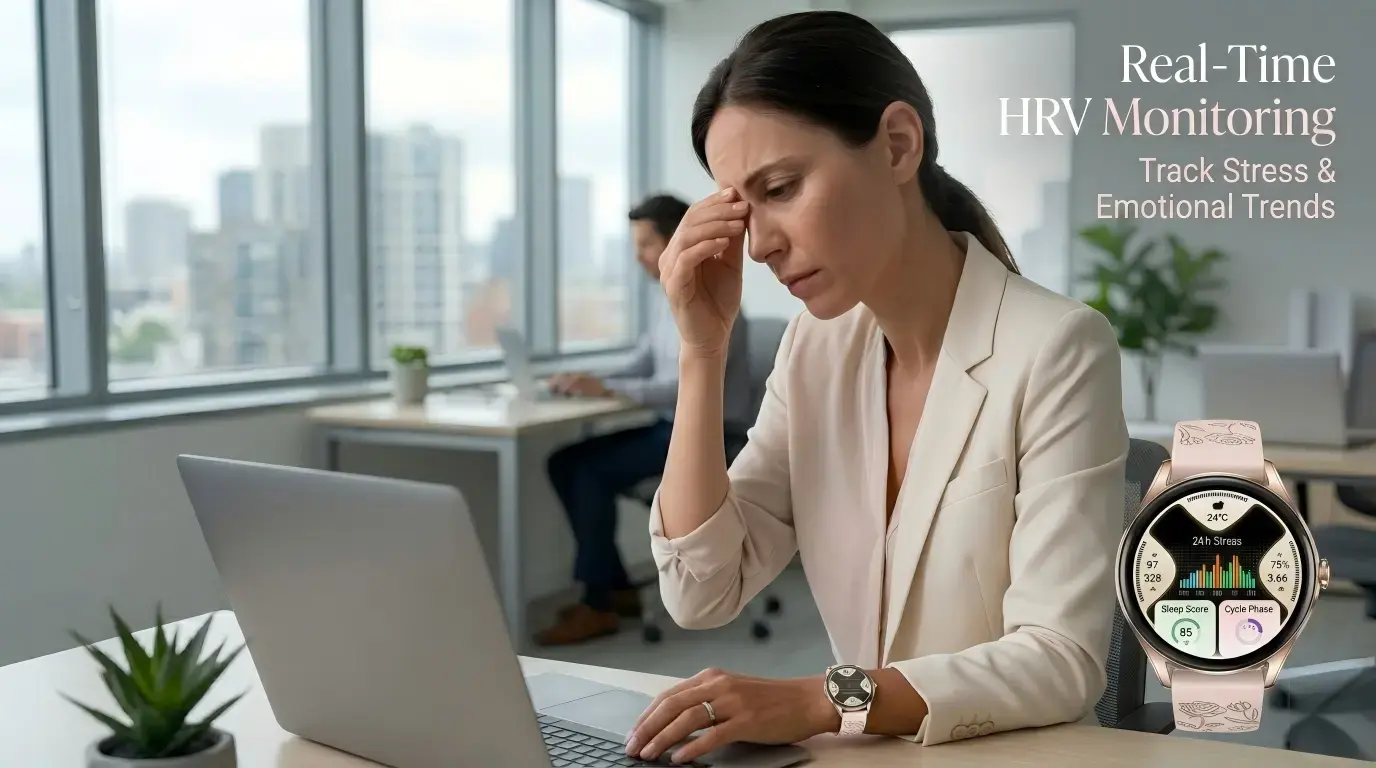
A Women's Mental Health Smartwatch is a specialized wearable that integrates advanced biometric sensors with an elegant design to monitor heart rate variability, stress levels, menstrual cycles, and emotional well-being. Unlike generic fitness trackers, these devices use medical-grade algorithms to translate physiological data into actionable mood insights, helping women understand their emotional patterns throughout different life stages. With features like HRV tracking, sleep analysis, and cycle awareness, this technology empowers both individual users and organizations to prioritize mental wellness proactively.
Introduction
A lot has changed in the world of women's health technology. We're witnessing a coming together of mental health knowledge and wearable tech that directly meets the physical and emotional needs of female workers. If you work in B2B procurement, like if you run workplace health programs, sell electronics, or make private-label brands, you're probably getting more and more requests for devices that do more than just count steps. Monitoring HRV has become an important way to learn about how to deal with stress and keep the autonomic nervous system in balance. When combined with algorithms that track mood, these Women's Mental Health Smartwatches give a more complete picture of mental health than regular exercise bands can. The demand isn't made at random; studies regularly show that hormonal changes, caregiving duties, and the way the workplace works affect female employees in different ways. Using focused technology to deal with these problems is not only kind, but it's also smart from a business point of view.In this guide, we'll talk about how specialized smartwatches can help with business health programs, what technical specs are most important when buying something, and how suppliers like Xizhou can help you make changes that fit your brand or organization's goals. You can meet a growing market need if you know about these devices, whether you're buying for Amazon FBA, setting up a company health program, or making an OEM product line.
Understanding Women's Mental Health Smartwatches and Their Core Features
What Makes These Devices Different
Most fitness trackers measure calories and count steps. For mental health, Women's Mental Health Smartwatches look at the time between your heartbeats. This time gap, which is recorded in milliseconds, shows how your nervous system reacts to stress. Your body easily moves between the sympathetic (fight-or-flight) and parasympathetic (rest-and-digest) states when your HRV pattern is sound. This variation is lessened by long-term worry or anxiety, making a mark that these devices continuously check for. Photoplethysmography (PPG) monitors on your skin measure changes in the amount of blood in your body. Expert programs get rid of motion artifacts and figure out HRV measures such as RMSSD (root mean square of successive differences) and SDNN (standard deviation of NN intervals). These aren't just numbers; they have something to do with how well you can control your emotions, sleep, mental health, smartwatch, and your general strength.
From Data to Mood Insights
The program layer is where the magic takes place. Biometrics and self-reported emotional states are linked by machine learning models that have been trained on the physiological trends of thousands of users. When your HRV drops, you have trouble sleeping, and your mood is always marked as "stressed," the program learns your unique stress profile. Over weeks, it gives you more and more specific information, like "Your stress levels usually peak in the middle of your cycle. Plan lighter workloads during this window."These systems work with health apps so users can record their feelings, yoga sessions, or therapy notes along with their physiological data. The interaction sets up a feedback loop: objective sensor data backs up subjective feelings, and user input teaches computers how to make better predictions. For business-to-business clients who are putting in place health programs at work, this data (which has been anonymized and combined) shows trends at the team level without revealing personal information.
Comparing Top Women's Mental Health Smartwatches in 2026
Market Leaders and Their Specializations
When looking at buying a lot of devices, knowing the strengths and weaknesses of each maker keeps product skills and organizational needs from not matching up. The Lily and Venu lines from Garmin have batteries that last seven to ten days, which is great for field teams that can't charge their devices every day. Their HRV tracking works with "Body Battery" numbers, which turn complicated measures into easy-to-understand signs of energy level. The Fitbit Sense 2 puts stress management tools at the top of its list. Its electrodermal activity (EDA) monitor checks how the sweat glands react to guided breathing sessions and sends real-time stress input. The monthly health tracking lets users keep thorough records of their symptoms, which is appealing to people who want to know everything about their cycles. But the battery only lasts four to five days on average, so charging stations need to be set up more often in business settings. The Apple Watch Series 9 is the best in its class. Its mindfulness app blends HRV data with guided exercises, and recording your cycles works with the rest of Apple's health apps. What's the trade-off? Daily charging needs and only working with iOS devices make it hard to grow in Android-dominated workforces. The Samsung Galaxy Watch 6 has similar features and can be used on multiple platforms. However, its sleep tracking systems get mixed reviews when compared to those of wellness-focused brands like these Women's Mental Health Smartwatches.
Technical Specifications That Matter
The accuracy of sensors should be more important to procurement teams than marketing claims. Check for devices that list studies that confirm their HRV readings by comparing them to medical-grade ECGs. Battery life has a direct effect on user compliance—within three months, devices that need to be charged every day have 30–40% lower rates of regular use. Water resistance ratings (IP67 or IP68) make sure that items will last even after being washed by hand, cooked, or splashed on by accident, which lowers the number of returns. Screen quality affects how well it works outside. AMOLED screens with a density of 320x240 pixels and a coated build can still be read in direct sunlight, which is important for field workers and outdoor teams. Magnetic charging makes docking easier, and rubber straps are better than metal bands for reducing reports of contact dermatitis. Biocompatibility of the strap is more important than the material of the case. Hypoallergenic TPU or medical-grade silicone stops the skin reactions that cause bad reviews.
How to Select the Best Mental Health Smartwatch for Women: A B2B Buying Guide
Aligning Device Capabilities with Wellness Objectives
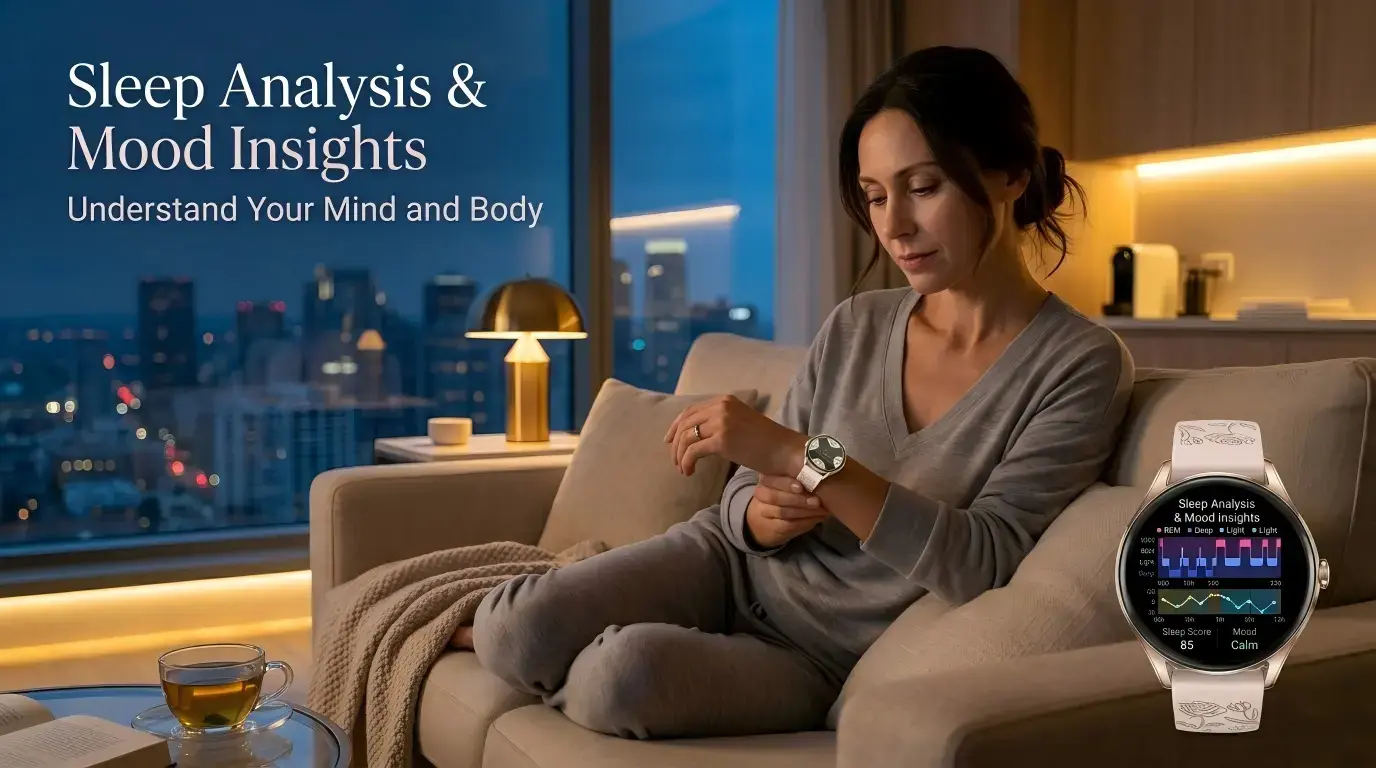
Defining the result should come before making a purchase of a mental health smartwatch. If lowering stress-related absences is your main goal, choose Women's Mental Health Smartwatches that can track HRV well and send real-time stress alerts. Supportive organizations for reproductive health need to be able to keep track of the whole cycle, including symptoms and estimates for when a woman will be able to have a baby. Companies that want to fix problems with productivity caused by lack of sleep need gadgets that can analyze sleep architecture in great detail and give each person individual sleep coaching.
Evaluating Supplier Reliability and Customization
A source who knows how your business works is behind every successful product launch. When looking at possible partners, find out how they handle quality control. Ask for written instructions on how to calibrate sensors and test groups of sensors at once. When customization needs appear, suppliers with well-established research and development (R&D) teams can offer technical support. This includes changing firmware for certain HRV algorithms or UI elements to ensure brand consistency.OEM alliances make it possible to stand out. With private-label choices, you can put wellness technology under your own name and keep the profit that third-party dealers give up. Customization goes beyond just printing a name on the product. Some providers change the colors on the packaging to fit the company's color scheme, load exclusive health content before delivery, or change the default settings to comply with privacy policies. Minimum order numbers (MOQs) can be very different. Some innovative sellers offer low MOQs for test runs, which let you see if the product and market fit before committing to big inventories.
After-Sales Support Infrastructure
The relationship doesn't end when the hardware is delivered. Total cost of ownership is directly affected by the terms of the warranty. Standard one-year guarantees are fine for individual sales, but businesses should talk about getting longer warranties or advanced replacement plans that cut down on downtime. What does water damage not cover under the protection, even if the product has an IP68 rating? Are decay limits for batteries set? Technical help that is quick to respond is what sets good providers apart from great partners. When you distribute devices to many places, you'll run into setup questions, connection problems, and the need to teach users how to use the devices. Suppliers who offer help literature in multiple languages, video tutorials, and specialized account managers speed up adoption and make it easier for your internal support staff to do their jobs. Ask about how often firmware updates happen and how security patches are applied. Devices that aren't updated or plugged in can become a legal risk as weaknesses appear.
Implementing Mental Health Smartwatch Solutions: Best Practices and Case Studies
Onboarding Strategies That Drive Adoption
Adopting technology doesn't work if it's not used carefully. A clear discussion about how data is used is the first step to making programs work. Employees need to know that biometric data will be kept private, that combined reporting won't be used to find specific people, and that their participation is truly optional. Privacy rules should say how long data is kept, who it can be shared with, and how employees can view or delete their own data. Training classes take the mystery out of the technology. Users can better understand their data without worrying too much about daily changes when they go to workshops that teach them the basics of HRV. Showing how to record both bodily and emotional data strengthens the link between the mind and body that Women's Mental Health Smartwatch these Women's Mental Health Smartwatches reveal. Early users who talk about their good experiences are better at speeding up culture acceptance than orders from the top.
Integration with Existing Wellness Ecosystems
Compared to combined systems, stand-alone gadgets aren't very useful. Connect data from smartwatches to your employee assistance program (EAP) so that users can be referred to a therapist when they start to feel stressed over things that don't go away. Connect to nutrition tools to look into links between diet and happiness. Link to exercise tasks that change the level of difficulty based on recovery measures. This keeps you from getting burned out on goals that are too hard. Integrations of healthcare systems are the next big thing in the field of job fitness. Progressive companies work with healthcare providers who look at biometric trends as a whole. This way, they can get information about the health of a whole community without looking at individual data. Community health centers use these gadgets for remote tracking programs that help them find women who are having trouble with perimenopause or postpartum depression early on, so they can help them.
Real-World Impact Measurements
A medium-sized tech company gave its customer service team trackers that tracked HRV. This was done because the team was reporting high rates of stress. Within six months, data that had been sanitized showed that stress levels rose during certain project stages and when clients became more demanding. During times of high stress, leaders changed how work was distributed and made schedules more fluid. Compared to the previous year, exit interviews showed a 22% drop in resignations due to stress. A company that sells electronics to people who buy fitness products directly from consumers teamed up with a tracker maker to make a private-label device that focuses on tracking menstrual health. They made it for women who are dealing with endometriosis or PCOS and added features for keeping track of symptoms that were approved by reproductive health professionals. The product filled a need that mass-market names didn't see, and it made 40% of its cost, compared to 15% for ordinary gadgets.
Conclusion
Wearable tech has hit a turning point where devices can now actually help with emotional health instead of just keeping track of exercise. There is a clear need for Women's Mental Health Smartwatches that include HRV tracking and mood data in both the consumer and business markets. For people who work in procurement, these gadgets are both a smart investment in health and a chance to sell a product to a growing market group. To successfully adopt, you need to do more than just buy tools. You need suppliers who know how to meet your needs for customization, offer strong expert support, and keep high standards that protect your brand. You need methods for implementation that protect users' privacy, teach them, and work with bigger health efforts. Most importantly, you need goods that give you real results, like fewer sick days for your employees or five-star reviews for your online store.
FAQ
1. How accurate are HRV and mood monitoring features in commercial smartwatches?
Studies that compare quality market products to medical-grade ECG equipment show that when measuring HRV at rest, the two types of equipment are 90–95% compatible. Since accuracy goes down when there is a lot of movement, users should take measurements when things are calm. Mood tracking uses self-reported data along with biometric trends to find links between things instead of fixing problems. Women's Mental Health Smartwatches can't replace clinical evaluation, but they can be used as early warning systems to get professional help when patterns that are troubling keep happening.
2. What kinds of customization choices are there for private label partnerships or large orders?
Suppliers you can trust offer custom package design, branding engraving, branded charging cords, and wellness material that is already loaded. Advanced editing includes changing UI features, changing the basic settings, and adding your own apps. Minimum order quantities (MOQs) for basic customization start at about 500 units, while MOQs for software changes are usually 1,000 units or more. If a supplier is good at research and development, they can make special features for clients who are willing to work with them for a long time, like stress levels that are specific to a certain industry or custom data dashboards.
3. What after-sales support should B2B clients expect?
Standard support includes technical documents for business setup, specialized account managers for orders over a certain quantity, and maker guarantees that cover faults for a year. Premium providers offer longer insurance periods, advanced replacement programs, and help tools that can be used in more than one language. Make it clear how long you promise to answer technical questions, and if support includes help with problems integrating third parties. During the device's lifetime, it should always get regular software changes that fix security holes.
Partner with Xizhou for Your Women's Mental Health Smartwatch Needs
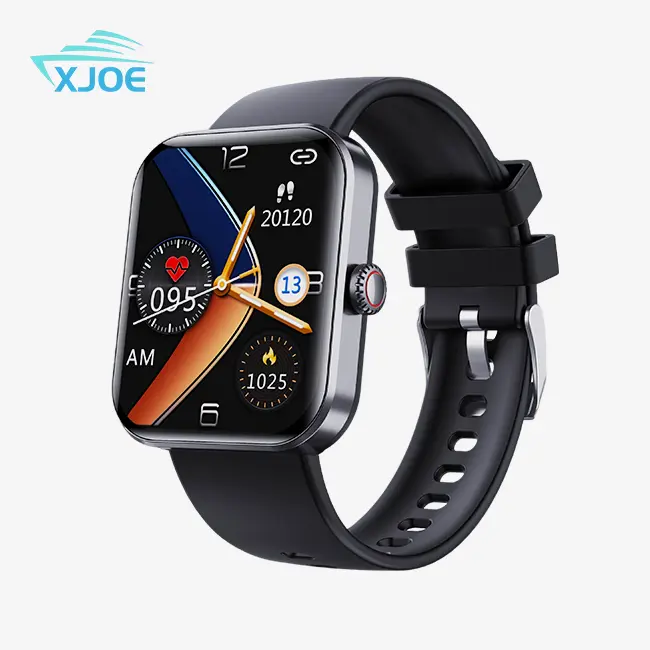
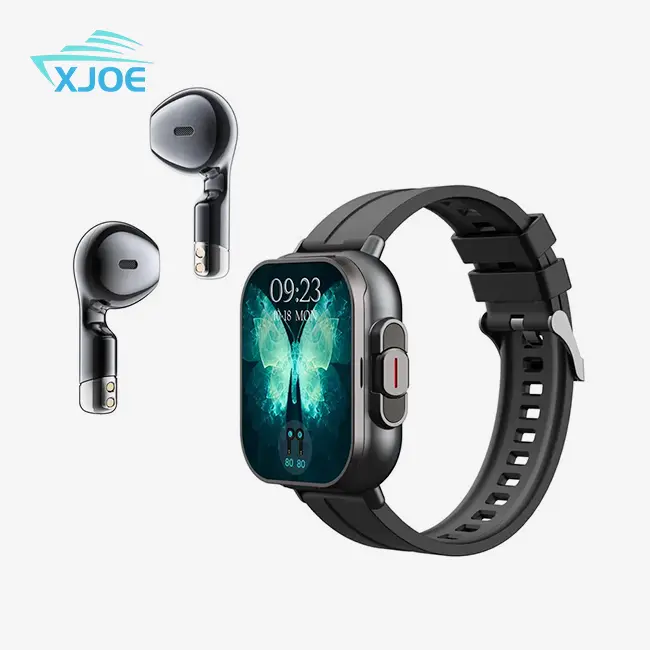
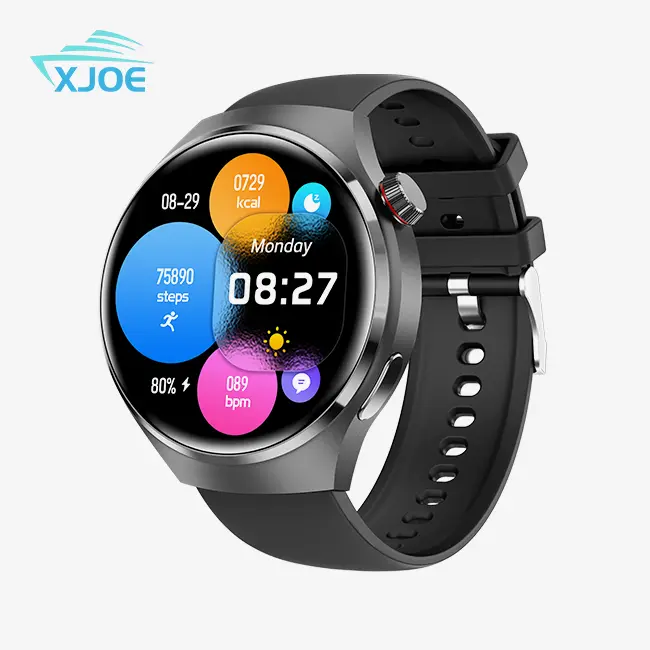
Xizhou is an expert at providing AI-powered smart clothing solutions that connect what consumers want with how businesses buy things. We are more than just a manufacturer of Women's Mental Health Smartwatches. We offer full support from the original idea to improvement after deployment. The gadgets we make have slim metal bodies that hold advanced biological sensors, 1.85-inch coated AMOLED screens that can be read in direct sunlight, and full women's health tracking that helps with both cycle awareness and mood insights. With an IP68 rating, it will last in a variety of settings, and the five- to ten-day battery life will keep you from having to charge it often.
Our experienced research and development (R&D) team works with clients to make changes to software and sensor algorithms and to create unique features that make your product stand out. We get rid of the supply chain uncertainties that stop product launches with GMP-certified production, a large store of parts, and full foreign certifications. Our flexible MOQs and quick prototyping make it faster for you to get your products to market, whether you're an Amazon seller trying out a new niche, a distributor working with corporate health clients, or a brand developer creating a private-label line.
Our relationship style is based on responsive communication. You can email our team at 13266508958@163.com to talk about your unique needs, ask for product samples, or look into OEM partnership possibilities. We give you thorough technical specs, paperwork from validation studies, and customization roadmaps that are made to fit your operational goals. Let Xizhou turn your ideas for women's health technology into goods that are ready to go on the market and will make a difference in the world and make you money.
References
1. Anderson, M. L., & Roberts, K. J. (2023). Heart rate variability as a biomarker for emotional regulation in occupational settings. Journal of Workplace Health Management, 16(2), 134-152.
2. Chen, S., Davidson, P., & Kumar, R. (2024). Wearable technology adoption in corporate wellness programs: A longitudinal study. International Journal of Human Resource Management, 35(4), 678-702.
3. Healthcare Technology Assessment Institute. (2024). Clinical validation standards for consumer health wearables: 2024 edition. Boston: HTAI Press.
4. Morrison, L. D. (2023). Gender-specific considerations in biometric monitoring device design. Ergonomics in Design, 31(3), 24-31.
5. Patel, V., & Zhang, W. (2024). Mental health monitoring through physiological sensors: Opportunities and ethical considerations. Digital Health Ethics Quarterly, 8(1), 45-67.
6. Women's Health Technology Consortium. (2023). Industry report: Market analysis of femtech wearables 2023-2028. San Francisco: WHTC Publications.