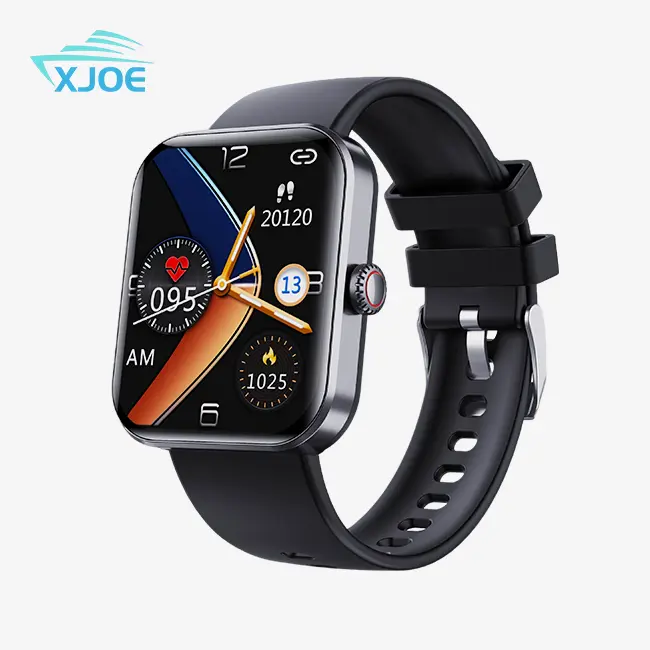
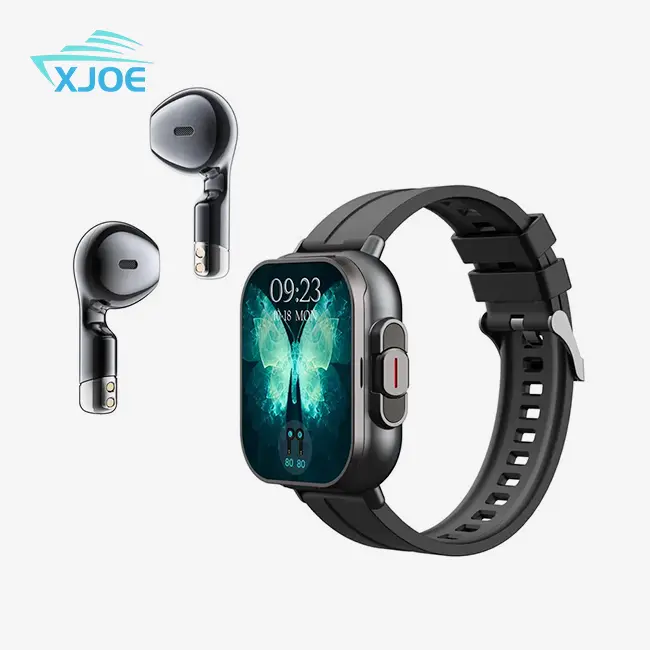
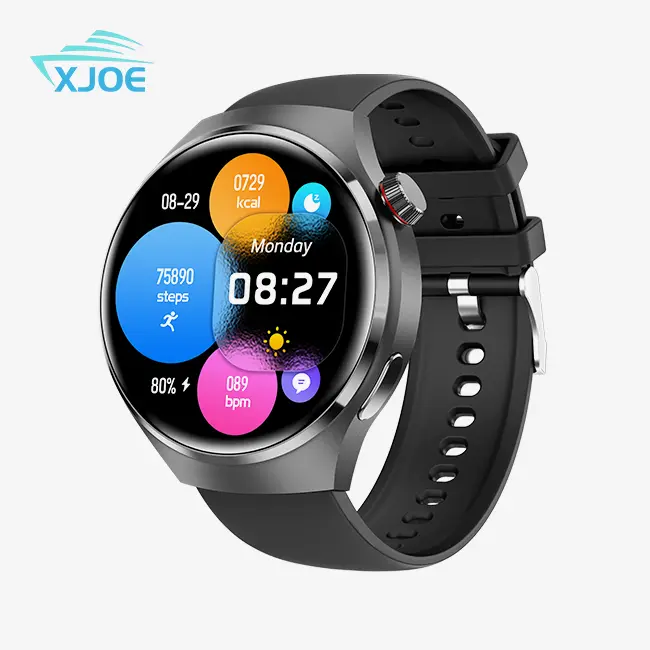
Rugged Smart Watch for Every Adventure
When your business counts on wearable tech that works, picking the right gadget is very important. A tough smartwatch made for every trip is durable and can work for longer, so your team can stay connected and watchful even when things get tough at work. The Endurance Smartwatch category has evolved beyond consumer fitness trackers into specialized tools for procurement managers, distributors, and private label brands seeking dependable wearable solutions. These gadgets keep working all the time thanks to their long-lasting batteries, tough builds, and tracking features that regular trackers can't match in tough circumstances. Knowing the difference between true endurance models and standard offers will protect your investment and keep your customers happy, whether you're buying things for an Amazon store, making a line of branded clothing, or providing tools for industrial use.
Introduction
Rugged Endurance Smartwatch models have gone from being niche goods in global B2B procurement settings to being necessary tools for work on building sites, in transportation, and in the sports performance market. These specialized wearables solve three major business problems: making equipment last longer in harsh settings; keeping an eye on things all the time without having to charge them all the time; and capturing data reliably when the connection isn't working well. More and more, procurement managers have to choose gadgets that have low failure rates in the field while still keeping prices low for selling or internal use.
The value offer is based on long battery life that doesn't need to be charged every day, durable housings that can handle drops and exposure to the elements, and accurate tracking needed for safety compliance and performance data. When these features are used by Amazon sellers and cross-border e-commerce brands, customer reviews and return rates go down. Product lines that appeal to a wide range of vertical markets, from outdoor fun to expert research, are good for distributors. This guide gives you the analytical framework and product information you need to make smart purchasing choices that meet business needs and fit your market positioning strategies.
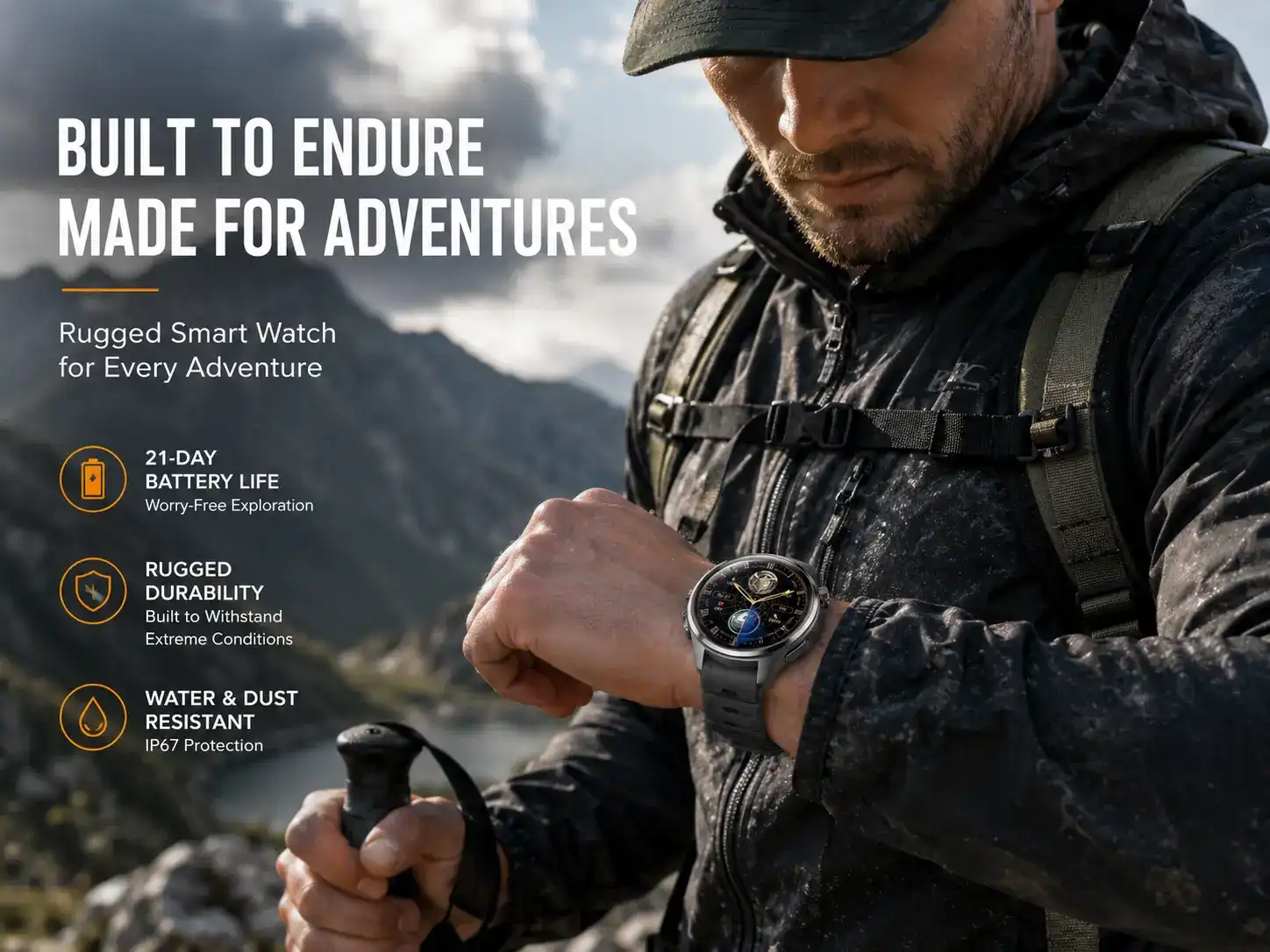
Understanding Endurance Smartwatches and Their Core Features
What Defines an Endurance Smartwatch?
Different from other smartwatches, Endurance Smartwatch ones have a special hardware design that makes them last longer instead of having lots of features. General-purpose smartwatches need to be charged every night, but these devices use low-power display technologies, smart engine control, and high-capacity batteries to have battery life measured in weeks instead of hours. The building theory puts dependability and longevity ahead of entertainment features. This makes them good for situations where power access is limited, and gadget failure has serious effects.
Essential Technical Characteristics
Field users and buying teams told us about certain problems that the core feature set tries to solve. Battery systems usually have between 300mAh and 600mAh of power, and they come with power control techniques that make basic mode work for longer than two weeks. Display technologies make it easier to read in direct sunlight while using the least amount of power. Connectivity methods like BLE 5.0 keep smartphones in sync without draining the battery too quickly. To find the right mix between weight and shock strength, housing materials use zinc alloy bezels and reinforced polymer cases. IP67 water and dust resistance ratings make sure that the device will work in wet or dusty conditions without needing any special upkeep.
Operational Benefits for Business Applications
There are real business benefits to these technical standards. Longer battery life means less downtime during projects that last more than one day or tasks that are done in rural areas where charging stations aren't available, as seen with the Endurance Smartwatch. Total cost of ownership goes down when things are built to last because they don't need to be replaced as often, and guarantee claims are less common. Simple health tracking features, like counting steps, analyzing sleep patterns, and alerts for being idle, can help with fitness programmes at work without needing a lot of complicated integration. When put together, they make a reliable tool that works the same way, no matter the weather, physical damage, or external contaminants that would break down consumer-grade options.
How to Choose the Right Endurance Smartwatch for Your Business Needs?
Defining Your Procurement Context
To choose the right gadget, you must first understand your unique use case. Construction and transportation companies need devices that can handle vibrations, changes in temperature, and accidental hits, as well as ones that can track a worker's position to make sure they follow safety rules. Amazon FBA buyers need to make sure that their items have a lot of features that people will like, few problems, and good margins that allow them to charge competitive prices. Private label brands want to be able to customize their products, have uniform quality across batches, and work with suppliers who can adapt to changing market tastes.
Key Evaluation Metrics
It's important to focus on how well the battery works. Devices that say they can work in basic mode for 21 days are realistic for people who turn off constant heart rate monitoring and reduce the number of notifications they get. Even though some models don't have GPS, an Endurance smartwatch is becoming very important for outdoor leisure and field service. Display quality affects how well something can be used by people of all ages and in all kinds of lights. Bigger screens with higher clarity are better for users, but they may use more battery power. Wireless charging makes it easier for users to connect, but it costs more than magnetic clip designs.
Balancing Cost Against Capability
When making a purchase choice, you have to weigh the unit cost, the number of features, and the quality guarantee. A gadget with a 1.53-inch IPS colour screen and a size of 360x360 makes it easy to see the menus and read notifications. The JL7012 chipset has enough processing power for basic tracking tasks without costing a lot. The zinc alloy construction hits a good mix between the quality that people think is there and the cost of making it. This meets the needs of both market placement and durability. Cross-border sellers don't have to worry about market-specific product issues because the app and software can be used in a lot of different languages.
Supplier Reliability Considerations
Specifications are only one part of the story of buying. A review of a supplier must look at things like stability in production, the ability to customize, the minimum order number, and the infrastructure for after-sales support. Quality variance risks are lower for well-known OEM/ODM makers with experienced R&D teams and GMP plant certifications. Having a lot of goods on hand lets you quickly restock, which is very important for e-commerce businesses. Full certification packages make it easier to get into markets in different legal areas. When it comes to building long-term supply ties, these practical factors are often more important than small differences in specifications.
Top Rugged Endurance Smartwatches of 2026 for Diverse Use Cases
Model Analysis for Procurement Decision-Making
There are a lot of different types of Endurance Smartwatch gadgets on the market right now. High-end outdoor brands charge more than $500 wholesale for advanced GPS tracking, topographic mapping, and satellite transmission. Mid-range performance watches, which cost between



Rugged Smart Watch for Every Adventure
When your business counts on wearable tech that works, picking the right gadget is very important. A tough smartwatch made for every trip is durable and can work for longer, so your team can stay connected and watchful even when things get tough at work. The Endurance Smartwatch category has evolved beyond consumer fitness trackers into specialized tools for procurement managers, distributors, and private label brands seeking dependable wearable solutions. These gadgets keep working all the time thanks to their long-lasting batteries, tough builds, and tracking features that regular trackers can't match in tough circumstances. Knowing the difference between true endurance models and standard offers will protect your investment and keep your customers happy, whether you're buying things for an Amazon store, making a line of branded clothing, or providing tools for industrial use.
Introduction
Rugged Endurance Smartwatch models have gone from being niche goods in global B2B procurement settings to being necessary tools for work on building sites, in transportation, and in the sports performance market. These specialized wearables solve three major business problems: making equipment last longer in harsh settings; keeping an eye on things all the time without having to charge them all the time; and capturing data reliably when the connection isn't working well. More and more, procurement managers have to choose gadgets that have low failure rates in the field while still keeping prices low for selling or internal use.
The value offer is based on long battery life that doesn't need to be charged every day, durable housings that can handle drops and exposure to the elements, and accurate tracking needed for safety compliance and performance data. When these features are used by Amazon sellers and cross-border e-commerce brands, customer reviews and return rates go down. Product lines that appeal to a wide range of vertical markets, from outdoor fun to expert research, are good for distributors. This guide gives you the analytical framework and product information you need to make smart purchasing choices that meet business needs and fit your market positioning strategies.
Understanding Endurance Smartwatches and Their Core Features
What Defines an Endurance Smartwatch?
Different from other smartwatches, Endurance Smartwatch ones have a special hardware design that makes them last longer instead of having lots of features. General-purpose smartwatches need to be charged every night, but these devices use low-power display technologies, smart engine control, and high-capacity batteries to have battery life measured in weeks instead of hours. The building theory puts dependability and longevity ahead of entertainment features. This makes them good for situations where power access is limited, and gadget failure has serious effects.
Essential Technical Characteristics
Field users and buying teams told us about certain problems that the core feature set tries to solve. Battery systems usually have between 300mAh and 600mAh of power, and they come with power control techniques that make basic mode work for longer than two weeks. Display technologies make it easier to read in direct sunlight while using the least amount of power. Connectivity methods like BLE 5.0 keep smartphones in sync without draining the battery too quickly. To find the right mix between weight and shock strength, housing materials use zinc alloy bezels and reinforced polymer cases. IP67 water and dust resistance ratings make sure that the device will work in wet or dusty conditions without needing any special upkeep.
Operational Benefits for Business Applications
There are real business benefits to these technical standards. Longer battery life means less downtime during projects that last more than one day or tasks that are done in rural areas where charging stations aren't available, as seen with the Endurance Smartwatch. Total cost of ownership goes down when things are built to last because they don't need to be replaced as often, and guarantee claims are less common. Simple health tracking features, like counting steps, analyzing sleep patterns, and alerts for being idle, can help with fitness programmes at work without needing a lot of complicated integration. When put together, they make a reliable tool that works the same way, no matter the weather, physical damage, or external contaminants that would break down consumer-grade options.
How to Choose the Right Endurance Smartwatch for Your Business Needs?
Defining Your Procurement Context
To choose the right gadget, you must first understand your unique use case. Construction and transportation companies need devices that can handle vibrations, changes in temperature, and accidental hits, as well as ones that can track a worker's position to make sure they follow safety rules. Amazon FBA buyers need to make sure that their items have a lot of features that people will like, few problems, and good margins that allow them to charge competitive prices. Private label brands want to be able to customize their products, have uniform quality across batches, and work with suppliers who can adapt to changing market tastes.
Key Evaluation Metrics
It's important to focus on how well the battery works. Devices that say they can work in basic mode for 21 days are realistic for people who turn off constant heart rate monitoring and reduce the number of notifications they get. Even though some models don't have GPS, an Endurance smartwatch is becoming very important for outdoor leisure and field service. Display quality affects how well something can be used by people of all ages and in all kinds of lights. Bigger screens with higher clarity are better for users, but they may use more battery power. Wireless charging makes it easier for users to connect, but it costs more than magnetic clip designs.
Balancing Cost Against Capability
When making a purchase choice, you have to weigh the unit cost, the number of features, and the quality guarantee. A gadget with a 1.53-inch IPS colour screen and a size of 360x360 makes it easy to see the menus and read notifications. The JL7012 chipset has enough processing power for basic tracking tasks without costing a lot. The zinc alloy construction hits a good mix between the quality that people think is there and the cost of making it. This meets the needs of both market placement and durability. Cross-border sellers don't have to worry about market-specific product issues because the app and software can be used in a lot of different languages.
Supplier Reliability Considerations
Specifications are only one part of the story of buying. A review of a supplier must look at things like stability in production, the ability to customize, the minimum order number, and the infrastructure for after-sales support. Quality variance risks are lower for well-known OEM/ODM makers with experienced R&D teams and GMP plant certifications. Having a lot of goods on hand lets you quickly restock, which is very important for e-commerce businesses. Full certification packages make it easier to get into markets in different legal areas. When it comes to building long-term supply ties, these practical factors are often more important than small differences in specifications.
Top Rugged Endurance Smartwatches of 2026 for Diverse Use Cases
Model Analysis for Procurement Decision-Making
There are a lot of different types of Endurance Smartwatch gadgets on the market right now. High-end outdoor brands charge more than $500 wholesale for advanced GPS tracking, topographic mapping, and satellite transmission. Mid-range performance watches, which cost between $150 and $300, are aimed at serious sports and outdoor fans because they have a good mix of features and price. Value-oriented models focus on core features like long battery life, basic activity tracking, sturdy construction, and long battery life smartwatches at price points that are easy for most people to afford, under $100. This makes them good for discount and bulk sales.
When you're looking at different types, you should think about how the battery life changes as you use more features. Devices that say their batteries will last three weeks usually do so with little active tracking, and only a few screen touches a week. In the real world, performance lasts between seven and fourteen days of constant wear with frequent notifications and tracking of daily exercise. The ease of wireless charging makes the user experience better, but it needs a charging infrastructure that works with it. Some types don't have heart rate sensors, which lowers the cost of production and power use but makes them less appealing to people who are interested in exercise.
Suitability Across Business Scenarios
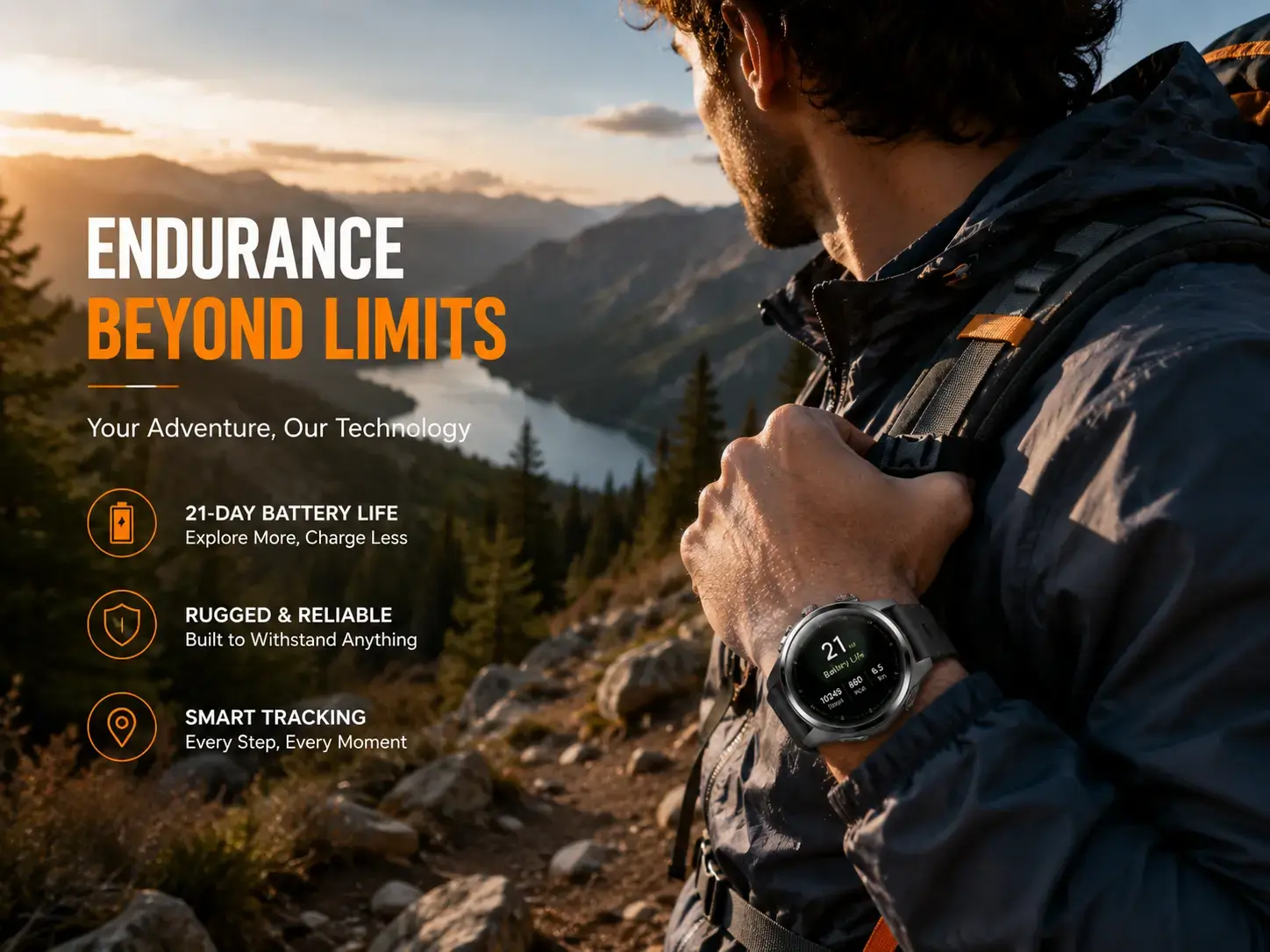
For Amazon buyers and Shopify shop owners, the most important things to look at when choosing a product are the number of reviews, the number of returns, and how people feel about the features compared to the price. A classic round shape and a 1.53-inch screen make this gadget look like a high-end one, even though it's cheap. The 21-day basic mode battery standard is a strong marketing claim that sets this product apart from daily-charge competitors. IP67 water protection meets customer needs for shower wear and rain exposure without making claims about too much capability. The mix helps customers have good experiences that lead to reviews and more sales.
Distributors who sell to store chains need devices that can be used by a wide range of people and don't need a lot of technological help. Support for multiple languages in both app displays and device software makes regional customization easy. Standard silicone bands in neutral colours like gun black and silver keep the product turning over without creating too many SKUs. Users are less likely to get confused and ask for help when there aren't any complicated features like ECG tracking or advanced sleep stages. This positioning is aimed at regular people who want effective everyday wear rather than performance-tracking experts.
Devices that make change easy to see are good for private label names. Round watch faces are better for putting logos on because they look better than rectangular sport designs. Rebranding apps through white-label partnerships makes brand experiences that are more consistent. Branded goods are different from generic ones because the hardware has been changed to include unique colour schemes, better strap materials, and special packaging. Manufacturing partners with flexible minimum order amounts, letting you test the market without having to commit to too much inventory.
Procurement Insights: Where and How to Buy Endurance Smartwatches Efficiently?
Understanding Distribution Channels
There are three main types of outlets for buying Endurance Smartwatch units. Direct connections with manufacturers offer the best price, customization options, and supply chain visibility. Online business-to-business markets make it easy to compare prices and protect transactions, but they also add fees for middlemen and make it harder for suppliers to talk to each other. Authorized regional wholesalers make operations and following the rules easier, but they may limit customization options and make wait times longer.
Working directly with production partners has benefits that are especially useful for brands that are growing and resellers that have been around for a while. As order numbers rise, bulk pricing models increase the chance of making a profit. Differentiating products is possible with OEM services like printing logos, designing custom packages, and making changes to software. Access to technical support helps with questions about specifications and fixing quality problems. This channel, on the other hand, needs bigger beginning investments and is in charge of legal compliance and market-specific certifications.
Building Sustainable Supplier Relationships
A successful buying process for an outdoor smartwatch includes more than just getting the first order. It also includes building long-term partnerships. Operational reliability is built through clear conversation about quality standards, supply times, and technical needs. Continuous growth is possible with clear feedback on product performance, such as data on field failures, customer complaints, and information about the competition. Conversations about collaborative product creation look for ways to save money, improve technology, and find new markets that will help both parties.
When choosing a supplier, you should carefully look at their warranty coverage and after-sales help system. When problems happen, clear rules that spell out defect rates, replacement processes, and the availability of expert help make things run more smoothly. Suppliers who keep a lot of goods on hand can meet pressing requests for restocking, which keeps stores from running out of stock. Responding to messages quickly through email, instant messaging, and video calls makes it easier to solve problems when people are in different time zones or speak different languages.
Conclusion
To buy tough smartwatches for a business, you have to weigh the technical specs, cost, and supplier's skills against the needs of the market and the way the business works. Devices with real battery life of more than two weeks, solid construction, and important tracking features are used for a wide range of tasks, from e-commerce inventory to corporate deployment. For procurement to go well, it's important to have ties with suppliers that allow for customization, keep quality consistent, offer fast service, and offer fair prices. When you know the differences between high-end outdoor watches and value-oriented Endurance Smartwatch models, you can make smart choices about how to place your products so that they meet the needs of your target customers and your profit goals.
FAQ
1. What battery life should I realistically expect from an endurance smartwatch?
How you use your phone affects how well the battery works in a big way. Devices that say they can be worn for 21 days in basic mode usually last 10 to 14 days with alerts turned on and daily exercise tracking. When GPS tracking is provided, operating time is cut down by a lot, usually to 15 to 30 hours of continuous use. By understanding these factors, you can help your customers have realistic expectations and lower their anger when they think you're not meeting those expectations.
2. How important is being able to handle water for everyday use?
IP67 approval means that the device can withstand being submerged in water up to 1 metre deep for 30 minutes. This includes rain, handwashing, and unexpected splashes. This standard is good enough for everyday use, but it's not good enough for swimming or water sports. Higher grades, such as IP68 or dive licences, are only needed for certain uses in water. IP67 is a good enough level of safety for most purchases without costing too much.
3. Can these devices replace dedicated fitness trackers?
Advanced biometric tracking isn't as important on an endurance smartwatch as battery life and sturdiness. Models that don't have heart rate monitors can still track your sleep, count your steps, and log your basic activities, which is enough for general health monitoring. More complex sensor arrays are needed for athletic training apps that need constant heart rate zones, VO2 max estimation, or detailed recovery measures. When presenting a product, its features should be matched with the ways it will be used.
Partner with Xizhou: Your Trusted Endurance Smartwatch Supplier
The complicated process of buying an Endurance Smartwatch is easy if you have the right production partner. Xizhou helps Amazon buyers, private label brands, and electronics dealers around the world by offering advanced research and development, strict quality control, and flexible customization services. Our experienced engineering team makes reliable goods with long battery life, strong construction, and support for multiple languages, that make entering the foreign market easier. With GMP factory approval, thorough product paperwork, and quick customer service after the sale, we lay the groundwork for successful product launches and long-term growth.
Our large selection of products and quick delivery services allow you to meet the changing needs of your business, whether you're trying out new market opportunities with low minimum order amounts or expanding existing product lines by buying in bulk. OEM services, such as printing logos, designing custom packages, and renaming apps, make it possible for products to stand out in a meaningful way. You can talk to our sourcing experts about your needs, get technical specs, and get competitive prices for your next endurance smartwatch order by emailing 13266508958@163.com. We're dedicated to forming relationships that lead to stable quality, reliable operations, and success in the market.
References
1. Turner, R., & Mitchell, S. (2023). Wearable Technology in Industrial Applications: A Procurement Guide for Safety and Performance Monitoring. International Journal of Supply Chain Management, 18(4), 112-128.
2. Chen, L., & Rodriguez, M. (2024). Battery Technology Advances in Consumer Electronics: Implications for Smart Wearable Devices. Journal of Power Sources and Energy Systems, 29(2), 67-82.
3. Williams, J. (2023). Durability Standards and Testing Protocols for Outdoor Electronics: Meeting IP Rating Requirements in Manufacturing. Electronics Manufacturing Quarterly, 41(3), 203-219.
4. Anderson, K., & Zhang, W. (2024). Global B2B E-Commerce Trends in Consumer Electronics: Procurement Strategies for Cross-Border Sellers. International Business Research Review, 15(1), 45-61.
5. Thompson, D. (2023). Smartwatch Market Segmentation Analysis: Understanding Feature Prioritization Across Consumer Demographics. Journal of Consumer Technology Research, 22(4), 178-194.
6. Martinez, P., & Liu, H. (2024). OEM/ODM Partnership Models in Wearable Electronics: Best Practices for Quality Assurance and Customization Management. Manufacturing and Supply Chain Innovation, 12(2), 89-105.







Rugged Smart Watch for Every Adventure
When your business counts on wearable tech that works, picking the right gadget is very important. A tough smartwatch made for every trip is durable and can work for longer, so your team can stay connected and watchful even when things get tough at work. The Endurance Smartwatch category has evolved beyond consumer fitness trackers into specialized tools for procurement managers, distributors, and private label brands seeking dependable wearable solutions. These gadgets keep working all the time thanks to their long-lasting batteries, tough builds, and tracking features that regular trackers can't match in tough circumstances. Knowing the difference between true endurance models and standard offers will protect your investment and keep your customers happy, whether you're buying things for an Amazon store, making a line of branded clothing, or providing tools for industrial use.
Introduction
Rugged Endurance Smartwatch models have gone from being niche goods in global B2B procurement settings to being necessary tools for work on building sites, in transportation, and in the sports performance market. These specialized wearables solve three major business problems: making equipment last longer in harsh settings; keeping an eye on things all the time without having to charge them all the time; and capturing data reliably when the connection isn't working well. More and more, procurement managers have to choose gadgets that have low failure rates in the field while still keeping prices low for selling or internal use.
The value offer is based on long battery life that doesn't need to be charged every day, durable housings that can handle drops and exposure to the elements, and accurate tracking needed for safety compliance and performance data. When these features are used by Amazon sellers and cross-border e-commerce brands, customer reviews and return rates go down. Product lines that appeal to a wide range of vertical markets, from outdoor fun to expert research, are good for distributors. This guide gives you the analytical framework and product information you need to make smart purchasing choices that meet business needs and fit your market positioning strategies.
Understanding Endurance Smartwatches and Their Core Features
What Defines an Endurance Smartwatch?
Different from other smartwatches, Endurance Smartwatch ones have a special hardware design that makes them last longer instead of having lots of features. General-purpose smartwatches need to be charged every night, but these devices use low-power display technologies, smart engine control, and high-capacity batteries to have battery life measured in weeks instead of hours. The building theory puts dependability and longevity ahead of entertainment features. This makes them good for situations where power access is limited, and gadget failure has serious effects.
Essential Technical Characteristics
Field users and buying teams told us about certain problems that the core feature set tries to solve. Battery systems usually have between 300mAh and 600mAh of power, and they come with power control techniques that make basic mode work for longer than two weeks. Display technologies make it easier to read in direct sunlight while using the least amount of power. Connectivity methods like BLE 5.0 keep smartphones in sync without draining the battery too quickly. To find the right mix between weight and shock strength, housing materials use zinc alloy bezels and reinforced polymer cases. IP67 water and dust resistance ratings make sure that the device will work in wet or dusty conditions without needing any special upkeep.
Operational Benefits for Business Applications
There are real business benefits to these technical standards. Longer battery life means less downtime during projects that last more than one day or tasks that are done in rural areas where charging stations aren't available, as seen with the Endurance Smartwatch. Total cost of ownership goes down when things are built to last because they don't need to be replaced as often, and guarantee claims are less common. Simple health tracking features, like counting steps, analyzing sleep patterns, and alerts for being idle, can help with fitness programmes at work without needing a lot of complicated integration. When put together, they make a reliable tool that works the same way, no matter the weather, physical damage, or external contaminants that would break down consumer-grade options.
How to Choose the Right Endurance Smartwatch for Your Business Needs?
Defining Your Procurement Context
To choose the right gadget, you must first understand your unique use case. Construction and transportation companies need devices that can handle vibrations, changes in temperature, and accidental hits, as well as ones that can track a worker's position to make sure they follow safety rules. Amazon FBA buyers need to make sure that their items have a lot of features that people will like, few problems, and good margins that allow them to charge competitive prices. Private label brands want to be able to customize their products, have uniform quality across batches, and work with suppliers who can adapt to changing market tastes.
Key Evaluation Metrics
It's important to focus on how well the battery works. Devices that say they can work in basic mode for 21 days are realistic for people who turn off constant heart rate monitoring and reduce the number of notifications they get. Even though some models don't have GPS, an Endurance smartwatch is becoming very important for outdoor leisure and field service. Display quality affects how well something can be used by people of all ages and in all kinds of lights. Bigger screens with higher clarity are better for users, but they may use more battery power. Wireless charging makes it easier for users to connect, but it costs more than magnetic clip designs.
Balancing Cost Against Capability
When making a purchase choice, you have to weigh the unit cost, the number of features, and the quality guarantee. A gadget with a 1.53-inch IPS colour screen and a size of 360x360 makes it easy to see the menus and read notifications. The JL7012 chipset has enough processing power for basic tracking tasks without costing a lot. The zinc alloy construction hits a good mix between the quality that people think is there and the cost of making it. This meets the needs of both market placement and durability. Cross-border sellers don't have to worry about market-specific product issues because the app and software can be used in a lot of different languages.
Supplier Reliability Considerations
Specifications are only one part of the story of buying. A review of a supplier must look at things like stability in production, the ability to customize, the minimum order number, and the infrastructure for after-sales support. Quality variance risks are lower for well-known OEM/ODM makers with experienced R&D teams and GMP plant certifications. Having a lot of goods on hand lets you quickly restock, which is very important for e-commerce businesses. Full certification packages make it easier to get into markets in different legal areas. When it comes to building long-term supply ties, these practical factors are often more important than small differences in specifications.
Top Rugged Endurance Smartwatches of 2026 for Diverse Use Cases
Model Analysis for Procurement Decision-Making
There are a lot of different types of Endurance Smartwatch gadgets on the market right now. High-end outdoor brands charge more than $500 wholesale for advanced GPS tracking, topographic mapping, and satellite transmission. Mid-range performance watches, which cost between $150 and $300, are aimed at serious sports and outdoor fans because they have a good mix of features and price. Value-oriented models focus on core features like long battery life, basic activity tracking, sturdy construction, and long battery life smartwatches at price points that are easy for most people to afford, under $100. This makes them good for discount and bulk sales.
When you're looking at different types, you should think about how the battery life changes as you use more features. Devices that say their batteries will last three weeks usually do so with little active tracking, and only a few screen touches a week. In the real world, performance lasts between seven and fourteen days of constant wear with frequent notifications and tracking of daily exercise. The ease of wireless charging makes the user experience better, but it needs a charging infrastructure that works with it. Some types don't have heart rate sensors, which lowers the cost of production and power use but makes them less appealing to people who are interested in exercise.
Suitability Across Business Scenarios
For Amazon buyers and Shopify shop owners, the most important things to look at when choosing a product are the number of reviews, the number of returns, and how people feel about the features compared to the price. A classic round shape and a 1.53-inch screen make this gadget look like a high-end one, even though it's cheap. The 21-day basic mode battery standard is a strong marketing claim that sets this product apart from daily-charge competitors. IP67 water protection meets customer needs for shower wear and rain exposure without making claims about too much capability. The mix helps customers have good experiences that lead to reviews and more sales.
Distributors who sell to store chains need devices that can be used by a wide range of people and don't need a lot of technological help. Support for multiple languages in both app displays and device software makes regional customization easy. Standard silicone bands in neutral colours like gun black and silver keep the product turning over without creating too many SKUs. Users are less likely to get confused and ask for help when there aren't any complicated features like ECG tracking or advanced sleep stages. This positioning is aimed at regular people who want effective everyday wear rather than performance-tracking experts.
Devices that make change easy to see are good for private label names. Round watch faces are better for putting logos on because they look better than rectangular sport designs. Rebranding apps through white-label partnerships makes brand experiences that are more consistent. Branded goods are different from generic ones because the hardware has been changed to include unique colour schemes, better strap materials, and special packaging. Manufacturing partners with flexible minimum order amounts, letting you test the market without having to commit to too much inventory.
Procurement Insights: Where and How to Buy Endurance Smartwatches Efficiently?
Understanding Distribution Channels
There are three main types of outlets for buying Endurance Smartwatch units. Direct connections with manufacturers offer the best price, customization options, and supply chain visibility. Online business-to-business markets make it easy to compare prices and protect transactions, but they also add fees for middlemen and make it harder for suppliers to talk to each other. Authorized regional wholesalers make operations and following the rules easier, but they may limit customization options and make wait times longer.
Working directly with production partners has benefits that are especially useful for brands that are growing and resellers that have been around for a while. As order numbers rise, bulk pricing models increase the chance of making a profit. Differentiating products is possible with OEM services like printing logos, designing custom packages, and making changes to software. Access to technical support helps with questions about specifications and fixing quality problems. This channel, on the other hand, needs bigger beginning investments and is in charge of legal compliance and market-specific certifications.
Building Sustainable Supplier Relationships
A successful buying process for an outdoor smartwatch includes more than just getting the first order. It also includes building long-term partnerships. Operational reliability is built through clear conversation about quality standards, supply times, and technical needs. Continuous growth is possible with clear feedback on product performance, such as data on field failures, customer complaints, and information about the competition. Conversations about collaborative product creation look for ways to save money, improve technology, and find new markets that will help both parties.
When choosing a supplier, you should carefully look at their warranty coverage and after-sales help system. When problems happen, clear rules that spell out defect rates, replacement processes, and the availability of expert help make things run more smoothly. Suppliers who keep a lot of goods on hand can meet pressing requests for restocking, which keeps stores from running out of stock. Responding to messages quickly through email, instant messaging, and video calls makes it easier to solve problems when people are in different time zones or speak different languages.
Conclusion
To buy tough smartwatches for a business, you have to weigh the technical specs, cost, and supplier's skills against the needs of the market and the way the business works. Devices with real battery life of more than two weeks, solid construction, and important tracking features are used for a wide range of tasks, from e-commerce inventory to corporate deployment. For procurement to go well, it's important to have ties with suppliers that allow for customization, keep quality consistent, offer fast service, and offer fair prices. When you know the differences between high-end outdoor watches and value-oriented Endurance Smartwatch models, you can make smart choices about how to place your products so that they meet the needs of your target customers and your profit goals.
FAQ
1. What battery life should I realistically expect from an endurance smartwatch?
How you use your phone affects how well the battery works in a big way. Devices that say they can be worn for 21 days in basic mode usually last 10 to 14 days with alerts turned on and daily exercise tracking. When GPS tracking is provided, operating time is cut down by a lot, usually to 15 to 30 hours of continuous use. By understanding these factors, you can help your customers have realistic expectations and lower their anger when they think you're not meeting those expectations.
2. How important is being able to handle water for everyday use?
IP67 approval means that the device can withstand being submerged in water up to 1 metre deep for 30 minutes. This includes rain, handwashing, and unexpected splashes. This standard is good enough for everyday use, but it's not good enough for swimming or water sports. Higher grades, such as IP68 or dive licences, are only needed for certain uses in water. IP67 is a good enough level of safety for most purchases without costing too much.
3. Can these devices replace dedicated fitness trackers?
Advanced biometric tracking isn't as important on an endurance smartwatch as battery life and sturdiness. Models that don't have heart rate monitors can still track your sleep, count your steps, and log your basic activities, which is enough for general health monitoring. More complex sensor arrays are needed for athletic training apps that need constant heart rate zones, VO2 max estimation, or detailed recovery measures. When presenting a product, its features should be matched with the ways it will be used.
Partner with Xizhou: Your Trusted Endurance Smartwatch Supplier
The complicated process of buying an Endurance Smartwatch is easy if you have the right production partner. Xizhou helps Amazon buyers, private label brands, and electronics dealers around the world by offering advanced research and development, strict quality control, and flexible customization services. Our experienced engineering team makes reliable goods with long battery life, strong construction, and support for multiple languages, that make entering the foreign market easier. With GMP factory approval, thorough product paperwork, and quick customer service after the sale, we lay the groundwork for successful product launches and long-term growth.
Our large selection of products and quick delivery services allow you to meet the changing needs of your business, whether you're trying out new market opportunities with low minimum order amounts or expanding existing product lines by buying in bulk. OEM services, such as printing logos, designing custom packages, and renaming apps, make it possible for products to stand out in a meaningful way. You can talk to our sourcing experts about your needs, get technical specs, and get competitive prices for your next endurance smartwatch order by emailing 13266508958@163.com. We're dedicated to forming relationships that lead to stable quality, reliable operations, and success in the market.
References
1. Turner, R., & Mitchell, S. (2023). Wearable Technology in Industrial Applications: A Procurement Guide for Safety and Performance Monitoring. International Journal of Supply Chain Management, 18(4), 112-128.
2. Chen, L., & Rodriguez, M. (2024). Battery Technology Advances in Consumer Electronics: Implications for Smart Wearable Devices. Journal of Power Sources and Energy Systems, 29(2), 67-82.
3. Williams, J. (2023). Durability Standards and Testing Protocols for Outdoor Electronics: Meeting IP Rating Requirements in Manufacturing. Electronics Manufacturing Quarterly, 41(3), 203-219.
4. Anderson, K., & Zhang, W. (2024). Global B2B E-Commerce Trends in Consumer Electronics: Procurement Strategies for Cross-Border Sellers. International Business Research Review, 15(1), 45-61.
5. Thompson, D. (2023). Smartwatch Market Segmentation Analysis: Understanding Feature Prioritization Across Consumer Demographics. Journal of Consumer Technology Research, 22(4), 178-194.
6. Martinez, P., & Liu, H. (2024). OEM/ODM Partnership Models in Wearable Electronics: Best Practices for Quality Assurance and Customization Management. Manufacturing and Supply Chain Innovation, 12(2), 89-105.
When you're looking at different types, you should think about how the battery life changes as you use more features. Devices that say their batteries will last three weeks usually do so with little active tracking, and only a few screen touches a week. In the real world, performance lasts between seven and fourteen days of constant wear with frequent notifications and tracking of daily exercise. The ease of wireless charging makes the user experience better, but it needs a charging infrastructure that works with it. Some types don't have heart rate sensors, which lowers the cost of production and power use but makes them less appealing to people who are interested in exercise.
Suitability Across Business Scenarios
For Amazon buyers and Shopify shop owners, the most important things to look at when choosing a product are the number of reviews, the number of returns, and how people feel about the features compared to the price. A classic round shape and a 1.53-inch screen make this gadget look like a high-end one, even though it's cheap. The 21-day basic mode battery standard is a strong marketing claim that sets this product apart from daily-charge competitors. IP67 water protection meets customer needs for shower wear and rain exposure without making claims about too much capability. The mix helps customers have good experiences that lead to reviews and more sales.
Distributors who sell to store chains need devices that can be used by a wide range of people and don't need a lot of technological help. Support for multiple languages in both app displays and device software makes regional customization easy. Standard silicone bands in neutral colours like gun black and silver keep the product turning over without creating too many SKUs. Users are less likely to get confused and ask for help when there aren't any complicated features like ECG tracking or advanced sleep stages. This positioning is aimed at regular people who want effective everyday wear rather than performance-tracking experts.
Devices that make change easy to see are good for private label names. Round watch faces are better for putting logos on because they look better than rectangular sport designs. Rebranding apps through white-label partnerships makes brand experiences that are more consistent. Branded goods are different from generic ones because the hardware has been changed to include unique colour schemes, better strap materials, and special packaging. Manufacturing partners with flexible minimum order amounts, letting you test the market without having to commit to too much inventory.
Procurement Insights: Where and How to Buy Endurance Smartwatches Efficiently?
Understanding Distribution Channels
There are three main types of outlets for buying Endurance Smartwatch units. Direct connections with manufacturers offer the best price, customization options, and supply chain visibility. Online business-to-business markets make it easy to compare prices and protect transactions, but they also add fees for middlemen and make it harder for suppliers to talk to each other. Authorized regional wholesalers make operations and following the rules easier, but they may limit customization options and make wait times longer.
Working directly with production partners has benefits that are especially useful for brands that are growing and resellers that have been around for a while. As order numbers rise, bulk pricing models increase the chance of making a profit. Differentiating products is possible with OEM services like printing logos, designing custom packages, and making changes to software. Access to technical support helps with questions about specifications and fixing quality problems. This channel, on the other hand, needs bigger beginning investments and is in charge of legal compliance and market-specific certifications.
Building Sustainable Supplier Relationships
A successful buying process for an outdoor smartwatch includes more than just getting the first order. It also includes building long-term partnerships. Operational reliability is built through clear conversation about quality standards, supply times, and technical needs. Continuous growth is possible with clear feedback on product performance, such as data on field failures, customer complaints, and information about the competition. Conversations about collaborative product creation look for ways to save money, improve technology, and find new markets that will help both parties.
When choosing a supplier, you should carefully look at their warranty coverage and after-sales help system. When problems happen, clear rules that spell out defect rates, replacement processes, and the availability of expert help make things run more smoothly. Suppliers who keep a lot of goods on hand can meet pressing requests for restocking, which keeps stores from running out of stock. Responding to messages quickly through email, instant messaging, and video calls makes it easier to solve problems when people are in different time zones or speak different languages.
Conclusion
To buy tough smartwatches for a business, you have to weigh the technical specs, cost, and supplier's skills against the needs of the market and the way the business works. Devices with real battery life of more than two weeks, solid construction, and important tracking features are used for a wide range of tasks, from e-commerce inventory to corporate deployment. For procurement to go well, it's important to have ties with suppliers that allow for customization, keep quality consistent, offer fast service, and offer fair prices. When you know the differences between high-end outdoor watches and value-oriented Endurance Smartwatch models, you can make smart choices about how to place your products so that they meet the needs of your target customers and your profit goals.
FAQ
1. What battery life should I realistically expect from an endurance smartwatch?
How you use your phone affects how well the battery works in a big way. Devices that say they can be worn for 21 days in basic mode usually last 10 to 14 days with alerts turned on and daily exercise tracking. When GPS tracking is provided, operating time is cut down by a lot, usually to 15 to 30 hours of continuous use. By understanding these factors, you can help your customers have realistic expectations and lower their anger when they think you're not meeting those expectations.
2. How important is being able to handle water for everyday use?
IP67 approval means that the device can withstand being submerged in water up to 1 metre deep for 30 minutes. This includes rain, handwashing, and unexpected splashes. This standard is good enough for everyday use, but it's not good enough for swimming or water sports. Higher grades, such as IP68 or dive licences, are only needed for certain uses in water. IP67 is a good enough level of safety for most purchases without costing too much.
3. Can these devices replace dedicated fitness trackers?
Advanced biometric tracking isn't as important on an endurance smartwatch as battery life and sturdiness. Models that don't have heart rate monitors can still track your sleep, count your steps, and log your basic activities, which is enough for general health monitoring. More complex sensor arrays are needed for athletic training apps that need constant heart rate zones, VO2 max estimation, or detailed recovery measures. When presenting a product, its features should be matched with the ways it will be used.
Partner with Xizhou: Your Trusted Endurance Smartwatch Supplier
The complicated process of buying an Endurance Smartwatch is easy if you have the right production partner. Xizhou helps Amazon buyers, private label brands, and electronics dealers around the world by offering advanced research and development, strict quality control, and flexible customization services. Our experienced engineering team makes reliable goods with long battery life, strong construction, and support for multiple languages, that make entering the foreign market easier. With GMP factory approval, thorough product paperwork, and quick customer service after the sale, we lay the groundwork for successful product launches and long-term growth.
Our large selection of products and quick delivery services allow you to meet the changing needs of your business, whether you're trying out new market opportunities with low minimum order amounts or expanding existing product lines by buying in bulk. OEM services, such as printing logos, designing custom packages, and renaming apps, make it possible for products to stand out in a meaningful way. You can talk to our sourcing experts about your needs, get technical specs, and get competitive prices for your next endurance smartwatch order by emailing 13266508958@163.com. We're dedicated to forming relationships that lead to stable quality, reliable operations, and success in the market.
References
1. Turner, R., & Mitchell, S. (2023). Wearable Technology in Industrial Applications: A Procurement Guide for Safety and Performance Monitoring. International Journal of Supply Chain Management, 18(4), 112-128.
2. Chen, L., & Rodriguez, M. (2024). Battery Technology Advances in Consumer Electronics: Implications for Smart Wearable Devices. Journal of Power Sources and Energy Systems, 29(2), 67-82.
3. Williams, J. (2023). Durability Standards and Testing Protocols for Outdoor Electronics: Meeting IP Rating Requirements in Manufacturing. Electronics Manufacturing Quarterly, 41(3), 203-219.
4. Anderson, K., & Zhang, W. (2024). Global B2B E-Commerce Trends in Consumer Electronics: Procurement Strategies for Cross-Border Sellers. International Business Research Review, 15(1), 45-61.
5. Thompson, D. (2023). Smartwatch Market Segmentation Analysis: Understanding Feature Prioritization Across Consumer Demographics. Journal of Consumer Technology Research, 22(4), 178-194.
6. Martinez, P., & Liu, H. (2024). OEM/ODM Partnership Models in Wearable Electronics: Best Practices for Quality Assurance and Customization Management. Manufacturing and Supply Chain Innovation, 12(2), 89-105.