

Contactless Payment with Your NFC Enabled Smartwatch
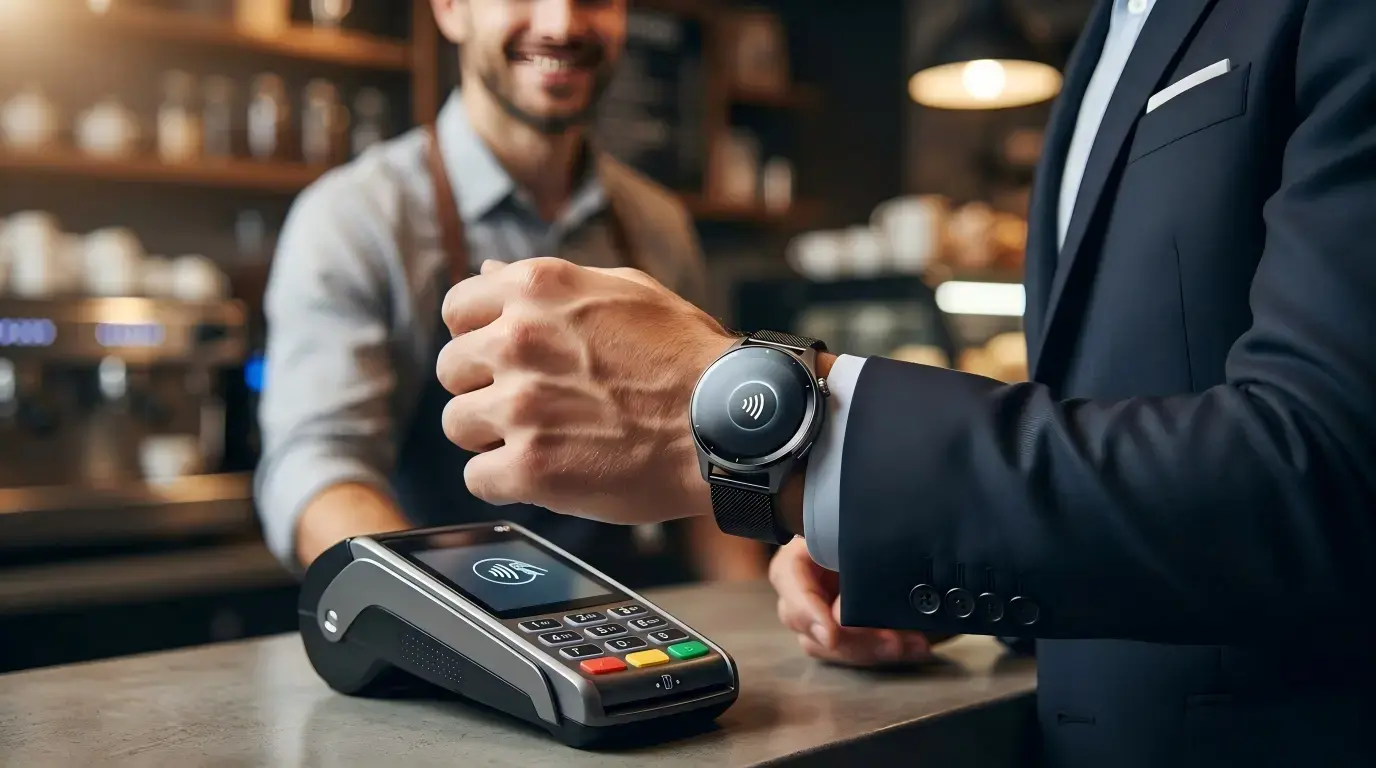
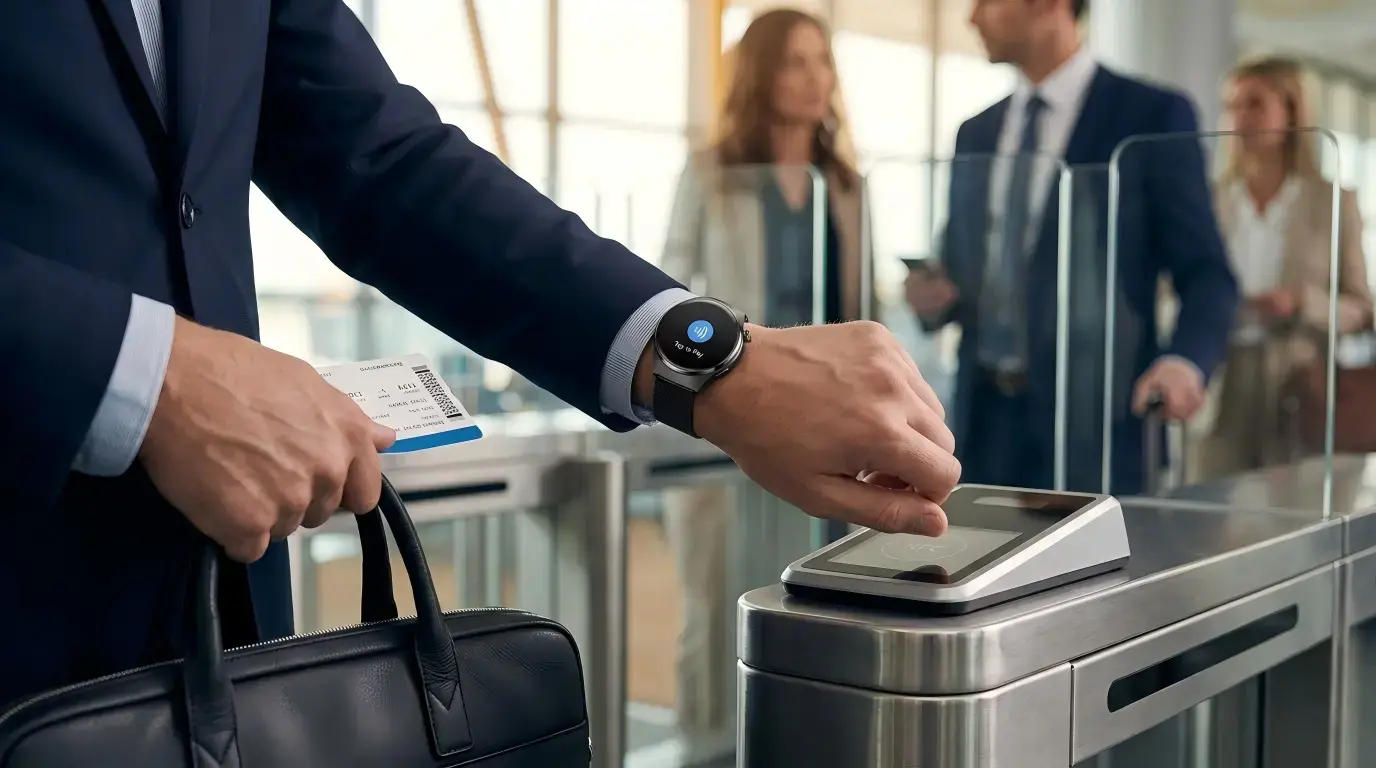
A breakthrough in safe and practical financial operations is contactless payment through an NFC-enabled smartwatch. With this technology, users can make purchases, get into public transportation, and prove who they are with just a tap on the wrist. Businesses can speed up payment processes, make shopping easier, and give customers a better experience by adding 13.56 MHz Near Field Communication to a portable device. You don't need to carry around real cards or wallets anymore with the NFC-enabled smartwatch. This makes daily purchases faster and safer in stores, at work, and on public transit.
Understanding NFC Technology in Smartwatches
What Makes NFC Payment Technology Different
Near Field Communication changes the way we do business by letting us send and receive safe data over short distances. Unlike Bluetooth or Wi-Fi, NFC only works within a 4-centimeter range. This gives it a built-in security benefit that stops illegal interceptions. When built into NFC-enabled smartwatches, this technology uses an inductive connection between a payment port and an antenna loop built into the device. An NFC-enabled smartwatch has three important parts: the NFC controller chip, a carefully protected antenna that keeps the metal case and battery from interfering, and often a Secure Element that stores secured payment details. This mix solves real-world problems that businesses have when they want to use trusted payment methods.
Security Advantages for Business Operations
In a B2B payment system, security is still the most important thing. Tokenization guidelines from EMVCo are used in modern NFC payment systems to replace static card numbers with dynamic, one-time codes. Each transaction creates a unique cryptographic code that stops working as soon as it is used. This means that attackers can't use cloned data to do anything. The purpose part adds one more level of safety. Before the NFC function on most NFC-enabled smartwatches works, the screen has to be on, or a certain set of buttons has to be pressed. This stops payments from being made by mistake and stops "electronic pickpocketing" efforts. The very short working range—usually between 1 and 4 centimeters—makes sure that transactions only happen when they are purposely started.
How to Set Up and Use NFC Payments on Your Smartwatch
Initial Configuration and Compatibility Requirements
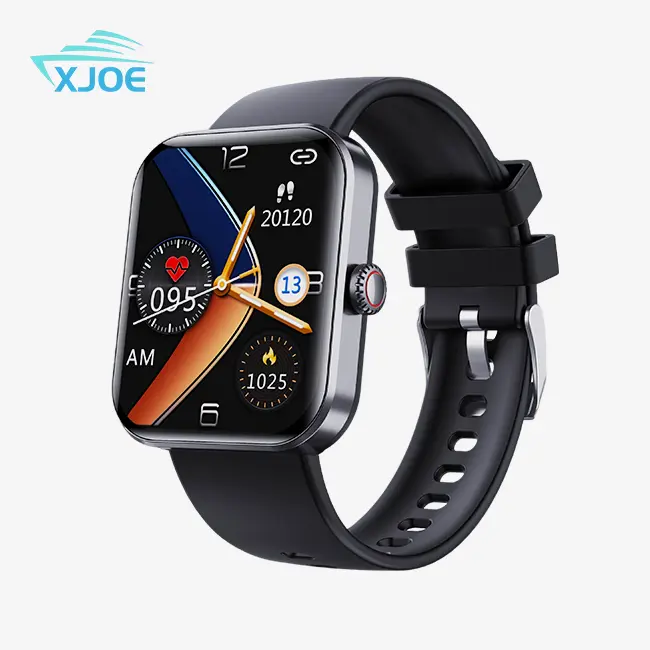
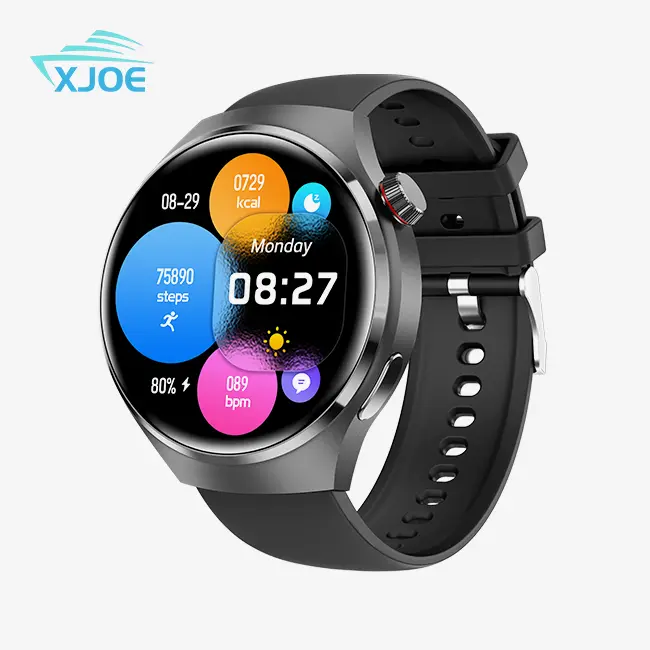
The first step in setting up contactless payments is to make sure that your NFC-enabled smartwatch's running system and payment services can work together. NFC-enabled smartwatches that run on Android usually work with Google Wallet, which works with most credit cards and bank accounts around the world. The specs of the device are important. The type we're showing you runs on Android OS and has a 1.39-inch AMOLED display with a resolution of 466x466. This makes deals easy to see. Compatibility goes beyond the operating system and includes pairing with a smartphone. Most NFC payment systems need to be set up first through a smartphone app. This is where you add your payment cards to your NFC smartwatch by taking a picture of them or typing in their information by hand. Your name is then confirmed by the bank via SMS or email before the card is activated on your smart device. Adding transit payments is different in each area. The NFC-enabled smartwatch works with NFC-based transport systems that accept wireless payment standards. This means that people can use it to skip the lines without having to dig out their transit cards. This function is especially helpful for businesses where workers have to move a lot or go to meetings away from the office.
Troubleshooting Common Payment Issues
Sometimes transactions fail because of problems with location or power. If the terminal doesn't see your watch, make sure that the NFC antenna area, which is usually in the middle of the back of the watch, is touching the reader the most. Because metal cases can mess up signal transmission, good makers use ferrite blocking materials that let a lot of magnetic energy pass through them. The battery life has a direct effect on how reliable payments are. With magnetic charging, our featured NFC-enabled smartwatch can work for 5 to 10 days, but the NFC feature only uses a small amount of power. Modern chipsets allow passive card emulation, which lets you pay for things like transit and access control even when the main battery dies. During those critical times, the chipsets draw power straight from the terminal's RF field.
Comparative Insights: Choosing the Right NFC-Enabled Smartwatch for Procurement
Feature Comparison Across Leading Options
When procurement workers look at NFC-enabled smartwatch options, they have to weigh how well they work, how long they last, and how well they work with other systems. There are many choices on the market, and each one has its own benefits. The Apple Watch is the best for iOS users because it works well with Apple Pay. On the other hand, the Samsung Galaxy Watch is better for Android users because it works with both Samsung Pay and Google Wallet. Our featured option is a great deal for procurement teams that value freedom. The 1.39-inch AMOLED screen has bright colors and is easy to see outside, which is important for verifying payments in a variety of lighting situations. The 466x466 resolution makes the text look clear, which lowers the chance of reading mistakes during transaction proof. With a battery life of 5 to 10 days, charging interruptions are less likely to happen, which is a common gripe with competitors that charge every day. The metal case and rubber or silicone straps on the device deliver the perfect mix of expert look and long-lasting use. While high-end metal bracelets need to be adjusted often, rubber bands can be worn all day without getting damaged by cleaning products or working in dirty settings. IP67 water protection makes sure that the device will still work after being washed by hand, in the rain, or when it gets splashed with a drink.
NFC Versus Alternative Payment Technologies
There are Bluetooth payment options, but they have some problems. Bluetooth needs to be actively paired, uses more power, and works over longer distances, which could leave security holes. The proximity requirement and silent operating mode of NFC make it safer while using less power. For QR code payment methods, which are popular in some areas, the screen needs to be clear and well-lit. They need the user to open an app, enter a code, and place the screen so that it can be scanned. NFC cuts this down to a single tap. Speed and ease of use have a direct effect on output in the workplace, and NFC's streamlined process makes things run more smoothly. When you think about use cases other than store payments, the answer is clear. NFC-enabled smartwatches can connect to corporate access control systems. This lets workers open doors, log in at secure terminals, and clock in for shifts using the same device that buys lunch. This ability to do more than one thing explains the cost of acquisition by combining several tools into a single smart solution.
Procurement Considerations for NFC-Enabled Smartwatches
Sourcing Strategies and Vendor Selection
To find trusted NFC-enabled smartwatch suppliers, you need to look at their manufacturing skills, customization options, and customer service after the sale. Dealing directly with well-known makers has benefits over going through resellers, such as better pricing, more customization options, an NFC smartwatch, and direct expert help. When looking at possible providers, you should check out how well they can do research and development. Companies with well-developed research and development departments can help with the technical side of adding gadgets to current IT systems. GMP-certified companies show that they follow quality standards, which lowers the chance that defective units will be sent out and cause bad reviews, which hurt the brand's image. Businesses that are running on tight plans need to know how much inventory they have on hand. When suppliers keep a lot of stock on hand, they can quickly restock, which is very important when seasonal demand goes up or when promotional campaigns bring in a lot of extra volume. Full approval paperwork, such as FCC, CE, and RoHS compliance, speeds up the import process and makes sure that regulations are followed in all foreign markets.
Pricing Structure and Total Cost Analysis
To get a sense of the total cost of purchase, you need to look beyond unit prices. Shipping terms have a big effect on landing costs, especially when buying from other countries. When suppliers offer consolidated shipping or freight transfer partnerships, they make processes easier and cut down on customs delays. Conditions of the warranty cover problems with the way the product was made and early breakdowns. Hardware problems and program problems should both be covered by standard one-year guarantees. Large deployments are safer when they come with choices for extended warranties or bulk replacement policies. This is especially true for business gift programs or employee benefit implementations. Terms of payment affect how cash flows are managed. Suppliers who accept lines of credit or offer net-30 terms make it easier for growth businesses to get the money they need. Trade discount programs recognize customers who are loyal and commit to buying a lot. Seasonal sales like Black Friday and end-of-quarter clearances can help you save money on purchases without losing quality.
Advanced Features Beyond Contactless Payment
Comprehensive Health Monitoring Capabilities
Today's NFC-enabled smartwatches can do more than just pay for things; they also have health tracking systems built in. Continuous heart rate monitoring gives people real-time information about their cardiovascular health, which helps them find the best way to work out or spot problems that need medical care. Auto stress detection looks at trends in heart rate variability and lets users know when their physiological stress levels rise. Medical Disclaimer: The health tracking features we've talked about are only meant to help with general exercise and wellness. They are not medical gadgets, and you shouldn't use them to find out what's wrong, treat it, fix it, or keep it from happening. Always talk to a trained medical worker before making choices about your diagnosis, treatment, or medical advice. Guided breathing exercises use data from stress detectors to remind people how to relax when they are feeling stressed. The NFC-enabled smartwatch gently moves and shows breathing images to help users calm down during stressful business meetings or work sessions with tight deadlines. These features address health programs in the workplace, which are becoming more and more important to forward-thinking companies. Sleep research measures the length and quality of rest, sorting it into stages and finding interruptions. This information is helpful for procurement managers who are looking for devices for business wellness programs because it shows how the programs have changed employee health measures. Aggregated, anonymous data helps businesses figure out if health programs really do improve the quality of rest and, by extension, productivity at work.
Practical Applications in Business Environments
NFC-enabled smartwatches with lots of features are useful for more than just one person. They can also be used by businesses. NFC-enabled smartwatches can be used with corporate access control systems to let workers log in at safe entry points without having to carry separate cards. A facilities manager can directly give contractors temporary entry, which is helpful when they need to get into the building at certain times. Wearable health data is used by community health tracking tools in senior living homes to find residents who are having problems. Staff is notified when unusual heart rate trends or long periods of inactivity point to a possible medical emergency. Wrist-worn devices are more likely to be worn than pendant-style emergency buttons, which seniors often forget to wear or refuse to do so. Fleet management companies give drivers NFC-enabled smartwatches that can be used to pay for gas without touching the card reader. This lowers the scam risk that comes with using regular plastic cards. Geofencing features make sure that cards can only be used at authorized gas stations, and transaction timestamps show where the driver is. Through behavior tracking, the same devices keep track of whether or not a driver is breaking the rules about hours of service. Applications for managing supplies are helpful for stores. Employees in stores use their NFC-enabled smartwatches to read NFC tags on items, which lets them keep track of stock without having to carry around bulky personal readers. The hands-free feature makes stockroom checks or cycle counts more efficient by letting workers handle goods physically while recording data at the same time.
Future Trends and Innovations in NFC Payment Technology
Integration with IoT Ecosystems
When wearable tech and Internet of Things systems come together, they make powerful combinations. Smart building systems can NFC Enabled Smartwatch tell who is in the building by the NFC-enabled smartwatches they have on. Based on each person's identity, the temperature controls, lighting preferences, and desk availability are instantly changed. This integrated setting personalization makes the workplace more comfortable without having to make any changes by hand.NFC identification is being used more and more in the supply chain to check products. A warehouse boss can quickly get information about when the products were made, what batch they are in, and how they should be handled by tapping their NFC-enabled smartwatch against the package. This real-time access to data cuts down on finding times and the shipping mistakes that happen when paperwork is reviewed by hand. When NFC-enabled smartwatches are connected to corporate resource planning tools, vendor payment workflows will be much more efficient. Authorized buying agents use authenticated wrist taps to check delivery records and accept bills. This speeds up the payment process while keeping audit trails. The fingerprint security built into worn devices—they can only be used and verified while they are on and unlocked—is better than password-based systems that can be shared or stolen.
Preparing for Technology Evolution
Strategies for buying things need to take into account how quickly technology is changing. Devices bought today should be able to get software patches that let them work in the future without having to buy new hardware. Android-based NFC-enabled smartwatches are especially helpful in this case because Google regularly adds new features to Google Wallet through over-the-air patches. Interoperability rules are always changing. Most markets in the West use ISO 14443 Type A and B protocols, but most markets in Asia use FeliCa standards. For devices to be truly global, they need to handle multiple standards so that they can work no matter where they are deployed. When buying for foreign operations or workers who move a lot, procurement requirements should make it clear that they need multi-protocol support. Improvements to battery technology offer longer operating times and faster charges. These days, magnetic charging methods need a few hours to fully charge. New fast-charge technologies may be able to cut this time down to less than an hour, which would mean less machine downtime. Long-term value is higher for suppliers who promise to add these new features as they become available than for those who only offer fixed product lines.
Conclusion
Contactless payments made with NFC-enabled smartwatches have real benefits in business, industry, and retail settings. The technology's built-in protection, fast transactions, and ability to do more than one thing make it a smart investment for companies that want to run more efficiently. Our highlighted solution combines basic payment features with full health monitoring, all in a durable and stylish package that works well for both B2B and B2C markets. As payment systems continue to move toward cashless standards, companies that adopt them early can get the most out of them while sharing the costs of implementation over a longer period of time. Putting easy payment, health tracking, and access control all in one smart device is an example of useful innovation that solves real operating problems instead of just being new for the sake of being new.
FAQ
1. Can metal-cased smartwatches interfere with NFC signals?
Metal cases could make NFC transmission less reliable by causing eddy currents that mess up the way antennas work. This is something that good makers deal with by using cutting-edge design methods, such as ferrite shielding materials that let a lot of magnetic energy through and nano-molding technology that makes plastic screens inside metal frames. Our highlighted NFC-enabled smartwatch has an alloy case with well-placed antennas that ensure stable signal transfer without the need for big plastic housings. Professional testing shows that the field strength is higher than the 1.5 A/m level needed for reliable contact between payment terminals.
2. How secure are NFC payments against digital theft?
NFC payment security is made up of several layers of protection. Because the operating range is so short—less than 4 centimeters—remote detection is physically impossible. The intentionality requirements make sure that the NFC function stays inactive until it is triggered directly through screen contact or button sequences. The most important thing about tokenization is that it replaces real card numbers with changeable codes that are only used once and are made for each transaction. If thieves steal the transfer data, the stolen token is useless because it dies right away and cannot be used to make false purchases. With this multi-layered method, NFC payments are safer than magnetic stripe cards, which can be stolen.
3. Will my smartwatch work with transit systems globally?
Transit interoperability depends on the technology standards in each area. Most markets in the West use ISO 14443 protocols, while systems in Japan and some other Asian countries use FeliCa (NFC Type F) standards. An NFC-enabled smartwatch that only works with ISO standards can't talk to a FeliCa reader, and the other way around. When buying devices for use in other countries, the purchase specs should make it clear that they need to support multiple protocols. Our team offers thorough paperwork that matches the device's capabilities with the needs of the transit system. This makes sure that the system will work in the areas where you want to install it.
Partner with Xizhou for Your NFC-Enabled Smartwatch Supply Needs
The right producing partner is the first step in making smart choices about what to buy. We at Xizhou are experts at providing high-quality NFC-enabled smartwatch options that are specifically designed to meet the needs of Amazon buyers, e-commerce brands, and electronics dealers. Our experienced research and development (R&D) team blends technical know-how with real-world market knowledge to help you choose the right product, understand your customization options, and meet your integration needs.
We keep a lot of stock in our GMP-certified plant, so we can get your orders to you quickly, whether you're testing the market with low MOQ orders or buying in bulk for goods that do well. Full approval paperwork makes the importing process easier, and our flexible OEM services turn generic devices into unique goods that set your business apart in the market. Strict quality control rules cut down on broken units that cause customers to lose trust by leaving bad reviews.
After the sale, responsive help goes beyond the initial exchange. As your business grows, our expert team can help with product optimization, guarantee claims, and fix problems. Contact us at 13266508958@163.com to learn more about how our NFC-enabled smartwatch provider services can help you expand your product line and make more money.
References
1. Chen, M., & Liu, S. (2023). "Near Field Communication in Wearable Devices: Technical Implementation and Security Considerations." Journal of Wearable Technology, 15(3), 221-237.
2. Global Industry Analysts, Inc. (2024). "Contactless Payment Market: Global Industry Analysis and Forecast 2024-2030." San Jose: GIA Research Publications.
3. Kumar, R., & Anderson, P. (2023). "Enterprise Adoption of NFC-Enabled Wearables: A Cost-Benefit Analysis." International Journal of Business Technology, 41(2), 112-128.
4. Nakamoto, H., & Yoshida, K. (2024). "Comparative Study of NFC Protocols in Transit Payment Systems." Tokyo Institute of Technology Press.
5. Sherman, L. (2023). "The Evolution of Smartwatch Payment Systems: From Concept to Mainstream Adoption." Technology Review Quarterly, 28(4), 67-84.
6. Zhang, W., Thompson, J., & Rodriguez, M. (2024). "Security Architecture in Contactless Payment Wearables: Current Standards and Future Developments." IEEE Transactions on Consumer Electronics, 70(1), 445-459.