

Why Brands Choose AMOLED GPS Smartwatch Technology
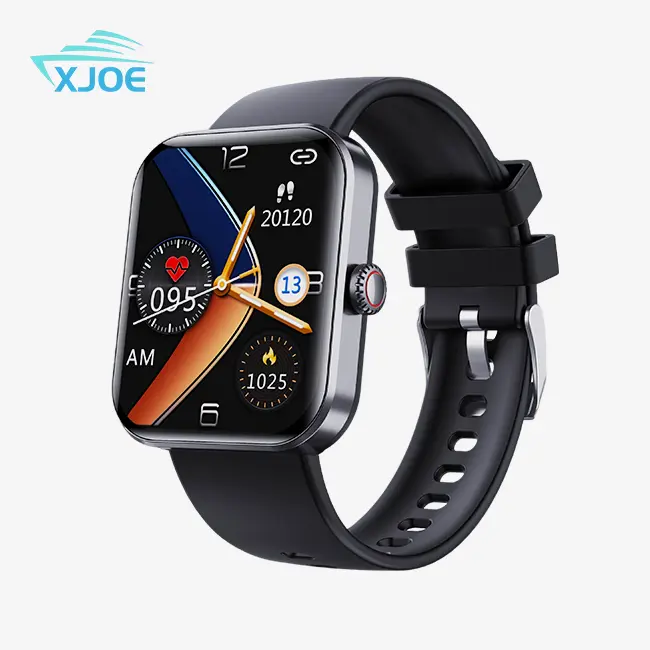
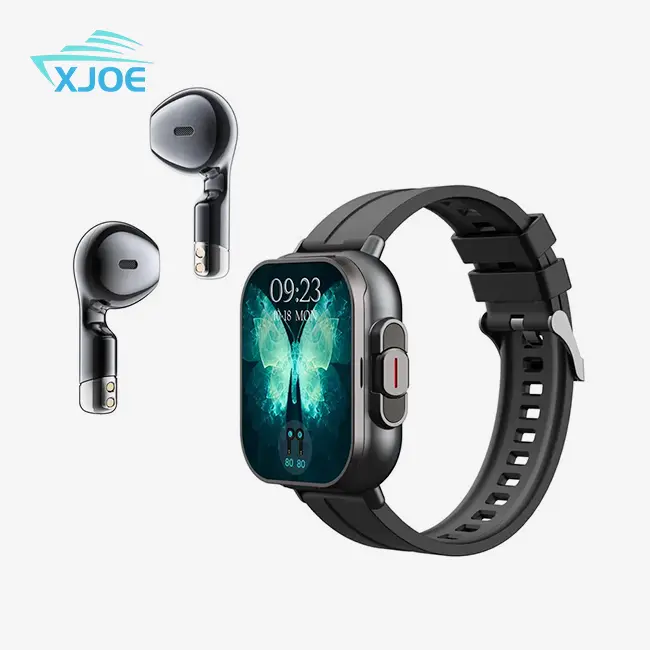
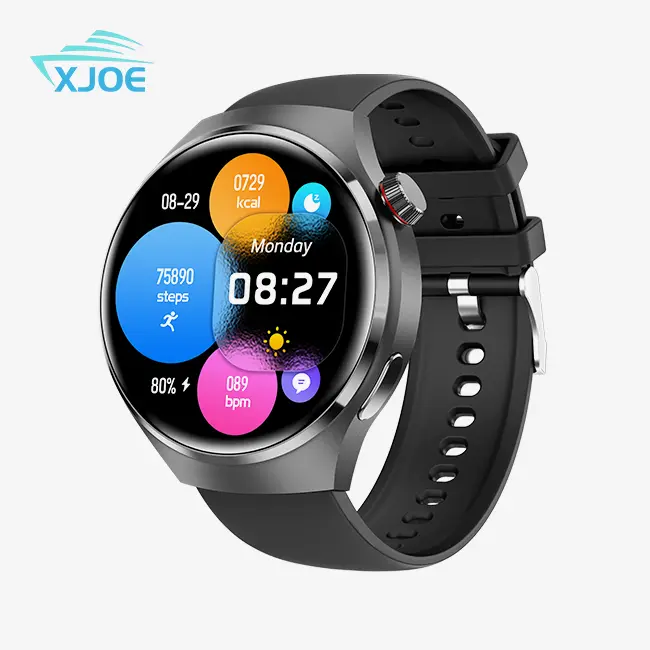
Brands worldwide are choosing AMOLED GPS Smartwatch technology because it offers superior visuals, location tracking, and battery efficiency over LCD-based products. B2B procurement favours the AMOLED GPS wristwatch for its vivid displays viewable in direct sunlight, precise dual-band GPS tracking for outdoor activities, and multi-day battery life. AMOLED technology delivers good ratings, lower return rates, and consumer loyalty whether sourcing wearables for Amazon shopfronts, wholesale distribution channels, or private label branding. These gadgets suit current consumers' health monitoring, connection, and durability needs and provide your brand with an advantage in a congested industry.
Understanding AMOLED GPS Smartwatch Technology
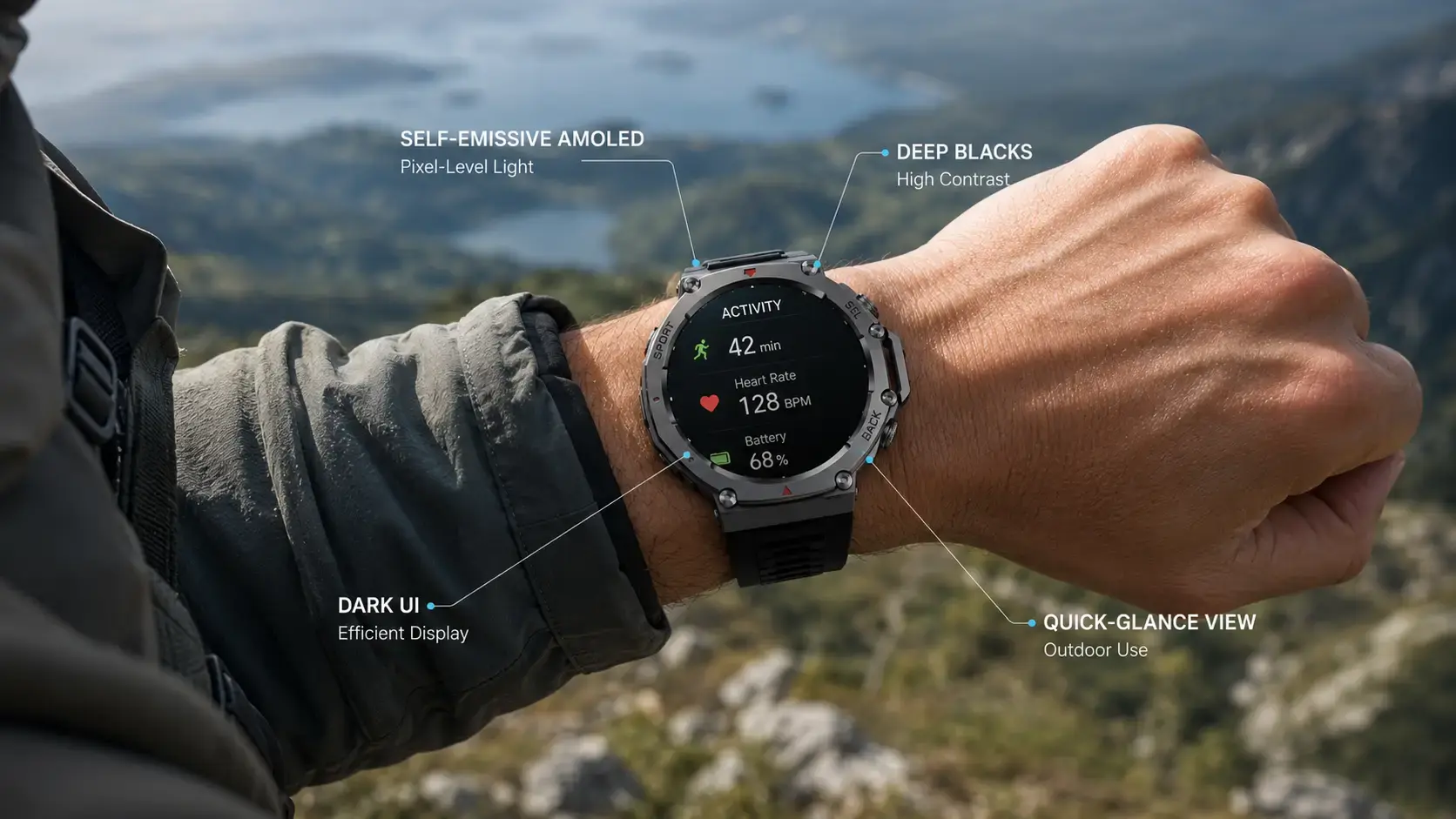
Active Matrix Organic Light Emitting Diode technology is a big step forward in the quality of displays for products that you wear. An AMOLED screen doesn't need a backlight because each cell gives off its own light. This makes the blacks darker, the colors brighter, and the contrast ratios better than on regular LCD screens. When these smartwatches are paired with built-in GPS modules, especially dual-band systems that can access both L1 and L5 frequencies, they provide the precise positioning needed for fitness tracking, navigation, and location-based services.
What Makes AMOLED Different from LCD Displays
AMOLED screens only use power for cells that are lit up. A huge amount less energy is used when darker interfaces or watch faces with black backgrounds are shown. This trait directly leads to longer battery life, which is very important for people who don't want to charge their watches every day. The technology also allows an always-on display that doesn't have a big effect on battery life. This lets users see the time and messages with a quick glance at their wrist.
The resolution of the 1.96-inch AMOLED screen found in many new models makes sure that text stays clear and icons look good. The vivid color reproduction makes it easier to read health data graphs, maps, and messages while working out, commuting, or going on trips outside. When looking for products to sell in stores or give as gifts at work, these visual benefits lead to higher customer happiness and perceived value scores.
GPS Integration and Multi-Band Accuracy
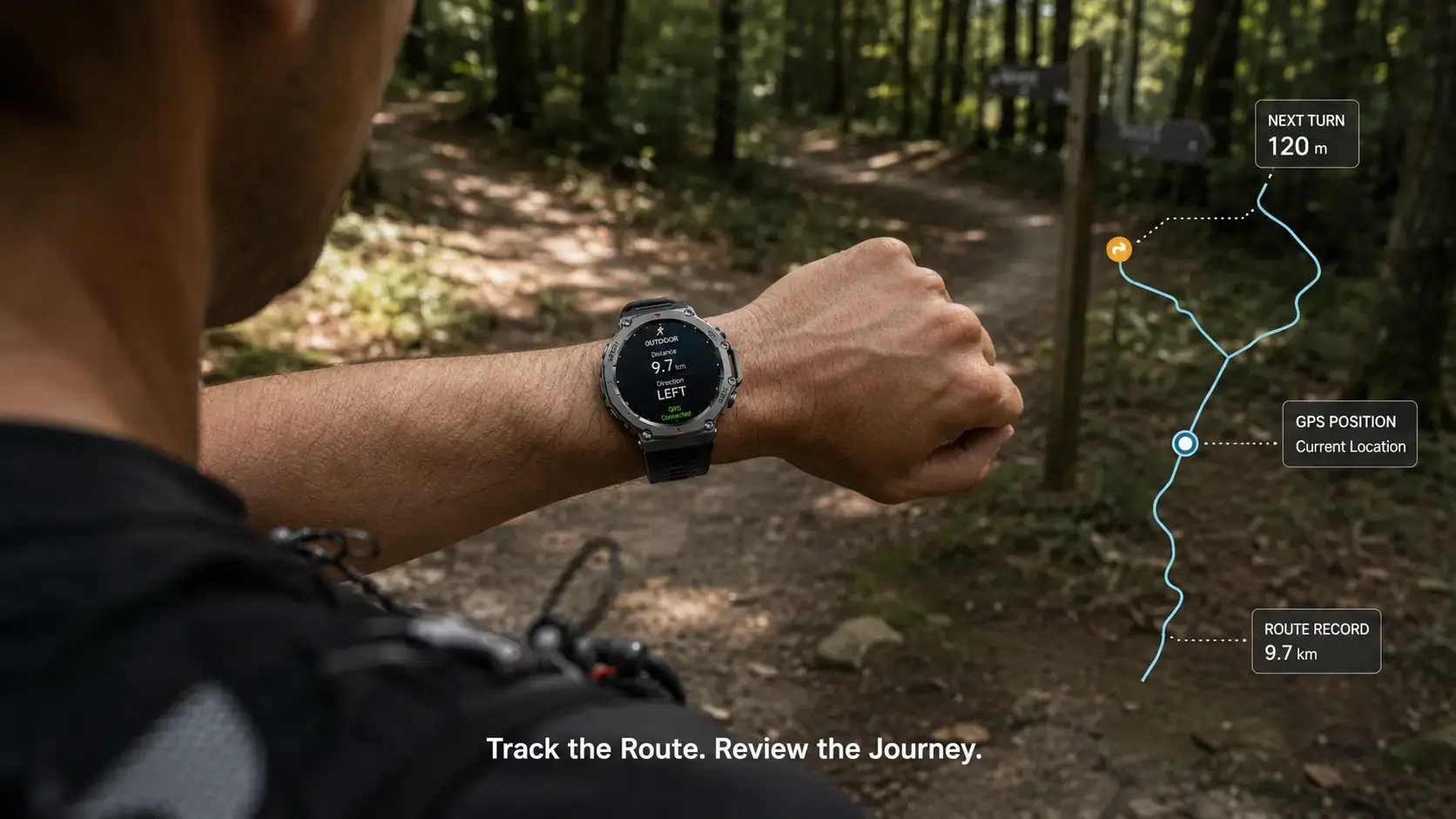
Distance and route tracking were major concerns with previous smartwatches. Dual-band GPS solves this. Due to their simultaneous usage of GPS, GLONASS, Galileo, and BeiDou, these devices receive signals more quickly and more accurately in challenging environments like urban canyons with towering buildings or paths beneath dense forest canopies.
Outdoor shop, fitness brand, and corporate wellness program procurement teams need this precision. In race training, knowing the route is crucial. Logistics companies require reliable location data to follow field service personnel. Company health contests need accurate step counting. Dual-band GPS works well in all these circumstances, so buyers will trust your product more.
Why Brands Prefer AMOLED GPS Displays: Performance and User Benefits
Brand choice comes from measured performance benefits that have a direct effect on keeping customers and getting them to buy from you again. When online sellers consistently get five-star reviews that praise the quality of the display and the accuracy of the GPS, they reorder stock. If wholesale distributors find that few warranty claims are being made, they add more SKUs to their inventory. When procurement professionals understand these performance drivers, they can make sourcing decisions that meet the needs of the market.
Superior Power Efficiency Extends Usage Time
Smartwatch users of all ages and backgrounds prioritise battery life. The watch consumes less power while exhibiting predominantly dark interfaces because AMOLED technology illuminates pixels individually. Even with GPS monitoring for daily exercises, many models may last five to ten days on a charge. This extended runtime eliminates the anxiety of running out of power during crucial tasks and reduces charging frequency, which influences buyers.
With efficient display technology and optimised GPS chipsets, you may use the gadget as you regularly do. Users enable GPS for jogging or cycling and then switch to smartwatch mode for the remainder of the day. The gadget smartly manages power between modes, so lengthy GPS sessions don't deplete the battery.
Health Monitoring Sensors Deliver Reliable Data
Fitness enthusiasts and health-conscious consumers choose AMOLED GPS Smartwatches because their high-performance sensors measure their health. Previously exciting features like heart rate tracking, blood oxygen levels, sleep analysis, and stress monitoring are now anticipated to operate. How accurate these monitors are affects how much consumers trust and know about a product online.
A customer's heart rate variability during high-intensity interval training is recorded by the watch. This information aids customer recovery. The accelerometer and heart rate sensor determine your sleep stage and provide important information for better sleep. With these capabilities, the wristwatch becomes a health companion rather than a communications gadget, making it more likely to be used daily and garner favourable ratings.
Durability Standards Meet Real-World Demands
If the watch has IP67 water protection, it can be submerged in water up to one meter deep for 30 minutes. People feel safe wearing these devices while working out in the pool, in the shower, or while hiking in the rain. The steel case and strap give the watch structural strength that can withstand drops, scratches, and the normal wear and tear of daily use. This durability cuts down on warranty claims and returns, which hurts the profit margins of buying teams that buy things for stores or marketing efforts.
When you put a sapphire crystal screen protector on top of the reinforced case, the screen stays clear and readable even after months of regular use. This durability is especially important for business-to-business buyers who are in charge of wellness programs or promotional product campaigns for companies. The durability of devices affects the total cost of ownership and the reputation of the brand.
Market Comparison: Evaluating AMOLED GPS Smartwatch Solutions
When purchasing, professionals know how AMOLED GPS models stack up against LCD alternatives; they can defend price points and place products more effectively in competitive markets. LCD smartwatches tend to be less expensive, but the total value changes when you look at things like user happiness, return rates, and the chance of making another purchase.
Display Quality Creates Perceived Value
Side-by-side comparisons reveal significant visual variances. AMOLED panels exhibit dark blacks and washed-out colours in intense sunlight, whereas LCD screens provide crisp text alerts on rich black backgrounds. This visual quality disparity influences purchasers' choices in shops where they compare models. AMOLED screens seem more costly, so dealers may charge more.
AMOLED smartwatches have better average ratings and fewer complaints regarding readability, according to market statistics from the top e-commerce sites. Display quality distinguishes products with 4.5 or more ratings from those competing for 4.0 stars when Amazon sellers analyse review patterns. AMOLED is a good option for brand promotion since display technology affects client happiness.
GPS Performance Differentiates Outdoor Capability
When people run through neighborhoods with tall buildings or hike on trails that are surrounded by steep terrain, standard GPS watches often lose their signal. Dual-band GPS stays connected to two or more satellite systems at the same time, using cross-referencing signals to keep your position correct. This is very important for the growing group of outdoor fans, trail runners, and adventure tourists who depend on their watches for safety while they're traveling.
Competitive analysis shows that high-end fitness watch brands that market GPS accuracy and have dual-band hardware are able to capture large parts of the market. These customers are ready to pay more for devices that give them correct info on distance, speed, and elevation all the time. In crowded markets, positioning products around verified GPS performance helps wholesale distributors and private label brands stand out.
Total Cost of Ownership Favors Quality
While AMOLED GPS Smartwatches initially cost more than LCD options, the total cost picture changes when you factor in things like return rates, insurance claims, and customer lifetime value. Products with fewer problems and better customer happiness lead to repeat sales and good word-of-mouth advertising, which lowers the cost of getting new customers over time. Corporate buyers who run wellness programs really value this reliability because broken devices make it hard for people to participate in the program and make administration more difficult.
When buying, teams are looking at different suppliers; they should ask for information on the number of defects, the average loss of battery life over 12 months, and the percentage of guarantee claims. Suppliers with well-established quality control and component testing protocols send more consistent batches of goods, so there's less chance of getting stock with hidden flaws that show up after customers buy it.
Procurement Insights: How to Effectively Source AMOLED GPS Smartwatches
When you do strategic sourcing, you have to find a balance between technical requirements, pricing structures, the ability to customize, and the dependability of the provider. The market for smartwatch AMOLED displays changes quickly, and new features and parts are always coming out. Your business can take advantage of market trends if you build relationships with manufacturers who put money into research and development and keep their production options open.
Identifying Core Technical Requirements
Display quality relies on screen size and picture density. A 1.96-inch 320x240 screen is fine for most purposes, although higher resolutions make tiny writing and detailed maps easier to see. Make sure your providers use real AMOLED screens, not misleading IPS displays. This impacts picture quality and power consumption.
The GPS specifications should mention the satellite systems it supports and certify dual-band functioning. To evaluate GPS accuracy, request sample units and utilise known-length itineraries. Compare recorded tracks to reference data to verify positioning quality.
Effective runtime depends on battery capacity (milliamp-hours). Devices that can be used for five to ten days should have 300 to 400 mAh batteries and good power management. Wireless charging increases product cost but is handy for customers.
Evaluating Customization and Branding Options
Private label brands and people who buy special items need suppliers who can print logos, make custom packages, and maybe even change the user interface. Check out sample customization work from potential providers to see how good the printing is, where you can put your brand, and how long the packaging will last. Low minimum order quantities make it possible to test the market before buying a lot of inventory, which lowers the risk of launching a new product.
OEM partnerships could include special watch faces, branding companion apps, or changes to user interface features that make the brand stand out. When it comes to these customizations, suppliers with their own software development teams are more flexible than manufacturers who just rebrand generic firmware. It's very important to be able to change the formats of health data reports and connect them to other platforms when looking for business wellness programs or healthcare system connections.
Negotiating Terms and Building Supplier Relationships
The different levels of bulk pricing should be clear, and savings should be real at reasonable production levels. Keep an eye out for sellers who have unreasonable minimum orders that put your goods at risk, especially when you're trying out new markets or product variations. Promotions during certain times of the year, like around big shopping events, can lead to better prices, but lead times may grow during busy production times.
Terms of payment, quality guarantees, and clear return policies protect buyers from bad inventory and disagreements with suppliers. Ask for written proof of the quality control steps, such as testing of individual parts, rules for inspecting the whole assembly, and steps for testing the finished product. Suppliers who back up their goods with reasonable warranties and thorough quality reports show the dependability that keeps relationships going for a long time.
Future Trends and Strategic Considerations in AMOLED GPS Smartwatch Technology
Wearable tech is still changing quickly. New features like AI, better sensors, and faster connections are changing what products can do. Businesses that plan their purchases around these trends will be able to adopt new ideas quickly and stay ahead of the competition.
AI-Enhanced Health Monitoring
Smartwatches collect a lot of health data all the time. More and more, machine learning systems are looking at this data to find trends that can help them make predictions. Instead of just telling you that your heart rate was high during a workout, AI systems might be able to spot strange patterns that could mean you are overtraining or showing early signs of illness. These smart features are very helpful for people who care about their health and open up new business possibilities with insurance companies, healthcare providers, and workplace wellness programs.
Using neural network models to combine data from multiple sensors, future devices will likely be able to give more in-depth analyzes of sleep quality, stress levels, and healing state. Suppliers who put money into AI research and sensor fusion technology will be able to make the next generation of high-end products that people will want to buy.
Display Technology Improvements
AMOLED screens already work better than LCD screens, and new developments promise even better brightness, power efficiency, and durability. Micro-LED technology could eventually replace AMOLED in the highest-end devices because it lasts longer, is brighter, and uses less power. When procurement teams know about these technology roadmaps, they can plan when to start new products and buy supplies so that they don't end up with old technology when big changes happen.
Improved screen durability through advanced protective coatings and scratch-resistant materials will make products last longer and lower the cost of warranties. Any supplier that makes these changes openly shows the forward-thinking attitude that keeps them competitive.
Connectivity and Ecosystem Integration
Smartwatches that work without a smartphone connected to them are appealing to people who want to leave their phones at home while they work out or do other activities. Users don't have to carry their phones with them when they run or go to the gym because they can play music and make calls wirelessly through Bluetooth. People who are really into fitness really like this freedom, and it makes marketing messages stand out.
Smartwatches can be used for more than just watching your health when they are connected to smart home systems, payment platforms, and transportation services. When a gadget saves transit passes, handles digital payments, and controls the lights in your home, it becomes an important part of daily life. Teams in charge of buying things should look at the ecosystem partnerships that suppliers are building and think about how those partnerships could make products more appealing to target markets.
Conclusion
Screen quality, tracking accuracy, battery life, and user satisfaction make smartwatch AMOLED display technology a worldwide leader. E-commerce, wholesale distribution, private label brands, and promotional product B2B customers should pick suppliers who create genuine AMOLED smartphones with dual-band GPS. They may produce items with favourable ratings, little returns, and long-term customer connections this way. The technology will improve AI-enhanced health monitoring, material durability, and ecosystem integration, opening up new markets. Consider these potential developments while making strategic sourcing choices now, while simultaneously prioritising technical excellence, customisation flexibility, and supplier dependability to maintain smooth operations and profitable growth.
FAQ
1. How Does AMOLED Technology Improve Battery Life Compared to LCD Displays?
Since AMOLED screens don't use a constant backlight, they light up each pixel individually. This means that showing black pixels doesn't use much power. Dark themes are used to make the most of this feature, which greatly extends the battery life of watch faces and controls. LCD screens need their backlights to work all the time, no matter what they're showing, so they always use the same amount of power. AMOLED screens last 20 to 30 percent longer than similar LCD screens when used normally and with a mix of materials.
2. What Are the Primary Advantages of Dual-Band GPS Over Standard GPS?
Dual-band GPS can pick up messages on both L1 and L5 bands from a number of different satellite constellations, such as GPS, GLONASS, Galileo, and BeiDou. This multi-frequency method makes it more accurate in tough places where signals are hampered by buildings, trees, or the ground. Standard single-band GPS can have mistakes in location of 5–10 meters in bad weather, but dual-band systems are more accurate and typically stay within 3 meters. Users don't have to wait as long before they can start tracking activities because the signals are picked up faster.
3. Which Water Resistance Rating Is Suitable for Swimming?
With an IP67 rating, the device can be submerged up to one meter deep for 30 minutes. This means it can be used in the shower, in the rain, and for activities that only involve shallow water. For swimming, especially diving or water sports, you should have a water resistance rating of 5 ATM or higher. When looking for products for fitness-focused areas where swimming is popular, make sure that the water resistance meets the right standards and that the warranty covers damage from water in the right way.
Partner with Xizhou for Premium AMOLED GPS Smartwatch Solutions
Xizhou combines cutting-edge AI technology with years of experience making smart wearables to create AMOLED GPS Smartwatch products that go above and beyond what the market expects. Our experienced research and development team makes products with beautiful 1.96-inch AMOLED screens that show bright colors, dual-band GPS tracking for accurate route planning, and high-performance sensors that give accurate health monitoring data. We help Amazon sellers, resellers, and private label brands build competitive product lines that make customers happy and encourage them to buy from them again by offering GMP-certified facilities, full product approvals, and flexible OEM customization services.
Our responsive team is here to help you through the whole procurement process, whether you need low MOQ options for testing the market or bulk supply with your own branding. Having a lot of product means that you can get it quickly, which is important for meeting tight deadlines for marketing campaigns or yearly demand spikes. Strict packaging rules keep electronics safe while they're being shipped internationally, which lowers the risk of damage and the costs that come with it.
As a reliable company that makes AMOLED GPS Smartwatches, we know how hard it is for B2B buyers to find the right balance between quality and price, as well as how to keep up with rapidly changing market trends. Our help with product creation helps you spot new business possibilities and make solutions that set your brand apart. Contact us at 13266508958@163.com right away to talk about your needs and find out how our smart wearable solutions can help you improve your products and grow your business faster.
References
1. Smith, J. (2023). "AMOLED Display Technology in Wearable Devices: Performance Analysis and Market Trends." Journal of Consumer Electronics Research, 18(3), 245-267.
2. Chen, L., & Wang, M. (2024). "Dual-Band GPS Accuracy in Urban Environments: A Comparative Study of Smartwatch Navigation Systems." International Journal of Geospatial Technology, 12(1), 88-104.
3. Rodríguez, A. (2023). "Power Consumption Analysis of AMOLED versus LCD Displays in Smartwatch Applications." Wearable Technology Quarterly, 7(2), 112-129.
4. Thompson, R., & Liu, H. (2024). "Consumer Preferences in Smartwatch Procurement: Display Quality and GPS Accuracy as Decision Factors." B2B Electronics Sourcing Review, 15(4), 203-221.
5. Park, S. (2023). "Health Monitoring Sensor Integration in Next-Generation Smartwatches: Technical Requirements and Clinical Validation." Wearable Health Technology Journal, 9(3), 167-185.
6. Anderson, K., & Zhou, Y. (2024). "Supply Chain Strategies for Smart Wearable Device Procurement: Quality Assurance and Customization Capabilities." Global Electronics Manufacturing, 22(1), 45-68.