

How NFC Technology Improves Smartwatch Functions
NFC-enabled smartwatches have quietly changed how we use technology, and smartwatches are leading the way. Using short-range wireless technology, an NFC wristwatch can securely connect with other devices within a few centimetres for contactless payments, access control, and rapid data exchange. NFC is great for wearables with low battery capacity since it uses electromagnetic induction instead of Bluetooth, which has a larger range. This technology solves a major problem: streamlining daily transactions without sacrificing security or comfort. Understanding how NFC improves wristwatch functionality may help electronics suppliers and private-label wearable firms satisfy customer desire for seamless digital experiences.
Understanding NFC Technology in Smartwatches
What Makes NFC Different from Other Wireless Technologies
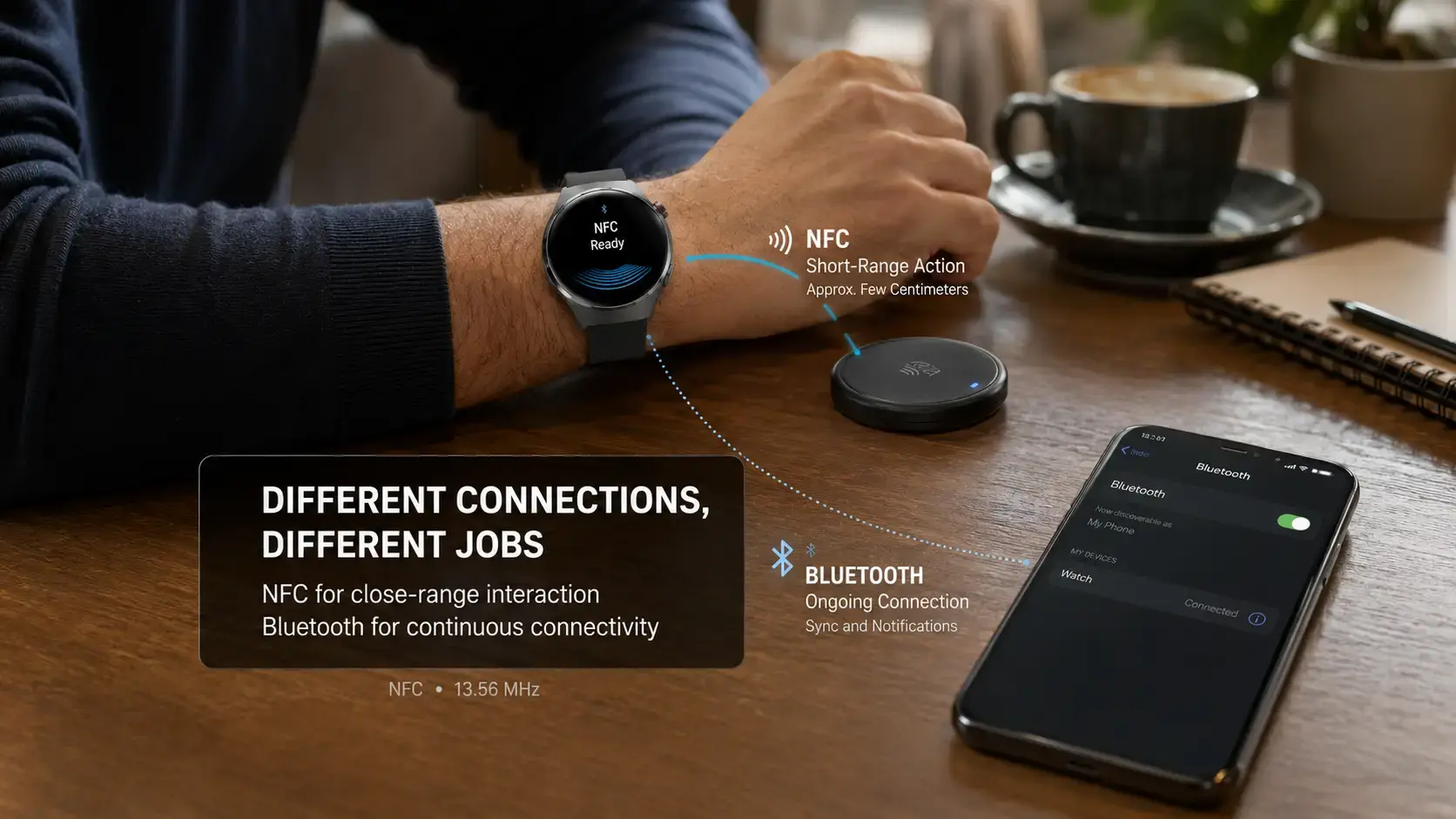
NFC works on the 13.56 MHz frequency band and lets devices that are less than 4 centimeters apart talk to each other back and forth. This requirement for closeness improves security by itself, lowering the chance of unauthorized interception. Bluetooth is great for streaming music or fitness data over a long period of time. NFC, on the other hand, is great for quick, secure handshakes that are great for verifying payments or access credentials. There are two types of modes for this technology: active (each device makes its own radio field) and passive (each device gets power from the other's field). This passive mode lets NFC tags on signs or transit stops talk to smartwatches without having their own power source. This means that smartwatches can be used for more than just talking to other smartwatches.
How NFC Integrates with Smartphone Ecosystems
NFC works best with compatibility. Android smartwatches employ Google's Host Card Emulation (HCE) technology to operate as wireless cards without a secure element chip. This concept reduces manufacturing costs while offering payment-level security using tokenisation, which replaces card numbers with encrypted temporary codes. Apple Watches with Apple Pay include a Secure Element that closes the environment for safety. Procurement teams must ensure smartwatch suppliers provide different payment systems. Because regional payment methods differ greatly. Reach more consumers and keep inventory organised with devices that operate with both main ecosystems.
Security Protocols That Protect User Data
NFC operations depend on more than one level of security. Tokenization makes sure that if transaction data is stolen, it doesn't contain any card information that can be used. Europay, Mastercard, and Visa (EMV) standards require dynamic identification, which makes a new cryptogram for each transaction that can't be used again. A lot of NFC smartwatches add biometric verification, which means that you have to enter a PIN, fingerprint, or heart rate to prove that you are still alive before you can make a payment. This multi-factor method meets the needs of business clients who need to follow rules like PCI DSS (Payment Card Industry Data Security Standard). Businesses should ask for proof that the smartwatch maker follows these standards when they buy in bulk, especially when using the devices for managing employee expenses or giving them as gifts for employees.
Practical Benefits and Use Cases of NFC Smartwatches
Contactless Payments That Eliminate Physical Wallets
Morning work journeys are easier when your wristwatch pays for coffee and public transit. NFC wearables can store encrypted Google Pay and Alipay card data. The transaction takes less than a second since the card reader is only touched once. Faster than phone or card searches. In busy places like rail turnstiles or retail checkouts, seconds matter. While useful, companies that provide employees with NFC smartwatches say they speed up reimbursement since built-in APIs promptly submit transactions to expense management systems.
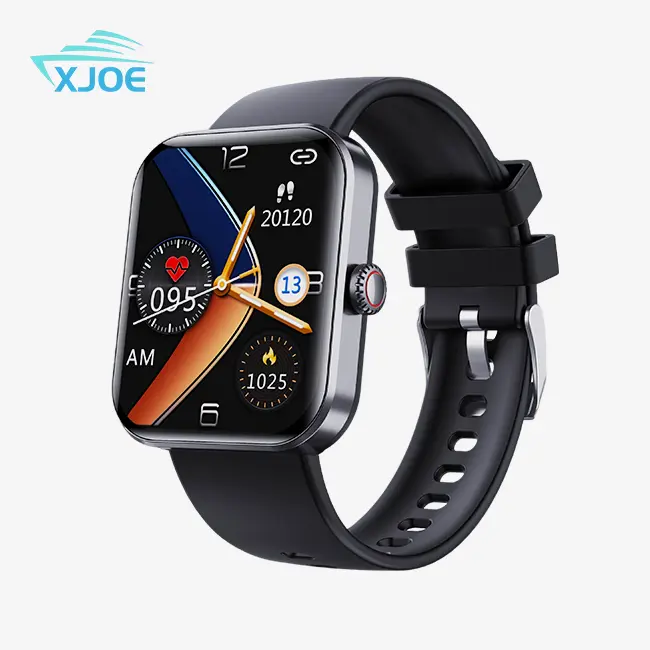
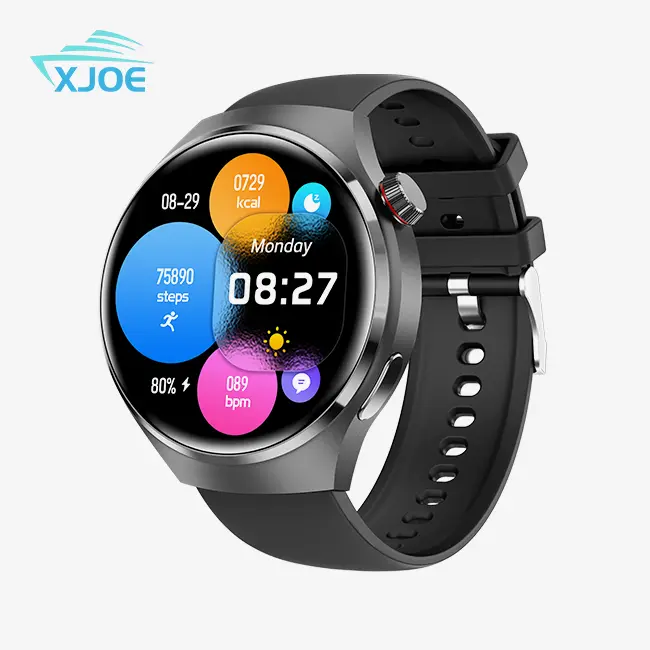
Our Xizhou device is practical. Android and area NFC support make it excellent for transit payments in supported locations. The 1.39-inch 466x466 AMOLED screen makes transaction confirmations easy to see in bright sunlight. The IP67 classification makes the device rain- and splash-proof. Aluminium watch bodies don't weigh on wrists, thus users like them. The 5–10-day battery life means users don't have to charge it every night, even during busy workweeks.
Access Control for Corporate and Residential Security
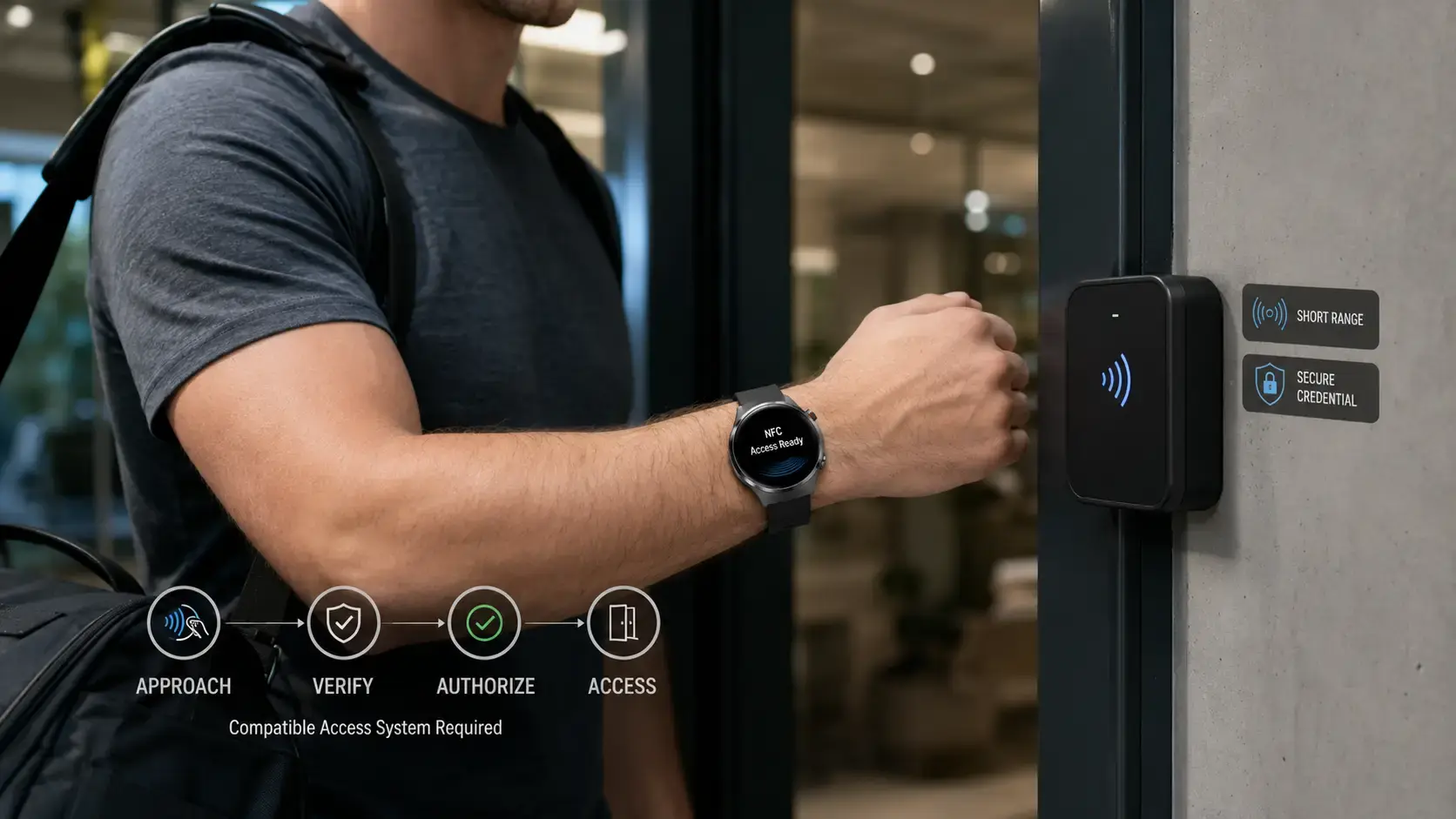
NFC smartwatches are being used instead of real keycards by security managers in office buildings and gated communities. When an employee presses their watch against a door reader, it sets off back-end authentication systems that check the credentials against Active Directory databases. This method fixes several problems: lost or stolen cards no longer pose a security risk (devices can be turned off remotely), and entry and exit timestamps for specific users are recorded automatically instead of cards that can be used by multiple people. Hotels use NFC wristbands and contactless payment smartwatches as room keys, which improves the guest experience and cuts down on the plastic trash that comes from using throwaway key cards. The technology is especially useful in healthcare settings where staff need to be able to do their jobs without using their hands while still following infection control rules.
Transit Integration and Urban Mobility
Cities all over the world are adding NFC to their public transportation systems. Commuters who use compatible smartwatches have a lot of convenience: they don't have to look for transport cards during busy rush hours, and their accounts are topped up instantly through linked payment methods. The same device that lets people into the building in the morning also pays for lunch on the bus and rides home on the train. This unified experience makes customers prefer models with NFC, which opens up buying opportunities for stores and distributors that serve urban markets. Companies that offer transportation benefits to their employees can pre-load their smartwatches with transit points. This makes managing the benefits easier and collects anonymous movement data that can be used to improve programs that help commuters.
Minimal Battery Impact Through Efficient Design
Adding wireless functionality causes battery concerns. Each transaction uses less than 1% power in NFC's passive mode. A few seconds of chipset activation occur when the watch is near an NFC reader. Immediately sleeps again. For alarms, tracking steps, and occasional screen turns, NFC devices utilise batteries similarly to non-NFC devices. The 5–10-day battery life of our reference model shows that it was carefully designed to manage power when you're outside for days or travelling abroad without a charger. The magnetic charging port lets you add energy quickly in the morning, and the PMIC (Power Management Integrated Circuit) minimises voltage spikes that may harm the battery over hundreds of charge cycles.
Comparing NFC Smartwatches: Market Leaders & Procurement Insights
Recognized Brands and Their Market Positioning
The Apple Watch Series leads the industry with its smooth iOS connection and global payment network acceptance. Android Samsung Galaxy Watches are compatible with Samsung Pay's MST (Magnetic Secure Transmission) technology in certain places. Health tracking and NFC payments draw wellness and corporate wellness lovers to Fitbit. After a journey, outdoor fans may get a Garmin tough GPS wristwatch with NFC. Xiaomi promises to be the value leader by offering basic NFC capabilities at lower prices than established manufacturers.
All brands target certain audiences. Apple's fame and ecosystem lock-in keep customers loyal, so procurement teams prefer it for corporate gifts. Xiaomi's sub-$200 gadgets attract price-conscious distributors. NFC and unique branding might be affordable for private-label firms by using ODM manufacturers. Knowing these levels helps buyers choose products that meet target market needs and make money.
Cost-Benefit Analysis for Bulk Procurement
According on chipset quality and certification, NFC parts add $3 to $8 to any creation. This makes NFC gadgets $20–$50 more costly. However, function makes items appear more valuable, and buyers will pay extra for convenience. Distributors may compete and profit by offering NFC models. Like our IP67-rated variant, sealed NFC devices feature fewer outside ports, reducing water leaks and warranty voiding.
Bulk buyers should question providers about how they update software when NFC standards change to meet payment network expectations. Reliable manufacturers update devices OTA to meet security needs without consumer return. Lifecycle support is essential when payment systems phase out older tokenisation methods. Improved products are more marketable and less likely to become outdated.
Evaluating Supplier Capabilities and Support Infrastructure
In addition to hardware, operational factors affect provider selection. Customised NFC smartwatches require 30–45 days after sample clearance. Experienced vendors with stable supply channels may reduce this time to 20–25 days for repeat orders. Order minimums vary. Famous brands require at least 5,000 units per SKU, but flexible manufacturers can handle 500 to 1,000 test orders, which is vital for Amazon sellers who want to test market demand before going big. Branded boxes, language instructions, and ready-to-go displays may make or ruin an online company since unpacking experiences drive ratings and repeat purchases.
Support after the sale separates trustworthy from transactional sellers. Respondent providers' expert account managers quickly handle RMA requests, send new equipment, and help customers with technical documentation. Since unnecessary reviews may destroy Amazon listings, these services are crucial for new product launches.
How to Choose the Right NFC Smartwatch for Your Business Needs
Mapping Features to Use Cases
Determine the major uses before buying. Corporate fitness initiatives prioritise health monitors and NFC payments for gym memberships and healthy meals. Transit businesses that offer staff gadgets must make them durable and transit pass-compatible. Promotional goods should appear excellent, have interchangeable faces, and display the company's brand when used. Different scenarios need different specs. Wellness programs benefit from our model's auto-stress identification and assisted breathing. The gadget's payment and health aspects make it more than a payment device.
Android has a larger app ecosystem than proprietary platforms, so companies may create time monitoring applications for field workers, inventory scanners for warehouse workers, and customer check-in apps for service providers. Contactless payment smartwatches may be utilised for personal and commercial productivity due to their flexibility. The greater unit costs are justified by their significant operational improvements.
Critical Evaluation Criteria for Device Performance
Battery life remains crucial. Most folks can use our 5–10-day range; however, heavy users or outdoor workers may require larger models. Screen visibility in varied lighting affects functionality. When combined with automatic brightness control, AMOLED panels like our 1.39-inch panel are brilliant inside and outdoors. Industries utilise various water resistance ratings. While IP67 (submersion to 1 metre for 30 minutes) is sufficient for everyday splash protection, 5ATM certification is required for pools and marine situations.
Where and how the NFC device is adjusted affects payment accuracy. Poorly constructed timepieces must be put directly near readers, which frustrates users and hinders transactions. Good manufacturers field-test their goods on many payment devices to achieve the optimal antenna shape. Procurement teams should request Verifone, Ingenico, and Square terminal transaction success rates to test the technology in real life.
Warranty Terms and Risk Mitigation Strategies
Standard consumer warranties (12 months) leave B2B purchasers vulnerable to product issues months after purchase. Negotiate extended warranties (18–24 months) or hefty replacement provisions to avoid abrupt breakdowns. Clear phrases that distinguish wear and tear (scratched displays, disintegrating straps) from faults (charging issues, NFC failures) prevent conflicts. The things you purchase affect your business's image; therefore, we provide clear warranty terms and fast support.
Return policies affect inventories and cash flow. When introducing new products without testing, suppliers that provide 30–60-day return periods for faulty units (not buyer's remorse) give firms flexibility. When difficulties arise, precise RMA processes, including pre-paid mailing labels and pre-ordered replacements, keep your firm going smoothly.
Future Trends and Innovations in NFC Smartwatch Technology
AI Integration and Personalized Experiences
AI transforms NFC smartwatches into proactive helpers. Machine learning algorithms analyse how consumers spend their money and offer budget notifications for unusual purchases or loyalty card redemption at frequent retailers. Predictive models strive to predict what consumers will desire, such as picking a payment option when visiting a favourite business or loading transport tickets for the morning commute. These clever features reduce subscription churn and increase customer lifetime value by keeping customers.
AI-based NFC health suggestions are part of our Xizhou expansion goal. Auto-stress detection algorithms monitor heart rate, respiration, and activity to identify stress. When stress and stress-related expenditures like comfort food or impulsive buys are high, the wristwatch may gently encourage healthier behaviours. This makes the smartwatch a fitness companion rather than an expense. This holistic strategy works effectively for corporate wellness buyers seeking quantifiable health outcomes.
IoT Ecosystem Expansion and Cross-Platform Interoperability
Through the Internet of Things, smartwatches can connect to smart homes, automobiles, and workplaces. The secure identity layer is NFC. Tapping your watch on a smart lock enables delivery persons to temporarily unlock it, or linking it with a rental vehicle loads your own settings immediately. Matter (previously Project CHIP) promises that gadgets from various manufacturers will communicate without issues. This will prevent the ecosystem from being too fragmented to make buying judgements. Buyers should favour open-standards firms. This ensures their purchases operate with new systems.
B2B customers gain the most from integrated health ecosystems. Corporate wellness systems connect wristwatch data on exercise, sleep, and stress with employee health information. This helps solve burnout and ergonomic issues rapidly. NFC simplifies medical checkup data transmission. Employees may safely communicate health indicators with doctors by tapping their watches against clinic readers. This maintains HIPAA data controls.
Supply Chain Implications and Procurement Strategy Evolution
Rapid innovation cycles shorten product lifecycles, making conventional procurement strategies challenging. Smart buyers utilise agile sourcing tactics including maintaining two to three suppliers, testing new models in small groups before making major orders, and keeping experimental SKUs low in inventory while creating backups for proven hits to balance risk. NFC Forum certification reduces technological risk, but payment platform agreements are still fragmented. Devices should offer regional options like Alipay in China, Paytm in India, and Venmo in the US to reach more consumers.
Sustainability concerns increasingly influence buying decisions. Flexible NFC smartwatches with removable bands and batteries survive longer and meet corporations' ESG objectives. Their overall ownership expenses are lower. Our conflict-free materials and recyclable aluminium alloy coverings meet these aims without affecting device durability or appearance.
Conclusion
NFC-enabled smartwatch technology has gone from a helpful bonus to a key aspect of smartwatches that transforms their function. NFC makes contactless payments secure, restricts access, and streamlines IoT interactions, making wearables essential everyday tools. The business argument extends beyond customer convenience. They help firms analyse spending, improve security, and link them to health programs with a clear ROI. Buyers should prioritise NFC compatibility, battery life, construction quality, and supplier reliability when choosing smartwatch vendors. As AI and IoT technologies improve, early adopters may benefit from smart automation and payment use cases. NFC is the one characteristic all smartwatches have in common, regardless of price or feature set. This makes it vital for wearable tech buyers.
FAQ
1. How secure are NFC payments on smartwatches?
Tokenization, which replaces real card numbers with secure temporary codes good for only one transaction, is used for bank-level security in NFC smartwatch payments. EMV standards call for dynamic cryptograms that, even if they are stolen, can't be used again. Before allowing payments, most devices add biometric verification (PIN codes, heart-rate-based liveness recognition) that works like chip card security. This is called multi-factor identification. Payment networks like Visa and Mastercard approve NFC devices by putting them through strict testing methods. This makes sure that they meet PCI DSS standards for protecting cardholder data.
2. Will my NFC smartwatch work with my existing smartphone?
Operating systems and payment methods must be compatible for something to work. Smartwatches that run on Android, like our Xizhou model, work with Android phones that are running version 6.0 or higher. They sync with each other using apps that handle payment information and device settings. Cross-platform functionality is still restricted. For example, iOS devices can't fully control Android smartwatches beyond basic Bluetooth links that don't include setting up NFC. Before you buy, make sure that the smartwatch maker lists the OS versions that it works with and the payment platforms that are available in your area.
3. What distinguishes NFC from Bluetooth in smartwatch functions?
NFC is great for quick, safe activities that need to happen in close contact, like payments, access control, and starting to pair devices. Its range of 4 centimeters and low power use make it perfect for quick conversations. Bluetooth can keep connections strong for more than 10 meters, so data can be sent continuously for things like fitness tracking, answering calls, and streaming music. Modern smartwatches use both Bluetooth and NFC to connect to smartphones and make purchases. They work best for different uses in the wearable ecosystem, so they don't compete with each other.
Partner with Xizhou for Your NFC-Enabled Smartwatch Supplier Needs
Xizhou specializes in making AI-powered and NFC-enabled smartwatches for companies that need both new technology and dependability. As an experienced NFC-enabled smartwatch maker, we know the problems that Amazon sellers, distributors, and private-label brands face, such as low profit margins, trends that change quickly, and the constant push to make quality products that get good reviews and repeat sales. Our smartwatch is made of lightweight aluminum and has auto-stress recognition, guided breathing, and regional NFC transport support. It's the kind of unique product that stands out in online markets that are already very crowded.
We offer low MOQs starting at 500 units for testing and fast 20–25-day production for repeat orders. This lets you react quickly to market signs without tying up capital in extra inventory. OEM customization can include printing your branding on the device, making custom watch faces, putting your brand on the package, and even changing the firmware to include your own apps. Our factory is GMP-certified and follows strict quality control protocols. It also has all the necessary certifications (CE, FCC, RoHS) and keeps a lot of extra inventory on hand to make sure it's always available, even during busy times.
In addition to manufacturing, we offer professional advice on how to place your product, how to analyze the features of similar products, and how to set up after-sales support systems that protect the image of your brand. Our team has the technical know-how and quick customer service to make product ideas profitable, whether you're putting out a new line on TikTok Shop, expanding an Amazon store, or creating a wellness program for your company. Visit us at 13266508958@163.com to talk about how our NFC smartwatch solutions can help your business. Let's work together to make something better.
References
1. Lopez, M., & Chen, R. (2023). Near Field Communication in Wearable Devices: Security Protocols and Implementation Standards. Journal of Mobile Technology Research, 15(4), 287–305.
2. International Data Corporation. (2024). Worldwide Wearable Device Forecast, 2024–2028: Market Analysis and Consumer Adoption Trends. IDC Market Research Report.
3. Payment Card Industry Security Standards Council. (2023). PCI Mobile Payment Acceptance Security Guidelines for Wearable Devices. PCI SSC Technical Bulletin 2023-02.
4. Zhang, H., Kumar, S., & Williams, T. (2024). Energy Consumption Analysis of NFC Transactions in Battery-Constrained Wearable Systems. IEEE Transactions on Consumer Electronics, 70(1), 112–121.
5. Global Market Insights. (2024). NFC-Enabled Smartwatch Market Size by Application (Payment, Access Control, Data Transfer), Regional Outlook, Competitive Landscape & Forecast, 2024–2032. Market Analysis Report GMI7823.
6. Anderson, P., & Nakamura, Y. (2023). Tokenization and Dynamic Authentication in Contactless Payment Ecosystems: A Comparative Study of Security Architectures. International Journal of Information Security, 22(6), 1456–1473.
Medical Disclaimer: The health monitoring features mentioned in this article, including stress detection and breathing guides, are intended for general wellness purposes only and should not be used for medical diagnosis or treatment. Consult qualified healthcare professionals for medical advice regarding stress management or any health conditions.