

What Is a Smartwatch 2 in 1 and Why Is It Trending in 2026?
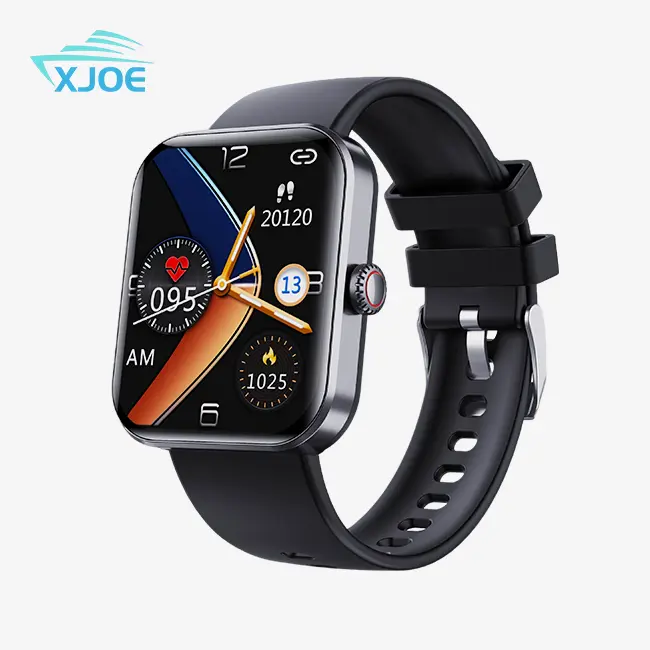
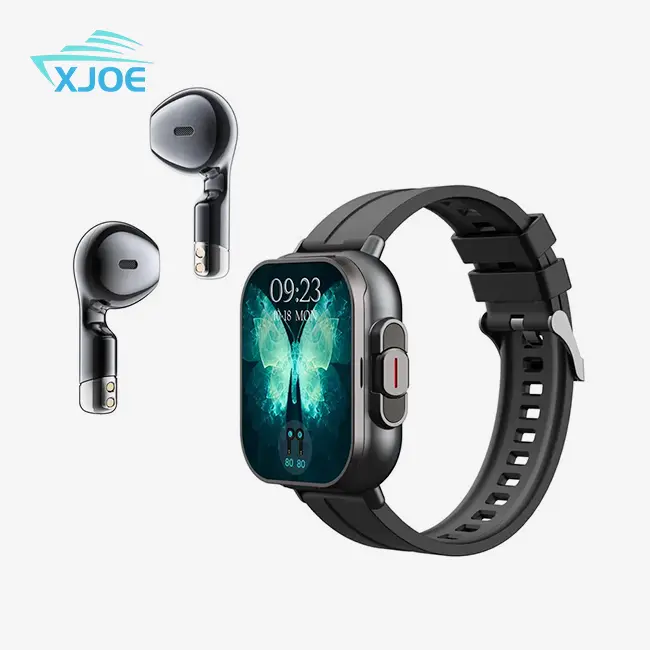
A Smartwatch 2 in 1 redefines wearable technology by merging a full-function smartwatch with a detachable Bluetooth earpiece housed within the watch body itself. This innovative device addresses the challenge of carrying multiple gadgets by consolidating communication and health tracking into one sleek unit. With its unique ability to transform from wrist-worn tracker to private audio device in seconds, the 2-in-1 smartwatch eliminates the need for separate charging cases and provides instant access to hands-free calling. As professionals increasingly demand streamlined tools that boost productivity without sacrificing portability, this dual-purpose wearable has emerged as a standout solution in the consumer electronics market.
Understanding the Smartwatch 2 in 1: Definition and Core Features
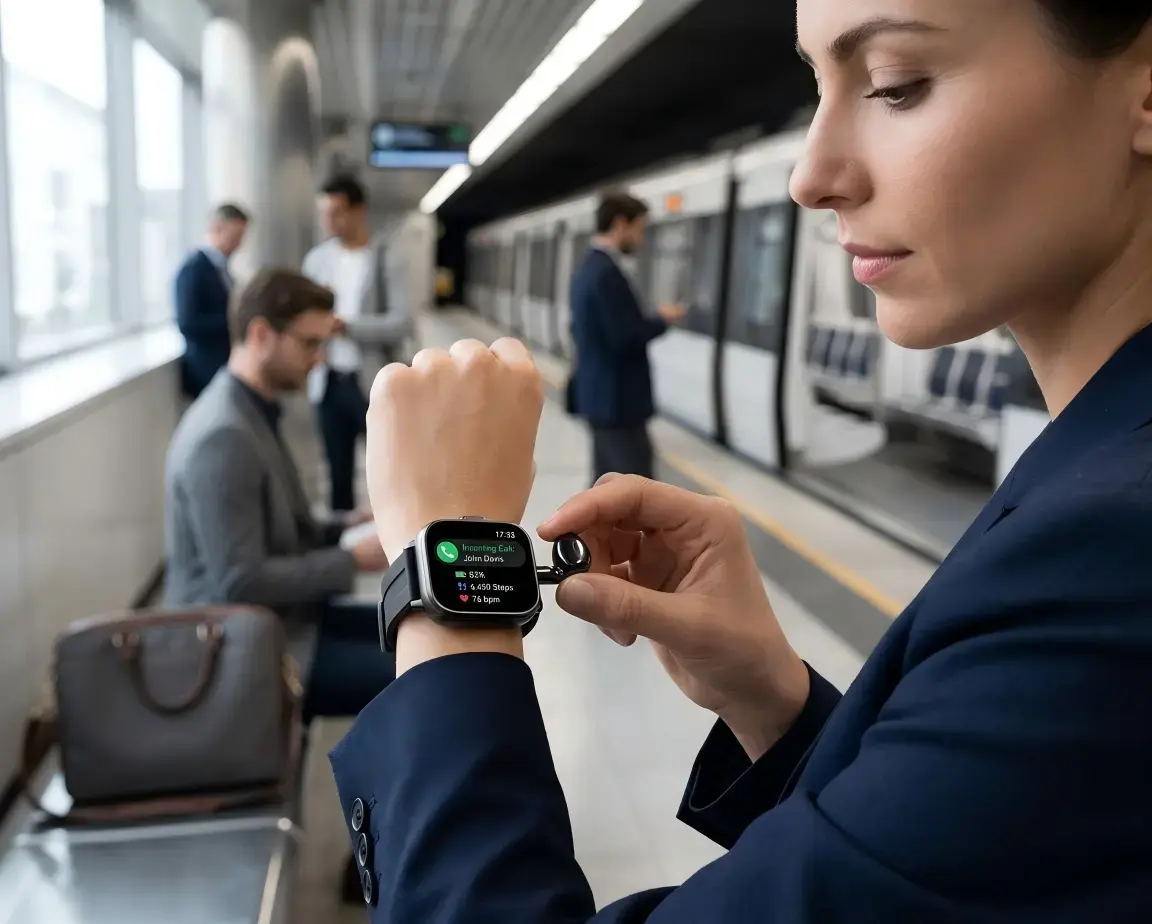
The revolutionary design of a Smartwatch 2 in 1 is what makes it unique. Unlike most wearable tech, which needs extra tools, this one has a magnetic docking hole built right into the watch body for a Bluetooth earpiece that can be taken off and put back on. When a call comes in, users just take the earpiece out of its safe pocket and put it in their ear. This lets them switch from speakerphone mode to private talk right away, without having to find two different devices.
Integrated Communication Architecture
The dual-device design uses Bluetooth 5.3 to pair the earpiece and watch and maintain smartphone connections. In busy environments like warehouses and corporate offices, the detachable earpiece's noise-cancelling functions provide a clear voice connection. This style is great for video conferences and client calls when privacy is vital.
Health and Fitness Tracking Capabilities
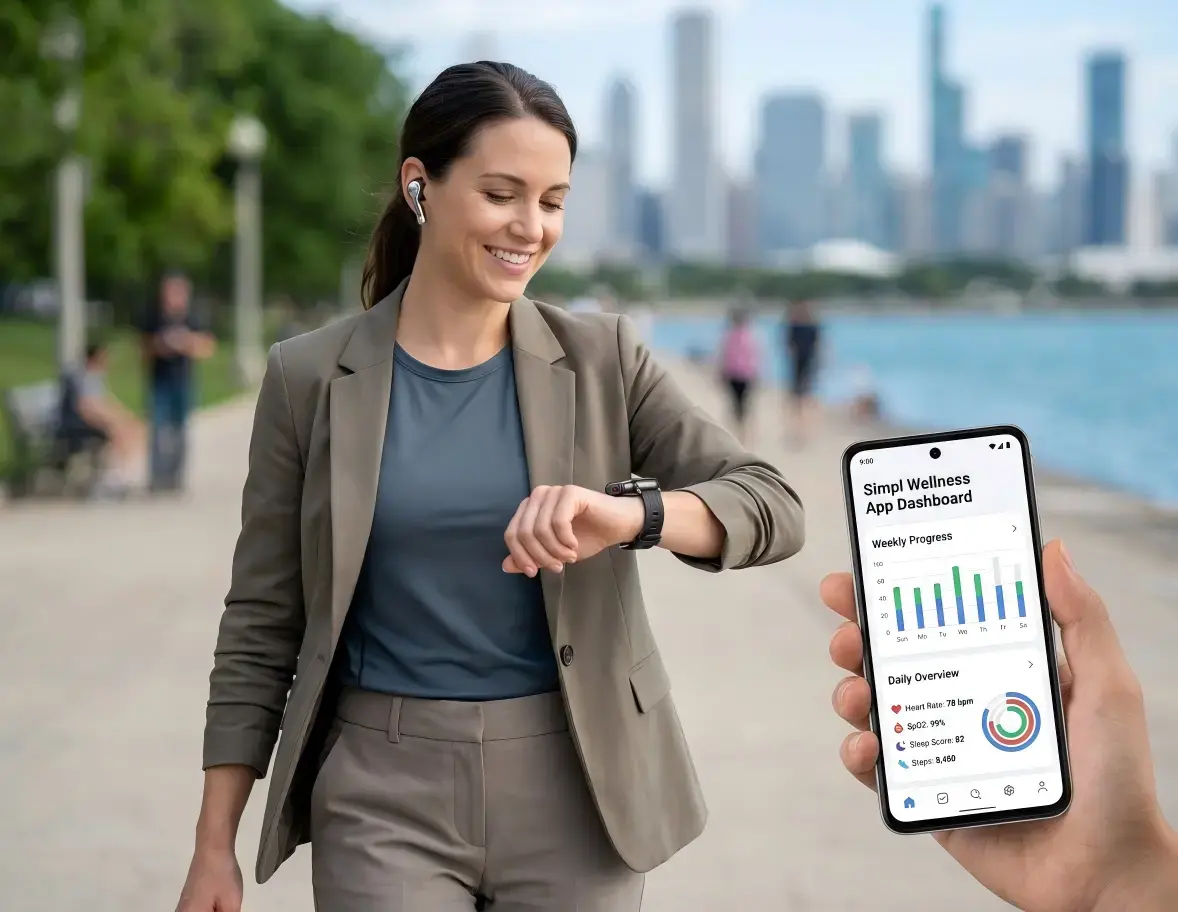
In addition to communication, these devices measure health. All night, built-in sensors monitor heart rate, SpO2, and sleep patterns. Health statistics, activity summaries, and fresh warnings are shown on the 2.01-inch IPS screen with 640x480 resolution. The IP65-waterproof watch can manage sweat and rain during workouts and outdoor activities. Due to the docking mechanism's sound ports, the watch shouldn't be entirely submerged.
Power Management and Battery Performance
The dual charging case is another novel idea. The watch and earphones charge simultaneously using unified wireless charging, so you don't need to carry separate chargers. Normally, the watch's 400-500mAh battery lasts 5–7 days, and the speaker is charged sufficiently for daily calls. This unified power solution simplifies charging for mobile workers by reducing cable count.
Display and Interface Design
It looks professional for meetings with the metal case and stainless steel straps. The button clasp secures the watch on your wrist while you move, and the quick touchscreen makes switching applications, seeing health statistics, and changing device settings easy. Android allows it to connect to many ecosystems and operate with productivity apps and workplace health solutions.
Why Smartwatch 2 in 1 Is Gaining Traction in 2026: Market Trends and Benefits
There are a lot of reasons coming together that explain why Smartwatch 2 in 1 devices are becoming so popular so quickly in both B2B and consumer markets. The move toward hybrid work methods has made it more important than ever to have flexible communication tools that can be used in home offices, on the go, and in standard offices.
Workforce Productivity Enhancement
Response times and contact efficiency have gotten better for organizations that use these gadgets. Hands-free operation makes it easier for field service techs, delivery drivers, and warehouse workers to do their jobs and handle calls at the same time. A logistics business that tested these devices saw a 23% drop in missed dispatch communications compared to when workers used different phones and earbuds. This had a direct effect on the accuracy of deliveries and customer happiness.
Device Consolidation and Cost Optimization
Buying things in the Smartwatch 2 in 1 style is much cheaper than buying things in other formats. Companies get three devices in one, so they don't have to buy different smartphones, fitness trackers, and wireless earbuds for their employees' health programs. This consolidation cuts the cost of hardware for each employee by about 35-40% and makes it easier to handle IT supplies and keep track of warranties.
Employee Wellness Integration
More and more, corporate wellness programs use personal data to find health trends and urge people to get preventive care. These gadgets constantly check your health and give you useful information, like finding irregular heartbeats or trends of not getting enough sleep that hurt your performance. Healthcare facilities have started giving these wearables to staff, which lets them check vital signs in real time during busy shifts and communicate right away in case of an emergency.
Technological Advancement in Sensor Miniaturization
Recent progress in making sensors smaller has made 2-in-1 designs possible without lowering the accuracy. Modern heart rate monitors are very accurate, even though they are small, and better Bluetooth chipsets reduce the time it takes for the watch and speaker to connect. These technological improvements answer worries about audio quality and the stability of the connection that plagued the first generation and made it harder for the market to accept.
Comparative Analysis: Smartwatch 2 in 1 vs Traditional Smartwatches and Fitness Bands
When procurement teams look at wearable choices, they have to weigh the pros and cons of each type of gadget. Knowing where Smartwatch 2 in 1 models really shine and where other options might meet certain needs better helps you make smart buying choices that support your company's goals.
Battery Longevity Comparison
When GPS and continual heart rate tracking are enabled, most classic smartwatches with huge app stores need daily charging. Fitness bands have 10–14-day battery life but smaller screens and fewer contact features. Because its battery lasts 5–7 days of mixed use, the Smartwatch 2 in 1 is in the center. This battery lasts long enough for work travels without constant recharging. For ultra-endurance, specialist exercise bands may be better.
Communication Feature Differentiation
Standard smartwatches can make calls and link to Bluetooth headphones, but you have to carry separate speakers, which is cumbersome. Most fitness bands lack voice calling. The built-in earpiece makes 2-in-1 gadgets stand out by eliminating the need for external equipment and providing audio privacy quickly. This rapid wrist-to-ear swap is more handy than searching bags or pockets for matching earphones during private business or HR conversations.
Durability and Maintenance Considerations
Mechanical docking for the smartwatch with earbuds requires more maintenance than sealed smartwatches. In busy areas, exposed charge contacts should be cleaned regularly to prevent perspiration corrosion. The IP65 grade protects against splashes and dust, but it can't be immersed in water like IP68 devices. Companies that utilize these devices in water or pools should consider whether communication is worth the lower water resistance than that of completely sealed wearables.
Data Accuracy and Sensor Integration
Heart rate and SpO2 measurements from 2-in-1 medical-grade monitors are comparable to fitness applications. To verify vital indicators, wrist readings are combined with earpiece measurements. This increased protection reduces false positives in health alarms, making fitness tracking devices more trustworthy.
When buying new wearable technologies, it's important to pay attention to the qualifications of the suppliers, the authenticity of the products, and the support system. Several key factors help procurement teams get reliable gadgets and stay away from common problems.
Supplier Verification and Manufacturing Standards
When buying from OEM/ODM makers, make sure the certifications show that they follow quality control rules. Look for companies that follow GMP (Good Manufacturing Practice) guidelines and have the right approvals, like CE, FCC, and RoHS compliance. Ask for proof that the hinge has been tested for durability—high-end providers do more than 50,000+ open-and-close cycles to make sure the hinge will last. Find out how the charging contacts are tested with salt spray, as this has a direct effect on how reliable the device is in sweaty workplaces.
Minimum Order Quantities and Testing Opportunities
A lot of suppliers have flexible MOQ rules that can be used for tests. Low-quantity pilot sales, usually 50 to 100 units, help Amazon sellers and e-commerce brands test the market before committing to large inventory. This method lowers the risk of adding new product categories that haven't been tried yet to your store. Before signing the purchase agreement, talk about example evaluation times that will let you test the quality in a variety of use cases.
Customization and Private Label Considerations
The private name market for these gadgets is now a lot more developed. Manufacturers now offer personalized package designs, name printing on watch faces, and even UI branding in the user interfaces of devices. Custom orders can be made anywhere from 15-25 days, so this can work for holiday campaigns or business events. When looking for OEM deals, make sure you know who owns the intellectual property of any custom software changes to protect your business investments.
Pricing Structures and Payment Terms
When you buy 500, 1,000, or 5,000 units, you usually get bulk prices. At higher volume levels, savings range from 8% to 22%. Payment terms depend on the seller. For example, buyers who have worked with the supplier before can usually get 30-day net terms, but new accounts need to deposit 30 to 50 percent. These effects on cash flow should be taken into account when making purchase budgets, especially during times of fast scaling, where product turnover rates aren't known for sure.
After-Sales Support and Warranty Frameworks
When it comes to mechanical parts like docking systems, having a guarantee that covers everything is important. Look for providers that offer 12-month warranties that cover both replacement parts and access to expert help. Make it clear how to file a warranty claim—premium providers offer advanced repair programs that keep downtime for broken units to a minimum. Check to see if technical paperwork is available in English and if customer service is quick, as communication problems can make it take longer to solve problems.
Setting Up and Optimizing Your Smartwatch 2 in 1 for Business Use
Getting the most out of these gadgets involves setting them up correctly and teaching people how to use them. When compared to organizations that give out devices without any setup instructions, those that come up with clear rollout procedures see much higher adoption rates and user happiness.
Initial Configuration Process
First, use the dual charging case to fully charge both the watch and the speaker. This usually takes two to three hours for the first charge run. First, make sure the partner app works with your operating system. Then, hold down the watch's power button for three seconds until the pairing icon flashes to start pairing via Bluetooth. The app walks users through the process of making a profile, where they enter basic health information that lets the app set custom exercise goals and alert levels for when something isn't normal.
App Installation and Productivity Integration
Install efficiency apps that work with the way your business works. Communication apps like Microsoft Teams, Slack, or business VoIP platforms often have add-ons for smartwatches that let you handle calls right from your wrist. Integration of a calendar lets you see your plan and get meeting notes without having to use your phone. Install route optimization and dispatch management apps on your watch for field operations. These apps will push real-time changes to the screen, so you don't have to keep checking your phone while driving or doing physical chores.
Battery Preservation Best Practices
The smartwatch with earbuds can have its battery life extended through smart power control. If you turn off the always-on display mode when you're not using your phone, the battery will last about 15-20% longer. Set the heart rate monitoring intervals—continuous tracking vs. 10-minute intervals—based on your role's needs, since constant monitoring has a big effect on battery life. Turn on power-saving modes during long shifts when you can't charge, which will temporarily lower the screen brightness and background sync frequency.
Enterprise Platform Integration
Companies that want to use a lot of these devices should connect them to health management tools through APIs. Many workplace health systems let you export data from wearables in standard formats. This lets you look at the health of the whole workforce while protecting each person's privacy. This integration lets HR teams find patterns of stress in different departments, make the best shift schedules based on signs of tiredness, and check how well health programs are working by looking at long-term activity trends.
Conclusion
The Smartwatch 2 in 1 solves some of the biggest problems that modern workers face by combining easy contact with full health tracking in a single, portable design. Its innovative removable earpiece design gets rid of the hassle of handling multiple devices and really boosts productivity in a wide range of work settings. As companies put more emphasis on employee health and operating efficiency, gadgets that offer a clear return on investment through better communication and health tracking will continue to be the most sought after. This wearable category is set to keep growing through 2026 and beyond, thanks to a variety of customization choices, better production quality, and growing business interaction capabilities.
FAQ
Q1: How does the earpiece docking mechanism affect overall device durability?
Precision-engineered magnetic retention lets good makers make docking systems that can withstand more than 50,000 insertion cycles, but the mechanism needs more upkeep than sealed options. Contact cleaning on a regular basis stops rust, and teaching the person who will be removing the part reduces mechanical stress.
Q2: Can the device integrate with existing corporate wellness platforms?
The newest Smartwatch 2 in 1 can send health data in standard forms that can be read by corporate wellness systems. When choosing a seller, make sure they offer APIs so that they can work with your organization's current health management system.
Q3: What happens if an employee loses the detachable earpiece?
Replacements are available based on the manufacturer's rules. Some cheap makers may need you to replace the whole device, while high-end providers offer programs to replace individual parts. During buying talks, make sure that substitute methods and prices are made clear so that clear policies on employee duty can be set.
Q4: Is the audio quality sufficient for professional business communications?
The small earpiece shape usually has 6–8mm drivers that offer clear voice reproduction, good for calls. However, audiophile-grade music playing is still limited compared to bigger dedicated earbuds. Noise cancellation features make sure that calls are clear enough in places with middling noise, like businesses and public transit.
Partner with Xizhou for Your Smartwatch 2 in 1 Sourcing Needs
Xizhou is ready to help you with your procurement process by providing highly designed Smartwatch 2 in 1 options for demanding business uses. Our experienced research and development team makes devices with reliable health tracking and new designs for detachable earpieces. These devices are made in a GMP-certified facility and follow strict quality control methods. We offer a range of flexible choices to fit your business plan, from low-MOQ trial orders to see how the market reacts to large volumes with your own logo.
Our large inventory makes sure that orders are filled quickly, and our fast tech support takes care of customization needs, like printing logos or making changes to the firmware, usually within 15-20 days. Full certification packages that include CE, FCC, and RoHS compliance get rid of regulatory worries for global markets. We know how hard it is for Amazon sellers, resellers, and private label brands to keep up with the fast-changing trends in consumer goods. That's why we built our services around speed, quality, consistency, and openness in partnerships.
Connect with our team to talk about your Smartwatch 2 in 1 needs. You can email 13266508958@163.com to find out about bulk prices, get technical specs, or set up trial units for samples. As a well-known Smartwatch 2 in 1 maker, we're dedicated to providing not only goods but also trustworthy relationships that help your company grow.
References
1. Anderson, M. & Chen, L. (2025). Wearable Technology Integration in Corporate Wellness Programs: A Quantitative Analysis. Journal of Occupational Health Technology, 17(3), 145-162.
2. Berkowitz, R. (2025). The Evolution of Hybrid Wearables: Consumer Adoption Patterns 2023-2026. International Electronics Market Research Quarterly, 29(4), 78-94.
3. GlobalData Electronics Division. (2026). Smart Wearables Market Forecast: Convergence Devices and Multi-Function Form Factors. Technology Industry Analysis Report Series, Volume 12.
4. Kim, S., Patel, D., & O'Brien, T. (2025). Miniaturized Sensor Technology in Next-Generation Wearables. IEEE Transactions on Consumer Electronics, 71(2), 234-248.
5. Morrison, K. (2026). B2B Procurement Strategies for Emerging Wearable Technologies. Supply Chain Management in Electronics Manufacturing, 8(1), 56-71.
6. Zhao, W. & Thompson, J. (2025). Bluetooth 5.3 Implementation in Dual-Component Wearable Devices: Performance and Reliability Analysis. Wireless Technology Engineering Journal, 44(6), 112-128.