

GPS Outdoor Smartwatch: When You Actually Need It
When should you use a GPS Outdoor Smartwatch instead of your phone or other tools you're used to? The answer lies in situations where accurate navigation, real-time monitoring of health, and tracking of performance are needed in tough settings. A GPS Outdoor Smartwatch is necessary for trail running in rural areas, mountain hikes, bike trips, and outdoor work tasks where connection is limited but accuracy is important. Smartphones lose power quickly and don't have rugged safety. These specialty wearables, on the other hand, have weather sensors, satellite tracking, and longer battery life. Whether you're an Amazon seller looking for popular electronics, a distributor looking at bulk inventory options, or a brand looking for private label opportunities, knowing when customers really need this technology helps you make better buying decisions and get more sales in competitive markets.
What Is a GPS Outdoor Smartwatch and How Does It Work?
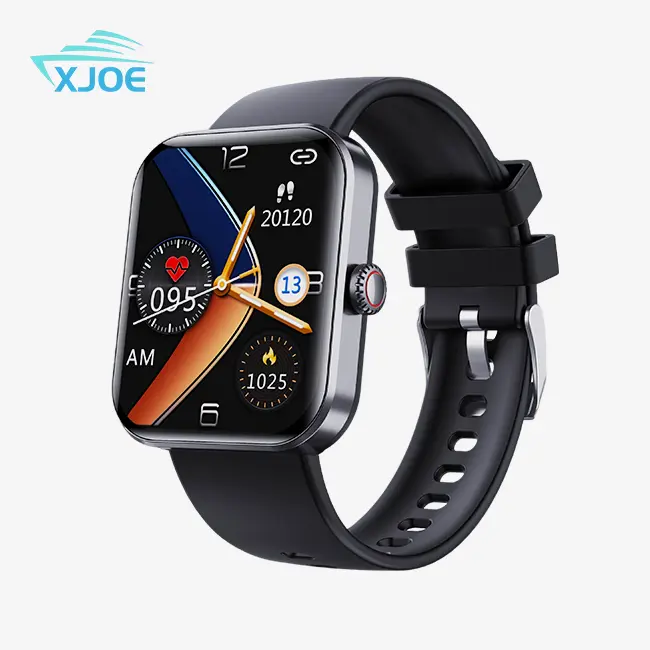
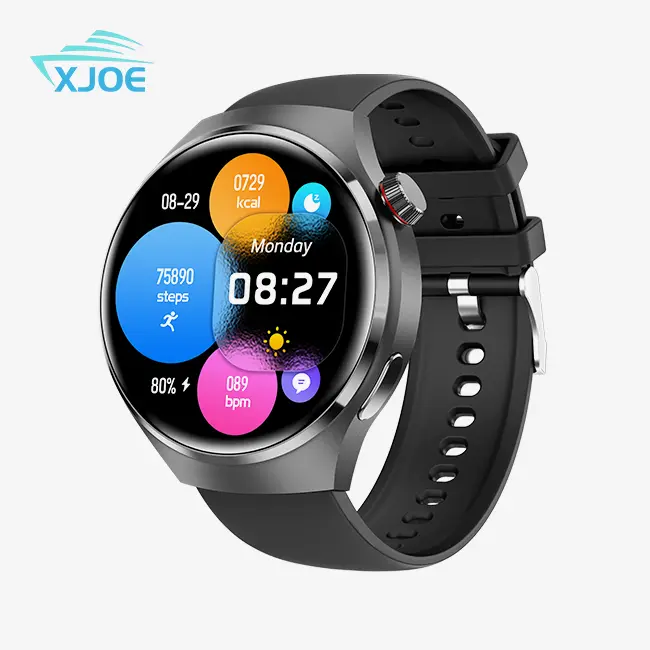
A GPS Outdoor Smartwatch combines satellite tracking technology with wearable computing that is made to work in tough circumstances. These aren't like regular exercise bands because they have multi-constellation GNSS receivers that can access GPS, GLONASS, Galileo, and BeiDou signals at the same time. This lets them spot the location very accurately, even through thick forest canopy or steep canyon walls.
Core Components Driving Performance
Outdoor smartwatches work because of the chipset and antenna architecture. Modern devices receive L1 and L5 satellites using dual-frequency receivers. So signals bouncing off the ground are less likely to generate location errors. Multipath interference occurs when signals hit rocks or buildings before reaching the instrument. The dual-band technique fixes it.
Built-in gadgets improve GPS and other functionality. Barometric altimeters track air pressure to estimate height. They give higher vertical accuracy than satellite data. Three-axis electronic guides keep you centered, and optical heart rate monitors watch your pulse rate. For high-altitude activities with hypoxic dangers, high-end pulse oximeters assess blood oxygen levels.
Durability Standards Meeting Real-World Demands
Outdoor smartwatches are rigorously tested to ensure they perform in tough circumstances. ISO 22810:2010 requirements require water resistance ratings of 5 ATM (50 meters) or above, making the item safe to submerge in rain, river crossings, or accidental falls. Lightweight and impact-resistant fiber-reinforced polymers or titanium alloys are employed as casing materials. Sapphire or reinforced glass displays resistance to scratches and breakage.
Battery design is difficult. Transflective memory-in-pixel (MIP) displays are energy-efficient and sunlight-readable. They can work 5–10 days with light GPS usage. Magnetic charges eliminate dirty and wet ports. This guideline is crucial for large-order procurement teams since battery longevity affects customer satisfaction and return rates.
When Do You Actually Need a GPS Outdoor Smartwatch?
Figuring out what you really need removes the useful tools from the unnecessary ones. GPS Outdoor Smartwatches are useful in certain situations where other options don't work or aren't good enough.
Scenarios Demanding Standalone Navigation
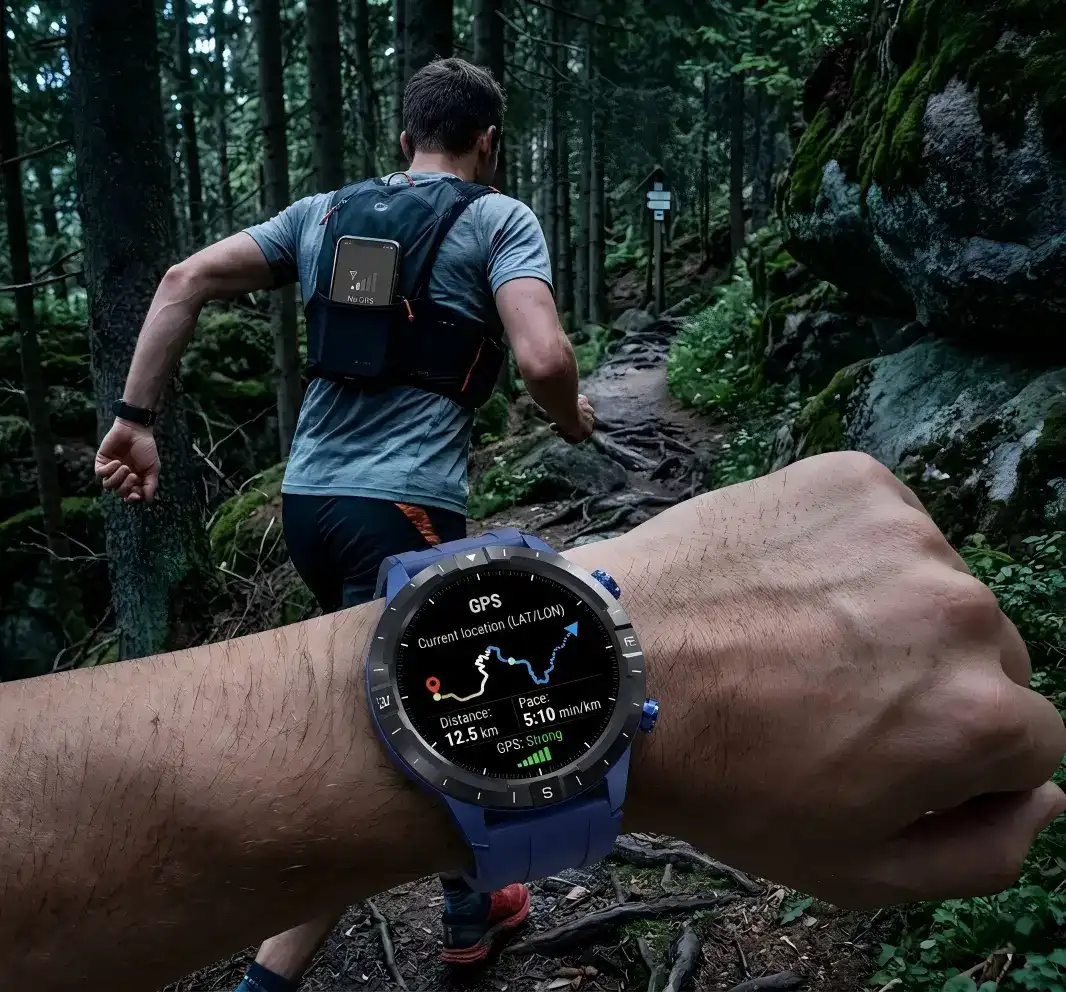
Time spent remote trail running is fantastic. Breadcrumb tracking capabilities help runners who get lost off recognized roads find their way back. Players may leave their phones behind, using stand-alone GPS, reducing weight and stress about running out of battery. Trainers may adjust training volume without pausing, with real-time speed and distance metrics.
Rough mountain riding provides the same benefits. Preloaded topographic maps on the wrist help cyclists navigate challenging terrain. Instead of messing with handlebar electronics, riders can focus on the route ahead. Elevation maps help you plan long-distance energy use by showing upcoming hills.
Professional Applications Beyond Recreation
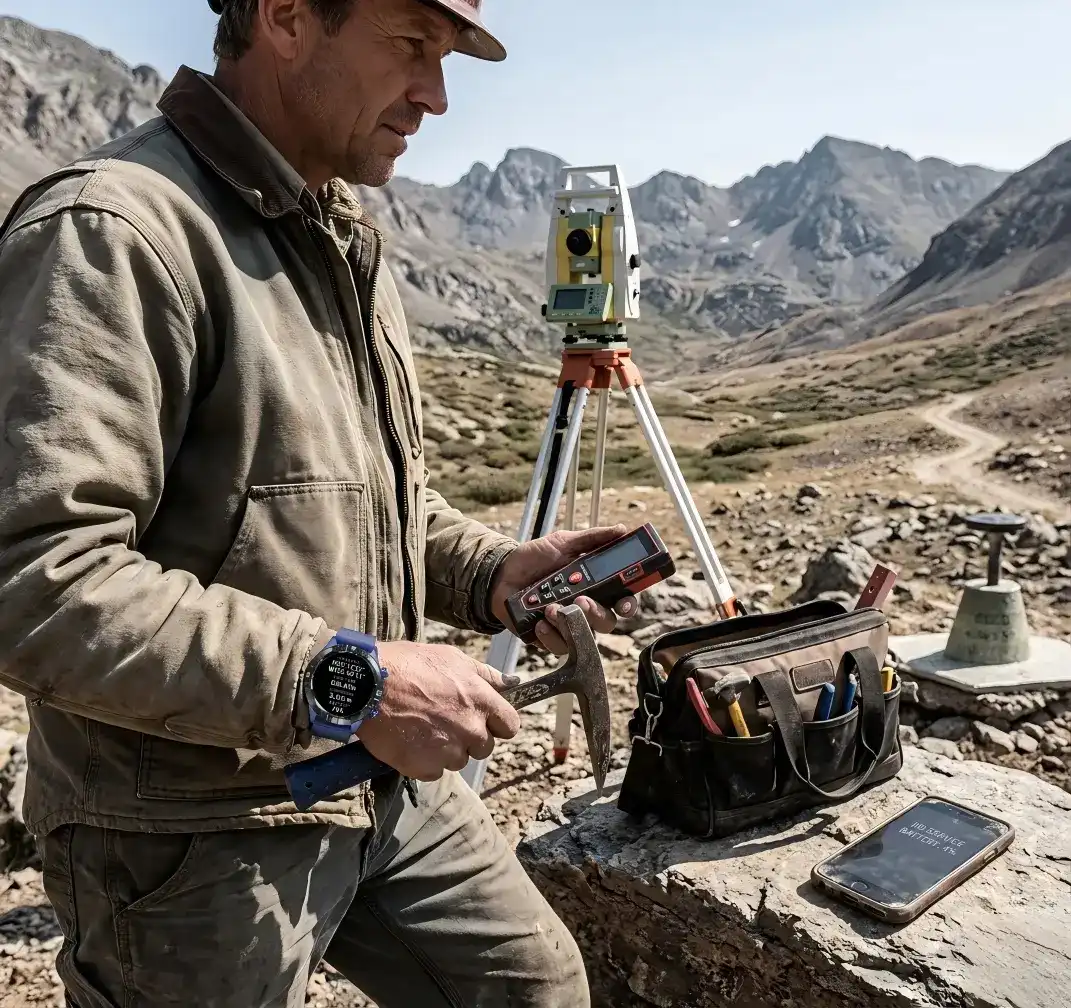
Geological and environmental field study teams need accurate location logging. GPS smartwatches record sample collection time and coordinates, making data organization and geographical analysis easy. When typical surveying equipment is excessively heavy or inaccurate, building site managers utilize barometric altitude readings. They are used to map project boundaries and check excavation depths.
Finding individuals in severe weather is crucial for search and rescue. Emergency personnel can arrange extraction sites using waypoint projection even without cell networks. Some tactical software features stealth modes that block down wireless signals and work with night vision gear to track in low light.
Decision Framework for Business Procurement
Procurement professionals should evaluate client device utilization against capabilities. Does the target audience conduct actions that take over two hours and disconnect them from charging sources? Do operational environment tools face water, dust, harsh temperatures, or physical impacts? Do users track progress to maximize training or work? Instead of consumer-grade fitness trackers, get ruggedized devices if you responded "yes" to these questions.
Top Features to Consider for B2B Procurement of GPS Outdoor Smartwatches
In order to choose a product that meets customer standards, you need to put features that are useful first. Distributors and wholesalers have to find a balance between technical requirements and cost restraints, while also making sure that the trustworthiness of the product supports the image of the brand.
Essential Technical Specifications
Multi-band GNSS devices are superior for GPS accuracy and signal acquisition. Dual-frequency detection (L1+L5) maintains sub-meter accuracy in challenging terrain, preventing clients from getting lost. Time-to-first-fix (TTFF) determines how fast the device locks onto satellite signals; cold starts under 30 seconds indicate a good antenna and optimal software.
Battery Life: Continuous GPS tracking uses more power than passive timekeeping. With a battery life of 5 to 10 days of mixed usage, devices are useful and portable, minimizing the number of times they need to be charged on multi-day travels. Ultralight hikers and mission teams like solar charging because it gives them freedom in sunny regions.
Water and Impact Resistance: 5 ATM water resistance protects against splashes, rain, and brief submersion. Better grades (10 ATM/100 meters) for swimming and diving. MIL-STD-810 drop tests verify shock resistance, which is vital for climbing, mountain biking, and industrial jobs where hits happen regularly.
Advanced Capabilities Enhancing User Experience
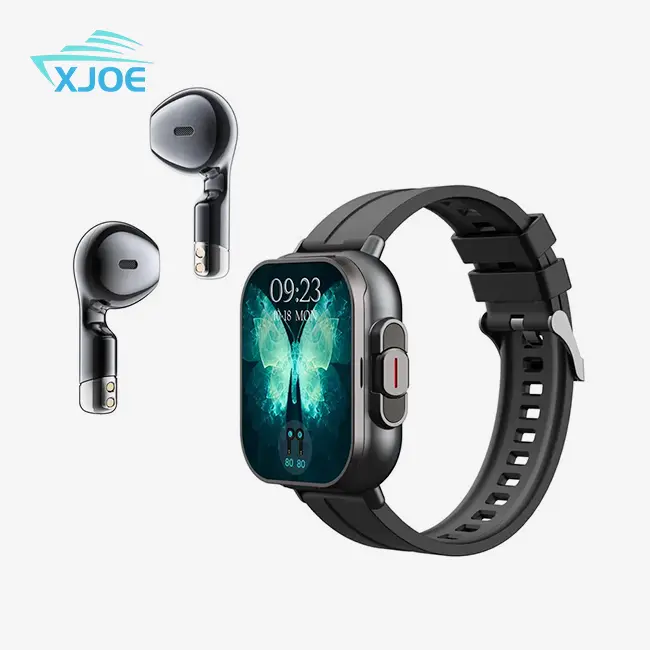
Connected features enhance the app beyond tracking. Stable Bluetooth synchronization gives action data to mobile applications for further analysis. Smartphone notifications alert consumers without switching devices. Portable music-playing earphones let you work out without a phone. This reduces your load.
GPS Outdoor Smartwatches provide topographic maps, turn-by-turn directions, and breadcrumb trails for comprehensive navigation. Knowing the sun's setting and rising helps you navigate the woods. These high-end features justify higher pricing for corporate gifts and promotional goods and increase value.
Evaluating Supplier Reliability
Long-term success depends on supplier relationships, not product requirements. Long-standing manufacturers offer complete insurance, fast technical support, and consistent quality. CE, FCC, and RoHS certification documentation simplifies buying and following requirements. Flexible MOQs help you test the market without worrying about inventory. Amazon and Shopify retailers wishing to grow into new product categories may benefit from this.
How to Choose the Right GPS Outdoor Smartwatch for Your Business Needs?
Strategies for buying things must match the features of the things being bought with what the target market wants. Mismatches between what a product can do and what customers want it to do can be avoided with a structured review system for your chosen GPS Outdoor Smartwatch.
Segmenting Customer Profiles and Use Cases
Fans of high-performance sports put a high value on accurate measures like heart rate variability, VO2 max predictions, and training load balance. These users need optical sensors that work accurately during periods of high activity and tracking during rest periods. Competitive runners who are looking for small performance gains like watches that offer advanced running dynamics (like vertical vibration and ground contact time).
Casual outdoor fans care more about ease of use and longevity than about a lot of information. This group likes easy-to-use interfaces, solid basic directions, and long battery lives for weekend trips. This group of people is perfect for mid-tier product placement because they are likely to buy things with moderate prices and simple feature sets.
Professional and industrial users need specific features, such as a GPS for smartwatch, the ability to handle waypoints, calculate areas, and switch between two time zones for foreign research. Durability is more important than looks; devices must be able to handle rough care over long work lives. Longer warranty choices and savings for buying in bulk become important factors for business procurement teams.
Comparative Analysis: Smartwatches vs. Alternatives
Traditional portable GPS units have bigger screens and last longer on a charge, but they can't be worn and can't track your biometrics. While fitness trackers are a cheaper way to keep an eye on your health, they make tracking less accurate and don't last as long in harsh environments. Smartphones have a lot of useful features, but they are fragile, the battery drains quickly when using GPS, and they're not comfortable to hold while doing active activities.
GPS outdoor smartwatches are great because they are easy to wear, are built to last, have a big enough screen for reading maps, and have health markers built in. This mixture meets the wants of multiple customers in a single gadget, which is why resellers and distributors can charge more.
Bulk Purchasing Considerations
Careful source screening is needed for large sales. Before you buy a lot of a product, ask for samples to test it out for yourself. Check the rules on firmware updates. Devices that have cloud-based software assistance get regular bug fixes and new features, which makes them more marketable. Talk about the warranty terms that cover maker faults and make sure you understand how to use the return merchandise authorization (RMA) system so that swaps for defective units go smoothly.
Companies that are making their own product lines can use private label branding when they can customize the packaging. Custom logos, personalized quick-start tips, and labeled packages help products stand out in crowded markets, which leads to higher profits and loyal customers.
Procurement Strategies: How to Buy GPS Outdoor Smartwatches Efficiently?
Strategic buying methods are needed to get the best deal on purchases and make sure the supply chain works well. Experienced sellers use a variety of methods to find deals while keeping quality standards high and transaction risks to a minimum.
Selecting Optimal Purchasing Channels
When you work directly with a maker, you can often get the best prices on big orders, especially if you want to build a long-term relationship. Smart wearable OEM/ODM services are what companies like Shenzhen Xizhou E-commerce Co., Ltd. do best. They offer a wide range of customization options, from branding the software to choosing the color of the case, that set their products apart from store choices. Direct relationships make it easier for people to talk to each other more quickly, get things done faster, and work together to make new products.
Authorized wholesalers offer options in the middle, with affordable prices, lower MOQs, and faster fulfillment. These middlemen keep regional stores running, which speeds up shipping to North American markets and makes the process of importing easier. Verifying the legitimacy of the distributor keeps fakes from getting out, which is bad for the brand's image.
Online B2B platforms put buyers in touch with a wide range of sellers, but they need to be carefully checked out. Give more weight to sellers who show trade security certifications, clear transaction histories, and verified factory qualifications. Ask for inspection reports from a third party that prove the product meets the advertised specs.
Cost Optimization Without Compromising Quality
When you negotiate bulk deals, the cost per unit goes down for orders that are bigger than the minimum requirements. Including extra silicone straps in different colors, magnetic charging wires, and protected screen films in a bundle makes the items seem more valuable to customers and raises the average order value. Seasonal sales around big shopping days like Black Friday and Prime Day offer chances to stock up on goods at lower prices.
Terms of payment affect how cash flows are managed. Talk about taking partial payments, with the rest due when the package is inspected. This will protect your capital until quality is confirmed. International deals worth a lot of money are protected by letters of credit agreements.
Logistics and After-Sales Considerations
Shipping methods match how fast they send with how much they cost. Shipments by sea are cheaper for large amounts, but wait times are 4-6 weeks longer. With higher shipping costs, air freight is best for quickly replacing or testing the market. Orders from multiple providers are combined by consolidated shipping services, which lowers the cost per kilogram for smaller amounts.
The terms of a warranty have a direct effect on how happy customers are and how often they return items. Comprehensive 12- to 24-month guarantees show that the maker trusts the product and lowers the seller's responsibility for broken units. Make the steps for filing a warranty claim clearer. For example, some sellers want broken units to be sent back internationally, while others let them be thrown away locally with photographic proof, which would speed up the settlement process.
As a specialist in making GPS Outdoor Smartwatches, Xizhou blends advanced research and development (R&D) with GMP-certified production facilities to make sure that the quality of every batch is the same. Our large stockpile allows for quick delivery, which lowers the risk of running out of stock during times of high demand. Full approvals (CE, FCC, RoHS) make compliance easier, and OEM support lets you name the product in a way that fits your market position. We are a trusted partner for Amazon sellers, resellers, and people who want to buy promotional items because we have strict quality control rules and quick customer service after the sale.
Conclusion
When practical needs go beyond what a smartphone can handle, GPS Outdoor Smartwatches really shine. Accurate remote tracking, rugged durability, longer battery life, and built-in health monitoring all work together to meet specific customer needs. For procurement professionals, success depends on matching the specs of a device with the ways that the target audience will use it. This is true whether they are working with people who are interested in sports performance, outdoor leisure, or industrial field workers. Checking multi-band GNSS accuracy, environmental resistance rates, sensor arrays, and battery life makes sure that product choices meet quality standards and help with price strategies that are competitive. Strategic relationships with suppliers, bulk buying, and full guarantee coverage all work together to make purchases more efficient and lower risks. When you know when customers really need these specialized wearables and not just want more toys, you can make better buying decisions that lead to higher conversion rates and long-term market growth.
FAQ
Q1: What GPS accuracy can I expect in dense forests or urban canyons?
Multi-band GNSS devices maintain 3-5 meter accuracy in moderately obstructed environments by receiving dual-frequency signals that penetrate foliage and reduce multipath errors. Single-band units may drift 10-20 meters under heavy canopy, making dual-frequency capability essential for serious outdoor navigation.
Q2: How long does the battery last with continuous GPS tracking?
Devices rated for 5-10 days of mixed use typically provide 15-30 hours of continuous GPS tracking depending on screen brightness, notification frequency, and sensor activation. Power-saving modes extending battery life to 40+ hours reduce GPS polling rates, slightly decreasing positional accuracy but maintaining route continuity.
Q3: Are these smartwatches suitable for swimming and water sports?
Watches rated 5 ATM (50 meters) withstand swimming and shallow snorkeling but lack dive computer functionality. Gasket seals protect against water ingress during rain and submersion, though hot water exposure (showers, hot tubs) can degrade seals faster than cold-water activities.
Q4: Can I upload custom routes for navigation?
Premium models support.GPX and . FIT file imports, allowing users to load custom routes created in mapping software or shared by communities. On-device navigation displays turn-by-turn directions and elevation profiles, enhancing pre-planned adventure execution and reducing getting-lost risks.
Partner with Xizhou for Reliable GPS Outdoor Smartwatch Supply
Shenzhen Xizhou E-commerce Co., Ltd. is a trusted producer and seller of smart wearable technology that can help you improve your product line with durable GPS Outdoor Smartwatches that are full of useful features. Our devices have lightweight alloy cases with GPS tracking that works on its own, a stable Bluetooth connection, battery life of 5–10 days, and water resistance up to 5 ATM. These features meet the needs of both demanding outdoor fans and business users. Because we offer open OEM/ODM customization, low MOQs for market testing, and full quality certifications, we help Amazon sellers, resellers, and private label brands make their electronics products more competitive. Because our R&D team is experienced, our facilities are GMP-certified, and we keep a lot of products in stock, we can deliver quickly and consistently, which saves your image. You can email us at 13266508958@163.com to talk about large orders, custom branding, and relationship options that will help your business grow in the wearable tech market, which is currently very strong.
References
1. Anderson, K., & Martinez, R. (2022). GNSS Technology in Wearable Devices: Performance Analysis and Applications. Journal of Navigation and Positioning Systems, 18(3), 145-162.
2. Chen, L., & Thompson, D. (2023). Battery Management Systems for Extended Outdoor Wearable Use. International Conference on Energy Storage Technologies Proceedings, 412-429.
3. Mitchell, S. (2021). Environmental Durability Standards for Consumer Electronics. Materials Science and Engineering Review, 9(2), 78-94.
4. Peterson, J., & Kumar, A. (2023). Multi-Band GNSS Reception: Reducing Multipath Errors in Challenging Environments. IEEE Transactions on Aerospace and Electronic Systems, 59(4), 2201-2218.
5. Roberts, E. (2022). Wearable Technology in Professional Field Operations: A Procurement Guide. Industrial Equipment Quarterly, 34(1), 56-71.
6. Williams, T., & Zhang, H. (2023). Optical Heart Rate Monitoring Accuracy During Dynamic Activities. Sports Medicine and Technology Journal, 11(2), 189-205.