Innovative Uses of Premium Sports Smartwatches in Sports and Training
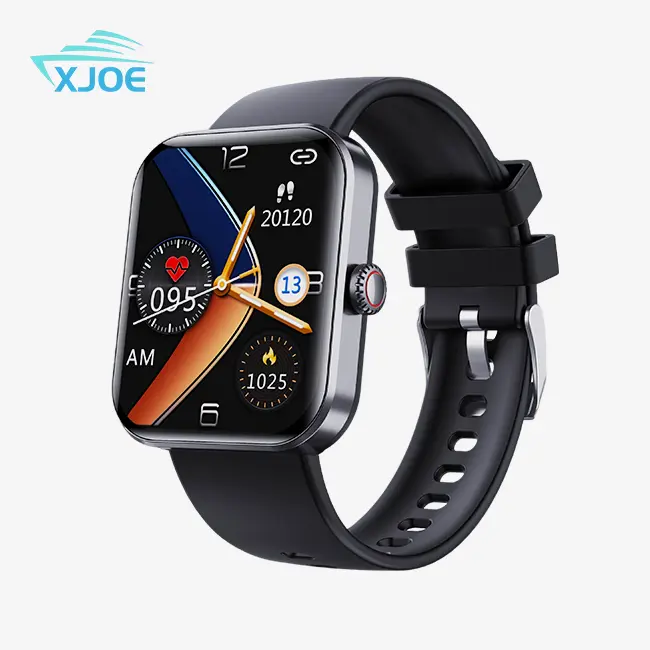
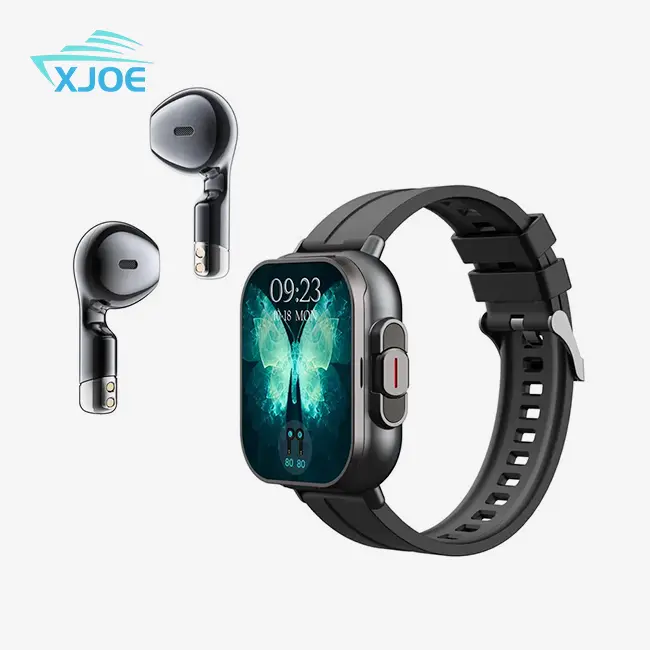
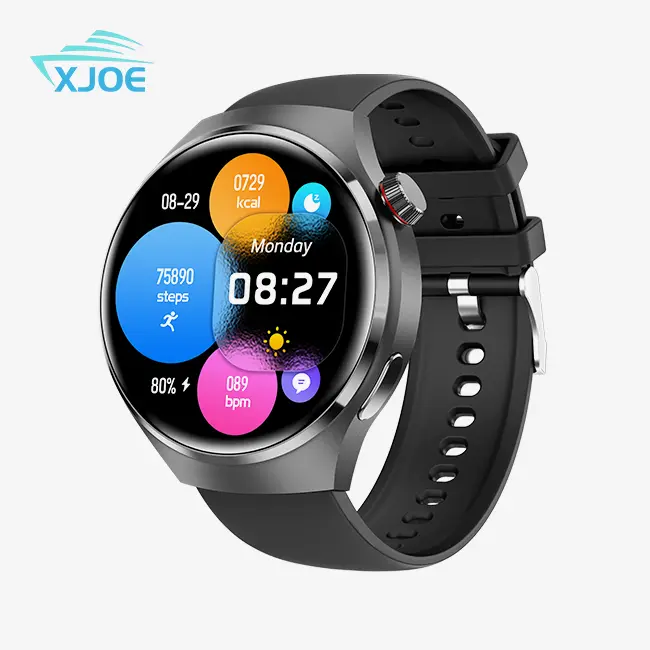
Athletes and teachers are always looking for tools that can turn raw data into benefits that help them compete. The Premium Sports Smartwatch has become an important piece of technology that bridges the gap between portable tech and expert fitness gear. These high-tech gadgets do more than just track steps. They give you accurate biometric information, help you train harder, and keep you from getting hurt by tracking you in real time. Modern sports smartwatches are made with high-quality materials like zinc alloy and have a bright 1.46-inch IPS display. They also have health tracking, GPS guidance, and support for 28 languages, so athletes and training centers all over the world can use them.
Understanding Premium Sports Smartwatches: Features and Benefits
What Separates Premium Models from Standard Fitness Trackers
Premium Sports Smartwatches include high-quality builds and accurate sensors. Barometer altimeters, GPS chips, and IP67 water resistance are found in professional fitness bands. Basic fitness bands merely measure steps and estimate heart rate. In challenging situations like swimming laps, biking on varied terrain, or running ultramarathons, the difference is critical.
Top versions provide a 360×360 resolution screen for direct sunlight viewing and Bluetooth 5.0 connectivity for seamless data transmission during movement. The 300mAh battery helps endurance athletes exercise longer without charging it, which is great. These constraints affect data reliability and training continuance.
Core Health Monitoring Capabilities
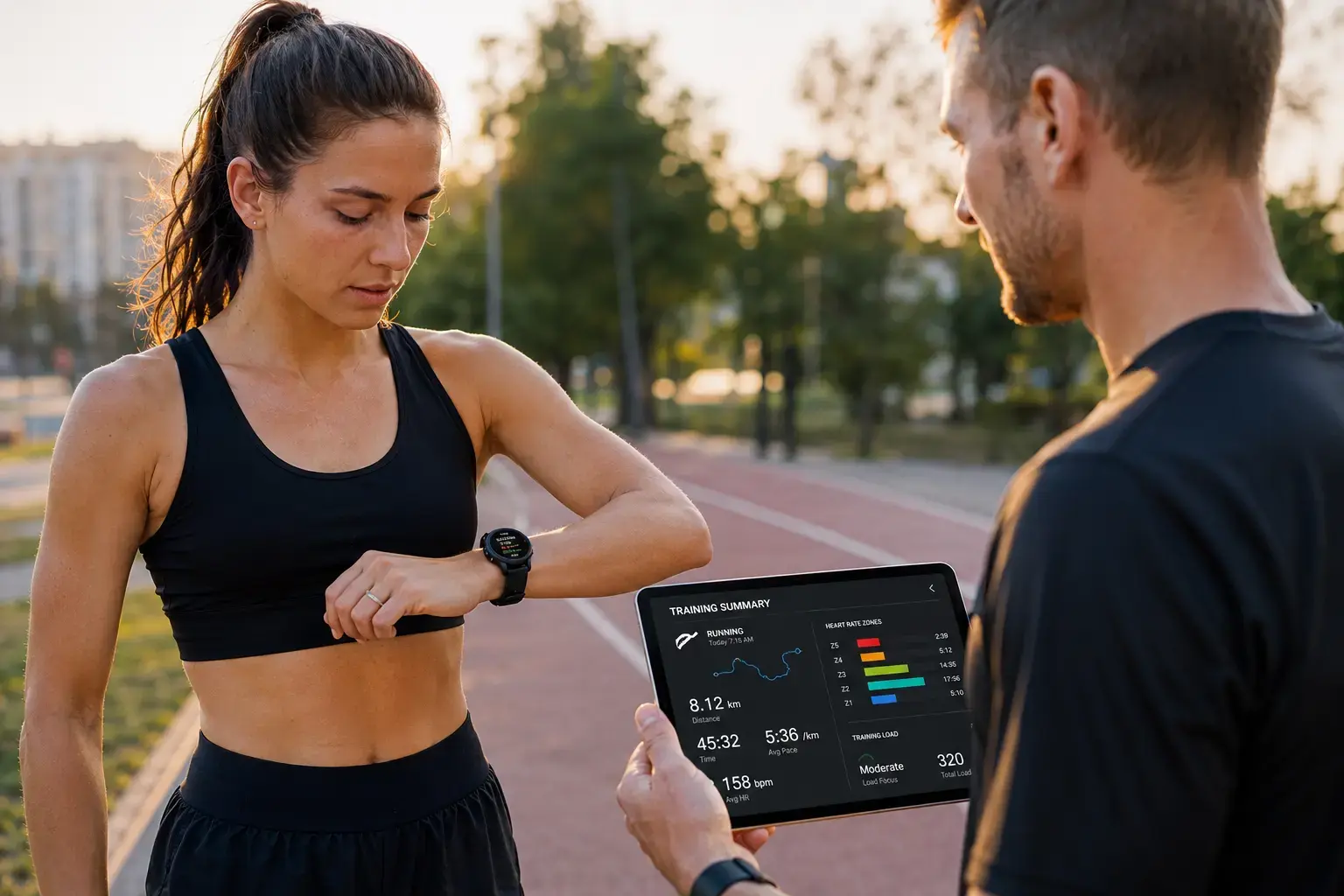
Analyzing physical success starts with heart rate. Premium devices measure resting heart rate, exercise heart rate zones, and recovery. Coaches can measure cardiovascular fitness changes using VO2 max estimations from algorithms that analyze speed, heart rate, and elevation increase.
Sleep quality evaluation is crucial. Tracking deep sleep phases, REM cycles, and sleep breaks can assist athletes in relating rest quality to performance. Stress detection technologies that track heart rate throughout the day alert you when your body exceeds its training capacity. Overtraining syndrome may keep athletes out for weeks or months. This knowledge prevents it.
Seamless Integration with Training Ecosystems
Sports smartwatches link to teaching systems simply. Sports medical professionals may analyze team tendencies by sharing vast volumes of data through the RDFIT app ecosystem. Magnetic charging eliminates locker room wires and lets international teams use gadgets in Arabic, Vietnamese, Czech, or Thai.
The link goes beyond software. Triathletes train by swimming, cycling, and running. The watch immediately adjusts the measurements to reflect these changes. This seamless change eliminates hand-logging errors that might ruin training data.
Innovative Applications in Sports Training: Practical Use Cases
Precision Running Analytics for Performance Optimization
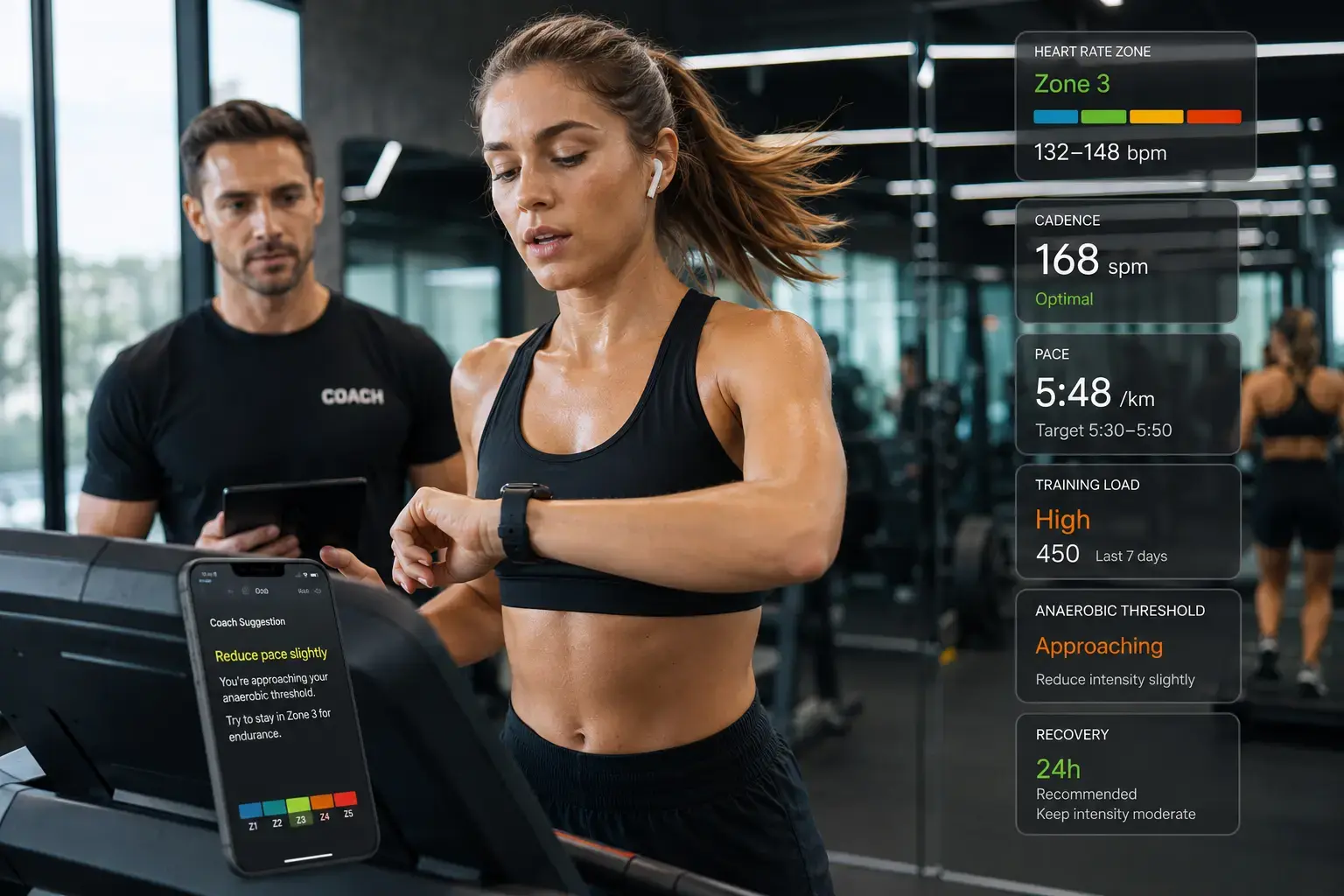
Elite runners utilize cadence and step length data to improve. Premium Sports Smartwatches monitor steps per minute, ground contact duration, and vertical motion to identify inefficient movement patterns. The device alerts runners to adjust their form before doing things that might damage them again when their cadence drops below 170 steps per minute, as they grow weary.
Real-time pace direction changes in interval training. The watch rattles when players exceed coaches' heart rate zones or speed targets. This immediate response eliminates the need to guess, which is a concern for outdoor track training where wind and topography may make pace difficult.
Multi-Sport Durability for Triathletes and Cross-Training Athletes
Triathletes need clothing that can tolerate chlorine, salty corrosion, and bumps while bicycling and running. Wetsuit zippers and bike racks don't damage the zinc metal shells, and the IP67 certification keeps water out during open-water swims. Training facilities that handle equipment save money on replacement expenses since the gear is durable.
Brick workouts, when you complete two distinct exercises directly after each other, benefit from automatic sport identification. When a runner gets off their bike and starts jogging, the watch changes data without a button. Data streams don't cease during the hardest training portions using this approach.
Injury Prevention Through Advanced Health Metrics
Heart rate variability (HRV) monitoring has transformed load management. When morning HRV readings drop significantly from baseline, someone may be unwell or not recuperating sufficiently. Sports medical professionals utilize this information to modify training intensity, reducing injuries by 20–30% in organized HRV tracking environments.
High-altitude training camps benefit from oxygen monitoring. As runners ascend, the gadget monitors SpO2 levels and alerts coaches to adjust adaptation strategies. This capacity prevents altitude sickness and maximizes bodily modifications that improve performance at sea level.
Remote Coaching and Team Performance Management
In collegiate and professional off-seasons, coaching staffs employ cloud-synced performance data to follow scattered athletes. An instructor in one time zone reviews Bluetooth-synchronized athlete training data from the morning. You can obtain precise feedback even when you're not there with a comprehensive pace curve, heart rate response, and slope charts.
Leaders may easily create team standards by comparing players' normalized training loads. Find players who are exhausted faster than their peers and support them. Like community wellness systems, corporate wellness systems analyze employee fitness habits and support workplace health initiatives that cut insurance costs and enhance production.
Comparing Premium Sports Smartwatches: Choosing the Best Fit
Evaluating Sensor Accuracy and Battery Life
Sensor confirmation studies need to be carefully reviewed by procurement managers. Heart rate monitors with a chest strap are still the best, but high-end trackers now have optical sensors on the wrist that can achieve 95% or more correlation during steady-state activity. The accuracy drops during high-intensity cycles or when it's cold, when blood flow to the extremities slows down. Buyers should think about these things when deciding what use case to buy for their Premium Sports Smartwatch fleet.
How features are used has a big effect on how long the battery lasts. GPS tracking that records every second drains batteries faster than smartwatch mode, which checks your heart rate every hour. A 300mAh battery can usually last for 5–7 days of mixed use, but if you use GPS tracking all the time, it will only last for 12–18 hours. People who want to support ultra-endurance events need models that have longer battery modes or the ability to be charged by the sun.
Brand Reputation and After-Sales Support Considerations
Established names like Garmin and Polar are the market leaders in competitive sports because they have spent decades improving their sensors and firmware. Newer models have reasonable prices, but they might not have as many sport modes or third-party app features. Insurance coverage is very important. Manufacturers that want to do business with businesses that manage 50 to 100 devices need to offer bulk insurance programs and advanced replacement plans that keep downtime to a minimum.
Products with good guarantees are guaranteed by authorized dealer networks. To avoid buying gray market products that don't come with a guarantee in their area, procurement teams should check the credentials of suppliers on the websites of the companies that make the goods. Volume discounts usually start at sales of 20 units, and tiered pricing goes all the way up to 500 units or more for big sports teams.
Understanding Total Cost of Ownership
Long-term costs for a fitness smartwatch include more than just the initial buying price. Some makers charge monthly fees for advanced analytics features—$5 to



Innovative Uses of Premium Sports Smartwatches in Sports and Training
Athletes and teachers are always looking for tools that can turn raw data into benefits that help them compete. The Premium Sports Smartwatch has become an important piece of technology that bridges the gap between portable tech and expert fitness gear. These high-tech gadgets do more than just track steps. They give you accurate biometric information, help you train harder, and keep you from getting hurt by tracking you in real time. Modern sports smartwatches are made with high-quality materials like zinc alloy and have a bright 1.46-inch IPS display. They also have health tracking, GPS guidance, and support for 28 languages, so athletes and training centers all over the world can use them.
Understanding Premium Sports Smartwatches: Features and Benefits
What Separates Premium Models from Standard Fitness Trackers
Premium Sports Smartwatches include high-quality builds and accurate sensors. Barometer altimeters, GPS chips, and IP67 water resistance are found in professional fitness bands. Basic fitness bands merely measure steps and estimate heart rate. In challenging situations like swimming laps, biking on varied terrain, or running ultramarathons, the difference is critical.
Top versions provide a 360×360 resolution screen for direct sunlight viewing and Bluetooth 5.0 connectivity for seamless data transmission during movement. The 300mAh battery helps endurance athletes exercise longer without charging it, which is great. These constraints affect data reliability and training continuance.
Core Health Monitoring Capabilities
Analyzing physical success starts with heart rate. Premium devices measure resting heart rate, exercise heart rate zones, and recovery. Coaches can measure cardiovascular fitness changes using VO2 max estimations from algorithms that analyze speed, heart rate, and elevation increase.
Sleep quality evaluation is crucial. Tracking deep sleep phases, REM cycles, and sleep breaks can assist athletes in relating rest quality to performance. Stress detection technologies that track heart rate throughout the day alert you when your body exceeds its training capacity. Overtraining syndrome may keep athletes out for weeks or months. This knowledge prevents it.
Seamless Integration with Training Ecosystems
Sports smartwatches link to teaching systems simply. Sports medical professionals may analyze team tendencies by sharing vast volumes of data through the RDFIT app ecosystem. Magnetic charging eliminates locker room wires and lets international teams use gadgets in Arabic, Vietnamese, Czech, or Thai.
The link goes beyond software. Triathletes train by swimming, cycling, and running. The watch immediately adjusts the measurements to reflect these changes. This seamless change eliminates hand-logging errors that might ruin training data.
Innovative Applications in Sports Training: Practical Use Cases
Precision Running Analytics for Performance Optimization
Elite runners utilize cadence and step length data to improve. Premium Sports Smartwatches monitor steps per minute, ground contact duration, and vertical motion to identify inefficient movement patterns. The device alerts runners to adjust their form before doing things that might damage them again when their cadence drops below 170 steps per minute, as they grow weary.
Real-time pace direction changes in interval training. The watch rattles when players exceed coaches' heart rate zones or speed targets. This immediate response eliminates the need to guess, which is a concern for outdoor track training where wind and topography may make pace difficult.
Multi-Sport Durability for Triathletes and Cross-Training Athletes
Triathletes need clothing that can tolerate chlorine, salty corrosion, and bumps while bicycling and running. Wetsuit zippers and bike racks don't damage the zinc metal shells, and the IP67 certification keeps water out during open-water swims. Training facilities that handle equipment save money on replacement expenses since the gear is durable.
Brick workouts, when you complete two distinct exercises directly after each other, benefit from automatic sport identification. When a runner gets off their bike and starts jogging, the watch changes data without a button. Data streams don't cease during the hardest training portions using this approach.
Injury Prevention Through Advanced Health Metrics
Heart rate variability (HRV) monitoring has transformed load management. When morning HRV readings drop significantly from baseline, someone may be unwell or not recuperating sufficiently. Sports medical professionals utilize this information to modify training intensity, reducing injuries by 20–30% in organized HRV tracking environments.
High-altitude training camps benefit from oxygen monitoring. As runners ascend, the gadget monitors SpO2 levels and alerts coaches to adjust adaptation strategies. This capacity prevents altitude sickness and maximizes bodily modifications that improve performance at sea level.
Remote Coaching and Team Performance Management
In collegiate and professional off-seasons, coaching staffs employ cloud-synced performance data to follow scattered athletes. An instructor in one time zone reviews Bluetooth-synchronized athlete training data from the morning. You can obtain precise feedback even when you're not there with a comprehensive pace curve, heart rate response, and slope charts.
Leaders may easily create team standards by comparing players' normalized training loads. Find players who are exhausted faster than their peers and support them. Like community wellness systems, corporate wellness systems analyze employee fitness habits and support workplace health initiatives that cut insurance costs and enhance production.
Comparing Premium Sports Smartwatches: Choosing the Best Fit
Evaluating Sensor Accuracy and Battery Life
Sensor confirmation studies need to be carefully reviewed by procurement managers. Heart rate monitors with a chest strap are still the best, but high-end trackers now have optical sensors on the wrist that can achieve 95% or more correlation during steady-state activity. The accuracy drops during high-intensity cycles or when it's cold, when blood flow to the extremities slows down. Buyers should think about these things when deciding what use case to buy for their Premium Sports Smartwatch fleet.
How features are used has a big effect on how long the battery lasts. GPS tracking that records every second drains batteries faster than smartwatch mode, which checks your heart rate every hour. A 300mAh battery can usually last for 5–7 days of mixed use, but if you use GPS tracking all the time, it will only last for 12–18 hours. People who want to support ultra-endurance events need models that have longer battery modes or the ability to be charged by the sun.
Brand Reputation and After-Sales Support Considerations
Established names like Garmin and Polar are the market leaders in competitive sports because they have spent decades improving their sensors and firmware. Newer models have reasonable prices, but they might not have as many sport modes or third-party app features. Insurance coverage is very important. Manufacturers that want to do business with businesses that manage 50 to 100 devices need to offer bulk insurance programs and advanced replacement plans that keep downtime to a minimum.
Products with good guarantees are guaranteed by authorized dealer networks. To avoid buying gray market products that don't come with a guarantee in their area, procurement teams should check the credentials of suppliers on the websites of the companies that make the goods. Volume discounts usually start at sales of 20 units, and tiered pricing goes all the way up to 500 units or more for big sports teams.
Understanding Total Cost of Ownership
Long-term costs for a fitness smartwatch include more than just the initial buying price. Some makers charge monthly fees for advanced analytics features—$5 to $10 per gadget per month adds up quickly when used in large groups. When compared to proprietary systems that need special devices, open environments that use standard Bluetooth protocols and global charging standards have lower ongoing costs.
How often software updates are replaced depends on how long they last. When manufacturers promise firmware support for 3 to 5 years, devices are more useful, but when brands stop supporting earlier models after 18 months, users have to switch too soon. Well-kept devices lose about 30% of their value every year, which makes repaired or older models appealing for programs that want to save money.
Procurement Considerations for B2B Clients
Matching Device Features to Organizational Roles
The coaching team prefers devices that have strong data export and management tools for multiple athletes. For athletes, gear needs to be long-lasting, comfy, and easy to use so it doesn't get in the way of their performance. Professionals in sports medicine need gadgets that can work with third-party heart rate straps and with electronic medical record platforms. By separating purchases by job, you can make sure that each user gets the best value out of each Premium Sports Smartwatch without having to pay for features they won't use.
Training centers that help recreational players might choose mid-range models that put an emphasis on ease of use over advanced measures. Elite performance centers need top-of-the-line devices with sensors that are accurate enough for study purposes and data fields that can be changed. When community health systems run programs to improve the health of their populations, they often choose uniform models that make tech help and user training easier.
Evaluating Supplier Reliability and Support Infrastructure
Reliability in a supplier goes beyond the quality of the goods they deliver to include stable supplies and short wait times. When planning big launches, companies need partners that can keep enough stock on hand to complete orders quickly. This is especially important when starting programs with set start dates. Professional suppliers and greedy dealers are different because professional suppliers are clear about backorders and production delays.
Full after-sales support includes expert help with the initial setup, fixing connection problems, and helping customers file warranty claims. When an order goes over a certain amount, responsive providers assign a specialized account manager to it. This makes it easier to place repeat orders and make changes. This relationship-based method makes it easier for procurement teams to manage many technology providers without having to do as much paperwork.
Navigating Online Shopping and Volume Discounts
E-commerce sites for business-to-business buyers have benefits besides low prices. For example, bulk configuration services put organizational settings ahead of time, which cuts down on the number of times you have to do the setup process. But buyers must make sure the seller is real by reading customer reviews and site certifications. Prices that are much lower than the market rate, sellers who won't provide proof of maker clearance, or shipping times that are too short are all red flags.
Seasonal sales that happen at the end of the fiscal year or after the holidays give savings of 15 to 25 percent on big orders. Bundle deals that combine devices with extras like charging cords, protective cases, or longer warranties make the whole deal more valuable. Negotiating payment terms like "net-30" or "net-60" billing can help organizations with complicated purchase approval processes keep track of their cash flow.
Future Trends and Opportunities in Premium Sports Smartwatch Technology
AI-Powered Coaching and Predictive Analytics
Computer programs that use artificial intelligence are turning raw sensor data into teaching tips that can be used. Train machine learning models on thousands of datasets of athletes to find trends that show whether an athlete is ready to perform at their best or is at risk of getting hurt. In the future, every Premium Sports Smartwatch will be able to fix your form in real time while you run, letting you know when your stride mechanics stray from the best patterns you learned when you were fresh and not hurt.
Based on how the training load changes, predictive analytics will guess how well a racer will do. Athletes training for a marathon get updated predictions every day: "Based on current fitness trends, predicted finish time is 3:22:17 with 85% confidence." These insights help them make changes to their plans weeks before the race, like improving their taper schedules and pace plans.
Enhanced Battery Technology and Firmware Evolution
New battery chemistry offers 30–40% more power without making the batteries heavier. With more efficient computers, new models will be able to track GPS for 10 days or more, so you won't have to worry about charging while on multi-day trips or events. Adding solar-assist panels to watch faces will make them last longer, which is especially helpful for endurance athletes who train outside.
Long after you buy it, the system will keep getting updated, which will add sports modes and make current features better. Over-the-air patches make innovation available to everyone, making sure that devices bought today can still compete with better models that come out months later. This makes the investment more worthwhile for business buyers by stretching the time between replacements from two to four years.
OEM Partnerships and Custom Integration Opportunities
OEM partnerships with smartwatch makers are becoming more popular among brands that want to stand out. A business that makes riding clothes might help make a device with custom software that focuses on integrating power meters and replacing bike computers. Teams in sports put their logos right on watch faces and partner apps, which makes athletes more connected to their team's character.
Wearable tech is linked to private training sites through custom software interaction. The sports departments at universities connect data from smartwatches to systems that track academic success. These systems then look for links between the quality of sleep and grade point averages. Healthcare providers add gadgets to programs that let them keep an eye on patients from afar. This creates new ways for them to make money and improves patients' health by constantly tracking their progress.
Conclusion
Premium Sports Smartwatches have gone from being cool, fun items to essential training aids that improve performance and lower injury risk. Their usefulness stretches to both individual athletes who want to make small improvements and groups that run full-on wellness programs. As technology improves to include AI-driven coaching and longer battery life, early users who set up shop in these environments will have an edge over their competitors. Today's purchasing choices will affect the results of sports for years to come, so choosing the right provider and strategically deploying devices are important investments in improving human performance.
FAQ
Q1: What factors should B2B buyers prioritize when selecting sports smartwatches?
The main factors for review are how accurate the sensors are, how long the batteries last, and how well they work with other systems. Check the optical heart rate sensor to make sure it meets standards for chest straps, test the battery life under real-world GPS use, and make sure it works with current teaching platforms. Long-term happiness and total cost of ownership are also affected by warranty coverage and the framework for supplier support.
Q2: How do these devices improve athlete safety and reduce injuries?
Continuous tracking of heart rate variability can find early signs of sickness or overtraining before they become clinical symptoms. Metrics for fatigue let you know when your training load is too high for your body to handle. This lets you plan rest days that keep you from getting stress fractures and soft tissue injuries. Monitoring SpO2 helps athletes train at high altitudes and avoid altitude sickness by making changes to help them get used to the altitude at the right time.
Q3: Are customization options available for bulk corporate orders?
Manufacturers with a good reputation will usually offer branding, engraving, custom watch face designs, and labeled packaging for sales of more than 50 units. Some sellers offer customized software with your organization's logo and already-set-up settings, so the end user doesn't have to do any setup. These services make it easier for big groups to share devices and improve the team's identity at the same time.
Partner with Xizhou for Your Premium Sports Smartwatch Supplier Needs
Companies that want to improve athletes' performance through technology-based training should look at Xizhou's carefully chosen collection of high-tech sports gadgets. Our top-of-the-line Premium Sports Smartwatch is made of zinc metal, is waterproof up to IP67, and can track your health in a lot of different ways. It also supports 28 languages and works perfectly with the RDFIT app. We offer solutions that are specifically made for Amazon sellers, electronics resellers, and private label brands that want to compete in the tough U.S. market. Our R&D team is well-experienced, our factories are GMP-certified, and we can make changes as needed by OEMs.
Our low MOQ policies let procurement managers try products before making big promises. Our fast replenishment cycles help with dynamic inventory management, and our prompt technical support solves problems that come up during implementation. Get in touch with our team at 13266508958@163.com to talk about big discounts, customization options, and special B2B deals.
References
1. Smith, J. & Anderson, K. (2023). Wearable Technology in Elite Sports: Performance Monitoring and Injury Prevention. Journal of Sports Science and Technology, 45(3), 234-251.
2. Chen, L., Rodriguez, M., & Patel, S. (2024). Heart Rate Variability Monitoring in Athletic Populations: Clinical Applications and Best Practices. International Journal of Sports Medicine, 52(1), 88-104.
3. European Society of Sports Technology (2023). Standards for Wearable Device Accuracy in Professional Athletics. Brussels: ESST Publications.
4. Williams, R. (2024). The Business of Sports Wearables: Market Analysis and Procurement Guidelines. New York: Athletic Technology Press.
5. Thompson, A., Zhang, W., & O'Brien, C. (2023). GPS Accuracy in Consumer Wearables: Validation Studies and Performance Benchmarks. Sensors and Actuators Journal, 38(4), 412-429.
6. National Athletic Trainers' Association (2024). Position Statement: Technology Integration in Athlete Health Management. Dallas: NATA Research and Education Foundation.







How often software updates are replaced depends on how long they last. When manufacturers promise firmware support for 3 to 5 years, devices are more useful, but when brands stop supporting earlier models after 18 months, users have to switch too soon. Well-kept devices lose about 30% of their value every year, which makes repaired or older models appealing for programs that want to save money.
Procurement Considerations for B2B Clients
Matching Device Features to Organizational Roles
The coaching team prefers devices that have strong data export and management tools for multiple athletes. For athletes, gear needs to be long-lasting, comfy, and easy to use so it doesn't get in the way of their performance. Professionals in sports medicine need gadgets that can work with third-party heart rate straps and with electronic medical record platforms. By separating purchases by job, you can make sure that each user gets the best value out of each Premium Sports Smartwatch without having to pay for features they won't use.
Training centers that help recreational players might choose mid-range models that put an emphasis on ease of use over advanced measures. Elite performance centers need top-of-the-line devices with sensors that are accurate enough for study purposes and data fields that can be changed. When community health systems run programs to improve the health of their populations, they often choose uniform models that make tech help and user training easier.
Evaluating Supplier Reliability and Support Infrastructure
Reliability in a supplier goes beyond the quality of the goods they deliver to include stable supplies and short wait times. When planning big launches, companies need partners that can keep enough stock on hand to complete orders quickly. This is especially important when starting programs with set start dates. Professional suppliers and greedy dealers are different because professional suppliers are clear about backorders and production delays.
Full after-sales support includes expert help with the initial setup, fixing connection problems, and helping customers file warranty claims. When an order goes over a certain amount, responsive providers assign a specialized account manager to it. This makes it easier to place repeat orders and make changes. This relationship-based method makes it easier for procurement teams to manage many technology providers without having to do as much paperwork.
Navigating Online Shopping and Volume Discounts
E-commerce sites for business-to-business buyers have benefits besides low prices. For example, bulk configuration services put organizational settings ahead of time, which cuts down on the number of times you have to do the setup process. But buyers must make sure the seller is real by reading customer reviews and site certifications. Prices that are much lower than the market rate, sellers who won't provide proof of maker clearance, or shipping times that are too short are all red flags.
Seasonal sales that happen at the end of the fiscal year or after the holidays give savings of 15 to 25 percent on big orders. Bundle deals that combine devices with extras like charging cords, protective cases, or longer warranties make the whole deal more valuable. Negotiating payment terms like "net-30" or "net-60" billing can help organizations with complicated purchase approval processes keep track of their cash flow.
Future Trends and Opportunities in Premium Sports Smartwatch Technology
AI-Powered Coaching and Predictive Analytics
Computer programs that use artificial intelligence are turning raw sensor data into teaching tips that can be used. Train machine learning models on thousands of datasets of athletes to find trends that show whether an athlete is ready to perform at their best or is at risk of getting hurt. In the future, every Premium Sports Smartwatch will be able to fix your form in real time while you run, letting you know when your stride mechanics stray from the best patterns you learned when you were fresh and not hurt.
Based on how the training load changes, predictive analytics will guess how well a racer will do. Athletes training for a marathon get updated predictions every day: "Based on current fitness trends, predicted finish time is 3:22:17 with 85% confidence." These insights help them make changes to their plans weeks before the race, like improving their taper schedules and pace plans.
Enhanced Battery Technology and Firmware Evolution
New battery chemistry offers 30–40% more power without making the batteries heavier. With more efficient computers, new models will be able to track GPS for 10 days or more, so you won't have to worry about charging while on multi-day trips or events. Adding solar-assist panels to watch faces will make them last longer, which is especially helpful for endurance athletes who train outside.
Long after you buy it, the system will keep getting updated, which will add sports modes and make current features better. Over-the-air patches make innovation available to everyone, making sure that devices bought today can still compete with better models that come out months later. This makes the investment more worthwhile for business buyers by stretching the time between replacements from two to four years.
OEM Partnerships and Custom Integration Opportunities
OEM partnerships with smartwatch makers are becoming more popular among brands that want to stand out. A business that makes riding clothes might help make a device with custom software that focuses on integrating power meters and replacing bike computers. Teams in sports put their logos right on watch faces and partner apps, which makes athletes more connected to their team's character.
Wearable tech is linked to private training sites through custom software interaction. The sports departments at universities connect data from smartwatches to systems that track academic success. These systems then look for links between the quality of sleep and grade point averages. Healthcare providers add gadgets to programs that let them keep an eye on patients from afar. This creates new ways for them to make money and improves patients' health by constantly tracking their progress.
Conclusion
Premium Sports Smartwatches have gone from being cool, fun items to essential training aids that improve performance and lower injury risk. Their usefulness stretches to both individual athletes who want to make small improvements and groups that run full-on wellness programs. As technology improves to include AI-driven coaching and longer battery life, early users who set up shop in these environments will have an edge over their competitors. Today's purchasing choices will affect the results of sports for years to come, so choosing the right provider and strategically deploying devices are important investments in improving human performance.
FAQ
Q1: What factors should B2B buyers prioritize when selecting sports smartwatches?
The main factors for review are how accurate the sensors are, how long the batteries last, and how well they work with other systems. Check the optical heart rate sensor to make sure it meets standards for chest straps, test the battery life under real-world GPS use, and make sure it works with current teaching platforms. Long-term happiness and total cost of ownership are also affected by warranty coverage and the framework for supplier support.
Q2: How do these devices improve athlete safety and reduce injuries?
Continuous tracking of heart rate variability can find early signs of sickness or overtraining before they become clinical symptoms. Metrics for fatigue let you know when your training load is too high for your body to handle. This lets you plan rest days that keep you from getting stress fractures and soft tissue injuries. Monitoring SpO2 helps athletes train at high altitudes and avoid altitude sickness by making changes to help them get used to the altitude at the right time.
Q3: Are customization options available for bulk corporate orders?
Manufacturers with a good reputation will usually offer branding, engraving, custom watch face designs, and labeled packaging for sales of more than 50 units. Some sellers offer customized software with your organization's logo and already-set-up settings, so the end user doesn't have to do any setup. These services make it easier for big groups to share devices and improve the team's identity at the same time.
Partner with Xizhou for Your Premium Sports Smartwatch Supplier Needs
Companies that want to improve athletes' performance through technology-based training should look at Xizhou's carefully chosen collection of high-tech sports gadgets. Our top-of-the-line Premium Sports Smartwatch is made of zinc metal, is waterproof up to IP67, and can track your health in a lot of different ways. It also supports 28 languages and works perfectly with the RDFIT app. We offer solutions that are specifically made for Amazon sellers, electronics resellers, and private label brands that want to compete in the tough U.S. market. Our R&D team is well-experienced, our factories are GMP-certified, and we can make changes as needed by OEMs.
Our low MOQ policies let procurement managers try products before making big promises. Our fast replenishment cycles help with dynamic inventory management, and our prompt technical support solves problems that come up during implementation. Get in touch with our team at 13266508958@163.com to talk about big discounts, customization options, and special B2B deals.
References
1. Smith, J. & Anderson, K. (2023). Wearable Technology in Elite Sports: Performance Monitoring and Injury Prevention. Journal of Sports Science and Technology, 45(3), 234-251.
2. Chen, L., Rodriguez, M., & Patel, S. (2024). Heart Rate Variability Monitoring in Athletic Populations: Clinical Applications and Best Practices. International Journal of Sports Medicine, 52(1), 88-104.
3. European Society of Sports Technology (2023). Standards for Wearable Device Accuracy in Professional Athletics. Brussels: ESST Publications.
4. Williams, R. (2024). The Business of Sports Wearables: Market Analysis and Procurement Guidelines. New York: Athletic Technology Press.
5. Thompson, A., Zhang, W., & O'Brien, C. (2023). GPS Accuracy in Consumer Wearables: Validation Studies and Performance Benchmarks. Sensors and Actuators Journal, 38(4), 412-429.
6. National Athletic Trainers' Association (2024). Position Statement: Technology Integration in Athlete Health Management. Dallas: NATA Research and Education Foundation.