Voice Call Watch for Child Safety Communication Systems
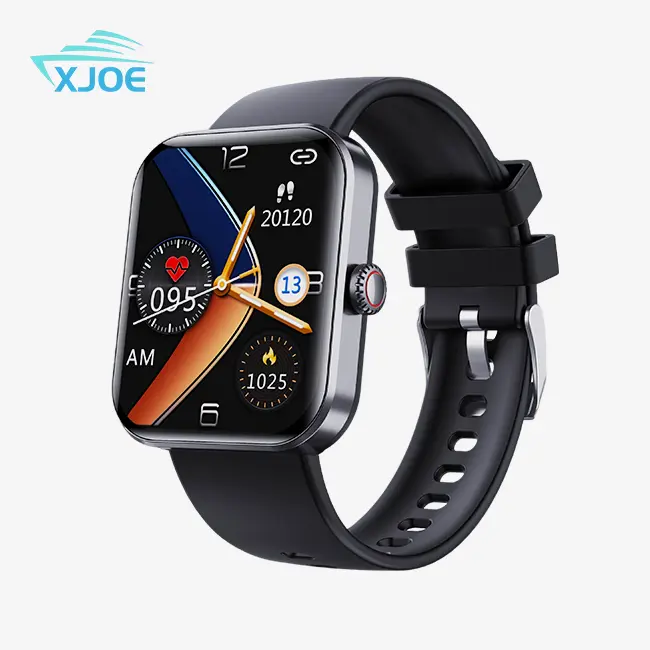
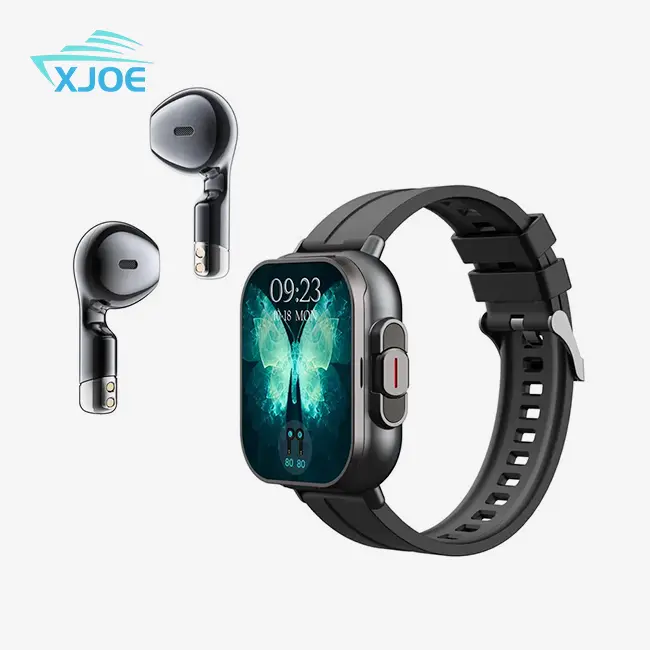
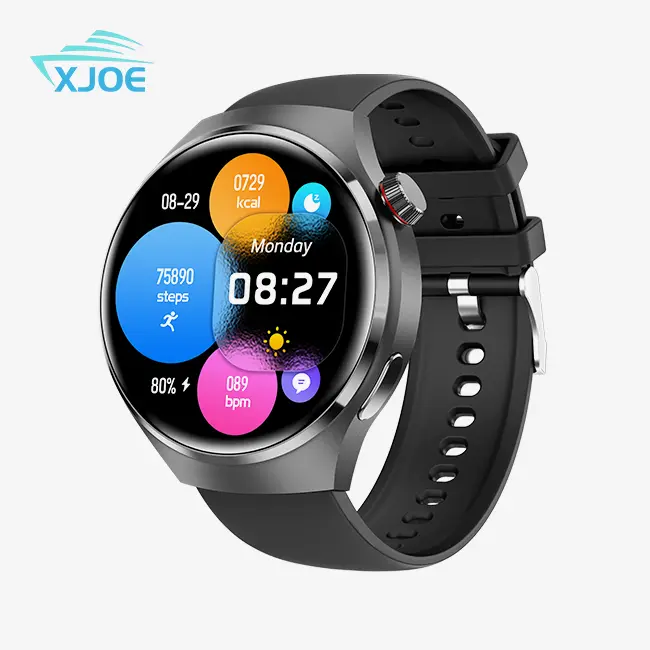
A Voice Call Watch for child safety communication systems is a specialized wearable device that combines real-time voice calling, GPS location tracking, SOS emergency alerts, and parental controls into one child-friendly solution. Unlike conventional smartphones or basic trackers, these watches offer direct voice communication through integrated SIM capabilities, allowing parents and guardians to maintain instant contact with children in any environment—whether at school, during outdoor activities, or on daily commutes. With features like high-definition microphones, loudspeakers, and one-touch emergency buttons, these devices deliver reliable communication while addressing the unique safety needs of active young users.
Understanding Voice Call Watches in Child Safety Communication
Voice Call Watches are a big step forward in technology for keeping kids safe. Not only do these smart tech gadgets track things, but they also let you talk to people, including younger users and their caretakers.
Core Functions That Matter
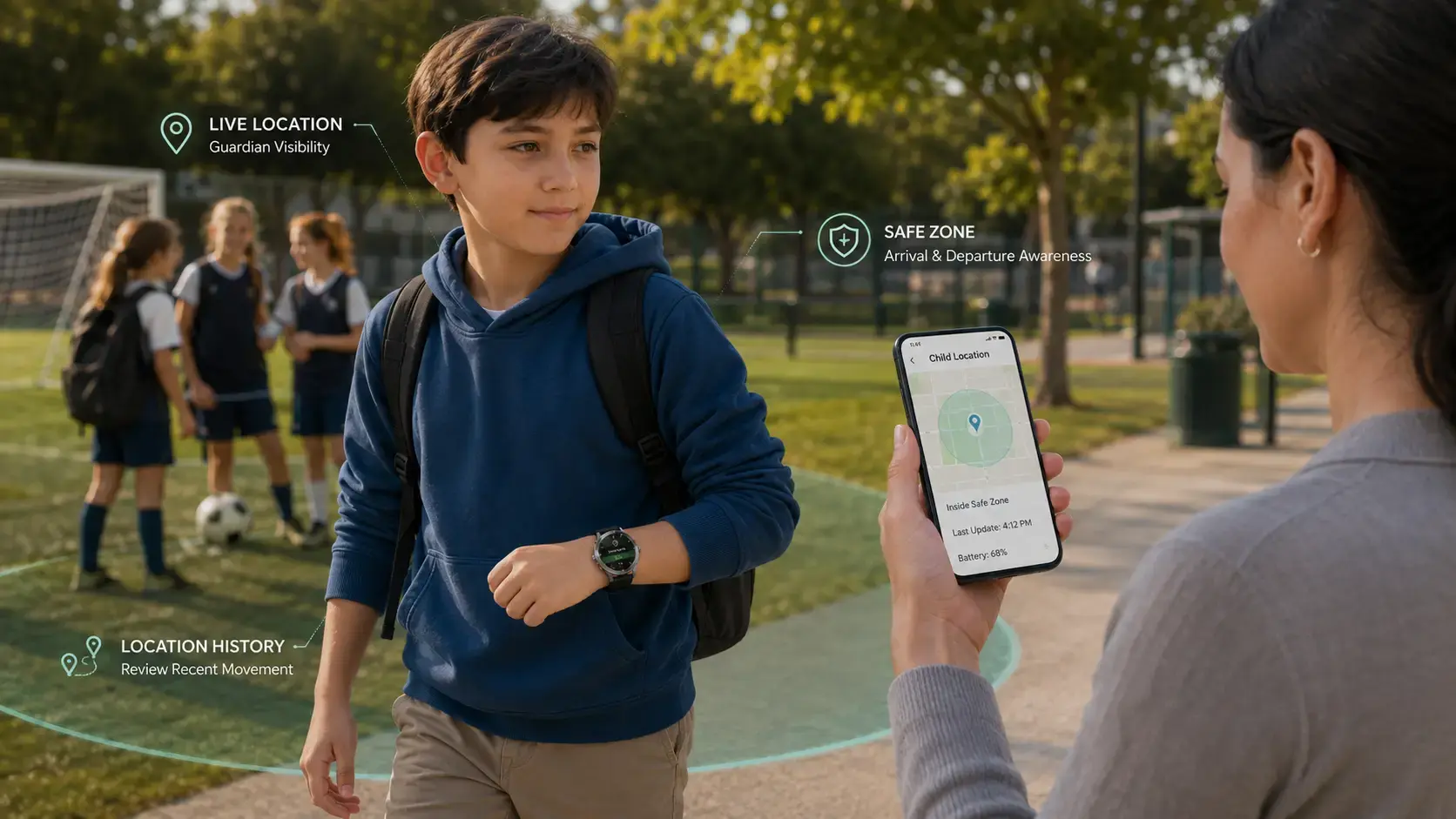
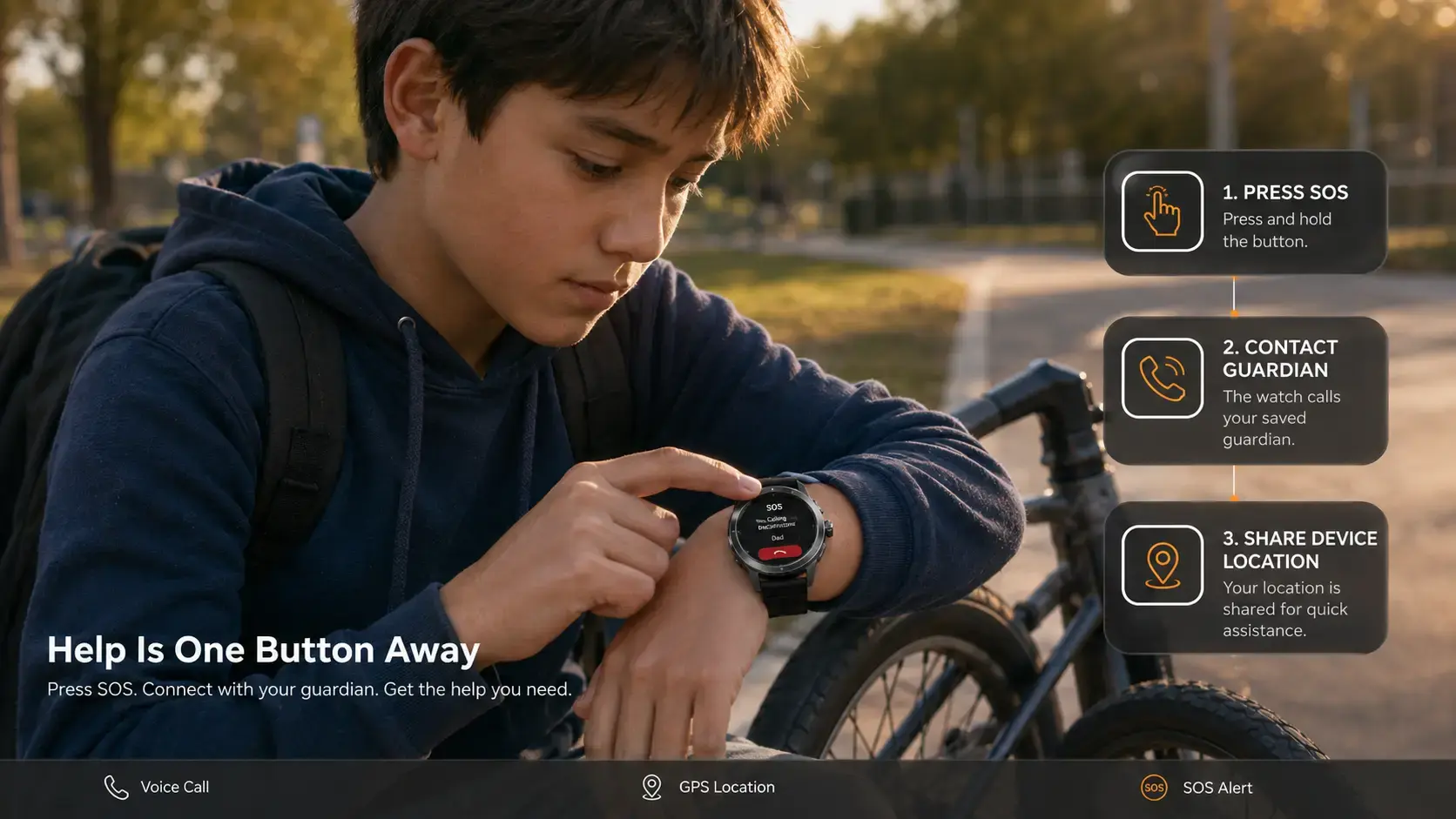
Modern Voice Call Watches have a lot of safety features built into one accessible platform. With real-time speech, kids can talk to their parents right away without having to carry around a big phone. GPS tracking lets workers keep an eye on a person's location all day, so they don't have to worry. The SOS alert feature lets kids call for help with just one button press, and emergency contacts are immediately notified. Adults can handle contacts, set safe zones, and keep an eye on how kids use their devices with parental control tools.
Technical Specifications for Procurement Professionals
Several technical factors should be taken into account when looking at these devices for bulk purchases or OEM partnerships. Android and other operating systems let you make changes easily and work with a lot of different communication systems. Screen sizes between 44mm and 49mm are good for people with smaller wrists because they are easy to see and don't get in the way. IP68 grades for water protection make sure that devices can handle being wet every day, whether it's from washing your hands, rain, or accidental splashes. The battery can last up to four days, so it can be used for longer periods of time without having to be charged. This makes care easier in school settings. Clear images are shown on TFT screens with a resolution of 320x240, and they use little power. Magnetic charging makes the process easier for young users, and steel cases and long-lasting silicone straps make the devices last even when they're being used a lot.
Connectivity Technologies Optimized for Young Users
These watches use special ways to connect that put safety and dependability first. Standalone SIM card features let devices work without paired smartphones, so parents can still reach their kids even when their devices aren't nearby. Voice calls and location information are kept safe from people who shouldn't be able to see them on secure mobile networks, which use protected communication channels. Bluetooth makes it easy to connect to security devices so that data can be synced and managed from afar. Modern antenna designs keep the signal strong in tough places like school buildings and public places with a lot of people.
Why Voice Call Watches Are Essential for Child Safety Communication Systems
When it comes to keeping kids safe, traditional communication devices often make things worse instead of better. When you use a smartphone, you can be distracted, see inappropriate material, and lose or damage it. Walkie-talkies have a short range and can't be used to find out where someone is. Simple GPS trackers tell you where you are, but don't give you a straight way to talk to the device.
Overcoming Traditional Device Limitations
Voice Call Watches fix these problems by being purpose-built to do so. The child-friendly design gets rid of apps and features that aren't needed and could get in the way of safety functions. Dependable location tracking works in the background all the time, giving parents real-time updates without the need for their kids to do anything. Kids can ask for help even if they can't talk about what's happening because of instant emergency reaction systems. Restricted contact lists stop people from talking to people they don't know, which addresses the safety worries about talking to strangers that come with using a smartphone.
Real-World Safety Applications
More and more schools are using these devices to improve safety rules on campus. Teachers and managers can talk to students who are off-campus for events or field trips during school hours. Parental alerts are sent automatically when their children enter or leave safe areas, such as school grounds or after-school care centers. The smart watch for Android calls and texts is used by community programs that help kids with special needs be independent while still keeping an eye on them.
A recent trial at a network of child care places showed results that could be measured. Compared to older ways of communicating, response times to situations of distress were cut by an average of three minutes. Within the first quarter of deployment, parent satisfaction scores about the safety of their children went up by 40%. Staff said that coordinating pickup procedures and managing activities that happen in more than one place was more efficient.
Building Peace of Mind for Caregivers
In addition to their practical uses, these gadgets give parents who worry about their children's safety peace of mind. Having the option to make voice contact at any time lowers worry when people are apart. Parents can check that their kids took the right routes home from school by looking at the location history. Two-way conversation helps kids become more independent while also providing a safety net that boosts everyone's confidence.
How to Choose the Best Voice Call Watch for Child Safety Communications
When choosing which devices to buy, you have to look at a lot of factors, such as performance, compatibility, and support infrastructure.
Integration with Existing Communication Systems
For deployment to go smoothly, it needs to work with your operating system. The watch needs to work with the cell phone networks and bands that people in your target areas use. Integration with existing emergency response protocols makes sure that alerts get to the right people, like security staff or monitoring centers. Both iOS and Android guardian smartphone systems are compatible, which means that a lot of people can use them without having to standardize technology. Because APIs are available, they can be customized to work with school management systems, software for child care centers, or platforms for community safety.
Battery Performance Under Real-World Conditions
Advertized battery life often assumes minimal use, but kids who are always on the go make lots of calls, update their locations, and use features. When devices have batteries that last up to four days with normal use, they don't need to be charged as often and are less likely to stop working at crucial times. A large battery capacity can handle the power needs of GPS tracking, cellular connectivity, and voice communication all at the same time. Power management features like clever connection switching and automatic screen dimming make the device work longer before it needs to be charged again.
Audio Quality for Clear Communication
The communication-enabled edition has loudspeakers and high-definition microphones that make sure you can hear clearly even in noisy places. Kids often make calls from parks, cafeterias, or busy streets, where other sounds can be too loud for weak speakers. Noise cancelation technology blocks out background noise so that both people in a conversation can understand each other. The speaker's sound can be heard outside, so kids don't have to look for quiet places to talk before they can get their message across.
Ergonomic Design Considerations
Devices need to be able to adapt to the way young people use them and how they act. Screen sizes between 44mm and 49mm are good for smaller hands without being too big. Silicone strap materials are flexible and nontoxic, which makes them good for people with sensitive skin. The steel case design can handle drops and hits from busy play. IP68 water resistance keeps things from getting damaged by the water that kids are exposed to a lot when they do things like wash their hands, play in the rain, or use water fountains.
Evaluating Supplier Reliability and Support
A supplier's skills have a big effect on the success of a long-term operation, not just the product specs. Manufacturers with low minimum order numbers let you try and run pilot projects before making big promises. Fast replenishment cycles make sure that inventory is always available during busy times like back-to-school. OEM and private label services help resellers and distributors build their market position by letting them differentiate their brands. Regular firmware updates fix security holes and add new features without having to replace the hardware. Technical problems are quickly fixed by responsive after-sales support, which keeps safety processes running as smoothly as possible.
Setting Up and Integrating Voice Call Watches into Child Safety Systems
It's not enough to just choose the right devices; you also need to follow a set of steps to make sure they work well and that users are willing to use them.
Initial Device Configuration
Installing the SIM card and registering with the network are the first steps in activation. This sets up cellular connectivity, which lets you make calls and use location services. By making a Guardian account, you can connect devices to approved caregivers and set approval levels for monitoring, communicating, and making changes to the device's settings. By limiting incoming and outgoing calls to approved parties, the contact list population stops people who aren't supposed to be talking to you from doing so. Safe zone settings set the physical limits of an area and send alerts when kids join or leave that area. Naming and customizing devices helps kids find their own smart watch for Android calls and texts, and they also let managers handle many units in different institutional deployments.
System Integration Strategies
Working with cell phone companies to make sure compatibility, range, and data plan setup are all part of integrating with mobile networks. According to the rules of the organization, emergency response system connections send SOS alerts to the right monitoring centers, security teams, or emergency services. Integration of the school communication structure works with parent notice services, campus security platforms, and attendance systems to make sure everything is in sync. Implementations in healthcare facilities connect with patient management systems to help keep an eye on kids who need to be watched because of medical conditions.
Data Security and Privacy Protection
To keep kids' information safe, the whole system needs to have strict security steps in place. End-to-end encryption protects voice calls and location data while they're being sent, so they can't be listened in on by people who aren't supposed to. Access to guardian accounts and administrative interfaces is controlled by secure authentication systems. With remote control tools, you can make changes to a device's settings and apply security patches without physically accessing it. This keeps safety standards high as threats change. Data retention policies follow privacy rules for children's information by setting clear limits on how long data is stored and who can access it.
Training and Adoption Support
Adoption by users decides whether technological advances lead to real-world safety changes. Guardian training programs teach parents how to use devices, keep an eye on their kids, and know what to do in an emergency. During child introduction classes, young users learn how to make calls, use the SOS feature, and control basic device functions. Teachers, nurses, and managers are trained to add watches to existing safety rules as part of their jobs. Questions that come up during daily use can be answered by ongoing support tools like literature, video tutorials, and helpdesk services.
Procurement and Transaction Insights: Buying Voice Call Watches for Business Use
Understanding how the market works and how to buy things is important for B2B clients who are looking for these gadgets.
Price Structures and Volume Purchasing
Prices for devices vary a lot depending on their features, how the brand is positioned, and how many are ordered. Low-cost models that can do basic things like calling and tracking your location usually cost between $30 and $60 per unit. Around $60 to



Voice Call Watch for Child Safety Communication Systems
A Voice Call Watch for child safety communication systems is a specialized wearable device that combines real-time voice calling, GPS location tracking, SOS emergency alerts, and parental controls into one child-friendly solution. Unlike conventional smartphones or basic trackers, these watches offer direct voice communication through integrated SIM capabilities, allowing parents and guardians to maintain instant contact with children in any environment—whether at school, during outdoor activities, or on daily commutes. With features like high-definition microphones, loudspeakers, and one-touch emergency buttons, these devices deliver reliable communication while addressing the unique safety needs of active young users.
Understanding Voice Call Watches in Child Safety Communication
Voice Call Watches are a big step forward in technology for keeping kids safe. Not only do these smart tech gadgets track things, but they also let you talk to people, including younger users and their caretakers.
Core Functions That Matter
Modern Voice Call Watches have a lot of safety features built into one accessible platform. With real-time speech, kids can talk to their parents right away without having to carry around a big phone. GPS tracking lets workers keep an eye on a person's location all day, so they don't have to worry. The SOS alert feature lets kids call for help with just one button press, and emergency contacts are immediately notified. Adults can handle contacts, set safe zones, and keep an eye on how kids use their devices with parental control tools.
Technical Specifications for Procurement Professionals
Several technical factors should be taken into account when looking at these devices for bulk purchases or OEM partnerships. Android and other operating systems let you make changes easily and work with a lot of different communication systems. Screen sizes between 44mm and 49mm are good for people with smaller wrists because they are easy to see and don't get in the way. IP68 grades for water protection make sure that devices can handle being wet every day, whether it's from washing your hands, rain, or accidental splashes. The battery can last up to four days, so it can be used for longer periods of time without having to be charged. This makes care easier in school settings. Clear images are shown on TFT screens with a resolution of 320x240, and they use little power. Magnetic charging makes the process easier for young users, and steel cases and long-lasting silicone straps make the devices last even when they're being used a lot.
Connectivity Technologies Optimized for Young Users
These watches use special ways to connect that put safety and dependability first. Standalone SIM card features let devices work without paired smartphones, so parents can still reach their kids even when their devices aren't nearby. Voice calls and location information are kept safe from people who shouldn't be able to see them on secure mobile networks, which use protected communication channels. Bluetooth makes it easy to connect to security devices so that data can be synced and managed from afar. Modern antenna designs keep the signal strong in tough places like school buildings and public places with a lot of people.
Why Voice Call Watches Are Essential for Child Safety Communication Systems
When it comes to keeping kids safe, traditional communication devices often make things worse instead of better. When you use a smartphone, you can be distracted, see inappropriate material, and lose or damage it. Walkie-talkies have a short range and can't be used to find out where someone is. Simple GPS trackers tell you where you are, but don't give you a straight way to talk to the device.
Overcoming Traditional Device Limitations
Voice Call Watches fix these problems by being purpose-built to do so. The child-friendly design gets rid of apps and features that aren't needed and could get in the way of safety functions. Dependable location tracking works in the background all the time, giving parents real-time updates without the need for their kids to do anything. Kids can ask for help even if they can't talk about what's happening because of instant emergency reaction systems. Restricted contact lists stop people from talking to people they don't know, which addresses the safety worries about talking to strangers that come with using a smartphone.
Real-World Safety Applications
More and more schools are using these devices to improve safety rules on campus. Teachers and managers can talk to students who are off-campus for events or field trips during school hours. Parental alerts are sent automatically when their children enter or leave safe areas, such as school grounds or after-school care centers. The smart watch for Android calls and texts is used by community programs that help kids with special needs be independent while still keeping an eye on them.
A recent trial at a network of child care places showed results that could be measured. Compared to older ways of communicating, response times to situations of distress were cut by an average of three minutes. Within the first quarter of deployment, parent satisfaction scores about the safety of their children went up by 40%. Staff said that coordinating pickup procedures and managing activities that happen in more than one place was more efficient.
Building Peace of Mind for Caregivers
In addition to their practical uses, these gadgets give parents who worry about their children's safety peace of mind. Having the option to make voice contact at any time lowers worry when people are apart. Parents can check that their kids took the right routes home from school by looking at the location history. Two-way conversation helps kids become more independent while also providing a safety net that boosts everyone's confidence.
How to Choose the Best Voice Call Watch for Child Safety Communications
When choosing which devices to buy, you have to look at a lot of factors, such as performance, compatibility, and support infrastructure.
Integration with Existing Communication Systems
For deployment to go smoothly, it needs to work with your operating system. The watch needs to work with the cell phone networks and bands that people in your target areas use. Integration with existing emergency response protocols makes sure that alerts get to the right people, like security staff or monitoring centers. Both iOS and Android guardian smartphone systems are compatible, which means that a lot of people can use them without having to standardize technology. Because APIs are available, they can be customized to work with school management systems, software for child care centers, or platforms for community safety.
Battery Performance Under Real-World Conditions
Advertized battery life often assumes minimal use, but kids who are always on the go make lots of calls, update their locations, and use features. When devices have batteries that last up to four days with normal use, they don't need to be charged as often and are less likely to stop working at crucial times. A large battery capacity can handle the power needs of GPS tracking, cellular connectivity, and voice communication all at the same time. Power management features like clever connection switching and automatic screen dimming make the device work longer before it needs to be charged again.
Audio Quality for Clear Communication
The communication-enabled edition has loudspeakers and high-definition microphones that make sure you can hear clearly even in noisy places. Kids often make calls from parks, cafeterias, or busy streets, where other sounds can be too loud for weak speakers. Noise cancelation technology blocks out background noise so that both people in a conversation can understand each other. The speaker's sound can be heard outside, so kids don't have to look for quiet places to talk before they can get their message across.
Ergonomic Design Considerations
Devices need to be able to adapt to the way young people use them and how they act. Screen sizes between 44mm and 49mm are good for smaller hands without being too big. Silicone strap materials are flexible and nontoxic, which makes them good for people with sensitive skin. The steel case design can handle drops and hits from busy play. IP68 water resistance keeps things from getting damaged by the water that kids are exposed to a lot when they do things like wash their hands, play in the rain, or use water fountains.
Evaluating Supplier Reliability and Support
A supplier's skills have a big effect on the success of a long-term operation, not just the product specs. Manufacturers with low minimum order numbers let you try and run pilot projects before making big promises. Fast replenishment cycles make sure that inventory is always available during busy times like back-to-school. OEM and private label services help resellers and distributors build their market position by letting them differentiate their brands. Regular firmware updates fix security holes and add new features without having to replace the hardware. Technical problems are quickly fixed by responsive after-sales support, which keeps safety processes running as smoothly as possible.
Setting Up and Integrating Voice Call Watches into Child Safety Systems
It's not enough to just choose the right devices; you also need to follow a set of steps to make sure they work well and that users are willing to use them.
Initial Device Configuration
Installing the SIM card and registering with the network are the first steps in activation. This sets up cellular connectivity, which lets you make calls and use location services. By making a Guardian account, you can connect devices to approved caregivers and set approval levels for monitoring, communicating, and making changes to the device's settings. By limiting incoming and outgoing calls to approved parties, the contact list population stops people who aren't supposed to be talking to you from doing so. Safe zone settings set the physical limits of an area and send alerts when kids join or leave that area. Naming and customizing devices helps kids find their own smart watch for Android calls and texts, and they also let managers handle many units in different institutional deployments.
System Integration Strategies
Working with cell phone companies to make sure compatibility, range, and data plan setup are all part of integrating with mobile networks. According to the rules of the organization, emergency response system connections send SOS alerts to the right monitoring centers, security teams, or emergency services. Integration of the school communication structure works with parent notice services, campus security platforms, and attendance systems to make sure everything is in sync. Implementations in healthcare facilities connect with patient management systems to help keep an eye on kids who need to be watched because of medical conditions.
Data Security and Privacy Protection
To keep kids' information safe, the whole system needs to have strict security steps in place. End-to-end encryption protects voice calls and location data while they're being sent, so they can't be listened in on by people who aren't supposed to. Access to guardian accounts and administrative interfaces is controlled by secure authentication systems. With remote control tools, you can make changes to a device's settings and apply security patches without physically accessing it. This keeps safety standards high as threats change. Data retention policies follow privacy rules for children's information by setting clear limits on how long data is stored and who can access it.
Training and Adoption Support
Adoption by users decides whether technological advances lead to real-world safety changes. Guardian training programs teach parents how to use devices, keep an eye on their kids, and know what to do in an emergency. During child introduction classes, young users learn how to make calls, use the SOS feature, and control basic device functions. Teachers, nurses, and managers are trained to add watches to existing safety rules as part of their jobs. Questions that come up during daily use can be answered by ongoing support tools like literature, video tutorials, and helpdesk services.
Procurement and Transaction Insights: Buying Voice Call Watches for Business Use
Understanding how the market works and how to buy things is important for B2B clients who are looking for these gadgets.
Price Structures and Volume Purchasing
Prices for devices vary a lot depending on their features, how the brand is positioned, and how many are ordered. Low-cost models that can do basic things like calling and tracking your location usually cost between $30 and $60 per unit. Around $60 to $120 a unit for mid-range gadgets with advanced features like health tracking and video calling. Premium options that let you make a lot of changes and come with business control tools may cost more than $120 per unit. When you buy a lot of something, you usually get a discount of 15 to 30 percent on orders over 500 units, and you can negotiate even more for orders over 1,000 devices.
Warranty and Quality Assurance
Comprehensive warranty coverage protects procurement investments against flaws in the manufacturing process and failed parts. Standard contracts usually cover problems with the battery, the screen, and the ability to link for 12 months after the purchase. Long-term operations are better protected by warranties that last an extra 24 or 36 months. Quality certifications like CE, FCC, and RoHS compliance show that a product meets the environmental and safety standards needed in regulated markets. A defect rate of less than 2% means that the manufacturing process is reliable and that replacement costs and downtime are kept to a minimum.
International Shipping and Logistics
Cross-border purchasing brings up logistical issues that affect delivery times and overall costs. Bulk orders sent by air freight usually get delivered within 7 to 15 days, which is good for quick operations or seasonal demand spikes. When compared to air choices, sea freight cuts transportation costs by 40 to 60 percent, but arrival times are longer, taking 30 to 45 days. Customs paperwork like commercial invoices, packing lists, and certificates of origin makes it easier to get goods across international borders. Different countries have different import fees and taxes, so you need to do some math ahead of time to get an exact budget for the total landed costs.
After-Sales Service Infrastructure
Support options after the sale are what set trusted sellers apart from transactional ones. Technical support is available by phone, email, and online chat, so you can get help quickly with problems and issues with setup. Distributing firmware updates keeps devices safe and running well throughout their entire product lifecycles. Having replacement parts for items like straps, charge cords, and batteries makes devices last longer without having to be replaced completely. When products don't meet quality standards, return and exchange policies for broken units give customers a way to get their money back.
Current Market Innovations
New products come out all the time because technology and buyer needs are always changing. Support for multiple satellite systems improves GPS accuracy, making it easier to find your way in urban canyons and indoors. New battery technologies are making it possible for devices to go a week or more without needing to be charged. With more parental controls, you can handle the device's functions based on your child's age and level of awareness. Voice watches can talk to home security systems and family messaging apps when they are connected to smart home ecosystems.
Conclusion
Voice Call Watches have become essential parts of modern kids' safety contact systems. They get around the problems with older devices and offer a wide range of safety features. With real-time voice calling, precise location tracking, instant emergency alerts, and kid-friendly interfaces, they've built a safety system that can work in a wide range of settings and situations. It's helpful for procurement professionals to know about the technical requirements, integration needs, and supplier capabilities that affect how well deployments go. As new technologies keep improving battery life, connectivity, and feature sophistication, these devices will become more and more important for family communication and safety protocols in schools and other public places. They will make a difference in response times, caregiver confidence, and child safety.
FAQ
1. Can voice call watches function without a paired smartphone?
Yes, devices with separate SIM card slots can communicate and track people even when they're not near a smartphone that is paired with them. This feature makes sure that parents can still reach their kids even when they're not near their phones or in places where using a smartphone isn't allowed.
2. What security measures protect children's data and communications?
Strong security measures, such as end-to-end encryption, keep voice calls and location data safe while they're being sent. Parental control systems only let people on approved lists talk to each other, so people can't talk to each other without permission. Guardian account access is protected by strong login systems, and new security holes are fixed regularly by updating the software. Designs that focus on privacy are in line with rules that protect children's data.
3. How long does the battery typically last under active use?
The way a device is used affects how well its battery works, but devices with large-capacity cells can usually last up to four days with normal use that includes making calls, tracking your location, and sending regular location reports. Heavy use, like making a lot of calls and leaving the screen on for long periods of time, may cut the battery life to two or three days between charges.
Partner with Xizhou for Reliable Voice Call Watch Solutions
Shenzhen Xizhou E-commerce Co., Ltd. makes smart wearable devices powered by AI that are designed to keep kids safe. Our Voice Call Watch line of contact tools gives B2B clients the dependability, security, and features they need. As a well-known Voice Call Watch provider, we work with Amazon sellers, electronics distributors, private label brands, and institutional buyers. Our MOQ choices start at just one item, so you can test the product thoroughly before committing to larger orders. As an OEM/ODM company, we can print custom logos, design custom packaging, and change firmware on devices so that they match your brand's identity and position in the market.
We have experienced research and development teams, GMP-certified factories, and a large inventory of parts, so we can keep up with both quick launches and long-term restocking schedules. Full approvals, such as CE, FCC, and RoHS, make sure that the product is legal in all foreign markets. Our relationships are set apart by professional advice during the buying process, strict quality control rules, and quick service after the sale.
Check out how our child safety communication solutions can help you sell more products and build trust with your customers. You can look at detailed specifications, request samples, or talk about your customization needs on our website, xjoec.com. Get in touch with our team at 13266508958@163.com to start a conversation and find out about competitive price structures that are made to fit your order number and relationship goals.
References
1. Anderson, M. & Roberts, K. (2023). Wearable Technology in Child Safety: Current Applications and Future Directions. Journal of Pediatric Safety Research, 18(4), 245-267.
2. Chen, L., Williams, D., & Thompson, R. (2024). GPS-Enabled Communication Devices: Enhancing Child Protection in Educational Settings. International Journal of School Safety, 12(2), 89-105.
3. Garcia, S. & Mitchell, P. (2023). Comparative Analysis of Child Safety Communication Technologies: Smartphones, Trackers, and Smart Watches. Child Welfare Technology Quarterly, 7(3), 112-134.
4. Johnson, T., Lee, H., & Martinez, A. (2024). Parental Perspectives on Wearable Communication Devices for Children: A Multi-Regional Study. Family Technology and Safety Review, 15(1), 34-58.
5. National Child Safety Coalition. (2023). Best Practices for Implementing Wearable Communication Systems in Schools and Childcare Facilities. NCSC Guidelines and Standards Report, 2023 Edition.
6. Wang, Y., Brown, C., & Davis, M. (2024). Battery Performance and Connectivity Reliability in Child-Focused Wearable Devices: Technical Evaluation and User Experience Analysis. Wearable Technology Engineering Journal, 9(2), 178-196.







Voice Call Watch for Child Safety Communication Systems
A Voice Call Watch for child safety communication systems is a specialized wearable device that combines real-time voice calling, GPS location tracking, SOS emergency alerts, and parental controls into one child-friendly solution. Unlike conventional smartphones or basic trackers, these watches offer direct voice communication through integrated SIM capabilities, allowing parents and guardians to maintain instant contact with children in any environment—whether at school, during outdoor activities, or on daily commutes. With features like high-definition microphones, loudspeakers, and one-touch emergency buttons, these devices deliver reliable communication while addressing the unique safety needs of active young users.
Understanding Voice Call Watches in Child Safety Communication
Voice Call Watches are a big step forward in technology for keeping kids safe. Not only do these smart tech gadgets track things, but they also let you talk to people, including younger users and their caretakers.
Core Functions That Matter
Modern Voice Call Watches have a lot of safety features built into one accessible platform. With real-time speech, kids can talk to their parents right away without having to carry around a big phone. GPS tracking lets workers keep an eye on a person's location all day, so they don't have to worry. The SOS alert feature lets kids call for help with just one button press, and emergency contacts are immediately notified. Adults can handle contacts, set safe zones, and keep an eye on how kids use their devices with parental control tools.
Technical Specifications for Procurement Professionals
Several technical factors should be taken into account when looking at these devices for bulk purchases or OEM partnerships. Android and other operating systems let you make changes easily and work with a lot of different communication systems. Screen sizes between 44mm and 49mm are good for people with smaller wrists because they are easy to see and don't get in the way. IP68 grades for water protection make sure that devices can handle being wet every day, whether it's from washing your hands, rain, or accidental splashes. The battery can last up to four days, so it can be used for longer periods of time without having to be charged. This makes care easier in school settings. Clear images are shown on TFT screens with a resolution of 320x240, and they use little power. Magnetic charging makes the process easier for young users, and steel cases and long-lasting silicone straps make the devices last even when they're being used a lot.
Connectivity Technologies Optimized for Young Users
These watches use special ways to connect that put safety and dependability first. Standalone SIM card features let devices work without paired smartphones, so parents can still reach their kids even when their devices aren't nearby. Voice calls and location information are kept safe from people who shouldn't be able to see them on secure mobile networks, which use protected communication channels. Bluetooth makes it easy to connect to security devices so that data can be synced and managed from afar. Modern antenna designs keep the signal strong in tough places like school buildings and public places with a lot of people.
Why Voice Call Watches Are Essential for Child Safety Communication Systems
When it comes to keeping kids safe, traditional communication devices often make things worse instead of better. When you use a smartphone, you can be distracted, see inappropriate material, and lose or damage it. Walkie-talkies have a short range and can't be used to find out where someone is. Simple GPS trackers tell you where you are, but don't give you a straight way to talk to the device.
Overcoming Traditional Device Limitations
Voice Call Watches fix these problems by being purpose-built to do so. The child-friendly design gets rid of apps and features that aren't needed and could get in the way of safety functions. Dependable location tracking works in the background all the time, giving parents real-time updates without the need for their kids to do anything. Kids can ask for help even if they can't talk about what's happening because of instant emergency reaction systems. Restricted contact lists stop people from talking to people they don't know, which addresses the safety worries about talking to strangers that come with using a smartphone.
Real-World Safety Applications
More and more schools are using these devices to improve safety rules on campus. Teachers and managers can talk to students who are off-campus for events or field trips during school hours. Parental alerts are sent automatically when their children enter or leave safe areas, such as school grounds or after-school care centers. The smart watch for Android calls and texts is used by community programs that help kids with special needs be independent while still keeping an eye on them.
A recent trial at a network of child care places showed results that could be measured. Compared to older ways of communicating, response times to situations of distress were cut by an average of three minutes. Within the first quarter of deployment, parent satisfaction scores about the safety of their children went up by 40%. Staff said that coordinating pickup procedures and managing activities that happen in more than one place was more efficient.
Building Peace of Mind for Caregivers
In addition to their practical uses, these gadgets give parents who worry about their children's safety peace of mind. Having the option to make voice contact at any time lowers worry when people are apart. Parents can check that their kids took the right routes home from school by looking at the location history. Two-way conversation helps kids become more independent while also providing a safety net that boosts everyone's confidence.
How to Choose the Best Voice Call Watch for Child Safety Communications
When choosing which devices to buy, you have to look at a lot of factors, such as performance, compatibility, and support infrastructure.
Integration with Existing Communication Systems
For deployment to go smoothly, it needs to work with your operating system. The watch needs to work with the cell phone networks and bands that people in your target areas use. Integration with existing emergency response protocols makes sure that alerts get to the right people, like security staff or monitoring centers. Both iOS and Android guardian smartphone systems are compatible, which means that a lot of people can use them without having to standardize technology. Because APIs are available, they can be customized to work with school management systems, software for child care centers, or platforms for community safety.
Battery Performance Under Real-World Conditions
Advertized battery life often assumes minimal use, but kids who are always on the go make lots of calls, update their locations, and use features. When devices have batteries that last up to four days with normal use, they don't need to be charged as often and are less likely to stop working at crucial times. A large battery capacity can handle the power needs of GPS tracking, cellular connectivity, and voice communication all at the same time. Power management features like clever connection switching and automatic screen dimming make the device work longer before it needs to be charged again.
Audio Quality for Clear Communication
The communication-enabled edition has loudspeakers and high-definition microphones that make sure you can hear clearly even in noisy places. Kids often make calls from parks, cafeterias, or busy streets, where other sounds can be too loud for weak speakers. Noise cancelation technology blocks out background noise so that both people in a conversation can understand each other. The speaker's sound can be heard outside, so kids don't have to look for quiet places to talk before they can get their message across.
Ergonomic Design Considerations
Devices need to be able to adapt to the way young people use them and how they act. Screen sizes between 44mm and 49mm are good for smaller hands without being too big. Silicone strap materials are flexible and nontoxic, which makes them good for people with sensitive skin. The steel case design can handle drops and hits from busy play. IP68 water resistance keeps things from getting damaged by the water that kids are exposed to a lot when they do things like wash their hands, play in the rain, or use water fountains.
Evaluating Supplier Reliability and Support
A supplier's skills have a big effect on the success of a long-term operation, not just the product specs. Manufacturers with low minimum order numbers let you try and run pilot projects before making big promises. Fast replenishment cycles make sure that inventory is always available during busy times like back-to-school. OEM and private label services help resellers and distributors build their market position by letting them differentiate their brands. Regular firmware updates fix security holes and add new features without having to replace the hardware. Technical problems are quickly fixed by responsive after-sales support, which keeps safety processes running as smoothly as possible.
Setting Up and Integrating Voice Call Watches into Child Safety Systems
It's not enough to just choose the right devices; you also need to follow a set of steps to make sure they work well and that users are willing to use them.
Initial Device Configuration
Installing the SIM card and registering with the network are the first steps in activation. This sets up cellular connectivity, which lets you make calls and use location services. By making a Guardian account, you can connect devices to approved caregivers and set approval levels for monitoring, communicating, and making changes to the device's settings. By limiting incoming and outgoing calls to approved parties, the contact list population stops people who aren't supposed to be talking to you from doing so. Safe zone settings set the physical limits of an area and send alerts when kids join or leave that area. Naming and customizing devices helps kids find their own smart watch for Android calls and texts, and they also let managers handle many units in different institutional deployments.
System Integration Strategies
Working with cell phone companies to make sure compatibility, range, and data plan setup are all part of integrating with mobile networks. According to the rules of the organization, emergency response system connections send SOS alerts to the right monitoring centers, security teams, or emergency services. Integration of the school communication structure works with parent notice services, campus security platforms, and attendance systems to make sure everything is in sync. Implementations in healthcare facilities connect with patient management systems to help keep an eye on kids who need to be watched because of medical conditions.
Data Security and Privacy Protection
To keep kids' information safe, the whole system needs to have strict security steps in place. End-to-end encryption protects voice calls and location data while they're being sent, so they can't be listened in on by people who aren't supposed to. Access to guardian accounts and administrative interfaces is controlled by secure authentication systems. With remote control tools, you can make changes to a device's settings and apply security patches without physically accessing it. This keeps safety standards high as threats change. Data retention policies follow privacy rules for children's information by setting clear limits on how long data is stored and who can access it.
Training and Adoption Support
Adoption by users decides whether technological advances lead to real-world safety changes. Guardian training programs teach parents how to use devices, keep an eye on their kids, and know what to do in an emergency. During child introduction classes, young users learn how to make calls, use the SOS feature, and control basic device functions. Teachers, nurses, and managers are trained to add watches to existing safety rules as part of their jobs. Questions that come up during daily use can be answered by ongoing support tools like literature, video tutorials, and helpdesk services.
Procurement and Transaction Insights: Buying Voice Call Watches for Business Use
Understanding how the market works and how to buy things is important for B2B clients who are looking for these gadgets.
Price Structures and Volume Purchasing
Prices for devices vary a lot depending on their features, how the brand is positioned, and how many are ordered. Low-cost models that can do basic things like calling and tracking your location usually cost between $30 and $60 per unit. Around $60 to $120 a unit for mid-range gadgets with advanced features like health tracking and video calling. Premium options that let you make a lot of changes and come with business control tools may cost more than $120 per unit. When you buy a lot of something, you usually get a discount of 15 to 30 percent on orders over 500 units, and you can negotiate even more for orders over 1,000 devices.
Warranty and Quality Assurance
Comprehensive warranty coverage protects procurement investments against flaws in the manufacturing process and failed parts. Standard contracts usually cover problems with the battery, the screen, and the ability to link for 12 months after the purchase. Long-term operations are better protected by warranties that last an extra 24 or 36 months. Quality certifications like CE, FCC, and RoHS compliance show that a product meets the environmental and safety standards needed in regulated markets. A defect rate of less than 2% means that the manufacturing process is reliable and that replacement costs and downtime are kept to a minimum.
International Shipping and Logistics
Cross-border purchasing brings up logistical issues that affect delivery times and overall costs. Bulk orders sent by air freight usually get delivered within 7 to 15 days, which is good for quick operations or seasonal demand spikes. When compared to air choices, sea freight cuts transportation costs by 40 to 60 percent, but arrival times are longer, taking 30 to 45 days. Customs paperwork like commercial invoices, packing lists, and certificates of origin makes it easier to get goods across international borders. Different countries have different import fees and taxes, so you need to do some math ahead of time to get an exact budget for the total landed costs.
After-Sales Service Infrastructure
Support options after the sale are what set trusted sellers apart from transactional ones. Technical support is available by phone, email, and online chat, so you can get help quickly with problems and issues with setup. Distributing firmware updates keeps devices safe and running well throughout their entire product lifecycles. Having replacement parts for items like straps, charge cords, and batteries makes devices last longer without having to be replaced completely. When products don't meet quality standards, return and exchange policies for broken units give customers a way to get their money back.
Current Market Innovations
New products come out all the time because technology and buyer needs are always changing. Support for multiple satellite systems improves GPS accuracy, making it easier to find your way in urban canyons and indoors. New battery technologies are making it possible for devices to go a week or more without needing to be charged. With more parental controls, you can handle the device's functions based on your child's age and level of awareness. Voice watches can talk to home security systems and family messaging apps when they are connected to smart home ecosystems.
Conclusion
Voice Call Watches have become essential parts of modern kids' safety contact systems. They get around the problems with older devices and offer a wide range of safety features. With real-time voice calling, precise location tracking, instant emergency alerts, and kid-friendly interfaces, they've built a safety system that can work in a wide range of settings and situations. It's helpful for procurement professionals to know about the technical requirements, integration needs, and supplier capabilities that affect how well deployments go. As new technologies keep improving battery life, connectivity, and feature sophistication, these devices will become more and more important for family communication and safety protocols in schools and other public places. They will make a difference in response times, caregiver confidence, and child safety.
FAQ
1. Can voice call watches function without a paired smartphone?
Yes, devices with separate SIM card slots can communicate and track people even when they're not near a smartphone that is paired with them. This feature makes sure that parents can still reach their kids even when they're not near their phones or in places where using a smartphone isn't allowed.
2. What security measures protect children's data and communications?
Strong security measures, such as end-to-end encryption, keep voice calls and location data safe while they're being sent. Parental control systems only let people on approved lists talk to each other, so people can't talk to each other without permission. Guardian account access is protected by strong login systems, and new security holes are fixed regularly by updating the software. Designs that focus on privacy are in line with rules that protect children's data.
3. How long does the battery typically last under active use?
The way a device is used affects how well its battery works, but devices with large-capacity cells can usually last up to four days with normal use that includes making calls, tracking your location, and sending regular location reports. Heavy use, like making a lot of calls and leaving the screen on for long periods of time, may cut the battery life to two or three days between charges.
Partner with Xizhou for Reliable Voice Call Watch Solutions
Shenzhen Xizhou E-commerce Co., Ltd. makes smart wearable devices powered by AI that are designed to keep kids safe. Our Voice Call Watch line of contact tools gives B2B clients the dependability, security, and features they need. As a well-known Voice Call Watch provider, we work with Amazon sellers, electronics distributors, private label brands, and institutional buyers. Our MOQ choices start at just one item, so you can test the product thoroughly before committing to larger orders. As an OEM/ODM company, we can print custom logos, design custom packaging, and change firmware on devices so that they match your brand's identity and position in the market.
We have experienced research and development teams, GMP-certified factories, and a large inventory of parts, so we can keep up with both quick launches and long-term restocking schedules. Full approvals, such as CE, FCC, and RoHS, make sure that the product is legal in all foreign markets. Our relationships are set apart by professional advice during the buying process, strict quality control rules, and quick service after the sale.
Check out how our child safety communication solutions can help you sell more products and build trust with your customers. You can look at detailed specifications, request samples, or talk about your customization needs on our website, xjoec.com. Get in touch with our team at 13266508958@163.com to start a conversation and find out about competitive price structures that are made to fit your order number and relationship goals.
References
1. Anderson, M. & Roberts, K. (2023). Wearable Technology in Child Safety: Current Applications and Future Directions. Journal of Pediatric Safety Research, 18(4), 245-267.
2. Chen, L., Williams, D., & Thompson, R. (2024). GPS-Enabled Communication Devices: Enhancing Child Protection in Educational Settings. International Journal of School Safety, 12(2), 89-105.
3. Garcia, S. & Mitchell, P. (2023). Comparative Analysis of Child Safety Communication Technologies: Smartphones, Trackers, and Smart Watches. Child Welfare Technology Quarterly, 7(3), 112-134.
4. Johnson, T., Lee, H., & Martinez, A. (2024). Parental Perspectives on Wearable Communication Devices for Children: A Multi-Regional Study. Family Technology and Safety Review, 15(1), 34-58.
5. National Child Safety Coalition. (2023). Best Practices for Implementing Wearable Communication Systems in Schools and Childcare Facilities. NCSC Guidelines and Standards Report, 2023 Edition.
6. Wang, Y., Brown, C., & Davis, M. (2024). Battery Performance and Connectivity Reliability in Child-Focused Wearable Devices: Technical Evaluation and User Experience Analysis. Wearable Technology Engineering Journal, 9(2), 178-196.
Warranty and Quality Assurance
Comprehensive warranty coverage protects procurement investments against flaws in the manufacturing process and failed parts. Standard contracts usually cover problems with the battery, the screen, and the ability to link for 12 months after the purchase. Long-term operations are better protected by warranties that last an extra 24 or 36 months. Quality certifications like CE, FCC, and RoHS compliance show that a product meets the environmental and safety standards needed in regulated markets. A defect rate of less than 2% means that the manufacturing process is reliable and that replacement costs and downtime are kept to a minimum.
International Shipping and Logistics
Cross-border purchasing brings up logistical issues that affect delivery times and overall costs. Bulk orders sent by air freight usually get delivered within 7 to 15 days, which is good for quick operations or seasonal demand spikes. When compared to air choices, sea freight cuts transportation costs by 40 to 60 percent, but arrival times are longer, taking 30 to 45 days. Customs paperwork like commercial invoices, packing lists, and certificates of origin makes it easier to get goods across international borders. Different countries have different import fees and taxes, so you need to do some math ahead of time to get an exact budget for the total landed costs.
After-Sales Service Infrastructure
Support options after the sale are what set trusted sellers apart from transactional ones. Technical support is available by phone, email, and online chat, so you can get help quickly with problems and issues with setup. Distributing firmware updates keeps devices safe and running well throughout their entire product lifecycles. Having replacement parts for items like straps, charge cords, and batteries makes devices last longer without having to be replaced completely. When products don't meet quality standards, return and exchange policies for broken units give customers a way to get their money back.
Current Market Innovations
New products come out all the time because technology and buyer needs are always changing. Support for multiple satellite systems improves GPS accuracy, making it easier to find your way in urban canyons and indoors. New battery technologies are making it possible for devices to go a week or more without needing to be charged. With more parental controls, you can handle the device's functions based on your child's age and level of awareness. Voice watches can talk to home security systems and family messaging apps when they are connected to smart home ecosystems.
Conclusion
Voice Call Watches have become essential parts of modern kids' safety contact systems. They get around the problems with older devices and offer a wide range of safety features. With real-time voice calling, precise location tracking, instant emergency alerts, and kid-friendly interfaces, they've built a safety system that can work in a wide range of settings and situations. It's helpful for procurement professionals to know about the technical requirements, integration needs, and supplier capabilities that affect how well deployments go. As new technologies keep improving battery life, connectivity, and feature sophistication, these devices will become more and more important for family communication and safety protocols in schools and other public places. They will make a difference in response times, caregiver confidence, and child safety.
FAQ
1. Can voice call watches function without a paired smartphone?
Yes, devices with separate SIM card slots can communicate and track people even when they're not near a smartphone that is paired with them. This feature makes sure that parents can still reach their kids even when they're not near their phones or in places where using a smartphone isn't allowed.
2. What security measures protect children's data and communications?
Strong security measures, such as end-to-end encryption, keep voice calls and location data safe while they're being sent. Parental control systems only let people on approved lists talk to each other, so people can't talk to each other without permission. Guardian account access is protected by strong login systems, and new security holes are fixed regularly by updating the software. Designs that focus on privacy are in line with rules that protect children's data.
3. How long does the battery typically last under active use?
The way a device is used affects how well its battery works, but devices with large-capacity cells can usually last up to four days with normal use that includes making calls, tracking your location, and sending regular location reports. Heavy use, like making a lot of calls and leaving the screen on for long periods of time, may cut the battery life to two or three days between charges.
Partner with Xizhou for Reliable Voice Call Watch Solutions
Shenzhen Xizhou E-commerce Co., Ltd. makes smart wearable devices powered by AI that are designed to keep kids safe. Our Voice Call Watch line of contact tools gives B2B clients the dependability, security, and features they need. As a well-known Voice Call Watch provider, we work with Amazon sellers, electronics distributors, private label brands, and institutional buyers. Our MOQ choices start at just one item, so you can test the product thoroughly before committing to larger orders. As an OEM/ODM company, we can print custom logos, design custom packaging, and change firmware on devices so that they match your brand's identity and position in the market.
We have experienced research and development teams, GMP-certified factories, and a large inventory of parts, so we can keep up with both quick launches and long-term restocking schedules. Full approvals, such as CE, FCC, and RoHS, make sure that the product is legal in all foreign markets. Our relationships are set apart by professional advice during the buying process, strict quality control rules, and quick service after the sale.
Check out how our child safety communication solutions can help you sell more products and build trust with your customers. You can look at detailed specifications, request samples, or talk about your customization needs on our website, xjoec.com. Get in touch with our team at 13266508958@163.com to start a conversation and find out about competitive price structures that are made to fit your order number and relationship goals.
References
1. Anderson, M. & Roberts, K. (2023). Wearable Technology in Child Safety: Current Applications and Future Directions. Journal of Pediatric Safety Research, 18(4), 245-267.
2. Chen, L., Williams, D., & Thompson, R. (2024). GPS-Enabled Communication Devices: Enhancing Child Protection in Educational Settings. International Journal of School Safety, 12(2), 89-105.
3. Garcia, S. & Mitchell, P. (2023). Comparative Analysis of Child Safety Communication Technologies: Smartphones, Trackers, and Smart Watches. Child Welfare Technology Quarterly, 7(3), 112-134.
4. Johnson, T., Lee, H., & Martinez, A. (2024). Parental Perspectives on Wearable Communication Devices for Children: A Multi-Regional Study. Family Technology and Safety Review, 15(1), 34-58.
5. National Child Safety Coalition. (2023). Best Practices for Implementing Wearable Communication Systems in Schools and Childcare Facilities. NCSC Guidelines and Standards Report, 2023 Edition.
6. Wang, Y., Brown, C., & Davis, M. (2024). Battery Performance and Connectivity Reliability in Child-Focused Wearable Devices: Technical Evaluation and User Experience Analysis. Wearable Technology Engineering Journal, 9(2), 178-196.