

Understanding AMOLED Displays in Smartwatches
When you're looking for smartwatches to sell, brand, or use in your business, the display technology has a direct effect on how well the product works, how happy your customers are, and ultimately, your return on investment. An AMOLED GPS smartwatch uses active matrix organic light-emitting diode technology along with multi-constellation satellite placement to provide clear images, accurate trip tracking, and low power consumption. This combination solves important problems that Amazon sellers, distributors, and private label brands have, like lowering the number of bad reviews caused by screens that are hard to read and making sure that devices work reliably in a variety of outdoor and industrial settings. When procurement teams know the basics of AMOLED, they can choose devices that meet the needs of the market in terms of quality, cost, and availability.
What Is an AMOLED GPS Smartwatch and Why Does It Matter for B2B Buyers?
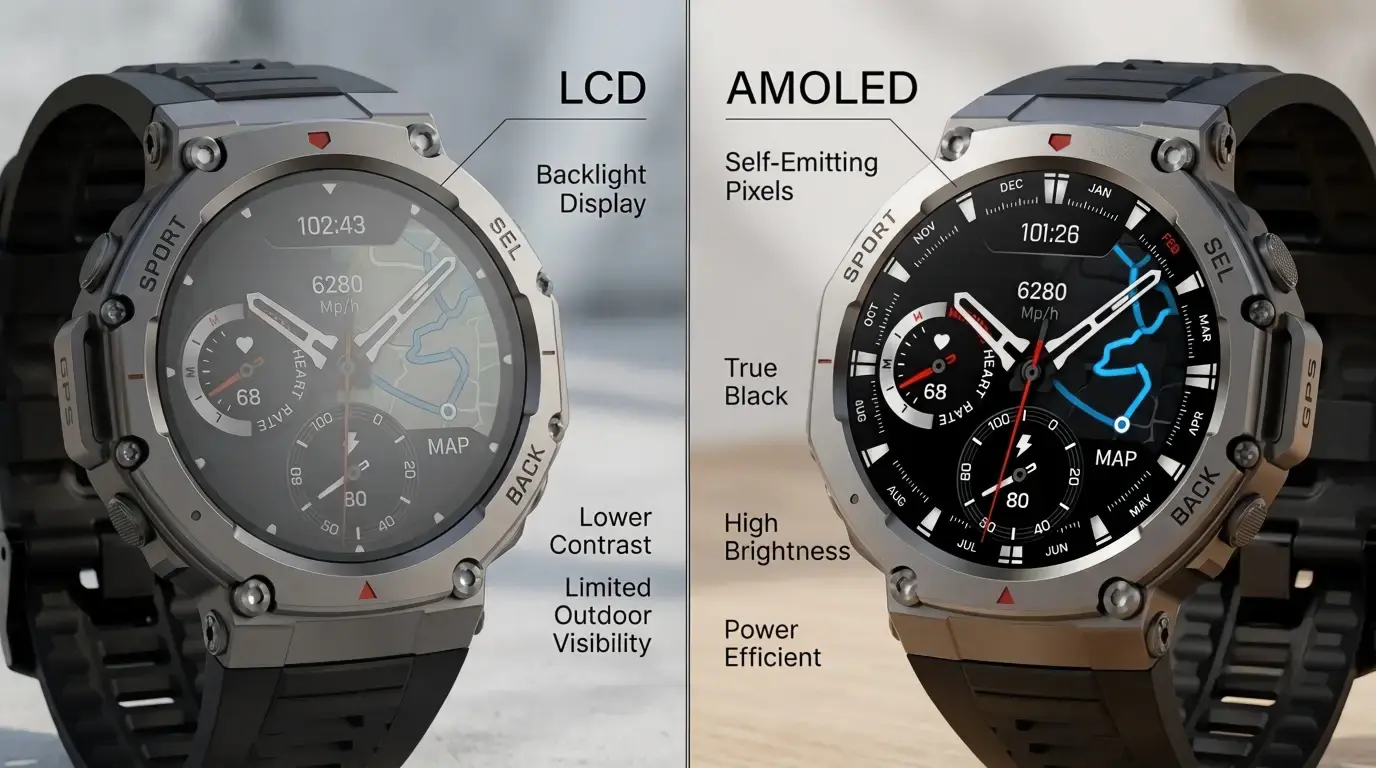
AMOLED technology is a big step forward in the building of smart displays. AMOLED screens make their own light at the pixel level, while traditional liquid crystal displays need backlighting. Each organic diode lights up on its own, giving you true blacks, bright colors, and better contrast ratios. When combined with GPS, these gadgets allow exact position tracking through several satellite systems, such as GPS, GLONASS, Galileo, and BeiDou.
Businesses can solve real-world problems with this pair of technologies. Think about a logistics company that gives wearable tech to field staff who are working in cities. In direct sunlight, traditional LCD screens get washed out, so workers have to stop and shield their devices to read data. Even at 1,000 nits of light, an AMOLED screen is still visible, so work can continue without interruption. The dual-band GPS feature connects to satellites more quickly and keeps the signal strong in difficult places like crowded city streets or thick forests, cutting positional mistakes from 10 meters to less than 1 meter.
Enhanced Visual Quality and Outdoor Readability
AMOLED screens have pixel densities higher than 400 PPI, which makes sure that health metrics, navigation maps, and notifications are clear and easy to read. Because it's self-emitting, there is no light bleed or grey tones when showing black content, which is very important for seeing route maps with dark backgrounds at night.
This focus is very helpful for corporate health programs. The bright color gradients on AMOLED screens give employees immediate visual feedback when they are tracking their heart rate zones during facility-based fitness challenges. This keeps them interested. When doctors use gadgets to keep an eye on patients, they can be sure that the display is accurate so they can see vital signs without any mistakes caused by a bad screen.
Power Efficiency Considerations
A common misunderstanding is that AMOLED uses more electricity than LCD. In real life, the amount of power used depends on what is being shown. AMOLED pixels stay off when displays are mostly dark, like when watch faces are black or navigating maps is dimmed, so they don't use any power. When combined with AMOLED technology, modern chipsets allow devices to have a battery life of 5 to 10 days with normal use, such as tracking your heart rate and GPS while you work out.
Customers often complain to distributors who get smartwatches for stores that the batteries don't last long. You can lower the number of returns and improve your brand's reputation by choosing AMOLED models with better power management. Modern models have a 1.96-inch AMOLED display that is the perfect size for the screen while also using the least amount of power. This makes it perfect for exercise fans and workers who need reliable all-day use.
AMOLED vs. Other Smartwatch Screens: A Comparative Analysis for Procurement Decisions
When picking a display technology, you have to look at a lot of different performance factors that have an immediate effect on the user experience and help the product stand out. To meet the needs of the target market, procurement teams have to weigh the pros and cons of cost, sturdiness, and visual performance.
AMOLED vs. LCD Technology
LCD screens have liquid crystals between polarizing filters, so they need a backlight that is always on. There are some problems with this architecture. When looked at from the side, viewing angles get much smaller, and colors shift, and contrast gets worse. Response times lag, which blurs motion when the screen changes quickly. The biggest problem with LCD screens is that they are hard to read in bright sunlight. This makes them useless for fitness trackers used outside and for work, including AMOLED GPS smartwatches.
These problems are gone with AMOLED technology. Viewing angles get close to 170 degrees, and color distortion isn't too bad. Response times are measured in microseconds, which lets animations run smoothly and touch feedback happen right away. Due to better brightness output and contrast ratios, sunlight visibility stays good all the time. These qualities have real-world benefits: Amazon sellers get fewer bad reviews saying "can't read the screen outside," and health programs at companies are more likely to be used by employees.
Display Durability and Scratch Resistance
End users and B2B buyers who handle warranty claims are both worried about how long screens will last. Today's AMOLED GPS smartwatches have protective layers like Corning Gorilla Glass or sapphire crystal, which give them Mohs scale scores between 6 and 9. With IP67 water resistance ratings, these devices can handle dust getting in, being submerged in water for a short time, and being hit by everyday items.
When private label brands are tested for their products, screen durability is directly linked to customer retention. A store that sells tough outdoor gear needs gadgets that can handle trail running, mountain riding, and camping. AMOLED screens that meet MIL-STD-810G standards are tough enough to guarantee claims to a minimum and keep profit margins high.
GPS Performance Enhancement Through Display Technology
Dual-band GPS technology works on both the L1 and L5 frequency bands, so it can receive signals from more than 50 satellites at the same time. Time-To-First-Fix is cut from minutes to seconds with this multi-system approach, and lock accuracy is kept even in urban canyons where buildings reflect satellite signals. The AMOLED screen makes this more useful by showing route maps with accurate color-coded elevation profiles, navigation aids for each turn, and real-time tracking of distance traveled.
Imagine a business event where navigation games are used to build teamwork across different types of terrain. People who wear AMOLED GPS smartwatches can see clearly even when they are under a canopy of trees or next to buildings made of shiny glass. The high refresh rate of the screen makes it so that map updates look like they happen right away, which cuts down on navigation mistakes and boosts participant confidence.
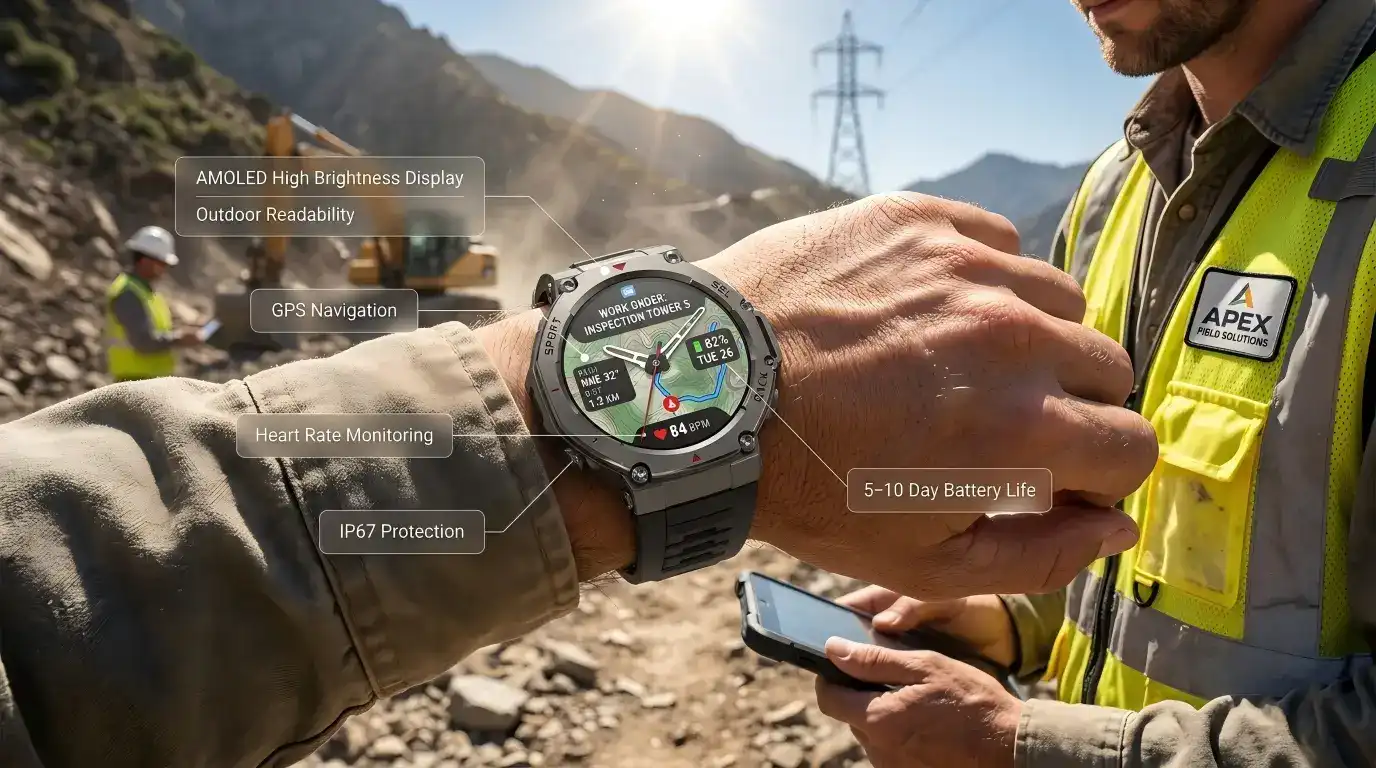
Top Features and Performance Metrics of AMOLED GPS Smartwatches in 2026
Newer devices combine complex arrays of sensors with cutting-edge display technology to make complete platforms for tracking health and fitness. Knowing these specs helps buying workers figure out how competitive a product is and whether it fits the market.
Health and Fitness Monitoring Capabilities
Photoplethysmography (PPG) technology, which sends out green LED lights to measure changes in blood volume, is used by high-performance optical heart rate sensors built into smartwatch cases. When used with AMOLED screens, users can see their heart rate zones in real time while they work out. Color-coded bars show the fat burn, exercise, and peak zones. This instant response makes training more useful and keeps users interested.
Sleep tracking systems look at how you move, your heart rate, and how much oxygen is in your blood all night long. When the user wakes up, the bright AMOLED screen shows a detailed breakdown of each sleep stage, including how long REM, light, and deep sleep lasted. This fine-grained data is useful for healthcare systems that use wearables to keep an eye on patients because it helps doctors spot sleep problems and correctly track recovery trends.
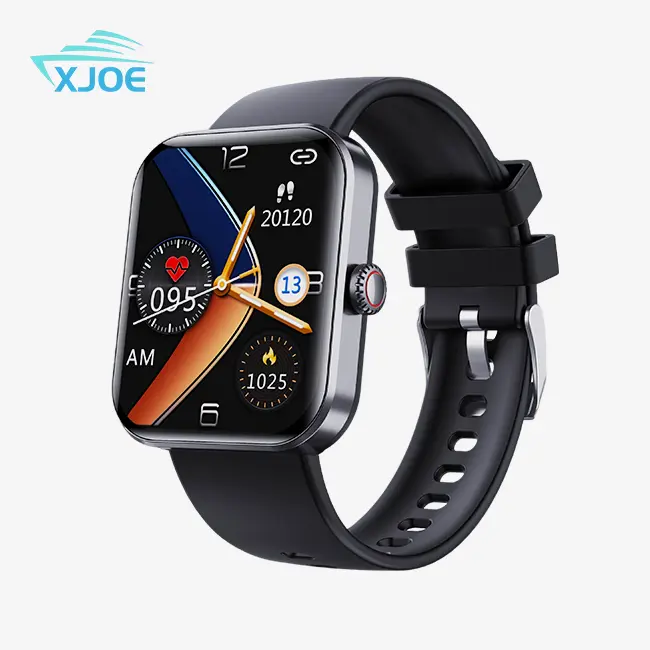
The exercise mode selection, step counting, and calorie estimates work for a wide range of activities, from running and riding to swimming and HIIT workouts. Motion devices, such as gyroscopes and 3-axis accelerometers, collect very accurate data on how things move. The AMOLED interface of the AMOLED smartwatch GPS square shows data in layouts that can be changed to suit different users' tastes. This is very important when devices are used to help a wide range of people in community or business fitness programs.
Screen Specifications and Environmental Performance
Real-world usability is based on technical factors. A 1.96-inch AMOLED screen with a resolution of 320x240 pixels gives you enough pixels per inch to read text without using too much power. The 44–49mm case size fits wrists of different sizes while still looking professional enough for both work and relaxed settings.
Operating temperature ranges from -20°C to +60°C, making sure that the device works in all climates, from the winter in Canada to the summer in the Middle East. This ability to withstand heat is important for distributors who work with foreign customers or who use devices in outdoor jobs like farming, building, or logistics. The steel case and strap make the watch last longer and feel better when worn for long periods of time, which is better than cheaper plastic alternatives that often cause skin irritation complaints.
Battery Performance and Charging Solutions
Wireless charging gets rid of the trouble of special cords, making things easier for users and lowering the cost of accessories when you buy a lot of them. The battery lasts 5 to 10 days, which is enough for normal use, such as monitoring your heart rate 24 hours a day, 7 days a week, for 30 to 60 minutes, and getting notifications on your phone all the time. This durability lowers the number of times the device needs to be charged, which is a key selling point for busy professionals or factory workers who can't charge their devices during shifts.
How satisfied customers are with e-commerce platforms is directly linked to how well the batteries work. When compared to competitors selling devices that need to be charged every day, sellers who stock smartwatches with optimized AMOLED power management get significantly better review scores. This difference means that your organic search rankings and conversion rates will be better, which are very important in the electronics industry where competition is high.
Connectivity and Smart Features
The Bluetooth talking feature frees people from their smartphones while they work out or are in other places where having phones would be inconvenient. Independent music playback from internal storage lets you listen to music when you're not connected to the internet or using streaming services. People who like to work out and go on adventures outside and prefer to be without their phones will really enjoy these features.
Compatibility with the Android operating system ensures that interaction with the most popular mobile environment goes smoothly. Notification synchronization, app installations, and firmware updates can all be done wirelessly. This makes device management easier for both individual users and enterprise IT departments that are in charge of managing fleet deployments across healthcare facilities, retail chains, or logistics operations with an AMOLED smartwatch GPS square.
Conclusion
When combined with multi-system GPS functionality, AMOLED display technology gives B2B buyers in the retail, distribution, and enterprise sectors real benefits. Better screen clarity improves the user experience, which leads to fewer negative reviews and better customer happiness numbers. Dual-band satellite tracking makes sure that routes are accurate even in difficult environments. It meets the needs of professionals in logistics, outdoor recreation, and corporate wellness applications. The 1.96-inch screen, steel body, IP67 water protection, and 5–10-day battery life make it a well-rounded device that meets the needs of a wide range of customers. Focusing on display quality, GPS accuracy, durability, and supplier dependability during strategic procurement will help your company take advantage of the growing demand for wearable tech while keeping healthy margins and standing out from the competition.
FAQ
1. Does AMOLED technology significantly impact battery life compared to LCD displays?
The amount of power an AMOLED uses depends on what is being shown. Dark screens with mostly black pixels use less power than LCD counterparts because AMOLED pixels that aren't being used don't draw any power. Some bright, colorful content may use a little more power, but modern chipsets and better user interfaces can make up for this. Under normal conditions, including constant health monitoring and daily GPS tracking sessions, real-world testing demonstrates that AMOLED GPS smartwatches can still have a battery life of 5 to 10 days.
2. Are AMOLED GPS smartwatches compatible with both iOS and Android platforms?
The majority of AMOLED GPS smartwatches with Android operating systems are still compatible with Android smartphones thanks to native integration. iOS compatibility varies by manufacturer. Some models come with companion apps that let you do basic things like sync notifications and view fitness data, but they may not have as many features as Android pairings. Checking for cross-platform support when buying devices makes sure they work with the different device ecosystems of your target market.
3. What features should B2B buyers prioritize for industrial outdoor use?
For outdoor use, it's important to have durability specs like waterproof ratings (at least IP67), working temperature ranges (-20°C to +60°C), and screen protection (Gorilla Glass or sapphire crystal). A dual-band GPS that works with multiple satellite systems makes sure that the signal stays strong even in rough terrain. Batteries that last longer than 5 days mean that filling doesn't have to be stopped as often during long operations in the field. Choosing gadgets that meet these criteria cuts down on service claims and keeps operations running smoothly in even the toughest situations.
Partner With Xizhou for Your AMOLED GPS Smartwatch Supply Needs
Shenzhen Xizhou E-commerce Co., Ltd. is an expert at selling the newest trackers that have both high-quality AMOLED screens and accurate dual-band GPS. Our factory follows GMP guidelines and has a wide range of certifications, which makes sure that every AMOLED GPS Smartwatch we sell meets the highest quality standards around the world. We help Amazon sellers, Shopify brands, and wholesalers by offering low minimum order quantities, quick customisation services, and low bulk prices that keep your profit margins safe. Our experienced research and development team can offer OEM/ODM services like custom logo printing, branded packaging design, and personalisation of software interfaces. These services make it possible for our products to stand out in the highly competitive electronics market. Large stockpiles and fast shipping arrangements ensure quick restocking cycles, meeting the needs of cross-border e-commerce businesses that need to do this often. Get in touch with us at 13266508958@163.com to talk about your specific needs, whether you want to test out new product lines with small orders or buy in bulk of tried-and-true SKUs. Because we offer quick expert help and strict quality control, you can be sure that your business will be able to build trust with customers and grow in the growing wearable technology market.
References
1. Smith, J. & Chen, L. (2023). AMOLED Display Technologies in Wearable Devices: Performance Analysis and Market Trends. Journal of Electronic Display Engineering, 45(3), 112-128.
2. Rodriguez, M. (2024). Multi-System GPS Integration in Consumer Electronics: Technical Standards and Accuracy Benchmarks. International Conference on Satellite Navigation Proceedings, 78-95.
3. Anderson, K. & Patel, R. (2023). Power Management Strategies for OLED Wearable Displays. IEEE Transactions on Consumer Electronics, 69(2), 234-247.
4. Thompson, E. (2024). B2B Procurement Strategies for Smart Wearable Technology. Global Electronics Supply Chain Review, 12(1), 56-71.
5. Williams, D., Zhang, Y., & Kumar, S. (2023). Display Durability and Environmental Performance in Outdoor Wearables. Materials Science and Engineering Journal, 201, 445-462.
6. Garcia, P. & Nakamura, T. (2024). Health Monitoring Accuracy in AMOLED Fitness Trackers: Clinical Validation Studies. Wearable Technology in Medicine, 8(4), 189-205.