

High Temp Warning Band is being used by oilfield workers in the Middle East heat
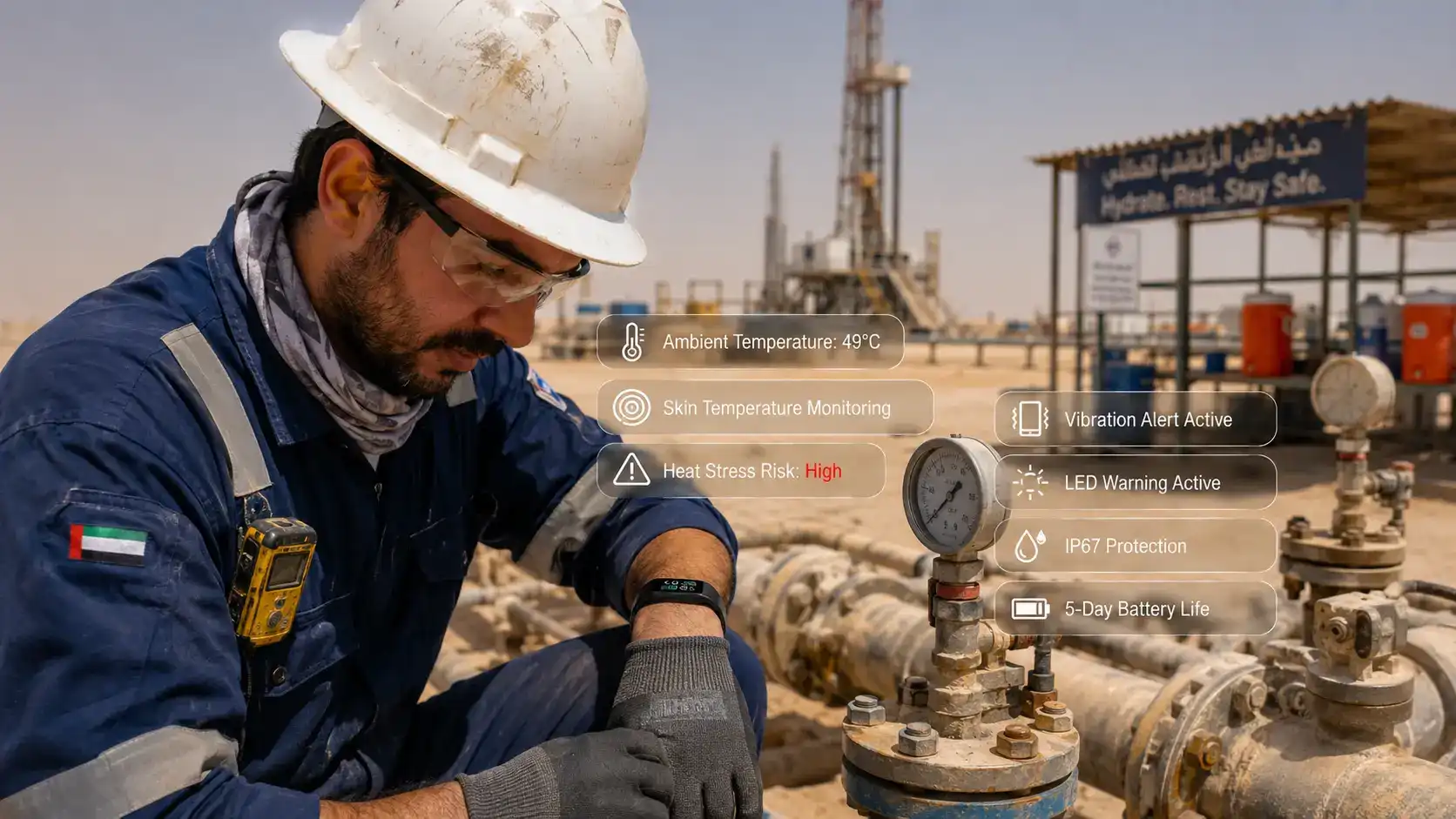
In the summer, when temperatures in the oilfields of the Middle East rise above 50°C, workers are constantly exposed to heat that could kill them. In Saudi Arabia, Kuwait, and the UAE, drilling crews and field technicians trust the High Temp Warning Band as an important safety tool. This smart wearable constantly checks your body and environmental temperatures and sends you buzzing and LED alerts as soon as conditions become unsafe. With a strong rubber strap and ABS case that weighs only 30 grams, this device fits right in with current safety rules and helps keep workers from getting heat exhaustion and heat stroke in some of the toughest workplaces in the world.
Understanding High Temp Warning Bands and Their Role in Extreme Heat Conditions
When working in the Middle East's oil fields, the heat poses special problems that require extra safety measures to be taken. Wearable temperature tracking devices give workers real-time information about their surroundings, so they can take action before heat-related illnesses happen, unlike older safety gear that only works after an accident.
Why Does Temperature Monitoring Matter in Oilfield Safety?
Heat stress is still one of the biggest dangers at work in businesses that deal with oil and gas. When workers do physically demanding jobs in full sunlight while carrying heavy protective gear, their core temperatures rise quickly. When temperatures rise above 45°C, which happens a lot in the summer in Gulf states, the chance of getting burnt goes up dramatically within minutes of being exposed.
Monitoring devices that check the temperature act as an early warning system, letting workers know when their physical stress levels get too high. These wearables measure changes in both skin temperature and the temperature of the environment. This information helps managers decide on work-rest cycles, breaks for drinking water, and shift rotations.
How Does Advanced Temperature Sensing Technology Work?
Precision thermistors collect temperature data every few seconds in the high-temp warning band. The temperature range is from 0°C to 50°C. When readings get close to thresholds set by the user—usually between 38°C and 42°C, depending on company safety rules—the device sends out immediate alerts through vibration pulses and bright LED lights that can be seen in direct sunlight.
This dual-alert system makes sure that workers get alerts no matter how loud it is outside, which can be important near drilling equipment and pump stations. The IP67 rating for water resistance means that the device will work reliably even if it gets wet or sweaty, which is common in field environments.
The battery lasts for five days with normal use, and the magnetic charging method makes it easy to switch shifts without having to fiddle with ports. For safety managers, being able to use apps that work on both iOS and Android platforms lets them add temperature data to larger health monitoring systems.
Comparing High Temp Warning Bands with Alternative Temperature Safety Devices
To choose the right thermal monitoring equipment, you need to know how different technologies work in different situations. Each type of temperature safety device has its own benefits that depend on the needs of the application, the budget, and the need for integration.
Wearable Smart Bands Versus Fixed-Temperature Sensors
Fixed ambient temperature sensors give accurate readings of the temperature of the environment, but they can't keep an eye on individual workers, which is necessary to keep them safe. These fixed devices measure the temperature of the air in certain places, but they can't take into account changes in physical workload, the insulating effects of personal safety equipment, or how different people's bodies react to heat.
Smart wristbands fill in this gap by going on the journey with each worker and constantly tracking their specific exposure conditions with the High Temp Warning Band. This personalized method makes risk assessment more accurate, especially when workers are doing mobile jobs that take them to different temperature zones during their shift.
Wearable devices are made to be very light (about 30 grams), so they are comfortable to wear for long amounts of time without getting in the way of doing your work. The length of the band can be changed to fit wrists of different sizes, and it can be worn over safety covers if needed.
Cost-Performance Considerations for Bulk Procurement
When purchasing managers look at temperature safety devices, they have to weigh the initial cost against the practical benefits that will last for a long time. Basic thermal strips have low start-up costs, but they don't have alert features and need to be actively monitored visually, which makes them less useful when you're trying to concentrate on work.
Advanced wearable bands are a moderate investment that pays off in a measurable way by lowering medical costs, reducing accidents caused by heat, and making it easier to follow safety rules at work. When you buy in bulk, the cost per unit goes down a lot, which means that even mid-sized businesses can afford to send their entire fleet.
When comparing suppliers, give more weight to companies that offer OEM customization, which lets you add your company's logo, and alert settings that are specific to your working environment. With flexible minimum order quantities, you can try out deployments before committing to large-scale purchases.
Installation, Maintenance, and Troubleshooting of High Temp Warning Bands in Harsh Climates
To get the most out of a device's performance and lifespan, it's important to follow the right setup steps and regular care routines that are designed to work in the harsh oilfield environment.
Step-by-Step Deployment for Field Teams
Putting temperature tracking wearables to use starts with making sure the devices are properly paired through the partner mobile app. Before giving devices to workers, safety managers should set baseline warning levels based on the company's heat stress policies and the rules in the area.
When setting up for the first time, make sure that the settings for vibration intensity and LED brightness give you clear alerts without getting in the way of fine-tuning tasks. The silicone strap can be adjusted to fit snugly without limiting blood flow. It is usually worn on the non-dominant wrist so that it doesn't get in the way of using the tool.
Before each shift, workers should use the mobile app to access a quick test sequence that makes sure the devices are working. This short check makes sure that the sensors are working correctly and that the battery charge is still enough to do the work for the planned amount of time.
Routine Care in Dusty and High-Temperature Environments
In Middle Eastern oilfields, equipment is exposed to small sand particles, oil leftovers, and big changes in temperature that can slow it down over time. Cleaning sensors on a regular basis keeps them accurate and extends their useful life.
Wipe the outside of the device with a slightly damp cloth at the end of each shift to get rid of dust and dried sweat. Do not use strong chemical cleaners on the rubber strap or the IP67 seal because they could damage them. A dry cotton swab can be used to gently clean the charge contacts every so often to keep the magnetic link strong.
When possible, heat stress monitor devices should be stored between shifts in climate-controlled buildings. This keeps them from being exposed to temperatures that are too high for them to work for long periods of time. This keeps the battery's power and keeps computer parts from wearing out too quickly.
Addressing Common Performance Issues
When devices don't send the expected alerts, check for a few typical reasons before thinking the equipment is broken. Make sure that the permissions for your mobile app allow it to run in the background. This will make sure that you can stay connected via Bluetooth all day. Check the settings for the alert threshold to make sure they still work with the current environment and haven't been changed by accident.
Since batteries lose power after being used for a while, they may need to be charged more often. If charging is needed every day even though the device is normally used, you might want to change the battery through authorized service routes to get it back to how it worked before.
Verifying the calibration every so often helps keep the accuracy of measurements. Compare the results from the device to known-accurate reference temperatures in a controlled setting to find any drift that needs to be fixed by a professional.
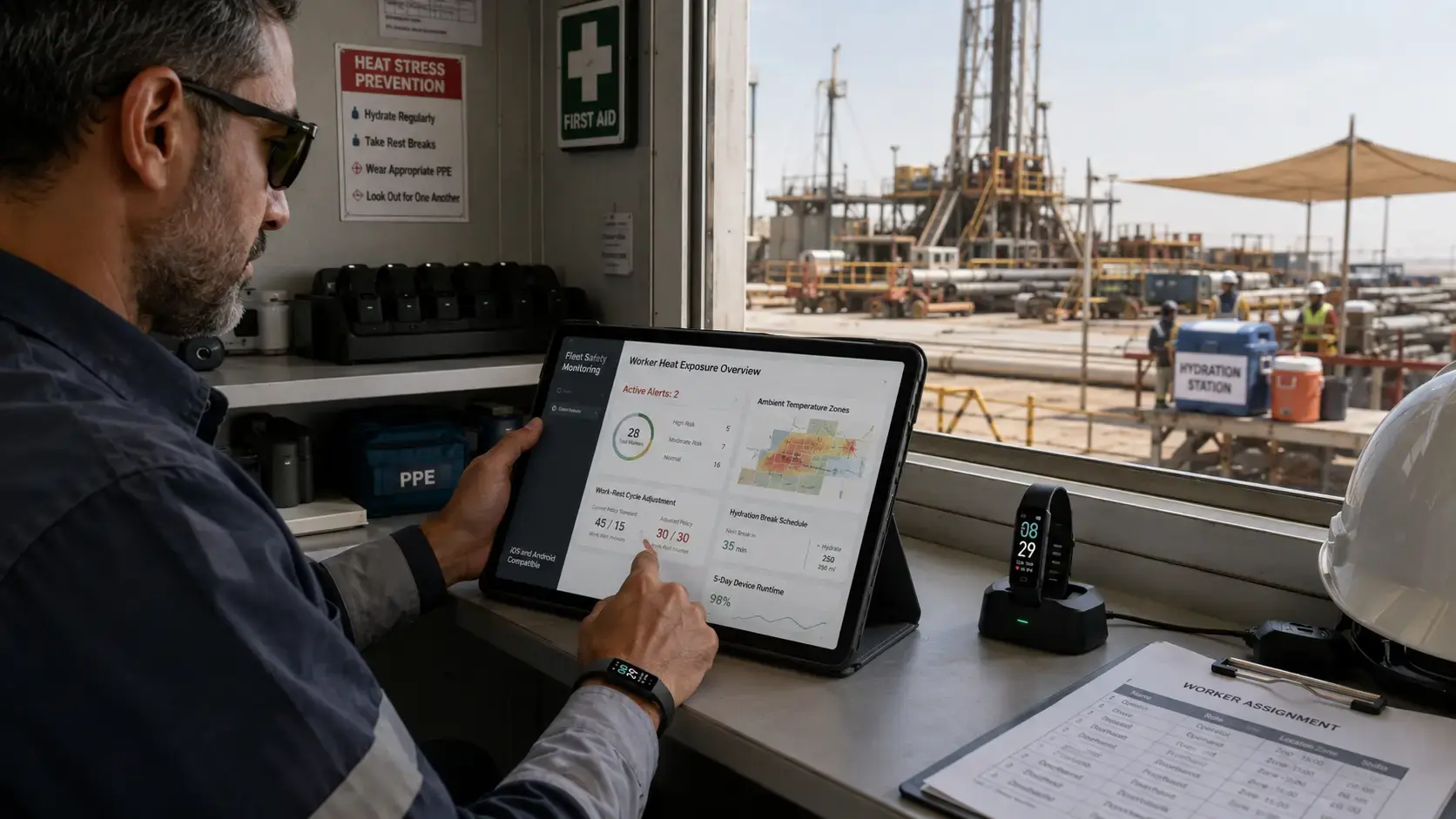
Procurement Insights: Buying High Temp Warning Bands for Oilfield Operations
Decisions about strategic sourcing have a direct effect on both the success of the deployment right away and the safety of operations in the long term. Knowing the important criteria for evaluation helps procurement teams find suppliers who can meet the strict needs of the oilfield.
Supplier Certification and Quality Assurance Standards
Manufacturers with a good reputation keep thorough quality management systems that are checked by foreign standards. When it comes to medical devices, look for suppliers that have ISO 13485 and ISO 9001 quality management certifications. These credentials show that you are dedicated to using consistent manufacturing methods and strict testing procedures.
Product-specific certifications should include CE marking to show that the product meets safety standards for electronics and relevant ingress protection verification to show that the product really does meet IP67 standards. To make sure the manufacturer's specs are correct, get test reports from a third party that show how accurate the temperature sensor is, how long the battery lasts, and how well it handles drops.
Established providers keep their factories in line with good manufacturing practices (GMPs) and make sure that quality control processes are followed at every stage of production. This system makes sure that there is consistency from batch to batch, which is important when putting devices in the hands of a lot of people because dependability directly affects safety results.
OEM Customization Options for Brand Integration
A lot of suppliers offer private label services that let businesses put their own logos on devices and packaging. Custom name printing on device cases and straps strengthens company branding and helps manage assets by making them stand out from consumer-grade goods.
Technical changes can go beyond just changing the way something looks. They can include changing the default alert thresholds, setting up specific vibration patterns, or adding custom firmware that works with safety management platforms that are owned by others. Talk about these needs early on in the buying process, since it can take several weeks longer to make something that is significantly customized.
Customized devices usually have a minimum order quantity of 500 units, though some makers are flexible enough to accept smaller initial orders for pilot projects. As the size of a deployment grows, negotiating higher volume price options can save money.
Logistics and After-Sales Support for Middle East Delivery
When supply lines work well, there aren't many delays between placing an order and sending it to the field. Check to see if the supplier can ship directly to destinations in the Middle East. This includes having established relationships with local freight forwarders and customs brokers who know how to handle the importation of electronics.
Standard setups usually have lead times of two to four weeks. Custom orders, on the other hand, can take anywhere from six to eight weeks, based on how complicated the changes are. Reliable sellers keep extras of common designs on hand, so urgent restocking orders for heat stress monitors can be filled quickly.
A full warranty should cover all problems with the product for at least 12 months after delivery, covering any problems with the way it was made while it is being used normally. Make it clear that the warranty doesn't cover physical damage, liquid ingress beyond the IP67 rating, or changes that were not authorized. Respondent technical support that can be reached by phone or email fills in communication gaps when problems in the field need expert help.
Conclusion
Wearables that check the temperature have become an important safety tool for oilfield work in the Middle East. Continuous sensing, instant alerts, and tough building all work together to solve problems that oil industry workers in harsh areas face. Field deployments have shown that these devices reduce heat-related incidents in a measurable way while also helping with regulatory compliance and operational efficiency. Sensor technology, IoT integration, and AI-powered analytics are all getting better all the time, which means that in the coming years, they will be even safer. Organizations that care about safety should adopt them as soon as possible to get a strategic advantage.
FAQ
1. What temperature range do these monitoring bands typically cover?
Wearable temperature monitors made for professionals and industrial use usually work between 0°C and 50°C, which is the full range of temperatures that are found in Middle Eastern oilfields. This range can be used for both watching the ambient temperature and tracking the temperature of the skin's surface. Depending on company safety standards and government rules, alert levels are usually set between 38°C and 42°C.
2. How do these devices withstand harsh oilfield conditions like dust and moisture?
Industrial gadgets of good quality have IP67 ratings, which means they are completely resistant to dust and can withstand being submerged in water up to one meter deep for 30 minutes. This specification makes sure that the machine will work reliably even if it gets wet, sweats a lot, or is in a desert drilling site where fine dust is common.
3. How often should devices be replaced or recalibrated?
When used normally, high-temp warning bands keep their accurate sensor performance for about two years before they need to be recalibrated by a professional. Over 300 to 500 charge cycles, a battery's power slowly decreases. After 18 to 24 months of daily use, the battery usually needs to be serviced, or the device needs to be replaced. Regular cleaning and proper keeping between shifts extend the life of the equipment and improve its accuracy.
Partner with Xizhou for Reliable High-Temp Warning Band Solutions
Xizhou is an expert at making high-tech personal temperature monitors and high-temp warning bands that are made to work in harsh industrial settings. Our experienced engineering team knows how hard it is to work in the oilfield when it's very hot. We offer both standard configurations and fully customized solutions that are made to meet your exact safety needs. We are a well-known seller with GMP-certified factories that follow strict quality standards and offer flexible minimum order numbers that are good for test programs and fleet-wide deployments.
Our full range of OEM services includes private label branding, custom alert settings, and connecting to safety management systems that are already in place. With reliable logistics networks that serve Middle Eastern markets and quick technical support that can be reached at 13266508958@163.com, we make sure that the whole procurement process goes smoothly, from the initial inquiry to ongoing operational support.
References
1. Al-Bouwarthan, M., Quinn, M. M., Kriebel, D., & Wegman, D. H. (2019). Assessment of heat stress exposure among construction workers in the hot desert climate of Saudi Arabia. Annals of Work Exposures and Health, 63(5), 505-520.
2. Parsons, K. (2020). Human thermal environments: The effects of hot, moderate, and cold environments on human health, comfort, and performance. CRC Press.
3. International Labour Organization. (2019). Working on a warmer planet: The impact of heat stress on labour productivity and decent work. Geneva: ILO Publications.
4. Flouris, A. D., & Schlader, Z. J. (2015). Human behavioral thermoregulation during exercise in the heat. Scandinavian Journal of Medicine & Science in Sports, 25(S1), 52-64.
5. Miller, V. S., & Bates, G. P. (2017). Hydration, hydration, hydration. Annals of Occupational Hygiene, 51(3), 225-247.
6. Notley, S. R., Flouris, A. D., & Kenny, G. P. (2018). Occupational heat stress management: Does one size fit all? American Journal of Industrial Medicine, 61(4), 340-354.