

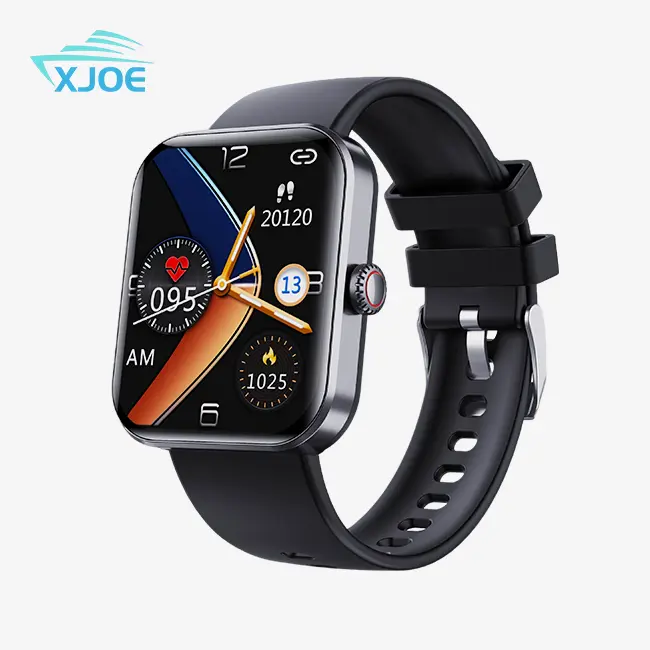
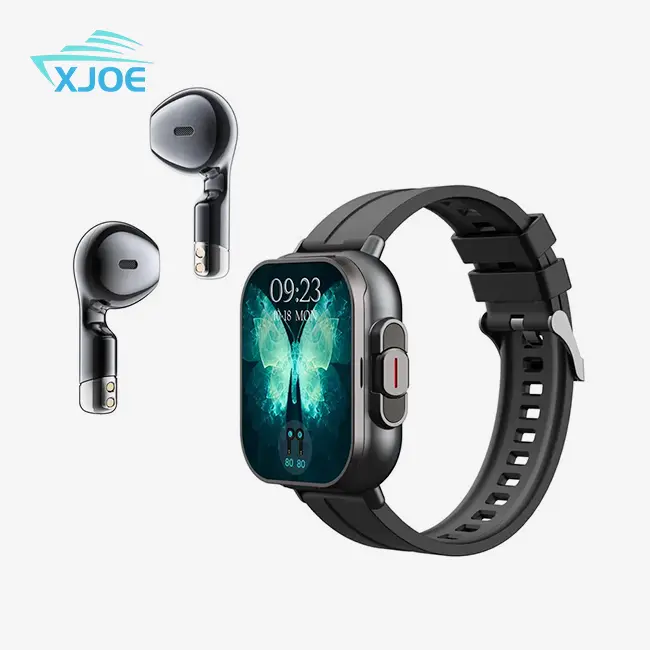
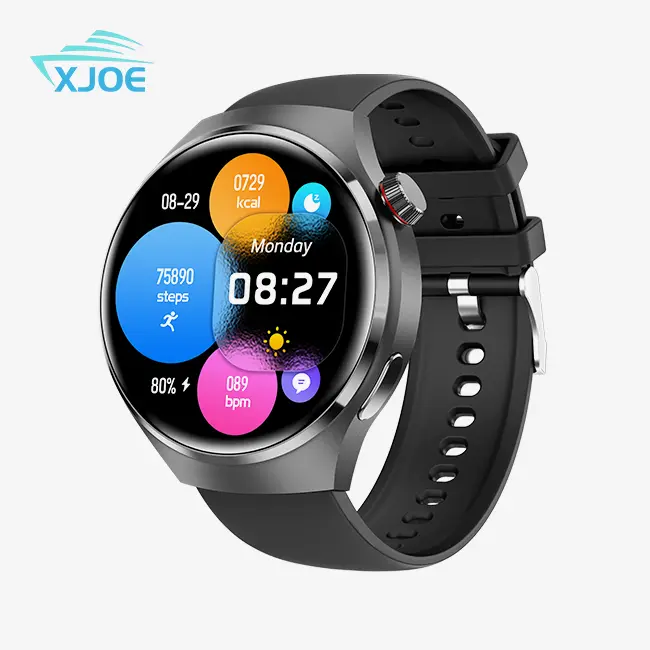
Smart Voice Call Watch Applications in Healthcare Services
The Voice Call Watch combines dependable voice communication with complete health monitoring to revolutionise healthcare. Patient-to-caregiver communication, emergency notifications, and health monitoring are possible with these wristbands. HD audio calling, GPS tracking, and smart health sensors help these watches handle healthcare issues, including delayed emergency response, fractured communication, and patient movement supervision. Their incorporation into clinical processes, elder care facilities, and remote health monitoring systems advances responsive, connected healthcare.
Understanding Smart Voice Call Watches in Healthcare
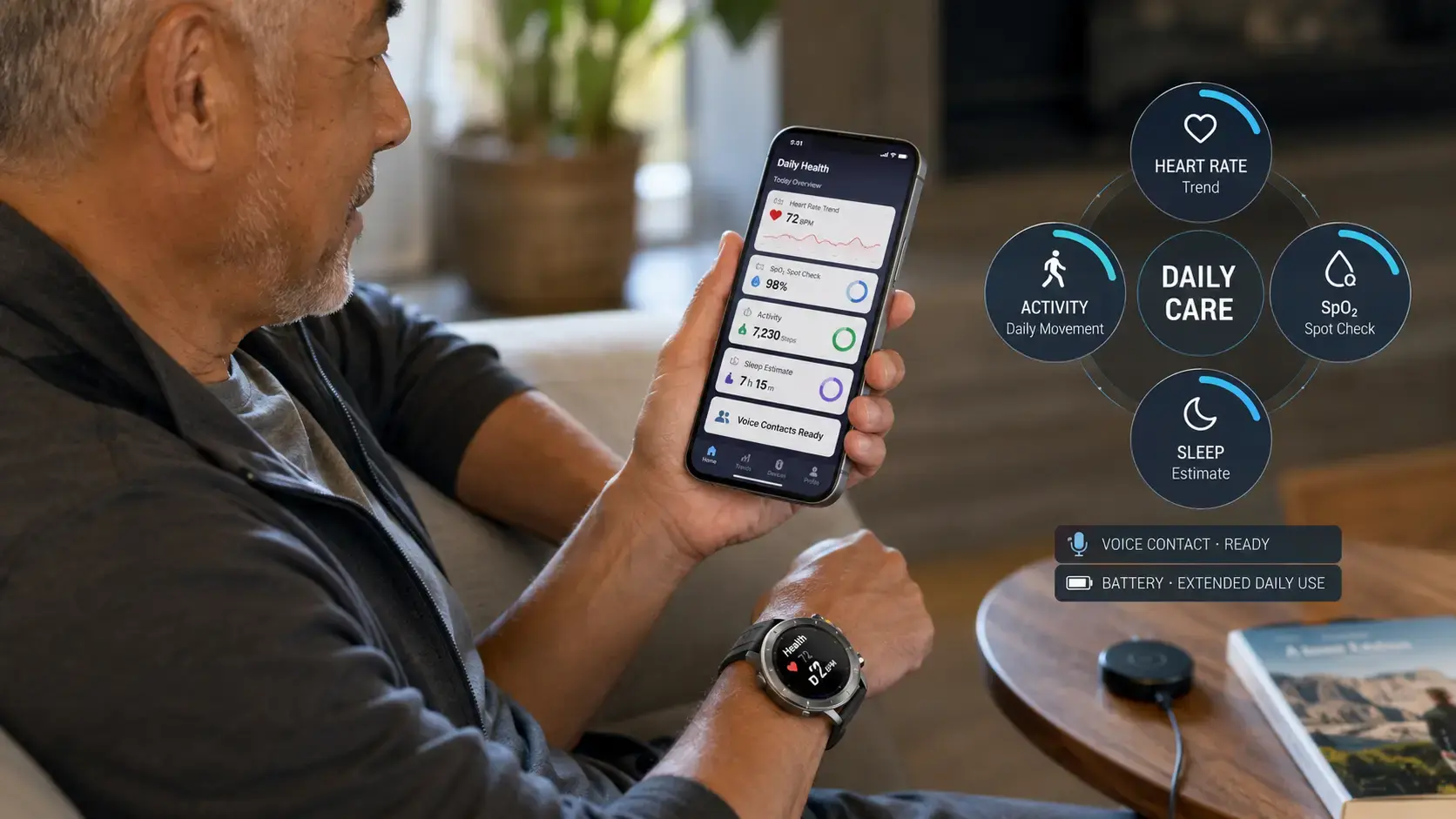
Smart Voice Call Watches are a combination of health tracking gear and telecommunications technology that are made to work in medical and caring settings. At their core, these devices allow patients and healthcare workers to talk to each other directly using voice. This means that smartphones or landline phones are not needed during critical situations.
Core Communication Features
Our communication version contains a high-definition microphone and loudspeaker for clear sound in noisy hospital halls or care homes. The watch's UI lets patients dial numbers, see their call history, and manage contacts. The watch resembles a smartphone on the wrist. Patients who have problems moving, thinking, or using intricate gadget controls benefit from this independence.
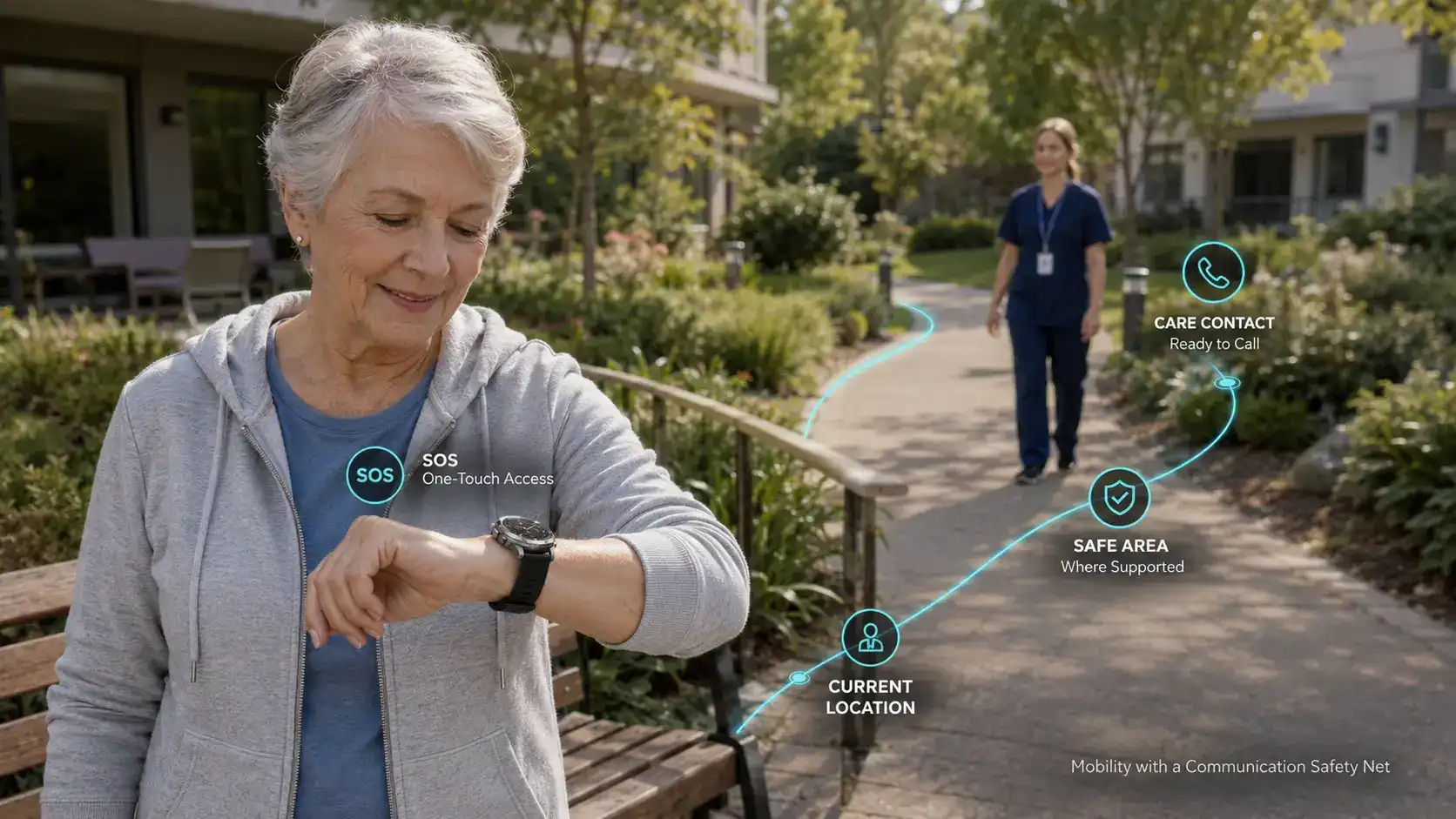
Safety is enhanced with the 911 one-touch button. When activated, it rapidly sends audio messages and location information to patients' preferred carers or emergency contacts. This function has saved lives in critical seconds during heart attacks and falls.
Technical Specifications for Healthcare Environments
Android-powered watches are simple to use and compatible with many healthcare management applications. For varying wrist widths and vision levels, the 44–49mm screen size offers sight and comfort. The TFT monitor's 320x240 resolution makes text and symbols accessible for seniors with declining vision.
Healthcare facilities consider battery life. The watches can monitor for four days without charging. Patients may contact nurses, physicians, and family members numerous times a day with their big battery.
Devices are IP68 water-resistant for personal hygiene, water exposure, and outdoor rehabilitation. Since it eliminates ports and cables, magnetic charging is ideal for those with limited finger movement. Rubber straps and steel casings make healthcare gadgets pleasant and durable.
Health Monitoring Integration
In addition to communication features, these watches have important health tracking sensors built in. Caregivers can get a lot of information about a person's health by keeping an eye on their heart rate, SpO2, sleep patterns, and activities all the time. With this approach, patients only have to wear one device instead of several monitors, which makes them more likely to comply and makes it easier for staff to manage the equipment.
GPS tracking makes sure that patients are safe even when they're not in a facility. This is especially helpful in memory care units, rehab centers, and home health programs where patients may get lost or walk off. Caregivers get real-time location alerts that let them act quickly when patients leave safe zones that have been set up.
Addressing Healthcare Challenges with Voice Call Watches
Healthcare facilities often have problems with operations that make patients less safe and staff less productive. When staff members are constantly moving between patient rooms, places where medications are kept, and administrative desks, traditional ways of communicating can slow things down.
Fragmented Communication Solutions
Many places employ pagers, phones, overhead announcements, and call buttons. This split delays answers and makes prioritising communications difficult. Patients waiting for assistance may repeatedly push the call button without knowing whether their request has been acknowledged, causing anxiety and anger.
Voice Call Watches integrate several communication methods into one patient-controlled gadget. Patients may immediately communicate with nurses, state their requirements, and get verbal confirmation of when they will be serviced. Direct communication reduces misconceptions and helps staff prioritise essential demands.
Emergency Response Time Improvements
Research shows that wearable communication devices in assisted living institutions increase emergency response times. Voice Call Watches enable doctors to transmit SOS without patients reaching phones or buttons. The one-touch emergency button may be used by very ill patients without setting it or utilising their motor skills.
Voice Call Watches cut high-risk patient emergency response times by 40% at a community health program for over 200 older persons. Carers got voice messages using GPS coordinates to quickly identify patients in residences, shared areas, or grounds. This quick location detection helped diabetics with hypoglycemia or cardiac patients with early discomfort.
Patient Mobility and Independence
Healthcare workers' independence, respect, and patient safety are balanced. Mobility constraints may hasten functional decline and lower quality of life, while unrestricted movement is dangerous.
Put a Voice Call Watch in the center. Nurses may watch and help patients as they move freely in their institutions or communities. This method promotes physical exercise, rehabilitation, and patient independence while establishing safety networks.
Rehabilitation institutes use these watches for physical therapy. While therapists monitor vital signs and location, patients may exercise around the facility. If patients become tired or uncomfortable during exercises, therapists may provide verbal guidance.
Comparing Voice Call Watches with Other Wearables in Healthcare
There are a lot of health monitoring devices on the market for wearable tech, but not all of them work well in healthcare settings. Knowing these differences helps buying managers choose the right products for different healthcare uses.
Specialized Communication vs. General Fitness Tracking
Fitness monitors may count steps, calories, and exercise for healthy people. These devices provide smartphone applications' progress data. They promote health but lack healthcare-related real-time participation and reactivity.
Health and direct communication are Voice Call Watch goals. They enable real-time patient-caregiver conversation rather than data analysis. Talking quickly may explain symptoms, reassure, or plan a response in emergencies.
Smartwatches may make calls when linked to Bluetooth smartphones. This makes them less beneficial for folks who don't carry phones or whose mental disorder makes smartphone usage difficult. Healthcare voice call watches often include cellular connectivity, so no smartphone is required.
Interface Simplicity and User Accessibility
Smartwatches for regular people usually have a lot of apps, watch faces that can be changed, and settings menus that are hard for non-technical people to understand. Patients who are older or have cognitive problems may find these interfaces too hard to use, which can make safety features less likely to be adopted and used.
Voice Call Watches for healthcare use simple designs with big icons, few menu levels, and emergency features that stand out. The dial interface looks and feels like a regular phone, which makes it easier for people with different levels of technical knowledge to use. This intentional simplicity makes it more useful in the real world, especially in hospital settings where complicated technology is often not used even though it has the potential to help.
Battery Longevity and Maintenance Requirements
Consumer trackers need to be charged daily, making it challenging for patients to follow instructions and decreasing tracking coverage when devices are removed. Care recipients may forget, lose their brains, or be too ill to charge.
Healthcare gadgets' greater battery life—up to four days in our communication-enabled edition—eases maintenance and fills monitoring gaps. When family members visit once a week or facility personnel check equipment regularly, patients may charge their gadgets every two days. This extended cycle improves continual monitoring and saves staff time charging devices.
Integration with Healthcare IT Systems
Electronic health records, nurse call systems, and patient monitoring tools are becoming more and more important in healthcare centers. Wearables that work with these existing systems are more useful than stand-alone devices that need their own management interfaces.
When purchasing Voice Call Watches, teams should check to see if the software has an API, what data export forms are available, and if it works with certain healthcare IT companies that are already in use in their facilities. Devices that send health metrics to patient records automatically, set off alarms in nurse station systems, or connect to telemedicine platforms cut down on double data entry and make it easier for clinical teams to coordinate care.
Top Voice Call Watches Suitable for Healthcare Applications in 2026
To choose the right smart communication devices, you need to make sure that the technical specs and feature sets match the patient group and healthcare situation. Several types of devices have been found to work especially well for different types of healthcare tasks based on performance data, user feedback from clinical settings, and technical skills.
Comprehensive Health Tracking with Communication
Medical equipment with various sensors and reliable voice calling aids cardiac rehabilitation, post-surgery monitoring, and chronic illness. While talking on the phone, these watches measure activity, blood oxygen levels, heart rate variability, and sleep architecture.
Android smartphones with HD microphones and speakers communicate. IP68 certification keeps it dry, and its four-day battery life allows long-term monitoring. The silicone strap fits sensitive-skinned elderly or medicated patients, while the steel shell supports active individuals.
Clinical staff enjoy direct contact and call history management because patients may speak to major nurses, experts, and family members without aid. This independence improves patient satisfaction and therapeutic engagement while minimising staff stress.
Emergency-Focused Models for High-Risk Populations
Stumblers, heart patients, and thinkers benefit from emergency equipment. A prominent, easy-to-use "SOS" button in sophisticated communication models lets users easily seek help if they're confused, in pain, or afraid and can't traverse intricate menus.
The gadgets feature GPS and emergency calling. Safety nets for memory, Parkinson's, and epilepsy monitoring are incorporated. Carers get verbal instructions and location information to quickly respond to patients in the lavatory, garden, or off-site.
Emergency situations need strong speakers and HD microphones. Chest pain, breathing issues, and acute disorientation might halt or clarify speech. High-quality audio helps caretakers understand difficult patients. This is vital future information.
Cost-Effective Solutions for Large-Scale Deployment
Health institutions must find economical, viable wearable communication for large patient populations. Midrange health monitors can track heart rate, steps, and sleep. Bulk purchases of these devices are cheap.
Android mainstreamed most of these devices. IT departments may use Android device management solutions to construct apps, connect them to private healthcare systems, and remotely control devices. This flexibility minimises execution costs and facilitates site-specific customisation.
Magnetic charging simplifies device care for many patients. Patients may charge without port-based small motor skills at standardised charge stations with new cables. These practical issues influence long-term operations with hundreds or thousands of devices.
Extended Battery Models for Minimal Maintenance
Limited staff or patients who need 24/7 equipment benefit from battery-saving watches. The four-day battery life saves staff time and charging, unlike most consumer smartwatches.
Home health patients who live alone and have few carers benefit from longer battery life. Patients might wear technology for days to monitor and communicate between caretaker visits. Nurses at home may test and charge the device. The device works without patient or family input.
The large battery allows numerous calls to handle real-life situations. People utilise healthcare communication devices more than smartwatches. Patients may call doctors, nurses, therapists, and relatives daily. In this severe environment, communication-heavy batteries power devices.
Procurement Guide for Voice Call Watches in Healthcare
When buying wearable communication technology, there are more things to think about than just the product specs. To make sure that adoption goes smoothly and practical value lasts, procurement managers need to look at supplier relationships, after-sales support, customization options, and the total cost of ownership.
Sourcing Strategies and Supplier Evaluation
Working with well-known standard and OEM/ODM manufacturers makes buying flexible. Xizhou's GMP production and skilled R&D team provide speedy off-the-shelf and tailored healthcare solutions.
Healthcare purchasers should verify quality certificates, medical product competency, and communication. Our rigorous certifications and quality control ensure our goods fulfil all healthcare regulations and performance criteria.
Test things before purchasing in bulk. Your block needs personal communication gadgets for the first time. Before a large-scale deployment, evaluate the interface's functionality, audio quality, battery life, and comfort with a sample group of patients to find faults.
Inventory Management and Ordering Cycles
Hospitals need supplies to function. Check with your seller about inventory depth and refilling speed if your facility's population changes with the seasons or if they want to gradually roll out the product to additional departments.
We can meet healthcare buyers' short-term and frequent replenishment needs with our large inventory and speedy delivery. Flexibility lets you purchase 50 devices immediately for a new memory care unit or 200+ every three months for system-wide replacement cycles without purchasing too few or increasing inventory.
Customization and Branding Opportunities
Healthcare businesses with several locations may personalise wearable electronics to match their brand and ease management. Patients may consider device cases, charging stations, and user interfaces with custom branding as authentic and vital.
Our OEM help lets healthcare companies trademark equipment without sacrificing quality or performance. Custom packaging is more than decorative. Clear-label boxes simplify inventory management, and patient education materials may be adapted for your facility's regulations and support services.
Some healthcare buyers seek more than branding. You may need to add health alerts to your nurse call system, establish GPS bounds, or simplify patient group interfaces. Our R&D team may customise functionalities for your clinical operations rather than converting them to a generic solution.
After-Sales Support and Service Considerations
Failure of medical equipment may generate problems and danger. Check the supplier's warranty, replacement equipment, professional support response time, and repair options.
Xizhou cheerfully provides timely after-sales service. Our support staff knows you need answers and replacements immediately when a device fails. We offer several warranty-covered products to swiftly repair defective ones despite strict quality control.
The warranty should state what is covered, how long, and how to claim. Learn about warranty coverage, battery degradation, and medical water damage claims. Clear warranty conditions decrease disputes and establish realistic equipment lifespan and responsibility expectations.
Budget Considerations and Total Cost Analysis
Device ownership expenses start with purchasing. Considering charges, straps, staff training, IT integration, and mobile service expenses if gadgets connect themselves.
Pricing by volume may affect your budget. Discuss pricing depending on how many units you wish to buy and whether larger initial purchases or longer-term supply agreements would save you more per unit. Savings vs collection management expenses and the risk of obsolete technology if you acquire too much for immediate usage.
Volume savings, free delivery, extended warranties, staff training, and professional account management are offered. Compare offers to unit pricing for value. Dedicated assistance is essential early in implementation, when enquiries are widespread and problems must be resolved quickly to minimise rollout delays.
Future Trends of Smart Voice Call Watches in Healthcare
Wearable communication technology is advancing quickly due to smaller sensors, battery chemistry, AI, and new healthcare delivery techniques. Knowing new trends helps procurement managers make educated choices to help their organisations overcome challenges and embrace healthcare opportunities.
AI-Enhanced Diagnostics and Predictive Analytics
Next-generation wearable gear employs AI algorithms to analyse health data patterns in real time and identify tiny changes that might be dangerous. AI watches detect irregular heartbeats, activity patterns, and sleep abnormalities that may indicate cognitive decline.
Predictive capabilities make wearable gear proactive, alerting carers before patients detect problems. This early intervention window may reduce ER visits, hospitalisations, and chronic illness outcomes.
Healthcare companies investing in wearable tech should seek devices and suppliers with AI, product roadmaps, and greater analytics. As AI capabilities develop, systems with appropriate processing power, memory, and software update options may upgrade firmware instead of buying new hardware.
Telemedicine Integration and Remote Care Models
Telemedicine, remote patient monitoring, and hospital-at-home services offer healthcare outside hospitals. Voice Call Watches facilitate patient-provider communication and health data sharing.
New gadgets may enhance video calling. Rashes, mobility difficulties, and pill packing may occur during online pharmaceutical talks. Video, conversation, health measurements, and location data make remote assessments almost as good as in-person.
Make sure your company's telemedicine solutions work with healthcare equipment. Wearable health data from seamlessly linked technologies can be included in virtual visit patient records.
Extended Health Metrics and Specialized Sensors
New wearables go beyond heart rate and exercise. They check blood pressure, sugar, temperature, and hydration. These additional parameters provide patients with a more complete health picture from a single wearable device, reducing the need for monitoring equipment.
Dedicated healthcare facilities will need disease-specific monitoring. Diabetes programs need continuous glucose monitoring, heart failure clinics need weight and hydration status monitoring, and sleep problem therapies need detailed sleep architecture research. Healthcare purchasers that serve particular demographics should inform suppliers what monitoring they need and ask about changes or additions.
Improved Battery Technology and Energy Efficiency
Better batteries power more sensors and computers and last longer. Devices will last weeks using solid-state batteries, wireless charging, and motion or body heat energy gathering.
In home health and remote monitoring, individuals may forget to charge their gadgets; therefore, battery improvements are essential. Longer battery life makes products smaller, more comfortable, and more appealing, affecting patient use.
Our four-day battery life is longer than that of many consumer products, but healthcare firms using wearable electronics should know it's transient. Week-long technologies may replace today's in many generations. These improvements may be included in device refresh cycles to provide patients with new tech without replacing functioning equipment.
Conclusion
Smart Voice Call Watches communicate, check health, and contact 911 to handle healthcare issues. Direct dialling, one-touch SOS, GPS tracking, and extended battery life make them full patient safety and care coordination tools for clinical settings, elder living facilities, chronic illness management programs, and remote health monitoring. Experts should evaluate sound quality, battery life, usability, healthcare IT integration, and vendor support before buying these devices. Health sensors, AI diagnostics, and telemedicine increase wearable electronics. The proper technology for safer, more responsive, and more efficient treatment may assist healthcare organisations in reaching operational and financial objectives.
FAQ
1. What distinguishes healthcare voice call watches from consumer smartwatches?
Voice Call Watches for healthcare use simpler interfaces, more battery life, and direct communication features more than the entertainment and lifestyle features that are more common in consumer devices. They have SOS buttons that you can press with one touch, a louder sound for people who have trouble hearing, and often have independent cellular connectivity, which means you don't have to pair your phone with it. Because they have bigger buttons, better screens, and simpler menus, they can be used by older people and people who have cognitive or physical problems. Also, healthcare models usually have better integration with clinical IT systems. This means that health data can go straight into electronic medical records instead of staying in separate user apps.
2. How long do batteries last with frequent daily calls?
How well the battery works depends on how often you call, how long your calls last, whether your health sensors are activated, and how you use GPS. The communication-enabled version we made can work for up to four days with normal healthcare use, such as several calls a day, constant health tracking, and GPS checks every so often. Users who make a lot of long calls or calls very often may notice that the battery life is a little shorter, while users who mostly use the device for health monitoring and only call occasionally may experience
3. Can these watches function independently without smartphones?
Many healthcare voice call watches, including models built on Android with cellular connectivity, operate independently without requiring paired smartphones. This independence proves crucial for elderly patients, those with cognitive impairments, or anyone who doesn't consistently carry a phone. Devices can place calls.
Partner with a Trusted Voice Call Watch Manufacturer
For healthcare organizations to find reliable wearable communication solutions, they need suppliers that offer high-quality products, the ability to customize them, and quick customer service. Xizhou is an expert in smart wearable electronics, and they make Voice Call Watches that can be used for communication and are specifically made for healthcare applications. Our devices are built to last and have HD mics, loud speakers, one-touch emergency buttons, longer battery lives, and a strong build that can handle the demands of clinical settings.
We offer more than just standard goods; we also offer full OEM/ODM services that let healthcare buyers make devices that fit their exact operating needs and brand identity. Our experienced research and development team, GMP plant, and strict quality control procedures make sure that our products are reliable. We also have a large store and fast delivery to meet pressing deployment needs and ongoing replenishment cycles.
We know that professional help with customization, stable product quality, and quick service after the sale aren't just nice-to-haves; they're core commitments to our healthcare partners. We have the products, knowledge, and support your project needs, whether you're setting up a system-wide wearable communication system across multiple facilities or equipping a single memory care unit.
You can email our team at 13266508958@163.com to talk about your healthcare wearable needs, get product samples, or look into the ways you can make the product your own.
References
1. World Health Organization. Global Strategy on Digital Health 2020–2025. World Health Organization, 2021.
2. Steinhubl, S. R., Muse, E. D., & Topol, E. J. “The Emerging Field of Mobile Health.” Science Translational Medicine, 2015, 7(283), 283rv3.
3. Majumder, S., Mondal, T., & Deen, M. J. “Wearable Sensors for Remote Health Monitoring.” Sensors, 2017, 17(1), 130.
4. Dunn, J., Runge, R., & Snyder, M. “Wearables and the Medical Revolution.” Personalized Medicine, 2018, 15(5), 429–448.
5. Coravos, A., Goldsack, J. C., Karlin-Smith, J., et al. “Digital Medicine: A Primer on Measurement, Validation, and Regulatory Considerations.” npj Digital Medicine, 2019, 2, 77.
6. Vegesna, A., Tran, M., Angelaccio, M., & Arcona, S. “Remote Patient Monitoring via Non-Invasive Digital Technologies: A Systematic Review.” Telemedicine and e-Health, 2017, 23(1), 3–17.