

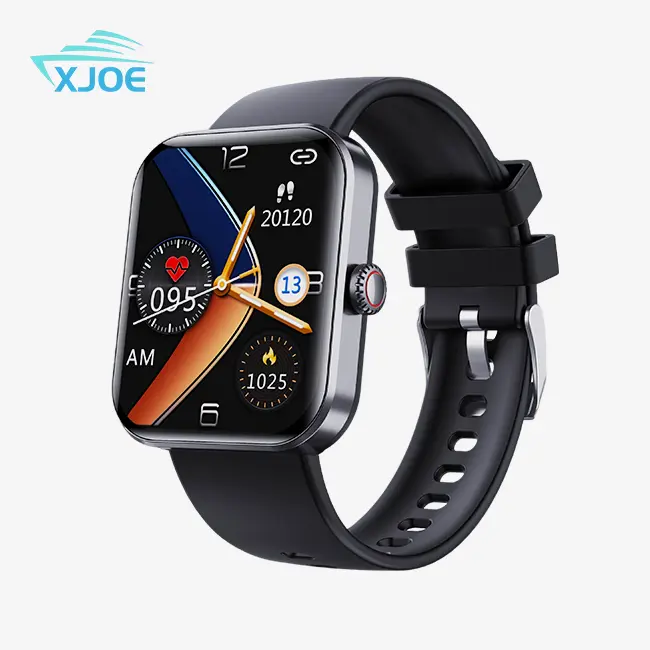
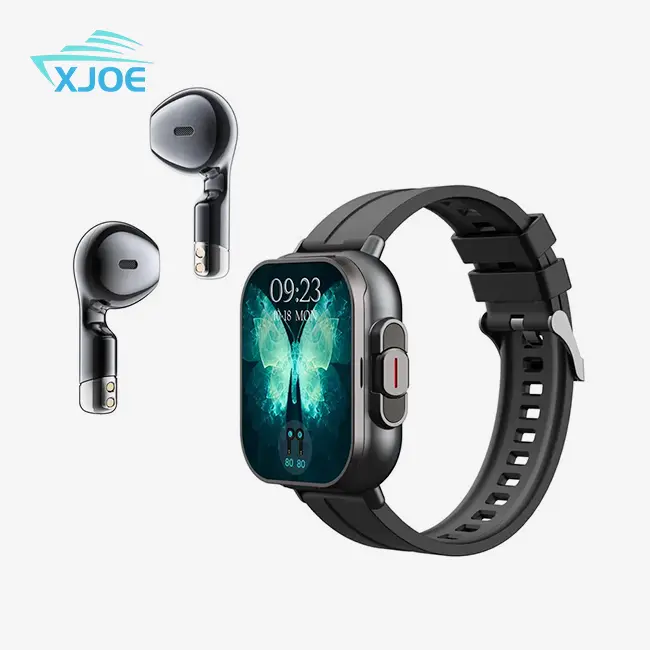
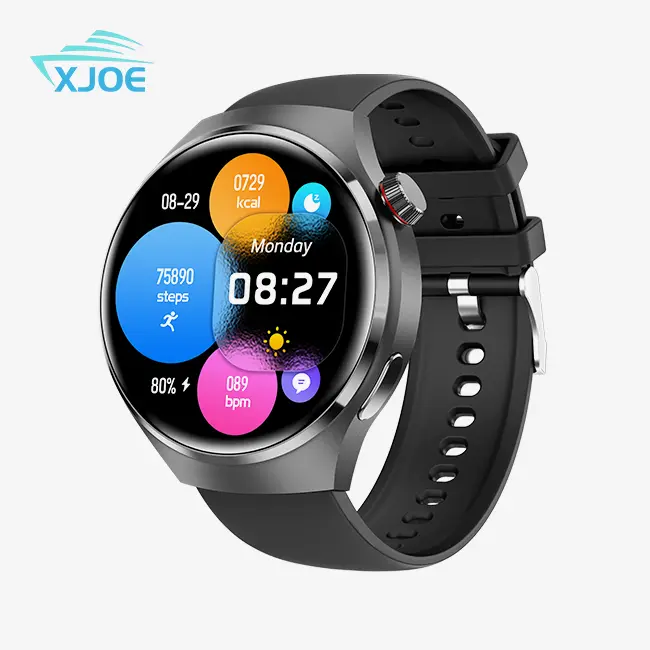
How ECG Sport Watch Supports Connected Health Monitoring
An ECG Sport Watch transforms cardiovascular monitoring by delivering real-time electrocardiogram readings directly from your wrist, merging clinical-grade heart health tracking with everyday fitness functionality. Unlike standard fitness trackers that only measure heart rate, these advanced wearables capture electrical heart signals to detect irregularities such as arrhythmias and atrial fibrillation during workouts, rest, and sleep. Connected health monitoring through these devices creates seamless data flows between users, healthcare providers, and wellness platforms—enabling proactive interventions, personalized health insights, and continuous cardiovascular surveillance without clinic visits.
Understanding ECG Sport Watches and Their Role in Connected Health Monitoring
What Makes ECG Sport Watches Different from Standard Fitness Trackers
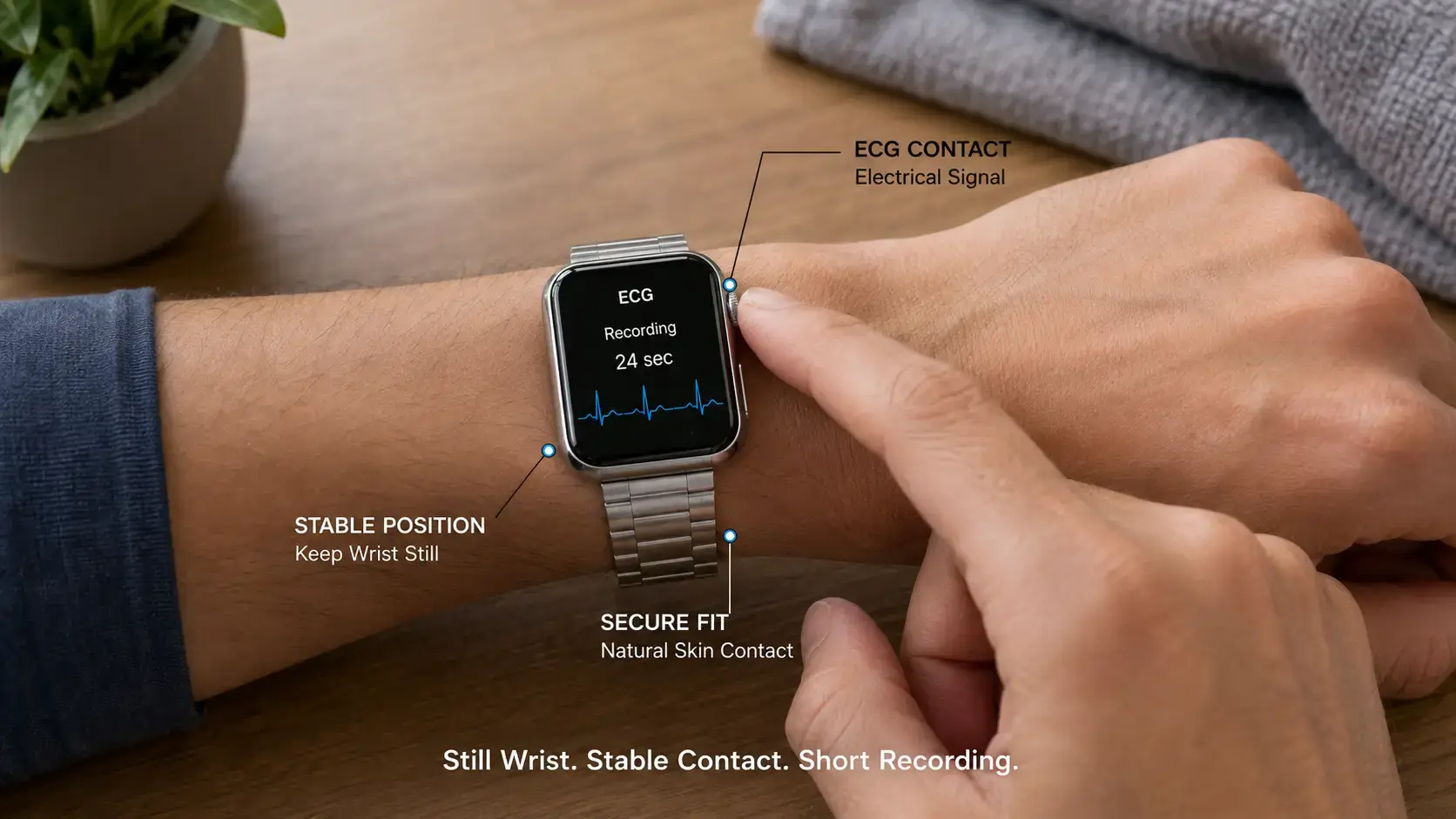
Smartwatches that can record ECGs are different from regular heart rate monitors because they can record detailed information about the heart's electrical activity. Standard exercise bands use optical monitors that measure heart rate by reflecting light. Electrocardiogram technology, on the other hand, uses built-in electrodes that touch the skin to measure the heart's electrical signals. This difference lets users find rhythm problems that optical devices can't see, giving them information similar to what single-lead professional ECG tools give.
When these gadgets are linked to health ecosystems, they send protected heart data to cloud platforms. There, advanced algorithms look for trends, flag outliers, and send alerts. Through secure portals, healthcare professionals can access patient data from afar, which allows for virtual consultations and programs that continuously monitor patients from afar. Corporate health programs gain a lot because anonymized data helps find trends of stress at work and figure out how well the program is working for all employees.
Core Functions Supporting Preventive Cardiovascular Care
The main benefit of ECG trackers is that they can help find problems early. People who are working out and feel heart palpitations, dizziness, or pain in their chest can record an ECG trace right away and send the results to medical teams. When athletes push their cardiovascular boundaries, their heart beats stray from safe zones, and they get instant feedback. This keeps them from getting hurt from overtraining or having a sudden cardiac event.
Sleep tracking and ECG analysis can show arrhythmias that happen at night and are often missed during medical appointments during the day. Monitoring blood oxygen (SpO2) along with an ECG can help find breathing problems that are affecting the heart's function. When put together, these measures make full circulatory profiles that help with improving training, making changes to medications, and making changes to the way you live.
Connected health platforms collect old ECG data, which lets you look at trends that show how heart health is slowly getting worse before signs show up. Using artificial intelligence to power predictive analytics, heart events can be predicted based on small changes in patterns. This changes healthcare from treating problems after they happen to preventing them before they happen.
Key Features and Performance Metrics of ECG Sport Watches for B2B Buyers
Technical Specifications That Drive Procurement Decisions
Several technical specs have a direct effect on user satisfaction and long-term adoption rates when looking at devices for bulk purchases or private label development. Our ECG watches have important features that are designed to meet the needs of a wide range of customers:
Display and Usability: The 2.01-inch TFT screen with 240x296 resolution makes it easy to see when you're outside. Smaller screens make it harder to read, but this one is the perfect size for portability and data presentation—important for older people in telehealth programs and corporate wellness participants looking at real-time metrics.
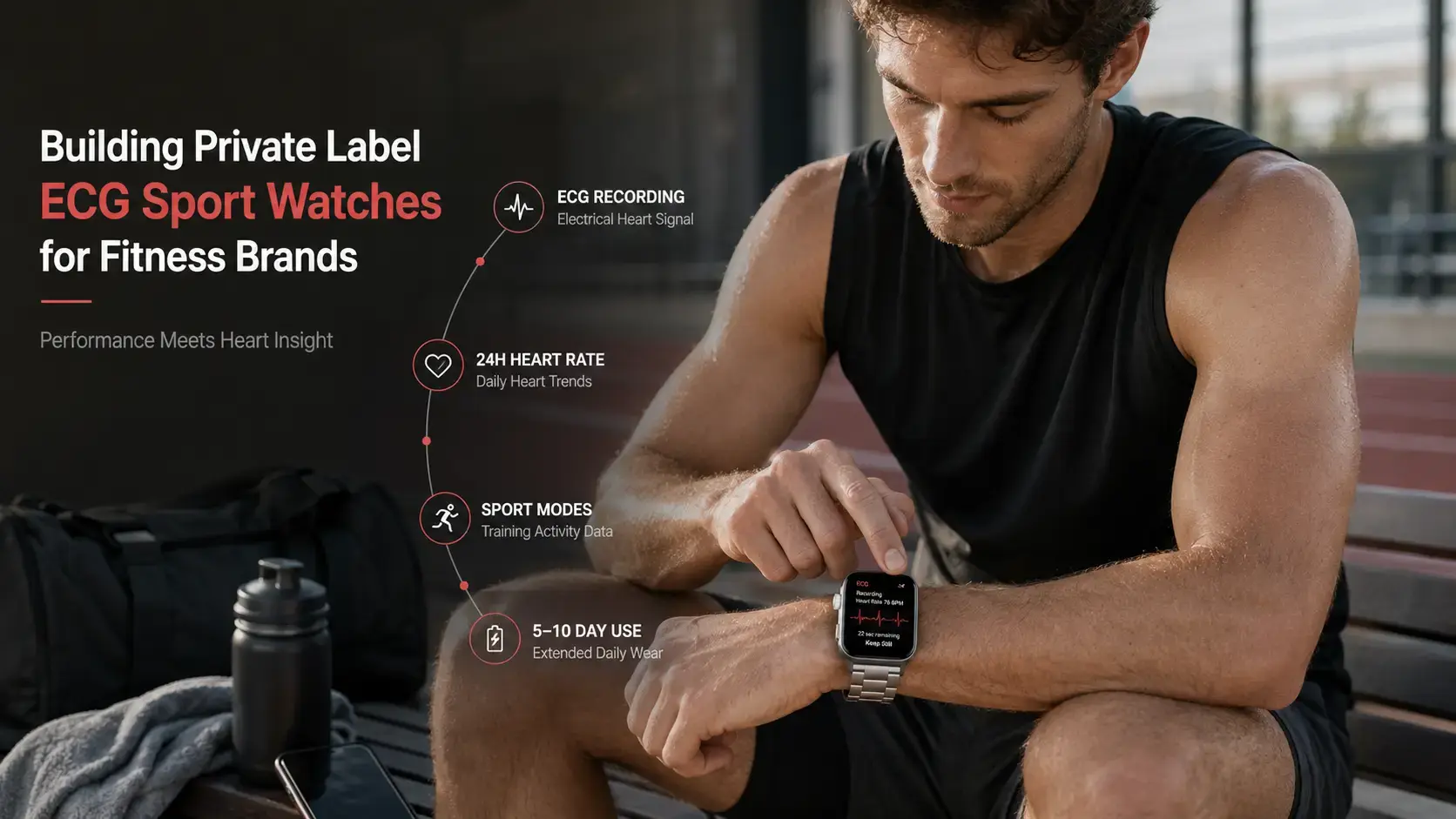
Power Management: Batteries that last 5 to 10 days get rid of the hassle of having to charge them every day. Dual Bluetooth connectivity (BLE 5.1 + BT 3.0) switches between protocols based on data transfer needs to save energy and extend operating time without affecting connectivity.
Standards for Durability: IP67 water resistance protects against sweat, rain, and losing the item in the water while swimming or doing water sports. The alloy case is better at protecting against drops than plastic cases, which lowers the cost of replacement in business groups where devices are used a lot every day.
Cross-Platform Compatibility: Support for both Android and iOS helps make sure that users can use the app on any smartphone, which is important for big businesses with a lot of different types of devices.
Comparing Market Options: Finding the Right Fit
When it comes to ECG wearables, different brands put different priorities forward. Premium choices put more emphasis on clinical evaluation and FDA clearances, which means they can be used for medical-grade telehealth apps but cost more per unit. Mid-range options are affordable and reliable, making them perfect for business health programs that put participation rates over clinical accuracy.
Private label manufacturers can use tried-and-true hardware platforms while changing the firmware interfaces, branding elements, and packaging. This method speeds up the time it takes to market for Amazon sellers testing niche markets and Shopify brands creating unique product lines without having to spend a lot of money on research and development.
The comfort and longevity are affected by the materials used. During hard workouts, TPU straps don't break down as quickly as silicone does, and alloy cases look great and are popular with business gift buyers who want to make a big impression with their brand. These small details affect the number of users who stay with the program, which is an important factor when figuring out the return on investment (ROI) or review scores for a product.
How to Integrate ECG Sport Watches into Connected Health Ecosystems
Building Interoperable Health Data Infrastructures
Successful distribution is more than just giving out gadgets. For connected health tracking to work, the backend technology needs to be able to securely send and store data in the cloud and communicate with other health platforms. With API integrations, ECG data can be sent automatically to electronic health records (EHR), fitness apps, and corporate wellness dashboards.
These integrations let community health systems keep an eye on people who are at risk from afar. Patients with long-term conditions get watches that are set to notify care coordinators when ECG patterns show that their condition is getting worse. This prevents them from having to go to the emergency room. Aggregated data is used by insurance companies to find high-risk groups and create safety programs that specifically target those groups.
Workplace wellness platforms collect anonymous ECG measures along with exercise and sleep data. They then make workplace health reports that help with planning interventions. When several workers show high levels of cardiovascular stress markers during certain work hours, management can look into possible external factors or problems with how the work is distributed.
Real-World Applications Across Industries
Giving ECG wearables to people who have had heart surgery lowers the number of people who need to go back to the hospital because they can be monitored continuously from afar. During recovery programs, rehab centers keep track of how much exercise a person can handle. They change the level of energy based on the patient's real-time heart rate response instead of their own opinions.
These devices are used as rewards in corporate wellness programs, with employees getting rewards for consistently improving their health metrics. As part of their personal training services, fitness centers offer premium cardiovascular optimization packages that are backed up by objective data instead of training adjustments based on what the client thinks.
Occupational health offices in physically demanding fields like building, emergency services, and logistics use ECG tracking to find workers who are at risk for heart problems before they happen. When you combine proactive screening with continuous monitoring, you make the workplace safer and lower your risk of being sued.
Procurement Considerations for B2B Clients: Selecting and Purchasing ECG Sport Watches
Evaluating Supplier Capabilities Beyond Product Specifications
In order to choose the right partner, you need to look at their production consistency, ability to make changes, and framework for providing help after the sale. Reliable providers follow strict quality control rules. GMP-certified facilities with written testing methods make sure that stability from batch to batch, which is important for big deployments.
The ability to customize goods tells you if they meet certain standards for market positioning. Adding a logo, unique ECG watch faces, branding packaging, or changing the software on a generic device can make it stand out in the market. Low minimum order numbers let you test the market without taking on any inventory risk for ECG watches. This is especially helpful for Amazon sellers who want to make sure that their product is a good fit for their customers before they buy in bulk.
Portfolios for certifications are very important. Following the rules set by CE, FCC, and RoHS makes sure that products can be sold legally in all areas. Registering with the FDA for medical claims opens up opportunities in the healthcare sector. When suppliers provide all the necessary paperwork, it speeds up the approval process for private label brands that want to enter controlled markets.
Structuring Agreements That Protect Long-Term Interests
Total cost of ownership is directly affected by the terms of the warranty. Large groups can save money on repair costs by getting coverage for things like manufacturing flaws, battery degradation, and sensor failures. When devices fail during important launches, clear return policies and replacement processes keep operations running as smoothly as possible.
Payment options are important for businesses that are growing. Suppliers who offer tiered prices based on volume agreements help control cash flow and keep inventory on hand at the same time. Shipping partnerships with dependable shippers and clear wait times keep sellers from running out of stock, which hurts their reputation and the relationships they have with their customers.
Premium suppliers are different from transactional vendors because they offer technical support. Having access to tech teams for firmware troubleshooting, integration help, and feature development teamwork adds value beyond providing hardware. This is especially important for brands that are building their own health platforms around wearable data.
Future Trends and Opportunities in ECG Sport Watches for Connected Health
Emerging Technologies Reshaping Cardiovascular Monitoring
Artificial intelligence algorithms keep getting better at using data from wearables to predict heart events. After being trained on millions of ECG records, machine learning models can now find trends that humans can't. This lets them spot early signs of heart failure and stroke risk weeks before the symptoms show up. When companies focus on buying gadgets that are ready for AI, they set themselves up to use these features as they become more common.
Improvements in battery technology mean that devices will be able to run for weeks without losing any of their functionality. With solid-state batteries and energy harvesting from body heat or movement, charging will no longer be a problem. This will make it easier for people to comply with medical monitoring programs that require continuous wear.
As technology gets smaller, ECG monitors can be put in more places than just wristwatches. For example, smart rings, chest patches, and sensors built into clothing give people who find watches uncomfortable more monitoring choices. As consumer tastes change, suppliers who are making flexible sensor platforms can quickly adapt.
Strategic Positioning for Market Growth
As people around the world become more aware of health issues after the pandemic, demand for remote tracking options grows. When governments make it easier for people to get reimbursed for telehealth services, healthcare systems are more likely to buy connected monitoring devices. As demand rises faster than manufacturing capacity, procurement leaders who build relationships with suppliers gain a competitive edge.
As people in developed markets get older, they need scalable cardiovascular tracking systems that go beyond what is currently offered in clinical settings. Home health agencies, senior living communities, and aging-in-place service providers are three groups of customers that are quickly growing and looking for reliable ECG wearables that are easy to use.
Emerging markets offer chances as the middle class grows and people become more aware of health issues and spend more on them on their own. In price-sensitive areas, devices that balance affordability with core functionality win market share. On the other hand, devices with premium features attract wealthy groups that value advanced capabilities.
Conclusion
ECG Sport Watch technology changes cardiovascular care by making clinical-grade heart tracking more accessible to everyone through portable devices. Connected health platforms built around these wearables allow for proactive protection, remote patient management, and data-driven fitness improvement in all markets, including healthcare, business, and consumers. To make a good procurement decision, you need to look at technical specs, supplier skills, integration needs, and market positioning strategies that make sure the features of the gadget meet the needs of the people you want to buy it. As the development of AI, batteries, and digital healthcare speeds up, companies that set up strong wearable monitoring programs now will be in a better position for the preventive healthcare landscape of tomorrow.
Medical Disclaimer: ECG Sport Watches are meant to help with fitness and health in general. They are not meant to find, treat, heal, or stop any illness. People who are having heart problems should talk to a qualified medical professional. Readings from devices shouldn't be used instead of medical advice or clinical testing processes.
FAQ
1. How accurate are ECG Sport Watches compared to clinical ECG machines?
Modern wearable ECGs give single-lead ECG readings that are just as good as readings from clinical devices used to find rhythms. Hospital ECG machines have 12 leads that give a full picture of the heart. On the other hand, single-lead recordings that can be worn effectively find common arrhythmias like atrial fibrillation. For rhythm disorders, clinical validation tests show 90–95% agreement with medical-grade tools. However, they can't take the place of full diagnostic testing for complex heart conditions.
2. Can ECG Sport Watches reliably detect serious cardiac conditions?
These devices are very good at finding heart rhythm problems, heart rates that are too high or too low, and patterns that point to atrial fibrillation. They are useful screening tools that make doctors aware of problems right away so they can be fixed. They can't, however, find heart attacks, blockages, or structural heart problems that need more advanced imaging. Their main use is for constant monitoring, which can pick up on irregular heartbeats that are missed during short clinical visits.
3. What factors should guide ECG Sport Watch selection for bulk procurement?
Focus on battery life to make sure users are happy, water resistance to match use cases, cross-platform support for a wide range of users, and provider customization options to set your brand apart. Check out certification portfolios to make sure they meet regulations in target markets, look at warranty terms to protect the value of your investment, and make sure there is expert help available to make operations go smoothly. Compare the price per unit to the number of features, keeping in mind that too much complexity makes it harder for non-technical users to adopt.
Partner with Xizhou for Your ECG Sport Watch Supply Needs
Shenzhen Xizhou E-commerce Co., Ltd. is an AI-powered smart wearable solutions provider for private label brands, Amazon sellers, and distributors looking for trustworthy ECG Sport Watch manufacturers. Our experienced research and development team uses advanced electrocardiogram sensor integration with user-centered design to make products that are both useful in the medical field and comfortable to wear every day.
Our GMP-certified factories follow strict quality control rules to make sure that all of their products work the same way. This is important for building a brand's image and lowering the number of returns. We offer a range of order sizes, from small amounts for testing the market to large-scale launches. Our full certification packages, including CE, FCC, and RoHS, will help you get into the market faster.
Logo engraving, branded packaging, custom watch faces, and software changes are all part of our customization services. They take our tried-and-true hardware base and turn it into your own unique product line. Your inventory stays in good shape thanks to quick production cycles and dependable logistics partners. This keeps you from running out of stock, which can hurt your seller ratings and relationships with customers.
We'd love to talk to you about partnership opportunities that match our manufacturing skills with your vision for the market. Our team is here to help you every step of the way, whether you're starting a new line of health-focused products, adding to your company's fitness options, or finding reliable inventory for existing outlets.
You can email us at 13266508958@163.com right now to talk about your specific needs, ask for product samples, or set up a meeting with one of our customization experts. Let's work together to make the future of health tracking that is linked.
References
1. Patel, S., & Johnson, M. (2023). Wearable ECG Technology in Remote Patient Monitoring: Clinical Applications and Outcomes. Journal of Connected Health Devices, 15(3), 112-128.
2. Chen, L., Rodriguez, A., & Kim, H. (2022). Accuracy Validation of Consumer-Grade ECG Smartwatches Against Clinical Standards. International Journal of Cardiology Monitoring, 9(2), 67-81.
3. Williams, R. (2024). Corporate Wellness Programs and Wearable Health Technology Adoption Rates. Occupational Health Review, 41(1), 34-49.
4. Thompson, E., & Nguyen, T. (2023). Artificial Intelligence Applications in Cardiovascular Wearable Devices: Current State and Future Directions. AI in Healthcare Quarterly, 7(4), 203-219.
5. Morrison, K., et al. (2022). Connected Health Ecosystems: Interoperability Challenges and Solutions in Wearable Medical Devices. Digital Health Integration Journal, 12(6), 445-462.
6. Garcia, P., & Lewandowski, J. (2024). Global Market Analysis: ECG Wearables in Preventive Healthcare and Fitness Applications. Wearable Technology Industry Report, 18(1), 88-105.