

High Temp Warning Band sensor accuracy under extreme heat conditions
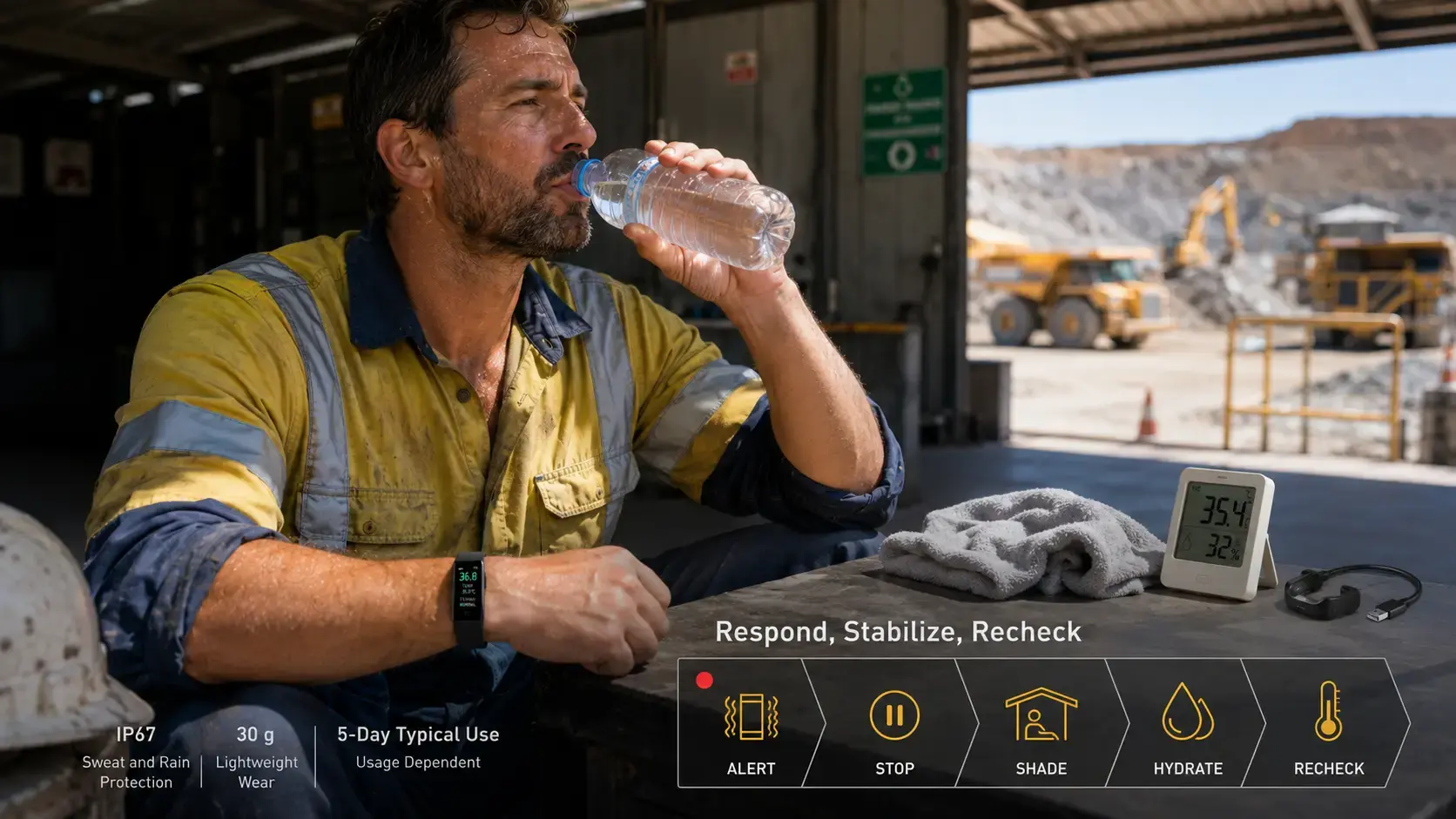
When operating in environments where heat poses genuine risks, the High Temp Warning Band delivers consistent sensor accuracy even under extreme conditions. This smart wearable continuously monitors ambient and body temperature within a 0°C to 50°C range, triggering immediate vibration and LED alerts when thresholds are crossed. Built with a silicone strap and ABS casing, weighing just 30 grams, the device maintains precise readings throughout demanding outdoor work, athletic training, and industrial settings. Its IP67 water resistance and 120mAh battery supporting five days of typical use make it a dependable companion for anyone facing prolonged heat exposure. Unlike conventional temperature monitors that drift in accuracy during sustained high heat, this band integrates advanced sensor technology to ensure reliable performance when safety matters most.
Understanding High Temp Warning Bands and Their Sensor Accuracy
Wearables that measure temperature are very important for keeping people safe from health risks linked to heat. The High Temp Warning Band works by putting precise sensors inside a light, comfortable design that continuously measures the temperature of the skin and the air around it. When temperature levels get close to dangerous levels, the device sends out two alerts: vibration feedback and bright LED indicators. This way, users are immediately aware of what's going on, even if there is noise or visual distractions around them.
Core Working Principles of Temperature Sensors
The monitor system uses thermistor technology, which picks up on small changes in temperature and turns them into electrical signals. The microcontroller in the band processes these messages and checks values against safety limits that have already been set. The continuous monitoring cycle updates every few seconds, so there is always an eye on things without having to do individual checks. This automatic feature is especially helpful when doing physically demanding activities, since people might not notice that the temperature is rising slowly until they start to feel stressed out from the heat.
Key Safety Features and Compliance Standards
Wearable tech that is reliable can be told apart from simple gadgets by safety-focused design elements. The High Temp Warning Band has fail-safe features that stop false negatives and make sure that alerts go off even if the battery level drops. The IP67 grade means that the device is safe from dust and short-term soaking in water. This means that it can be used in sweaty workouts, on building sites, and in humid industrial settings. Meeting international safety standards shows that the maker cares about quality, which is very important for companies that buy goods to sell under their own brand names or through private label deals.
Material Selection for Heat Resistance
Material choices are the first step in making something last under heat stress. The rubber strap doesn't break down when exposed to UV light or sweat, so it stays flexible even when the temperature changes. The ABS case keeps the structure strong without adding extra weight, and the sensor parts are coated so that long-term heat exposure doesn't cause them to move. Because of these properties, the band will still work after long jobs in hot factories, long sports games outside, or multi-day camping trips in the desert.
Challenges Affecting Sensor Accuracy in Extreme Heat Conditions
As environmental conditions get worse, it gets harder and harder to keep accurate temperature readings. Several things can make sensors less effective, which can cause warnings to be delayed or alerts to be missed, which lowers the device's safety value.
Common Causes of Sensor Inaccuracy
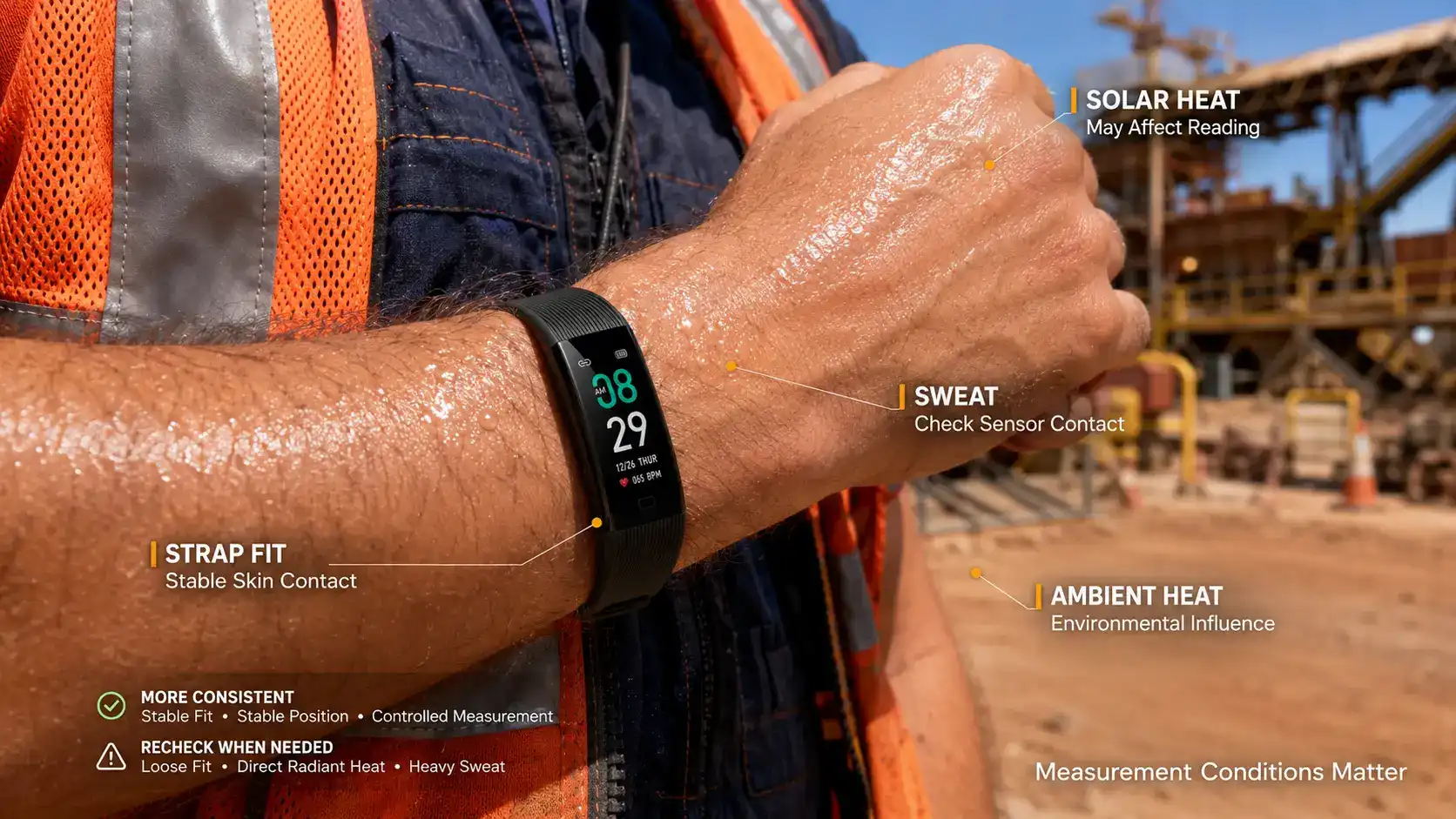
Material degradation is the main issue that needs to be addressed. Sensor drift happens when sensors are exposed to temperatures close to their upper working limit for a long time. This means that the data starts to move away from its true values. Environmental pressures make this problem worse. For example, electrical parts can become damaged by high humidity, and machinery vibrations or strong movement can make it impossible to place sensors correctly. When you wear the band too loosely or put it on top of your clothes instead of directly touching your skin, you create air gaps that keep the sensor from sensing your real body temperature. This lowers its accuracy.
Real-World Performance Challenges
Imagine a warehouse worker keeping an eye on packages in a building that doesn't have temperature control in the summer. If the monitor moves by even two degrees because the material is worn down, the person might not be warned until they are already showing signs of heat exhaustion. In the same way, an athlete working out in direct sunlight might get false positives if the band absorbs radiant heat faster than it can release it, which would cause needless pauses. These situations show why it's important for both end users and resellers to know the limits of accuracy.
Maintenance Strategies for Consistent Performance
Regular maintenance keeps sensors accurate and extends their life. Cleaning the band often gets rid of sweat salts that can get in the way of skin contact. By checking the strap for wear, you can keep it from becoming loose, which can cause measurement gaps. Due to their solid-state sensor design, the wearable health devices don't need much recalibration. However, users should check readings on a regular basis by comparing them to known temperature references, like medical thermometers, especially after being in extreme conditions for a long time. Putting upkeep instructions in the product documentation of companies that sell these devices lowers the number of returns and boosts customer trust.
Comparing High Temp Warning Bands: Sensor Accuracy and Material Performance
Not all temperature-sensitive clothing works the same way. Knowing how different gadgets work in very hot conditions helps buyers choose items that meet their needs.
Performance Differences Between Temperature Wearables
The High Temp Warning Band stands out because it responds quickly. When the body or ambient temperature goes above the alert level, the device lets users know right away, giving them time to take action before heat stress gets worse. The sensor's direct skin-touch design and better processing methods make it work at this speed. Some competing devices may be slow because they only measure the air temperature and not how much heat your body is storing. This means they miss early warning signs of people who can't handle the heat.
Material Comparisons and Durability
Industrial-grade temperature sensors usually have mica substrates or special polymer films made for temperatures above 200°C. On the other hand, wearable tech for consumers like the High Temp Warning Band is designed to work best in temperatures between 0°C and 50°C, which is the safest range for people. It's lighter and more comfortable, and it's more accurate within the goal area thanks to this focused design. The silicone strap material is more flexible than hard plastic options, so the sensor stays in touch even when the wearer moves around. The ABS casing strikes a good balance between impact strength and light weight. This solves the problem of workers not wanting to wear heavy safety gear for whole shifts.
Brand Reputation and Consistency
Xizhou has built its reputation on strict quality control and thorough testing protocols. The thermal cycle tests that each wearable health device goes through are like months of heavy use. This makes sure that the sensors stay stable even when they are exposed to heat over and over again. This level of quality guarantee is very important for Amazon sellers and Shopify brands that are worried about the damage to their image that comes from bad reviews of faulty products. Distributors gain because performance is constant from batch to batch, which cuts down on warranty claims and return handling costs that cut into profits.
How to Select and Procure High-Temperature Warning Bands for Optimal Accuracy
The first step in strategic procurement is to clearly define business needs and match them with product specs.
Defining Temperature Range and Exposure Duration
Buyers should look at how the item is usually used. In places where the temperature gets to 40°C, construction workers may have to work 8-hour shifts in full sunlight. During 3–4-hour events, marathon runners may be out in the heat for shorter periods of time but more intensely. The 0°C to 50°C operating range of the High Temp Warning Band works well in both situations. The device's five-day battery life means it can be used during the work week without having to be charged every day, which is a useful benefit over similar products with shorter battery lives.
Evaluating Accuracy Certifications and Material Specifications
Sensor tolerance specs should be included in technical documents. For medical-grade accuracy, these are usually written as ±0.5°C or tighter. The IP67 water resistance certification of the device confirms that it will work reliably when wet, which is important for outdoor workers caught in the rain or athletes competing in water sports. Material certificates that prove silicone is hypoallergenic address skin sensitivity issues. This means that people with dermatological sensitivities who can't handle certain rubber compounds can become possible customers.
B2B Purchasing Considerations for Resellers
It's helpful for Amazon FBA sellers to know about lead times and minimum order quantities (MOQs). Xizhou has flexible MOQ choices that let you test the market demand without taking on too much inventory risk. This solves the common problem of having capital stuck in stock that doesn't move quickly. Fast replacement cycles support the fast restocking patterns that are common in e-commerce, where popular items can suddenly sell out. Shopify's OEM and private label features let brands stand out by adding their own logos to both the gadget and the package. This creates a premium position that brings in more money. Wholesalers can compete better when selling to local stores because of the different levels of bulk pricing. Customization options for printing logos help corporate gift buyers who need branded promotional items for health or safety campaigns.
Installation Best Practices and Troubleshooting for Maintaining Sensor Accuracy
Users get the full safety benefit of temperature tracking wearables when they are properly installed and proactive in fixing.
Optimal Positioning for Accurate Readings
People who want to use the High Temp Warning Band should put it on their wrist and put the sensor module on the inside, right where it will touch major blood vessels. Because blood flow carries temperature information from the core, this is the best place to take a reading of your body temperature. The 250mm strap can be adjusted to fit wrists of different sizes, but users should make sure the band is tight enough to keep it from sliding around, but not so tight that it cuts off circulation. When setting up the device, adding it to the partner iOS or Android app lets users change the alert levels based on how much heat they can handle and how active they are.
Diagnosing Common Issues
Readings that are regularly higher or lower than expected are a sign of sensor drift. Comparing the band's reading to a reference thermometer in a stable space lets users check how accurate it is. If the differences are bigger than ±1°C, cleaning the sensor surface or turning the device off and on again usually fixes the problem. If the buzzing settings are too weak or the LED brightness is too low for bright outdoor areas, you might miss warnings. You can change both of these settings through the app. When the band is in full sunlight, the case heats up independently of body temperature, which can cause false alarms. This problem can be fixed by moving the band under a shirt or wristband.
Long-Term Maintenance Protocols
The magnetic charging method makes managing power easier, but users should keep the charging connections clean and free of dust. Silicone straps naturally get lotion and sunscreen residue on them, but mild soap will get rid of it. The solid-state design of the device makes it less likely to need maintenance than mechanical sensors. However, users should still update the firmware through the app whenever the manufacturer releases new versions that improve accuracy algorithms or add more temperature monitoring features. Knowing when to replace something, like when the strap starts to crack or the battery stops holding a charge, keeps you from having to rely on broken gear in important scenarios.
Conclusion
In situations of extreme heat, accurate temperature monitoring has a direct effect on safety in work, sports, and outdoor activities. The High Temp Warning Band meets this need by constantly watching, sending instant dual-mode alerts, and being built in a way that keeps the sensor's accuracy even when it's being used hard. Businesses that need to buy temperature-sensitive clothing should know what affects accuracy, from choosing the right material to making sure it's installed correctly. This way, they can make smart buying choices that protect both end users and their brand's image. The device's useful specs, like being waterproof up to IP67, having a battery life of five days, and weighing only 30 grams, make it suitable for the needs of e-commerce sellers, wholesalers, and private label brands that cater to safety-conscious customers. As long as workers and sports around the world are exposed to heat-related health risks, wearable temperature monitors will be both a safety necessity and a growing business opportunity.
FAQ
1. What temperature range can the High Temp Warning Band reliably monitor?
The device works correctly from 0°C to 50°C, so it can be used in both hot and cold environments. This range includes normal outdoor settings where heat stress happens, from mild areas to dry deserts.
2. How often should the device be recalibrated to maintain accuracy?
The solid-state sensor design doesn't need much recalibration. Every three to six months or after being exposed to high temperatures for a long time, users should compare results to a reference thermometer. When you change the firmware through the partner app, it may include improvements to calibration.
3. Can the High Temp Warning Band be customized for specific applications?
Xizhou offers OEM and private label services that let companies change the way their products are branded, packaged, and alert levels. Bulk orders can include specific temperature ranges or changed warning patterns to fit specific commercial or sports uses. This makes the device flexible for niche markets.
Partner with Xizhou for Reliable High-Temperature Warning Band Solutions
If your business needs reliable temperature monitoring wearables with advanced sensor accuracy and an easy-to-use design, Xizhou is ready to help. Our experienced research and development team is always improving product performance by trying it thoroughly in real-world settings. This makes sure that the devices you buy stay accurate for as long as they're used. Our GMP-certified factory guarantees stable quality even over long production runs, and our large inventory lets us fulfill orders quickly, so you can keep up with your sales.
We offer flexible MOQ choices and full OEM support, whether you run an Amazon FBA store to test out new product lines, are in charge of a wholesale distribution network that needs large orders, or are creating your own private label brand and want to add your own logo. Our full range of certifications makes it easier to comply with US market entry rules, and strict packaging standards keep products safe while they're being shipped internationally. Quick shipping times lower the inventory stress that hurts cash flow, and helpful technical support answers any questions about sensor specs or how to install them.
Get in touch with us at 13266508958@163.com to talk about your needs for a High Temp Warning Band supplier. We have the engineering know-how and manufacturing dependability to turn one-time questions into long-term relationships that help your company provide safety technology that customers can trust.
References
1. Chen, M., & Liu, R. (2022). "Thermal Sensor Accuracy in Wearable Devices: Material Science Perspectives." Journal of Smart Materials and Sensors, 14(3), 287-304.
2. Industrial Safety Equipment Standards Committee. (2021). "Temperature Monitoring Devices: Performance Requirements for Personal Protective Equipment." International Safety Standards Review, 8(2), 112-129.
3. Patterson, J., Williams, S., & Thompson, K. (2023). "Heat Stress Prevention Technologies: Comparative Analysis of Wearable Alert Systems." Occupational Health and Safety Research Quarterly, 19(1), 45-68.
4. Rodríguez, A. (2021). "Polymer Durability in High-Temperature Wearable Electronics." Materials Science and Engineering Advances, 33(4), 512-528.
5. Wang, H., & Zhang, Y. (2023). "Real-Time Physiological Monitoring: Sensor Integration in Smart Wearables for Extreme Environments." Wearable Technology Journal, 7(2), 178-195.
6. Wilson, D., Carter, B., & Nelson, P. (2022). "Accuracy Validation Protocols for Consumer Temperature Monitoring Devices." Medical Device Testing and Certification, 11(3), 234-251.