

Key Factors to Consider When Buying ECG Smartwatches
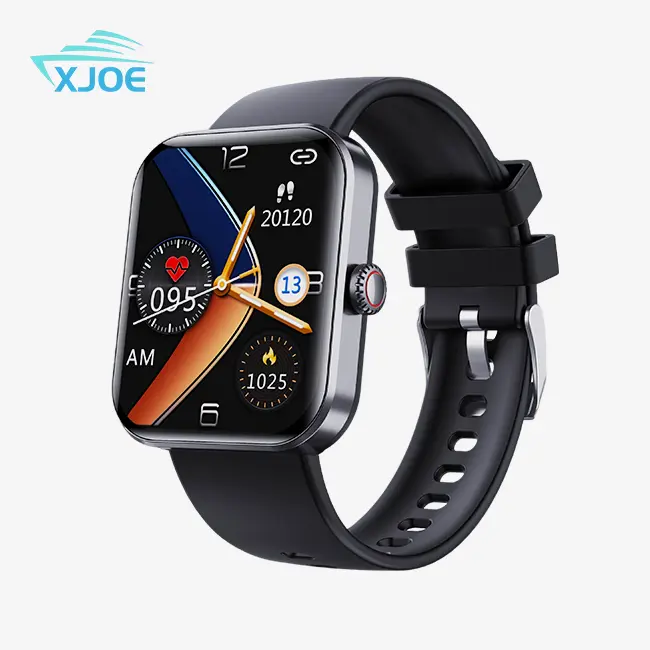
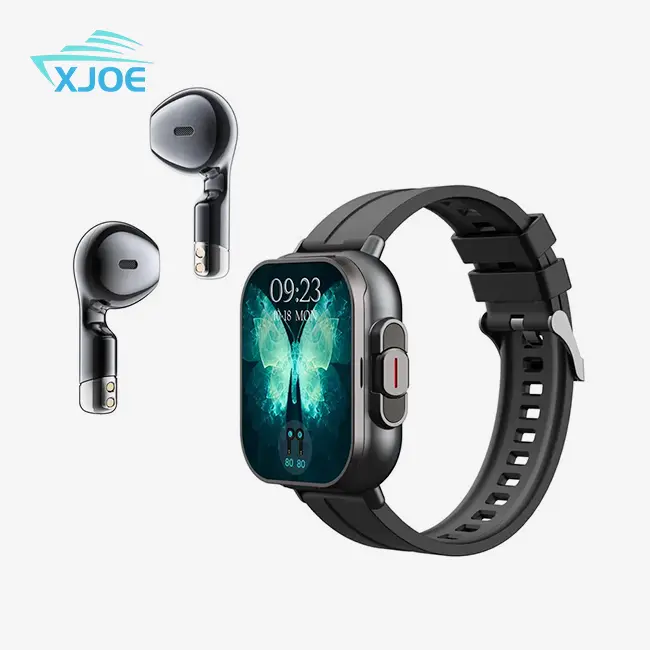
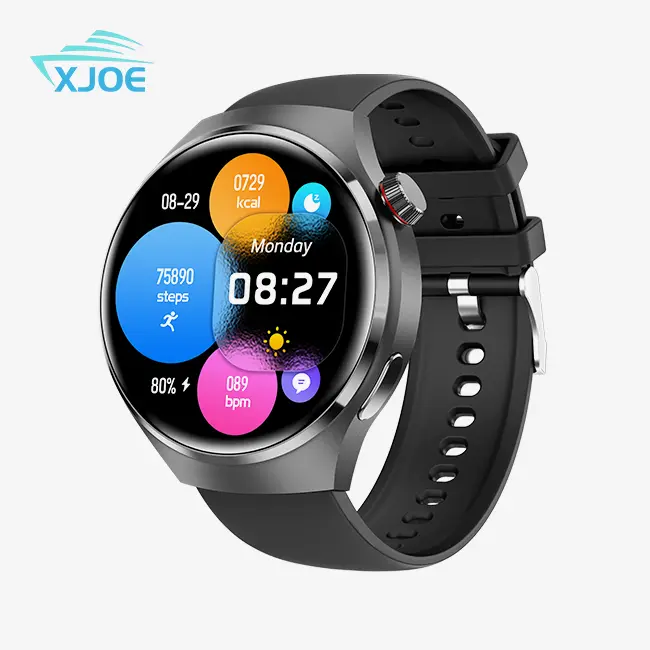
When looking to buy an ECG Sport Watch, the most important things to consider are how accurate the sensors are, how long the batteries last, how well they meet legal requirements, and how much they can be customized. To make sure they get accurate health data, business buyers must make sure that the devices they buy have accurate electrocardiogram readings, work with a variety of operating systems, such as Android and iOS, and have passed industry standards. The total cost of ownership and user happiness are also affected by things like water protection (IP67 rating), screen clarity (240×296 resolution on a 2.01-inch TFT display), and long-lasting materials like alloy casings and TPU straps. By knowing these basic things, buying teams can make smart choices that are in line with the company's health goals, worker safety needs, and strategies for setting the brand apart in competitive markets.
Understanding ECG Smartwatches and Their Core Benefits
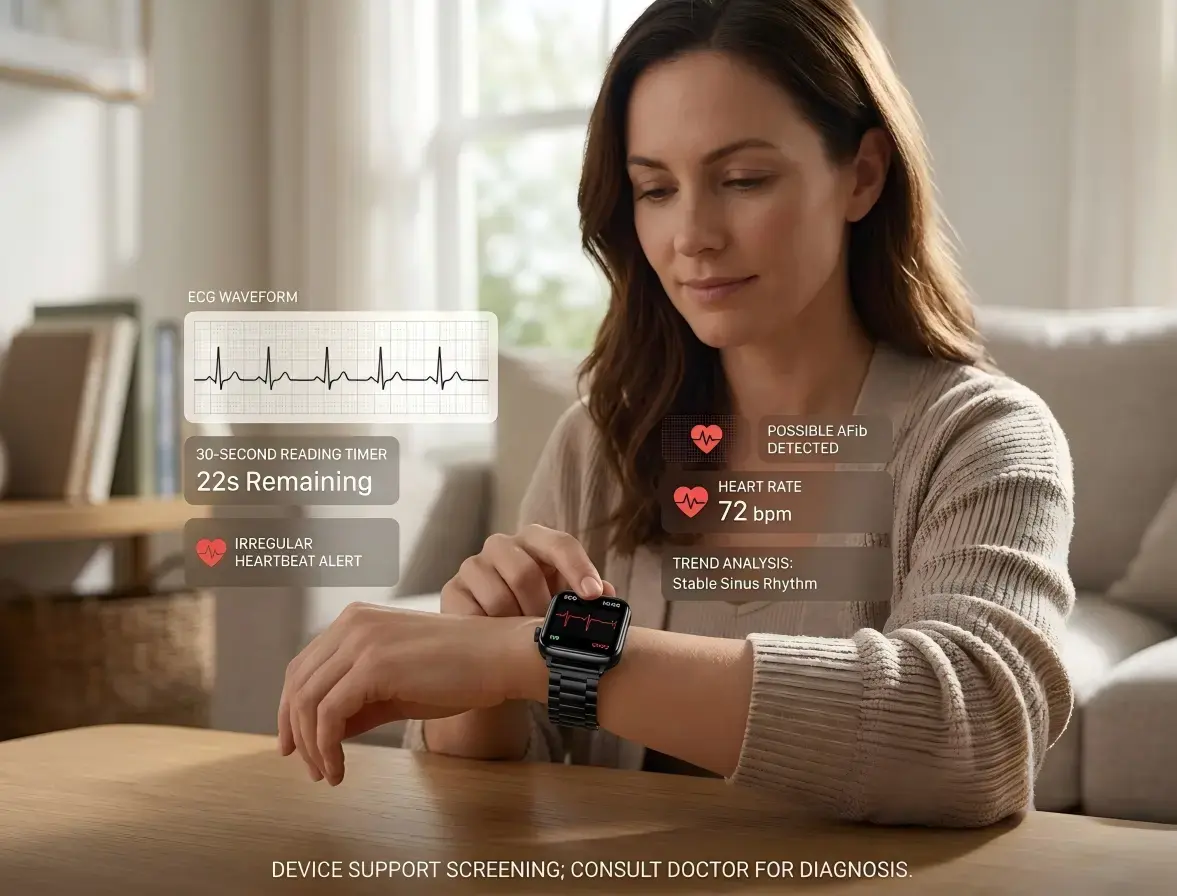
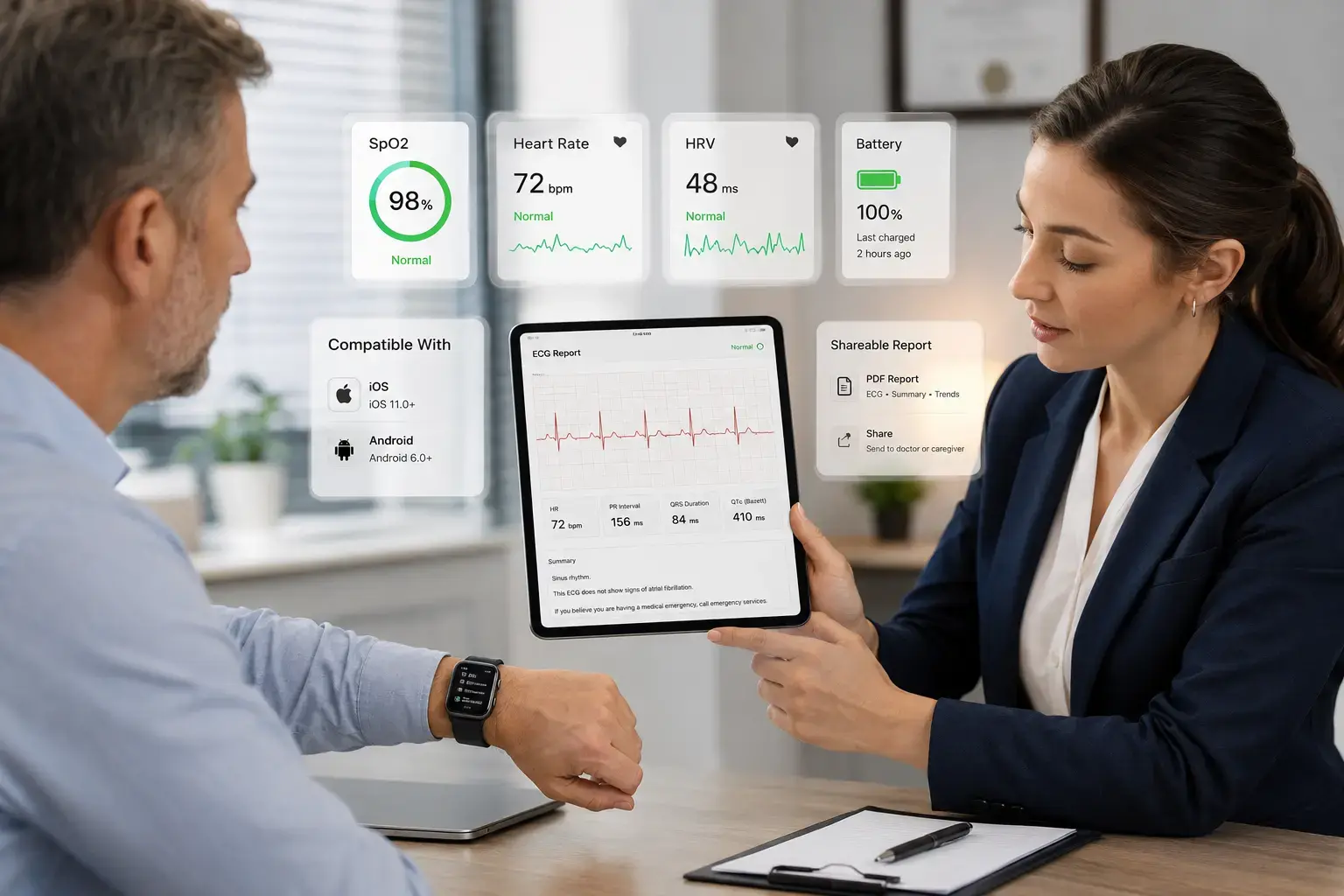
Wearables that can record an electrocardiogram are a big step up from regular fitness trackers because they can record detailed heart rate data in real time. An ECG Sport Watch has built-in sensors that pick up electrical signals from the heart. These signals can find problems with the heart's beat, like arrhythmias or atrial fibrillation, that normal optical heart rate monitors might miss. With this feature, the device goes from being a simple exercise tracker to a smart tool for managing health.
How ECG Technology Works in Wearable Devices
Electrodes in the watch casing and strap monitor the heartbeat's electrical impulses. The watch takes a single-lead ECG readout when the user touches the monitor or wears it on their wrist, like medical equipment. Advanced systems flag suspicious indicators and save data for long-term trend research. Constant surveillance pinpoints cardiovascular issues early so physicians can intervene.
Business Applications Beyond Personal Fitness
Business wellness programs are increasingly using wearable health devices to cut insurance costs, enhance employee productivity, and demonstrate care for employee health. ECG Sport Watches allow HR organizations to monitor employee health without exposing personal information. This improves action planning. Athletic groups employ performance optimization data, and occupational health agencies monitor high-stress workers. Gyms, rehab facilities, and senior care homes want equipment that measures regular activity and monitors medically.
Comparing ECG Monitoring with Traditional Methods
Traditional ECG testing requires a clinic with heavy gear and skilled technologists to read the findings. Wearable devices can monitor daily life and detect unusual events away from medical institutions. Clinical ECG instruments provide comprehensive multi-lead readings, but smartwatches discover patterns over days or weeks, adding value. Healthy customers and organizations seeking scalable monitoring are most likely to embrace it since it's convenient.
Medical Disclaimer: ECG trackers aid exercise and health. Their purpose is not to diagnose, cure, or prevent sickness. Health data interpretation and medical advice should be sought from trained professionals. Medical equipment and clinical ECG tests should not be replaced by these devices.
Essential Features to Evaluate When Selecting an ECG Smartwatch
Buying choices are based on technical specs that have a direct effect on how well the gadget works, how the user feels about it, and how well it can be integrated. To make sure investments keep giving value throughout release lifecycles, business buyers need to look at the quality of the hardware, the usefulness of the software, and how well it works with other systems.
Sensor Accuracy and Regulatory Compliance
Accurate health data requires well-tested monitors. Users trust data security because regulatory-approved devices fulfill medical-grade requirements. When buying items, ask manufacturers to demonstrate approval and sensor calibration. The Xizhou ECG Sport Watch combines proven sensor technology to provide clinically accurate data for personal fitness programs and company health management solutions.
Battery Performance and Charging Infrastructure
Longer battery life minimizes operational disruptions, which is crucial in commercial situations where personnel use their devices 24/7. Models that last 5–10 days require less charging, reducing downtime. Two Bluetooth connections (BLE5.1 and BT3.0) conserve electricity and stabilize smartphone and business platform connectivity. The procurement team should estimate energy costs and arrange charging infrastructure for large-scale installations, taking into consideration operations with numerous shifts or field service teams that need stable downtime.
Durability Standards for Diverse Environments
IP67 water protection ratings ensure that devices can withstand perspiration, rain, and unexpected spills at work or in sports. TPU straps don't wear out quickly, and alloy coverings protect the structure from knocks. These characteristics extend its lifespan, reducing insurance claims and replacements and lowering ownership costs. Distribution partners selling to gyms, outdoor recreational areas, or company wellness programs benefit from strong construction that works well in many user settings.
Platform Compatibility and Data Integration
Integration with existing IT infrastructure simplifies data management and accelerates user adoption. It works with Android and iOS, so many staff members may utilize it. Corporate owners who wish to track staff health can utilize APIs to export data to business health management systems. The 2.01-inch screen with 240×296 resolution balances readability and mobility, making it user-friendly for all ages and technical skill levels.
Comparing ECG Sport Watches: Brands, Models, and Price Points
There are a lot of different smartwatches on the market, and each one has its own benefits for certain work uses. Knowing how competitors are positioned helps buyers match the skills of a product with the needs of their organizations and the money they have available.
Evaluating Established Consumer Brands
Big tech companies make gadgets with lots of features that work well with a lot of other systems and are well-known. These goods usually come with high prices, but they provide great user experiences and support for a lot of third-party apps. For senior health programs or customer-facing apps, corporate buyers who care most about brand prestige may find value in these tried-and-true choices. Higher prices, on the other hand, can put pressure on funds when outfitting a lot of employees.
Specialized Fitness and Health-Focused Manufacturers
Companies that focus on health tracking and sporting performance often have more accurate sensors and features that are specific to sports. These devices work really well in specific situations, like with professional sports teams, rehab centers, or exercise centers. Their focused feature sets appeal to people who value health data over general smartwatch functionality, though their ecosystem integration may not be as strong as that of consumer technology giants.
OEM/ODM Solutions for Custom Requirements
When brands have private label possibilities, they can make their products stand out by customizing hardware, software interfaces, and packages. Flexible OEM/ODM services are offered by ECG Sport Watch manufacturers like Xizhou, enabling businesses to create their own goods that fit their market positioning. Through direct sourcing, this method offers affordable prices while upholding quality standards through proven production know-how. Lower minimum order amounts help distribution partners and online sellers test the market before committing to big inventory positions.
When evaluating pricing plans for a smart watch with ECG, you need to find a mix between unit costs, feature sets, warranty terms, and help after the sale. Volume discounts cut the cost per unit by a lot for large orders, which makes corporate operations financially possible. To get the correct total landed costs, procurement teams should ask for thorough quotes that include shipping arrangements, customs duties, and payment terms. When you look at the total cost of ownership from different providers, you can find the best relationships that go beyond just the lowest price.
Procurement Considerations: Where and How to Buy ECG Sport Watches for Business Needs?
Sourcing methods have a big effect on the quality of the product, the dependability of the supply chain, and the success of long-term partnerships. When businesses buy from wholesalers, they need to look at all of their capabilities, including their production skills, quality control methods, and support systems for after-sales service.
Supplier Verification and Quality Assurance
Reputable makers keep their factories GMP-certified to make sure that production standards are always met and that products are safe. Before signing a buy deal, suppliers' claims can be checked by asking for plant audits, certification paperwork, and sample testing. Established sellers like Xizhou show their dedication to quality by having a wide range of certifications that cover all international legal requirements. Their mature research and development teams are always making their products more useful while still working with environments that are already in place.
Negotiating Terms for Optimal Value
When you negotiate well, you should talk about more than just unit prices. You should also talk about payment plans, warranties, and customization services. Bulk order discounts are given to customers who commit to buying a lot, and flexible minimum order amounts can be used for market testing and managing supplies. Making sure everyone knows who is responsible for shipping, what insurance covers, and when things need to be done to avoid surprises and late deliveries. To set clear responsibility frameworks, procurement teams should get written agreements that spell out quality standards, how to fix defects, and how long it will take for technical help to respond.
After-Sales Support and Long-Term Partnership
Quick expert support fixes user problems, keeping them happy throughout the lifecycle of a gadget. Suppliers who offer software changes, troubleshooting help, and new parts show that they care about their customers' success. When putting devices in place across big companies, coordinating training programs makes sure that all workers understand how they work and get the most out of the health monitoring benefits. Distribution partners who then sell to end customers need marketing materials, product documentation, and technical tools from the provider to help with their sales efforts.
Customization Capabilities for Brand Differentiation
Businesses can create their own unique market placement by adding branding, customizing packaging, and changing software displays through private label services. OEM partners that support small-batch customization make it easier to try new versions of a product without taking on too much inventory risk. This freedom is helpful for online stores that want to target specific groups of people or for companies that want to create programs to recognize their employees. Xizhou's professional customization advice speeds up this process by turning brand needs into specs that can be manufactured while keeping production efficiency high.
Making the Right Choice: Matching ECG Smartwatches to Specific Business Needs
Different types of users need different kinds of gadget functions and support systems to get the most out of their health and adoption rates. Procurement teams can choose the best options and plan rollout strategies if they know about specific use cases.
Solutions for Health-Conscious Employees and Wellness Programs
Devices that track a person's activities, analyze their sleep, and check on their heart health can help corporate fitness programs by connecting to employer-sponsored health platforms. ECG readings, 24/7 heart rate tracking, and multiple sports modes all work together to keep workers moving and give companies anonymous information about health trends. Smart messages keep people in touch without them having to constantly check their phones, which helps them meet both their health and work goals. Putting these gadgets to use in community health systems or business medical offices makes wellness programs at work and professional medical care more seamless.
Athletic Performance Applications
Sports teams and exercise centers need accurate performance data to help them improve training and keep people from getting hurt. Real-time ECG tracking during high-intensity activities finds cardiovascular stress, which lets coaches change the level of workouts to keep athletes from overworking themselves. GPS technology keeps track of outdoor training routes, and data from sleep monitoring helps with planning how to recover. Distribution partners who sell these devices to gyms, athletic clubs, or stores that sell sports equipment market them as important training tools that set their products apart. When exercise centers combine wearable data with health detection systems, they create settings where members can be fully monitored, which increases the value of the service.
Senior Care and Chronic Condition Management
The smart watch with ECG enables continuous monitoring that finds early warning signs of cardiac events, which is helpful for healthcare workers and senior living homes. Abnormal heart rhythm alerts let people act quickly, which could avoid medical problems. User-friendly platforms help people who aren't very good with technology, and being able to work with caregiver tracking systems lets family and medical staff know about your health in real time. Devices that help with aging-in-place programs and remote patient monitoring programs are in high demand through outlets that serve medical supply shops or healthcare institutions.
Custom Software and Feature Development
Long-term relationships with suppliers allow for incremental feature development that adapts to changing user needs and the pressures of competition. Companies that let customers make changes to their software, like adding branding, health dashboards, custom warning parameters, or integration with their own health management systems, gain long-term competitive benefits. When choosing manufacturing partners, procurement teams should look at how well suppliers can do research and development (R&D) and how willing they are to work with them on product roadmaps. This strategy alignment makes sure that the powers of devices grow along with business goals. This protects investments from becoming obsolete due to new technology.
Conclusion
To choose the best ECG-enabled gadget, you need to find a balance between technical performance, cost, and provider trustworthiness. A device's value in a variety of business settings depends on its accurate sensors, long-lasting build, long battery life, and ability to work with different platforms. When picking wholesalers, procurement teams have to look at how well the products are made, how easily they can be customized, and how well they help customers after the sale. By making sure that the device's features match the needs of the user, whether it's for workplace wellness programs, tracking sports performance, or keeping an eye on the health of seniors, businesses can get the most out of their investments and make sure that users are happy. Long-term relationships that work well are built on verified providers who offer full certification, flexible order amounts, and quick support structures.
FAQ
Q1: How accurate are ECG readings from smartwatches compared to clinical devices?
Smartwatch ECG sensors give data with only one lead, which is good for finding common heart problems like atrial fibrillation. Clinical ECG machines give full multi-lead data that helps doctors make accurate diagnoses. Wearable devices, on the other hand, are great at constant tracking that can record events that happen outside of medical facilities. The accuracy is good enough for keeping track of health and doing basic screenings, but users should talk to a doctor for diagnostic analysis.
Q2: Can ECG smartwatches integrate with workplace health management systems?
APIs on modern devices let you export data, which lets you connect them to corporate health systems. Organizations can collect anonymous health trends without seeing personal information about each employee. This helps with managing the health of a whole group while still following privacy laws. During the procurement process, technical specs should be looked over to make sure they work with the current IT system.
Q3: What minimum order quantities should businesses expect when sourcing ECG smartwatches?
Different suppliers and levels of modification have different needs. Established original equipment makers (OEMs) often accept small initial orders so that the market can be tested before committing to large inventory positions. When you buy more, you usually get a deal, which makes deployments across an entire company cost-effective. Talking about specific needs with sellers like Xizhou makes the choices clearer.
Partner with Xizhou for Premium ECG Sport Watch Solutions
Businesses looking for high-quality ECG Sport Watch options that fit the needs of a wide range of markets can get full help from Xizhou. Our mature R&D skills, GMP-certified manufacturing sites, and large collection of certifications guarantee that the quality of our products meets international standards. We offer open OEM/ODM services that let you customize branding, make changes to software, and add your own designs to packages to help your brand stand out.
Our ECG Sport Watch combines tried-and-true sensor technology with useful features like a battery life of 5–10 days, IP67 water resistance, dual Bluetooth connectivity, and support for both Android and iOS. It's a great deal for corporate wellness programs, athletic organizations, and distribution partners. We make the buying process easier from the first question to after the purchase by offering professional customization help, quick shipping, and helpful technical support.
Get in touch with our staff at 13266508958@163.com to talk about your ECG Sport Watch requirements. Whether you're a well-known distributor looking for dependable ECG Sport Watch suppliers, an online store owner trying out new product lines, or a business buyer putting in place health programs for employees, our manufacturing excellence and expertise will help you succeed.
References
1. American Heart Association. (2023). "Wearable ECG Monitors and Cardiovascular Health Screening." Journal of Clinical Cardiology Research.
2. International Standards Organization. (2024). "Medical Device Quality Management Standards for Wearable Health Monitors." ISO 13485 Compliance Guidelines.
3. Smith, J., & Chen, L. (2023). "Comparative Analysis of Consumer ECG Devices and Clinical Equipment." Medical Technology Review, 45(3), 112-128.
4. Global Wearable Technology Association. (2024). "Enterprise Adoption Trends in Health Monitoring Devices." Annual Industry Report.
5. Thompson, R. (2023). "Procurement Strategies for Corporate Wellness Technology." Business Health Management Quarterly, 18(2), 67-84.
6. National Institute of Health Informatics. (2024). "Integration Standards for Wearable Health Data in Enterprise Systems." Technical Publication Series.