

How Does an ECG Health Smartwatch Detect Heart Issues?
An ECG Health Smartwatch detects heart issues by capturing the electrical signals generated with each heartbeat through electrodes embedded in the device. When you place your finger on the watch's digital crown or designated sensor area, it completes an electrical circuit, allowing the watch to record your heart's rhythm over a 30-second period. Advanced algorithms then analyze these patterns to identify irregularities such as atrial fibrillation, bradycardia, or tachycardia, alerting you to potential cardiac concerns that warrant medical attention.


Understanding ECG Health Smartwatches and Their Technology
ECG Health Smartwatches measure the heart's electrical activity in real time and are at the heart of cardiac tracking wearables. ECG Health Smartwatches record the electrical signals that cause heartbeats, while standard optical heart rate monitors use photoplethysmography (PPG) to measure blood flow.
How ECG Sensors Work in Wearable Devices
Modern heart-health monitors include many electrodes. One is usually on the watch's crown or face, and the other on the rear case that contacts your wrist. When you touch the crown with your other hand, these electrodes shut off within your body. This helps the gadget measure cardiac electrical activity-induced voltage variations. The waveform's peaks and troughs are familiar to problem-solving computers.
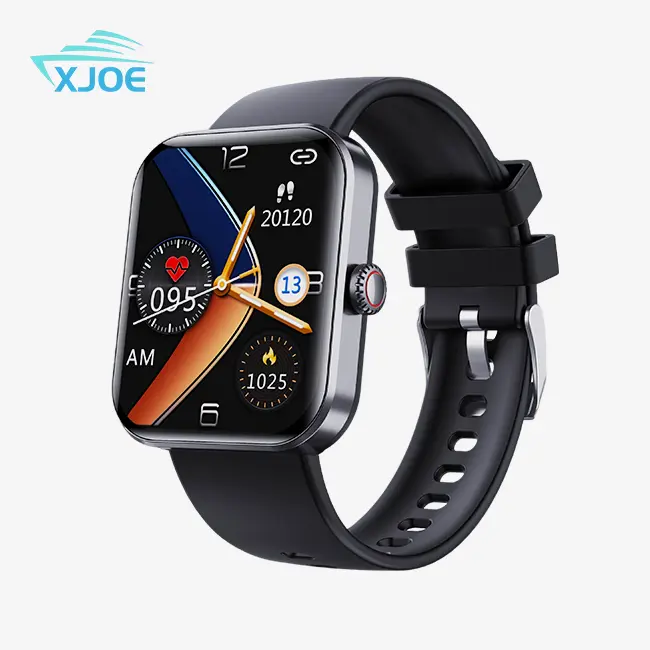
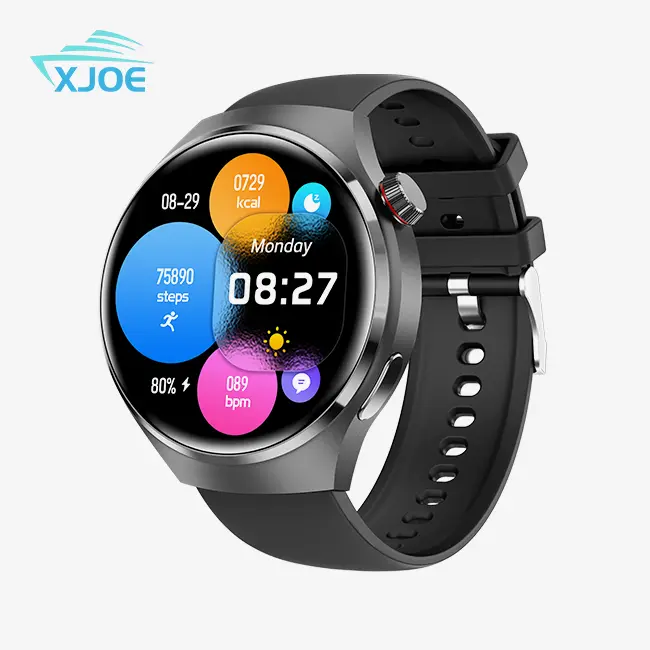
The gadget contains a 1.5-inch circular IPS color screen with 360x360 resolution, making ECG data apparent. This zinc metal watch is IP67 waterproof, so the sensors will stay in contact even when you're performing everyday activities. The battery-saving JL7012 chip analyzes cardiac signals fast. The 300mAh battery may be used for up to 10 days, making it ideal for long-term monitoring, whether traveling for business or outdoors.
The Role of Algorithms in Heart Rhythm Analysis
Interpreting raw ECGs requires expertise. Machine learning algorithms trained on millions of cardiac data points may distinguish arrhythmias from sinus beats. These algorithms remove motion artifacts and examine RR intervals, QRS complex form, and P-wave patterns to produce reliable evaluations.
Technology is extensively tested to meet regulatory standards. The device's Mean Absolute Error is compared to gold-standard chest strap monitors for quality control to ensure it stays below 5% throughout various intensity exercises. Since the technology is accurate, it may be utilized in workplace wellness programs to track employees' health for preventative care.
Accuracy Considerations and Limitations
Consumer-grade cardiac tracking devices are near clinically accurate, although several factors limit their reliability. How regularly sensors are placed, how moist the skin is, the temperature, and how much movement occurs during measurement might impact reading quality. The watch strap should stay in place without blocking blood flow and be worn one finger-width above the wrist bone.
These technical details assist B2B procurement managers in choosing gadgets for health clinics, workplace fitness programs, and health-conscious retailers.
Key Features and Capabilities of ECG Health Smartwatches
Modern wearable cardiac monitors do more than just find heart rhythms. They give you a lot of information about your health by using smart data processing and integrated sensor arrays.
Arrhythmia Detection and AFib Screening
Atrial fibrillation is a typical heart rate issue. Millions worldwide suffer from it, which dramatically increases stroke risk. ECG Health Smartwatches can detect abnormal heart rates early, allowing users to visit a doctor before things worsen.
Our gadget protects the heart with professional ECG monitoring and SpO2 tracking. The watch monitors your heart's electrical rhythm during a routine examination and notifies you of abnormal beats. RDFIT records these readings so users may send detailed reports to healthcare workers for review. Telemedicine consults and remote patient monitoring benefit from this.
Comprehensive Health Monitoring Beyond Cardiac Function
Cardiovascular health must be considered in the context of total health to measure fitness. The finest devices track sleep, activity, stress, and blood oxygen saturation. This comprehensive approach integrates relaxation, activity, and heart-pumping.
The sapphire glass panel doesn't scratch during strenuous physical activity, and the 10-day battery life eliminates the need to charge it constantly, which would make monitoring difficult. Business gift and promotional item buyers want trustworthy, brand-boosting products. Durable product attributes are crucial.
User-Friendly Interfaces and Actionable Alerts
Health technology only works when used consistently. Simple interfaces provide real-time data, trend analysis, and tailored suggestions to promote tracking. It supports 28 languages, including English, Spanish, Thai, and Persian. It may be utilized for international distribution and multicultural workplace health initiatives.
Inactive data collection becomes active health control with timely alerts. The gadget instantly notifies users to relax, seek medical treatment, or write down their symptoms if it detects irregular heartbeats, excessive resting heart rates, or low blood oxygen levels. This proactive approach enables healthcare professionals to set up remote tracking systems and insurers to build data-driven wellness incentives.

Practical Benefits of ECG Health Smartwatches for B2B Clients
Wearable cardiac monitoring devices can be used for business purposes in healthcare, company fitness, store sales, and promotional marketing.
Enhanced Patient Monitoring in Clinical and Remote Settings
Healthcare facilities are increasingly using wearable ECG devices to monitor outpatients and follow up after discharge. Doctors may offer patients ECG Health Smartwatches that are comfortable to wear for weeks instead of bulky Holter monitors for 24 to 48 hours. They can detect abnormal heartbeats that shorter tracking periods miss.
Community health services for seniors benefit from these devices. Telehealth technologies display cardiac data directly to providers. This allows them to act promptly when patient readings worsen. The gadget's magnetic charging and simple use make it ideal for elderly persons who struggle with medical equipment.
Corporate Wellness Programs and Employee Health Strategies
Health-conscious employers prefer that smart health technology show measurable outcomes. ECG Health Smartwatches as rewards remind employees that you care about their health and collect data to evaluate your program.
Fitness activities that track daily activity, sleep quality, and cardiac recovery keep individuals engaged. BLE 5.0 connection syncs data with workplace wellness systems, and IP67 water resistance lets workers wear the devices to the gym, while swimming, and during outdoor team-building. These devices allow standard health monitoring for firms with remote personnel.
Cost Efficiencies Through Bulk Procurement
Buying the smartwatch for cardiovascular health, alongside many certified cardiac monitoring devices, lowers the price per unit. Distributors, healthcare providers, and Amazon FBA purchasers may fulfill client demand for health technologies at reasonable rates. The device's zinc metal construction and skilled part selection provide consistent quality across large manufacturing runs, reducing warranty claims and consumer complaints.
Offering private label alternatives helps brands stand out. OEM/ODM compatibility lets companies customize watch faces, packaging designs, and app branding to stand out. The watch's silicone straps and gun black and silver colors suit many individuals.
How to Evaluate and Choose the Best ECG Health Smartwatch for Your Business?
For strategic procurement to work, technical requirements, legal compliance, and supplier skills need to be carefully looked over.
Certification and Regulatory Compliance Standards
Medical accuracy requires careful clearance. FDA-approved and CE-marked cardiac tracking devices fulfill safety and efficiency criteria. These certificates are necessary for healthcare usage and marketing medical claims. No longer optional.
Environmental stress testing should be part of quality control. This should include temperature shock testing from -20°C to +60°C, salt spray testing to protect charging contacts from perspiration and dampness, and mechanical durability testing that simulates years of everyday usage. Through tumble testing and button cycle validation, a product remains reliable.
Device Durability and Build Quality Assessment
Checking the product physically demonstrates quality. Premium electronics employ scratch-resistant sapphire crystal displays and aerospace-grade metal or titanium components. The featured device's sapphire glass and stainless steel casing can withstand outside knocks and scratches, making it ideal for busy lifestyles and advertising campaigns.
Know the difference between IP and ATM pressure ratings to evaluate waterproof ratings. IP67 classification only protects against short-term submersion; 5ATM clearance is needed for swim-proofing. Buyers should specify the intended purpose, such as leisure swimming or competitive swimming, before declaring water resistance criteria.
Integration Capability with Health IT Infrastructure
How smoothly data moves across smart gadgets, mobile apps, and EHR systems determines its utility. APIs that help healthcare providers and wellness program administrators securely submit data, store it in the cloud in HIPAA-compliant ways, and integrate with key health platforms simplify implementation.
The RDFIT app manages data, but private-label electronics manufacturers can customize their apps or use white-label choices. Technical partnerships with engineering support providers speed up the time to market for unique solutions.
Comparative Analysis of Market Options
Apple, Samsung, and Garmin dominate the market. However, new manufacturers provide exceptional value: the same technological characteristics at reduced pricing, flexible minimum order volumes for market testing, and speedy customisation.
Amazon buyers and cross-border e-commerce firms benefit from working with suppliers that can adapt to fast-changing market trends, stock up for speedy restocking, and enable low MOQ for product testing before going large. Being able to swiftly adapt to changing client tastes provides you with an edge in the commodities-selling company.
Future Trends and Innovations in ECG Health Smartwatches
Sensor miniaturization, artificial intelligence, and digital connection are some of the technologies that are speeding up the development of new technologies.
AI-Driven Health Analytics and Predictive Monitoring
Machine learning models that have been trained on huge health datasets are giving more and more individualized insights that go beyond just finding problems. Heart disease risk is calculated by predictive models that look at patterns in resting heart rate variability, recovery patterns after exercise, and measures of sleep quality. With these features, health monitoring can go from being reactive to being proactive about fitness management.
Soon, health apps that let users talk about their symptoms and get personalized advice based on their physiological data may be possible thanks to integration with big language models. While these features need to be carefully regulated to avoid giving medical advice without permission, they show how smart tech and AI are coming together in healthcare.
Telemedicine Integration and Remote Care Expansion
The pandemic sped up the use of telemedicine, building a foundation for online patient tracking that will last beyond emergencies. ECG Health Smartwatches are extra tools that doctors can use during clinical sessions. They let doctors look at objective data instead of just listening to what patients say about their symptoms.
Healthcare systems that use remote tracking tools to help control chronic diseases, like heart failure and atrial fibrillation, see better patient results and lower hospitalization rates. This clinical validation drives institutional buying and insurance payment models that help patients who qualify pay less for devices.
Expanding Applications Across Health Segments
In addition to heart care, wearable devices are being used more and more to track metabolic health, check on mental health, and monitor lung health. The ability to measure SpO2 is useful for training at high altitudes, checking for sleep apnea, and finding lung illnesses. As sensor technology improves, future devices may be able to continuously check for glucose, fluids, and even early signs of infection by using temperature and inflammatory markers.
Another area that is growing is sports health. Wearable technology, such as the smartwatch for cardiovascular health, is used by professional sports teams to analyze cardiac stress, recovery measures, and performance signs in order to improve training and keep players from getting hurt. More and more exercise fans are using similar methods, which is growing the need for devices that are accurate enough for professionals but easy for regular people to use.
Strategic Supplier Partnerships and Innovation Adoption
Fast cycles for innovation need open ties with suppliers. Partnerships with makers that keep active research and development programs going, offer pilot testing for new technologies, and make clear plans for how products will change over time are good for business buyers. Getting early access to new features helps you stand out in the market and place yourself as an innovative leader.
Competitive intelligence can be gained by going to trade shows in the industry, keeping an eye on patent filings, and working with university research institutions that are watching wearable health technology. Strategies for buying things should strike a mix between short-term store needs and long-term planning for next-generation capabilities.
Conclusion
Wearable cardiac tracking devices bring together consumer goods and healthcare technology in a way that has never been seen before, making physiological data that was previously only available in clinical settings available to everyone. People can take charge of their cardiovascular health by using comfy, low-cost devices to check for irregular heart rhythms. These devices also give healthcare systems the ability to continuously monitor patients, which improves preventive care.
Healthcare delivery, business fitness, store distribution, and promotional marketing are all examples of B2B possibilities. When you do strategic buying, you have to find a balance between technical performance, following the rules, source reliability, and market positioning. As sensor accuracy gets better and AI analytics get smarter, wearable heart monitors will become more common in healthcare and fitness plans. Businesses that are at the intersection of health and technology will benefit from steady market growth caused by an older population, a high frequency of chronic diseases, and more health-conscious consumers.
FAQ
Q1: How reliable is ECG data from smartwatches compared to hospital equipment?
Consumer-level smart tech can help doctors with rhythm analysis by being accurate, but it can't take the place of full diagnostic gear. Hospital ECGs have 12 leads that pick up electrical activity from different directions. This gives doctors a lot of information about certain parts of the heart. Smartwatch ECGs with only one lead can pick up on rhythm problems like atrial fibrillation, but they might miss other conditions that need more than one lead to be analyzed. Medical experts see wearable data as screening tools that lead to more tests, not as final findings. Studies that compare smartwatch AFib diagnosis to clinical standards show that they are more than 90% sensitive and specific. This means that they can be used for long-term tracking between doctor visits.
Q2: What factors should businesses consider when ordering ECG smartwatches in bulk?
The most important thing is to make sure that the certifications are correct—confirm the FDA/CE compliance paperwork directly with the makers. Quality differences between groups of products are protected by warranties that cover defects and performance promises. Logistics skills, such as shipping times, knowledge of customs, and inventory management, determine a company's dependability for companies that need to start new products quickly. Before committing to big orders, ask for sample units to try internally. This way, you can check the accuracy of the sensors, the quality of the build, and the stability of the software. Set up clear ways for people to communicate and get expert help, especially when you're changing firmware or branding elements. The payment terms, minimum order quantity (MOQ), and ability to increase the size of future sales should all be in line with how you want your business to grow and how much cash you need.
Partner with Xizhou for Premium ECG Health Smartwatch Solutions
As a tech-focused company that focuses on AI-powered smart devices, Xizhou offers ECG Health Smartwatch solutions that are specifically made for wholesalers, Amazon sellers, and private label brands that serve the US market. Our mature research and development team, GMP-certified plant, and thorough quality control make sure that our products are always of the highest quality and are backed by all legal certifications.
We know the problems that cross-border e-commerce companies face, like inconsistent quality that hurts reviews, having to deal with stocking issues caused by minimum order requirements, and customer tastes that change quickly. Our open MOQ policies allow us to test the market, and our large warehouse inventory lets us quickly restock. We offer OEM/ODM customization, which includes printing logos, designing packages, and localizing software to 28 languages, as an expert ECG Health Smartwatch provider.
Your investment is protected all along the supply chain by strict package rules and fast shipping. Our helpful customer service after the sale takes care of technical questions, insurance claims, and business advice. Xizhou gives your business the dependability and new ideas it needs, whether you're starting a new brand, adding to your stock of health technology, or looking for promotional electronics.
You can email us at 13266508958@163.com to ask for product details, price quotes, and sample units. Change how you track people's health by working with a reputable ECG Health Smartwatch maker who wants you to succeed.
Medical Disclaimer: The devices talked about are exercise and wellness products, not medical devices that are meant to identify, treat, cure, or stop illness. When making medical choices, users should talk to medical professionals. The features of an ECG are only meant to give you information.
References
1. Perez, M. V., Mahaffey, K. W., Hedlin, H., et al. (2019). Large-Scale Assessment of a Smartwatch to Identify Atrial Fibrillation. New England Journal of Medicine, 381(20), 1909-1917.
2. Spaccarotella, C., Polimeni, A., Migliarino, S., et al. (2022). Multichannel Electrocardiograms Obtained by a Smartwatch for the Diagnosis of ST-Segment Changes. JAMA Cardiology, 7(5), 487-495.
3. Bumgarner, J. M., Lambert, C. T., Hussein, A. A., et al. (2018). Smartwatch Algorithm for Automated Detection of Atrial Fibrillation. Journal of the American College of Cardiology, 71(21), 2381-2388.
4. Seshadri, D. R., Li, R. T., Voos, J. E., et al. (2019). Wearable Sensors for Monitoring the Physiological and Biochemical Profile of the Athlete. NPJ Digital Medicine, 2(1), 72.
5. Khurshid, S., Healey, J. S., McIntyre, W. F., & Lubitz, S. A. (2021). Population-Based Screening for Atrial Fibrillation. Circulation Research, 127(1), 143-154.
6. Turakhia, M. P., Desai, M., Hedlin, H., et al. (2019). Rationale and Design of a Large-Scale, App-Based Study to Identify Cardiac Arrhythmias Using a Smartwatch: The Apple Heart Study. American Heart Journal, 207, 66-75.