

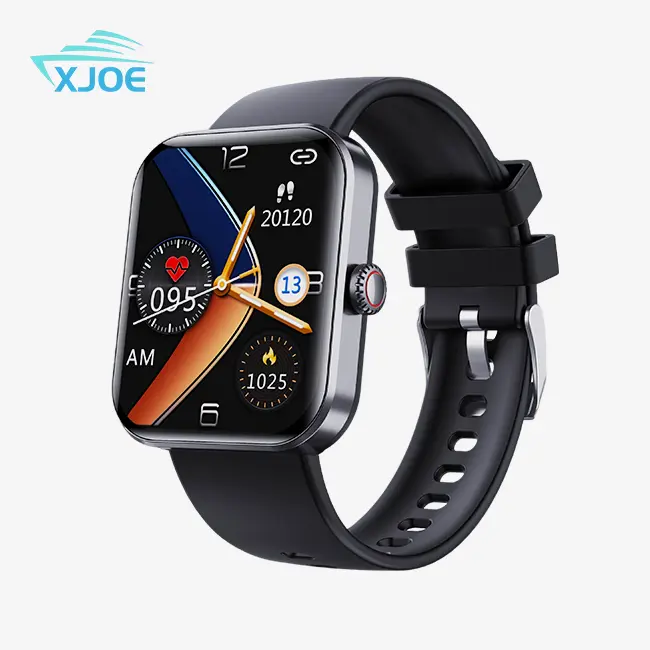
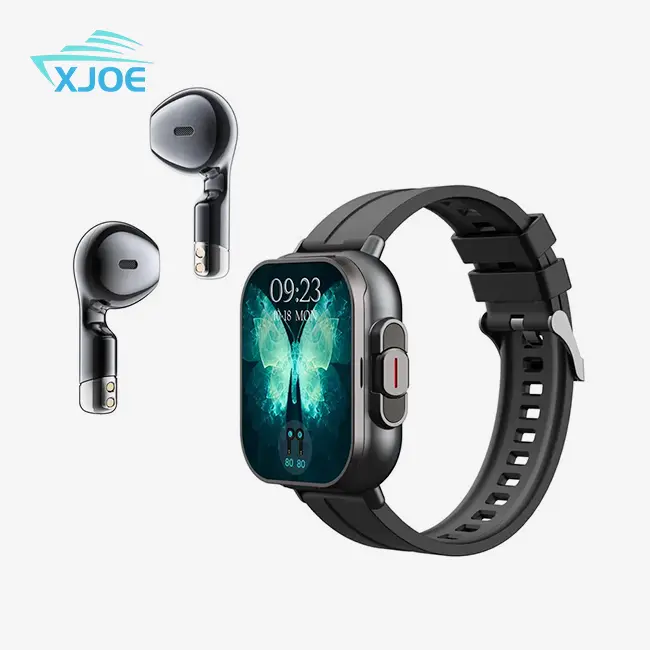
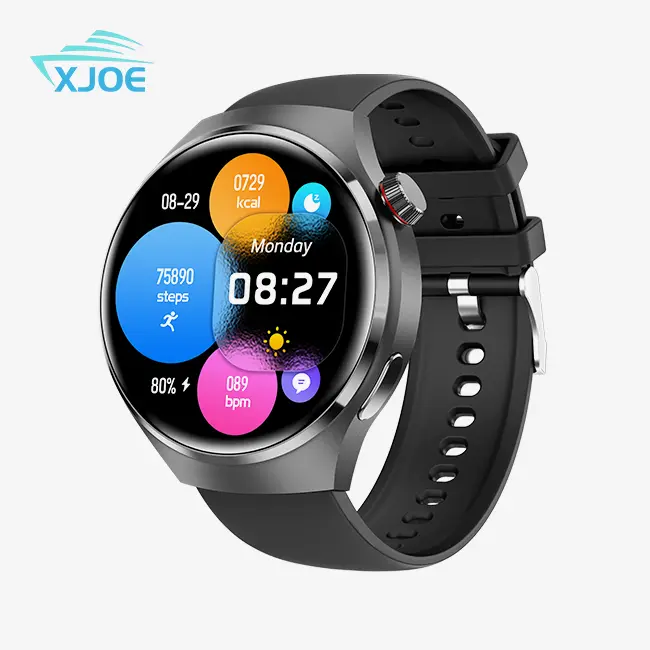
A Comprehensive Guide to GPS Outdoor Smartwatch – All You Need to Know
When sourcing wearable technology for outdoor enthusiasts, understanding what makes a quality GPS outdoor smartwatch becomes essential for business success. These devices blend satellite navigation with fitness tracking, creating reliable companions for athletes, adventurers, and health-conscious consumers. At Xizhou, we've worked with Amazon sellers, distributors, and private label brands across North America to deliver smartwatches that balance performance with profitability. This guide breaks down everything procurement professionals need to know—from core features and market comparisons to customization opportunities—helping you make confident sourcing decisions that drive customer satisfaction and healthy margins.
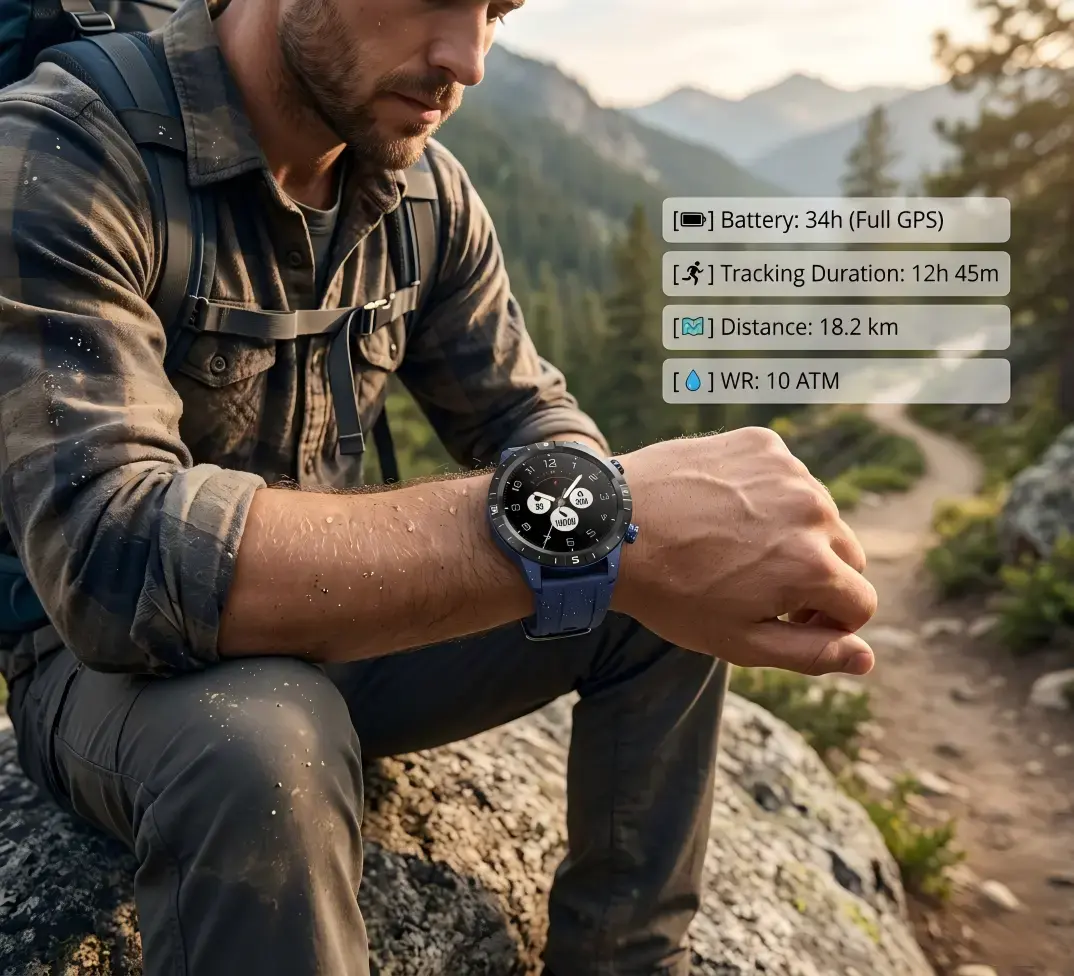
Understanding GPS Outdoor Smartwatches – Key Features and Benefits
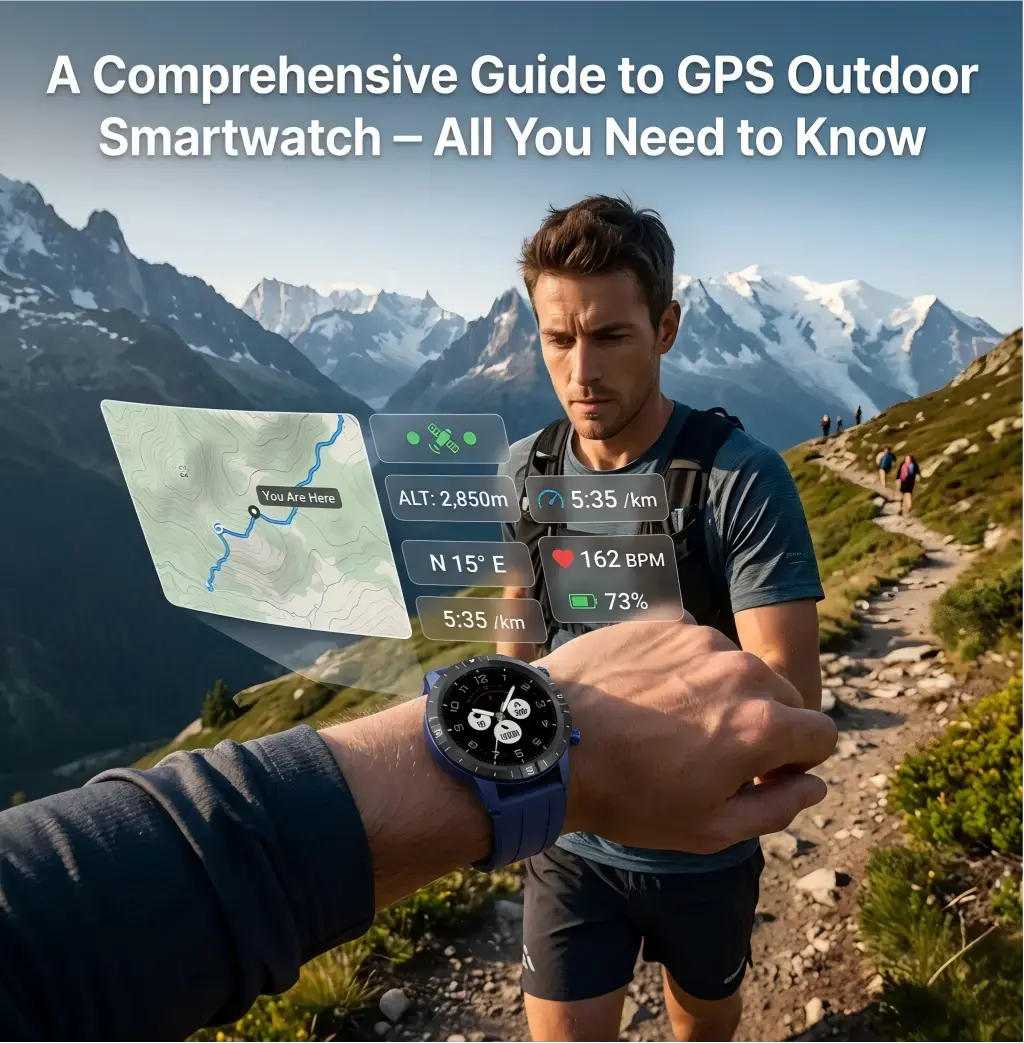
GPS Outdoor Smartwatches are a special kind of wearable tech that is made to work reliably outside of the gym. These gadgets have built-in GPS units that can track movement without being connected to a smartphone. This means that you don't have to connect your phone while trail running, riding, or hiking.
The main benefit is that it can find its own location. Runners can plan their routes through rural trails without using cell networks or phone links. Cyclists can record their elevation gains on mountain trails. This freedom is especially important for people who go to places with poor connectivity, since regular fitness trackers wouldn't be able to record correct data there.
Essential Sensor Integration for Outdoor Activities
Modern GPS Outdoor Smartwatches designed for outdoor activities use a lot of sensors to give you a full picture of your activity. Besides GPS chips, these gadgets usually have:
Heart Rate Monitoring: Optical sensors measure how the heart and lungs react to different types of terrain, which helps people control how hard they are working during long endurance sports or steep hills.
Barometric Altimeters: Measuring altitude by pressure is more exact than using GPS alone. This is especially useful for climbing or planning routes in hilly areas.
Electronic Compasses: Three-axis magnetometers let users find their way when they're hiking on unknown tracks or checking their bearings while they're exploring the outdoors.
When these built-in sensors work together, they make a full environmental awareness system that serious outdoor customers will like. For retailers and wholesalers, this sensor suite explains the higher price while lowering the number of returns caused by poor performance.
Battery Endurance and Practical Usage Cycles
GPS Outdoor Smartwatches are different from regular exercise bands in how well their batteries work. Good devices can be used for a variety of tasks for 5 to 10 days, and they can keep tracking your GPS for multiple workouts during the week. Our newest models can last up to seven days with regular movement tracking and alerts turned on. This solves one of the biggest problems active users have.
Longer battery life directly leads to better experiences for customers. Weekend walkers can go on multi-day trips without getting anxious, and daily runners can keep up with their training even during busy training weeks. This stability cuts down on bad reviews and warranty claims, which are important for online sellers who want to keep their Amazon scores and return purchase rates high.
The ease of charging is just as important. Magnetic charging ports let you quickly charge your devices without having to mess with fragile connectors. This is especially helpful after a run in the mud or the gym.
Comparing Top GPS Outdoor Smartwatches in 2024 – What to Look For
The market for GPS Outdoor Smartwatches has a wide range of prices and features, which gives buyers both chances and problems. Businesses can choose a product that fits the needs of their target customers better when they know how different models compare.
Performance Benchmarks Across Leading Models
Only high-end brands like Garmin and Suunto are mentioned for outdoor GPS accuracy and durability. The pricing of these goods typically exceeds $400. Advanced training measures, sapphire crystal displays, and several GNSS bands make these gadgets appealing to serious sportsmen and mountaineers.
Mid-range Coros and Fitbit models balance features and usability. Between $200 and $350 is typical. These watches are designed for a larger audience, yet still offer good GPS and outdoor functions.
Budget-friendly options under $200 have changed. They now have GPS and a week-long battery life, formerly reserved for higher-end versions. Our products target this increasing market area and provide outdoor characteristics, including 360x360 TFT displays, 5 ATM water resistance, and robust Bluetooth connectivity at affordable costs for bulk buyers.
Build Quality and Environmental Durability
Use sturdy materials while building outside. Good GPS Outdoor Smartwatches include metal casings that can withstand trail hits and drops. Sweat, sunscreen, and temperature fluctuations don't damage the rubber straps.
Water resistance ratings are crucial for safety. A 5 ATM certification implies the item can endure rain, hand washing, and shallow water. This is plenty for most outdoor activities, excluding diving and high-pressure water sports.
Display technology influences outdoor visibility. TFT panels are simple to view in sunshine and utilize less power, extending battery life. The 33mm screen size balances information and comfort. It avoids being excessively large, which prevented smaller wrists from buying them before.
Connectivity Features That Drive User Engagement
Bluetooth sync lets people stay connected without having to carry their phones. When cellphones are nearby, exercises are automatically uploaded to fitness apps, and fresh messages appear on the wrist for easy review.
People demand living integration, and this fluid link supports it. Before departing in the morning, runners check their phones for texts and weather information, while bikers receive instructions without taking them out. These comfort qualities make it simpler to wear the product every day for longer, increasing its perceived value and reducing return requests and consumer remorse.
Supporting various languages expands market reach. Multilingual devices help retailers offer multicultural groups and overseas buyers with one SKU. This simplifies inventory management and expands seller reach.
Procurement Considerations for GPS Outdoor Smartwatches
Aside from product specs, sourcing choices also include the dependability of the supply chain, the ability to customize products, and the structure of support services after the sale. Smart strategies for buying things have a direct effect on measures for both profitability and customer happiness.
Evaluating Supplier Capabilities and Flexibility
Minimum order quantities are still significant for Amazon FBA merchants testing new products or seasonal demand trends. Suppliers' flexible MOQs reduce risk and speed up response to popular color or feature requests in new markets.
Also crucial is replenishing speed. Seasons and activity habits affect outdoor smartwatch demand. People go camping in summer, prepare for marathons in spring, and offer GPS Outdoor Smartwatches as holiday gifts. Reliable merchants stock plenty and provide fast returns to avoid running out during popular shopping seasons.
Our GMP-certified factory in Xizhou and experienced R&D team allow us to tailor small batches for new brands and create many items for well-known distributors. This adaptability lets the firm develop without changing connections as orders increase.
Customization Options for Brand Differentiation
Private label options provide firms with an edge in congested markets. Custom picture printing, branded packaging, and UI tweaks may convert basic gadgets into brand assets that make money and keep consumers coming back.
Our OEM services go beyond branding. We let you select from five basic colors to create seasonal collections or target certain demographics. The magnetic charging port, pin buckle design, and rubber strap material may match your brand's image, from basic to high-end.
Company gift and promotional items buyers need software translation. Custom watch faces, pre-loaded corporate logos, and exercise assignments make event presents and staff wellness initiatives stand out.
Quality Assurance and Warranty Considerations
Profits are affected by returns, substitutes, and unfavorable evaluations from high defect rates. Quality control measures, including drop testing, water resistance checks, and GPS accuracy checks, distinguish reliable providers from unreliable ones.
Our tight packing regulations protect the GPS on smartwatches during overseas delivery, resulting in better device condition and less damage, which pleases consumers and boosts revenue. Each unit undergoes a multi-point assessment and receives complete certificate papers to prove it satisfies North American regulatory criteria before leaving our factory.
People trust warranty-supported structures more. If there are clear guidelines concerning production faults, appropriate claim wait periods, and simple availability of replacement parts like charging cables, straps, and protective coverings, resellers and distributors may give good customer service.
How to Choose the Right GPS Outdoor Smartwatch for Your Business Needs?
Matching product specs of the GPS Outdoor Smartwatch to the needs of target customers increases sales and lowers the risk of making mistakes that cost a lot of money. A structured review method makes it easier to make choices about where to get things.
Defining Primary Use Cases and Customer Profiles
You appreciate various things outside of performing different activities. Trail runners desire lightweight, precise pace-tracking designs. This suits our 33mm casing and GPS accuracy. Weekend hikers enjoy long-lasting batteries for multi-day hikes without charging. City cyclists may remain updated without their phones by connecting to alerts.
Knowing your clients helps guide stocking. Amazon vendors of exercise-related equipment emphasize health tracking and app ecosystem compatibility. TikTok Shop brands for young fashionistas may emphasize color diversity, elegant design, and practicality. People who buy workplace health program promotional goods want the essentials and customization, not complex sports stats.
Critical Specifications Checklist
Consider these crucial aspects while considering goods:
Battery Performance: Consider use statistics above top speeds. GPS tracking, alerts, and heart rate monitoring inform our 5–10-day range. In this manner, we can be honest and avoid disappointing consumers.
Water Resistance: Grades should match your goals. Wearing in the rain, swimming, and showers is fine with the 5 ATM rating, but extra limitations are needed to prevent misuse.
Display Quality: The 360x360 clarity makes data simple to view while conducting activities, and TFT technology lets you read outside without consuming much power.
Stable Bluetooth pairing and data syncing save frustration. Our Android compatibility lets many smartphone users access our service.
Comfort for Extended Wear: The lightweight design and comfy strap make it simple to wear all day, increasing its value to consumers. This everyday touch keeps individuals loyal to the company and less inclined to switch to easier choices.
Long-Term Value Assessment
Ownership expenses should be considered with initial specs. Devices with easy-to-find replacement straps last longer, reduce garbage, and promote sustainability messages that environmentally conscious buyers will comprehend.
Software upgrades save capital. Even though inexpensive devices don't give many firmware upgrades, keeping fundamental functionality the same after OS changes keeps users satisfied for over 18–24 months.
Community health tracking applications offer B2B clients new opportunities. Fitness facilities, leisure programs, and senior living communities are increasingly using wearable devices to measure group activity and health trends. GPS Outdoor Smartwatches that consistently transfer data operate well with institutional systems, enabling new distribution channels.
Trends and Innovations in GPS Outdoor Smartwatch Technology
The market for outdoor wearables is changing quickly because sensors are getting smaller, battery chemistry is getting better, and software is getting smarter. Staying up to date on the latest developments in technology helps companies predict what customers will want and stay competitive.
Enhanced Positioning Accuracy
By mixing signals from the GPS, GLONASS, Galileo, and BeiDou satellite networks, multi-band GNSS receiving is the next big thing in pinpointing your position. This multi-constellation method greatly lowers position drift in tough places like urban canyons, thick woods, or steep mountain slopes, where single-band systems have trouble.
At the moment, only high-end products can use this technology, but the prices of the parts are slowly going down. As technology improves, procurement managers who are ahead of the curve watch this change and see chances to offer higher accuracy at more reasonable prices.
Material Science Advancements
In addition to how they work, building materials affect how long something lasts and how it looks. Fiber-reinforced plastics make things stronger without adding extra weight, and DLC coatings on metal cases keep them looking good even after years of use.
These choices about materials have a direct effect on the number of returns and how happy customers are. Watches that stay in perfect condition after months of being outside get good reviews and are bought again, while devices that get broken easily lead to expensive guarantee claims and damage to the brand's image.
Integration with Health Management Systems
The GPS on smartwatches enables the increasing use of smartwatches as data collection hubs in larger health settings. Hospital wellness programs, corporate health initiatives, and fitness rewards tied to insurance all use wearable data to track health trends and get people moving.
This adoption by institutions opens up B2B possibilities that go beyond standard shopping outlets. When healthcare systems buy devices for patient monitoring programs or city recreation offices buy equipment for community exercise programs, they are stable, high-volume buyers with specific needs for customization and data integration.
These customized deployments are possible because we offer engineering help. Custom data export formats, help with API integration, and compliance documents make it easier to integrate with the current health IT infrastructure. This makes Xizhou stand out as a partner instead of just a provider.
Conclusion
GPS Outdoor Smartwatches are the perfect piece of wearable tech—they're advanced enough to be useful, but simple enough that most people can afford them. Figuring out the right mix between basic features like GPS tracking that works on its own, battery life that lasts a week, and reliable connectivity helps you make smart buying choices that meet customer needs and business goals. These technical requirements are turned into profitable inventory and happy customers through quality building, the ability to make changes, and the dependability of the provider. Businesses with the right goods and partnerships will be able to take advantage of big possibilities in this fast-paced market as outdoor activities continue to grow and health concerns drive the use of wearable tech.
FAQ
Q1: How accurate is GPS tracking compared to smartphone navigation?
For exercise tracking, good GPS Outdoor Smartwatches have GPS modules that are as accurate as or more accurate than smartphone GPS modules. In open areas, the positioning accuracy usually hits 3–5 meters, which is good enough for planning routes and measuring distances. When compared to chest or arm-mounted devices, wrist-worn placement sometimes causes signal confusion. However, current antenna designs make these effects less noticeable.
Q2: What battery life should I expect during continuous GPS usage?
Battery ratings for idle use are very different from scores for active GPS tracking. When GPS is turned on, good devices can track for 10 to 20 hours straight, so you can do several marathon-distance events or all-day camping trips between charges. The 5–10 day battery life for our GPS Outdoor Smartwatches is based on how they are usually used, with GPS workouts mixed in with regular timekeeping and messaging features throughout the week.
Q3: Can I order custom-branded GPS outdoor smartwatches for resale?
Of course. Businesses can make their own unique brands with OEM and private label services that let them choose colors, print their logos, and design the packages. Minimum order numbers depend on how complicated the customization is. Standard logo printing is available at low volumes that are good for new brands that want to see how the market responds before committing to bigger inventory positions.
Partner with Xizhou for Your GPS Outdoor Smartwatch Needs
Businesses looking for reliable GPS Outdoor Smartwatches that balance success and profit can get all of their needs met by Xizhou. Our knowledge of AI-powered smart wearables and our ability to manufacture as an OEM or ODM help Amazon sellers, wholesalers, and private label brands build successful outdoor electronics lines. With a large inventory, full certification paperwork, and fast shipping from our GMP plant, we get rid of common sourcing problems and help you get ahead of the competition. If you need to test the market with a small batch of customized products or make a lot of them as an established GPS Outdoor Smartwatch provider, our quick team can help you with the technical advice and manufacturing support that turns product ideas into profitable products. Connect with us at 13266508958@163.com to talk about your specific needs and find out how Xizhou's track record of serving North American markets can help your business grow faster in the growing outdoor wearables market.
References
1. Anderson, M. (2023). Wearable Technology in Outdoor Recreation: Consumer Adoption Patterns and Market Trends. Journal of Sports Technology Research, 18(3), 245-267.
2. Chen, L., & Roberts, K. (2024). GPS Accuracy in Consumer Wearables: Comparative Analysis of Multi-Band and Single-Band Systems. International Journal of Positioning Technology, 12(1), 89-103.
3. Harrison, D. (2023). Battery Technology Evolution in Smart Wearable Devices. Electronics Manufacturing Quarterly, 29(4), 112-128.
4. Martinez, S., Wong, J., & Thompson, R. (2024). Material Science Innovations in Ruggedized Consumer Electronics. Advanced Materials in Wearable Applications, 7(2), 201-219.
5. Peterson, H. (2023). E-Commerce Strategies for Smart Wearable Distribution: Amazon FBA and Direct-to-Consumer Models. Digital Retail Management Review, 15(3), 67-84.
6. Williams, T., & Kumar, A. (2024). Health Data Integration: Wearable Devices in Institutional Wellness Programs. Healthcare Technology Implementation Journal, 21(1), 134-152.