

Key Components of High Precision Health Smartwatches
High-precision health smartwatches have moved far beyond simple step counting. Today, an accurate heart rate smartwatch integrates multi-layer biosensor arrays, real-time algorithmic processing, and durable hardware to deliver clinical-grade physiological data on the wrist. For B2B buyers — whether sourcing for Amazon storefronts, corporate wellness programs, or OEM private label lines — understanding the core components that drive precision separates profitable procurement decisions from costly missteps. This guide breaks down the technology, features, and sourcing strategies that matter most.
Medical Disclaimer: The health monitoring features discussed in this article are intended for general wellness and fitness reference purposes only. They do not constitute medical diagnosis or replace professional medical advice.
Understanding the Core Technology Behind Accurate Heart Rate Smartwatches
Photoplethysmography (PPG): The Foundation of Optical Heart Rate Sensing
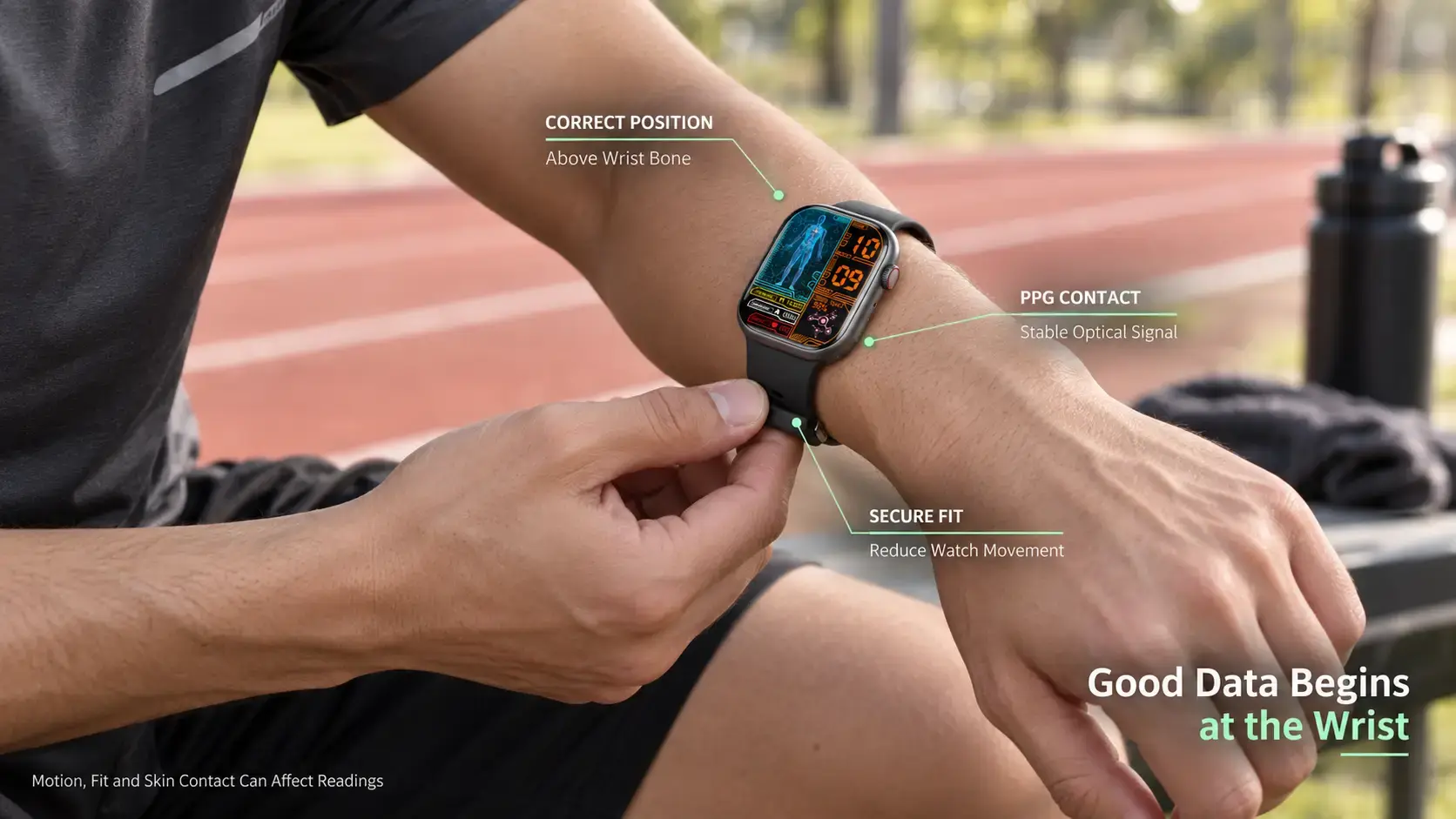
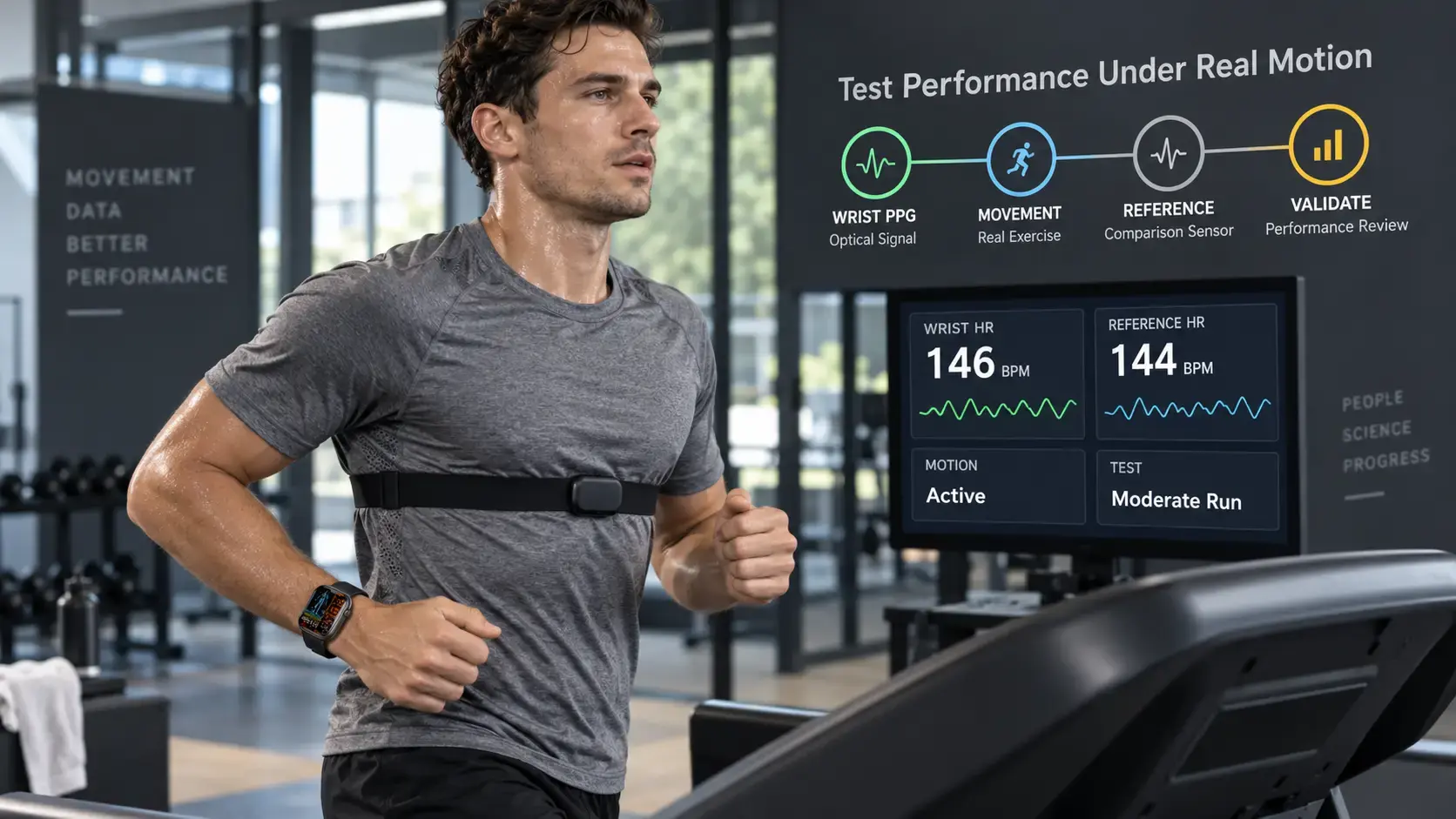
PPG technology uses green LED lights to find changes in the amount of blood under the skin. A photodiode picks up changes in pulse waves when light hits capillaries and turns them into heart rate information. A study in the journal npj Digital Medicine (2020) showed that PPG sensors placed on the wrist can get ECG values within ±5 BPM of accuracy when used in a controlled setting. Motion artifacts mess up the optical signal when the person moves around, which is the problem. This is a basic tech issue that separates consumer-grade trackers from a truly accurate heart rate smartwatch.
Multi-Sensor Fusion: How Accelerometers and Gyroscopes Elevate Accuracy
It is never possible to be truly precise with just one optical sensor. PPG is used with 3- or 6-axis accelerometers and gyroscopes in high-quality devices to actively cancel out motion noise. A runner's wrist moves back and forth 180 times per minute. This data from the accelerometer is sent to a special signal processing program, which takes out cadence-lock interference from the heart rate reading. This method of combining sensors is what makes zone-based training data accurate. For example, performance-focused wearables for serious athletes include real-time running zone tracking.
Consistency in calibration is also important. Devices should have auto-calibration methods that are activated by rest periods. This way, standard readings won't change over time due to wear and tear. When buying in bulk, procurement teams should always ask for dynamic accuracy test reports that compare the batches to the Polar H10 and other top-of-the-line chest strap monitors.
Essential Features That Define High Precision Health Smartwatches
Enterprise-grade wearables now do more than just measure heart rate. They are also performance tools for sports and health tracking points for business wellness environments. Buyers can avoid over-specifying or under-delivering by knowing which features really add value to the purchase.
In a B2B review, these are the core skills that should be given the most weight for an accurate heart rate smartwatch:
- VO₂ Max Estimation: VO₂ Max is still one of the best ways to measure physical health based on science. Devices that give algorithmic VO₂ Max estimates based on heart rate, pace, and cadence correlation give sports retailers, coaches, and HR wellness managers a valuable piece of data that helps them set their products apart on sites like Amazon and Shopify.
- SpO2 Monitoring: After 2020, people want to track their blood oxygen saturation levels more than ever. Corporate wellness programs now use devices that can measure SpO2 as part of their employees' health management systems to spot early signs of respiratory tiredness, especially in field-based and transportation workers.
- Sleep Architecture Analysis: Tracking the stages of sleep (REM, light, deep) using HRV algorithms adds a recovery aspect that health-conscious consumers and enterprise wellness buyers really like.
- Activity Metrics — Pace, Cadence, and Distance: For devices that are designed to improve performance, professional running data like real-time pace, step cadence, and distance tracking turns the product from a fashion item to a scientific training tool.
When put together, these skills make a strong B2B value offering. A gadget that can track both individual performance and scalable business health monitoring can appeal to a wide range of buyers, from gadget brands in the TikTok Shop to corporate buying teams setting up wellness programs.
It doesn't matter what layer the user experience is on. Easy-to-use IPS display dashboards, like those on devices with a 320x240 screen resolution, let you customize alerts in real time and export data without any problems, both of which are both necessary for connecting to existing health management platforms.
Comparing Leading Accurate Heart Rate Smartwatches for B2B Procurement
There are different parts of the market for performance, clinical, and lifestyle needs. With improved running dynamics and multi-band GPS, Garmin rules endurance sports. As of now, only the Apple Watch can detect AFib, making it the best ECG device on the market. Fitbit and Samsung are in the middle of the health market. Polar is still the best at measuring raw heart rates, especially in study and teaching settings.
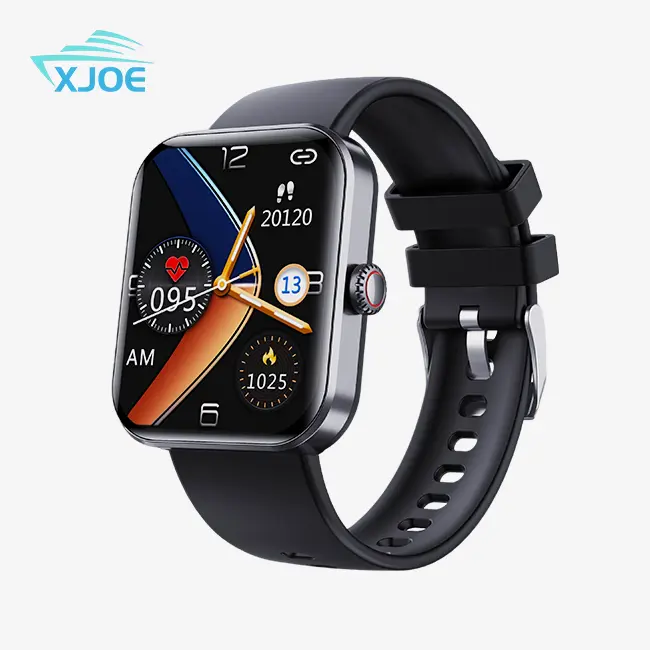
When buying for businesses, however, brand-name devices have high unit costs that make it hard for Amazon FBA sellers and bulk wholesalers to make money. In this case, OEM-made accurate heart rate smartwatches with accurate sensors that can be checked, sturdy builds, and the ability to use a private name are a real option that can compete. A fiber-reinforced polymer case with an alloy housing, a silicone strap, IP67 water resistance, and a battery life of 5–10 days, along with magnetic charging and a performance-grade optical sensor, makes this device as functional as mid-range branded ones for a lot less money.
When looking at enterprise deployment case studies, buying a lot of OEM wearables with consistent firmware, standard API outputs, and responsive supplier support always beats buying premium brands when it comes to total cost of ownership for 500 or more units.
Best Practices for Procuring High Precision Heart Rate Smartwatches
Comparing spec sheets is not enough for strategic buying. Procurement professionals need to check suppliers' accuracy, compliance with regulations, level of customization, and infrastructure for support after the sale.
Regulatory harmony can't be negotiated. HIPAA rules say that gadgets used in company health programs or sold in the U.S. must handle data in a certain way. For any deployments in the EU, devices sold in enterprise wellness ecosystems that collect biometric data must also meet GDPR requirements. It is necessary, not a choice, to ask suppliers for ISO 10993 biocompatibility paperwork and IEC 62133 battery safety approval.
When you customize an hr monitoring watch, an accurate heart rate smartwatch for OEM and ODM, you can make a lot of money. It's not enough for Amazon sellers and direct-to-consumer brands to just compete on price; they can also build strong product names through logo printing, package design, custom UI branding, and firmware localization. If a supplier has its own research and development team, it can also change the polling rates and alert levels of sensors to fit the needs of a specific use case. For example, a device could be set up to work with community health screening programs or workplace health tracking systems.
Tiered bulk price limits, clear warranty terms (minimum 12 months with recorded RMA processes), and defined replenishment lead times are all good procurement strategies that should be incorporated into sourcing talks. This will help keep inventory levels under control during times of high demand.
Future Trends and Innovations in High Precision Health Smartwatches
Predictive analytics powered by AI are the next big step forward in smart accuracy. Next-generation accurate heart rate smartwatches will not only show your present heart rate, but they will also predict events that could cause circulatory stress by looking at patterns in HRV, resting heart rate drift, and worsening sleep quality. Using multiple sensors together, like skin temperature, bioimpedance, and barometric pressure, will make it even less important to rely on visual data from a single point.
Integration of remote medical tracking is speeding up. Wearable-based continuous monitoring is being tested by health systems for post-operative care and managing chronic diseases. This is increasing the demand for devices with stable battery life of 7 days or more, encrypted data transmission, and certified clinical-adjacent accuracy. In the same way, corporate fitness tools are growing, and insurers are looking into biometric information to help them set dynamic premiums.
For B2B buyers, this trajectory signals a clear procurement strategy: prioritize suppliers with active R&D pipelines, demonstrated ability to integrate with telemedicine and IoT ecosystems, and the flexibility to adapt hardware and firmware as regulatory standards evolve.
Conclusion
At the point where sensor tech, data science, and user-centered design meet, you'll find high-precision health smartwatches. Each part, such as PPG accuracy, multi-sensor fusion, VO₂ Max metrics, and enterprise-grade interoperability, works together to make a product that either builds brand equity or makes money. B2B buyers who base their purchasing decisions on technical basics instead of just how they feel about a brand always end up with higher customer satisfaction scores and higher profit margins. The sourcing landscape rewards those who understand what is actually inside an accurate heart rate smartwatch.
FAQ
1. What makes a heart rate smartwatch "high precision"?
Precision comes from having good sensors, algorithms that can compensate for motion, and consistent tuning. A very accurate heart rate smartwatch has green LED PPG sensors and noise cancelation based on accelerometers, which reduces motion artifacts while you're moving around. Devices that have been tested against ECG or Polar H10 chest strap standards and can get results within ±5 BPM at different intensities meet the requirements for accurate classification in B2B buying situations.
2. Is IP67 water resistance sufficient for fitness use cases?
IP67 certification means that the device is protected from dust and can be submerged in water for 30 minutes. IP67 is good enough for running, working out at the gym, and being exposed to sweat. Devices that are meant to be used while swimming need to be rated 5ATM or IP68. As a useful and cost-effective standard, IP67 works well for most fitness device uses on Amazon and in stores.
3. Can OEM smartwatches match branded device accuracy?
Yes, as long as they come from makers whose sensor validation procedures and signal processing techniques can be checked. It's not the brand name that makes a difference, but the quality of the sensor module and how well the firmware is optimized. Before committing to buy in bulk, make sure the suppliers provide proof of dynamic accuracy tests and skin tone validation reports (Fitzpatrick I–VI).
4. What battery life should B2B buyers target?
With continuous heart rate monitoring turned on, a battery that lasts 5–10 days should be enough for most fitness and wellness applications. Longer gaps help corporate health programs because they make it easier for employees to follow through.
Partner With Xizhou — Your Trusted Accurate Heart Rate Smartwatch Supplier
Xizhou makes smart tech that is based on trends and is tested by experts for serious B2B buyers. As an experienced accurate heart rate smartwatch manufacturer, we offer OEM/ODM customization, flexible MOQs, fast restocking, and strict quality control. Our GMP-certified production and mature R&D team back these up. We are ready to help you with your next sourcing cycle, whether you are building a corporate wellness program or growing an Amazon brand. Reach out directly at 13266508958@163.com to request samples and pricing.
References
1. Bent, B., Goldstein, B. A., Kibbe, W. A., & Dunn, J. P. — npj Digital Medicine, 2020.
2. Shcherbina, A., Mattsson, C. M., Waggott, D., et al. — Journal of Personalized Medicine, 2017.
3. Gillinov, S., Etiwy, M., Wang, R., et al. — Medicine & Science in Sports & Exercise, 2017.
4. Lu, G., & Yang, F. — IEEE Transactions on Biomedical Engineering, 2009.
5. Seshadri, D. R., Li, R. T., Voos, J. E., et al. — npj Digital Medicine, 2019.
6. Moons, P., Norekvål, T. M., & ACNAP Research Committee — European Journal of Cardiovascular Nursing, 2021.