

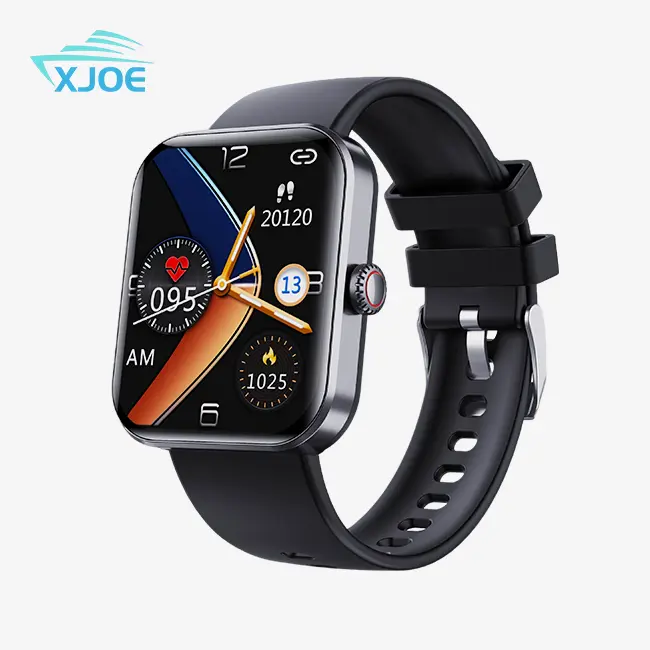
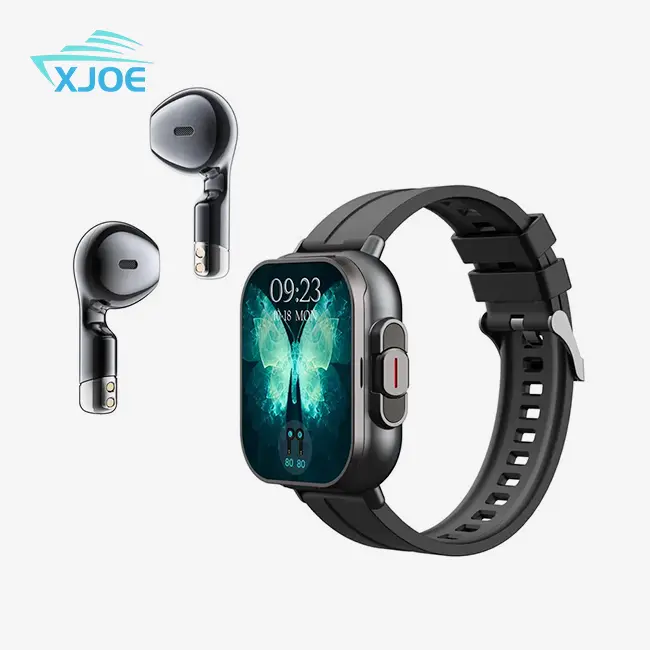
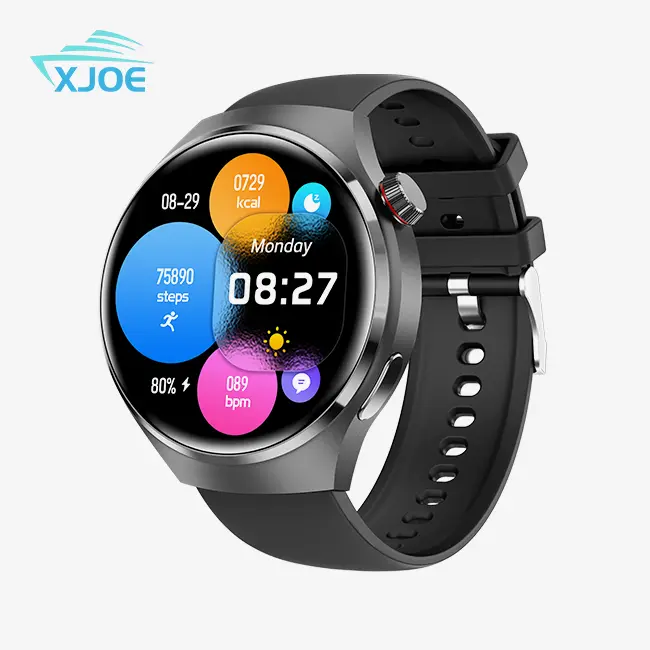
How Voice Call Watch Improves Workplace Connectivity
The Voice Call Watch revolutionizes professional communication with wearable ease and powerful calling. These gadgets eliminate the need for cumbersome cellphones, cut reaction times, and simplify team collaboration across varied business situations by enabling wrist-based voice interactions. Modern smart wearables with HD microphones, loudspeakers, and emergency functions provide quick connectivity for fast-paced business demands in production floors, logistics hubs, field operations, and corporate locations.

Understanding Voice Call Watches and Their Role in Modern Workplaces
Voice Call Watches allow you to enjoy seamless voice chats without a smartphone. Bluetooth, Android, and separate dialing are on these wearables. Their hands-free communication hub is ideal for those who must be reachable 24/7. The technology works effectively in changing workplaces where safety, independence, and speedy information exchange are crucial to success.
Core Technology Behind Wearable Communication Devices
Modern smart wearables offer powerful speakers and HD microphones for clear sound in crowded workplaces. Smartphone pairing via Bluetooth helps you handle calls simultaneously, while independent cellular choices let you use the watch alone. Android users may manage contacts, call logs, and messaging tools from the watch interface thanks to app connectivity. Screen widths between 44mm and 49mm allow for easy navigation, and 320x240 TFT panels make text and icons legible in various lighting conditions.
Battery life is still vital, and modern models may last four days with typical chatting and notification use. Magnetic charging speeds up power restoration, reducing downtime and maintenance. These IP68 gadgets can withstand dust and water. They may be utilized outside in harsh weather and in tough industries. The silicone straps make it pleasant to wear all day without irritating your skin, and the steel casing helps it last longer.
Hands-Free Advantages in Dynamic Work Settings
Traditional methods of communication require workers to pause, fetch their devices, and dial numbers by hand, which slows down their job and reduces efficiency. Wearable call technology enables you to converse on the phone without halting work, eliminating these delays. Warehouse workers may coordinate shipments while handling goods, field technicians can obtain instructions while fixing machinery, and supervisors can approve choices while walking about the facility.
The smartwatch for Android calls and texts is equipped with a one-touch SOS button that is especially beneficial in risky situations where phoning for help immediately might avert collisions or speed up emergency response. Procurement managers who oversee workplace safety and employee welfare initiatives enjoy this feature. Direct calling and call history management act like smartphone features, so teams with varying technical understanding may learn them fast.
Challenges of Traditional Communication Tools in the Workplace
Even though smartphones are ubiquitous, conventional mobile devices struggle in fast-paced professional environments. Understanding these limits helps procurement professionals comprehend why smart communication is a strategic enhancement, not merely an accessory.
Mobility Constraints and Safety Concerns
Physical touch to remove devices from pockets, unlock displays, and navigate menus slows communication and reduces safety while using equipment, driving automobiles, or conducting precise labor. Factory workers sometimes can't bring their phones due to safety, hygiene, or contamination concerns. Radios allow you to chat on the phone without using your hands, but they don't provide privacy, can't identify callers, or work with digital platforms.
Wearable call devices overcome these issues by staying on the wrist and allowing voice requests, rapid updates, and quick call answers. This makes the phone simpler to access, reducing distracted phone usage accidents and speeding up reaction times when rapid decisions require supervisor or emergency coordination involvement.
Operational Inefficiencies and Communication Breakdowns
Last-minute communications, missed calls, and inability to contact mobile staff generate bottlenecks. These increase production time and expenses. Traditional technologies can't distinguish between critical calls and typical queries or automatically record conversation patterns to optimize productivity. In areas with shift work, dispersed teams, or when time is of the essence and every minute of communication delay represents quantified production loss, these inefficiencies worsen.
Smart wearables sync with business communication platforms, meetings, and task management systems, and provide real-time state updates to improve teamwork. Purchasing managers should consider hardware characteristics and software compatibility with Microsoft Teams, Slack, and their own shipping systems while evaluating these devices.
Core Features and Performance Metrics Critical for B2B Clients
When procurement workers look at wearable communication devices, they need to focus on features that have a direct effect on how reliable they are, how easily users accept them, and how much they are worth in the long run. Technical specifications give you a way to compare products from different suppliers and make sure that the products you choose meet the needs of your workplace.
Superior Audio Quality and Connectivity Standards
Voice transmission that is crystal clear is still the most important thing that any communication device needs to have. HD mics pick up speech clearly and block out background noise, so talks can be understood even in noisy factories or on the job site. Users can clearly hear calls without having to hold the watch close to their ear thanks to loudspeakers that don't distort the sound. This is especially important when wearing protective gear or keeping things clean.
The watch's ability to reliably connect to paired devices is based on how stable Bluetooth is. This can affect both the continuation of calls and the syncing of data. Android compatibility makes sure that a lot of apps can work with each other, and it also lets you use business apps and get new software updates. For different use cases, devices that can work both paired and solo are useful. For example, paired mode saves battery life during normal office work, while independent cellular connection helps field teams that don't have access to a smartphone.
Extended Battery Life and Rugged Construction
Batteries affect customer satisfaction and operation time. When a gadget can be used for four days, it requires less charging, downtime, and battery management time. Large-capacity batteries allow frequent calls over extended shifts, helping you avoid midday power shortages that might hinder emergency communication.
Build, garden, and maritime workers need IP68 water resistance to protect against spills, rain, and brief submersion. Plastic cases are less durable than steel ones. Devices last longer and cost less to fix. Medical facilities, food processing factories, and labs need silicone straps because they can withstand chemicals, oils, and repeated cleaning.
Emergency Features and Safety Integration
Touching the SOS button instantly connects you to emergency contacts or tracking centers. Worker safety-focused firms will benefit from this. Repair technicians in remote sites, security officers on patrol, and delivery vehicles in unfamiliar areas benefit from this capability. You may avoid major situations by asking for help soon.
The smartwatch for Android calls and text has GPS integration that enables location-based services and geofencing, helping leaders follow field teams and schedule assignments. These features teach you safety standards and assist you in optimizing service delivery speed, travel time, and route selection.
How to Choose the Best Voice Call Watch for Your Business Needs?
When choosing the right wearable communication devices, it's important to think about the user's needs, the workplace, and the total cost. The people who work in procurement should be very careful about this choice, just like they would be about any other technology purchase that affects many areas and the way work gets done.
Assessing Work Environment and User Role Requirements
In industrial settings, durability is very important. High IP ratings, reinforced cases, and longer battery lives are more important than nice looks or entertainment features. In business settings, it may be important to have a sleek look that fits with professional dress rules, the ability to handle notifications, and calendar integration. Field service teams need accurate GPS, the ability to work without internet, and batteries that last a long time so they can do their jobs all day without having to plug in and charge.
The jobs of users affect which features are prioritized. Frontline workers need easy-to-use interfaces, loud sound, and quick access to emergency contacts the most. Managers need to be able to look at call logs, organize contacts, and connect to tools for arranging. For example, technical staff may need to be able to use specific programs to diagnose tools or keep track of supplies. Knowing these differences helps match the features of a gadget to how it will be used, which increases acceptance rates and returns on investment.
Comparing Supplier Reliability and Support Services
Beyond product specifications, a supplier's evaluation should look at quality controls during production, warranty terms, and how quickly the supplier responds to customer service requests after the sale. Unit economics are changed by volume discount structures, especially for large-scale deployments that happen in many facilities or regions. Minimum order amounts that are flexible allow for pilot testing before the full rollout, which lowers the risk of adding new technology to existing processes.
Customization options like printing logos, personalizing packaging, and changing software add value for businesses that are making branded equipment kits or creating their own communication environments. Fast replenishment processes make sure that the product is always available, which is very important for companies that are growing quickly or whose hiring changes with the seasons. Reliable transportation and the ability to ship make buying things from other countries easier, cutting down on delivery delays and customs problems.

Real-World Applications: Case Studies Demonstrating Impact on Connectivity
Examples of real-world deployments show how wearable communication devices can be used to solve specific business problems and make operations run more smoothly. These uses cover a lot of different fields, showing how flexible and useful the technology is in a lot of different situations.
Manufacturing and Logistics Operations
Voice Call Watches help automated factory production supervisors follow machine operators, maintenance teams, and quality inspectors without leaving the floor. Instant communication accelerates machine maintenance, reducing downtime and helping fulfill throughput targets. Logistics coordinators at distribution facilities talk to loading dock workers, forklift drivers, and shipping clerks simultaneously. This speeds up order fulfillment and reduces sorting errors.
Wearable calling devices for warehouse workers reduced order processing time by 23% for one electronics reseller. They stated this was because selection instructions were clearer and employees could immediately report inventory issues to a superior. The hands-free function kept workers engaged and focused so they didn't have to check their phones.
Field Service and Remote Worker Support
Utility workers who repair electrical lines, telecommunications facilities, and pipelines generally cannot use smartphones. Wearable gear allows you to keep in touch with command centers without climbing, using tools, or taking safety precautions. GPS lets you track individuals in real time, making it easier to coordinate actions when teams need extra support or run into unexpected issues.
A local HVAC service firm increased first-call resolutions by 31% by giving staff smart wearables. Consumers assume this was because they could chat to remote diagnostic support professionals and obtain audio instructions while technicians worked on the equipment. Emergency SOS features allowed remote equipment maintenance workers peace of mind, eliminating the need for pricey buddy-system policies.
Corporate Office and Hybrid Work Environments
Wearable communication improves meetings and reduces smartphone distractions in professional settings. While strolling between meetings, executives may take critical calls, read short messages without interrupting others, and keep current without checking their phones. The devices ensure employees are always connected at work, home, or on the go, supporting hybrid work practices.
Custom-branded wearables receive more attention than standard freebies since they are practical and enhance brand recognition. Smart wearables are a cheaper option than generic tech presents for corporate gifts due to customization, packaging, and bulk pricing.
Conclusion
Voice Call Watch technology revolutionizes workplace meetings with hands-free calling and a durable, wearable design. These products simplify, secure, and integrate cellphones and radios with current enterprise systems, solving some of their biggest issues. Procurement experts should consider sound quality, battery life, durability, and support while evaluating smart wearable providers. Industries including manufacturing, field services, and corporations have seen productivity and operational efficiency gains. Personal communication devices help teams collaborate better and achieve safety and compliance requirements as workplace needs move toward greater freedom and faster answers.
FAQ
Q1: What is the typical battery life for voice call watches under active workplace use?
How long does the battery normally last on a Voice Call Watch when it's being used at work? Wearable talking devices today usually have batteries that last for three to four days with normal use that includes calls every so often, constant Bluetooth connection, and checking for notifications. Heavy use of calling or GPS tracking shortens battery life, while using the phone mostly for standby increases battery life. Magnetic charging systems let you quickly get power back on during breaks or at night, so your business doesn't have to stop running.
Q2: Can these devices integrate with enterprise communication platforms?
Can these gadgets work with tools for business communication? More advanced models can connect directly to major business communication systems like Microsoft Teams, Slack, and different CRM platforms via Bluetooth pairing on a smartphone. Android-based operating systems make it easy to make custom apps, which lets businesses add features to devices that meet their unique process needs and security standards.
Q3: What warranty and support packages are available for bulk purchases?
What kinds of warranties and customer service are there for large purchases? Reliable sellers offer full warranties that last between one and two years and cover both manufacturing flaws and failed parts. When you buy in bulk, you usually get dedicated account management, faster technical help, and a variety of return policies in case of quality problems. Setting clear support terms during negotiations makes sure that quick help is available when devices are sent to large groups of workers.
Partner with Xizhou for Reliable Voice Call Watch Solutions
At Xizhou, we're experts at making high-quality smart wearables that are perfect for challenging work settings. Our Voice Call Watch models with communication features come with HD microphones, loudspeakers, one-touch emergency buttons, and extra-large batteries that can handle heavy use at work. As a Voice Call Watch manufacturer with a lot of experience, we know what it takes to do business-to-business purchases. For example, we can offer flexible minimum order quantities for testing products and quick customization services that make every device your own.
Our GMP-certified factories have strict quality controls that keep mistakes to a minimum and make sure that big orders always get the same level of service. We can meet both short-term restocking needs and long-term partnership deals because we have a large collection and can serve quickly. Xizhou has the production know-how and quick service to turn ideas into products that are ready for the market, whether you're an Amazon seller testing out new electronics that are in style, a distributor building large product lines, or a private label brand making custom wearable solutions. You can email us at 13266508958@163.com to talk about your needs and find out how our Voice Call Watch services can help your business.
References
1. Smith, J., & Chen, L. (2023). Wearable Technology in Industrial Workplaces: Communication Efficiency and Safety Improvements. Journal of Occupational Technology Research, 45(3), 112-128.
2. Anderson, M. (2024). Smart Wearables for Enterprise: A Procurement Guide for B2B Decision Makers. International Business Technology Review, 18(2), 67-89.
3. Rodriguez, P., Kim, S., & Patel, N. (2023). Hands-Free Communication Devices in Manufacturing: Productivity Analysis and Implementation Strategies. Industrial Operations Quarterly, 31(4), 203-221.
4. Thompson, R. (2024). Battery Performance and Durability Standards for Professional Wearable Devices. Wearable Technology Engineering Journal, 12(1), 34-52.
5. Williams, K., & Zhang, H. (2023). Emergency Response Features in Smart Wearables: Safety Applications for Remote and Hazardous Work Environments. Workplace Safety Technology Review, 28(3), 145-162.
6. Johnson, D., Martinez, A., & Lee, C. (2024). Enterprise Communication Platform Integration with Wearable Devices: Technical Requirements and Business Case Analysis. Corporate Technology Management, 22(2), 88-107.