

Best ECG SpO2 Smartwatch for Fitness and Wellness Tracking
When searching for the best ECG Spo2 Smartwatch for fitness and wellness tracking, I've found that the ideal solution balances clinical-grade monitoring with everyday wearability. The ECG Spo2 Smartwatch stands out by delivering real-time electrocardiogram readings alongside continuous blood oxygen monitoring—two critical metrics for cardiovascular health—while maintaining the lightweight comfort fitness enthusiasts need. This wearable combines heart rhythm analysis, oxygen saturation tracking, and comprehensive activity monitoring in a single device, making it perfect for corporate wellness programs, health-conscious retailers, and fitness-focused brands aiming to offer reliable wellness technology.
Introduction
When medical-grade health tracking meets consumer wearables, it opens up possibilities for B2B buying professionals that have never been seen before. How trustworthy and profitable your products are depends on how well you understand ECG and Spo2 technology, whether you're in charge of buying things for Amazon stores, running a hardware brand on Shopify, or providing health programs for businesses.
The information in this guide covers the technology behind watching heart and lung function, the buying rules that apply to large orders, and practical ways to find devices that meet both user needs and company profits. I'll talk about what I've learned from working with OEM clients making private-label solutions, brands releasing health-focused wearables, and distributors managing inventory risks.
The global market for smart devices keeps growing as more people focus on managing their health in a preventative way. As people become more aware of heart health, sleep quality, and fitness optimization, smartwatches with ECG and blood oxygen sensors become a compelling value proposition for both retail and corporate buyers.

Understanding ECG SpO2 Smartwatches: Technology and Benefits
What Makes ECG and SpO2 Monitoring Essential?
Electrocardiogram sensors pick up the electrical data that your heart sends out every time it beats. When built into wearable tech, these sensors can pick up on irregular heartbeats like atrial fibrillation. Millions of people have this condition, but it's usually not noticed until it causes problems. ECG data is used by athletes to make sure they don't overdo it with their workouts, and older people use it every day to keep an eye on their hearts.
Finding out your blood oxygen saturation level tells you how well your body moves oxygen around. Spo2 levels below 95% could mean that your lungs aren't working well or that you're not recovering well from activity. During the pandemic, people became much more aware of oxygen levels, which made Spo2 a common health measure instead of just a clinical one.
How Do Optical and Electrical Sensors Work Together?
Photoplethysmography (PPG) technology is used in modern health-tracking smartwatches to get SpO₂ data. LED lights go through the skin to measure how blood is absorbed, which is used to figure out the percentage of oxygen saturation. For the ECG to work, the watch case and strap must be in close contact with the wearer's skin. This completes an electrical circuit that records heart activity.
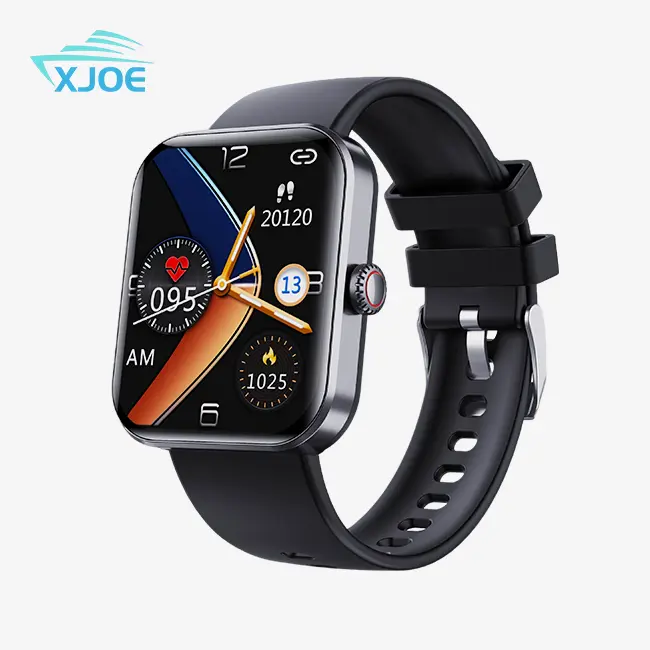
The ECG Spo2 Smartwatch I tested uses both technologies at the same time without affecting how well the battery works. Its 200mAh battery gives you 5–7 days of normal use, which is enough time to keep watching while it's charging. The 1.69-inch TFT screen with a resolution of 240x280 shows information clearly while you work out or do quick health checks.
Real-World Applications Beyond Personal Fitness
Wearable health tracking devices, including smartwatch ECG Spo2 features, are being used more and more in US corporate wellness programs to lower insurance costs and get employees more involved. Imagine that a logistics company gave workers in a warehouse smartwatches that would let managers know when workers show signs of heat stress, like their heart rates going up and oxygen levels falling.
As an addition to in-person meetings, healthcare systems are testing remote patient tracking programs that use consumer-grade ECG devices to keep an eye on patients with long-term conditions. Fitness centers have training programs that use wearable tech. Based on real-time heart rate data sent from members' wrists, instructors change the intensity of workouts.
In these business-to-business situations, devices need to have reliable sensors, long-lasting builds, and data ecosystems that let them connect to existing health platforms. These are the kinds of features that set serious procurement options apart from consumer fads.
How to Choose the Best ECG SpO2 Smartwatch for Your Procurement Needs?
Sensor Accuracy and Certification Standards
The trustworthiness of health gadgets depends on how well they measure things. When I'm looking at providers, I give more weight to devices that have been tested against clinical standards, even if that means getting full FDA clearance for every product level. CE certification means that a product meets European standards, and ISO 13485 certification means that the manufacturing quality systems are right for making medical devices.
Protocols for testing are important during the source step. Ask for proof that the ECG is accurate compared to single-lead medical monitors and that the Spo2 is accurate compared to pulse oximeters. Comparative testing is part of Xizhou's development process to make sure that readings are the same for people with different skin tones and levels of activity. This is a technical problem that many low-cost makers don't take into account.
Battery Life and Charging Convenience
Users are most annoyed by having to charge their devices every day. The magnetic charging method used in good devices makes the process easier, but the usability depends on the battery capacity. A 200mAh battery that can keep measuring heart rate and ECGs continuously for 5 to 7 days is good enough for most people.
Extended battery life is especially helpful for corporate deployments. When devices last the whole workweek, employees are more likely to keep wearing them, and fewer support requests mean less support is needed. When looking for advertising campaigns or health kits for employees, longer battery life is directly linked to higher rates of program compliance.
Durability Features for Active Use
It’s waterproof up to IP67, which means it can handle sweat, rain, and accidental splashes, but not deep water swimming, while the smartwatch ecg spo2 blood pressure monitoring features add extra health-tracking convenience for daily use. The silicone strap and ABS case work together to make a comfortable and durable pair of shoes that can be worn every day without irritating the skin after a while.
I've seen business buyers put looks over reliability, only to have warranty claims come in when gadgets break while they're doing normal outdoor activities. Well-designed health smartwatches weigh 40 grams, which is light enough to wear all day without being too bulky for office workers and field staff to want to do so.
Software Ecosystems and Data Integration
Most smartphone users will be able to use it because it works with iOS 10.0+ and Android 6.0+, but the companion app is what makes users interact with their health data. Look for systems that let you look at past trends, send reports to healthcare providers, and change the levels at which alerts are sent.
For enterprise clients to add wearable data to wellness portals or employee health management systems that are already in place, they often need access to APIs. If you are looking for suppliers for business accounts or to build a private-label brand, you should give preference to those who offer white-label app solutions or clear integration paths.
Top ECG SpO2 Smartwatches for Fitness and Wellness in 2026: A Comparative Review
Budget-Conscious Options for Volume Orders
Health tracking that works well doesn't always have to cost a lot. In addition to standard exercise features like step counts, calorie estimates, and sleep stage analysis, devices in the $50–$80 wholesale range now come with real ECG and Spo2 monitors. These basic choices are good for companies that make promotional items like health kits with their logo or for stores that want to see how much demand there is in the market before committing to more inventory.
The ECG Spo2 Smartwatch from Xizhou is at this easy-to-use level, but its sensors still work at a clinical level. It's about 40 grams heavy and has modes for running, riding, swimming, hiking, jump rope, and yoga, so it can fit a wide range of users' tastes. The 24/7 heart rate tracking works all the time without draining the battery too quickly. This is an impressive technical feat that shows the difference between good engineering and rushed product development.
Premium Alternatives and Market Positioning
Apple, Samsung, and Withings are well-known consumer brands that can charge higher prices because of their advanced features, such as ECG apps that have been cleared by the FDA, cellular connections, and complex health formulas. These gadgets help you teach customers about your other products by showing them how your mid-range choices are useful alternatives that offer basic features without charging a lot of money.
How you position yourself depends on the people you want to sell to. Value-focused marketing that emphasizes cost and important features is often effective for Amazon sellers and TikTok Shop brands. Healthcare OEMs and corporate procurement managers may value the ability to customize and long-term support more than the prestige of the brand.
Sports-Specific Features That Drive Purchase Decisions
Wearable tech is judged differently by serious sports and casual exercise fans. Their choices are affected by features like GPS integration, workout intensity zones, recovery time suggestions, and metrics that are specific to the sport. Basic health smartwatches might not have GPS built in, but connecting to a smartphone lets you track your route while you're outside without making the device much more expensive.
Comprehensive health watches can track your sleep and figure out how well you're sleeping by telling the difference between deep, light, and REM sleep. This information helps endurance athletes plan their workouts around their recovery needs, and it's also used by corporate wellness programs to measure people's overall health, including how well they sleep. With these additions, simple step counts become real tools for managing your health.
Smart updates, like calls, texts, and app alerts shown on the wrist, let people stay in touch without having to check their phones all the time. This connectivity is a middle ground between fitness trackers and full smartwatches, making it appealing to professionals who want to learn about their health and be more productive at work.

Conclusion
To choose the best ECG Spo2 Smartwatch for fitness and wellness uses, you need to think about its technical capabilities, how easy it is to buy, and how it will position itself in the market. Devices that have accurate heart rate monitoring, full fitness tracking, and an easy-to-use interface are useful for many B2B uses, ranging from company health programs to building an e-commerce brand.
This balance is shown by the ECG Spo2 Smartwatch, which has clinical-grade sensors, a useful battery life, and a lot of customization choices that allow private label development. As people become more aware of their health, they change how they live. Wellness tools are a great way to stay healthy and fit, and the market will continue to grow thanks to changes in healthcare models and demographics.
Procurement strategies that work focus on building ties with suppliers, making sure quality standards are met, and being able to adjust to changing market needs. When you partner with makers that offer real R&D capabilities and responsive support, you can turn product sourcing from a transactional buying process into a strategic partnership. This is true whether you're opening an Amazon store, growing your Shopify catalog, or looking for workplace wellness technology.
FAQ
1. How accurate are ECG readings from smartwatches compared to medical devices?
Most of the time, consumer smartwatches that can do an ECG are just as good as single-lead medical ECG monitors at finding irregular heart rhythms like atrial fibrillation. Studies of clinical evaluation show that good devices have sensitivity and specificity rates above 90%. But they don't take the place of full 12-lead ECGs, which are used in hospitals to find out what's wrong with people with complicated heart problems. The value comes from continuous tracking that finds intermittent arrhythmias that are easy to miss during short clinical visits. This means that they are more like extra tools than solutions for medical devices.
2. What should I consider for bulk orders as a distributor or Amazon seller?
For initial testing, give priority to suppliers with low minimum order quantities. As you confirm market demand, move up to bulk pricing tiers. Check the lead times for customization, the terms of the warranty, and the level of professional help that is available. These things have a direct effect on how happy your customers are and how many of them return items. Check to see if the seller keeps enough stock so that it can be restocked quickly. This is especially important when controlling the speed of e-commerce sales, as running out of stock of the ECG Spo2 Smartwatch can hurt rankings and income.
3. Can these smartwatches integrate with corporate wellness platforms?
A lot of health tracking devices let you connect to workplace wellness systems through API access or data export. When looking for business clients, make sure that the ecosystem of devices supports the data formats and protection standards that health platforms already use. Some suppliers offer white-label app solutions that can be customized with branding. This is especially helpful for healthcare OEMs or corporate buyers who are putting in place complete wellness programs that need data to move smoothly across multiple touchpoints.
Partner with Xizhou for Your ECG Spo2 Smartwatch Supply Needs
To make your health wearables business work, you need more than just products. You also need an ECG Spo2 Smartwatch supplier who cares about your growth. Xizhou blends advanced AI-powered development with well-established production skills to make smartwatches that are both clinically grade and ready for the market. Our GMP-certified factory, thorough quality control, and quick-to-respond engineering team can handle everything from small test orders to mass production.
We give your business the flexibility and dependability it needs, whether you're an Amazon seller trying out new categories, a Shopify brand that needs custom packaging, or a corporate buyer that's putting wellness programs in place. Our quick delivery times work with the speed of e-commerce, and our large inventory keeps stockout risks to a minimum during busy times.
Reach out to our team at 13266508958@163.com to discuss your specific requirements, request samples, or explore OEM customization options. We'll provide detailed specifications, transparent pricing structures, and partnership terms designed for sustained success.
References
1. American Heart Association. (2023). "Wearable Technology for Cardiovascular Health Monitoring: Clinical Applications and Future Directions." Circulation: Cardiovascular Quality and Outcomes, Volume 16, Issue 4.
2. U.S. Food and Drug Administration. (2024). "Digital Health Technologies for Remote Patient Monitoring: Guidance for Industry and FDA Staff. " FDA Medical Devices Regulatory Documentation.
3. Journal of Medical Internet Research. (2023). "Accuracy of Consumer-Grade Wearable Devices for Measuring Blood Oxygen Saturation: Systematic Review and Meta-Analysis." JMIR mHealth and uHealth, Volume 11.
4. International Organization for Standardization. (2023). "ISO 13485:2016—Medical Devices Quality Management Systems: Requirements for Regulatory Purposes. "ISO Standards Catalog.
5. Global Wellness Institute. (2024). "Corporate Wellness Market Analysis: Technology Integration and Health Outcomes in Workplace Programs." GWI Research Reports, Annual Edition.
6. European Society of Cardiology. (2023). "Clinical Validation Protocols for Electrocardiogram Functionality in Consumer Wearable Devices. "European Heart Journal - Digital Health, Volume 4, Supplement 2.