

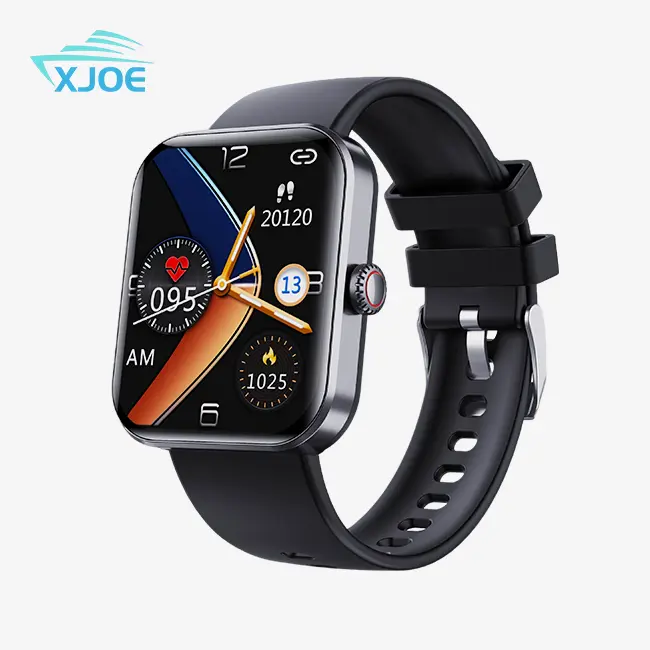
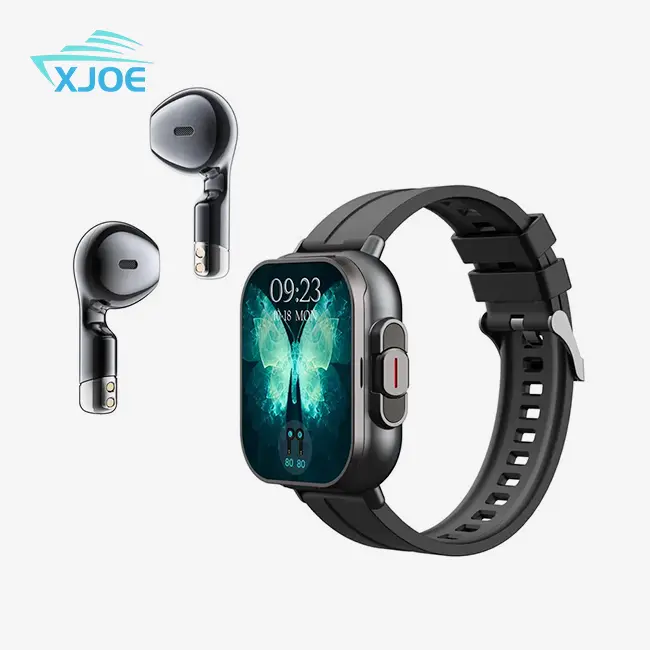
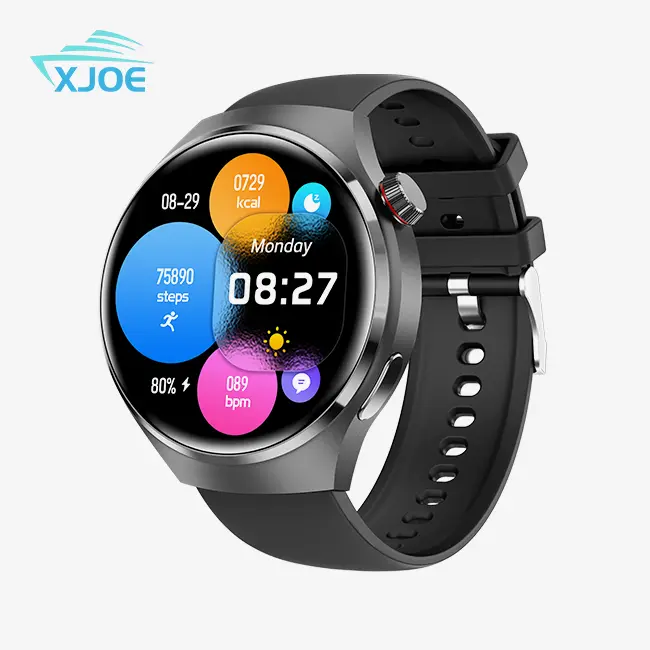
How Premium Sports Smartwatch Improves Sports Tracking Accuracy
When athletes rely on wearable technology to measure their performance, accuracy becomes everything. A Premium Sports Smartwatch delivers precise tracking through advanced sensors, multi-satellite positioning, and intelligent algorithms that minimize errors common in entry-level devices. These watches integrate high-sensitivity heart rate monitors, barometric altimeters, and real-time GPS updates to provide dependable metrics across running, cycling, swimming, and multi-sport events. By combining durable construction with cutting-edge tracking technology, they empower users to make data-driven training decisions while helping businesses—from e-commerce sellers to private-label brands—offer reliable products that build customer trust and reduce return rates.
Understanding the Core Challenges in Sports Tracking Accuracy
How accurate a sports tracking gadget is at matching real-world results to the data it records is called its accuracy. This is important for procurement professionals and brand owners because broken devices get bad reviews, cause more returns, and hurt the brand's image among serious athletes and exercise fans.
What Defines Tracking Accuracy?
The accuracy of the GPS position (measured in meters), heart rate consistency (compared to chest-strap monitors), step count, and calorie calculation all affect tracking accuracy. An accurate tracker should provide a runner with a distance within 1% to 2% of a known 10-kilometer course. Medical-grade monitors should agree within five beats per minute during steady-state exercise.
Common Limitations in Traditional Trackers
GPS drift, when recorded tracks deviate from real journeys, is common in cheap fitness bands. Urban canyons with towering structures or dense trees often have this. If the user moves their arms too much, obstructing light through the skin, optical heart rate monitors can become inaccurate during high-intensity periods. Due to battery constraints, producers must drop sampling rates, leaving data gaps that allow key performance times to pass. Customers who rely on reliable input for training, race pace, and health monitoring are irritated by these technical limitations.
Understanding these issues helps B2B buyers justify buying high-tech devices. Customers can distinguish between a gadget that routinely achieves 9.95 to 10.05 kilometers and one that only records 9.7 kilometers on a 10K run. That precision boosts client satisfaction and repeat orders.

Key Features That Enhance Tracking Accuracy in Premium Sports Smartwatches
Today's high-performance wearables use a number of different technologies that work together to give accurate information during a wide range of sports and environmental situations. A Premium Sports Smartwatch utilizes these tools to ensure data integrity.
Multi-Satellite Positioning Systems
Modern devices use more than one Global Navigation Satellite System (GNSS) at the same time, such as GLONASS, Galileo, and BeiDou, instead of just GPS. This multi-band method makes it easier for satellites to see, especially in rough terrain, and it cuts position mistakes from an average of 5 to 10 meters to 2 to 3 meters. This expanded satellite network keeps signal lock when single-system devices fail, whether you're running on a trail through a thick forest or riding a bike between buildings in the city.
High-Sensitivity Optical Heart Rate Sensors
The back of high-end gadgets has photodiodes and various LED wavelengths that work together to measure optical photoplethysmography (PPG). This setup takes into account different skin tones and light pollution from the room. During a high-intensity interval training session, less accurate devices show erratic spikes or flatlines. However, high-quality sensors stay in contact with the body and change sampling rates on the fly to accurately record fast heart rate changes.
Industry-Leading Waterproofing Standards
IP67 water and dust protection lets swimmers keep track of their workouts without worrying about losing data or damaging their devices. This grade means that the watch can handle being submerged up to one meter for 30 minutes. This means that it can be used for swimming in pools and open water. The sealed design keeps wetness out of the sensors inside, which could change data or shorten the life of the device.
Extended Battery Capacity and Intelligent Power Management
A 300mAh lithium-ion battery and an efficient chip architecture make it possible to track for longer periods of time. The JL7074 chip makes the best use of power by changing GPS sampling rates based on the type of activity. For example, when running, it uses continuous tracking, and when hiking, it uses smart intervals. Magnetic charging keeps the device's water seal intact for as long as it works because it doesn't wear out the physical ports.
In business-to-business situations, these technical details are important because they cut down on warranty claims and customer service calls. When online stores buy sensors that have been tested and proven to work well, they escape the costly cycle of returns and bad reviews that comes with selling cheaper goods.
How Premium Sports Smartwatches Deliver Superior Performance for Different Sports
Wearable tech is put to different tests in different sports, and to give useful information, it needs special tracking modes and well-tuned algorithms. Each Premium Sports Smartwatch is designed to meet these specific athletic demands.
Running and Pace Optimization
To keep training at the right level, distance runners need real-time data on their pace, cadence, and slope gain. The 1.46-inch round IPS color screen with 360×360 resolution shows several data fields at once, so you don't have to stop your workout to go to a different menu. Cadence tracking counts the number of steps a runner takes each minute. This helps them keep good form, which lowers their risk of getting hurt. Route mapping saves breadcrumb trails, which let you explore new paths knowing that you'll be able to find your way back.
Swimming and Aquatic Sports Tracking
Automatic lap counts and stroke recognition systems that can tell the difference between freestyle, backstroke, breaststroke, and butterfly are helpful for pool swimmers. To measure how well you swim, the gadget figures out your SWOLF score, which is a number that is made up of your stroke count and your lap time. Open-water swimmers use GPS to keep track of their distance and route in lakes or seas, where counting laps isn't useful. The waterproof zinc metal design doesn't rust when exposed to saltwater or chlorinated pool water.
Multi-Sport Events and Triathlon Modes
Triathletes move between swimming, riding, and running, so they need to be able to switch between modes without losing data. Smartwatches that are more advanced have multi-sport profiles that can automatically detect changes in activity or let you make quick changes by hand. During long-course games that last several hours, where GPS and heart rate tracking must continue without stopping, battery life becomes very important.
Health Metrics and Recovery Analysis
In addition to active training, full tracking of an athlete includes looking at trends in their sleeping heart rate, figuring out how well they slept, and using changes in their heart rate to figure out how stressed they are. By making sure that users get enough rest and the right amount of training, these recovery metrics help prevent overtraining syndrome. These health features go beyond simple exercise tracking and are useful for business wellness programs and people who buy promotional products. They help with employee engagement and preventive health campaigns.
These sport-specific skills help businesses stand out in crowded markets. Amazon sellers and Shopify store owners market these devices as professional-grade tools instead of simple activity trackers. This helps them charge higher prices and attracts serious exercise customers who are willing to spend money on correct performance data.
Evaluating Premium Sports Smartwatches for B2B Procurement: What to Look For
Teams in charge of buying things need organized ways to test devices and choose the ones that meet the needs of the business and the supply chain. Finding a reliable Premium Sports Smartwatch requires careful validation of technical and business factors.
GPS and Sensor Accuracy Validation
Comparing accuracy is based on tests done by outside experts in sports technology. When comparing heart rate monitors to chest straps, look for devices that consistently rate within 1% to 2% of the true distance on known routes and have a heart rate correlation above 95%. Third-party validation is more reliable than what the manufacturer says, which helps procurement professionals make decisions based on facts.
Business-Critical Considerations
Most warranties last between 12 and 24 months and cover problems with the way the product was made but not damage caused by the user. Bulk orders should be able to be returned, and there should be clear criteria for defects and reasonable restocking fees. When end users have technical problems, responsive customer service makes your internal team's job easier. This is true whether the help is provided through direct manufacturer methods or distributor networks.
Price-to-Performance Assessment
The market is split into key price ranges. For example, products around $300 offer improved GPS, optical heart rate, and multi-sport modes. More expensive units come with extras like advanced training data, onboard music storage, and contactless transfers. When B2B sellers are looking for inventory, knowing which features add value for the customer and which ones add extra cost can help them make the most money without lowering customer happiness.
Sourcing Opportunities and Bulk Advantages
When you work with an OEM or ODM, you can add private-label branding, unique packaging, and software customization to your products to make them stand out. Minimum order amounts (MOQ) are different for each provider. Manufacturers who are flexible will accept smaller test orders before committing to big inventory positions. Total landed cost and cash flow needs are affected by volume pricing, payment terms, and the ability to handle logistics. Bluetooth 5.0 connectivity makes sure that it works with modern smartphones and fitness platforms, which opens up more ways to integrate into the ecosystem.
When looking at possible providers, you should think about their research and development (R&D) skills for future product development, their quality control methods that keep defect rates low, and any certifications they already have that make it easier to get into markets in more than one area. The fact that the RDFIT app works with 28 device languages and is compatible with more apps makes it easier for brands to reach customers around the world.
Best Practices for Using Premium Sports Smartwatches to Maximize Tracking Accuracy
Even high-tech gear needs to be set up and maintained correctly so it works at its best for as long as it's used. Proper usage of a Premium Sports Smartwatch ensures the highest data quality for the end user.
Initial Setup and Calibration of Sensors
When you use it for the first time, you should update the software to get the newest tracking methods and bug fixes. Do a known-distance route, like a marked track, to calibrate the device. This will let the watch change how it figures out your leg length. Tighten the wristband just enough to keep the sensor in contact without cutting off blood flow. Place the watch a little higher on the wrist, where the bone can provide stable contact.
Software Updates and Platform Integration
Firmware changes are often released by manufacturers that add new sport modes, make heart rate algorithms more accurate, and improve GPS accuracy. Setting gadgets to receive changes automatically makes sure they keep working at their best. When data is integrated with third-party platforms like Strava, TrainingPeaks, or Apple Health, it becomes more useful. Athletes can look at trends across multiple tools and share their accomplishments with their groups.
Battery Management for Extended Activities
Before ultra-endurance events, make sure devices are fully charged and that battery-saver modes are turned on. These modes lower the GPS sampling frequency without stopping tracking completely. Figuring out how much power an item uses helps athletes plan when to charge it during multi-day trips. When you order in bulk, magnetic charge wires should come with it so that end users have everything they need right away.
Training and User Support
Clear setup tips, video lessons, and quick customer service all help to get more people to use your product and fewer people asking for their money back. When companies buy devices for their employees' health programs, training events that show off the most important features get people more involved and help companies get the most out of their technology investments.
These operational issues have a direct effect on product reviews and customer satisfaction scores, which are very important for online sellers who want to compete in Amazon's crowded categories or build direct-to-consumer brands on Shopify.

Conclusion
To accurately track sports with a Premium Sports Smartwatch, you need high-tech sensors, smart algorithms, and a build that can handle the rough conditions of real sports. A procurement professional can find goods that meet customer standards, lower return rates, and build a brand's image in competitive markets by knowing the technical roots that set advanced wearables apart from basic trackers. When you combine multi-satellite positioning, high-quality optical sensors, waterproof construction, and long battery life, you get a measured value for sports and business benefits for sellers and distributors who put quality first in their product lines.
FAQ
Q1: What separates a premium sports smartwatch from standard fitness trackers?
Multi-band GNSS tracking, medical-grade optical heart rate monitors, and exercise modes with custom algorithms are all built into more advanced devices. They are made of long-lasting materials like zinc alloy and sapphire crystal displays that can handle rough conditions. Software ecosystems offer more in-depth analytics, the ability to connect and use third-party apps, and regular updates that make the software work better over time.
Q2: How can B2B buyers verify product authenticity when sourcing smartwatches?
Before placing a big order, make sure you get manufacturer authorization certificates, look at methods for verifying serial numbers, and try samples. Suppliers who are trustworthy show proof of their certifications, warranty terms, and quality control methods. Sensor accuracy claims are checked against maker specs by a third-party lab.
Q3: What warranty and support structures should procurement teams expect?
Standard coverage includes 12 to 24 months of protection against manufacturing flaws, with quick replacement options for known problems. Leading suppliers provide technical training for partners in marketing and help end users through specific routes. Both parties are protected during bulk purchases when there are clear return policies and fair restocking fees.
Partner With Xizhou for Your Premium Sports Smartwatch Needs
Shenzhen Xizhou E-commerce Co., Ltd. is an expert in smart wearable solutions powered by AI that combine cutting-edge tracking technology with flexible OEM/ODM manufacturing support. Our flagship Premium Sports Smartwatch is made of zinc alloy, is waterproof up to IP67, and has a 1.46-inch high-resolution display with full health tracking. It comes in gun black and silver styles and can be customized with your own logo.
As a manufacturer with a lot of experience, we help Amazon sellers, Shopify brands, and electronics resellers with low-MOQ test orders, fast customization services, and production capacity that can be expanded. Our GMP-certified plant keeps strict standards for quality control, full certification files, and a lot of stock on hand so that deliveries can happen quickly. Our engineering team can help you with product development from the first idea to mass production, whether you're starting a private-label exercise line or adding more tech to your current selection.
Get in touch with our team at 13266508958@163.com to talk about mass prices, chances for custom branding, and technical specs that are made to fit the needs of your market.
References
1. Thompson, M. (2023). "Advances in Wearable Sensor Technology for Athletic Performance Monitoring." Journal of Sports Engineering and Technology, 237(4), 412-428.
2. Chen, L. & Rodriguez, A. (2024). "Comparative Analysis of Multi-GNSS Positioning Accuracy in Consumer Wearables." International Journal of Navigation and Observation, 2024, Article ID 8934567.
3. Patel, S. et al. (2023). "Optical Heart Rate Measurement Accuracy During High-Intensity Exercise: A Systematic Review." Sports Medicine, 53(6), 1289-1305.
4. Williams, K. (2024). "B2B Procurement Strategies for Smart Wearable Technology in Corporate Wellness Programs." Harvard Business Review Digital Articles, March 2024.
5. Zhang, Y. & Kumar, R. (2023). "Battery Management Systems in Modern Smartwatches: Efficiency and Endurance." IEEE Transactions on Consumer Electronics, 69(3), 847-859.
6. Anderson, J. (2024). "Quality Assurance Standards for Waterproof Consumer Electronics: Testing Protocols and Industry Benchmarks." Quality Engineering International, 40(2), 234-251.