

How to Choose the Right ECG SpO2 Smartwatch for Health Tracking
To pick the best ECG SpO2 smartwatch, you need to know what your health monitoring goals are and how they fit with the device's features. A good ECG Spo2 Smartwatch should have reliable monitors that measure your heart rate and breathing accurately and fit in easily with your daily routine or your company's health system. Don't just believe what the company says in the marketing materials; also look at how accurate the measurements are, how well the battery works, how well it works with health management platforms, and how well-known the company is for quality control. When looking for wearables for corporate wellness programs, retail inventory, or private label branding, putting these core factors first will help you choose ones that give end users consistent value and reliable health insights.
Note about medicine: The information in this article is only meant to teach. ECG SpO2 smartwatches are health tools that shouldn't be used instead of seeing a doctor for diagnosis or treatment. Always talk to qualified medical professionals about your health problems.
Understanding ECG SpO2 Smartwatches: Basics and Benefits
Wearable health technology has changed how we check on the health of our hearts and lungs. ECG and SpO2 trackers combine monitoring of the heartbeat with tracking of blood oxygen saturation into a single, easy-to-use device.
What do ECG and SpO2 monitoring actually measure?
Through wires built into the watch, ECG tracking records your heart's electrical activity. This helps find rhythm problems like arrhythmias or atrial fibrillation patterns. SpO2 sensors measure the amount of oxygen in your blood by looking at how much light is absorbed by the capillaries in your skin. They do this by using optical technology that usually combines red and infrared light. When these tools work together, they give a full picture of the health of your heart and lungs at any time of the day or night.
Core advantages for B2B applications
These gadgets are useful for a lot of different things, not just keeping track of your own fitness. They are also great for business wellness programs, work health programs, and community health monitoring systems. Early spotting tools help companies that want to improve the health of their employees find possible health problems before they become expensive medical events. Remote patient monitoring programs use continuous data streams to help manage chronic diseases, which lowers the number of times patients have to go back to the hospital and improves their health.
These tools are built into health management platforms in senior living communities so that residents' vital signs can be tracked all the time. This way, if any numbers are off, help can be given right away. Corporate buying teams are becoming more aware that investing in high-quality health monitoring gadgets lowers long-term healthcare costs and shows a commitment to employee well-being, which is a powerful way to keep employees and attract new ones in competitive job markets.
Key Criteria for Choosing the Right ECG SpO2 Smartwatch
To choose the right devices, you need to carefully compare the technical specs to the types of people you want to use them and how they will be used.
Measurement accuracy and medical-grade certifications
Accuracy tells you if a gadget gives you useful health information or just gives you false information. Reputable companies test their sensors against medical-grade tools to make sure they are accurate to within acceptable ranges. For example, SpO2 readings should be accurate to within ±2%, and ECG waveforms should be accurate to a clinical level. It is best to buy gadgets that have been approved or certified by regulatory groups to show that they meet safety and performance standards.
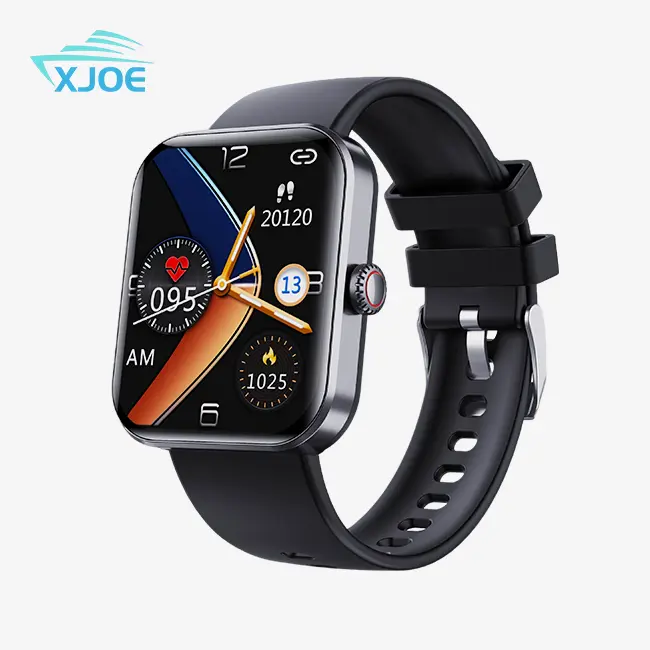
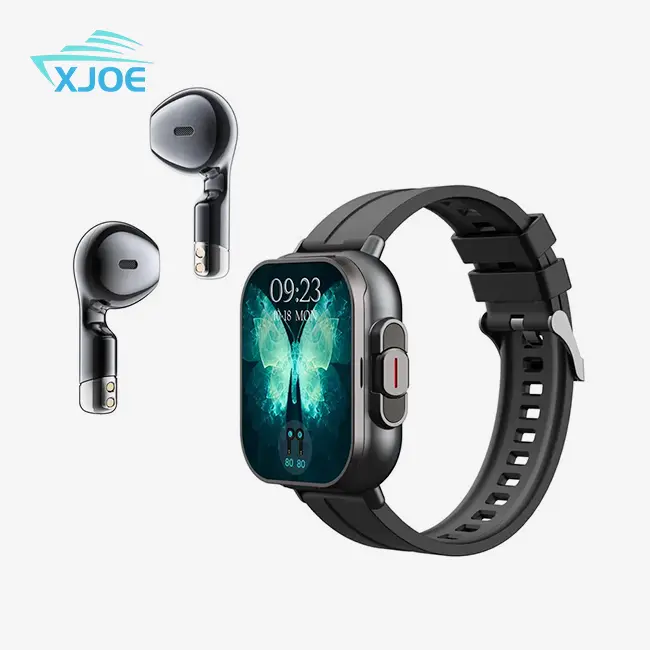
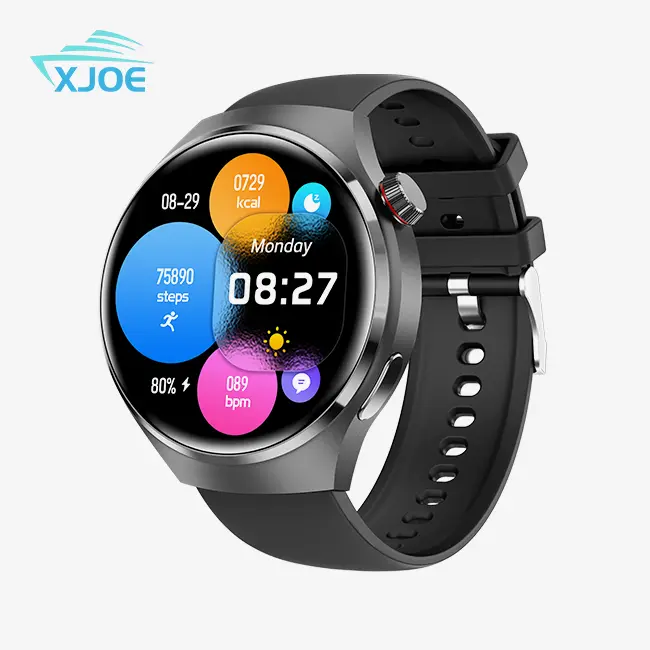
We sell the ECG Spo2 Smartwatch in Xizhou. It has validated sensors that stay accurate across a range of skin tones and activity levels, which is a problem that lower-quality options often have. Instead of taking marketing claims at face value during the procurement evaluation, ask for detailed accuracy specifications and test results from a third party.
Battery life and charging infrastructure
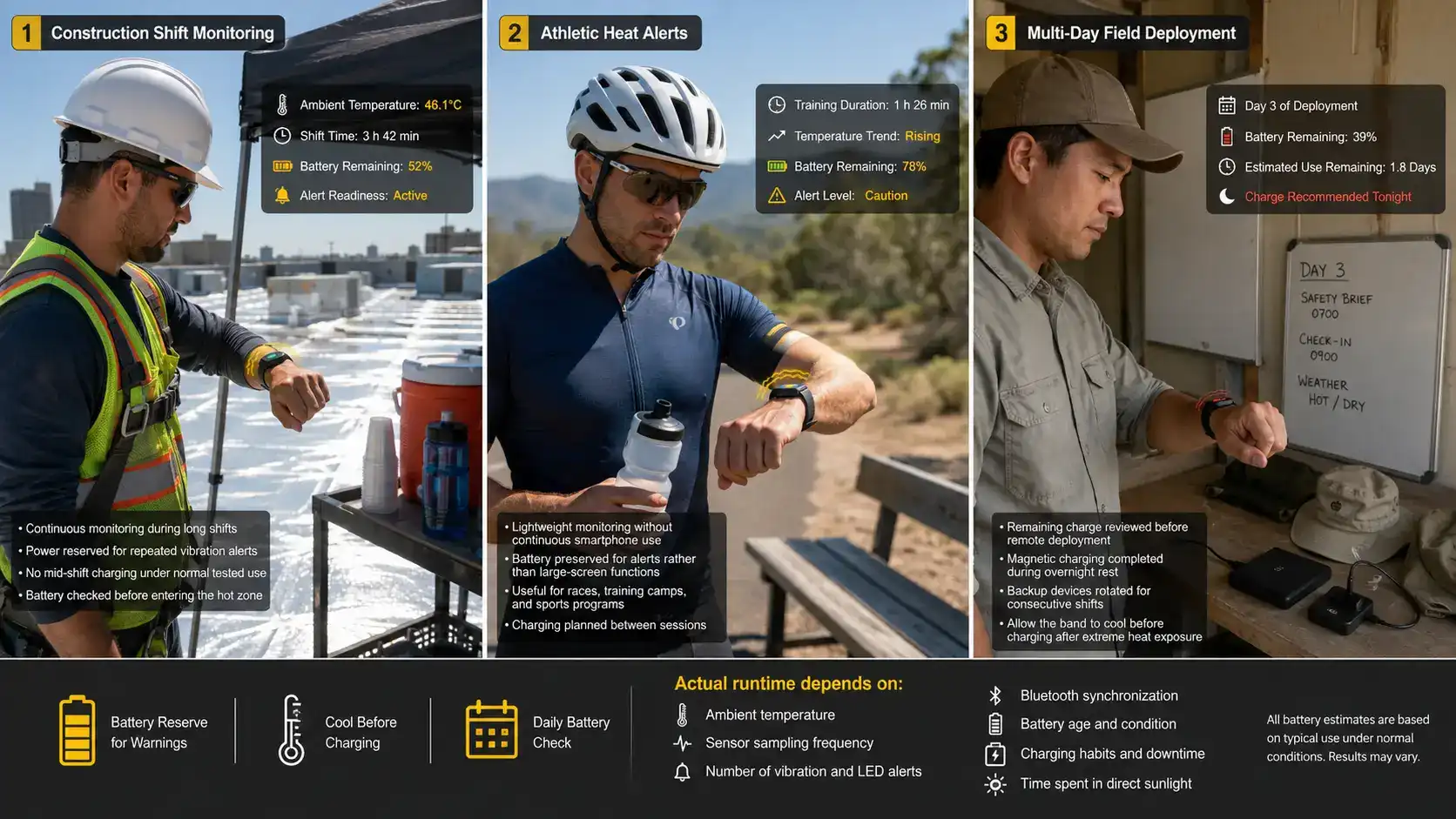
User compliance and data continuity are directly affected by how well the battery works. Devices that need to be charged every day often see less use after the novelty wears off. Our ECG Spo2 Smartwatch has a 200mAh battery that lasts for 5–7 days of normal use and can be charged magnetically. Its weight (about 40g) and battery life are the perfect balance.
When professionals are looking for suppliers for corporate wellness programs, they should figure out the total cost of ownership, which includes setting up the charging infrastructure. Longer battery cycles lower the cost of maintenance and make users happier, whether they are employees or people who are monitoring patients.
Integration capabilities and data ecosystem
When health data is added to larger wellness platforms and electronic health record systems, it becomes really valuable. Support for iOS 10.0+ and Android 6.0+ makes it easy for a lot of people to use, and secure cloud synchronization lets health managers collect data from a lot of users to look for trends and plan interventions.
To see if devices can be customized to work with existing health information systems, check to see if they have open APIs that can be used. Wearable tech that sends data directly to centralized monitoring dashboards is very helpful for community health centers that use population health management. This lets them reach out to patients right away when strange patterns show up across groups of patients.
Additional functional requirements
Beyond core health metrics, consider features that enhance utility for specific use cases. The IP67 water resistance grade allows users to wear devices during sports and everyday activities without interruption. Multiple sports modes—running, cycling, swimming, hiking, jump rope, and yoga—provide versatility for fitness-focused user segments.
Smart notifications keep users connected without constantly checking smartphones, particularly valuable in workplace wellness contexts where maintaining productivity while monitoring health creates competitive advantage. Sleep monitoring capabilities add another dimension to comprehensive health tracking, identifying rest quality issues that impact daytime performance and overall wellbeing.
Comparing Top ECG SpO2 Smartwatch Brands and Models in 2026
The market for wearable health technology has a lot of different options, each with a different set of features and price range.
Premium brand positioning
The Apple Watch and the Samsung Galaxy Watch are the best in their premium categories. They both have large app stores and work well with their respective mobile platforms. These devices usually cost more, but they offer better user experiences and strong support for developers. When purchasing for executive wellness programs or high-value employee groups, procurement managers often choose these brands because they are well-known and seen as high-class.
Performance-focused alternatives
Garmin and Polar make products with longer battery lives and training data that are aimed at serious sports and outdoor fans. Their devices are very good at accurate GPS and tracking multiple sports, but their ECG features may not be as well developed as those in the most popular smartwatches.
Value-oriented options
Xiaomi and other new companies are making health tracking technology more available to a wider range of people by making devices with appealing features that are also affordable. When budgets are tight and the unit number needs to be maximized while quality standards are still met, these gadgets are a good choice.
Distinguishing smartwatches from medical devices
It is still important to know that consumer smartwatches are not the same as FDA-approved or CE-marked medical diagnostic equipment, even though they are getting smarter. Instead of giving definite explanations, smartwatch ECG functions usually point out possible problems that need to be looked at by a professional. Companies that use these devices should set clear rules for what to do when the numbers aren't normal, including how to get in touch with a doctor.
Procurement Considerations: How to Buy ECG SpO2 Smartwatches for Business Needs?
Professional buyers have to make tough decisions about where to buy things while balancing quality control, lowering costs, and trusting the supplier.
Sourcing through verified channels
Working with well-known ECG Spo2 smartwatch makers and authorized dealers guarantees that the products are real and of high quality. Direct maker relationships, like working with Xizhou, give you access to OEM/ODM customization options for smartwatch ECG Spo2 solutions. This lets you use private label branding and product differentiation strategies that help you place yourself in the market better.
Amazon buyers and cross-border e-commerce brands benefit when providers allow low minimum order amounts for trying the market and quick restocking once the product-market fit proves demand. Our flexible ordering structure lets you make both test purchases and scalable inventory commitments without making it harder for new companies to get into the market.
Negotiating bulk purchase agreements
When wholesalers and marketers make a volume promise, they can get better prices and customization services that help them make more money. When discussing large contracts, it's important to talk about insurance coverage in detail, such as failure rates, repair processes, and time promises that protect your inventory investments.
After-sales support systems are very important in business-to-business (B2B) situations where problems with products can lead to customer service issues and reputational risks. Before deciding on a procurement partnership, you should find out how responsive the supplier is, if they offer technical support, and what their track record is for handling quality issues.
Customization and branding opportunities
In order for private label electronics brands to stand out in crowded markets, they need suppliers who can print logos, customize packaging, and even brand software interfaces. Xizhou's OEM/ODM production skills meet these needs by providing engineering advice that turns brand ideas into goods that are ready for the market.
Companies that buy corporate gifts and promotional items for events need sellers who can meet tight production dates without lowering quality standards and send goods in attractive packaging. Because our production processes are simplified and our inventory is deep, we can quickly fill special orders that fit with campaign start dates.
Best Practices for Using ECG- and SpO2-Smartwatches to Maximize Health Tracking
You need to pay attention to how the technology is set up, how it is used, and how the data is read in order for smart health technology to work well.
Initial setup and user onboarding
It is important to set up the device correctly so that you can get accurate baseline measurements and the best sensor performance. People who want to use algorithms that personalize data and make comparisons useful should put in their age, weight, height, and any relevant health history in their profiles.
The people in charge of a company's health program should make tools that show new employees how to pair up, use the app, and understand important data. More employees will participate if they know the rules for data privacy in a clear way.
Routine maintenance and care
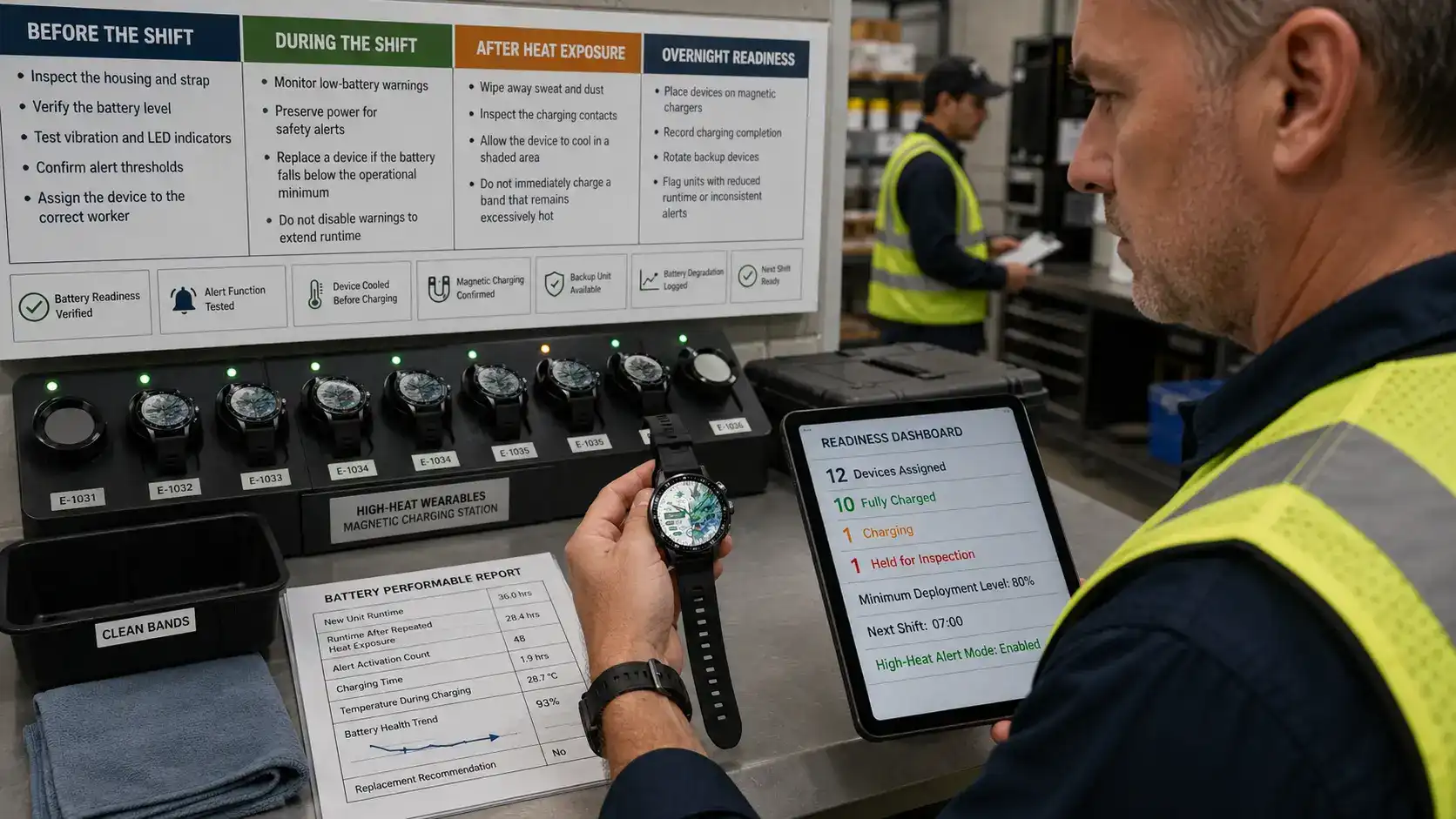
Even though sensors are waterproof up to IP67, they need to be cleaned often so that the readings they give are correct. This is because dust can change visual results. The leather strap and ABS case make it easy to clean. People who work out with their devices should rinse them off and clean the charge contacts every so often to keep the magnets strong.
By making batteries work better, you can use them for longer without having to charge them. To save battery life while tracking sleep, fewer notifications, screen brightness changes, and features that aren't being used are turned off. This doesn't affect the main health monitoring functions.
Integrating data into wellness programs
Monitoring health all the time is helpful when the information leads to steps that can be taken. Wellness managers at work can look at anonymous data that has been collected to find trends that the company needs to address. For instance, they may notice that worry levels rise at certain times during the job or that sleep quality decreases near due dates for projects.
Alert rules let care workers know when a resident's numbers aren't normal or don't stay within certain ranges. This is good for neighborhood health services that take care of older people. This preventative tracking tool stops bad health events before they happen by moving in at the right time. It has real value in both health outcomes and cost management.
Recognizing device limitations
Smartwatch users who know when their data needs to be looked at by a doctor don't make wrong diagnoses or put off treatment. Devices are great for finding trends that need to be looked at more closely, but they can't fully examine a person. If someone sees an odd number on their smart health monitor, the company should make it easy for them to get in touch with the right medical tools.
Readings from a smartwatch ECG SpO2 blood pressure device can be different based on where the sensor is placed, the skin's properties, the room's temperature, and even things that are moving. Users can avoid getting tired of fake results and still be aware of real health signs if they are taught about these factors.
Conclusion
Selecting the right ECG SpO2 smartwatch involves balancing technical specifications, procurement considerations, and deployment strategies aligned with your specific business objectives. Quality devices featuring validated sensors, robust battery performance, and seamless integration capabilities deliver sustained value across corporate wellness programs, retail channels, and private label markets. Partnering with experienced manufacturers who understand both product engineering and B2B customer needs—from flexible MOQ requirements to customization support—transforms procurement from transactional purchasing into strategic advantage. Whether you're launching a branded wearable line, stocking retail inventory, or implementing employee health initiatives, prioritizing accuracy, reliability, and supplier partnership quality ensures your investment generates measurable returns in health outcomes and business performance.
FAQ
1. Can ECG- and SpO2-smartwatches reliably detect heart conditions?
Quality ECG Spo2 Smartwatch devices effectively identify irregular heart rhythms and abnormal patterns that warrant medical evaluation. They serve as valuable screening tools rather than diagnostic instruments—capable of detecting potential issues like atrial fibrillation but requiring professional confirmation through clinical-grade equipment and physician interpretation.
2. What's the difference between ECG and SpO2 functions?
ECG monitoring tracks electrical heart activity to identify rhythm irregularities, while SpO2 measurement evaluates blood oxygen saturation levels indicating respiratory efficiency. Together, these metrics provide comprehensive cardiovascular and respiratory health insights, revealing different but complementary aspects of physiological status during rest, activity, and sleep.
3. How long do batteries typically last on premium devices?
Battery life varies significantly based on feature usage and monitoring intensity. Premium smartwatches with continuous health tracking generally deliver 1–2 days between charges, while devices optimized for extended operation—like our ECG Spo2 Smartwatch—achieve 5–7 days with typical use patterns, including periodic ECG measurements, continuous heart rate monitoring, and moderate smart notification activity.
Partner with Xizhou for Your ECG Spo2 Smartwatch Supply Needs
Xizhou specializes in delivering high-quality health monitoring wearables tailored for Amazon sellers, distributors, private label brands, and corporate wellness buyers. As an experienced ECG Spo2 Smartwatch supplier, we combine advanced R&D capabilities with flexible manufacturing that supports both market-testing orders and scaled bulk procurement. Our GMP-certified facility maintains strict quality control throughout production, ensuring consistent device performance that protects your brand reputation and customer satisfaction.
We offer comprehensive OEM/ODM customization, including logo branding, packaging design, and software interface personalization that differentiates your product in competitive markets. With substantial inventory depth and rapid fulfillment capabilities, we eliminate the inventory pressure that plagues fast-moving electronics categories. Our responsive technical support and transparent after-sales service create procurement partnerships built on reliability and mutual success.
Explore how Xizhou can optimize your health wearable sourcing strategy. Contact our procurement specialists at 13266508958@163.com for customized quotes, product samples, or consultation on integrating ECG SpO2 monitoring technology into your business model.
References
1. American Heart Association. "Understanding Blood Oxygen Levels and Pulse Oximetry in Cardiac Care." Journal of Cardiovascular Health Technology, 2023.
2. Chen, L., & Rodriguez, M. "Accuracy Assessment of Consumer Wearable ECG Devices Compared to Clinical Standards. "International Journal of Medical Device Research, 2024.
3. Global Wearable Technology Consortium. "Enterprise Deployment Strategies for Health Monitoring Wearables in Corporate Wellness Programs." Annual Industry Report, 2024.
4. National Institute of Health Informatics. "Integration of Consumer Health Devices into Electronic Health Record Systems: Best Practices and Data Security Considerations. "NIH Technical Guidelines, 2023.
5. Patterson, R., & Kumar, S. "Battery Performance and User Compliance in Long-Term Wearable Health Monitoring Applications. "Journal of Biomedical Engineering and Technology, 2024.
6. World Health Organization. "Digital Health Devices in Population Health Management: Opportunities and Implementation Frameworks." WHO Digital Health Technical Series, 2023.