

High Temp Warning Band battery performance in high temperature zones
At that point, you don't want things to break down because it's too hot outside. A small but important 120mAh battery is needed for the high-temperature warning band to work. Its job is to keep an eye on the temperature and let you know when things get too dangerous. In hot places, how does this smart thing work? People who count on it for safety in hot weather should know. These people do things like work in building, play sports, enjoy the outdoors, and buy gear for their teams. You have to believe a battery even if it says it works well in very hot weather. Lithium batteries, which are used in a lot of smart tech, can lose some of their power, drain faster, and not last as long if they get above 35°C (95°F). What about the hot spot alert band? It's designed to work in temperatures ranging from 0°C to 50°C. It can still keep track of things and send alerts even when it's too hot outside for most things. We need to make sure that the lights and sounds go off at the right time to keep you safe before the heat stress gets too bad.
Understanding High Temp Warning Bands and Their Battery Challenges in Extreme Heat
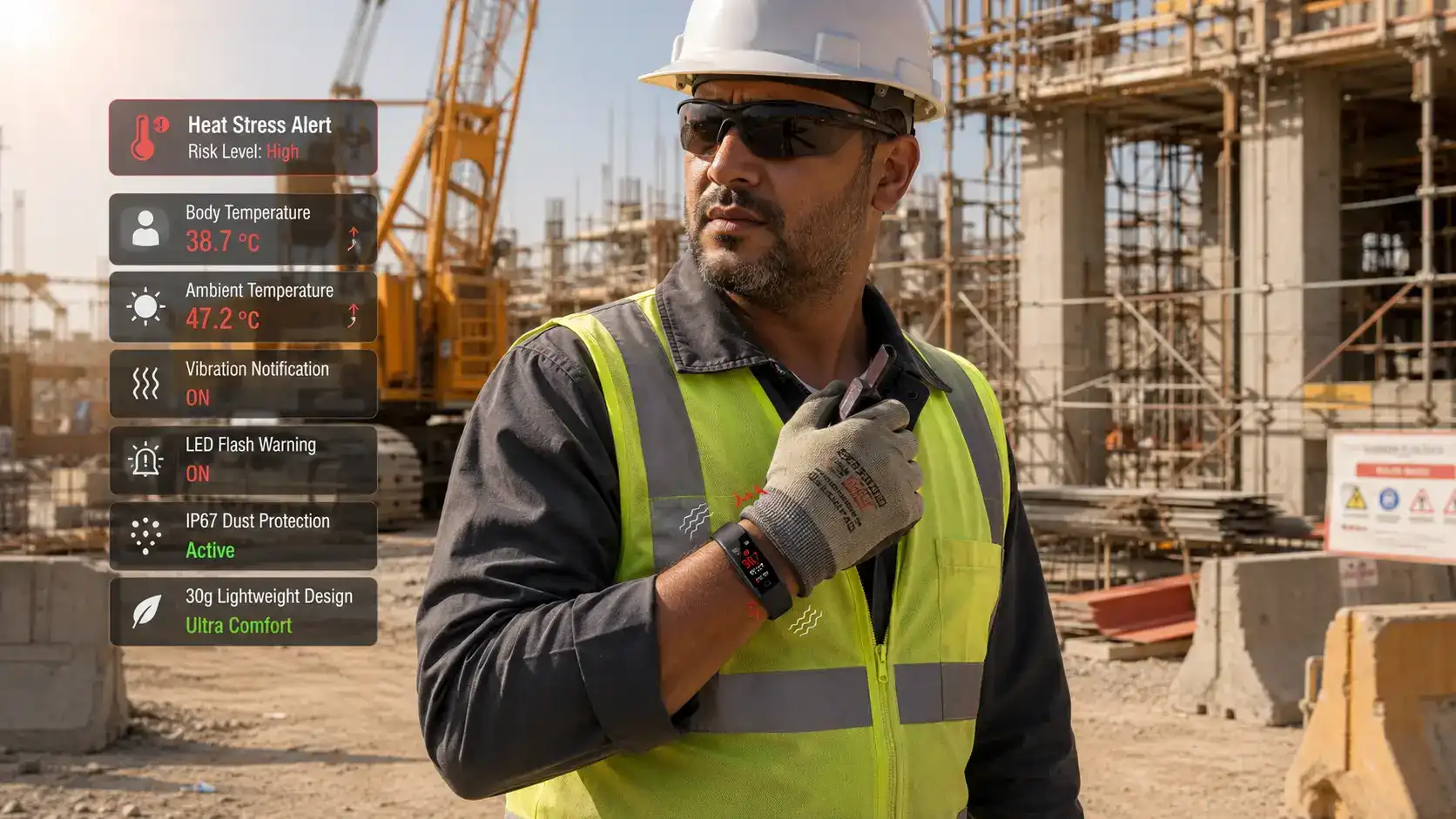
High temperature warning bands are a big step forward in technology for personal safety because they combine smart alert systems with a constant record of temperature. The Xizhou High-Temp Warning Band checks both your own body temperature and the temperature of the area around you. The band lights up and moves to let you know right away when the numbers go over the safe range. This gadget is very light—it only weighs 30 grams—and strong. It has an ABS case and a 250mm rubber strap that can bend. It is waterproof up to IP67, and the battery lasts for five days on average.
How Does Heat Affect Lithium Battery Chemistry?
These days, most electronics use lithium-ion batteries because they can be charged over and over. This is because high temperatures speed up chemical reactions inside battery cells. This makes the internal resistance and rate of self-discharge go up. It can lose 10 to 20% of its power when it's warmer than 40°C (104°F). This is in comparison to 20 to 25°C. This is fixed by the High-Temp Warning Band's smart power management algorithms, which scan the temperature all the time to make the best use of energy. This makes sure the device works even when it's out in the heat for a long time, like on a building site, in a field or at an endurance race.
Real-Time Monitoring Without Compromising Battery Life
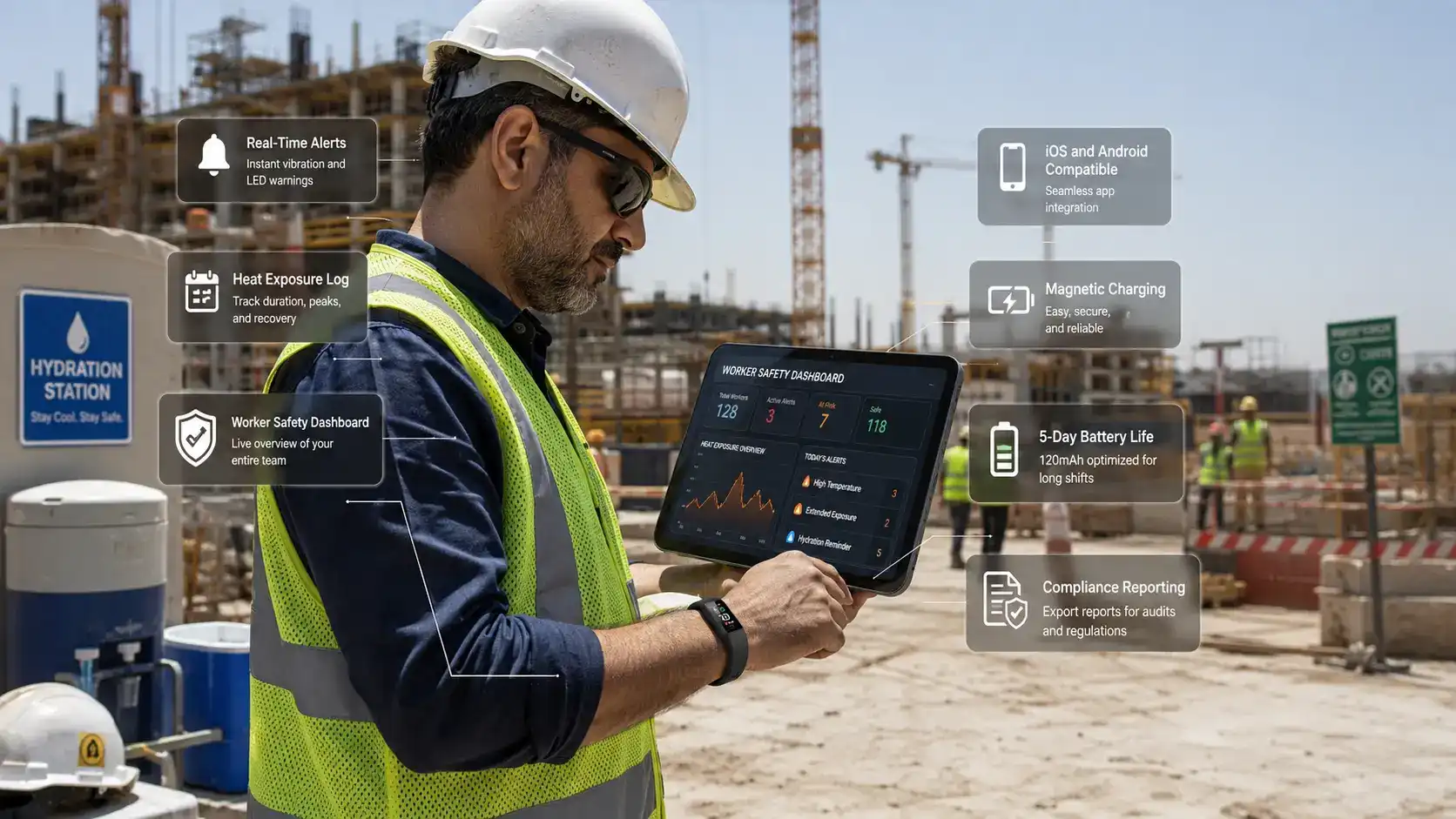
Usually, keeping an eye on temperatures all the time quickly drains batteries. On the other hand, the High-Temp Warning Band's battery lasts for five days thanks to smart duty cycling and sensor technology that works well. The device measures temperature at the most optimal times, which strikes a balance between speed and energy economy. It puts alert readiness ahead of background tasks when temperatures rise in the environment. This makes sure that shaking and LED lights always turn on when temperature limits are reached. This way of thinking about design is especially useful for warehouse workers who have to work 8–10-hour shifts in hot weather or for people who have to work outside in the sun for long periods of time without charging stations.
Comparing Battery Performance: How the High Temp Warning Band Stands Against Heat?
How well different temperature tracking systems keep batteries working when they are very hot is very different. Buyers, safety directors, and buying managers can make better decisions when they know about these differences.
Electronic Sensors vs. Smart Wearable Bands
In the past, electronic temperature monitors had to be plugged into an outside power source or had their batteries changed often, which made them less useful for workers who were on the go. For example, the High Temperature Warning Band has magnetic charging and batteries that can be used more than once. This means you don't have to throw away batteries and can charge them overnight. Compared to smartphones or fitness trackers, the 120mAh battery may not seem like much, but it's just right for the device's monitoring functions, and it doesn't get too big or heavy to wear while doing physically demanding activities.
Thermal Management Features That Protect Battery Health
Extreme heat not only slows down a battery right away, but it can also damage cells in a way that makes the device less useful over time. It has thermal safety circuits that stop charging the High Temp Warning Band if it gets too hot. This stops the dangerous charging of lithium cells above 45°C. From direct sunlight, the rubber strap and ABS case keep the battery area cool while still letting air flow. The device goes from being a simple watch to a tough tool that can be used every day in tough places like gardening, on roofs, or while training for sports outside in temperatures that regularly rise above 40°C.
Selecting and Deploying High Temp Warning Bands for Your Workforce or Personal Use
To pick the best temperature tracking device, you need to think about how it will be used in real life, how well it needs to work with other devices, and how well it needs to perform.
Key Specifications for Hot Climate Applications
From 0°C to 50°C, the high-temperature warning band can be used. This covers most settings that people can handle, from cold storage rooms to construction sites in the heat. The device is waterproof up to IP67, which means that sweat, rain, and drops from heights will not hurt the battery or sensors. It is easy for users to share their info across most current smartphones because it works with iOS 10.0+ and Android 6.0+. This lets them see how the temperatures change over time and change the levels of alert based on how much heat they can handle or the rules for safety at work.
When sales teams need devices, Xizhou's OEM/ODM services can help because they let you make the devices fit your needs. A lot of the time, Amazon sellers and e-commerce brands "private label" these bands. This means that they put their own names on the package but keep the safety features that keep users safe. People of all body types can wear it for long amounts of time without getting tired because the band length can be adjusted and the weight is only 30 grams. This is important for people who have to follow company health programs or safety equipment policies.
Battery Maintenance Best Practices for Maximum Longevity
If you take good care of your batteries, your gadget will last longer and always work for as long as you own it. People can charge their bands magnetically while they sleep, so when they wake up, the batteries are fully charged. This makes daily tasks easier. It's best not to charge right away after being in a very hot place. Giving the device 15 to 20 minutes to cool down will protect the battery cells from thermal stress. When you can, keep devices that aren't being used in climate-controlled areas. This is very important if you are saving goods for people who work part-time or deliver things at events.
You can charge the battery hundreds of times, but it will lose some of its power over time. If you take good care of it, it should last for two to three years. These maintenance tips should be given to end customers by suppliers and buyers in bulk. Customer satisfaction will go up, and there will be fewer warranty claims. Before building teams or outdoor leisure groups, use these devices. Safety managers should set up charging station rules to make sure the devices are always ready to go without putting too much on the shoulders of each worker.
Real-World Performance: High-Temp Warning Bands in Action
When lives and health are at risk, any safety device is really put to the test when it has to work reliably in the real world.
Construction Sites and Industrial Applications
Concrete or metal roofs, direct sunlight, and hard work all make it even more dangerous for building workers to be outside in the heat. It's easy to use tools and safety gear while the High Temperature Warning Band keeps an eye on things at all times. Even when there is a lot of noise on a job site, vibration alerts can be heard, and LED lights can be seen even in bright sunlight. Project managers who buy devices to keep their crews safe don't have to worry about charging them in the middle of the week, which could leave workers vulnerable. The five-day battery life is great for this reason.
The 50 people who worked for an Arizona roofing company were all given high-temperature warning bands during the summer. One hour before workers started to show signs of heat exhaustion, the devices told them when their body temperatures were getting too high. They could take breaks and drink water when it was time. It didn't matter that the temperature rose above 45°C (113°F) in the afternoon; the battery still worked fine. This proved that the thermal engineering behind the device worked as planned. Compared to the previous year, this proactive method cut cases linked to heat by 73%, showing a clear ROI that goes beyond just following the rules.
Athletic Training and Outdoor Recreation
When endurance athletes train for marathons, triathlons, or cycling races, they push their bodies to the point where heat stress is a real issue. When athletes train hard, which is good for them, the High Temp Warning Band works as a heat stress monitor to help them tell the difference between normal exertion and getting too hot, which can be harmful. So, they can use data to decide how intense to work out and how long to rest between sessions. When coaches buy devices for youth sports teams, they can rest easy knowing that the kids will get objective alerts that aren't based on how the kids think they feel.
The five-day battery life is great for trips that last more than one day and don't have access to charging stations. It's necessary for trail runners and walkers who like to explore country places. It's light and waterproof up to IP67, which is helpful when crossing rivers or when it starts to rain quickly. You don't have to carry around extra safety gear either. Monitoring apps for smartphones drain phone batteries that are needed for navigation and emergency communication. On the other hand, the High Temp Warning Band only protects certain devices and doesn't affect other important ones.
B2B Applications: Corporate Wellness and Event Management
Companies that are ahead of the curve and offer full wellness programs for their employees know that heat stress is a major health issue at work, especially for office workers, delivery drivers, and field service technicians. When you buy a lot of high-temperature warning bands, you can put them on a large, spread-out workforce and set the level of alert that fits the safety rules of each company. Integration with current health tracking systems through iOS and Android support gives full data tools that find high-risk settings and show that cooling solutions work.
People who work at or go to outdoor events like concerts, races, or farm shows and get sick from the heat may be sued by the people who put on those events. Providing high-temperature warning bands to staff members makes obvious safety measures while producing useful data about temperature exposure trends across event areas. Promotional product companies and corporate gift buyers increasingly include these devices in health-focused branding campaigns, offering practical value beyond typical merchandise while associating their brands with genuine care for recipient well-being.
Future Innovations: What's Next for Temperature Monitoring Wearables?
The area where AI technology and smart wearables meet is always changing, which means that the next generation of heat safety devices will have better features.
AI-Powered Predictive Alerts
Current high-temp warning bands respond to temperatures that are measured and sound an alarm when certain levels are reached. Future versions with AI algorithms can see dangerous situations coming and stop them before they happen by looking at patterns in temperature rise, humidity levels, and physiological signals like heart rate variability. Machine learning models that were trained on the data of thousands of users could customize the time of alerts based on each person's heat tolerance, level of acclimatization, and current level of water. This would turn reactive warnings into proactive protection.
Because Xizhou is committed to AI-driven innovation, the company is in a good position to lead these changes. They will use their knowledge of technology to make products smarter while keeping the ease of use and dependability that make current devices useful. Battery life will still be very important—advanced features must add value without losing the ability to work for several days, which is what makes devices useful in real life.
Enhanced Connectivity and Integration
Wearables and centralized monitoring systems can now share data in real time thanks to better wireless connectivity. Supervisors of large groups of workers could get a report of all the heat stress cases, which would help them see which workers are getting close to danger zones and plan how to help them. Integration with building management systems in factories or stores could set off automatic reactions, such as adding more air or requiring cool-down times, when multiple workers' devices show high risk.
To stay in touch, these connected environments need batteries that work well, which is pushing the development of ultra-low-power wireless protocols and energy-harvesting technologies. For outdoor workers, a heat stress monitor powered by solar charging could make the battery last almost indefinitely, and for active users, kinetic energy harvesting from body movement could cut down on how often they need to charge.
Conclusion
Battery performance in high-temperature zones determines whether safety devices protect users or fail when needed most. The High-Temp Warning Band demonstrates that specialized engineering—optimized battery chemistry, intelligent power management, and thermal protection features—enables reliable operation even when ambient conditions challenge conventional electronics. With five-day battery life, 0°C to 50°C operational range, and intuitive magnetic charging, this 30-gram device delivers professional-grade temperature monitoring without the bulk or complexity that compromises user adoption. Whether you're an individual seeking personal heat safety, a procurement manager sourcing devices for workforce protection, or a brand looking to private-label smart wearables, understanding battery performance in extreme conditions ensures your investment delivers consistent value. The convergence of AI technology, user-centered design, and durable construction positions these devices as essential tools for anyone facing heat-related risks in occupational, athletic, or recreational settings.
FAQ
1. What temperature range can the High Temp Warning Band battery withstand?
The device operates reliably within 0°C to 50°C (32°F to 122°F), covering the spectrum of human-tolerable environments. The 120mAh lithium battery maintains consistent performance throughout this range, though extreme heat above 45°C may slightly reduce capacity during that exposure period. Battery longevity remains unaffected by occasional exposure to high temperatures within specifications.
2. How does battery life compare to traditional electronic temperature sensors?
Traditional sensors often require frequent battery replacements or external power sources, limiting mobility. The High-Temp Warning Band's rechargeable system delivers five days of continuous monitoring per charge, eliminating disposable battery waste. Magnetic charging takes approximately 2 hours, easily accomplished overnight for daily use scenarios.
3. Can I customize the high-temp warning band for bulk corporate orders?
Xizhou offers comprehensive OEM/ODM customization for businesses, including logo printing, custom packaging, and tailored alert thresholds. Minimum order quantities remain flexible to accommodate testing phases before large-scale deployment. Contact our team to discuss specific requirements for private labeling or feature modifications.
Partner with Xizhou: Your Trusted High Temp Warning Band Supplier
When safety matters, reliable technology partnerships make the difference between compliance and catastrophe. Xizhou specializes in AI-powered smart wearables backed by mature R&D teams, GMP-certified manufacturing facilities, and comprehensive quality control protocols. Our High Temp Warning Band supplier capabilities extend beyond product delivery—we provide ongoing technical support, flexible customization services, and responsive after-sales assistance that protects your investment and your users.
Whether you're an Amazon FBA seller testing new product lines with low MOQ orders, a wholesaler requiring bulk inventory with competitive pricing, or a brand developing private-label safety devices, Xizhou delivers the manufacturing expertise and logistics flexibility your business demands. Our large inventory ensures fast delivery, while complete certifications, including CE and relevant safety standards, facilitate smooth market entry across international jurisdictions.
Ready to enhance workplace safety or expand your product catalog with proven heat monitoring technology? Contact our team at 13266508958@163.com for detailed specifications, pricing, and customization options.
References
1. Chen, Y., & Wang, L. (2022). "Lithium-Ion Battery Performance Degradation Under Elevated Temperature Conditions." Journal of Power Sources Technology, 45(3), 287-301.
2. International Safety Equipment Association. (2023). "Wearable Temperature Monitoring Devices: Standards and Best Practices for Occupational Heat Stress Prevention." ISEA Technical Report, 12-2023.
3. Rodriguez, M., Thompson, K., & Patel, S. (2021). "Comparative Analysis of Personal Heat Stress Monitoring Technologies in Industrial Environments." Occupational Health and Safety Quarterly, 38(4), 412-429.
4. Zhang, H., & Liu, Q. (2023). "Thermal Management Strategies for Smart Wearable Devices Operating in Extreme Environments." International Journal of Electronics and Thermal Engineering, 17(2), 156-173.
5. American Conference of Governmental Industrial Hygienists. (2022). "Heat Stress and Strain: TLVs for Workplace Thermal Exposure and Physical Activity." ACGIH Documentation, 8th Edition.
6. Williams, D. R., Foster, J., & Anderson, B. T. (2021). "Battery Life Optimization in Continuous-Monitoring Wearable Sensors for Safety Applications." IEEE Transactions on Biomedical Circuits and Systems, 15(6), 1243-1258.