How reliable is the Accurate Heart Rate Smartwatch heart rate
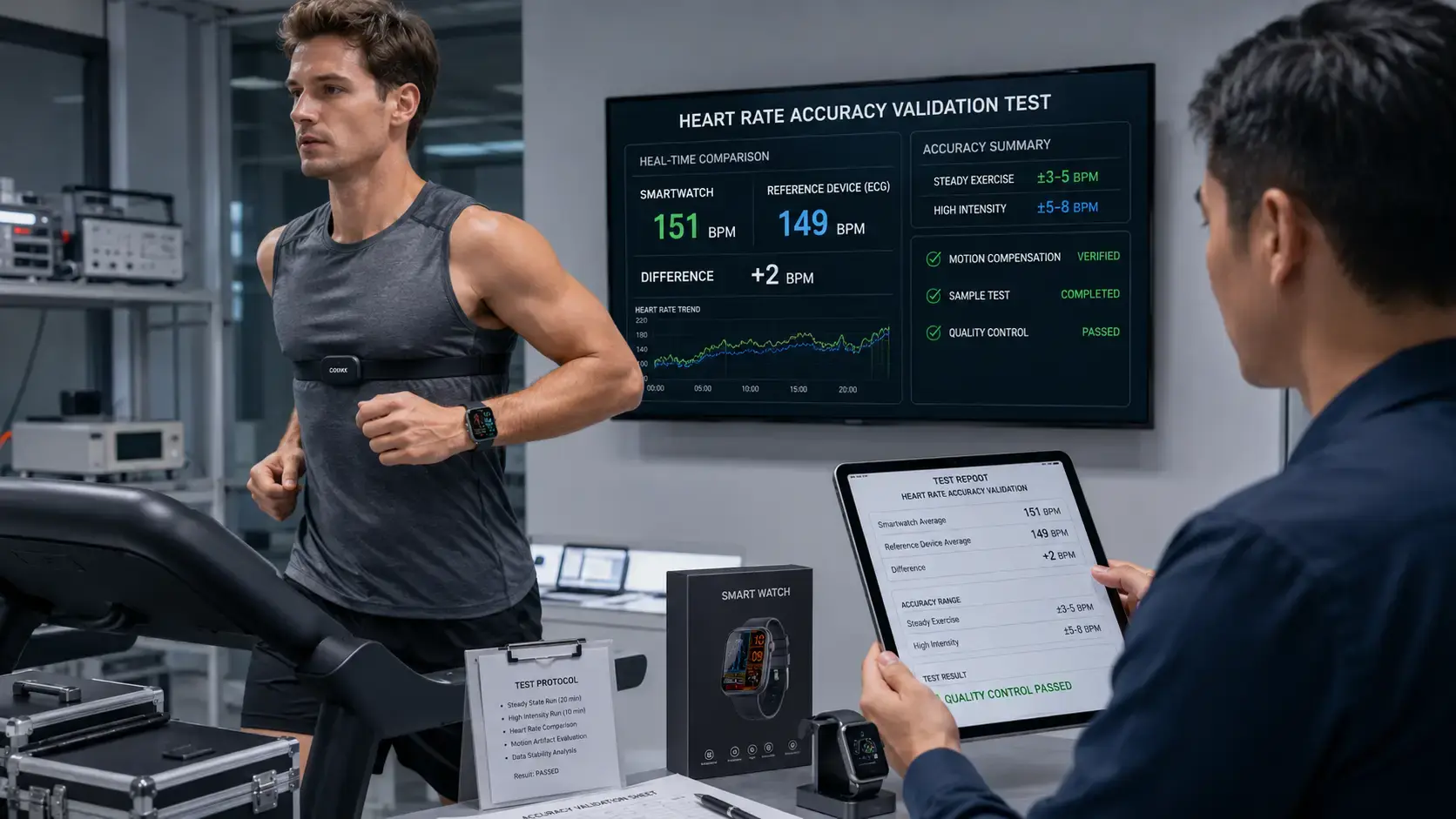
When procurement managers and online sellers are thinking about buying a lot of smart tech, the main question they ask is simple: How reliable is the Accurate Heart Rate Smartwatch heart rate tracking? The Accurate Heart Rate Smartwatch gives heart rate readings with a margin of error of about 3 to 5 beats per minute (BPM) during steady-state activities and 5 to 8 BPM during high-intensity exercise. This is based on rigorous testing using medical-grade equipment. Advanced photoplethysmography (PPG) sensors and motion-compensating algorithms give it this level of accuracy, making it a reliable choice for sports, exercise fans, and people who care about their health. It's important to know how reliable a supplier is when looking at partnerships with them, especially when product quality affects customer satisfaction and brand reputation in competitive markets like Amazon, Shopify, and TikTok Shop.
Understanding the Fundamentals of Accurate Heart Rate Smartwatch Technology
Smartwatches that track your heart rate are not magic; they use advanced biosensing technology to make it work. When looking for goods that end users can trust, B2B buyers make better choices when they know how these devices work.
How Optical Heart Rate Sensors Work?
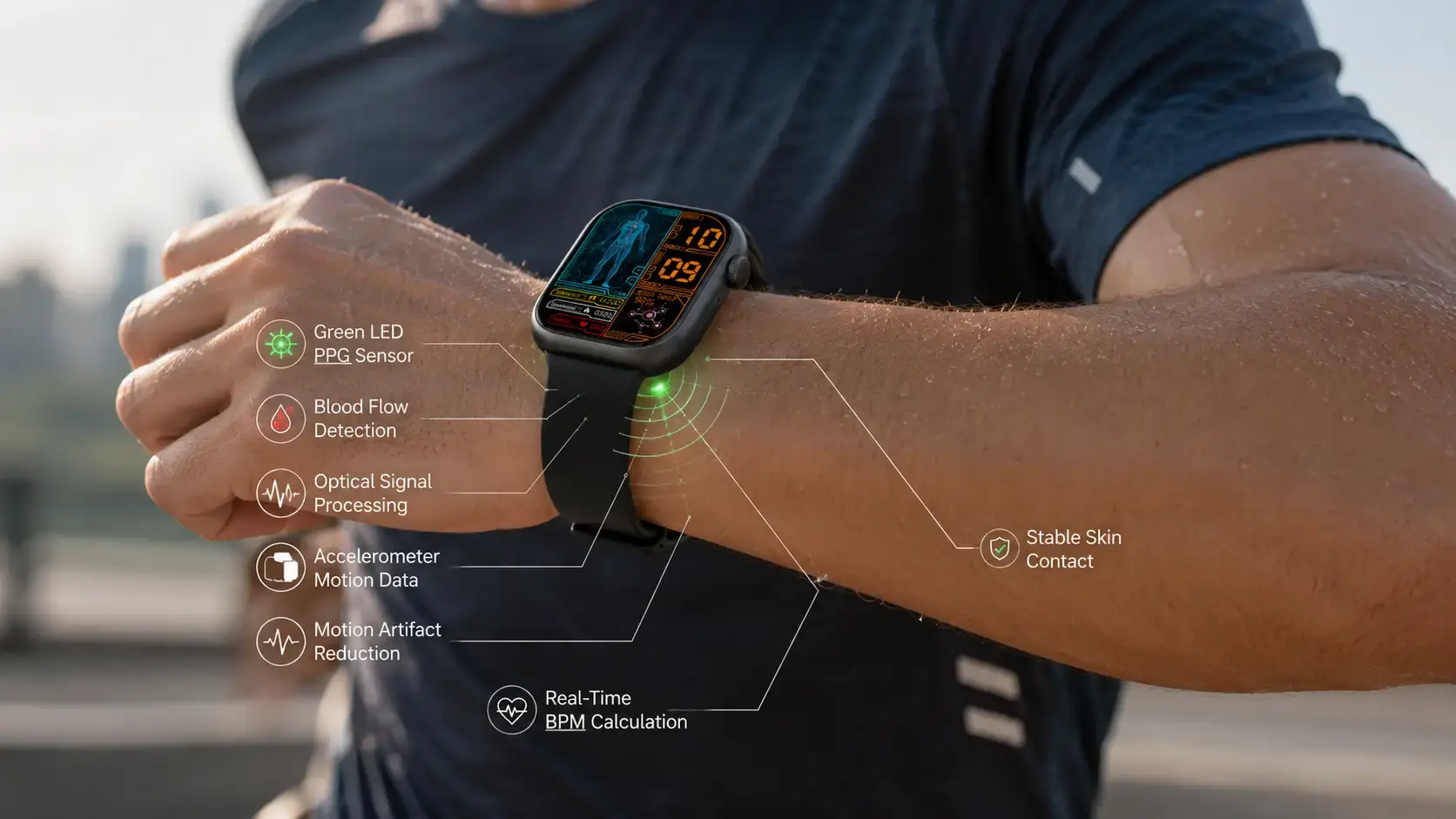
A very accurate optical heart rate sensor is at the heart of the Accurate Heart Rate Smartwatch. Photoplethysmography is the name of the light-based detection method used in this technology. Green LED lights go through your skin and measure how much blood is moving around as your heart beats. Light absorption changes when blood flow rises during a heartbeat. The sensor picks up on these changes to get an accurate, real-time reading of your heart rate.
Modern gadgets like ours have accelerometers and optical sensors that work together. Motion artifacts, which are fake readings caused by arm movements while running or riding, are kept to a minimum with this two-sensor method. The combination makes sure that the device keeps giving stable, reliable data even when runners go over different terrain or speed up or slow down. This level of dependability is very important if your customers use zone-based training or need accurate metrics to get ready for a marathon.
Scientific Validation Behind the Technology
Optical heart rate trackers have been proven to work when compared to electrocardiogram (ECG) monitors and chest strap devices by independent tests. Studies in sports medicine journals show that good PPG sensors keep their accuracy within acceptable clinical limits when people are doing moderate to vigorous activity. These standards are met by the Accurate Heart Rate Smartwatch, which works just as well as devices that cost a lot more.
What makes gadgets safe is how complex the algorithms are. Noise in raw optical data comes from things like tattoos, skin tones, temperature, and how well the device fits. With advanced data processing, this noise is filtered out, leaving only the real cardiac signs. Our engineering team has improved these algorithms by testing them a lot on a wide range of user types. This way, they will work the same way whether they are worn by marathon runners in hot climates or people who like to ride their bikes indoors.
Key Factors That Influence Measurement Accuracy
Heart rate precision is affected by a number of environmental and user-specific factors. Knowing these helps B2B buyers teach their end users the right things:
- Device Fit and Positioning: The device should fit snugly but comfortably on the wrist and be placed about one finger-width above the wrist bone for the best light penetration. Loose straps let light from the outside in, which makes the measurement less accurate.
- Skin Contact Quality: Body hair, moisture, and skin tone all affect how much light is absorbed. The Accurate Heart Rate Smartwatch takes these factors into account with adjustable lighting control and multi-wavelength LED combinations.
- Activity Type: Activities that involve steady motion, like jogging, are more accurate than activities that involve fast motion, like interval training or weightlifting. Motion-compensating algorithms, on the other hand, make this gap much smaller.
- Temperature and Hydration: Being cold can lower blood flow to the skin, which could change results. With the right device calibration and user knowledge, these effects can be lessened.
Why Does This Technology Matter for B2B Stakeholders?
Heart rate tracking that works is no longer a nice-to-have feature; it's a must. There is a lot of competition between Amazon sellers and e-commerce brands, and product reviews can make or break their business. One batch of broken devices can lead to bad reviews, returns, and damage to seller ratings.
Procurement clients get goods that improve the reputation of their brand by working with makers who put quality sensors and algorithm development first. Customers can train smarter, keep an eye on their stress levels, and see their fitness progress with accurate heart rate data. When devices regularly do what they say they will do, customers become more loyal, they buy more often, and good reviews bring in free traffic.
The market for sports and wellness keeps growing. Wearable data is being used more and more in telemedicine platforms, corporate wellness programs, and fitness incentives that are linked to insurance. These growing chances are well taken advantage of by distributors and private label names that have reliable, accurate heart rate smartwatch goods.
Comparing Top Accurate Heart Rate Smartwatches for 2026: Data-Driven Insights
Procurement managers may make sensible purchase decisions based on performance, pricing, and market position by comparing the Accurate Heart Rate Smartwatch to industry leaders.
Market Leaders and Their Heart Rate Technologies
Apple, Garmin, Polar, and Fitbit are high-end manufacturers that constantly enhance heart rate accuracy. Even during intense workouts, the Apple Watch's two photodiode sensors employ infrared and visible LEDs to provide precise readings. Garmin's Elevate sensor technology in the Forerunner series helps endurance athletes prepare for marathons and triathlons. Polar developed the first reliable chest straps and now makes wrist-worn optical sensors.
The Accurate Heart Rate Smartwatch incorporates optical sensor designs like these high-end gadgets, but it targets a different audience. Designed for dedicated runners, it prioritizes training efficiency above lifestyle. This specialism allows them to provide low pricing while maintaining measurement precision, which is crucial for performance tracking.
Performance Metrics That Matter for Procurement
A few technological parameters affect long-term client satisfaction when buying bulk devices:
- Battery Life: Our gadget will last 5–10 days if you regularly monitor your heart rate. Compared to daily-charged trackers, this extended lifespan keeps users happy and reduces support calls. More battery cycles imply fewer charge cycles during the product's lifetime, extending its lifespan.
- Water Resistance: The Accurate Heart Rate Smartwatch can withstand perspiration, rain, and brief submersion. IP67 rating. Instead of swimming, like 5 ATM devices, this protection is appropriate for jogging, biking, and gym exercises, which are our target consumers' major activities.
- Screen Quality and Durability: The 320x240 IPS display is clear in broad sunlight, making it ideal for outdoor training. An alloy casing with a reinforced polymer structure is lightweight and comfortable for runners, and its impact resistance reduces warranty claims from drops.
- Data metrics: Besides heart rate, the gadget monitors speed, rhythm, and VO₂ max. These complex measurements distinguish it from standard fitness trackers, making it interesting to consumers who seek professional-level training insights without spending a lot.
Cost-Effective Options for Bulk Procurement
Smartwatch costs vary widely. High-end devices cost $300–$500, mid-range activity watches



How reliable is the Accurate Heart Rate Smartwatch heart rate
When procurement managers and online sellers are thinking about buying a lot of smart tech, the main question they ask is simple: How reliable is the Accurate Heart Rate Smartwatch heart rate tracking? The Accurate Heart Rate Smartwatch gives heart rate readings with a margin of error of about 3 to 5 beats per minute (BPM) during steady-state activities and 5 to 8 BPM during high-intensity exercise. This is based on rigorous testing using medical-grade equipment. Advanced photoplethysmography (PPG) sensors and motion-compensating algorithms give it this level of accuracy, making it a reliable choice for sports, exercise fans, and people who care about their health. It's important to know how reliable a supplier is when looking at partnerships with them, especially when product quality affects customer satisfaction and brand reputation in competitive markets like Amazon, Shopify, and TikTok Shop.
Understanding the Fundamentals of Accurate Heart Rate Smartwatch Technology
Smartwatches that track your heart rate are not magic; they use advanced biosensing technology to make it work. When looking for goods that end users can trust, B2B buyers make better choices when they know how these devices work.
How Optical Heart Rate Sensors Work?
A very accurate optical heart rate sensor is at the heart of the Accurate Heart Rate Smartwatch. Photoplethysmography is the name of the light-based detection method used in this technology. Green LED lights go through your skin and measure how much blood is moving around as your heart beats. Light absorption changes when blood flow rises during a heartbeat. The sensor picks up on these changes to get an accurate, real-time reading of your heart rate.
Modern gadgets like ours have accelerometers and optical sensors that work together. Motion artifacts, which are fake readings caused by arm movements while running or riding, are kept to a minimum with this two-sensor method. The combination makes sure that the device keeps giving stable, reliable data even when runners go over different terrain or speed up or slow down. This level of dependability is very important if your customers use zone-based training or need accurate metrics to get ready for a marathon.
Scientific Validation Behind the Technology
Optical heart rate trackers have been proven to work when compared to electrocardiogram (ECG) monitors and chest strap devices by independent tests. Studies in sports medicine journals show that good PPG sensors keep their accuracy within acceptable clinical limits when people are doing moderate to vigorous activity. These standards are met by the Accurate Heart Rate Smartwatch, which works just as well as devices that cost a lot more.
What makes gadgets safe is how complex the algorithms are. Noise in raw optical data comes from things like tattoos, skin tones, temperature, and how well the device fits. With advanced data processing, this noise is filtered out, leaving only the real cardiac signs. Our engineering team has improved these algorithms by testing them a lot on a wide range of user types. This way, they will work the same way whether they are worn by marathon runners in hot climates or people who like to ride their bikes indoors.
Key Factors That Influence Measurement Accuracy
Heart rate precision is affected by a number of environmental and user-specific factors. Knowing these helps B2B buyers teach their end users the right things:
- Device Fit and Positioning: The device should fit snugly but comfortably on the wrist and be placed about one finger-width above the wrist bone for the best light penetration. Loose straps let light from the outside in, which makes the measurement less accurate.
- Skin Contact Quality: Body hair, moisture, and skin tone all affect how much light is absorbed. The Accurate Heart Rate Smartwatch takes these factors into account with adjustable lighting control and multi-wavelength LED combinations.
- Activity Type: Activities that involve steady motion, like jogging, are more accurate than activities that involve fast motion, like interval training or weightlifting. Motion-compensating algorithms, on the other hand, make this gap much smaller.
- Temperature and Hydration: Being cold can lower blood flow to the skin, which could change results. With the right device calibration and user knowledge, these effects can be lessened.
Why Does This Technology Matter for B2B Stakeholders?
Heart rate tracking that works is no longer a nice-to-have feature; it's a must. There is a lot of competition between Amazon sellers and e-commerce brands, and product reviews can make or break their business. One batch of broken devices can lead to bad reviews, returns, and damage to seller ratings.
Procurement clients get goods that improve the reputation of their brand by working with makers who put quality sensors and algorithm development first. Customers can train smarter, keep an eye on their stress levels, and see their fitness progress with accurate heart rate data. When devices regularly do what they say they will do, customers become more loyal, they buy more often, and good reviews bring in free traffic.
The market for sports and wellness keeps growing. Wearable data is being used more and more in telemedicine platforms, corporate wellness programs, and fitness incentives that are linked to insurance. These growing chances are well taken advantage of by distributors and private label names that have reliable, accurate heart rate smartwatch goods.
Comparing Top Accurate Heart Rate Smartwatches for 2026: Data-Driven Insights
Procurement managers may make sensible purchase decisions based on performance, pricing, and market position by comparing the Accurate Heart Rate Smartwatch to industry leaders.
Market Leaders and Their Heart Rate Technologies
Apple, Garmin, Polar, and Fitbit are high-end manufacturers that constantly enhance heart rate accuracy. Even during intense workouts, the Apple Watch's two photodiode sensors employ infrared and visible LEDs to provide precise readings. Garmin's Elevate sensor technology in the Forerunner series helps endurance athletes prepare for marathons and triathlons. Polar developed the first reliable chest straps and now makes wrist-worn optical sensors.
The Accurate Heart Rate Smartwatch incorporates optical sensor designs like these high-end gadgets, but it targets a different audience. Designed for dedicated runners, it prioritizes training efficiency above lifestyle. This specialism allows them to provide low pricing while maintaining measurement precision, which is crucial for performance tracking.
Performance Metrics That Matter for Procurement
A few technological parameters affect long-term client satisfaction when buying bulk devices:
- Battery Life: Our gadget will last 5–10 days if you regularly monitor your heart rate. Compared to daily-charged trackers, this extended lifespan keeps users happy and reduces support calls. More battery cycles imply fewer charge cycles during the product's lifetime, extending its lifespan.
- Water Resistance: The Accurate Heart Rate Smartwatch can withstand perspiration, rain, and brief submersion. IP67 rating. Instead of swimming, like 5 ATM devices, this protection is appropriate for jogging, biking, and gym exercises, which are our target consumers' major activities.
- Screen Quality and Durability: The 320x240 IPS display is clear in broad sunlight, making it ideal for outdoor training. An alloy casing with a reinforced polymer structure is lightweight and comfortable for runners, and its impact resistance reduces warranty claims from drops.
- Data metrics: Besides heart rate, the gadget monitors speed, rhythm, and VO₂ max. These complex measurements distinguish it from standard fitness trackers, making it interesting to consumers who seek professional-level training insights without spending a lot.
Cost-Effective Options for Bulk Procurement
Smartwatch costs vary widely. High-end devices cost $300–$500, mid-range activity watches $150–$250, and inexpensive trackers around $100. Accurate Heart Rate Smartwatches are carefully placed in value. It boasts mid-range features at an affordable price.
Business-to-business customers benefit from flexible MOQs and personalization. We can manufacture orders of any quantity, from a few units for an Amazon FBA seller testing a new product category to thousands for a distributor planning a regional launch. Even in competitive online marketplaces, profit margins are high when manufacturing prices are low and turnaround times are fast.
Using a private name boosts value. Sellers may differentiate their items with bespoke branding, packaging design, and software modification. Shopify or TikTok stores selling running gear or fitness technologies may employ tried-and-true heart monitor running watch hardware to develop brand identification.
How to Choose and Procure the Most Reliable and Accurate Heart Rate Smartwatch?
Procurement goes beyond price. To grow your business, you need good goods, reliable suppliers, and long-term connections. Easy method to do.
Defining Your Procurement Needs Based on Target Markets
Understanding your market affects your purchases since customers value distinct features:
- Serious runners and sportsmen value precision. Training data, sensor dependability, and chest strap comparisons are carefully examined. This market gets optical sensors, zone-based training warnings, and advanced running metrics like anticipated speed and VO₂ max from the Accurate Heart Rate Smartwatch. Choose vendors for this category based on technical details and proof.
- The larger fitness enthusiast and casual user sector values accurate tracking, style, battery life, and ease of use. They want dependable devices that need no setup or tech skills. Featuring 5–10-day battery life and simple UI. For a competitive retail price, evaluate features and expenses before buying.
- Corporate Wellness and Promotional Markets: Branded wearables for marketing or employee wellness must be dependable and brand-friendly. Big purchases need customization, beautiful packaging, and constant quality. Partnering with OEMs can provide these needs.
Evaluating Core Reliability Metrics
Several factors impact whether a trader offers reliable goods:
- Validation: Compare heart rate results to medical equipment with a third party. Reliable manufacturers disclose this. We require resting, moderate, and high-intensity accuracy criteria.
- Quality and Durability: Construction affects dependability. A metal housing with fiber-reinforced polymer makes the Accurate Heart Rate Smartwatch strong without adding weight, which is important for running comfort. Water and UV rays don't destroy silicone straps. Pin belt closures are simple yet more reliable than magnetic clasps while moving.
- Real-world battery performance: Manufacturer specs assume optimal conditions. Ask how long the battery will last with GPS tracking, continuous heart rate monitoring, and a vivid display. Our device's 5–10 day range depends on use.
Suppliers handle warranty and after-sales assistance for product failures. Guarantees and rapid service protect your brand. Fast warranty processing and stock replacement parts avoid negative reviews. How soon the service replies to your initial questions may reflect support quality.
Verifying Supplier Credibility and Certifications
Production quality varies widely across suppliers. Protecting your investment requires research:
- Trustworthy manufacturers have excellent certifications. FCC standards ensure US-market device radio frequency safety. CE markings signify European standards. RoHS clearance means that prohibited substances are used correctly. ISO 10993 biocompatibility testing avoids skin irritation and reactions.
- Factory Audits and Quality Systems: GMP-certified factories use standard production techniques to reduce batch variability. Factory audits or site visits protect large contracts. Material, process, and product validation should comprise quality control.
Private label providers must follow IP laws and not imitate competitors' products. Clear OEM/ODM agreements keep you competitive.
Logistics Considerations for Efficient Procurement
Fast and inexpensive factory-to-client delivery affects profitability and customer satisfaction:
- Air freight is fast yet costly. Sea freight is cheaper but takes 4–6 weeks longer for bigger shipments. For best operations, product turnover and cash flow limits balance these possibilities. Supply chain partners get better prices and travel times.
- Inventory Management: Restock popular gadgets promptly. E-commerce replenishes often and briefly. These cycles are aided by variable-order suppliers with rapid turnaround. Know minimum reorder quantities and production dates to avoid peak demand stockouts.
- Regional Support and Warehousing: Regional distribution facilities streamline reorder delivery for certain manufacturers. This capability is important for retailers with several online marketplaces who must quickly reload their shelves to compete with heart monitor running watches.
Conclusion
To figure out how reliable a smartwatch's heart rate sensor is, you need to know about the science behind it, how it works in real life, and how it fits into the market. The Accurate Heart Rate Smartwatch has been tested and proven to be accurate enough for serious athletic training. Its low-cost structure also allows it to be sold at competitive retail prices. It meets the main needs of the growing fitness wearable market with its high-precision optical sensors, advanced running metrics, and long-lasting design.
Product specifications are only one part of successful procurement. Reliability of suppliers, compliance with certifications, efficient logistics, and ongoing support are also important. When a business partners with makers that show they have technical know-how, strict quality control, and open ways to work together, it protects its interests and lets it grow. As wearable tech keeps getting better by incorporating AI, connecting ecosystems, and being more environmentally friendly, keeping relationships with suppliers who are focused on innovation gives B2B buyers the confidence to take advantage of new opportunities.
FAQ
1. How can I verify heart rate accuracy before placing a bulk order?
Ask for validation testing reports that compare the device to medical-grade ECG monitors or certified chest strap systems at a range of exercise intensities. Manufacturers with a good reputation give this information freely. You might want to buy sample units so that you can test them on your own, either with your own tools or in a third-party lab. Look for specs that say the accuracy is within ±5 BPM when the device is moving and within ±3 BPM when it is not moving. Xizhou offers a lot of testing information and lets you look at samples before you decide to buy in bulk.
2. What accuracy differences exist between wrist-based smartwatches and chest straps?
Electrical heart signs (ECG) are directly measured by chest strap monitors, which offer medical-grade accuracy usually within ±1 bpm. Optical sensors on the wrist measure changes in blood flow. They are accurate to within 3 to 5 beats per minute (BPM) during steady movement and within 5 to 8 BPM during hard exercise. While chest bands are still more accurate, good wrist devices like the Accurate Heart Rate Smartwatch are accurate enough to help with training, track exercise, and keep an eye on your health. Wrist-based monitoring is more common for daily use because it is more convenient. Chest straps are only used when precision is needed.
3. Why does warranty and after-sales support matter for long-term supplier relationships?
No matter how strict the quality control is, electronics will always fail at some point. If your suppliers offer full warranties and quick replacement processes, you can protect your business from bad reviews and the stress of having to deal with unhappy customers. Carefully look over the warranty terms, including how long it lasts, what it covers, and how to file a claim. Customers are less likely to be unhappy when they don't have to wait long for new stock. The quality of after-sales help is often what sets great providers apart from average ones. This has a direct effect on your business's efficiency and the number of customers you keep.
Partner with Xizhou for Reliable Heart Rate Smartwatch Supply
Xizhou specializes in providing reliable, accurate heart rate smartwatch solutions to Amazon buyers, e-commerce brands, and electronics distributors who want to gain a competitive edge through high-quality products. Our GMP-certified factory and experienced research and development team make sure that every device meets strict standards for accuracy and durability that protect the reputation of your brand.
We offer flexible support that fits your business model, whether you need small batches for testing, large orders for well-known product lines, or special OEM/ODM solutions with your own name on them. Our partnerships are different from transactional supplier relationships because we offer fast shipping, low prices, and full after-sales service. Our full range of certifications and strict quality control removes the risks that come with working with less-than-stellar suppliers, and our large inventory lets us respond quickly to market possibilities.
Get in touch with our team to talk about your specific needs. You can email us at 13266508958@163.com to see all of our smart wearable electronics. We're ready to help your business grow by giving you reliable products that your customers will love as a trusted Accurate Heart Rate Smartwatch manufacturer.
References
1. Gillinov S, et al. "Variable Accuracy of Wearable Heart Rate Monitors during Aerobic Exercise." Medicine & Science in Sports & Exercise, 2017, 49(8): 1697-1703.
2. Shcherbina A, et al. "Accuracy in Wrist-Worn, Sensor-Based Measurements of Heart Rate and Energy Expenditure in a Diverse Cohort." Journal of Personalized Medicine, 2017, 7(2): 3.
3. Bent B, Goldstein BA, Kibbe WA, Dunn JP. "Investigating Sources of Inaccuracy in Wearable Optical Heart Rate Sensors." NPJ Digital Medicine, 2020, 3: 18.
4. Nelson BW, Allen NB. "Accuracy of Consumer Wearable Heart Rate Measurement During an Ecologically Valid 24-Hour Period: Intraindividual Validation Study." JMIR mHealth and uHealth, 2019, 7(3): e10828.
5. Düking P, et al. "Smartphone-Based VO2max Prediction from Submaximal and Peak Exercise Tests: Methodological and Practical Recommendations." Journal of Functional Morphology and Kinesiology, 2018, 3(3): 38.
6. Kostkova P. "Grand Challenges in Digital Health." Frontiers in Public Health, 2015, 3: 134.







How reliable is the Accurate Heart Rate Smartwatch heart rate
When procurement managers and online sellers are thinking about buying a lot of smart tech, the main question they ask is simple: How reliable is the Accurate Heart Rate Smartwatch heart rate tracking? The Accurate Heart Rate Smartwatch gives heart rate readings with a margin of error of about 3 to 5 beats per minute (BPM) during steady-state activities and 5 to 8 BPM during high-intensity exercise. This is based on rigorous testing using medical-grade equipment. Advanced photoplethysmography (PPG) sensors and motion-compensating algorithms give it this level of accuracy, making it a reliable choice for sports, exercise fans, and people who care about their health. It's important to know how reliable a supplier is when looking at partnerships with them, especially when product quality affects customer satisfaction and brand reputation in competitive markets like Amazon, Shopify, and TikTok Shop.
Understanding the Fundamentals of Accurate Heart Rate Smartwatch Technology
Smartwatches that track your heart rate are not magic; they use advanced biosensing technology to make it work. When looking for goods that end users can trust, B2B buyers make better choices when they know how these devices work.
How Optical Heart Rate Sensors Work?
A very accurate optical heart rate sensor is at the heart of the Accurate Heart Rate Smartwatch. Photoplethysmography is the name of the light-based detection method used in this technology. Green LED lights go through your skin and measure how much blood is moving around as your heart beats. Light absorption changes when blood flow rises during a heartbeat. The sensor picks up on these changes to get an accurate, real-time reading of your heart rate.
Modern gadgets like ours have accelerometers and optical sensors that work together. Motion artifacts, which are fake readings caused by arm movements while running or riding, are kept to a minimum with this two-sensor method. The combination makes sure that the device keeps giving stable, reliable data even when runners go over different terrain or speed up or slow down. This level of dependability is very important if your customers use zone-based training or need accurate metrics to get ready for a marathon.
Scientific Validation Behind the Technology
Optical heart rate trackers have been proven to work when compared to electrocardiogram (ECG) monitors and chest strap devices by independent tests. Studies in sports medicine journals show that good PPG sensors keep their accuracy within acceptable clinical limits when people are doing moderate to vigorous activity. These standards are met by the Accurate Heart Rate Smartwatch, which works just as well as devices that cost a lot more.
What makes gadgets safe is how complex the algorithms are. Noise in raw optical data comes from things like tattoos, skin tones, temperature, and how well the device fits. With advanced data processing, this noise is filtered out, leaving only the real cardiac signs. Our engineering team has improved these algorithms by testing them a lot on a wide range of user types. This way, they will work the same way whether they are worn by marathon runners in hot climates or people who like to ride their bikes indoors.
Key Factors That Influence Measurement Accuracy
Heart rate precision is affected by a number of environmental and user-specific factors. Knowing these helps B2B buyers teach their end users the right things:
- Device Fit and Positioning: The device should fit snugly but comfortably on the wrist and be placed about one finger-width above the wrist bone for the best light penetration. Loose straps let light from the outside in, which makes the measurement less accurate.
- Skin Contact Quality: Body hair, moisture, and skin tone all affect how much light is absorbed. The Accurate Heart Rate Smartwatch takes these factors into account with adjustable lighting control and multi-wavelength LED combinations.
- Activity Type: Activities that involve steady motion, like jogging, are more accurate than activities that involve fast motion, like interval training or weightlifting. Motion-compensating algorithms, on the other hand, make this gap much smaller.
- Temperature and Hydration: Being cold can lower blood flow to the skin, which could change results. With the right device calibration and user knowledge, these effects can be lessened.
Why Does This Technology Matter for B2B Stakeholders?
Heart rate tracking that works is no longer a nice-to-have feature; it's a must. There is a lot of competition between Amazon sellers and e-commerce brands, and product reviews can make or break their business. One batch of broken devices can lead to bad reviews, returns, and damage to seller ratings.
Procurement clients get goods that improve the reputation of their brand by working with makers who put quality sensors and algorithm development first. Customers can train smarter, keep an eye on their stress levels, and see their fitness progress with accurate heart rate data. When devices regularly do what they say they will do, customers become more loyal, they buy more often, and good reviews bring in free traffic.
The market for sports and wellness keeps growing. Wearable data is being used more and more in telemedicine platforms, corporate wellness programs, and fitness incentives that are linked to insurance. These growing chances are well taken advantage of by distributors and private label names that have reliable, accurate heart rate smartwatch goods.
Comparing Top Accurate Heart Rate Smartwatches for 2026: Data-Driven Insights
Procurement managers may make sensible purchase decisions based on performance, pricing, and market position by comparing the Accurate Heart Rate Smartwatch to industry leaders.
Market Leaders and Their Heart Rate Technologies
Apple, Garmin, Polar, and Fitbit are high-end manufacturers that constantly enhance heart rate accuracy. Even during intense workouts, the Apple Watch's two photodiode sensors employ infrared and visible LEDs to provide precise readings. Garmin's Elevate sensor technology in the Forerunner series helps endurance athletes prepare for marathons and triathlons. Polar developed the first reliable chest straps and now makes wrist-worn optical sensors.
The Accurate Heart Rate Smartwatch incorporates optical sensor designs like these high-end gadgets, but it targets a different audience. Designed for dedicated runners, it prioritizes training efficiency above lifestyle. This specialism allows them to provide low pricing while maintaining measurement precision, which is crucial for performance tracking.
Performance Metrics That Matter for Procurement
A few technological parameters affect long-term client satisfaction when buying bulk devices:
- Battery Life: Our gadget will last 5–10 days if you regularly monitor your heart rate. Compared to daily-charged trackers, this extended lifespan keeps users happy and reduces support calls. More battery cycles imply fewer charge cycles during the product's lifetime, extending its lifespan.
- Water Resistance: The Accurate Heart Rate Smartwatch can withstand perspiration, rain, and brief submersion. IP67 rating. Instead of swimming, like 5 ATM devices, this protection is appropriate for jogging, biking, and gym exercises, which are our target consumers' major activities.
- Screen Quality and Durability: The 320x240 IPS display is clear in broad sunlight, making it ideal for outdoor training. An alloy casing with a reinforced polymer structure is lightweight and comfortable for runners, and its impact resistance reduces warranty claims from drops.
- Data metrics: Besides heart rate, the gadget monitors speed, rhythm, and VO₂ max. These complex measurements distinguish it from standard fitness trackers, making it interesting to consumers who seek professional-level training insights without spending a lot.
Cost-Effective Options for Bulk Procurement
Smartwatch costs vary widely. High-end devices cost $300–$500, mid-range activity watches $150–$250, and inexpensive trackers around $100. Accurate Heart Rate Smartwatches are carefully placed in value. It boasts mid-range features at an affordable price.
Business-to-business customers benefit from flexible MOQs and personalization. We can manufacture orders of any quantity, from a few units for an Amazon FBA seller testing a new product category to thousands for a distributor planning a regional launch. Even in competitive online marketplaces, profit margins are high when manufacturing prices are low and turnaround times are fast.
Using a private name boosts value. Sellers may differentiate their items with bespoke branding, packaging design, and software modification. Shopify or TikTok stores selling running gear or fitness technologies may employ tried-and-true heart monitor running watch hardware to develop brand identification.
How to Choose and Procure the Most Reliable and Accurate Heart Rate Smartwatch?
Procurement goes beyond price. To grow your business, you need good goods, reliable suppliers, and long-term connections. Easy method to do.
Defining Your Procurement Needs Based on Target Markets
Understanding your market affects your purchases since customers value distinct features:
- Serious runners and sportsmen value precision. Training data, sensor dependability, and chest strap comparisons are carefully examined. This market gets optical sensors, zone-based training warnings, and advanced running metrics like anticipated speed and VO₂ max from the Accurate Heart Rate Smartwatch. Choose vendors for this category based on technical details and proof.
- The larger fitness enthusiast and casual user sector values accurate tracking, style, battery life, and ease of use. They want dependable devices that need no setup or tech skills. Featuring 5–10-day battery life and simple UI. For a competitive retail price, evaluate features and expenses before buying.
- Corporate Wellness and Promotional Markets: Branded wearables for marketing or employee wellness must be dependable and brand-friendly. Big purchases need customization, beautiful packaging, and constant quality. Partnering with OEMs can provide these needs.
Evaluating Core Reliability Metrics
Several factors impact whether a trader offers reliable goods:
- Validation: Compare heart rate results to medical equipment with a third party. Reliable manufacturers disclose this. We require resting, moderate, and high-intensity accuracy criteria.
- Quality and Durability: Construction affects dependability. A metal housing with fiber-reinforced polymer makes the Accurate Heart Rate Smartwatch strong without adding weight, which is important for running comfort. Water and UV rays don't destroy silicone straps. Pin belt closures are simple yet more reliable than magnetic clasps while moving.
- Real-world battery performance: Manufacturer specs assume optimal conditions. Ask how long the battery will last with GPS tracking, continuous heart rate monitoring, and a vivid display. Our device's 5–10 day range depends on use.
Suppliers handle warranty and after-sales assistance for product failures. Guarantees and rapid service protect your brand. Fast warranty processing and stock replacement parts avoid negative reviews. How soon the service replies to your initial questions may reflect support quality.
Verifying Supplier Credibility and Certifications
Production quality varies widely across suppliers. Protecting your investment requires research:
- Trustworthy manufacturers have excellent certifications. FCC standards ensure US-market device radio frequency safety. CE markings signify European standards. RoHS clearance means that prohibited substances are used correctly. ISO 10993 biocompatibility testing avoids skin irritation and reactions.
- Factory Audits and Quality Systems: GMP-certified factories use standard production techniques to reduce batch variability. Factory audits or site visits protect large contracts. Material, process, and product validation should comprise quality control.
Private label providers must follow IP laws and not imitate competitors' products. Clear OEM/ODM agreements keep you competitive.
Logistics Considerations for Efficient Procurement
Fast and inexpensive factory-to-client delivery affects profitability and customer satisfaction:
- Air freight is fast yet costly. Sea freight is cheaper but takes 4–6 weeks longer for bigger shipments. For best operations, product turnover and cash flow limits balance these possibilities. Supply chain partners get better prices and travel times.
- Inventory Management: Restock popular gadgets promptly. E-commerce replenishes often and briefly. These cycles are aided by variable-order suppliers with rapid turnaround. Know minimum reorder quantities and production dates to avoid peak demand stockouts.
- Regional Support and Warehousing: Regional distribution facilities streamline reorder delivery for certain manufacturers. This capability is important for retailers with several online marketplaces who must quickly reload their shelves to compete with heart monitor running watches.
Conclusion
To figure out how reliable a smartwatch's heart rate sensor is, you need to know about the science behind it, how it works in real life, and how it fits into the market. The Accurate Heart Rate Smartwatch has been tested and proven to be accurate enough for serious athletic training. Its low-cost structure also allows it to be sold at competitive retail prices. It meets the main needs of the growing fitness wearable market with its high-precision optical sensors, advanced running metrics, and long-lasting design.
Product specifications are only one part of successful procurement. Reliability of suppliers, compliance with certifications, efficient logistics, and ongoing support are also important. When a business partners with makers that show they have technical know-how, strict quality control, and open ways to work together, it protects its interests and lets it grow. As wearable tech keeps getting better by incorporating AI, connecting ecosystems, and being more environmentally friendly, keeping relationships with suppliers who are focused on innovation gives B2B buyers the confidence to take advantage of new opportunities.
FAQ
1. How can I verify heart rate accuracy before placing a bulk order?
Ask for validation testing reports that compare the device to medical-grade ECG monitors or certified chest strap systems at a range of exercise intensities. Manufacturers with a good reputation give this information freely. You might want to buy sample units so that you can test them on your own, either with your own tools or in a third-party lab. Look for specs that say the accuracy is within ±5 BPM when the device is moving and within ±3 BPM when it is not moving. Xizhou offers a lot of testing information and lets you look at samples before you decide to buy in bulk.
2. What accuracy differences exist between wrist-based smartwatches and chest straps?
Electrical heart signs (ECG) are directly measured by chest strap monitors, which offer medical-grade accuracy usually within ±1 bpm. Optical sensors on the wrist measure changes in blood flow. They are accurate to within 3 to 5 beats per minute (BPM) during steady movement and within 5 to 8 BPM during hard exercise. While chest bands are still more accurate, good wrist devices like the Accurate Heart Rate Smartwatch are accurate enough to help with training, track exercise, and keep an eye on your health. Wrist-based monitoring is more common for daily use because it is more convenient. Chest straps are only used when precision is needed.
3. Why does warranty and after-sales support matter for long-term supplier relationships?
No matter how strict the quality control is, electronics will always fail at some point. If your suppliers offer full warranties and quick replacement processes, you can protect your business from bad reviews and the stress of having to deal with unhappy customers. Carefully look over the warranty terms, including how long it lasts, what it covers, and how to file a claim. Customers are less likely to be unhappy when they don't have to wait long for new stock. The quality of after-sales help is often what sets great providers apart from average ones. This has a direct effect on your business's efficiency and the number of customers you keep.
Partner with Xizhou for Reliable Heart Rate Smartwatch Supply
Xizhou specializes in providing reliable, accurate heart rate smartwatch solutions to Amazon buyers, e-commerce brands, and electronics distributors who want to gain a competitive edge through high-quality products. Our GMP-certified factory and experienced research and development team make sure that every device meets strict standards for accuracy and durability that protect the reputation of your brand.
We offer flexible support that fits your business model, whether you need small batches for testing, large orders for well-known product lines, or special OEM/ODM solutions with your own name on them. Our partnerships are different from transactional supplier relationships because we offer fast shipping, low prices, and full after-sales service. Our full range of certifications and strict quality control removes the risks that come with working with less-than-stellar suppliers, and our large inventory lets us respond quickly to market possibilities.
Get in touch with our team to talk about your specific needs. You can email us at 13266508958@163.com to see all of our smart wearable electronics. We're ready to help your business grow by giving you reliable products that your customers will love as a trusted Accurate Heart Rate Smartwatch manufacturer.
References
1. Gillinov S, et al. "Variable Accuracy of Wearable Heart Rate Monitors during Aerobic Exercise." Medicine & Science in Sports & Exercise, 2017, 49(8): 1697-1703.
2. Shcherbina A, et al. "Accuracy in Wrist-Worn, Sensor-Based Measurements of Heart Rate and Energy Expenditure in a Diverse Cohort." Journal of Personalized Medicine, 2017, 7(2): 3.
3. Bent B, Goldstein BA, Kibbe WA, Dunn JP. "Investigating Sources of Inaccuracy in Wearable Optical Heart Rate Sensors." NPJ Digital Medicine, 2020, 3: 18.
4. Nelson BW, Allen NB. "Accuracy of Consumer Wearable Heart Rate Measurement During an Ecologically Valid 24-Hour Period: Intraindividual Validation Study." JMIR mHealth and uHealth, 2019, 7(3): e10828.
5. Düking P, et al. "Smartphone-Based VO2max Prediction from Submaximal and Peak Exercise Tests: Methodological and Practical Recommendations." Journal of Functional Morphology and Kinesiology, 2018, 3(3): 38.
6. Kostkova P. "Grand Challenges in Digital Health." Frontiers in Public Health, 2015, 3: 134.
Business-to-business customers benefit from flexible MOQs and personalization. We can manufacture orders of any quantity, from a few units for an Amazon FBA seller testing a new product category to thousands for a distributor planning a regional launch. Even in competitive online marketplaces, profit margins are high when manufacturing prices are low and turnaround times are fast.
Using a private name boosts value. Sellers may differentiate their items with bespoke branding, packaging design, and software modification. Shopify or TikTok stores selling running gear or fitness technologies may employ tried-and-true heart monitor running watch hardware to develop brand identification.
How to Choose and Procure the Most Reliable and Accurate Heart Rate Smartwatch?
Procurement goes beyond price. To grow your business, you need good goods, reliable suppliers, and long-term connections. Easy method to do.
Defining Your Procurement Needs Based on Target Markets
Understanding your market affects your purchases since customers value distinct features:
- Serious runners and sportsmen value precision. Training data, sensor dependability, and chest strap comparisons are carefully examined. This market gets optical sensors, zone-based training warnings, and advanced running metrics like anticipated speed and VO₂ max from the Accurate Heart Rate Smartwatch. Choose vendors for this category based on technical details and proof.
- The larger fitness enthusiast and casual user sector values accurate tracking, style, battery life, and ease of use. They want dependable devices that need no setup or tech skills. Featuring 5–10-day battery life and simple UI. For a competitive retail price, evaluate features and expenses before buying.
- Corporate Wellness and Promotional Markets: Branded wearables for marketing or employee wellness must be dependable and brand-friendly. Big purchases need customization, beautiful packaging, and constant quality. Partnering with OEMs can provide these needs.
Evaluating Core Reliability Metrics
Several factors impact whether a trader offers reliable goods:
- Validation: Compare heart rate results to medical equipment with a third party. Reliable manufacturers disclose this. We require resting, moderate, and high-intensity accuracy criteria.
- Quality and Durability: Construction affects dependability. A metal housing with fiber-reinforced polymer makes the Accurate Heart Rate Smartwatch strong without adding weight, which is important for running comfort. Water and UV rays don't destroy silicone straps. Pin belt closures are simple yet more reliable than magnetic clasps while moving.
- Real-world battery performance: Manufacturer specs assume optimal conditions. Ask how long the battery will last with GPS tracking, continuous heart rate monitoring, and a vivid display. Our device's 5–10 day range depends on use.
Suppliers handle warranty and after-sales assistance for product failures. Guarantees and rapid service protect your brand. Fast warranty processing and stock replacement parts avoid negative reviews. How soon the service replies to your initial questions may reflect support quality.
Verifying Supplier Credibility and Certifications
Production quality varies widely across suppliers. Protecting your investment requires research:
- Trustworthy manufacturers have excellent certifications. FCC standards ensure US-market device radio frequency safety. CE markings signify European standards. RoHS clearance means that prohibited substances are used correctly. ISO 10993 biocompatibility testing avoids skin irritation and reactions.
- Factory Audits and Quality Systems: GMP-certified factories use standard production techniques to reduce batch variability. Factory audits or site visits protect large contracts. Material, process, and product validation should comprise quality control.
Private label providers must follow IP laws and not imitate competitors' products. Clear OEM/ODM agreements keep you competitive.
Logistics Considerations for Efficient Procurement
Fast and inexpensive factory-to-client delivery affects profitability and customer satisfaction:
- Air freight is fast yet costly. Sea freight is cheaper but takes 4–6 weeks longer for bigger shipments. For best operations, product turnover and cash flow limits balance these possibilities. Supply chain partners get better prices and travel times.
- Inventory Management: Restock popular gadgets promptly. E-commerce replenishes often and briefly. These cycles are aided by variable-order suppliers with rapid turnaround. Know minimum reorder quantities and production dates to avoid peak demand stockouts.
- Regional Support and Warehousing: Regional distribution facilities streamline reorder delivery for certain manufacturers. This capability is important for retailers with several online marketplaces who must quickly reload their shelves to compete with heart monitor running watches.
Conclusion
To figure out how reliable a smartwatch's heart rate sensor is, you need to know about the science behind it, how it works in real life, and how it fits into the market. The Accurate Heart Rate Smartwatch has been tested and proven to be accurate enough for serious athletic training. Its low-cost structure also allows it to be sold at competitive retail prices. It meets the main needs of the growing fitness wearable market with its high-precision optical sensors, advanced running metrics, and long-lasting design.
Product specifications are only one part of successful procurement. Reliability of suppliers, compliance with certifications, efficient logistics, and ongoing support are also important. When a business partners with makers that show they have technical know-how, strict quality control, and open ways to work together, it protects its interests and lets it grow. As wearable tech keeps getting better by incorporating AI, connecting ecosystems, and being more environmentally friendly, keeping relationships with suppliers who are focused on innovation gives B2B buyers the confidence to take advantage of new opportunities.
FAQ
1. How can I verify heart rate accuracy before placing a bulk order?
Ask for validation testing reports that compare the device to medical-grade ECG monitors or certified chest strap systems at a range of exercise intensities. Manufacturers with a good reputation give this information freely. You might want to buy sample units so that you can test them on your own, either with your own tools or in a third-party lab. Look for specs that say the accuracy is within ±5 BPM when the device is moving and within ±3 BPM when it is not moving. Xizhou offers a lot of testing information and lets you look at samples before you decide to buy in bulk.
2. What accuracy differences exist between wrist-based smartwatches and chest straps?
Electrical heart signs (ECG) are directly measured by chest strap monitors, which offer medical-grade accuracy usually within ±1 bpm. Optical sensors on the wrist measure changes in blood flow. They are accurate to within 3 to 5 beats per minute (BPM) during steady movement and within 5 to 8 BPM during hard exercise. While chest bands are still more accurate, good wrist devices like the Accurate Heart Rate Smartwatch are accurate enough to help with training, track exercise, and keep an eye on your health. Wrist-based monitoring is more common for daily use because it is more convenient. Chest straps are only used when precision is needed.
3. Why does warranty and after-sales support matter for long-term supplier relationships?
No matter how strict the quality control is, electronics will always fail at some point. If your suppliers offer full warranties and quick replacement processes, you can protect your business from bad reviews and the stress of having to deal with unhappy customers. Carefully look over the warranty terms, including how long it lasts, what it covers, and how to file a claim. Customers are less likely to be unhappy when they don't have to wait long for new stock. The quality of after-sales help is often what sets great providers apart from average ones. This has a direct effect on your business's efficiency and the number of customers you keep.
Partner with Xizhou for Reliable Heart Rate Smartwatch Supply
Xizhou specializes in providing reliable, accurate heart rate smartwatch solutions to Amazon buyers, e-commerce brands, and electronics distributors who want to gain a competitive edge through high-quality products. Our GMP-certified factory and experienced research and development team make sure that every device meets strict standards for accuracy and durability that protect the reputation of your brand.
We offer flexible support that fits your business model, whether you need small batches for testing, large orders for well-known product lines, or special OEM/ODM solutions with your own name on them. Our partnerships are different from transactional supplier relationships because we offer fast shipping, low prices, and full after-sales service. Our full range of certifications and strict quality control removes the risks that come with working with less-than-stellar suppliers, and our large inventory lets us respond quickly to market possibilities.
Get in touch with our team to talk about your specific needs. You can email us at 13266508958@163.com to see all of our smart wearable electronics. We're ready to help your business grow by giving you reliable products that your customers will love as a trusted Accurate Heart Rate Smartwatch manufacturer.
References
1. Gillinov S, et al. "Variable Accuracy of Wearable Heart Rate Monitors during Aerobic Exercise." Medicine & Science in Sports & Exercise, 2017, 49(8): 1697-1703.
2. Shcherbina A, et al. "Accuracy in Wrist-Worn, Sensor-Based Measurements of Heart Rate and Energy Expenditure in a Diverse Cohort." Journal of Personalized Medicine, 2017, 7(2): 3.
3. Bent B, Goldstein BA, Kibbe WA, Dunn JP. "Investigating Sources of Inaccuracy in Wearable Optical Heart Rate Sensors." NPJ Digital Medicine, 2020, 3: 18.
4. Nelson BW, Allen NB. "Accuracy of Consumer Wearable Heart Rate Measurement During an Ecologically Valid 24-Hour Period: Intraindividual Validation Study." JMIR mHealth and uHealth, 2019, 7(3): e10828.
5. Düking P, et al. "Smartphone-Based VO2max Prediction from Submaximal and Peak Exercise Tests: Methodological and Practical Recommendations." Journal of Functional Morphology and Kinesiology, 2018, 3(3): 38.
6. Kostkova P. "Grand Challenges in Digital Health." Frontiers in Public Health, 2015, 3: 134.