

How Accurate Heart Rate Smartwatch Improves Training Data
When runners lace up their shoes and head out for a training session, they're not just chasing miles—they're chasing data. An Accurate Heart Rate Smartwatch transforms raw physiological signals into actionable insights that refine training zones, prevent overtraining, and optimize recovery cycles. By employing high-precision optical heart rate sensors and advanced motion compensation algorithms, these devices deliver real-time cardiac monitoring that bridges the gap between casual fitness tracking and professional-grade performance analysis. Whether you're an Amazon seller sourcing trending wearables, a distributor building a product catalog, or a private label brand developing custom smartwatches, understanding how accurate heart rate monitoring elevates training data is essential to meeting market demand and delivering measurable value to end-users.
Understanding the Importance of Accurate Heart Rate Monitoring in Training Data
Accurately tracking your heart rate is what makes smart training plans work. Continuous cardiac input helps athletes and fitness fans keep their energy levels at the right level, making sure they work out hard enough to get better but not so hard that they hurt themselves or get tired. Zone-based training, which divides cardiovascular effort into different zones (like aerobic base, lactate threshold, and peak performance) to target specific adaptations, can only be done with accurate heart rate data. If the sensors aren't accurate, these zones become guesswork, which makes workouts less effective and results less consistent.
Traditional ways of monitoring heart rate, like simple wrist-based trackers and chest straps that don't connect to anything else, have some problems. During high-intensity bursts, wrist-based devices often have trouble with motion artifacts, and chest straps can be difficult to wear for long periods of time. These problems can be solved in modern smartwatches by using multi-wavelength photoplethysmography (PPG) sensors that can reach deeper into tissue and accelerometers that can remove motion noise from the optical signal. This mix gives accuracy similar to medical-grade tools while keeping the comfort and ease of use that people expect from wearable tech.
Why Procurement Teams Should Prioritize Sensor Precision?
When purchasing managers and OEM partners look at Accurate Heart Rate Smartwatches, they need to judge the quality of the sensors and the complexity of the algorithms. Devices that have been tested against gold-standard ECG equipment in a controlled laboratory setting and shown to be more accurate are more reliable for corporate wellness programs, training facilities, and resale markets. When you're trying to sell to health-conscious people or professional athletes, ISO 10993 biocompatibility standards and IEC 62133 battery safety rules also help lower risk and improve brand image.
Real-World Impact on Training Outcomes
Think about a marathon runner getting ready for the big day. Her morning resting heart rate is tracked by an Accurate Heart Rate Smartwatch. This helps find early signs of overtraining or illness before the symptoms show up. During interval training, the device checks her real-time pulse readings to make sure she stays in her lactate threshold zone. This way, she can get the most out of her aerobic ability without going too far into anaerobic effort that she can't maintain. Heart rate recovery data give you instant feedback on how your cardiovascular health has improved after a workout. This level of accuracy turns emotional feelings into objective data, which lets trainers make better training choices that speed up race times and lower the risk of injury.
Key Features of Accurate Heart Rate Smartwatches that Enhance Training Data
Accurate Heart Rate Smartwatches today do a lot more than just count pulses. They use advanced sensor systems, smart algorithms, and a wide range of health measures to give a full picture of a person's health and readiness for performance.
High-Precision Optical Heart Rate Sensors
Any Accurate Heart Rate. The smartwatch is built around a set of optical sensors. High-quality gadgets use multi-path PPG technology that uses green LEDs to track exercise and red/infrared LEDs to measure blood oxygen saturation (SpO2). Photoplethysmographic waves are turned into exact beats-per-minute counts by these sensors, which pick up on small changes in the amount of blood under the skin. More advanced models have more than one sensor node placed around the wrist to lower signal loss caused by things like movement, changes in skin tone, or outdoor factors like cold weather.
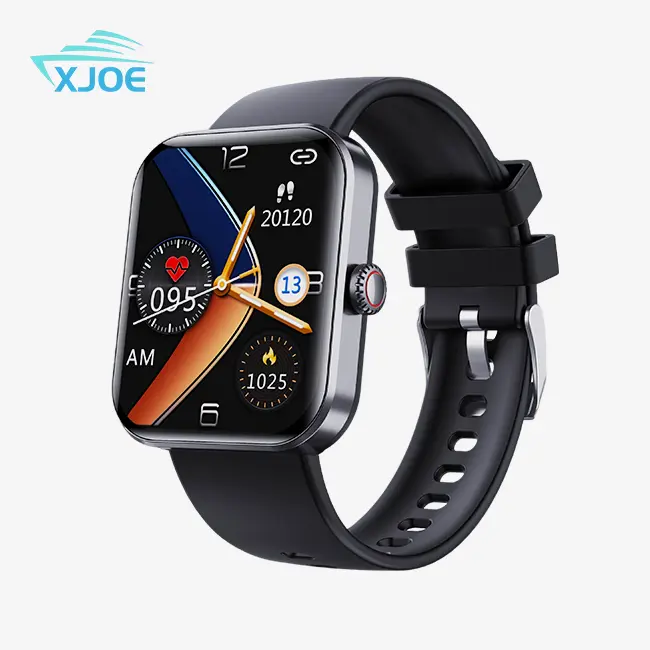
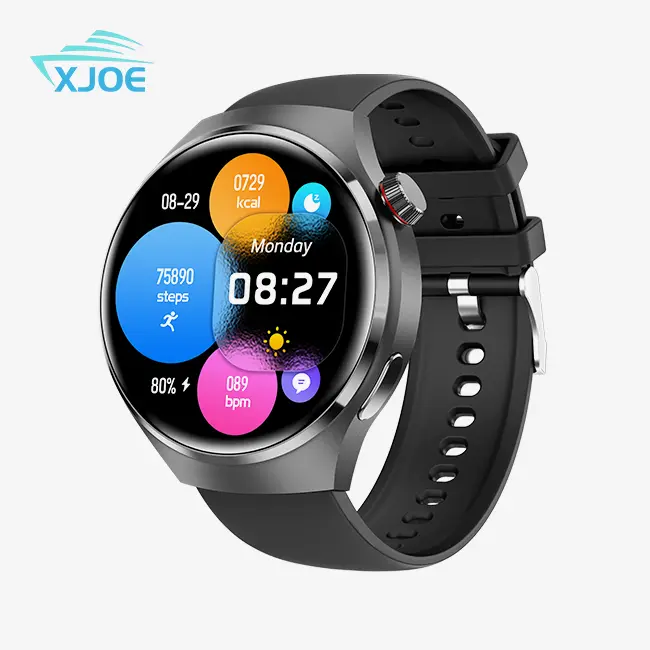
The running-focused heart monitor running watch from Xizhou has a high-precision optical heart rate sensor that is calibrated to track your heart rate in real time. This thin device has a strong fiber-reinforced polymer case and an IPS screen with a resolution of 320x240. It can collect professional-grade data without being as bulky as most sports watches. The IP67 grade for water resistance means that it will work reliably during runs in the rain or heavy sweat sessions. The magnetic charging system and 5–10-day battery life mean that you won't have to wait too long between workouts.
Professional Running Data Metrics
Athletes need to know a lot more about their bodies than just their heart rate. Accurate Heart Rate Smartwatches figure out VO2 Max values, which are the best way to measure aerobic ability, by looking at how the heart rate changes during moderate activity. They keep track of tempo (steps per minute) to get the most out of your running and to spot changes in pace that could mean you're getting tired or your form is breaking down. Heart rate variability (HRV) is a sensitive measure of autonomic nervous system balance that shows how well the body is recovering and how stressed it is.
Some of these metrics are very important to B2B buyers. VO2 Max data is used by corporate wellness programs to track how well employees are doing and figure out the return on investment. Heart rate zone data is added to group exercise classes at fitness centers so that teachers can make personalized suggestions for levels of intensity for all students. Private label brands set their products apart by highlighting their own special algorithms that make VO₂ max calculations more accurate or improve motion compensation for movements that are more complicated.
Motion Compensation and Algorithm Intelligence
Noise in raw optical heart rate data comes from things like wrist movement, muscle vibration, and pressure from the outside. Low-quality devices give inaccurate numbers when users are doing things like running or lifting weights, which is annoying and leads to bad reviews. High-end trackers have complex motion correction algorithms that use data from a 3- or 6-axis accelerometer to find and remove movement artifacts from the PPG signal. Machine learning models that have been trained on thousands of exercise sessions can tell the difference between patterns related to different activities, like the running pace, the arm swing during walking, and the wrist spin during tennis serves. This helps them stay accurate in a wide range of training situations.
The physics behind motion correction has a direct effect on the quality of the product and how happy the customer is with it. When Amazon sellers buy gadgets to resell, they need to make sure that the devices are accurate during high-intensity interval training (HIIT), which is when heart rate changes quickly and moves happen quickly. Distributors who work with athletic stores should make sure that their products are accurate across all skin tones (Fitzpatrick scales I–VI), since the amount of melanin in the skin affects how light is absorbed and can cause sensors that aren't properly made to be biased.
Comparing Top Accurate Heart Rate Smartwatches for Optimized Training
There are a lot of different choices on the market for wearable tech, and each one has its own benefits that make it better for a certain type of user or business use. When purchasing these Accurate Heart Rate Smartwatches, including a heart monitor running watch, people in charge must not only look at how accurate the sensors are but also how well they work with other systems, how long the batteries last, and how reliable the suppliers are.
Garmin: Endurance-Focused Precision
Garmin smartwatches are the best for endurance sports because they have very accurate GPS, long battery life (up to 14 days in smartwatch mode), and full training data. Their Firstbeat algorithms, which were created with the help of sports scientists, give detailed information about training load, recovery time, and performance condition. Garmin devices work great in situations where the battery needs to last for more than one day. They are perfect for ultramarathon runners, adventure racers, and military training.
Fitbit: Accessibility and Ease of Use
The Fitbit strikes a good balance between being affordable and accurately measuring heart rate. This makes it appealing to business wellness programs with lots of users and limited funds. The ecosystem focuses on behavioral psychology by using game-like elements like achievement badges and social challenges to get casual users more involved. Even though Fitbit devices might not have as much advanced training data as Garmin devices, their easy-to-use interfaces and seamless app integration make it easier for IT teams to support business fitness programs.
Apple Watch: Ecosystem Integration
Apple Watch has the most advanced set of sensors of any consumer device, with features like FDA-approved ECG and blood oxygen tracking. Its tight integration with iOS makes it easy to use, which appeals to high-end market segments. With Apple's study app, it's easy to take part in health studies, so the device can be used for both exercise tracking and medical studies. However, the shorter battery life (18–24 hours) and higher prices may make it less suitable for B2B buyers on a budget or markets with a lot of different smartphone platforms.
Specialized Devices for Niche Markets
Specialized makers go after specific groups of professionals in addition to mainstream names. Medical-grade wearables that are allowed for remote patient tracking are accurate enough for telemedicine use. Military-grade devices that have been toughened up can handle harsh environments, which is why tactical training programs and outdoor activity companies like them. When buying things for niche markets, procurement teams need to decide if the extra cost for special certifications and design features is worth it compared to cheaper options for general consumers.
When B2B buyers are comparing options, they should also look at how available APIs are and how easily data can be moved. Open APIs let devices be added to custom training platforms, gym management systems, or business health tools. Standardized file formats, like FIT or TCX, make it easier to analyze data over time, and if a client decides to switch platforms in the future, their investment will be safe.
Conclusion
Accurate Heart Rate Smartwatches have developed from basic pulse counts into advanced training tools that provide useful physiological insights. Raw cardiac data is turned into zone-based training advice, recovery assessments, and performance trend analysis by high-precision optical sensors, smart algorithms, and comprehensive health metrics. For business-to-business buyers, like Amazon sellers looking for popular electronics, distributors building their product lines, or brands making custom wearables, knowing how heart rate accuracy works technically helps them make sourcing decisions that balance performance, reliability, and cost. The right choice of device, teaching users best practices, and strong supplier ties all work together to make sure that these devices offer value throughout their lifecycle. This makes customers happy and helps businesses grow in the competitive wearable technology market.
FAQ
1. How reliable are heart rate smartwatches during high-intensity training?
Modern gadgets that use multi-wavelength PPG sensors and motion compensation algorithms are usually within 5–10% of the accuracy of medical-grade ECG monitors when used for most activities. High-intensity interval training (HIIT) is the hardest because your heart rate changes so quickly and you move quickly. But high-end devices keep mistakes to a minimum by using complex signal processing to separate motion artifacts from real cardiac signals. Fitness-for-purpose is ensured by testing products against chest strap monitors while doing activities that your target market does.
2. Does wrist movement affect data precision significantly?
Movement of the wrist can cause motion glitches that can mess up visual heart rate readings. Good devices have 3-axis or 6-axis accelerometers that record motion and heart rate at the same time. This lets computers find and get rid of movement noise. Motion artifacts are also less noticeable when the device fits properly, making snug contact without limiting blood flow. Users who do complex arm movements like tennis or boxing may not be as accurate as users who do rhythmic activities like running or cycling.
3. What should corporate wellness programs prioritize when selecting devices?
Implementations in businesses should focus on making things easy to use, keeping data safe, and working with other systems. Devices with easy-to-use interfaces make help easier, and handling data in a way that is GDPR/HIPAA legal protects employees' privacy. API access lets it work with other health systems, and the battery life (7+ days) makes it easy to wear every day. Bulk discounts, full warranties, and quick technical help from providers like Xizhou make sure that rollout goes smoothly and that employees stay engaged throughout the lifetime of a program.
Partner with Xizhou: Your Trusted Accurate Heart Rate Smartwatch Supplier
To improve your products, you need a manufacturing partner with both professional know-how and business freedom. Xizhou makes professional-grade Accurate Heart Rate Smartwatches for serious runners and fitness fans. These watches have high-precision optical sensors, long-lasting fiber-reinforced polymer construction, and a lot of training metrics, such as an estimate of VO2 Max. Our Android-based platform lets you make a lot of changes, like putting your name on it, making your own packaging, and adding your own apps. This lets private label brands stand out in crowded markets.
As a well-known company that makes Accurate Heart Rate Smartwatches, we keep a lot of stock on hand so that we can test products with low minimum orders and quickly fill big orders. Our GMP-certified factory follows strict quality control procedures to make sure that all production batches perform the same. Meanwhile, our experienced R&D teams help with product development and customizing features. If you're an Amazon seller looking for trendy electronics, a distributor wanting to add more items to your catalog, or a brand launching custom wearables, Xizhou can help. They offer low prices, fast shipping, and helpful customer service after the sale, which turns supplier relationships into strategic partnerships.
Connect with our team at 13266508958@163.com to discuss your specific requirements, request technical specifications, or arrange sample testing. Discover how Xizhou's intelligent wearable solutions can enhance your market competitiveness and deliver measurable value to your customers.
References
1. Gillinov S, et al. "Variable Accuracy of Wearable Heart Rate Monitors during Aerobic Exercise." Medicine & Science in Sports & Exercise, 2017, 49(8): 1697-1703.
2. Shcherbina A, et al. "Accuracy in Wrist-Worn, Sensor-Based Measurements of Heart Rate and Energy Expenditure in a Diverse Cohort." Journal of Personalized Medicine, 2017, 7(2): 3-12.
3. Bent B, Goldstein BA, et al. "Investigating Sources of Inaccuracy in Wearable Optical Heart Rate Sensors." NPJ Digital Medicine, 2020, 3(18): 1-9.
4. Seshadri DR, et al. "Wearable Sensors for Monitoring the Physiological and Biochemical Profile of the Athlete." NPJ Digital Medicine, 2019, 2(72): 1-16.
5. Nelson BW, Allen NB. "Accuracy of Consumer Wearable Heart Rate Measurement During an Ecologically Valid 24-Hour Period: Intraindividual Validation Study." JMIR mHealth and uHealth, 2019, 7(3): e10828.
6. Düking P, et al. "Validity and Reliability of the Polar V800 Heart Rate Monitor in Moderate-to-Vigorous Intensity Exercise." International Journal of Sports Physiology and Performance, 2016, 11(8): 1042-1047.