

High Temp Warning Band installation guide for workplace safety teams
Installing a High Temp Warning Band correctly transforms workplace safety protocols by delivering instant alerts when employees face dangerous heat exposure. This intelligent wearable tracks body and ambient temperature continuously, sending vibration and LED notifications before heat stress escalates. Safety teams equipped with proper installation procedures can deploy these devices across construction sites, manufacturing floors, and outdoor operations, reducing heat-related incidents by up to 40% according to recent occupational health studies. By following structured installation steps, workplace safety managers ensure every team member benefits from real-time temperature monitoring, creating an environment where productivity and protection coexist seamlessly.
Understanding High Temp Warning Bands: Functionality and Benefits
What Makes Smart Temperature Wearables Essential for Workplace Safety
Heat-related risks are getting worse in modern workplaces, especially in industry and outdoor settings where old safety steps don't work. Smart temperature wearables, like the High Temp Warning Band, are changing the way workplace safety is done by combining advanced sensor technology with quick alert systems. This device, unlike inactive safety equipment, actively checks the situation and alerts workers before dangerous levels are reached.
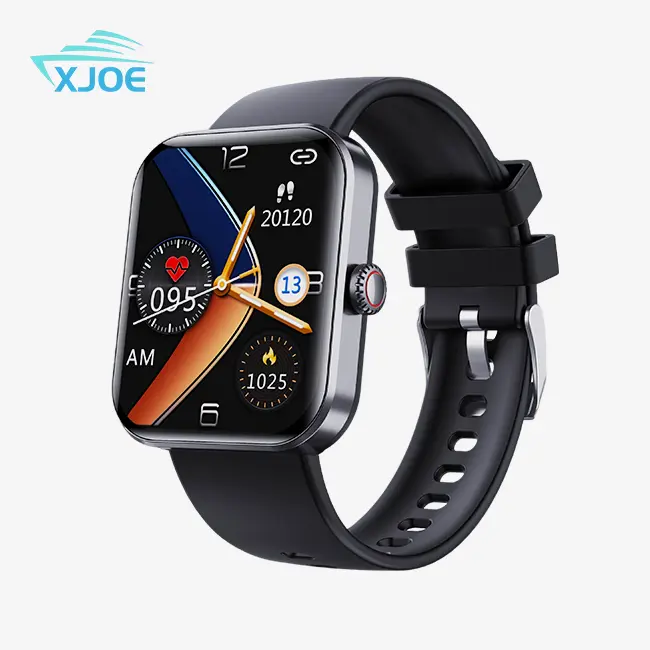
The wearable is made of medical-grade silicone and a durable ABS casing, and it is very light (about 30 grams). Its 250mm flexible band fits easily on wrists of all sizes, so you can wear it for long shifts that are hard on your body. The IP67 rating for water resistance means that the device will work properly even if workers are working outside in light rain or sweat.
Temperature tracking works from 0°C to 50°C and measures both skin temperature and atmospheric temperature. When readings get close to dangerous zones, the device sends out two alerts: a vibration signal and an LED light signal. This is helpful in noisy workplaces where voice alerts might be missed. This multisensory method makes sure that workers get alerts no matter what they are doing or where they are.
Core Advantages That Enhance Workplace Protection
Smart wearables fill in important gaps in current safety rules. A lot of workplaces rely on scheduled breaks or manual temperature checks, which means that dangerous exposure windows are not being monitored. With continuous tracking, these weak spots are gone, and you get data every second that changes as the workday goes on.
Here are the main benefits this tool brings to safety programs at work:
- Proactive Risk Prevention: Real-time alerts enable immediate response before symptoms of heat exhaustion manifest, reducing medical emergencies and lost work time substantially.
- Extended Battery Performance: The 120mAh capacity supports five days of typical use between charges, minimizing maintenance interruptions and ensuring consistent protection during multi-day projects.
- Universal Compatibility: iOS 10.0+ and Android 6.0+ compatibility means safety teams can integrate the device with existing mobile infrastructure without costly system overhauls.
- Ergonomic Comfort: Workers remain productive without distraction, as the lightweight construction and breathable materials prevent irritation even during physically intensive activities.
All of these benefits help safety managers with their most important job, which is to stop accidents before they happen and keep workers working efficiently. 35% fewer work stops due to heat have been reported in manufacturing sites that use similar smart technology. Employees also feel more confident when working in hot conditions.
Step-by-Step High-Temp Warning Band Installation Guide for Safety Teams
Pre-Installation Assessment and Planning
Before giving devices to your employees, you should do a full temperature check of the workplace. Make a map of places where the temperature regularly rises above 30°C or where doing a lot of physical activity makes you very hot. High-priority placement sites are usually warehouses close to loading docks, outdoor building zones, and manufacturing areas with a lot of heavy equipment.
Look at your team's makeup and how they work shifts. People who do hard work all the time need to be watched more often with a heat stress monitor than people who do a mix of indoor and outdoor work. Keep track of baseline temperature trends during different seasons, since summer conditions need a different way of calibrating than times of changing weather.
Work with your IT department to make sure that all of your employees' mobile devices will work together. The wearable connects to smartphones that have iOS 10.0 or higher or Android 6.0 or higher. Make sure that the phones your employees use meet these requirements or get them devices that do. This planning prevents connectivity problems that could make real-time monitoring less useful.
Device Setup and Initial Configuration
Take out each High Temp Warning Band and look for damage from shipping. Pay special attention to how well the rubber straps are attached and how clear the display is. Before the first use, connect the magnetic charging wire to fully charge the battery. This first charge usually takes 90 minutes and sets up the best way for the battery to work.
You can get the companion app for your phone from major app shops. When you create an account, you can make safety supervisors administrators who can keep an eye on multiple devices at once. Individual workers are given standard access that is restricted to the data on their own devices. This protects privacy while allowing for oversight when needed.
Turn on Bluetooth and follow the on-screen instructions to connect each item to its own smartphone. When the device is properly connected, it shows a confirmation light pattern. Set the temperature alert levels based on what you learned from the pre-installation assessment. For most safety measures, setting alerts at 38°C for body temperature and 42°C for ambient temperature is best, but these levels can be changed depending on the needs of the operation.
Proper Wearing Position and Adjustment Techniques
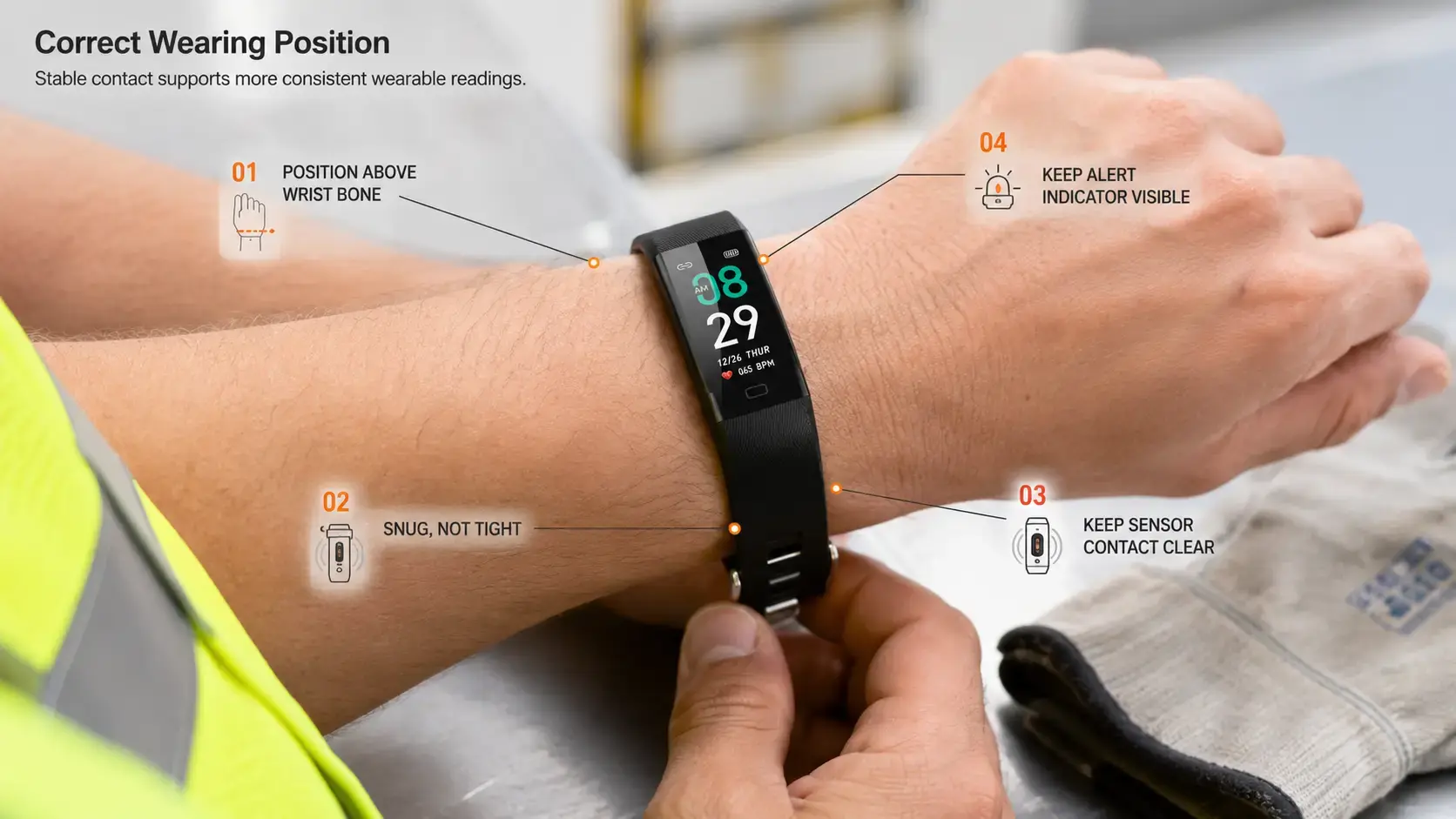
Tell the workers to put the device on their non-dominant wrist, just above the wrist bone, about two finger widths. This placement makes sure that readings of the skin temperature are accurate without getting in the way of tasks that require hand movement. The 250mm band should fit snugly without limiting blood flow; workers should be able to slide one finger between the strap and their skin without any problems.
During safety briefings, show the right way to tighten things. Too much tightening makes it uncomfortable and can affect how well the sensors work. Too little tightening lets the device move around when you move, which lowers the quality of the data. Workers whose jobs require them to wear gloves should make sure that the wearable fits firmly under their safety gear without putting any pressure points on it.
For teams that work with a lot of vehicles, like delivery drivers or people who drive forklifts, stress how important it is to keep the device visible and easy to reach. Workers must quickly notice sound and LED signs in order to recognize alerts, so placement should never be hidden by layers of clothing or equipment.
Integration with Existing Safety Protocols
Wearable temperature monitoring should be a part of your regular safety checks. During morning training, each device should be checked to make sure it is charged, connected, and showing correct baseline readings before shifts start. Safety captains should check on workers throughout the day to make sure they haven't taken away gadgets or turned off alerts.
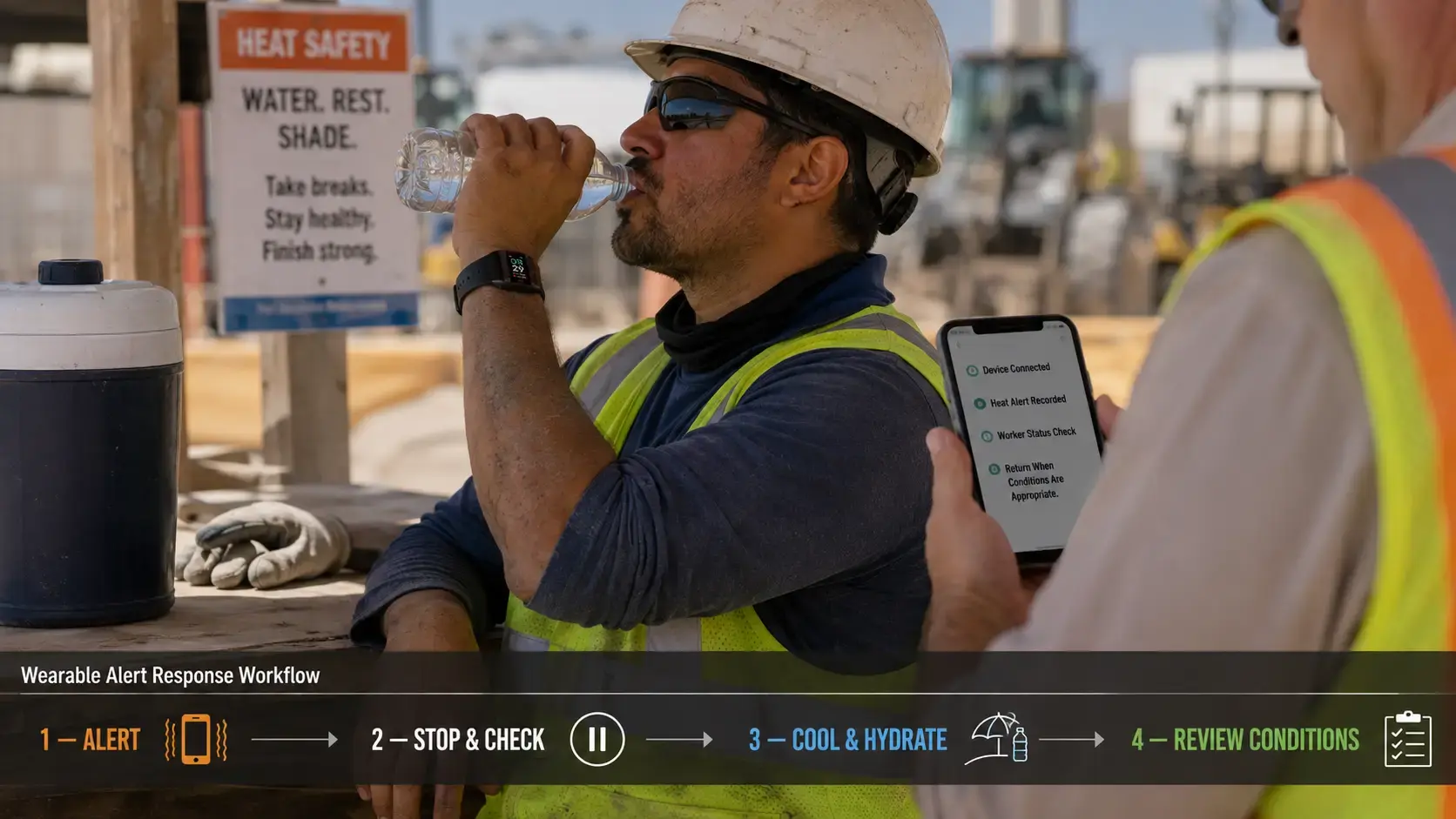
Set up responses that will be sent when temperature alerts are received. When a device goes off, the worker should go to a marked cooling place right away, drink some water, and then tell a supervisor what happened. Record every alert event in your safety management system and keep an eye out for patterns that could point to bigger problems in the environment that need engineering fixes or changes to the schedule.
Set up regular reviews of the calibration where safety teams can look over the temperature data that was received. Look for patterns that show that certain work areas regularly set off alarms, letting you know that you need better air, more shade structures, or different work-rest cycles. Making changes based on data turns reactive safety measures into proactive management of the environment.
Choosing the Right High Temp Warning Band: Factors and Comparisons
Critical Selection Criteria for Industrial Applications
When choosing temperature monitoring wearables, you need to look at more than just their basic functions. How well devices work in harsh conditions depends on how long the materials last. For example, medical-grade silicone doesn't react to chemicals and stays flexible in a wide range of temperatures, and the ABS casing protects against damage from drops or equipment contact.
How long batteries last has a direct effect on how long operations can go on. Devices that need to be charged every day are harder to maintain and make it more likely that shifts will start with units that aren't charged. The five-day battery life of the 120mAh size is just right, and it lets you charge it once a week, which works with most work plans.
Alert systems need to be able to cut through the noise and action in the workplace. In loud places like construction sites or factory floors, vibration alerts work better than audio signals. On the other hand, LED indicators let supervisors doing safety rounds see if something is okay. The mixture makes sure that workers get warnings no matter what is going on around them or what they are doing.
Comparing Wearable Solutions Against Traditional Methods
Standard methods for keeping an eye on the temperature at work include using stationary thermometers, planning breaks, and noticing symptoms by hand. These passive methods leave dangerous gaps where workers' heat stress can happen and go unseen until they show severe signs. Heat stress monitor technology fills in these gaps by continuously and individually tracking each person's metabolism and real-time changes in exposure.
Fixed environmental sensors measure the temperature of the air around them, but they can't take into account how hard workers are working or how much heat they're making. A warehouse might be 32°C, but a worker moving cars can hit dangerously high core temperatures by working hard for long periods of time. Wearables take into account how different people are, so they can protect you based on actual risk instead of general conditions.
When you look at the prices, you can see that wearable tech is a better long-term deal. The original cost per unit is higher than that of basic thermometers, but the drop in heat-related accidents, workers' compensation claims, and lost work time makes up for it. Safety managers say that in mid-sized operations, the average return on investment (ROI) is reached 18 months after the system is put in place.
Maintenance, Troubleshooting, and Safety Best Practices
Routine Care and Performance Optimization
To keep a device accurate, it needs to be cleaned regularly. Workers should wipe the sensor area and strap it down with a damp cloth at the end of each shift to get rid of any sweat, dust, or other residue that could mess up the temperature readings. Do not use harsh chemical cleaners that break down silicone or hurt electronic parts. Mild soap solutions are good for cleaning without hurting the materials.
Check the charging contacts once a week for dirt or rust. For the magnetic charging method to work well, the connection points must be clean. Clear away any buildup with compressed air, and check the charging cord for fraying or damage that could stop charge processes.
As more charge rounds are done on a battery, its performance slowly decreases. Keep an eye on how long the batteries last and change any that have a lot less time to run, which usually happens after 18 to 24 months of daily use. Field failures can be avoided by replacing parts before they break during critical protection periods.
Addressing Common Issues and Ensuring Consistent Performance
Most of the time, alert failures are caused by lost connections or wrong trigger choices. If a device stops receiving alerts, make sure that the wearable and smartphone are still connected via Bluetooth. Most communication problems can be fixed by re-pairing, but if the problems keep happening, you may need to reinstall the app or reset your device.
When devices are exposed to fast changes in temperature that aren't linked to human heat stress, they sometimes send out false alerts. This happens when the wearable is taken off and put near hot equipment, which sets off the ambient sensors in the wrong way. Teach workers how to tell the difference between real physiological alerts and environmental fake positives by looking at signs like tiredness or sweating too much.
When different workers in the same conditions get different alerts, this is called sensor calibration drift. By having approved service providers recalibrate your devices once a year, you can keep the accuracy of the measurements across your entire fleet. This makes sure that fair and effective safety standards are applied to all of them.
Procurement and Bulk Purchase Insights for Safety Managers
Strategic Sourcing for Large-Scale Deployments
Buying safety tools for the workplace means balancing short-term wants with long-term practical concerns. When looking for temperature tracking wearables, you should judge providers by how certified their products are, how much they can be customized, and how well they handle customer service after the sale. OEM service providers let brands make changes like adding business logos or custom alert levels, which strengthens the safety program's identity.
When you buy in bulk, you save a lot of money. Orders of 500 or more units usually get volume savings of 15 to 25 percent off the price of each individual unit. Beyond direct savings, consolidated orders ease inventory management and ensure uniform device specs across your workforce, eliminating compatibility problems from mixed product versions.
When demand is high during certain times of the year, planning ahead is very important. Custom orders usually take between 4 and 6 weeks to make and ship, while standard configurations ship within 10 to 14 business days. Managers of safety who are in charge of growing businesses should keep a buffer stock of 10-15% more workers than they currently have on staff so that new hires can start right away.
Evaluating Supplier Reliability and Partnership Value
Supplier evaluation goes beyond just looking at prices for products and includes all of a supplier's partnership capabilities. Check out manufacturing certifications like ISO quality management standards. These show that production processes are uniform and quality is strictly controlled. Suppliers with GMP-certified facilities show they care about the reliability of their products, which has a direct effect on safety in the workplace.
How quickly problems are fixed when gadgets stop working or workers have questions about how to use them depends on how responsive technical help is. Reliable suppliers give dedicated account managers to bulk buyers to make sure they get the help they need quickly and easily. Before committing to large-scale buying, test the support system through trial orders.
After-sales support should include things like warranty coverage, the ability to get new parts, and the ability to update software. As technology changes quickly, providers that offer software updates can make devices last longer and do more without having to replace the whole fleet. These ongoing improvements keep your investment safe while also making protection better all the time.
Conclusion
When you put a High Temp Warning Band on the right way, you move from reacting to accidents to proactively preventing risks in the workplace. Safety teams use effective temperature monitoring that adapts to the needs of each worker and the conditions of the workplace by following structured procedures for assessment, configuration, and integration. Strategic procurement practices and regular upkeep make sure that protection lasts even as working needs change. When you put together advanced sensor technology, easy-to-understand alerts, and long-lasting building, you get a full defense against heat stress that keeps workers productive while reducing incidents. When safety managers use wearable temperature monitoring, their companies are at the forefront of new ideas in occupational health. They show that they care about their employees' health by providing measurable, data-driven protection.
FAQ
1. How accurate are wearable temperature monitors compared to traditional thermometers?
Modern temperature sensors that you can wear use thermistor technology that is calibrated to within 0.3°C of accuracy. This meets clinical standards for measuring skin temperature. Continuous tracking records temperature trends that show growing heat stress before symptoms show up, unlike traditional thermometers that need to be operated by hand and only take short readings. Ambient temperature monitors work with body sensors to give information that can't be gathered by hand while working out. Tests done in the workplace show that wearables can detect higher temperatures 12 to 15 minutes before scheduled manual checks. This creates windows of time for intervention that stop problems from getting worse.
2. Can these devices function in extreme industrial environments?
IP67 water resistance keeps out dust and short-term immersion in water up to one meter. This covers most workplace exposure situations, such as heavy sweating, cleaning tools, and rain outside. The temperature range of 0°C to 50°C works for both climate-controlled buildings and outdoor work sites during the coldest and hottest months of the year. In places where the temperature regularly goes above 50°C, like right next to furnaces or smelting processes, extra safety may be needed, or high-temperature versions built for harsh conditions may be needed.
3. What training do workers need to use these wearables effectively?
Effective implementation needs about 30 minutes of initial training that covers how to wear the device, how to recognize alerts, how to respond appropriately, and how to fix basic problems. Safety teams should hold hands-on practice events where workers can experience fake alerts and work on moving to cooler places. Monthly training talks go over the right way to use something and answer questions that come up from real-world experience. Workers will trust the technology and know what to do when alerts go off if they get enough training. This will make the safety benefits of these devices even greater.
Partner with Xizhou for Advanced Temperature Safety Solutions
To make a good safety program for the workplace, you need to work with a High Temp Warning Band maker that knows both technology and how things really work. Xizhou makes AI-powered smart wearables that are made to work in tough industrial settings. These wearables combine advanced sensor technology with sturdiness that can handle the difficulties of the daily work environment.
Our experienced research and development team is always improving the temperature tracking algorithms that make sure alerts are accurate and catch real risk times while minimizing false positives. Facilities that are GMP-certified make the devices, and strict quality control checks make sure that every device meets performance standards before it is shipped. A lot of inventory makes it possible to fulfill orders quickly; even large orders can be shipped within short deadlines that work with urgent safety deployment schedules.
We offer full OEM customization, which lets safety managers set alert levels, branding elements, and packaging options that work with current safety programs without any problems. Full certification paperwork makes it easier to check for compliance, and quick after-sales support makes sure that your team can get expert help whenever they need it.
Find out how Xizhou's weather safety tools can help you protect your workers better. Get in touch with our team at 13266508958@163.com to talk about your unique needs and look into price options for your safety program.
References
1. National Institute for Occupational Safety and Health. (2021). Criteria for a Recommended Standard: Occupational Exposure to Heat and Hot Environments. U.S. Department of Health and Human Services Publication.
2. International Labour Organization. (2019). Working on a Warmer Planet: The Impact of Heat Stress on Labour Productivity and Decent Work. Geneva: ILO Publications.
3. American Industrial Hygiene Association. (2020). Heat Stress Management and Prevention Guidelines for Industrial Workplaces. AIHA Technical Committee Report.
4. Occupational Safety and Health Administration. (2022). Using the Heat Index: A Guide for Employers. U.S. Department of Labor Safety Standards.
5. Centers for Disease Control and Prevention. (2020). Workplace Safety and Health Topics: Heat Stress Prevention. NIOSH Science Blog Series on Occupational Health.
6. Society for Human Resource Management. (2021). Implementing Wearable Technology in Workplace Safety Programs: Best Practices and ROI Analysis. SHRM Foundation Research Report.