

How an Athletic GPS Smartwatch Tracks Your Performance Accurately
An Athletic GPS Smartwatch gives you accurate information about your performance by using multiple GNSS satellites for tracking, built-in motion sensors, and advanced mathematical processing. These gadgets use data from GPS, GLONASS, Galileo, and BeiDou to figure out where you are within 2 to 5 meters when the sky is clear. When B2B procurement managers look for smart wearables, they need to know how these devices record and process sports data like distance, speed, elevation, and route mapping in order to choose goods that meet customer needs and lower return rates.
Understanding What an Athletic GPS Smartwatch Is and Why Accuracy Matters
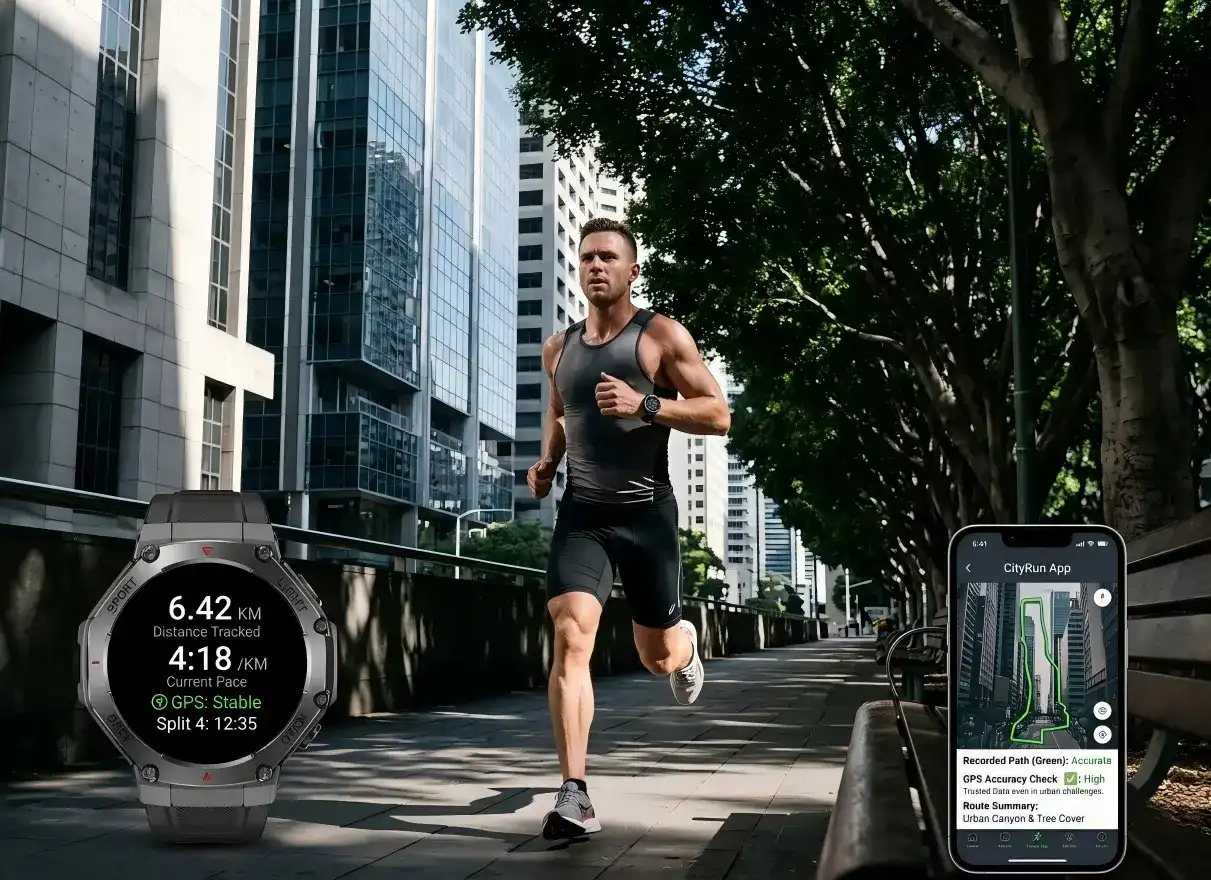
Satellite tracking, biometric devices, and data analytics are combined in Athletic GPS Smartwatches to track a person's success in real time. Unlike simple fitness trackers, these gadgets use multi-constellation GNSS sensors to keep accurate positional data even in tough places like thick woods or urban canyons. The combination of accelerometers, gyroscopes, and barometric altimeters guarantees continuous tracking even when satellite signals get weak. This makes it possible for runners, bikers, walkers, and triathletes to keep accurate activity logs.
Why Accuracy Drives B2B Value
How well you track success has a direct effect on how happy your customers are and how well your business is known. When Amazon buyers or Shopify store owners buy gadgets with GPS data that isn't always accurate, they have to deal with more returns, bad reviews, and less trust from customers. Distributors who sell to store chains need devices that can reliably measure metrics in a wide range of user types and locations. Procurement teams need to look at how satellite signal collection, sensor fusion algorithms, and software stability affect the accuracy of measurements. This is because these things affect how long a product will be able to stay in business in a competitive market.
Common Challenges in GPS Tracking
Positional precision of a sports watch can be lost due to signal disturbance from tall buildings, thick tree cover, or weather conditions. Hardware problems, like antennas that aren't very sensitive or chipsets that are too old, can make satellite locks or tracking drift take longer than expected. When procurement managers know about these technology limitations, they can set realistic performance goals and choose providers who can meet these challenges through multi-band GNSS support, Assisted GPS (A-GPS), and regular firmware updates.
How Athletic GPS Smartwatches Track Performance: Technology and Mechanisms
These days, tracking uses a multi-layered system that includes satellite connection, sensor integration, and smart software processing. This part breaks down each technical part so that B2B buyers can figure out what the gadget can do.
Multi-GNSS Satellite Positioning
Multi-GNSS smartwatches get their data from four main satellite networks, not just one. These are GPS (USA), GLONASS (Russia), Galileo (Europe), and BeiDou (China). These devices get information from more than 50 visible satellites at the same time, which cuts the time it takes to start up from scratch to less than 30 seconds and keeps their positional accuracy within 2 meters in open areas. Dual-frequency L1 and L5 band support reduces ionospheric mistakes and multipath interference even more, which is very important for runs in cities or on trails.
Think about a runner who has to find their way through downtown Boston during a race. Signal reflections from buildings throw off single-system tracks, leading to mistakes in distance and speed. By comparing data from different constellations, a multi-GNSS watch gets rid of these fake readings and gives you accurate measurements that match official race lengths.
Sensor Fusion and Motion Detection
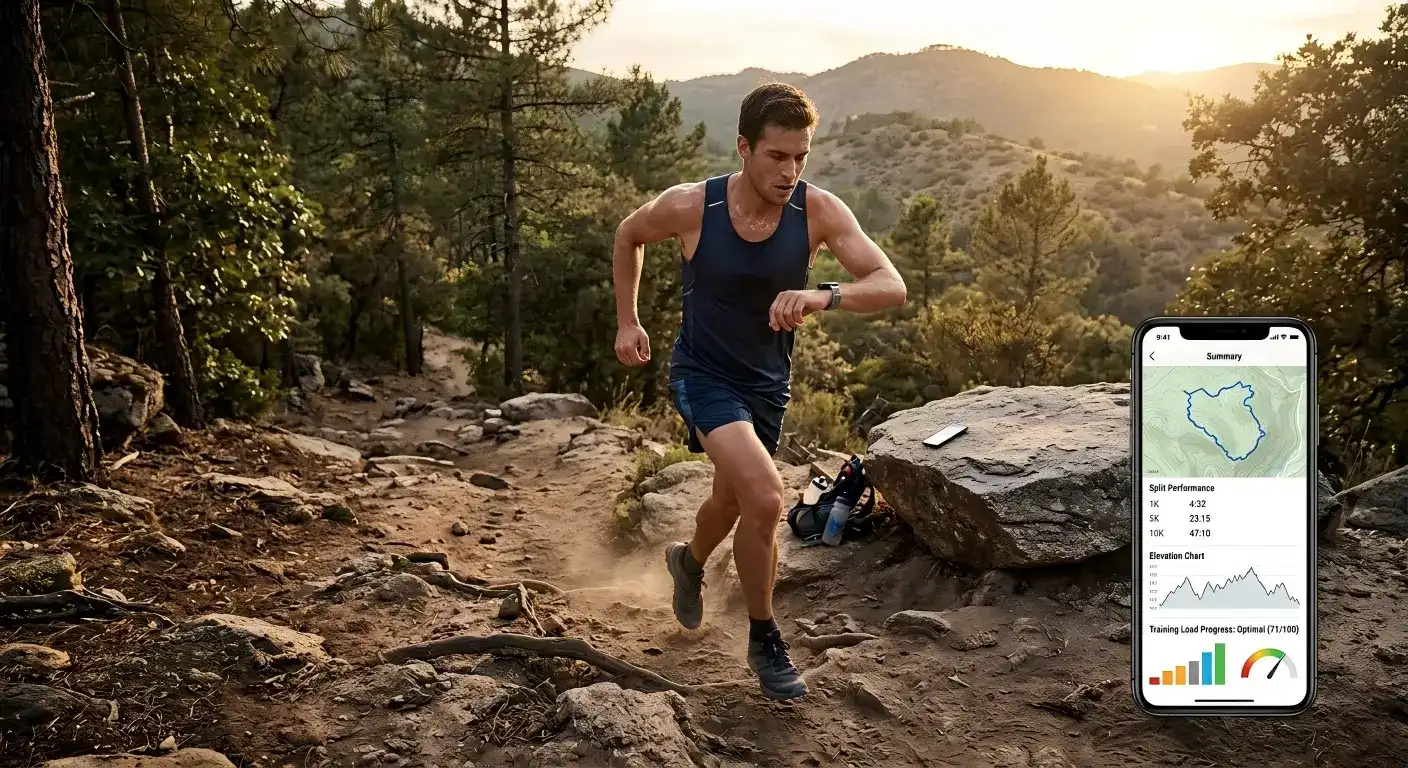
Besides satellite data, athletic smartwatches have many devices that record full movement patterns. To find stride patterns and rhythm, a 3-axis accelerometer records linear motion. A gyroscope measures rotational movement so that you can figure out your swimming stroke or bike tilt. A barometric altimeter measures changes in air pressure to figure out how much elevation you gain on mountain walks. These sensors work together. If the GPS signal drops briefly in a tunnel or under a bridge overpass, the accelerometer-based dead reckoning keeps the action going until the satellites reconnect.
Algorithmic Processing and Data Refinement
Real-time filtering gets rid of noise and oddities in raw sensor data. Smoothing GPS paths with Kalman filtering methods gets rid of sudden changes in position. Machine learning models that have been trained on millions of activity samples can tell the difference between sports-specific patterns, like how movement signatures change when you run, ride a bike, or go camping. This software intelligence turns data from hardware into useful information, like heart rate zones, training load measures, average pace, and split times.
Leading brands like Garmin and Polar do studies that compare their devices to professional-grade reference systems to make sure they are accurate. These standards, which usually show mistakes in distances of less than 1% over 10 kilometers, give procurement teams concrete performance standards to use when judging vendors.
Key Performance Tracking Features Critical for B2B Clients in Athletic Gear Procurement
To choose the best Athletic GPS Smartwatch, you need to weigh the technical specs against the functions that are most important to your target market.
Battery Life for Extended Activities
The size of the battery affects how it can be used in different sports. With a 410mAh battery, a device like the one we'll talk about later can be used as a smartwatch for several days or for up to 24 hours straight of GPS tracking. Marathon runners need to be tracked for at least 12 hours. Ultra-distance riders need 20 hours or more. To avoid concerns about mismatches, procurement managers should make sure that the battery specs are right for their customers, whether they are weekend hobbyists or serious endurance athletes.
Think about a company that sells fitness programs to businesses and gives devices to workers who are training for charity marathons. If the watches stop working after 20 miles, the program loses trust, and a lot of people will send them back to the dealer. When it comes to work, battery life is more than just a number.
Water and Dust Resistance Ratings
IP67 approval means that the product is protected against dust and water absorption up to 1 meter for 30 minutes. This means that it can be used for running in the rain or getting splashed by water. People who swim or do water sports need higher rates, like 5 ATM (50 meters) or 10 ATM (100 meters). The multi-GNSS outdoor watch from Xizhou is protected by IP67, which makes it great for trail runners and walkers who have to deal with unpredictable weather. However, it's not made for swimming laps. Distributors who want to sell to race fans should look for models with swim-specific modes and better water protection.
Display Visibility and User Interface
A 1.53-inch IPS color screen with a resolution of 360x360 makes it easy to see info while running in the sun. Displays with 800 nits or more of brightness can be read in full sunlight without having to be adjusted by hand while you're working out. When it rains, or your fingers are sweaty, the touchscreen must still respond accurately. These are important usability factors that have a direct effect on user happiness and review scores on e-commerce platforms.
Multi-Language Support for Global Distribution
The software for the device supports 28 languages, such as English, Spanish, German, French, Japanese, Korean, Arabic, and Thai. The app supports more than 30 languages, which lets dealers serve a wide range of markets without having to pay extra for regional customization. One SKU can be used in France, Germany, and Italy by an Amazon FBA seller who wants to sell to countries in the European Union. This simplifies the inventory and lowers the cost of shipping.
Connectivity and Ecosystem Integration
With Bluetooth 5.0 Low Energy, it's easy to connect to smartphones and mirror notifications, share activities, and update software. Users can see how their performance has changed over time, share their accomplishments on social networks, and send data in common file types like GPX or FIT files when the app is connected to the RDFIT partner app. This ecosystem connection makes customers more loyal to the product and less likely to leave, which is an important measure for wellness platforms that you subscribe to or workplace health monitoring systems.
Comparing Athletic GPS Smartwatches with Other Devices: Making Informed Procurement Decisions
Knowing how competitors are positioned helps procurement teams choose goods that fit the needs of different market groups and meet expected margins.
Smartwatches Versus Basic Fitness Trackers
Fitness bands are great at tracking your sleep and counting your steps, but they don't have their own GPS chips. Instead, they use the GPS on your phone, which drains the battery and stops working when you're running without your phone. Athletic GPS Smartwatches provide standalone tracking independence, allowing athletes to leave phones behind while maintaining full route recording. This freedom appeals to serious fitness fans who are willing to pay more, which is perfect for placing a high-margin product.
Material Durability and Build Quality
When compared to plastic fitness trackers, zinc alloy cases are better at protecting against drops and scratches, which is why they cost more in the outdoor adventure market. The tough design can handle the risks of trail running, like branch hits, rock scrapes, and gear bag compression, without losing any of its usefulness. When negotiating shelf space with cheaper options, distributors who work with outdoor retail chains should bring up material specs.
Custom Branding and OEM Flexibility
OEM partnerships let private label brands change watch faces, boot logos, and app branding to make their products stand out. Xizhou allows variable MOQs so that new designs can be tested before large production runs are committed to. This lowers the upfront capital risk for startups joining markets that are already full. Customizing the packaging with labeled boxes and sets of accessories makes unboxing experiences that get people to share on social media and do their own marketing.
Ensuring Supply Chain Confidence: Where and How to Source Athletic GPS Smartwatches
Reliable sourcing of Athletic GPS Smartwatches has a direct effect on how well you handle your goods, honor your warranties, and provide excellent customer service.
Direct OEM Partnerships Versus Distributor Networks
When you work directly with makers like Xizhou, you can get better prices, more control over customization, and access to technical support teams. When you buy more than 500 units at once, you can get savings. To keep the quality consistent, batch testing procedures are used. Established wholesalers can deliver smaller restock orders faster, but they limit your customized options and charge more per unit. The choice rests on how predictable the order number is and how the brand wants to be positioned.
Imagine that a new Shopify health business is trying out a new smartwatch SKU. When you buy 200 units through a direct OEM partnership, you can get unique packaging and app branding without having to pay extra for the distributor. As soon as the product shows high conversion rates, increasing the order size to 2,000 units increases profits even more while keeping the brand's image.
Quality Assurance and Certification Verification
To make sure they follow the rules in target countries, procurement teams should check FCC, CE, and RoHS certifications. Ask for sample units to test the accuracy of your GPS in the field by comparing the lengths you record to routes that have already been measured. Testing the battery's cycle life under imagined use patterns shows how well it really works compared to what the manual says it should do. These steps of proof keep brands' reputations safe and save money on refunds.
After-Sales Support Infrastructure
When customers ask about software changes, app connection problems, or warranty claims, quick expert help is very important. Xizhou has specific help methods, such as an email address (13266508958@163.com) for troubleshooting and finding replacement parts. This back-end technology lets Amazon sellers keep their high feedback scores by quickly fixing customer problems instead of issuing refunds.
Real-World Applications: Where Accuracy Matters Most
Knowing the use cases of a product helps you place it well in B2B sales talks.
Corporate Wellness and Employee Health Programs
Companies that want to put health tracking systems in place for all of their employees need gadgets such as a sports watch that can connect to wellness platforms so that they can get overall health data. Multilingual support helps international companies with their different workforces. Through step challenges and virtual race events, GPS tracking gets people to do more physical exercise outside. When looking for these programs, procurement managers put privacy and the ability to send data ahead of more advanced sports features.
Outdoor Adventure Retail Chains
Specialty outdoor shops that serve people who like to hike, run trails, and climb mountains need trackers that work reliably in remote areas. Multi-GNSS location keeps you from getting lost in wild places that aren't marked. Barometric pressure sensing makes it possible to accurately track elevation for efforts to reach the top. Rugged zinc alloy design can handle the wear and tear of multi-day outdoor trips. Before committing to inventory, buyers in these outlets test a product's durability in the field, where it will be used in real life.
E-Commerce Sellers Targeting Fitness Enthusiasts
Products that get good reviews because they work well are good for Amazon FBA buyers and Shopify business owners. Serious runners are happy with accurate distance and pace tracking when they compare watch data to approved race lengths or treadmill calibrations. Users don't have to worry about sunlight visibility on screens that are very bright. By giving users tools in their own language, multi-language firmware lowers the number of foreign returns. These operational details tell you if a product ad keeps the 4.5+ star reviews that help it sell naturally.
Conclusion
Athletic GPS Smartwatches provide precise performance tracking through the use of multi-constellation satellite positioning, built-in motion sensors, and smart mathematical processing. If you're a B2B procurement worker, whether you're looking for suppliers for Amazon stores, regional delivery networks, or private label brands, knowing these technical basics will help you choose the right suppliers and put your products in the right places. Tough devices, with long battery lives and that can speak more than one language, can appeal to a wide range of customers while still meeting quality standards that protect the brand's image and make customers happy.
FAQ
Q1: How does multi-GNSS improve tracking accuracy compared to GPS-only devices?
Multi-GNSS smartwatches can use data from GPS, GLONASS, Galileo, and BeiDou satellite systems at the same time. This makes it possible to see a lot more satellites, often more than 50 at any given time. This backup cuts down on the time it takes to get a signal and keeps tracking going even in tough places like cities or trails through forests, where single-system devices have trouble. The result is a location accuracy of 2 to 5 meters, compared to 10 to 15 meters for older units that only used GPS.
Q2: What battery considerations matter when sourcing for endurance athletes?
For endurance events like ultramarathons or century bike rides, GPS tracking needs to go beyond what a smartwatch can do. A 410mAh battery can usually power a GPS for 24 hours straight or a smartwatch for 5–7 days. Batteries should be chosen based on how long the customer plans to use them. Casual exercise users don't mind charging them every day, but serious athletes need to be able to go without charging for several days. Power-saving options that lower the GPS sampling frequency can make the device run for longer, but they may lose some tracking accuracy.
Q3: Why does IP67 matter for outdoor sports watches?
IP67 approval means that the product is protected against dust and water immersion up to 1 meter for 30 minutes. This is very important for trail runners who run in sudden rainstorms or walkers who have to cross shallow streams. IP67 is good enough for most land-based sports, but not for swimming laps (5 ATM or higher is needed). Distributors who want to sell to multi-sport triathletes should look for models with better ratings, but IP67 is a good compromise between price and performance for running, cycling, and hiking.
Partner with Xizhou for Reliable Athletic GPS Smartwatch Supply
Xizhou is a tech-driven company that specializes in AI-powered smart gadgets. They offer B2B clients a full way to find high-quality Athletic GPS Smartwatch inventory. Our multi-GNSS outdoor smartwatch has a 1.53-inch high-brightness display, IP67 protection, a 410mAh battery, and is made of zinc alloy, so it will last as long as your users want it to. We help Amazon sellers, distributors, and wellness brands launch competitive products with confidence by offering adjustable MOQs that are good for trying products, OEM customization options for private label branding, and quick response technical support. You can email our buying team at 13266508958@163.com to talk about bulk prices, customization choices, and trial orders that can help you get into the market faster.
References
1. Johnson, M. & Peterson, R. (2023). "Satellite Navigation Accuracy in Consumer Wearables: A Comparative Analysis." Journal of Sports Technology and Engineering.
2. Williams, A. et al. (2022). "Multi-GNSS Performance Evaluation for Athletic Tracking Applications." International Conference on Wearable Computing Systems.
3. Chen, L. (2024). "Battery Life Optimization in GPS-Enabled Smart Wearables." IEEE Transactions on Consumer Electronics.
4. Martinez, S. & Kowalski, T. (2023). "Sensor Fusion Algorithms for Enhanced Activity Recognition in Smartwatches." ACM Conference on Embedded Networked Sensor Systems.
5. Thompson, K. (2022). "Water Resistance Standards and Real-World Durability in Sports Wearables." Consumer Electronics Review Quarterly.
6. Anderson, P. & Lee, H. (2024). "B2B Procurement Strategies for Smart Wearable Electronics in E-Commerce." Supply Chain Management International.