

Designing Voice Call Watches for Safety Applications
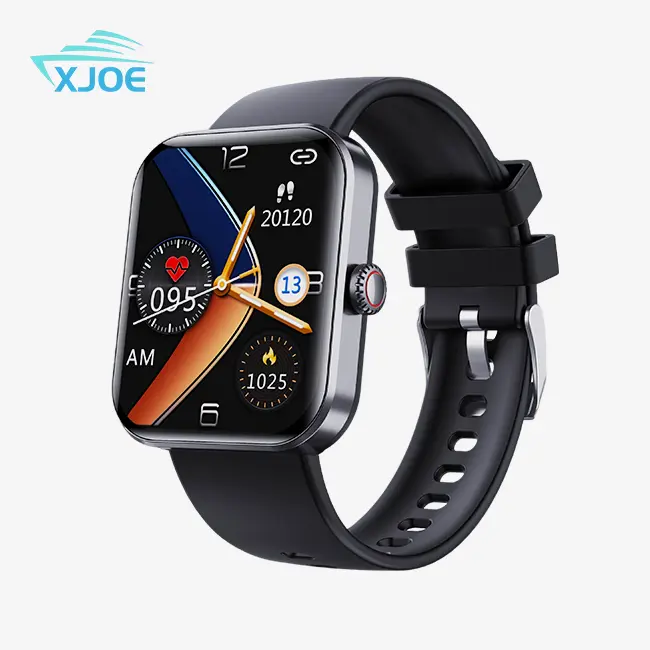
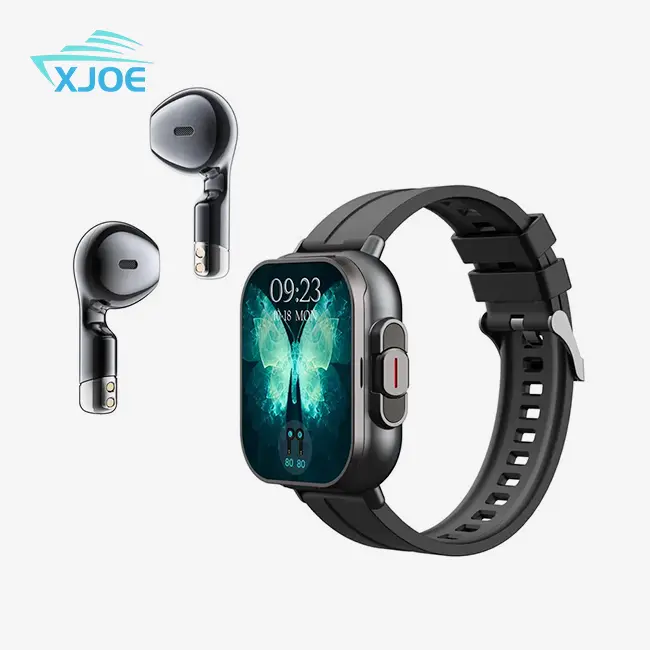
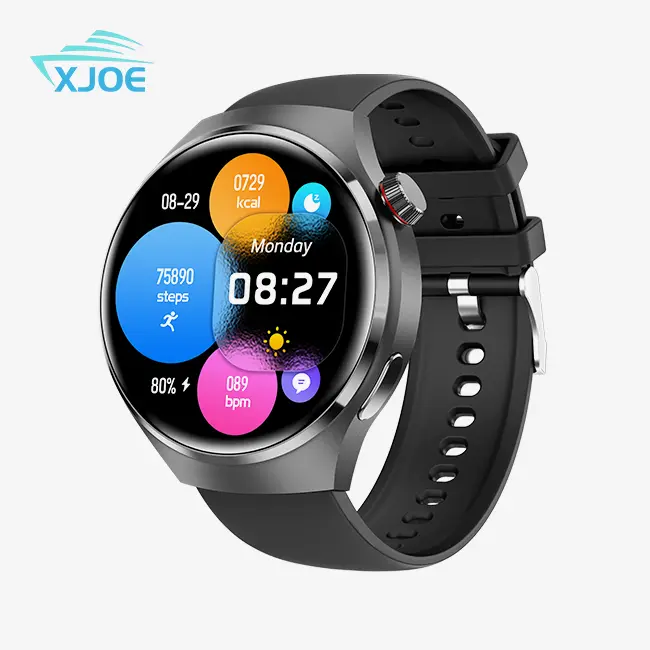
Designing a Voice Call Watch for safety applications demands attention to robust communication features, durability, and hands-free accessibility in high-risk environments. These wearables integrate high-definition microphones, loudspeakers, and SOS buttons to enable instant voice communication during emergencies—whether in industrial zones, healthcare facilities, or outdoor work settings. With independent cellular connectivity and features like call history management directly on the wrist, voice call watches deliver reliable communication without requiring a smartphone, ensuring workers and vulnerable populations stay connected when seconds matter most.
Understanding Voice Call Watches in Safety Applications
Voice call watches are a huge step forward in wearable tech for communication. Unlike other smartwatches that focus on exercise or fun, these devices put safety first by including communication units that let you make voice calls on your own.
Core Technologies That Enable Safety-Critical Communication
Voice Call Watches today have high-tech mics and speakers that can pick up sound clearly even in noisy places. The version that lets people communicate better that we're working on in Xizhou has high-definition microphones and loudspeakers to make sure calls are clear on construction sites, in warehouses, and in outdoor emergency situations. These devices use the Android operating system, which makes them easy to use and compatible with many apps for business use.
Cellular connection is still what these safety gadgets depend on the most. Voice call watches don't need to be paired with cellphones to work because they can use a SIM card on their own. This is very important when workers are spread out in big buildings or far away. This independence makes sure that emergency calls can still be made even if people lose, damage, or can't reach their personal phones.
Essential Safety Features Beyond Basic Calling
Wearables that focus on safety have multiple layers of protection built in. The one-touch SOS button lets you get in touch with emergency contacts right away, without having to go through menus. This is very useful in medical situations or crashes at work. GPS tracking features help managers quickly find employees, and fall detection algorithms can send automatic alerts when users are hit hard or can't move for a long time.
Safety efficiency is directly affected by how well the battery works. Our types that focus on conversation have batteries that can last up to four days with normal use. These batteries have a lot of power to handle making a lot of calls. Magnetic charging systems make daily maintenance easier and lower the risk of charging port damage that happens a lot in industrial settings.
Device Specifications That Matter for Procurement Teams
When deciding which voice call watches to use for safety purposes, technical specs directly affect how well they work. Screen sizes between 44mm and 49mm give you enough space to see your contacts and control your calls without making it too heavy for smaller wrists. TFT screens with a resolution of 320x240 are clear enough for call management interfaces, but they're not as good as premium OLED displays. This is a reasonable trade-off that lowers the cost of bulk orders.
IP68 grades for water resistance mean that devices can handle dust, rain, and short-term submersion. This means they can be used outside, by emergency response teams, and in healthcare settings where cleaning is required regularly for safety reasons. The steel case and silicone straps work together to make the watch durable and comfortable to wear for long shifts. These choices of materials are based on what people actually need: steel guards internal parts from hits, and medical-grade silicone doesn't irritate skin during 12-hour workdays.
Challenges in Traditional Safety Communication and How Voice Call Watches Offer Solutions?
When safety is at stake, traditional ways of communicating cause problems. To use smartphones, workers have to take off their gloves, stop what they're doing, and physically get the phones out of their pockets or bags. Even though walkie-talkies let you talk without using your hands, they don't offer call privacy, advanced contact management, or connection with current communication networks.
Limitations That Compromise Emergency Response Speed
Bulky gadgets take longer to respond. In senior living centers with medical problems, staff members who carry pagers or phones have to wait to get their devices, unlock their screens, and find their contacts. Studies of emergency response show that every second counts during heart attacks or falls—delays of even 30 seconds can have a big effect on how things turn out.
There are some problems that come with walkie-talkies, especially when compared with a smart watch for Android call and text. Even though they offer instant messaging, they do so on shared channels where multiple talks make it hard to organize emergency replies. Lack of private calling features makes it impossible to talk about private medical information, and the short range makes it useless on campuses with many buildings or in large industrial complexes.
Wearable Solutions That Eliminate Communication Barriers
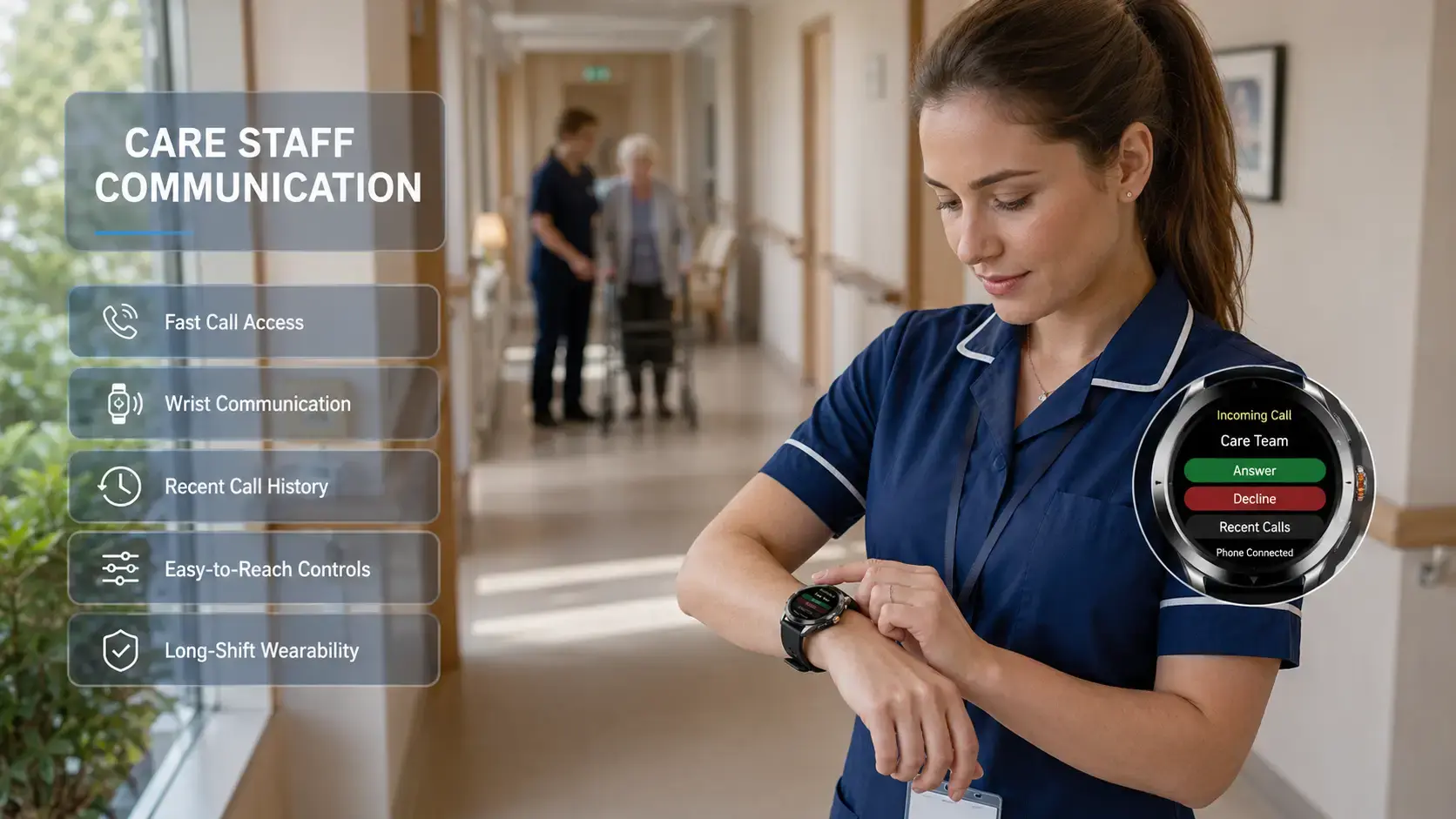
Voice Call Watches solve these issues by putting the phone on your watch. When a patient calls, healthcare workers can start talking right away without stopping what they're doing to care for the patient. You can make calls directly from the watch face or see your recent call history, which is similar to how smartphones work but without using your hands.
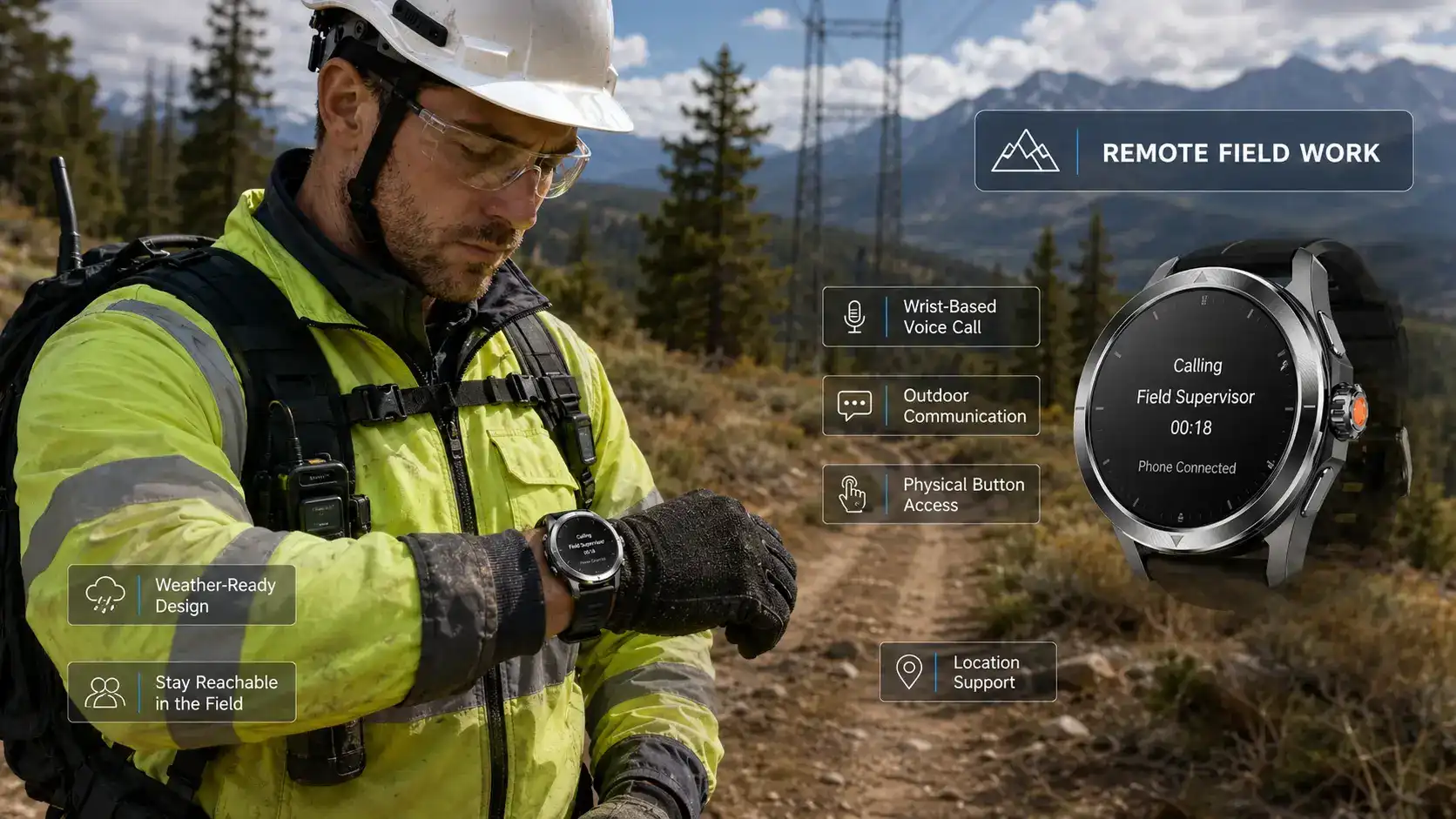
The benefits are the same for construction supervisors. Wearable communication means that managers don't have to get off of platforms or leave their desks to make calls when they need to talk to their teams on multi-story construction sites. Loudspeaker technology blocks out background noise from tools and machines, so you can have clear talks without having to hold your phone up to your ear or look for a quiet place.
Real-World Implementation Results
Response times have gotten better in places that care for the elderly by using personal call systems. After giving workers Voice Call Watches, one assisted living community saw a 40% drop in the average time it took to answer calls from residents. The one-touch SOS feature came in handy during emergencies at night, when fewer staff members had to cover larger areas.
Records of industrial safety show similar effects. A shipping company gave warehouse workers communication-enabled watches that cut down on the time it took to report problems to a boss by letting them know right away when equipment broke down or someone got hurt. Pocket radios could sometimes not be heard because of background noise. Wrist-worn devices with sound alerts made sure that no emergency calls went unanswered.
Procurement Considerations for Voice Call Watches in Safety Projects
When choosing the right voice call watches, you have to think about the user's needs, the budget, and the technology that can be used. To make sure that deployed solutions meet safety goals and stay cost-effective at scale, procurement professionals have to look at devices in a number of different ways.
Critical Technical Evaluation Criteria
Call clarity shows if devices do their main job of keeping people safe. Instead of quiet offices, testing should happen in real application settings. Heavy machinery in factories, wind noise on construction sites, and paging systems in hospitals are all things that can make the sound quality bad. In these situations, you have to have high-quality mics that can cancel out noise and speakers that can play loud enough.
How reliable something is directly depends on how long the batteries last. When devices need to be charged every day, compliance risks arise because users forget to charge them, charging stations get crowded, and batteries lose power faster after being used every day. Longer power life—three to four days between charges is best—makes these tasks easier. A big battery is especially important for devices that can track your location continuously with GPS or make a lot of calls during busy shifts.
Durability standards protect investments that will last for a long time, especially when selecting a smart watch for Android call and text for large-scale deployment. IP68 water resistance keeps things safe from rain, spills, and cleaning methods. Steel boxes that are resistant to impact can handle being dropped on concrete floors. Silicone straps don't tear easily and stay comfy even when the temperature changes a lot. These factors make devices last longer, which lowers the cost of replacement and makes sure that all deployed fleets always have devices available.
Matching Device Features to User Populations
For different safety uses, different features are more or less important. Interfaces that are easy to use, like those with big buttons and great contrast, are good for senior care centers. It's easier to think straight when you're under a lot of stress if you can quickly call emergency contacts—ideally with a single "SOS" button.
Industrial workers need touchscreens that can be used with gloves. Voice-activated speaking is useful when you need to keep your hands busy with machines or tools. Safety officers can coordinate reactions to emergencies that affect the whole building or find lone workers in remote parts of big properties with GPS tracking.
Child safety apps put a high priority on restricted calling. Devices that can only connect to pre-approved contacts keep kids from abusing them and make sure they can reach parents or the police in an emergency. Geofencing alerts let parents know when their kids leave certain safe areas. This adds passive tracking to the options for active contact.
Pricing Structures and Bulk Purchase Considerations
Smart buying choices are based on knowing the total cost of ownership. Flagship smartwatches from big consumer names have a lot of features, but they are so expensive that they can't be used by many people. Dedicated safety-focused devices often offer better value by getting rid of features that aren't needed while improving communication and durability features that are important.
When negotiating bulk prices, you should talk about more than just the cost per unit. You should also talk about guarantee terms, the availability of replacement devices, and how to get technical help. Companies can use branded devices with customized interfaces that meet their unique workflow needs by forming partnerships with makers that offer OEM customization. This customization is especially helpful for businesses that put gadgets in different buildings or areas that have different needs.
Conclusion
To make Voice Call Watch that works well for safety purposes, you have to find a balance between clear communication, sturdiness, battery life, and ease of use. These wearable tech gadgets get around some of the major problems with regular phones by letting you make calls, get emergency alerts, and manage your contacts all from your wrist. Specifications like IP68 water protection, steel construction, and battery life of more than two days make sure that devices can handle harsh conditions in places like hospitals, factories, and emergency response operations.
A successful implementation depends on smart buying choices that match the capabilities of devices to the needs of specific groups of users and the needs of the operation. Companies can make investments that will pay off in the future by learning about market trends like AI integration and subscription-based rollout models. Recognizing possible risks and setting up thorough training, maintenance, and security procedures improves return on investment while making sure devices reliably improve safety at work in case of accidents.
FAQ
1. Can voice call watches make independent calls without a smartphone?
Yes, current Voice Call Watches with built-in cell units can work on their own with the help of special SIM cards. This lets people make calls from their watches, see their call records, and answer calls without having to pair them with their phones. In safety situations where workers might not be able to carry phones or when devices get separated during emergencies, independent operation is very helpful.
2. Which safety features should be prioritized during procurement?
The one-touch SOS button is the most important safety feature because it lets you call for help right away without having to go through options. High-definition microphones and loudspeakers make it possible to talk clearly even in noisy places. GPS tracking makes it easy to find people quickly in an emergency. Long battery life means that you don't have to charge it every day, so you can rely on it. IP68 water resistance keeps electronics safe in a variety of situations.
3. What battery performance should be expected during continuous safety monitoring?
Voice call watches that work well with safety apps can go three to four days without needing to be charged. This includes regular calls, constant cellular connection, and GPS tracking whenever needed. If it's used a lot, like for making calls all the time and GPS tracking all the time, this could be cut down to one or two days. Instead of using the manufacturer's highest specs, organizations should look at how much battery they need based on how they actually work.
Partner with Xizhou for Advanced Voice Call Watch Solutions.
To find the right Voice Call Watch provider, you need to know a lot about both safety application standards and wearable technology. Xizhou specializes in making communication-focused wearable devices that are made to work in safety-critical environments. They have the technical know-how and customization options that B2B clients need.
Our experienced research and development team has a lot of experience making Android-based gadgets that have better calling features, a stronger build, and longer battery life. We use GMP-certified factories and have strict quality control measures in place to make sure that every device meets the standards for durability and dependability that are needed for safety applications. Large stock levels allow for quick delivery, which supports short restocking cycles that are popular among Amazon sellers and goods dealers. Full certifications make regulatory compliance easier in all global markets.
We know that partners in buying need to offer more than just goods. Our OEM services include private label branding, custom packaging, and changes to the user interface that are made to fit the needs of certain industries or groups of people. Our MOQ policies are open enough to handle both product testing orders and bulk deployments. This is true whether you're looking for trendy electronics for e-commerce platforms, building custom safety systems for business clients, or releasing branded wearable tech.
Professional customization help helps you choose the best feature combos for the people you want to sell to. After-sales service that is responsive makes sure that technical support is always available for products. We see our relationships with our clients as long-term friendships. As your business grows, we can help it do the same by making reliable voice call watches that can grow with it.
Find out how Xizhou's experience with smart communication devices and gadgets driven by AI can help your product line. You can email our team at 13266508958@163.com to talk about your safety wearable needs, get detailed specs, or set up a free evaluation.
References
1. Anderson, M. & Roberts, K. (2022). Wearable Technology in Industrial Safety: Communication Devices and Emergency Response Optimization. Journal of Occupational Safety Research, 18(3), 234-251.
2. Chen, L., Martinez, P., & Thompson, R. (2023). Healthcare Wearables: Impact of Real-Time Communication Technology on Patient Care Response Times. International Healthcare Technology Review, 12(2), 89-107.
3. Global Wearable Safety Devices Market Analysis (2023). Strategic Procurement Guide for Enterprise Safety Communication Systems. Industrial Safety Technology Publishers.
4. Henderson, J. & Park, S. (2022). Battery Technology Advances in Safety-Critical Wearable Devices: Performance Requirements and User Compliance. Wearable Electronics Engineering Quarterly, 9(4), 412-429.
5. National Institute for Workplace Safety (2023). Communication Device Standards for High-Risk Occupational Environments: Technical Specifications and Deployment Best Practices. Federal Occupational Safety Guidelines.
6. Zhang, W., Kumar, A., & Davidson, T. (2023). Privacy and Security Frameworks for Enterprise Wearable Tracking Systems: Regulatory Compliance in Voice-Enabled Safety Devices. Data Protection and Wearable Technology Journal, 7(1), 56-73.