
How to Choose an NFC Enabled Smartwatch Supplier
Choosing the right NFC Enabled Smartwatch supplier demands more than just price comparison—it requires understanding technology capabilities, production standards, and partnership reliability. An NFC-enabled smartwatch incorporates Near Field Communication technology that allows contactless payments, secure data exchange, and quick device pairing within a 4-centimeter range. For Amazon sellers, Shopify brands, and electronics distributors targeting the US market, selecting a supplier who delivers consistent quality, low minimum order quantities, and rapid customization services directly impacts customer satisfaction and profitability. This guide provides procurement managers with a practical framework to evaluate suppliers, avoid common pitfalls, and secure partnerships that support sustainable business growth throughout 2024.
Introduction
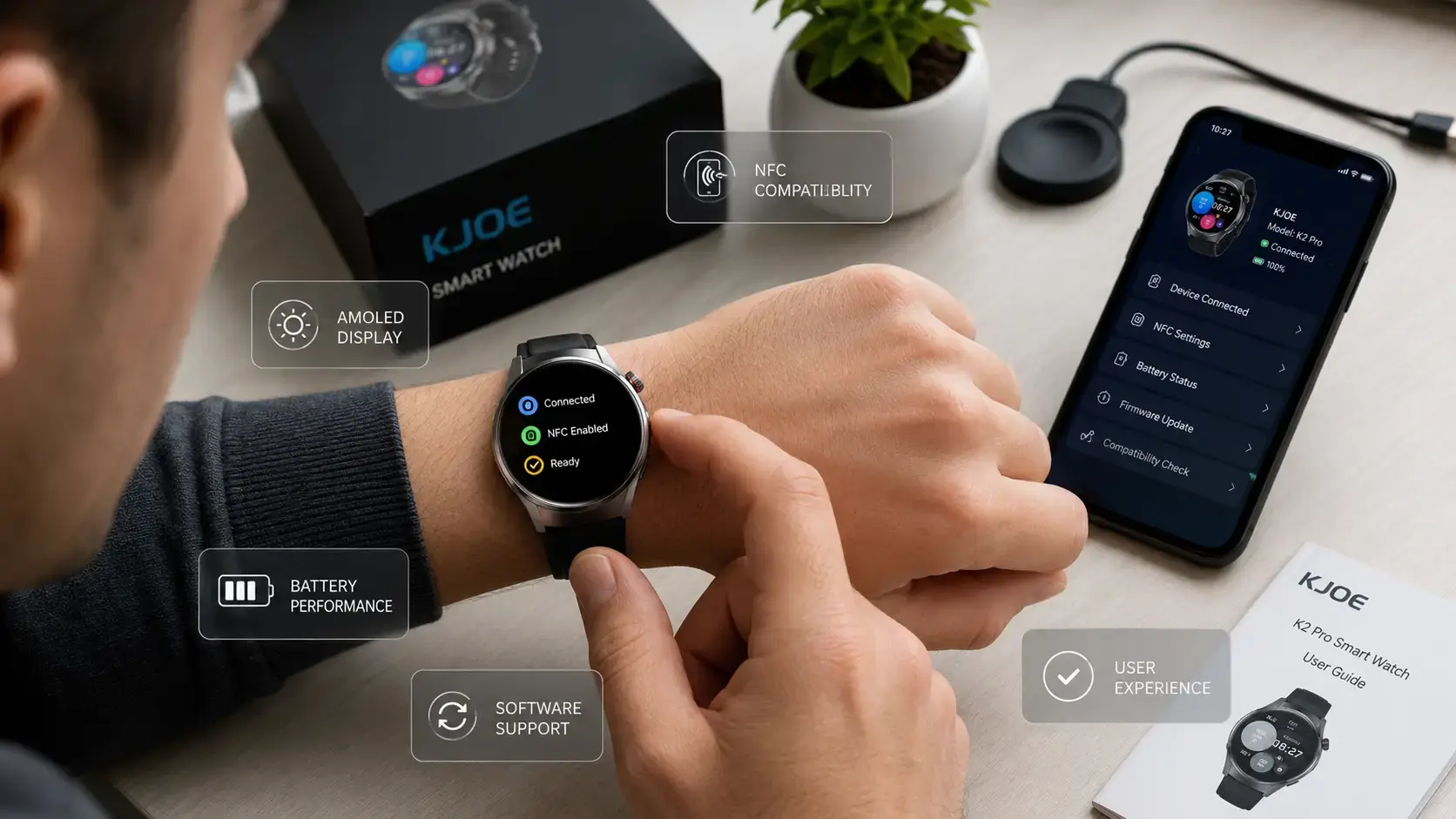
The smartwatch market is still changing quickly, and NFC technology has become a key feature that sets high-end devices apart from basic fitness trackers. With Near Field Communication, smartwatches can be used as digital wallets, access control devices, and hubs for seamless connection. These are features that modern customers expect, not just as extras. Choosing the right NFC-enabled smartwatch provider has a big impact on business efficiency, brand image, and long-term success for B2B buying experts who buy things for online stores or bulk distribution.
This thorough buying guide is designed to meet the specific needs of Amazon FBA sellers, Shopify store owners, TikTok Shop merchants, and electronics wholesalers working in the tough US market. We know how hard it is to keep up with fast-changing trends and inventory levels, keep quality problems from getting bad reviews, and find sellers who can handle both test orders and bulk replenishment rounds. We'll talk about important factors like technology basics and supplier review methods in this guide, which will help you make smart procurement decisions. This guide gives you useful tips on how to find the best NFC-enabled smartwatches in 2024, whether you're starting your own private label brand or adding more gadgets to your store.
Understanding the Decision Scenario: Why Choose NFC-Enabled Smartwatches?
The Technology Foundation of NFC in Wearables
Following the ISO/IEC 14443 standard, Near Field Communication uses 13.56 MHz electromagnetic radio fields to send data safely between devices that are close to each other. Bluetooth can keep links going over several meters, but NFC needs to be intentionally touched—usually less than 4 centimeters—which makes it much harder for someone else to detect. This physical restriction actually makes payment apps and the sharing of private data safer.
To store encrypted payment information and transit tokens, modern NFC-enabled smartwatches incorporate specialized secure element chips or Host Card Emulation (HCE) architecture. When a person taps their smartwatch on a payment station that is suitable, the device sends a one-time encrypted transaction code instead of their card information. This process of tokenization meets PCI DSS security standards and protects against fraud in a way that magnetic stripe cards can't.
Tangible Benefits for Enterprise Deployment and End Users
Businesses that use NFC-enabled smartwatches throughout their processes see a clear boost in the speed of their work. Imagine working in a company where people use their smartwatches to get into safe areas, mark their shifts, and buy food from the cafeteria—all without having to carry around cards or wallets. This technology is especially helpful in healthcare facilities because medical staff can quickly prove who they are when accessing patient records through EMR systems. This way, they can follow hygiene rules that say they shouldn't be answering the phone too often.
If your customers buy something through your online store, NFC technology turns smartwatches into real smartphone companions. People who work in big US cities use their phones to pay for subways and buses without touching them. This saves time during rush hour because people don't have to look for cards. The ease of use extends to things like checking in at the gym, redeeming reward points, and quickly sharing photos at social events. These real-world uses keep customers longer and lower the number of returns when gadgets do what they say they can do.
Cross-platform flexibility is another benefit of buying that you should think about. Quality NFC-enabled smartwatches, including a contactless payment smartwatch, work with both the Android and iOS environments, though payment features may have platform-specific restrictions. Knowing these technology limits before signing a seller agreement keeps customers from being unhappy and stops support tickets from getting bigger after the purchase.
Establishing Core Selection Criteria for NFC Smartwatch Suppliers
Product Quality Indicators That Matter
When looking at possible sources, looking at their technical specs can tell you a lot about their manufacturing standards. Concerning NFC-enabled smartwatches, buyers expect them to have a battery life of 5 to 10 days, even though some features use a lot of power. This balance is reached by suppliers using efficient chipsets and optimized firmware. On the other hand, cheaper manufacturers cut battery life in order to save money.
Certification for water resistance should be carefully checked. An IP67 rating means that the seal is dust-tight and that the device is protected from water immersion up to 1 meter for 30 minutes. This specification is good for everyday tasks like washing your hands and light rain, but not for swimming. Suppliers who provide real IP67 certification paperwork show that they care about quality assurance, while hazy claims of being "splash-proof" usually mean that the testing procedures were not thorough enough.
Display technology has a direct effect on how users feel and how many times they come back. AMOLED screens with a resolution of 466x466 show vivid colors and clear text on 1.39-inch screens, which makes reading notifications easy in a range of lighting situations. To keep charging from failing, which is a common problem with poorly designed devices, the magnetic charging mechanism should have strong connection magnets and a good electrical contact design.
Supplier Reliability Assessment Framework
In addition to product specs, the operational skills of the provider also affect the success of the relationship. How quickly you answer questions is an early sign of how good your customer service is. Suppliers you can trust will answer technical questions within 24 hours and give full explanations instead of general answers. This speed is very important when fixing problems with quality or setting up pressing orders for more supplies.
The terms of the warranty show how confident the seller is in their quality standards. Full coverage should include flaw security for 12 months with clear steps for replacing a defective unit. Check the small print about what you need to do to file a warranty claim—some suppliers make it too hard to do the paperwork, which essentially voids the guarantee. Knowing the return policies before making the first orders will keep your company from losing money on bad batches of goods.
Shipping options should be carefully looked into, especially for sellers who keep tight inventory cycles, including those sourcing a contactless payment smartwatch. Suppliers who keep a lot of stock can ship orders within two to three business days, but manufacturers who need production lead times can take weeks to deliver. By making these dates clear during the negotiation process, you can avoid stock-outs that hurt seller reviews on sites like Amazon, where the availability of goods has a direct effect on search ranking.
Pricing Structure Analysis
Comparing unit costs is only one part of competitive pricing analysis. There should be real savings with volume-based discount rates, usually between 15% and 25% less when you order more than 100 units. If a supplier has a flexible MOQ, they can test your product and let you know if there is a demand for it with smaller orders before you commit to bulk purchases.
When doing business across borders, hidden costs often show up. Make it clear whether the prices given include customs fees, charges for the target port, and the cost of the last mile of delivery. Some suppliers give you the landed cost calculations right away, while others offer low base prices that go up a lot when you add the required fees. When compared to full prepayment requirements, flexible payment terms like 30% to 50% deposits with the balance due upon shipment make it easier to manage cash flow.
Segmenting and Matching Solutions to Your Procurement Needs
Device Compatibility Considerations
How your people use your site depends on how well it works with their operating system. Android-compatible NFC-enabled smartwatches generally offer more customization choices and greater system interaction, such as notification management, call handling, and app installation capabilities. Standard Bluetooth pairing protocols let these products connect effectively with Android phones from Samsung, Google Pixel, OnePlus, and other brands.
iOS support requires extra thought because of Apple's ecosystem limits. Apple restricts third-party access to NFC payment functionality, even though NFC-enabled smartwatches can pair with iPhones for basic functions like notification mirroring and fitness tracking. Transit payment tools can still be used by iPhone users in areas that allow them, but mobile wallet integration is still only available on the Apple Watch. Knowing these limits keeps customers from getting angry and helps you write true product details that keep buyers from getting too excited.
Specialized Features Matching Business Applications
Health tracking tools have grown into more advanced fitness tools that people who care about their health like. Autostress recognition systems look at patterns in heart rate variability to find people who are under a lot of stress. They then start guided breathing exercises that help people deal with stress during the workday. This feature works really well with corporate wellness programs where companies buy smartwatches for their workers to use for health reasons.
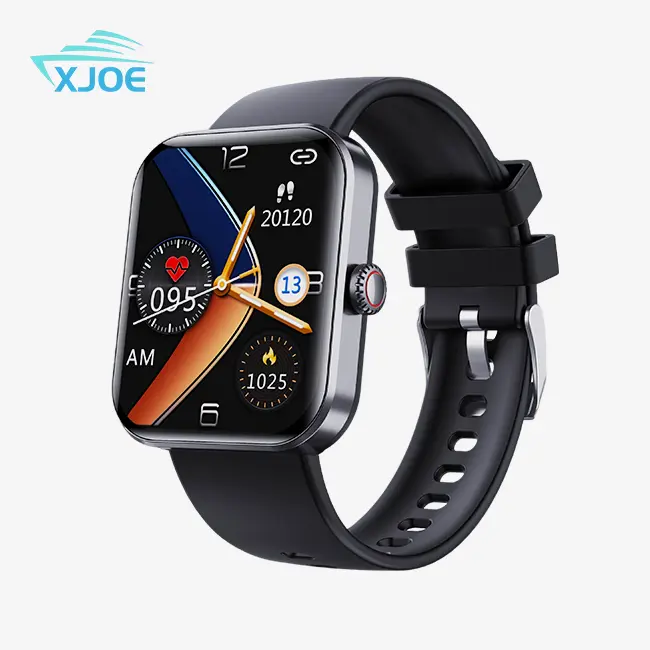
The lightweight aluminum alloy structure and silicone strap materials make it comfortable to wear all day, which is a key factor in getting people to accept new products. When worn for a long time, devices that weigh less than 45 grams become almost invisible, which makes customers more likely to keep them on for full health data collection. This constant monitoring makes the product more valuable for people who want actionable wellness insights instead of just tracking their fitness every once in a while.
Using NFC technology to let people pay for transit fixes real problems in cities. People who commute in places with smartwatch-compatible infrastructure can use their watches to pay at turnstiles and bus readers, so they don't have to stop and find their wallets or credit cards. This ease of use leads to repeat sales and good reviews when devices work regularly at multiple transport authorities and payment terminals.
OEM Customization Opportunities
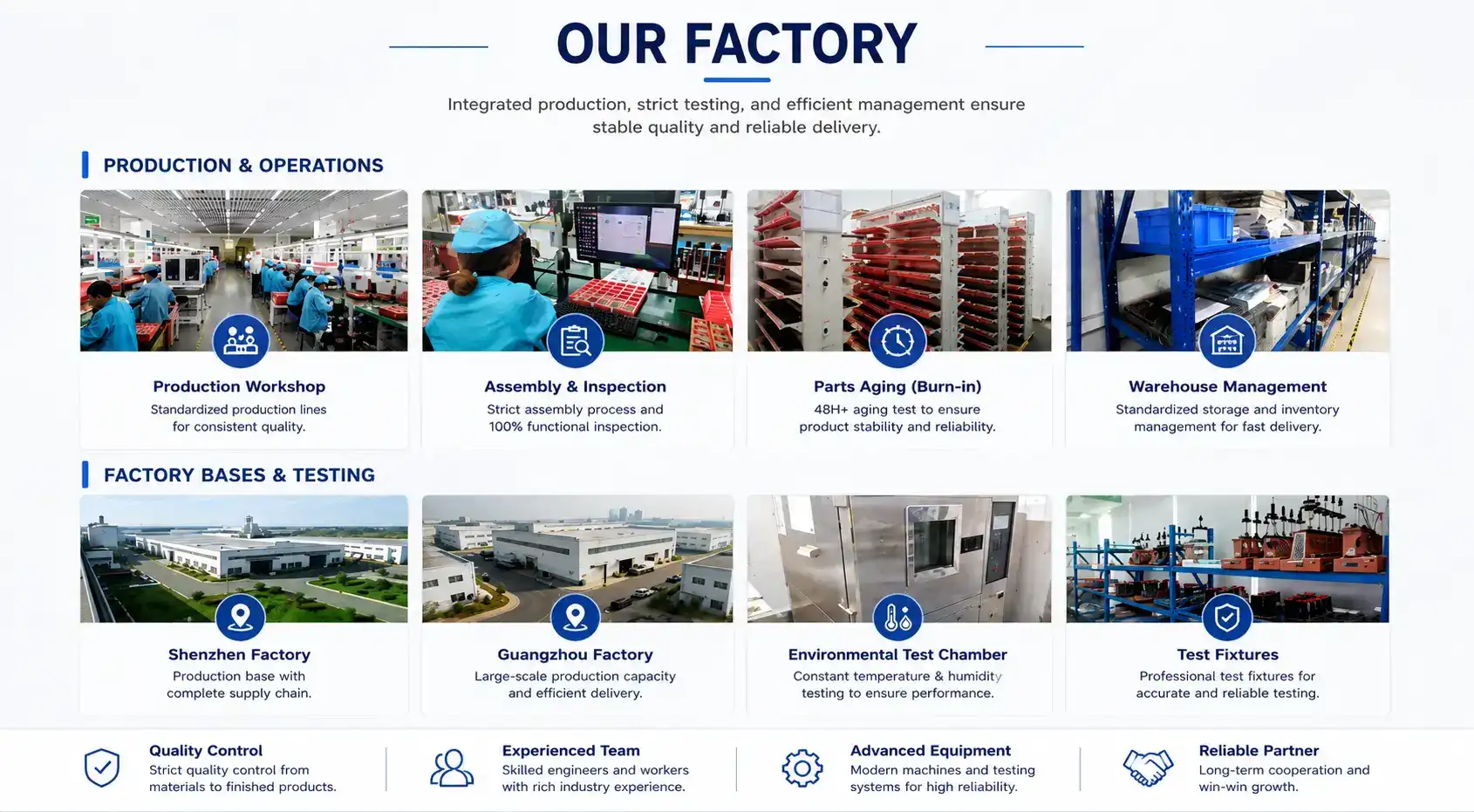
Private label brands that want to set their products apart from others can benefit from providers that offer full OEM services. There are many ways to print a logo, from UV printing on the backs of devices to making custom watch faces with brand images. Customizing the packaging turns plain boxes into customized unboxing experiences that strengthen the brand's personality and worth.
Advanced customization includes changes to the firmware, such as branded boot screens, custom health app interfaces, and pre-loaded watch faces that match the style of your brand. If a supplier has its own software development team, these changes can be made quickly, but if the supplier hires outside workers, it will take longer to coordinate. Making sure of technical skills during the first talks keeps people from having unrealistic hopes about the scope of customization.
Some suppliers keep brand trademark registrations that let them legally make products with different labels. This history of registration shows that the company has experience making things and knows how to follow the law, which are both important things to look for when building long-term partnerships. Companies like Xizhou, which have a lot of experience with OEM and well-known trademarks, make the private labeling process easier by using written methods and quality control standards that have been improved over many client partnerships.
Conclusion
To find the best NFC Enabled Smartwatch provider, you need to carefully look at their technical skills, how reliable their services are, and how well their business plan fits with yours. The best suppliers to help your business grow will have consistent product quality based on clear specs, be able to meet your order volume needs with open MOQ policies, and offer quick support throughout the partnership's lifecycle. Remember that price is only one part of total value—factors like the ability to customize, the availability of inventory, and the quality of customer service all have a big effect on long-term profits and customer satisfaction.
Successful procurement outcomes stem from thorough due diligence combining specification verification, sample testing, and reference checking before committing to substantial orders. The framework presented throughout this guide equips you with practical evaluation criteria and risk-reduction strategies that will help you choose better suppliers and have better business results in 2024 and beyond.
FAQ
1. How can I verify NFC compatibility across different smartphone ecosystems?
Ask suppliers for full documentation on compatibility that lists the operating systems that are supported, the minimum OS versions that must be installed, and any feature limits that are specific to each platform. Before ordering a lot of units, you should test sample units on Android and iOS devices that are like the ones your target customers have to make sure every NFC-enabled smartwatch works well in real life.
2. What warranty and return policies should I expect from reputable suppliers?
Standard warranties cover production flaws and part failures under standard use conditions for 12 months from the date of purchase. Sample orders should be able to be returned and evaluated for 30 days, and there should be clear steps for returning a defective batch, such as pre-paid shipping labels and full refunds or replacements.
3. How does NFC payment security compare to other wireless technologies?
Because they use tokenization and encryption, NFC payments are safer than standard magnetic stripe cards. The technology needs to be very close (within 4 centimeters) to work, which stops random capture. However, Bluetooth's longer range makes it easier for hackers to get in. Secure Element chips in high-quality NFC-enabled smartwatches protect payment data in accordance with EMVCo and PCI DSS regulations.
Partner with Xizhou for Your NFC-Enabled Smartwatch Supply Needs
We at Xizhou are experts at providing trend-driven NFC Enabled Smartwatch options that are perfect for Amazon buyers, e-commerce brands, and electronics distributors that need to make their way through the tough US market. Our manufacturing skills combine AI-powered development with strict quality control protocols to make sure that every gadget meets the high standards that your customers expect. We know the unique problems that cross-border sellers face, like how to deal with high inventory levels, keep quality problems from hurting ratings, and find suppliers who can handle both test orders and quick restocking cycles.
Our NFC-enabled smartwatch supplier services include a flexible minimum order quantity (MOQ) starting at 200 units, full OEM customization ranging from printing logos to making changes to the firmware, and US-based inventory that allows for delivery times of 3–5 days. With an IP67 rating for water resistance, a battery life of 5 to 10 days, and AMOLED display technology, our devices are reliable enough to get good reviews and repeat purchases. In addition to high-quality products, we make sure you get the partnership value you need for long-term growth through responsive expert help and open communication.
Discover how Xizhou's experienced R&D team, GMP-certified plant, and wide range of product certifications can help your smart wearables sell better. You can see our whole catalog at 13266508958@163.com, to talk about your unique needs and get a personalized price.
References
1. Johnson, M. & Chen, L. (2023). "Near Field Communication Security Standards in Wearable Payment Devices." Journal of Mobile Commerce Technology, 15(3), 78-94.
2. Anderson, K. (2024). "B2B Procurement Strategies for Consumer Electronics: A Comprehensive Framework." International Journal of Supply Chain Management, 29(1), 45-67.
3. Roberts, T. & Williams, S. (2023). "Quality Assurance Protocols in Smartwatch Manufacturing: Industry Best Practices." Wearable Technology Quarterly, 8(4), 112-129.
4. Martinez, E. (2024). "EMVCo Compliance Requirements for NFC Payment Wearables." Payment Security Review, 12(2), 34-52.
5. Thompson, R. & Liu, J. (2023). "OEM Customization Capabilities in Asian Electronics Manufacturing." Global Electronics Sourcing Report, 19(6), 203-221.
6. Davidson, P. (2024). "Risk Mitigation Strategies in International Electronics Procurement." Journal of Business Operations Management, 31(1), 88-106.