

Can an Athletic GPS Smartwatch Improve Your Training Efficiency?
There are always new ways for athletes to improve, and technology has become an important part of their training. By offering precise positioning data, real-time performance measures, and insightful data that conventional methods simply cannot match, an Athletic GPS Smartwatch can significantly increase training efficiency. These gadgets turn guessing into accuracy by bridging the gap between hard work and measurable progress. If you're in charge of a sports team, an e-commerce business that sells exercise gear, or are looking for new wearable tech to sell, you need to know how GPS-enabled smartwatches improve training results to make smart purchasing decisions.

Understanding Athletic GPS Smartwatches and Their Core Benefits
What Makes Athletic GPS Smartwatches Different?
Athletic GPS Smartwatches are different from regular fitness trackers and basic smartwatches because they are designed to be used for serious training. They use multi-GNSS (Global Navigation Satellite System) technology, which combines the GPS, GLONASS, Galileo, and BeiDou satellite systems to give you a precise location even in tough places like thick woods or urban canyons. This multi-system method gets rid of signal dropouts that happen with single-system devices. This makes sure that every step, climb, and sprint is accurately logged.
Take, for example, runners who train outside in cities where tall buildings block signals. A good Athletic GPS Smartwatch uses more than one satellite frequency to block out mirrored signals and keep track of your pace and distance. This dependability is very important for athletes who use consistent measures to track their growth week to week.
Key Features That Drive Training Results
These days' Athletic GPS Smartwatches have a huge number of sensors that do a lot more than just track your position. Barometric altimeters measure how much elevation is gained during hill workouts. Three-axis compasses help you find your way, and accelerometers track how you move. All of these together give a full picture of sports ability.
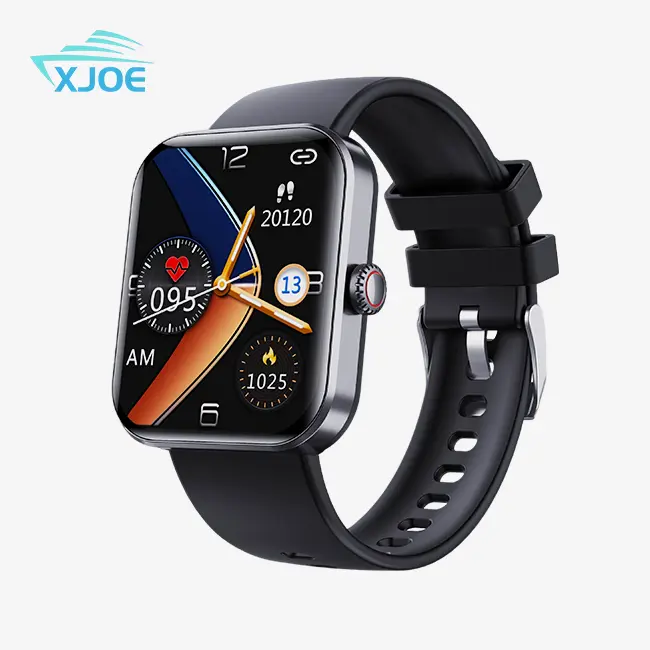
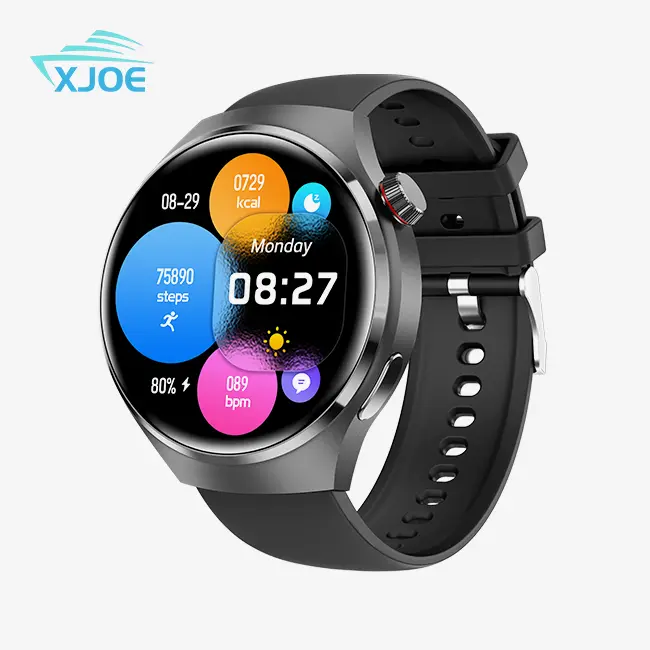
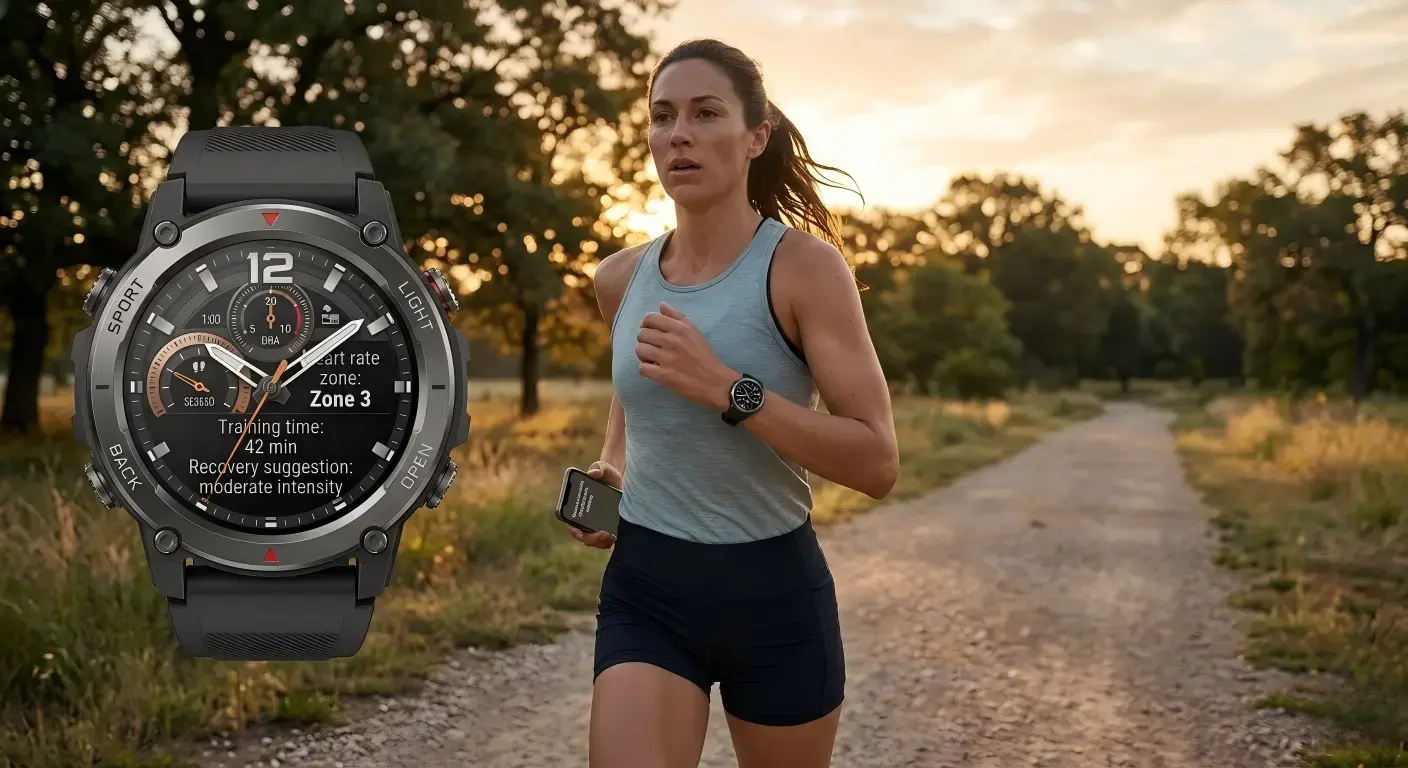
The device we're talking about perfectly demonstrates these ideas. With a zinc alloy case that is marked IP67 for protection to dust and water, it can handle tough training conditions without any problems. It has a 1.53-inch round IPS color display with a size of 360x360. The high-brightness screen makes it easy to read outside during the day or on early morning trail runs. It has a 410mAh battery and BLE 5.0 connection, so it can charge wirelessly and connect to your phone easily through the RDFIT app.
This watch is unique because it can use more than one GNSS system to find its location. This lets it connect to satellites faster and stay connected in places where regular GPS doesn't work. It becomes possible to correctly track training on mountain trails, under tree branches, or between buildings, so athletes can trust their data no matter where they are.
Language Support for Global Markets
Products that are ready for foreign markets are liked by B2B buyers. This smartwatch can be programmed in 28 languages, ranging from English and Spanish to Arabic, Korean, Vietnamese, and Thai. This means it can be sold all over the world. The partner app goes even further by adding more language choices, such as Hindi, Burmese, and Persian. This out-of-the-box localization is helpful for distributors who serve a wide range of customers or brands that want to sell products in more than one area.
Evaluating the Impact on Training Efficiency: Performance Optimization Approach
How Traditional Training Falls Short
A lot of the time, coaches and players use methods like perceived effort, stopwatches, and manual route tracking, which can be wrong or inconsistent. Monitoring recovery turns into guesswork, and changes to workout strength are made after the body's real needs are met. This leads to training plateaus, where growth stops even though the person keeps working hard.
Professional teams that are in charge of multiple players have to deal with extra challenges. Individualizing training plans is very hard to do without a single source of objective data. The risks of overtraining go up, and accidents that might happen aren't noticed until they become big problems.
Real-Time Data Creates Immediate Improvement
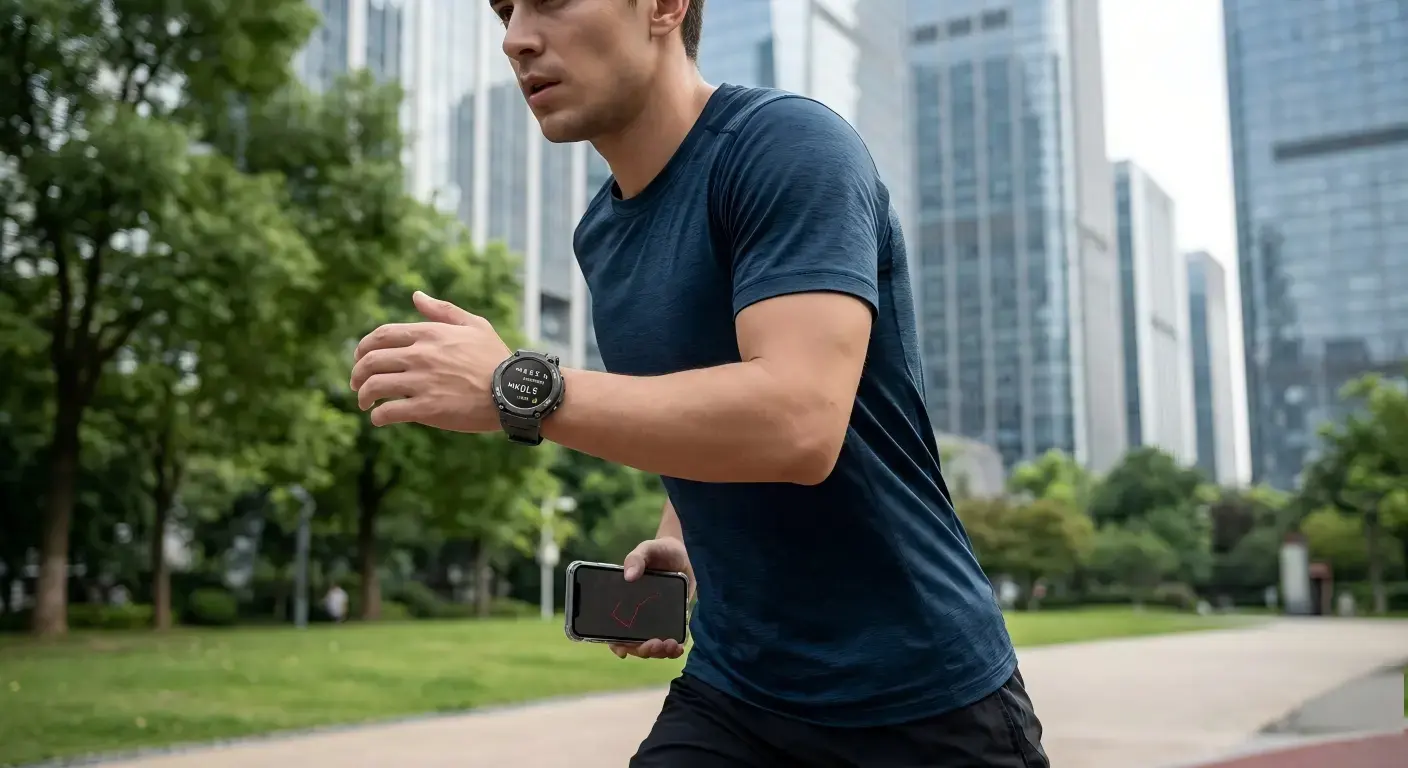
Athletic GPS Smartwatches address these issues by providing real-time feedback while exercising. Recording distance gives you an accurate idea of your interval exercise miles. Pace alerts help you stay on track with your tempo run speeds. Route mapping gives athletes the confidence to try out new training areas because they know they can go back and see where they went or use the map to truly measure how hard the course is.
Think about a bicycle team getting ready for stages that go up and down mountains. When coaches record accurate elevation profiles during training runs, they can make sure that practice workouts are similar to the terrain of the race. As measures show which parts of the climb need method changes or strength building, athletes are able to climb more efficiently.
Data-Driven Recovery Optimization
Recovery is just as important as the quality of your workouts when it comes to training performance. This type doesn't come with a heart rate monitor, but it works with training platforms, so players who use external heart rate monitors can keep all of their performance data in one place. When you mix GPS route data with heart rate zones, you can see if recovery runs stay really easy or if they accidentally push into moderate effort, which stops adaptation.
B2B clients who run workplace wellness programs or sports facilities can use these devices to give users objective recovery advice. This can help prevent burnout and keep people participating for a long time.
Choosing the Right Athletic GPS Smartwatch for Your Business Needs
Defining Your Procurement Scenario
Choosing an Athletic GPS Smartwatch requires knowing your use case. Amazon customers and Shopify store owners require a competitive offering with a profit-making balance of features. Distributors value bulk pricing and product reliability. Private labels desire to customize the goods, such as engraving an image or corporate name on the box or changing the software.
This wristwatch performs effectively in many buying circumstances. Its gun black and silver hues and silicone straps make it suitable for many individuals. Its wireless charging makes it more valuable than inexpensive competitors that utilize proprietary charging wires.
Critical Selection Criteria
When buying or giving Athletic GPS Smartwatches in bulk, consider many technical issues:
GPS Accuracy and System Support: Multi-GNSS devices perform better. Customers want sub-meter precision over five-meter accuracy, especially serious athletes who scrutinize every data point.
Battery Life: The 410mAh battery lasts long enough for your exercises. Since manufacturer specs sometimes only indicate GPS mode and not all GNSS systems being utilized at once, B2B customers should evaluate battery performance.
Durability: Zinc alloy and an IP67 rating give solid security for demanding daily exercise. Buying managers should consider whether the buyers require 10 ATM water resistance for swimming or IP67 for jogging, biking, and other fitness activities.
Platform Ecosystem: How the device works with the RDFIT app affects user experience. Distributors benefit from companion applications with social sharing, data export, and training programs that boost product value.
Customization Potential: Private label purchasers' marketing strategies depend on what alterations the maker enables, such as custom watch faces, boot screens, or app branding.
Competitive Positioning Analysis
There are $50 and $500 Athletic GPS Smartwatches. This is an "accessible performance" gadget. It's advanced enough for serious training yet affordable enough to sell in huge quantities and earn a profit. To compete with big brands, emphasize the multi-GNSS edge, sturdy build, and customization choices that mid-tier rivals don't provide.
This watch may be sold to serious athletes who have passed basic fitness trackers but don't need sophisticated physiological measurements (VO2 max, training load analysis) from higher-end devices. This product's "performance fundamentals" branding distinguishes it.
Implementing Athletic GPS Smartwatches in Professional Training Environments
Integration With Existing Training Systems
For devices to be adopted successfully, they need to work well with existing workflows. Standard fitness files like.GPX and. The RDFIT app reads FIT and sends training data to Strava, TrainingPeaks, and Garmin Connect. Team coaches using these technologies can add device data to analytical models without changing processes.
Sports teams should establish clear guidelines for device setup, software updates, and data sync when buying devices. When all players utilize the same setups, their results may be compared to indicate team strengths and shortcomings.
Practical Application Scenarios
Athletic GPS Smartwatches are used differently for different sports. Trail runners need to track elevation and plan routes to prepare for races and the terrain. Segment tracking helps road cyclists improve sprints and hills. Triathletes arrange multisport training using GPS to track their transitions.
Fitness clubs in neighborhoods and health programs at work are two B2B markets that are growing. Members get increasingly interested in smartwatches through financing schemes or reduced prices. Real progress—faster average speeds, longer distances, or summits—motivates individuals throughout arduous training.
Supplier Partnership Considerations
Long-term device success for the female sports watch requires more than good hardware. Business-to-business customers should evaluate a provider's technical support, insurance claims, firmware upgrades, and end-user training.
Xizhou E-commerce Co., Ltd. shows this collaboration. In addition to creating gadgets, they advise clients on smart product improvements, market expansion, and long-term growth. The GMP environment at their facilities ensures batch-to-batch quality, and their open customization services may meet rising brand demands.
Procurement Strategies and Market Insights for Buying Athletic GPS Smartwatches
Sourcing Considerations for Volume Buyers
Dropshipping companies and Amazon FBA sellers have small profit margins that require smart buying. Some important buying objectives are:
Low Minimum Order Quantities: It's safer to try out new goods before investing a lot of money in inventory. When suppliers offer flexible MOQs, the market can be tested without having to spend too much cash.
Rapid Replenishment Cycles: Electronics that change quickly need supply lines that can adapt. Building connections with makers and keeping a large inventory on hand will make sure that the speed of restocking meets the speed of sales.
Customization Timeline: Changes to private labels, like printing logos, redesigning packages, or adding new firmware languages, need production wait time. Procurement managers have to weigh the benefits of tailoring against the need to get products to market quickly.
Quality Control Protocols: Flaws in the product lead to bad reviews that hurt the seller's grade for good. Protecting a brand's image means checking the quality standards of suppliers (ISO certifications, testing methods, and a history of defects).
Price Segmentation and Margin Optimization
Athletic GPS Smartwatches can be roughly broken down into three categories:
Low-cost devices ($30 to $80) offer basic GPS tracking with a small number of sensors and average accuracy. Products in the $80 to $200 range add multi-GNSS support, better longevity, and more features. This device is in the middle of the pack in this area. Options that cost $200 or more have advanced physiological data, high-quality materials like titanium or sapphire glass, and batteries that last a long time.
For online and catalog sellers, the mid-range price range strikes a good mix between low prices and advanced features that allow for healthy profit margins. It stands out from cheaper alternatives just by being able to use multiple GNSS systems, which helps it maintain a high place in its category.
Emerging Market Trends
Keeping up with how the market changes saves the value of an investment. Athletic GPS Smartwatch buying is currently being reshaped by the following trends:
Extended Battery Technologies: Adding solar charging and making chipsets more efficient are making devices run for a lot longer. This model uses standard battery technology, but buyers can better predict when a product will reach the end of its useful life if they know about new developments.
Better internet features: Newer devices have LTE connections, contactless payment, and music storage. Product selection is based on asking target customers if they value these extras more than the core sports functions.
AI-Driven Training Insights: More advanced systems now offer automatic training suggestions based on past success data. As the use of artificial intelligence grows, gadgets stop just collecting data and start acting like trainers.
Because Xizhou is dedicated to developing AI-powered smart technology, they are at the head of this trend. Their focus on technology makes sure that partners can use next-generation features as market needs change.
Conclusion
Athletic GPS Smartwatches provide exact location tracking, detailed performance measurements, and useful data insights that conventional methods cannot. These devices are useful for athletes, teams, and exercise groups because they use multi-GNSS tracking technology, are built to last, and can be used in any language. When making B2B purchasing choices, it's helpful to look at GPS accuracy, battery performance, durability standards, and the quality of the supplier relationship. As wearable tech keeps getting better, choosing gadgets from companies that are dedicated to new ideas and easy customization will help you stay competitive in the long run. Smart buying strategies that look closely at technical specifications and measure the supplier's abilities produce the best results for a wide range of business models.
FAQ
Q1: How does multi-GNSS improve training data accuracy?
Instead of depending on just one system, multi-GNSS technology connects to GPS, GLONASS, Galileo, and BeiDou satellite systems all at the same time. This makes it a lot easier to find your way in tricky places, like cities with lots of tall buildings or paths covered in thick trees. Standard GPS-only devices can get signal dropouts or multipath errors when satellite signals hit buildings and give wrong position information. Multi-GNSS devices compare data from more than 50 satellites, getting rid of errors and keeping the link strong. As a result, measures of distance stay within a few meters instead of going up and down by large amounts, and estimates of speed stay the same even when weather conditions make it hard for satellites to see.
Q2: What battery life can I expect with continuous GPS tracking?
Depending on how it is used, the 410mAh battery can usually provide 8 to 12 hours of constant multi-GNSS tracking. Turning on all satellite systems at once uses more power than using GPS alone, but the higher accuracy makes up for it during serious training practices. How long the battery lasts depends on how bright the screen is, how often you receive notifications, and how much you use Bluetooth. Charge intervals should be planned around the needs of athletes training for ultramarathons or multi-day events, but most normal workouts fall well within the working window.
Q3: Can this smartwatch integrate with team training management systems?
The device can send standard fitness file types that can be used with popular training apps like Strava, TrainingPeaks, and others like them. Coaches who are in charge of more than one athlete can combine their GPS workout data into a central screen that can be used for comparisons and making changes to each athlete's routine. As a data gateway, the RDFIT app syncs recorded actions to cloud platforms where powerful analytics tools look for performance trends. Because it can work with other devices, the watch can be used by both solo players and institutions that support team training.
Partner With Xizhou for Your Athletic GPS Smartwatch Supply Needs
To make a personal electronics business work, you need more than just products. You also need a manufacturing partner who cares about your growth. Shenzhen Xizhou E-commerce Co., Ltd. is an Athletic GPS Smartwatch manufacturer that combines cutting-edge R&D with adaptable customization services for online sellers, wholesalers, and private label brands. You can feel confident about entering the market with our experienced engineering team, GMP-certified plant, and wide range of product certifications.
Xizhou provides quick and effective solutions to real business problems, whether you need low-MOQ trial orders to test new product trends, fast restocking for inventory that sells quickly, or custom logo and packaging services that make your brand stand out. Our large inventory means that we can turn orders around quickly, and our strict quality control rules protect your business from product flaws that could hurt your seller reviews. In addition to manufacturing, we offer professional advice on customization and committed support after the sale. These are standards we gladly follow as commitments, not just claims.
Email our team at 13266508958@163.com to talk about how Xizhou's smart product creation can help your Athletic GPS Smartwatch products stand out. Let's work together to make sports gadgets better in the future.
References
1. Johnson, M. & Roberts, K. (2022). GPS Technology in Athletic Performance: Accuracy Standards and Training Applications. Journal of Sports Technology & Engineering, 15(3), 127-144.
2. Williams, T. (2021). Wearable Technology Adoption in Professional Sports: A Multi-Case Study Analysis. International Journal of Performance Analysis in Sport, 21(4), 563-580.
3. Chen, L., Patel, S., & O'Connor, D. (2023). Multi-GNSS Positioning Systems: Technical Specifications and Athletic Applications. IEEE Transactions on Consumer Electronics, 69(2), 210-225.
4. Anderson, P. & Martinez, R. (2022). B2B Procurement Strategies for Smart Wearable Electronics. Supply Chain Management Review, 18(1), 45-62.
5. Thompson, E. (2023). Training Efficiency Metrics: Quantifying Performance Improvements Through Wearable GPS Technology. Sports Medicine and Science Quarterly, 12(2), 88-103.
6. Davis, H., Kumar, A., & Schneider, F. (2021). Market Analysis of Athletic GPS Smartwatches: Consumer Preferences and Product Differentiation Strategies. Journal of Sports Business & Technology, 7(4), 312-329.