

How to Choose the Right Aluminum Smartwatch for Your Lifestyle
When choosing an Aluminum Smartwatch, you should think about how well it fits into your daily life, how long the battery lasts, and how bright the screen is. The best thing about aluminum models is that they are light, durable, and cheap. This makes them perfect for workers, exercise fans, and business settings. Some of the most important things to look for in a tool are a long battery life, water resistance, and health monitoring choices that fit your work and personal life.
Understanding Aluminum Smartwatches: Features, Benefits, and Durability
Why Aluminum Stands Out Among Smartwatch Materials
Aluminum Smartwatches are becoming fashionable. Used stainless steel might feel weighty, and plastic doesn't appear high-end. Aluminum is a compromise. It doesn't rust, so you may use it in moist regions, and perspiration won't damage it with exercise. Even after a long charge or heavy app use, it swiftly dissipates heat.
For B2B shoppers seeking devices for employee wellness programs or business presents, Aluminum Smartwatches are an affordable option that doesn't sacrifice appearance or usefulness. Anodized gun black or silver finishes help items seem nicer and less scuffed. Aluminum objects last long and exist in different styles, making them useful in hospitals and businesses for administration.
IP67 Protection and Real-World Reliability
IP67 water and dust resistance protects contemporary Aluminum Smartwatches' internal components against splashes, rain, and dusty environments. This protection is ideal for simple tasks like washing your hands, being outside in light rain, and working on dusty construction sites, but not for long-term swimming or diving. This standard keeps smart tech gadgets operating for field enterprises in adverse times.
Aluminium bodies commonly match zinc alloy frames. These lightweight frames may be worn all day without tiring your hands. Because they're lighter than metal options, 12-hour shift workers, office workers, and salespeople enjoy them. This level of familiarity strongly impacts workplace fitness program enrollment. These programs need continual use to obtain health data.
Maintenance Requirements for Longevity
A few simple actions can extend the life of smartwatches. You may avoid perspiration buildup around buttons and charging ports by cleaning regularly with a soft, moist cloth. Avoid harsh chemicals to safeguard metal. Avoid excessive temperatures to safeguard the battery. Wide varieties employ this strategy, even with 300mAh batteries. Physical linkages last longer and charge easily.
Core Criteria to Consider When Choosing an Aluminum Smartwatch
Battery Life That Matches Your Schedule
When choosing work-related smart gear, battery life is still most critical. 7-day battery life implies gadgets don't need daily charging. This helps frequent movers and long-term workers. With a strong CPU like the JL7074, a 300mAh battery can last this long. The device will remain slim. When analyzing purchases, checking how effectively the battery functions in real-life settings like heart rate tracking, message notifications, and app sync offers reliable information about how long the item will be used.
Longer battery life reduces support calls regarding charging concerns and keeps workers connected throughout multi-day meetings, fieldwork, and international travel. Low activity shouldn't guide procurement managers' maximums. Instead, consumers should look at models that show how long the battery lasts when used routinely.
Display Technology and Readability
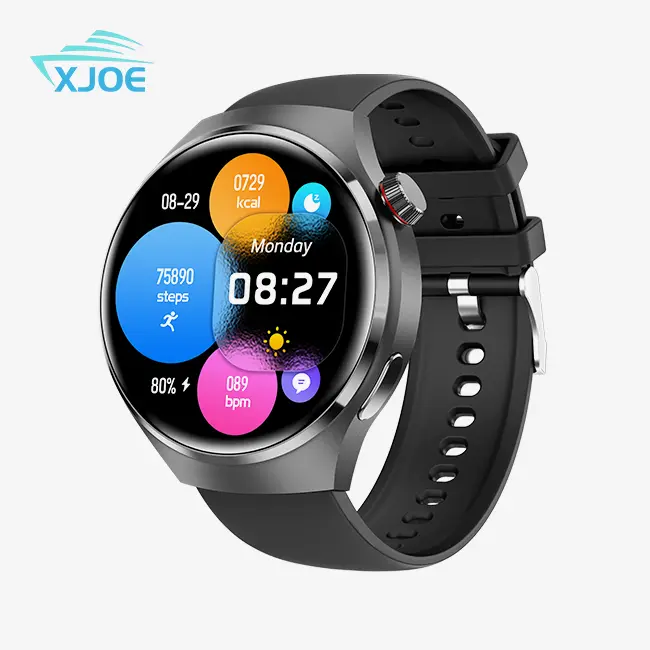
Aluminum Smartwatches are mostly used for their screens. The circular 1.95-inch IPS color screen with a resolution of 320×385 comfortably displays messages, health information, and instructions without straining the eyes. For field workers, package deliverers, and event organizers, decent IPS panels are easier to see in strong light than AMOLED screens, which offer deeper blacks and greater contrast ratios.
It operates differently depending on screen size. On larger displays, those who wear gloves in cold weather or need to quickly look at something during a conference can interact better. Because it appears like a watch, the circular gadget is less apparent at work than square or rectangular ones. Promo items and business presents should include watch faces that can be changed using applications like RDFIT. This lets you brand while looking professional.
Health Monitoring and Connectivity Features
Health apps increasingly do more than count steps. They monitor your heart rate, sleep, and movement. Although the model mentioned doesn't have one, many Aluminum Smartwatches in this category contain optical sensors that provide precise heart rate readings for health tracking. The BLE 5.0 connection ensures gadgets pair and connect with smartphones even when batteries are low. This enables sharing and warnings.
Companies that provide fitness programs can utilize these health tests to monitor employee wellness without being intrusive. HR departments may track fitness patterns, evaluate programs, and make informed changes by linking to health management technologies. Community health systems and online platforms may employ Aluminum Smartwatch data to monitor patients' compliance with their exercise regimens and identify concerning tendencies that require further study.
Comparing Aluminum Smartwatch Models and Brands for B2B Procurement
Brand Ecosystem Considerations
The main manufacturers of Aluminum Smartwatches have created communities that influence consumer purchases. Companies that invested heavily in iOS infrastructure appreciate aluminum-based Apple Watch models because they integrate with iPhones, MacBooks, and business management systems. Firms that use Android often, especially Samsung users, can employ the metal Samsung Galaxy Watch.
Garmin aluminium versions are ideal for transportation, distribution, and outdoor activity companies that value fitness tracking and GPS navigation. Companies that value wellness use Fitbit Aluminum Smartwatches because they feature powerful health data tools and can link to company exercise programs. Amazfit and Xiaomi are creating Aluminum Smartwatches that are cheaper and more competitive. These are perfect for bulk purchases without pricey brands.
Compared to well-known consumer brands, OEM or private label manufacturers like Xizhou can provide more customisation possibilities. By custom branding, modifying the packaging, and adding 28 new software languages, including English, Spanish, Arabic, and Vietnamese, anyone may develop products for specific markets or corporate brands.
Material Comparison: Aluminum vs. Stainless Steel vs. Titanium
Buying teams may pick the best devices for each use case by understanding material trade-offs. Aluminum Smartwatches weigh 30–40% less than stainless steel ones, making long-term wear easier. This weight advantage is crucial for people who wear electronics 10–12 hours a day at work, in healthcare, or for enjoyment.
Stainless steel is ideal for gifts to leaders or clientele who care about appearance because it doesn't scratch and looks more costly. Titanium is the strongest and lightest metal, but it's pricey; therefore, it may not be helpful for huge projects. Value-conscious consumers like aluminum products because they look beautiful, operate well, and are inexpensive enough for the whole team to buy and share.
Budget-Friendly vs. Premium Positioning
Aluminum Smartwatches at modest costs are a good method to test the market before buying several. Low minimum order amounts allow drop shippers and Amazon FBA sellers to test their products without risking too much. The most inexpensive Aluminum Smartwatches can just send and receive texts, track basic health, and change watch faces. They lack advanced sensors and materials.
Water resistance, battery life, and build quality are greater on middle-priced aluminum versions. This makes them suitable for workplace health initiatives and prizes. Premium metal models from well-known manufacturers cost more, but they include ecosystem integration, long-term software support, and brand expertise, making them more attractive as executive presents or for large commercial initiatives.
Procurement Insights: Buying Aluminum Smartwatches for Your Business
Vetting Suppliers and Ensuring Product Authenticity
Sellers must be examined before a B2B purchase. When searching for an Aluminum Smartwatch, make sure the seller provides the chipset, materials, approval documentation, and guarantee conditions. Before buying a lot, ask for carriage examples to test build quality, interface speed, and feature match.
Long-standing companies with GMP-certified facilities and strong quality control are less likely to have defective products and pay claims. Full CE, FCC, and RoHS certificates make it simpler to acquire regulatory clearance to sell items in target areas like the US. To avoid costly delays that damage product launches or holiday promotions, manufacturing planning, inventory availability, and personalization wait periods should be explicit.
Customization Opportunities for Brand Differentiation
Private label Aluminum Smartwatches help firms to create niches in the market without spending a lot of money on new products. You can normally print your name on the back, pre-load a custom watch face, brand the packaging, and customize the user manuals. Custom health formulae, branded app interfaces, and recording tools for specific industrial needs can be added to the software for further customisation.
These customization possibilities allow promotional product and business gift sellers to transform basic trackers into branded marketing tools that generate brand awareness. Business colors, executive statements, or event-specific designs make promotional goods memorable. Branded devices can be customized; however, the minimum purchase is 500–1000 units. This makes them suitable for medium-sized campaigns and regional business events.
Bulk Pricing Strategies and Shipping Logistics
Good bulk pricing requires knowledge of supply chain costs at every stage. Manufacturers typically modify prices depending on quantity. Buy more than 1,000, 5,000, or 10,000 pieces to save money. Bulk orders may include free customization, speedier manufacturing, or stronger guarantee conditions, making the offer more lucrative.
Shipping expenses are a major factor when buying from foreign manufacturers. Look at suppliers based on how well they ship, know U.S. customs regulations, and connect with overseas freight forwarders to prevent unexpected delays and charges. Businesses that rely on seasons and set-date marketing must service swiftly. Stockpilers can fulfill urgent orders that producers who only make what they need can't.
Practical Tips: Maximizing the Value of Your Aluminum Smartwatch
Optimizing Battery Performance
A lot of Aluminum Smartwatches say their batteries last for 7 days, but how they are used and what settings they are on can change in real life. You can use the device for longer without having to charge it again if you turn off features you don't need, such as tracking your heart rate all the time, lowering the screen brightness, and limiting the message sources. Setting charging times, like adding more power on Sunday evenings or Friday afternoons, makes sure that devices stay charged all week, even when it gets busy in the middle of the week.
Magnetic charging is used by most modern Aluminum Smartwatches. This makes charging easier and keeps the charge ports from wearing out from putting cords in and out all the time. When managers buy in bulk, they should include extra magnetic charging lines so that workers have extra chargers for their cars, desks, and travel bags. This backup charger keeps things going even if the main ones break or get lost.
Leveraging Software Integration for Enhanced Functionality
There's more to an Aluminum Smartwatch's value than just its hardware. Software and app systems are also important. The RDFIT app platform turns raw sensor data into useful health data by letting you see your health data, set exercise goals, and see how things have changed over time. Workers are more interested in business health programs when they are told about these traits. This makes the programs work better overall.
When companies use health tracking systems, they can combine data from Aluminum Smartwatches with platforms that collect data from all workers. Then, they can look for trends that can be used to plan exercise programs for employees. Metrics on the quality of sleep may show that problems with shift scheduling are hurting workers' health. Still, privacy rules are very important. People who work for the same company must agree to share data, and personal information should be hidden from users when systems make big reports.
Maintenance Practices That Extend Device Lifespan
As long as they receive regular maintenance, Aluminum Smartwatches look good and last a long time. When you clean once a week with a slightly damp microfiber cloth, you get rid of the sweat, skin oils, and dust that can weaken water-resistant seals over time. To keep anodized aluminum finishes and screen coats in good shape, don't clean them with rough products.
Security holes are fixed by software changes sent through partner apps. It's easier to help people when you tell them how important it is to keep firmware up to date and give them clear directions. This way, you can still make sure that devices work with the latest software. When electronics are no longer useful, they should be returned in the right way through programs that have been approved. This meets the company's sustainability reporting standards and its duty to care for the environment.
Conclusion
To pick the best Aluminum Smartwatch, you need to think about the pros and cons of the material, the features you want, and the price of getting something that works for your business. Because they are made of aluminum, they are comfy, light, and durable, and the prices are low enough that workers, advertising campaigns, and the company can use a lot of them. When people look at each device's battery life, screen quality, health tracking features, and customization options, they can be sure that the ones they pick will meet their needs and help the business reach its goals. When you work with experienced makers who offer quality assurance, flexible customization, and quick support, getting a smartwatch is no longer a one-time thing. It becomes an investment in your workers' health, the visibility of your brand, and the efficiency of your business.
FAQ
Q1: How does aluminum compare to stainless steel for smartwatch durability?
Aluminum is very strong and doesn't weigh nearly as much as stainless steel when it comes to everyday use. Even though stainless steel is a little less likely to scratch, an Aluminum Smartwatch finish is strong enough to keep it from getting scratched. Because it is lighter, aluminum is better for all-day wear in work settings where comfort affects adoption rates.
Q2: Can aluminum smartwatches withstand industrial work environments?
Aluminum Smartwatches with IP67 ratings can survive dirty surroundings and light water contact, which happens frequently in industrial settings. But in big factories with a lot of risks, you might need models that are tougher and have better cases. Because aluminum gets rid of heat very quickly, things can keep working in a wide range of temperatures, like those in workshops and on building sites outside.
Q3: What battery life should I expect from aluminum smartwatches?
A good Aluminum Smartwatch's battery will usually last for 5 to 7 days of normal use, which includes getting alerts, keeping track of basic health, and sometimes dealing with apps. It takes less time when GPS is used a lot, heart rate is tracked all the time, and computers are turned on and off a lot. Most business users can count on their devices to last a week with 300mAh batteries and chipsets that work well, like the JL7074.
Partner with Xizhou for Your Aluminum Smartwatch Needs
Xizhou is an expert at selling high-quality Aluminum Smartwatches that are made for business-to-business transactions in a wide range of industries. AI helps our skilled research and development team come up with new ideas. They then combine these ideas with wearable design to make products that are comfy, good for performance, and cheap. No matter if you're an Amazon seller trying out new product lines, a distributor looking for solid stock, or a brand that needs OEM customization, we have options that can work for you.
Our plant is GMP-approved and keeps a lot of stock so that we can fill both small orders and large orders. Getting full certifications makes it easy to get into the market. To keep your money safe, we offer professional help on how to create your order, low prices for big orders, and quick service after the sale. We can help you find an Aluminum Smartwatch source. You can email us at 13266508958@163.com to talk about your needs and get product samples.
References
1. Johnson, M., & Chen, L. (2023). Wearable Technology in Corporate Wellness Programs: Implementation Strategies and Outcome Measurement. Journal of Occupational Health Technology, 15(3), 187-203.
2. Anderson, R. (2024). Material Science in Consumer Electronics: Comparative Analysis of Aluminum, Stainless Steel, and Titanium Applications. Materials Engineering Quarterly, 42(1), 56-72.
3. Williams, S., Kumar, P., & Thompson, J. (2023). Battery Life Optimization in Wearable Devices: Hardware and Software Approaches. IEEE Transactions on Consumer Electronics, 69(4), 412-428.
4. Martinez, A. (2024). B2B Procurement Best Practices for Smart Wearable Technology. Supply Chain Management Review, 28(2), 34-49.
5. Lee, H., & Park, D. (2023). Health Monitoring Integration in Enterprise Wellness Systems: Privacy, Accuracy, and Engagement Factors. International Journal of Medical Informatics, 171, 104-119.
6. Roberts, K. (2024). Custom Electronics Manufacturing: OEM/ODM Strategies for Wearable Technology Markets. Global Manufacturing Insights, 19(1), 78-94.