

Accurate Heart Rate Smartwatch Solutions for Fitness Brands
Fitness brands competing in today's wearable market cannot afford to guess at heart rate data. Consumers expect precision, and retailers demand products that generate five-star reviews rather than complaints. An accurate heart rate smartwatch sits at the center of that expectation — combining optical biosensors, motion-compensation algorithms, and real-time zone analytics into a device that serious users and fitness professionals genuinely trust. This guide walks procurement teams, Amazon sellers, OEM brands, and distributors through everything that matters: sensor technology, feature value, supplier selection, integration strategy, and where the market is heading next.
Medical Disclaimer: The smartwatch products referenced in this guide are intended for general fitness and wellness monitoring purposes only. They are not medical devices and should not be used as substitutes for professional medical diagnosis, treatment, or advice.
Understanding the Technology Behind Accurate Heart Rate Smartwatches
How PPG and Optical Sensors Actually Work
Photoplethysmography (PPG) is the main technology used in most home heart monitors today. Green LEDs shine light into the skin, and a photodetector records the changes in light absorption that happen when the heart beats. From these changes, the device figures out the heart rate. Multi-path optical modules, which use red/infrared wavelengths for SpO2 and green LEDs for active exercise, have much better signal integrity than single-channel systems. It was proven in a 2022 study published in npj Digital Medicine that modern PPG algorithms can get within ±5 BPM of ECG gold standards during moderate exercise when paired with 6-axis accelerometers for motion compensation.
Motion Artifacts and Skin Tone Variability
Two persistent problems make it hard for wearables to accurately measure heart rate. Motion artifacts happen when wrist movement during high-intensity intervals adds noise to the optical signal. Good devices get rid of this issue by subtracting signals based on accelerometers. Differences in skin tone are also important. People with darker Fitzpatrick scale tones (Types IV–VI) absorb green light in different ways, which can throw off readings. When brands are looking for fitness wearables for a wide range of customers, they need to make sure that their supplier's PPG module has been tested across the whole Fitzpatrick range.
Core Features and Benefits of Accurate Heart Rate Smartwatches for Fitness Brands
What sets a high-end exercise device apart from a cheap one is its ability to provide real-time biometric value. These are the main features that make a competitive, accurate heart rate smartwatch for your line:
- Zone-based training guidance: Heart rate zones (1–5) show users exactly how to train their bodies, so they don't overdo it or not do enough. This feature directly helps corporate wellness programs, gym chains, and personal trainers build structured programs based on validated data.
- VO₂ Max estimation: VO2 Max estimation is a professionally accepted measure of cardiovascular health that gives endurance athletes a measurable standard. Having it built into a brand's app environment makes people more likely to stick with it and use it again.
- Pace, cadence, and running dynamics: Metrics like ground contact time and stride cadence make a heart rate watch a full teaching tool for fitness brands that focus on running.
- Sleep staging and HRV tracking: Tracking Heart Rate Variability (HRV) during sleep is a good way to tell if someone is ready to recover. When brands add sleep data to their platforms, they can give users long-term health tips that make them more loyal.
With all of these features, fitness brands can market their products as more than just watches. They can market them as a personalized health information tool. Customers won't look for other options when your device gives them reliable info all the time.
Evaluating and Selecting the Best Accurate Heart Rate Smartwatch Solutions
What B2B Procurement Teams Must Prioritize
When purchasing managers buy a lot of things, technical specs don't tell them everything they need to know. How well a product does in a certain retail channel or use case depends on its battery life, waterproofing rating, platform compatibility, and ability to be customized. When making a device for Amazon FBA, the price and number of features must be balanced. The most important thing for a gadget that will be used in a workplace wellness program is that it can easily connect to an API.
Professional endurance markets are led by brands like Garmin and Polar, whose sensor accuracy has been proven and whose ecosystems are strong. Apple Watch is the leader in high-end customer markets, but it doesn't give OEMs a lot of freedom. Xiaomi and Huawei both offer choices that are competitive in terms of price and are good for high-volume marketing. OEM/ODM makers are the best choice for fitness brands that want to really set their products apart by getting custom firmware, private label packaging, and UI that is designed just for their brand.
Spotlight: Running-Focused Smartwatch Built for Performance
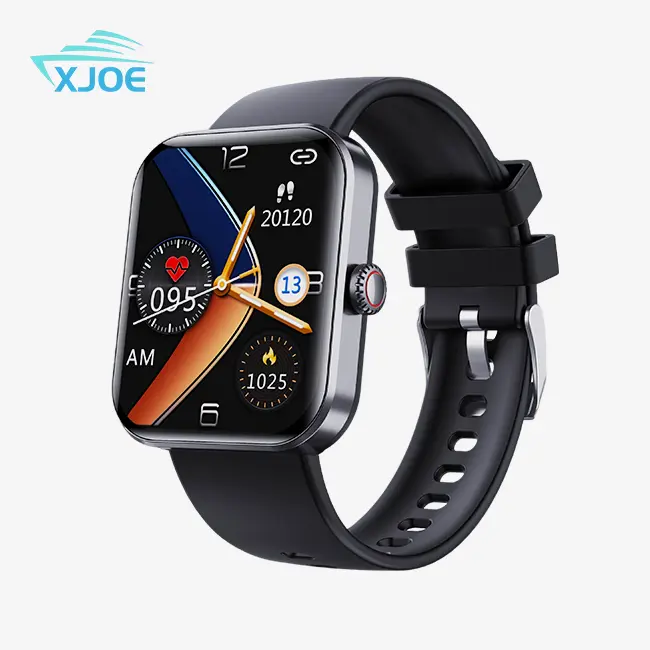
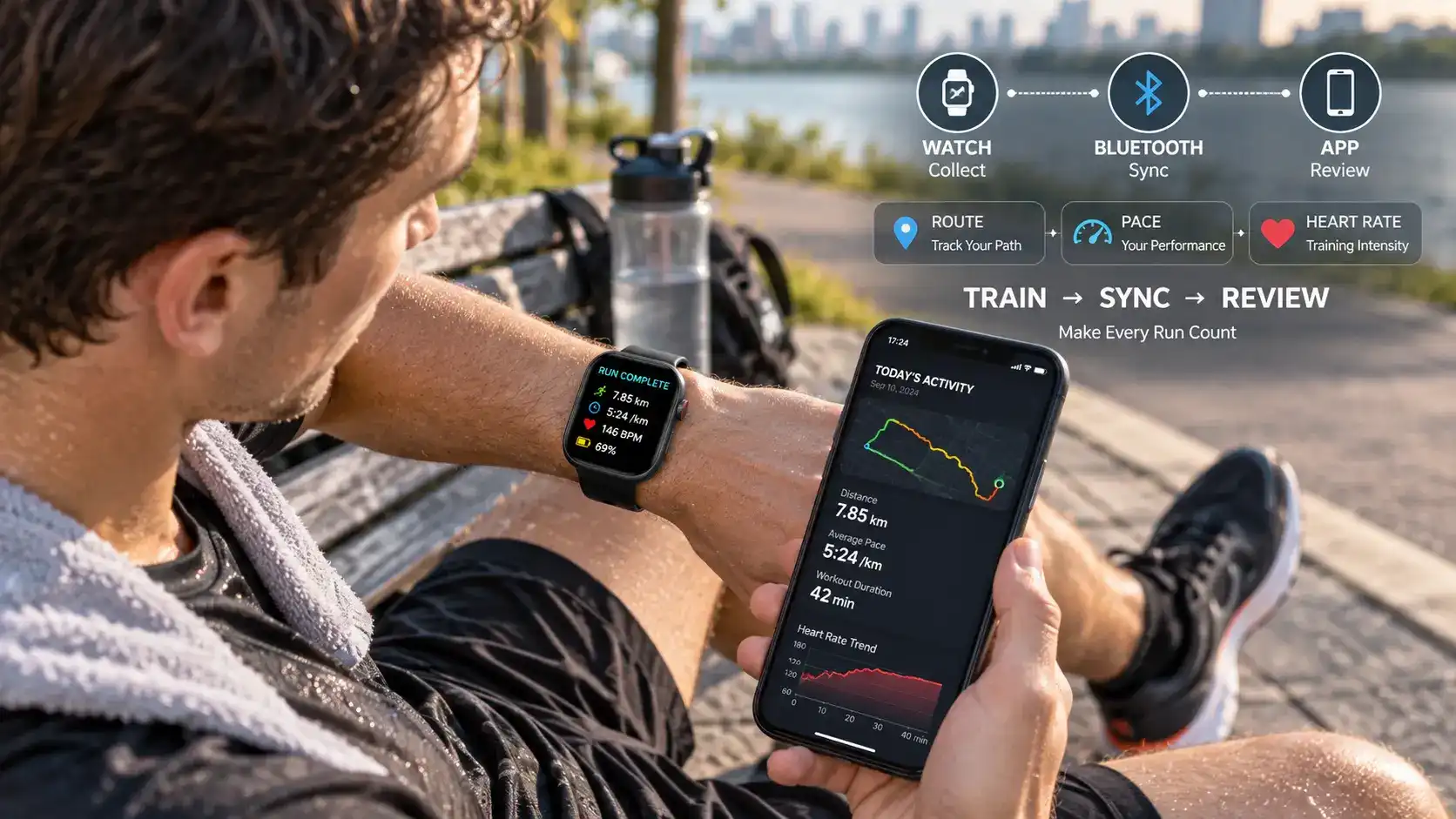
A lightweight running heart meter watch with a high-precision optical heart rate monitor, VO2 Max estimation, and professional running metrics like pace and cadence is a great example of a solution that was made to meet specific needs. It has a fiber-reinforced polymer case that makes it easier on the wrists and a strong metal structure. It runs on Android and has an IPS display with a resolution of 320x240 pixels and a screen size of 29–35 mm. It is waterproof up to IP67 and can be charged magnetically for 5–10 days. The silicone strap and pin buckle are made to meet the practical needs of people who run every day. This type of gadget is good for people who sell electronics on Amazon, exercise brands on TikTok Shop, and OEM clients who are making their own brands.
Integrating Accurate Heart Rate Smartwatch Solutions into Fitness Brand Offerings
From Entry-Level Tracking to Pro Athlete Monitoring
A well-chosen wearable portfolio shows that fitness brands cater to a wide range of customers. Simple zone alerts and step counting are all that new users need. Trends in VO2 Max, an estimate of the lactate threshold, and GPS route mapping are all things that competitive athletes need. When it comes to corporate wellness programs, HRV dashboards and a collection of health reports for HR teams or insurance partners work best.
When a fitness brand adds validated heart monitoring to its products, it gives itself a real edge over other brands. When a customer sees that their gadget meets clinical standards, they believe the company more than just the hardware. This trust leads to reviews, word-of-mouth, and long-term customers.
The system that comes after the sale is just as important as the gadget itself. The B2B client's customer satisfaction measures are affected by things like warranty terms, availability of new straps, firmware update schedules, and quick technical help.
Procurement Best Practices and Market Trends for Fitness Brands
Navigating Bulk Orders, MOQ, and Supplier Vetting
Transparency with suppliers is the first step to effective B2B smartwatch buying. Before placing large orders, buying teams should ask for the results of dynamic heart rate accuracy tests, protection certification paperwork (IP67 or 5ATM pressure tests), and Fitzpatrick-range sensor validation reports. Making sure that warranties, return policies, and wait times for replacements are clear in contracts protects both brand image and dealer profits.
Wearable tech is moving toward AI-enhanced sensor fusion, where machine learning on the device improves heart rate readings in real time based on each person's physiological baselines. European markets are starting to look for sustainable materials and eco-friendly packaging. In the U.S., however, fast restocking is still the most important thing for Amazon and TikTok Shop sellers who have to deal with short trend cycles.
Conclusion
Accurate heart rate tracking is no longer a high-end feature that sets a product apart; it's now something that customers expect for an accurate heart rate smartwatch. Fitness brands that get cardiac wearables from reputable companies with solid sensor technology and solid OEM partnerships will be able to win in terms of both product quality and platform loyalty. The choices you make today about what to buy affect the reviews and money you make tomorrow, whether you are restocking an Amazon storefront, releasing a private-label running watch, or providing wellness programs for businesses.
FAQ
1. How accurate are wrist-based heart rate monitors compared to chest straps?
When paired with motion-compensation algorithms, modern optical wrist sensors can usually get an accuracy of ±5 BPM during moderate exercise. Electrical (ECG-based) chest bands are more accurate during high-intensity intervals, but wrist devices are easier to wear every day and can measure more than one thing.
2. What should B2B buyers verify before placing a bulk smartwatch order?
Before signing a purchase agreement, buyers should ask for dynamic accuracy test results across multiple heart rate zones, waterproofing certification paperwork, PPG sensor validation across a range of skin tones, battery life benchmarks under continuous monitoring, and written warranty and return terms.
3. How can fitness brands improve heart rate data reliability for their end users?
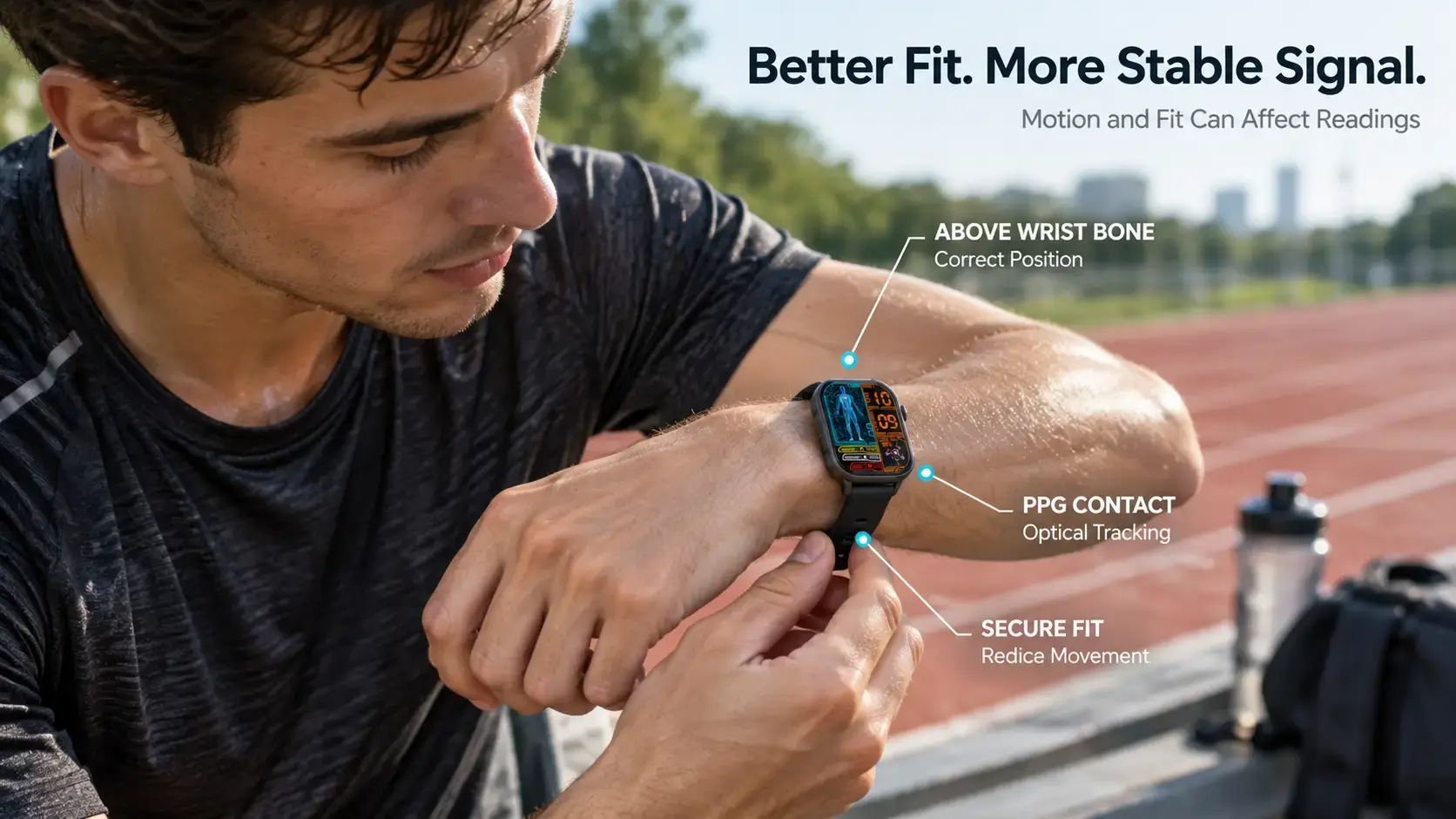
Users should wear the device snugly above the wrist bone and not put it on skin that has tattoos. The device should also be calibrated while the user is at rest. For the most accurate readings across all types of action, choose devices from the provider that have multi-wavelength PPG modules and their own motion-filtering software.
4. Can these smartwatches integrate with third-party fitness platforms?
Most fitness trackers that run on Android have Bluetooth 5.0 or higher and can connect to third-party apps using APIs to sync with them. If you are a business-to-business customer building a branded app ecosystem or a community health program, you should make sure that the SDK is available with your supplier before you buy it.
Partner With Xizhou — Your Trusted Accurate Heart Rate Smartwatch Supplier
Xizhou gives exercise brands what they really need: tested hardware, easy modification, and a supply chain that works quickly. As an experienced, accurate heart rate smartwatch manufacturer, we offer low MOQ trial orders, full OEM/ODM branding, and bulk restocking cycles that work with your sales schedule. Our GMP-certified factory, in-house R&D team, and many other certifications mean that the products you buy will last through a review and repeated use. Email us at 13266508958@163.com to get samples and talk about your next product launch.
References
1. Bent, B., et al. — npj Digital Medicine, 2020
2. Shcherbina, A., et al. — Journal of Personalized Medicine, 2017
3. Cadmus-Bertram, L., et al. — JMIR mHealth and uHealth, 2015
4. Gillinov, S., et al. — Medicine & Science in Sports & Exercise, 2017
5. Wallen, M.P., et al. — PLOS ONE, 2016
6. Grand View Research — Wearable Technology Market Report, 2023