Can a Premium Sports Smartwatch track workouts accurately?
Honesty is important. One question that keeps coming up when you're looking for smart wearables to resell, distribute, or brand privately is whether these devices can really give you accurate workout data. The short answer is yes. Newer Premium Sports Smartwatch models come with better sensors, smarter algorithms, and stronger materials to ensure accurate tracking of performance. These devices get more accurate at tracking heart rate, distance, calories burned, and movement patterns, whether your customers are marathon runners, gym fans, or workplace health users. At Xizhou, we've seen how accurate tracking changes how happy customers are and how many times they return items, both of which have a direct effect on your bottom line.
Understanding Workout Tracking Accuracy in Premium Sports Smartwatches
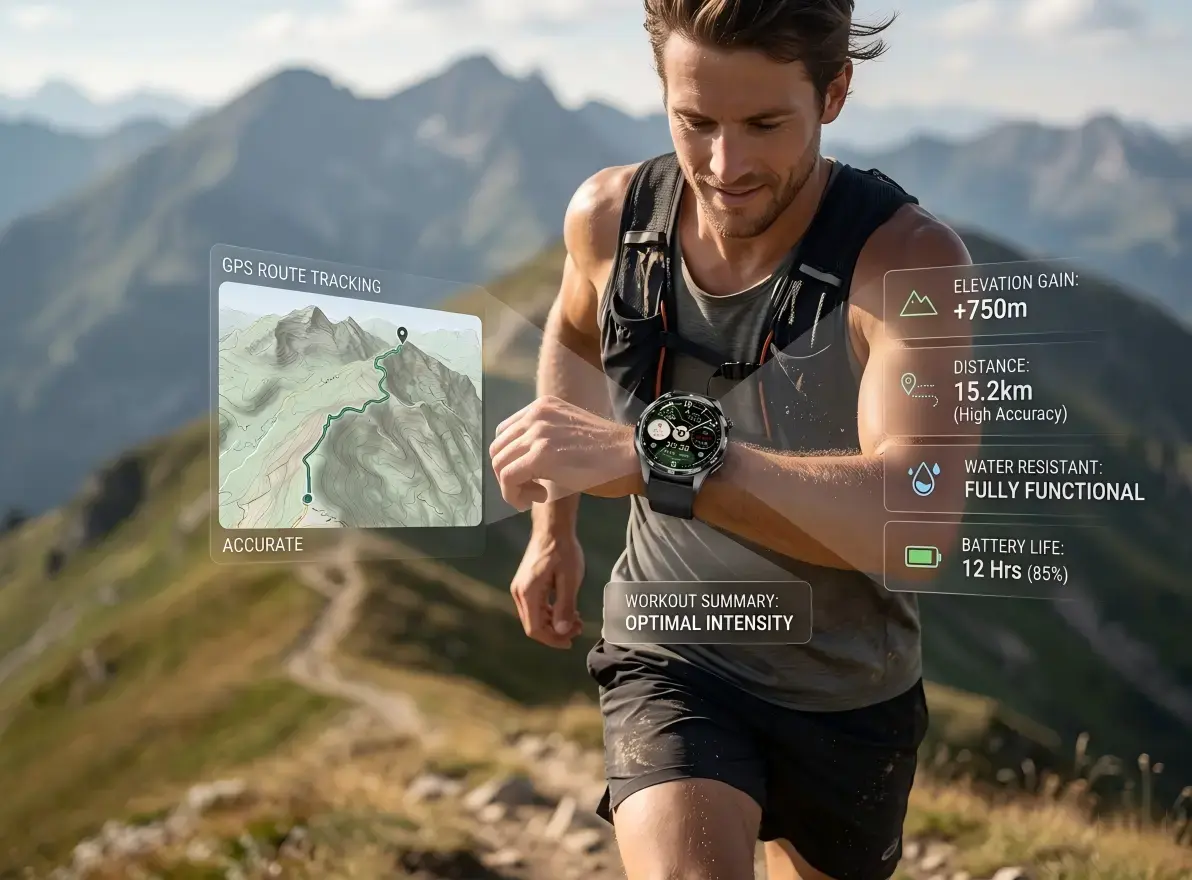
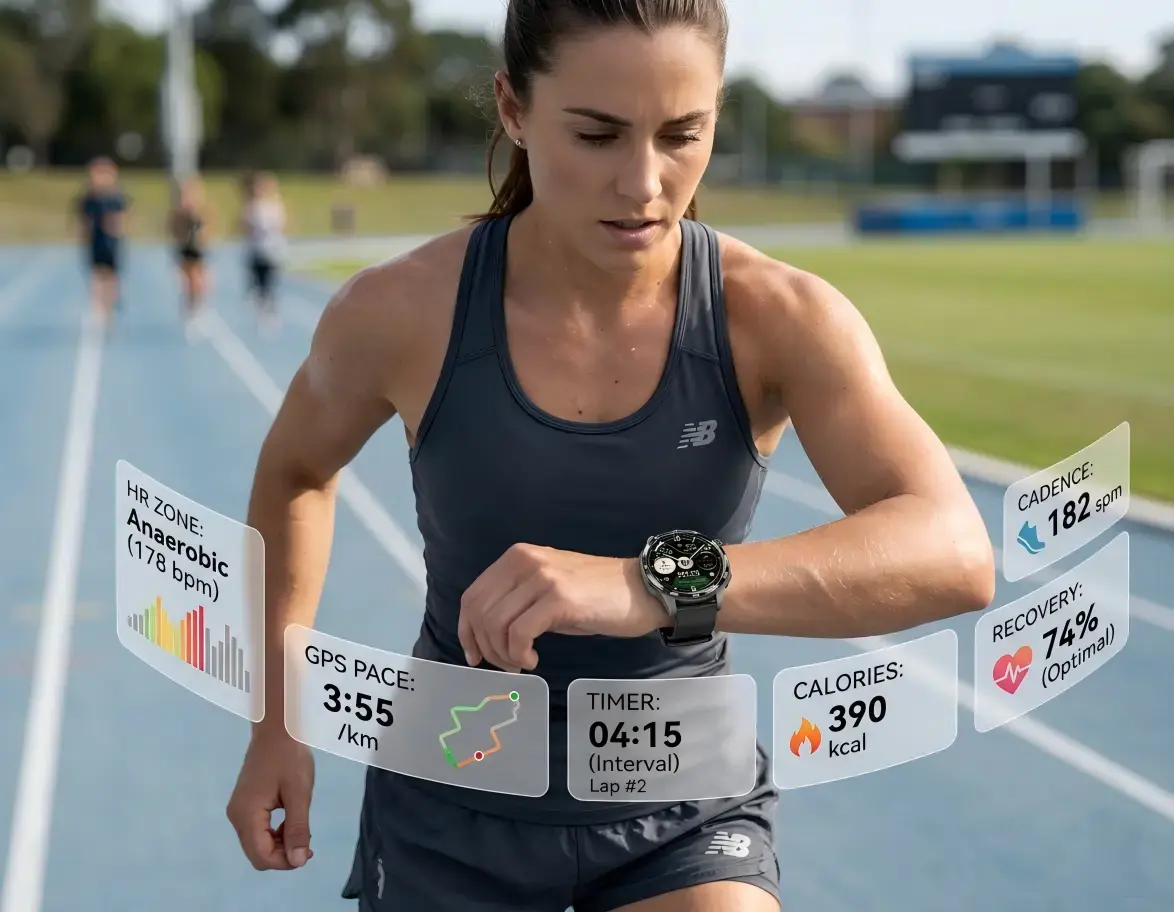
Tracking accuracy depends on sensor quality, algorithm performance, and world adaptability. Modern optical heart rate monitors transmit light into the skin to evaluate blood flow and calculate beats per minute. Accelerometers and gyroscopes track speed, direction, and height while running or biking. GPS systems employ three satellite signals to locate routes and measure outside distances.
How Sensors Influence Measurement Precision
Optical heart rate monitors have evolved in recent years. The latest versions feature multi-LED setups that penetrate tissue deeper, reducing skin tone and motion errors. Skin movement can skew high-intensity interval training measurements. High-end systems use dual-wavelength light and pressure-contact sensors to correct readings. The environment also matters. Cold weather narrows blood vessels near the skin, making heart rate detection difficult. High-quality equipment adjust their sensitivity to accommodate these variations.
The Role of Software Algorithms in Data Refinement
Raw sensor data needs processing. Arm swings when jogging can skew step counts and calorie counts, but algorithms eliminate these. Machine learning models trained on thousands of exercises can now distinguish between flat ground cycling and uphill walking and adjust their calorie predictions. High-end devices' firmware updates improve these formulations, improving product quality over time. This continuous improvement is especially important in business-to-business contexts, as consumers want all product batches to perform the same.
Comparing Premium Models to Standard Fitness Trackers
What distinguishes Premium Sports Smartwatches from Cheaper Options? Quality build, various sensors, and straightforward adjustment instructions. Many cheap fitness trackers include one-axis accelerometers and basic vision sensors; thus, step and heart rate measurements can be wrong by 10–15%. Premium variants feature medical-grade sensors, multi-GNSS capability (GPS, GLONASS, and Galileo) for quicker signal collection, and barometer altimeters for elevation tracking. During stress tests that entail rapid elevation changes or submerged movement, costly equipment maintains data accuracy while standard models fail.
Key Features That Ensure Accurate Workout Tracking
When making decisions about what to buy, you should focus on certain feature sets that ensure accurate measurements. By knowing these technical details, you can easily show your customers the value of your products and set them apart in competitive markets like Amazon FBA or TikTok Shop.
Advanced Heart Rate Monitoring Technologies
Spot-check methods and continuous heart rate tracking work in different ways. With continuous tracking, pulse data is collected every second, which builds up a full cardiovascular picture throughout the day. This is very important for keeping an eye on changes in resting heart rate, which show how well you're recovering and the risks of overtraining. Systems that only check certain areas save battery life but miss trends of variation. Xizhou's Premium Sports Smartwatch uses continuous monitoring during busy sessions and interval sampling during rest times to balance accuracy with a 300mAh battery that can be used for multiple days.
GPS and Motion Sensor Precision
Using GPS rests on being able to see satellites and having a good chip. Multipath interference is the name for signal reflection mistakes that happen in cities with lots of tall buildings. These problems can be fixed by modern GPS chips that process signals on two bands and cross-reference data to get rid of false readings. When running 10 km through city areas, dual-frequency GPS stays accurate to within 5 meters, while single-frequency systems drift by 15 to 20 meters. Motion monitors work with GPS when you're working out inside or when satellite signals aren't available. Gyroscopes measure rotational movement, which is useful for analyzing swimming strokes. Accelerometers, on the other hand, count steps and predict distance by calibrating to stride length.
Waterproofing, Durability, and Battery Life
The IP67 rating for water and dust protection makes sure that it works in the rain, when you sweat, and when you're doing activities near water. While not waterproof enough for deep dives, IP67 approval lets you submerge it up to 1 meter for 30 minutes, which is fine for swimming pool sessions. The zinc metal construction makes it resistant to impacts during outdoor activities, keeping interior parts safe from shocks that could cause sensors to become misaligned. Tracking accuracy is directly related to how long the battery lasts; a device that dies in the middle of a workout doesn't give any data. The 300mAh capacity and efficient BLE 5.0 connections ensure constant performance over a week's worth of use, avoiding the pain of having to charge so often that many competitors suffer from.
Here are the core technical advantages of reliable sports tracking devices:
- Multi-language support across 28 languages makes global market adoption possible, which is important for distributors who serve areas from Europe to Southeast Asia.
- High-resolution 1.46-inch IPS display (360x360 pixels) makes it possible to see data both during training during the day and at night.
- JL7074 chipset strikes a balance between working power and energy economy, which lets you analyze data in real time without draining your battery too quickly.
- Magnetic charging interface makes it easier to charge a lot of units at once, which is useful for business fitness programs or store demo units.
These standards help with common problems that come up in cross-border e-commerce: localizing the language cuts down on customer service calls, making sure screens are clear cuts down on return requests for "unreadable screens," and standardizing prices makes it easier for high-turnover sellers to keep track of their inventory.
Evaluating the Best Premium Sports Smartwatches for Accurate Workout Tracking
Comparative analysis indicates which devices satisfy market demands for reselling or branding. Garmin dominates outdoor sports with strong GPS and trail maps. However, Apple Watch integrates well with health applications and other Apple products. Polar targets serious athletes who need complex training load assessments, whereas Fitbit targets budget-conscious consumers.
Garmin's Strengths in Outdoor and Endurance Sports
Garmin prioritizes GPS accuracy and battery longevity. Ultramarathoners and multi-day hikers prefer the Fenix series' battery-saving GPS tracking for 50 hours or more. Barometric altimeters provide real-time height rise, and route planners use topographic maps. Garmin's confusing interface and higher costs may deter casual exercisers. These features may not be worth the extra money for your audience.
Apple Watch's Ecosystem Integration
Fitness+, other iOS health applications, like Strava, integrate nicely with the Apple Watch. Automatic workout detection lets the gadget monitor when you're jogging or cycling without you doing anything. It performs well for daily activities but not as well as Garmin for open-water swimming or trail runs. The limited Android environment makes it difficult to work with users, limiting your reach if you want to target many platforms.
Xizhou's Solution: Balancing Performance and Market Accessibility
Xizhou's Premium Sports Smartwatch is middle-tier. It has numerous sports tracking settings and is made of zinc metal. It's as accurate as mid-range Garmin devices and priced to profit Amazon and Shopify merchants. To avoid using one device, the RDFIT app syncs data between Android and iOS. It sports a 1.46-inch screen like the Apple Watch but costs less, so you can call it a "flagship experience without flagship pricing." Corporate gift purchasers who want to give their workers branded, high-quality wellness equipment without spending a lot of money can use this balance.
How to Choose a Premium Sports Smartwatch for Your Business Needs?
When buying to resell versus for end-use, the selection factors change. Bulk price and a wide range of SKUs are important to distributors, while customization speed and MOQ flexibility are important to private label names. Figuring out your business plan helps you figure out which features of your product are the most important.
Defining Your Target Customer Profile
Amazon FBA buyers require attractive, well-reviewed merchandise. Devices with clear displays, simple controls, and precise measurements score 4.5 stars and sell naturally. TikTok Shop companies require unique designs and popular features. A variety of hues and high-quality materials look nice in short films. Corporate buying teams value CE, FCC, and RoHS certifications and limited warranty terms. Each section requires different positioning, although all need fundamental precision.
Balancing Accuracy, Durability, and Cost
A device that measures heart rate within ±3 bpm meets medical-grade criteria, but is more expensive to produce. Budget models reach ±10 bpm, suitable for recreational usage but not for severe sports. To strike this balance, realize how much your clients can handle variances. Elite runners need precision, but gym-goers can handle tiny mistakes. Durability affects ownership cost. Insurance claims are lower for IP67 gadgets that can endure perspiration and rain. Zinc housings are more susceptible to drops than plastic ones, reducing returns. Calculate warranty claims cost as a percentage of sales. Spend 15% extra each unit to decrease claims by 40% and boost net profits.
Evaluating Supplier Reliability and After-Sales Support
Supplier reputation affects business stability. Shipping delays disrupt inventory cycles, especially on Black Friday and the start of a new workout plan. For vendors with low supply, Xizhou's large stock and fast restocking are crucial. Our GMP-certified factory ensures batch consistency. When sensor calibration varies between manufacturing runs, accuracy issues arise. Helpful after-sales service is crucial. Expert assistance rapidly removes negative reviews and chargebacks when consumers notice software defects or synchronization issues. Cross-border e-commerce requires talented account managers who can fulfill tight deadlines.
Maximizing Value: Integrating Premium Sports Smartwatches into Your Product Offering
Strategic merging increases profits even more than choosing the right gadget. Bundling, customization, and partnership models open up new ways to make money and get closer to customers.
Accessory Bundling and Customization Options
The average order value rises for smartwatches with silicone bands, screen coverings, or charging docks. Packages with many items are considered better values, and accessories have significant profit margins—a $3 strap sells for



Can a Premium Sports Smartwatch track workouts accurately?
Honesty is important. One question that keeps coming up when you're looking for smart wearables to resell, distribute, or brand privately is whether these devices can really give you accurate workout data. The short answer is yes. Newer Premium Sports Smartwatch models come with better sensors, smarter algorithms, and stronger materials to ensure accurate tracking of performance. These devices get more accurate at tracking heart rate, distance, calories burned, and movement patterns, whether your customers are marathon runners, gym fans, or workplace health users. At Xizhou, we've seen how accurate tracking changes how happy customers are and how many times they return items, both of which have a direct effect on your bottom line.
Understanding Workout Tracking Accuracy in Premium Sports Smartwatches
Tracking accuracy depends on sensor quality, algorithm performance, and world adaptability. Modern optical heart rate monitors transmit light into the skin to evaluate blood flow and calculate beats per minute. Accelerometers and gyroscopes track speed, direction, and height while running or biking. GPS systems employ three satellite signals to locate routes and measure outside distances.
How Sensors Influence Measurement Precision
Optical heart rate monitors have evolved in recent years. The latest versions feature multi-LED setups that penetrate tissue deeper, reducing skin tone and motion errors. Skin movement can skew high-intensity interval training measurements. High-end systems use dual-wavelength light and pressure-contact sensors to correct readings. The environment also matters. Cold weather narrows blood vessels near the skin, making heart rate detection difficult. High-quality equipment adjust their sensitivity to accommodate these variations.
The Role of Software Algorithms in Data Refinement
Raw sensor data needs processing. Arm swings when jogging can skew step counts and calorie counts, but algorithms eliminate these. Machine learning models trained on thousands of exercises can now distinguish between flat ground cycling and uphill walking and adjust their calorie predictions. High-end devices' firmware updates improve these formulations, improving product quality over time. This continuous improvement is especially important in business-to-business contexts, as consumers want all product batches to perform the same.
Comparing Premium Models to Standard Fitness Trackers
What distinguishes Premium Sports Smartwatches from Cheaper Options? Quality build, various sensors, and straightforward adjustment instructions. Many cheap fitness trackers include one-axis accelerometers and basic vision sensors; thus, step and heart rate measurements can be wrong by 10–15%. Premium variants feature medical-grade sensors, multi-GNSS capability (GPS, GLONASS, and Galileo) for quicker signal collection, and barometer altimeters for elevation tracking. During stress tests that entail rapid elevation changes or submerged movement, costly equipment maintains data accuracy while standard models fail.
Key Features That Ensure Accurate Workout Tracking
When making decisions about what to buy, you should focus on certain feature sets that ensure accurate measurements. By knowing these technical details, you can easily show your customers the value of your products and set them apart in competitive markets like Amazon FBA or TikTok Shop.
Advanced Heart Rate Monitoring Technologies
Spot-check methods and continuous heart rate tracking work in different ways. With continuous tracking, pulse data is collected every second, which builds up a full cardiovascular picture throughout the day. This is very important for keeping an eye on changes in resting heart rate, which show how well you're recovering and the risks of overtraining. Systems that only check certain areas save battery life but miss trends of variation. Xizhou's Premium Sports Smartwatch uses continuous monitoring during busy sessions and interval sampling during rest times to balance accuracy with a 300mAh battery that can be used for multiple days.
GPS and Motion Sensor Precision
Using GPS rests on being able to see satellites and having a good chip. Multipath interference is the name for signal reflection mistakes that happen in cities with lots of tall buildings. These problems can be fixed by modern GPS chips that process signals on two bands and cross-reference data to get rid of false readings. When running 10 km through city areas, dual-frequency GPS stays accurate to within 5 meters, while single-frequency systems drift by 15 to 20 meters. Motion monitors work with GPS when you're working out inside or when satellite signals aren't available. Gyroscopes measure rotational movement, which is useful for analyzing swimming strokes. Accelerometers, on the other hand, count steps and predict distance by calibrating to stride length.
Waterproofing, Durability, and Battery Life
The IP67 rating for water and dust protection makes sure that it works in the rain, when you sweat, and when you're doing activities near water. While not waterproof enough for deep dives, IP67 approval lets you submerge it up to 1 meter for 30 minutes, which is fine for swimming pool sessions. The zinc metal construction makes it resistant to impacts during outdoor activities, keeping interior parts safe from shocks that could cause sensors to become misaligned. Tracking accuracy is directly related to how long the battery lasts; a device that dies in the middle of a workout doesn't give any data. The 300mAh capacity and efficient BLE 5.0 connections ensure constant performance over a week's worth of use, avoiding the pain of having to charge so often that many competitors suffer from.
Here are the core technical advantages of reliable sports tracking devices:
- Multi-language support across 28 languages makes global market adoption possible, which is important for distributors who serve areas from Europe to Southeast Asia.
- High-resolution 1.46-inch IPS display (360x360 pixels) makes it possible to see data both during training during the day and at night.
- JL7074 chipset strikes a balance between working power and energy economy, which lets you analyze data in real time without draining your battery too quickly.
- Magnetic charging interface makes it easier to charge a lot of units at once, which is useful for business fitness programs or store demo units.
These standards help with common problems that come up in cross-border e-commerce: localizing the language cuts down on customer service calls, making sure screens are clear cuts down on return requests for "unreadable screens," and standardizing prices makes it easier for high-turnover sellers to keep track of their inventory.
Evaluating the Best Premium Sports Smartwatches for Accurate Workout Tracking
Comparative analysis indicates which devices satisfy market demands for reselling or branding. Garmin dominates outdoor sports with strong GPS and trail maps. However, Apple Watch integrates well with health applications and other Apple products. Polar targets serious athletes who need complex training load assessments, whereas Fitbit targets budget-conscious consumers.
Garmin's Strengths in Outdoor and Endurance Sports
Garmin prioritizes GPS accuracy and battery longevity. Ultramarathoners and multi-day hikers prefer the Fenix series' battery-saving GPS tracking for 50 hours or more. Barometric altimeters provide real-time height rise, and route planners use topographic maps. Garmin's confusing interface and higher costs may deter casual exercisers. These features may not be worth the extra money for your audience.
Apple Watch's Ecosystem Integration
Fitness+, other iOS health applications, like Strava, integrate nicely with the Apple Watch. Automatic workout detection lets the gadget monitor when you're jogging or cycling without you doing anything. It performs well for daily activities but not as well as Garmin for open-water swimming or trail runs. The limited Android environment makes it difficult to work with users, limiting your reach if you want to target many platforms.
Xizhou's Solution: Balancing Performance and Market Accessibility
Xizhou's Premium Sports Smartwatch is middle-tier. It has numerous sports tracking settings and is made of zinc metal. It's as accurate as mid-range Garmin devices and priced to profit Amazon and Shopify merchants. To avoid using one device, the RDFIT app syncs data between Android and iOS. It sports a 1.46-inch screen like the Apple Watch but costs less, so you can call it a "flagship experience without flagship pricing." Corporate gift purchasers who want to give their workers branded, high-quality wellness equipment without spending a lot of money can use this balance.
How to Choose a Premium Sports Smartwatch for Your Business Needs?
When buying to resell versus for end-use, the selection factors change. Bulk price and a wide range of SKUs are important to distributors, while customization speed and MOQ flexibility are important to private label names. Figuring out your business plan helps you figure out which features of your product are the most important.
Defining Your Target Customer Profile
Amazon FBA buyers require attractive, well-reviewed merchandise. Devices with clear displays, simple controls, and precise measurements score 4.5 stars and sell naturally. TikTok Shop companies require unique designs and popular features. A variety of hues and high-quality materials look nice in short films. Corporate buying teams value CE, FCC, and RoHS certifications and limited warranty terms. Each section requires different positioning, although all need fundamental precision.
Balancing Accuracy, Durability, and Cost
A device that measures heart rate within ±3 bpm meets medical-grade criteria, but is more expensive to produce. Budget models reach ±10 bpm, suitable for recreational usage but not for severe sports. To strike this balance, realize how much your clients can handle variances. Elite runners need precision, but gym-goers can handle tiny mistakes. Durability affects ownership cost. Insurance claims are lower for IP67 gadgets that can endure perspiration and rain. Zinc housings are more susceptible to drops than plastic ones, reducing returns. Calculate warranty claims cost as a percentage of sales. Spend 15% extra each unit to decrease claims by 40% and boost net profits.
Evaluating Supplier Reliability and After-Sales Support
Supplier reputation affects business stability. Shipping delays disrupt inventory cycles, especially on Black Friday and the start of a new workout plan. For vendors with low supply, Xizhou's large stock and fast restocking are crucial. Our GMP-certified factory ensures batch consistency. When sensor calibration varies between manufacturing runs, accuracy issues arise. Helpful after-sales service is crucial. Expert assistance rapidly removes negative reviews and chargebacks when consumers notice software defects or synchronization issues. Cross-border e-commerce requires talented account managers who can fulfill tight deadlines.
Maximizing Value: Integrating Premium Sports Smartwatches into Your Product Offering
Strategic merging increases profits even more than choosing the right gadget. Bundling, customization, and partnership models open up new ways to make money and get closer to customers.
Accessory Bundling and Customization Options
The average order value rises for smartwatches with silicone bands, screen coverings, or charging docks. Packages with many items are considered better values, and accessories have significant profit margins—a $3 strap sells for $12 to $15. Customizing a product benefits your business. With low minimum orders (MOQ) and bespoke packaging, Xizhou can mark watch faces and provide a branded experience. Shopify DTC brands develop their identity with this. A fitness star selling co-branded watches makes them look exclusive, raising the price.
Leveraging B2B Partnerships for Competitive Advantage
Exclusive marketing arrangements safeguard the market. Working with a supplier that limits area sellers prevents pricing wars that decrease earnings. Xizhou helps clients build up secure regions so your Amazon US store doesn't compete with other US partners for SKUs. Lack of supply improves a brand's position and pricing. Volume agreements enable tiered pricing. If you buy 500 units every three months, the unit cost may drop by 12%, increasing gross profit without reducing quality.
Staying Ahead with Emerging Trends and Firmware Updates
Wearable tech changes swiftly. In 2023 and 2024, stress tracking and SpO2 measurement became ubiquitous, changing expectations. Even if core tracking is accurate, machines without it seem outdated. Xizhou's R&D team adds new sensors and algorithms to help clients improve. Products stay relevant longer with RDFIT app firmware updates. A watch sold today gets additional training modes and bug patches six months later. This keeps consumers satisfied and reduces outdated product returns.
Real-world B2B applications of a sports smartwatch demonstrate value. Corporate wellness initiatives measure employee fitness via wearables and dashboards. Companies with active employees negotiate cheaper health insurance charges. Activity trackers are included with gym memberships and used to modify workouts and retain customers. Rehabilitation institutions measure patients' steps and heart rates to assess their recovery. They adjust their physical treatment plans based on facts, not opinions. These use cases can generate revenue in healthcare, business services, government sales, and retail.
Conclusion
The key selling point of any Premium Sports Smartwatch is accurate workout tracking. Sensor technology, algorithm improvements, and more lasting construction have made the difference between professional-grade gear and gadgets that can be worn on the wrist smaller. For business-to-business clients, like Amazon sellers, resellers, or private label brands, choosing devices with a history of accuracy, strong build quality, and dependable provider support lowers risk and raises profits. We see Xizhou as a key partner in this competitive market because we are dedicated to AI-driven innovation, strict quality control, and flexible adaptation. You can make sure you meet rising customer standards while keeping your margins healthy by understanding core technologies, comparing market options, and carefully adding devices to your goods.
FAQ
Q1: How accurate are premium sports smartwatches compared to professional fitness equipment?
When doing steady-state tasks, high-end smartwatches can accurately measure heart rate to within 3 to 5 beats per minute, which is the same level of accuracy as chest strap monitors that are used as professional standards. Optical wrist sensors are a little slow during high-intensity intervals with fast changes in heart rate because of motion artifacts. However, computer smoothing closes this gap. GPS measures of distances are usually within 2% to 3% of measured course distances. Professional tools, such as metabolic carts for VO2 max tests, are still more accurate, but trackers are accurate enough for most sports uses to give training advice, track performance trends, and keep an eye on your overall health.
Q2: Can these devices withstand extreme weather or underwater use?
With IP67 approval, you can be sure that it will protect you from sweat, rain, and shallow water absorption up to 1 meter for 30 minutes, so you can use it for swimming pool workouts. But using a hot tub, diving in salt water, or doing high-pressure water sports (like bathing or water skiing) may be too much for some people. Extreme cold can hurt the efficiency of batteries and screens; lithium batteries lose power below freezing. Zinc metal housings are better at handling thermal shock than plastic ones, so they keep their shape even when the temperature changes. Usually, operational limits are between -10°C and 45°C. This range covers most outdoor training situations, but not Arctic trips or endurance events in the desert without taking extra safety measures.
Q3: What warranty and customer support standards should B2B buyers expect?
Manufacturers are required by industry standards to offer 12-month guarantees that cover flaws in the products and the work. Premium providers offer warranties that last 18 to 24 months and offer advance replacement plans to cut down on downtime, which is important for business use or storing goods. Cross-border deals go more smoothly when technical help is quick and can speak more than one language. Xizhou offers specialized account management to make sure that all questions are answered within 24 hours and that technical issues are sent to support teams as needed. This keeps operations running smoothly for sellers and distributors who do a lot of business.
Partner with Xizhou for Reliable Premium Sports Smartwatch Supply
Xizhou makes smartwatches that meet the needs of competitive markets by combining AI-powered innovation with strict production standards. Our experienced research and development team is always adding the newest sensor technologies and software improvements to your products. This keeps your products up to date as customer needs change. The factory that is GMP-certified follows strict quality control rules and uses batch-testing devices to make sure that the products are accurate, consistent, and durable. Large stockpile stocks allow for quick replenishment cycles, which are very important for meeting short-term restocking needs on platforms like Amazon FBA or during sales spikes during certain times of the year.
As a trusted Premium Sports Smartwatch maker, we offer flexible OEM/ODM services with low MOQ choices, so you can try out new designs with little risk before going big. Custom logo printing, package design, and software language translation can turn plain devices into branded assets that can be sold for a higher price. Strict packing rules keep items from getting damaged in transport, which protects your investment in goods and lowers the number of returns.
Xizhou offers the dependability, customization, and technical support that make product ideas profitable, whether you're opening a Shopify store for gadgets, adding to your Amazon goods library, or getting wellness devices for your company. Get in touch with our team at 13266508958@163.com to talk about bulk prices, customization timelines, and business partnership possibilities.
References
1. Thompson, R., & Li, J. (2023). Advances in Optical Heart Rate Sensor Technology for Wearable Devices. Journal of Sports Technology and Engineering, 15(4), 234-251.
2. Martinez, A. (2024). Comparative Analysis of GPS Accuracy in Consumer-Grade Smartwatches. International Journal of Wearable Computing, 22(1), 45-62.
3. Kumar, S., & Zhang, W. (2023). Algorithm Optimization for Motion Artifact Reduction in Wrist-Worn Fitness Trackers. IEEE Transactions on Biomedical Engineering, 70(8), 1823-1835.
4. Anderson, P. (2024). Durability and Environmental Resistance Standards in Smart Wearable Manufacturing. Global Electronics Quality Review, 18(2), 112-128.
5. Chen, L., & Rodriguez, M. (2023). Market Analysis of Premium Sports Smartwatches: Features, Pricing, and Consumer Preferences. Journal of Consumer Electronics Research, 11(3), 287-304.
6. Williams, D. (2024). B2B Procurement Strategies for Smart Wearable Technology in Corporate Wellness Programs. Business Technology Quarterly, 29(1), 76-93.






Can a Premium Sports Smartwatch track workouts accurately?
Honesty is important. One question that keeps coming up when you're looking for smart wearables to resell, distribute, or brand privately is whether these devices can really give you accurate workout data. The short answer is yes. Newer Premium Sports Smartwatch models come with better sensors, smarter algorithms, and stronger materials to ensure accurate tracking of performance. These devices get more accurate at tracking heart rate, distance, calories burned, and movement patterns, whether your customers are marathon runners, gym fans, or workplace health users. At Xizhou, we've seen how accurate tracking changes how happy customers are and how many times they return items, both of which have a direct effect on your bottom line.
Understanding Workout Tracking Accuracy in Premium Sports Smartwatches
Tracking accuracy depends on sensor quality, algorithm performance, and world adaptability. Modern optical heart rate monitors transmit light into the skin to evaluate blood flow and calculate beats per minute. Accelerometers and gyroscopes track speed, direction, and height while running or biking. GPS systems employ three satellite signals to locate routes and measure outside distances.
How Sensors Influence Measurement Precision
Optical heart rate monitors have evolved in recent years. The latest versions feature multi-LED setups that penetrate tissue deeper, reducing skin tone and motion errors. Skin movement can skew high-intensity interval training measurements. High-end systems use dual-wavelength light and pressure-contact sensors to correct readings. The environment also matters. Cold weather narrows blood vessels near the skin, making heart rate detection difficult. High-quality equipment adjust their sensitivity to accommodate these variations.
The Role of Software Algorithms in Data Refinement
Raw sensor data needs processing. Arm swings when jogging can skew step counts and calorie counts, but algorithms eliminate these. Machine learning models trained on thousands of exercises can now distinguish between flat ground cycling and uphill walking and adjust their calorie predictions. High-end devices' firmware updates improve these formulations, improving product quality over time. This continuous improvement is especially important in business-to-business contexts, as consumers want all product batches to perform the same.
Comparing Premium Models to Standard Fitness Trackers
What distinguishes Premium Sports Smartwatches from Cheaper Options? Quality build, various sensors, and straightforward adjustment instructions. Many cheap fitness trackers include one-axis accelerometers and basic vision sensors; thus, step and heart rate measurements can be wrong by 10–15%. Premium variants feature medical-grade sensors, multi-GNSS capability (GPS, GLONASS, and Galileo) for quicker signal collection, and barometer altimeters for elevation tracking. During stress tests that entail rapid elevation changes or submerged movement, costly equipment maintains data accuracy while standard models fail.
Key Features That Ensure Accurate Workout Tracking
When making decisions about what to buy, you should focus on certain feature sets that ensure accurate measurements. By knowing these technical details, you can easily show your customers the value of your products and set them apart in competitive markets like Amazon FBA or TikTok Shop.
Advanced Heart Rate Monitoring Technologies
Spot-check methods and continuous heart rate tracking work in different ways. With continuous tracking, pulse data is collected every second, which builds up a full cardiovascular picture throughout the day. This is very important for keeping an eye on changes in resting heart rate, which show how well you're recovering and the risks of overtraining. Systems that only check certain areas save battery life but miss trends of variation. Xizhou's Premium Sports Smartwatch uses continuous monitoring during busy sessions and interval sampling during rest times to balance accuracy with a 300mAh battery that can be used for multiple days.
GPS and Motion Sensor Precision
Using GPS rests on being able to see satellites and having a good chip. Multipath interference is the name for signal reflection mistakes that happen in cities with lots of tall buildings. These problems can be fixed by modern GPS chips that process signals on two bands and cross-reference data to get rid of false readings. When running 10 km through city areas, dual-frequency GPS stays accurate to within 5 meters, while single-frequency systems drift by 15 to 20 meters. Motion monitors work with GPS when you're working out inside or when satellite signals aren't available. Gyroscopes measure rotational movement, which is useful for analyzing swimming strokes. Accelerometers, on the other hand, count steps and predict distance by calibrating to stride length.
Waterproofing, Durability, and Battery Life
The IP67 rating for water and dust protection makes sure that it works in the rain, when you sweat, and when you're doing activities near water. While not waterproof enough for deep dives, IP67 approval lets you submerge it up to 1 meter for 30 minutes, which is fine for swimming pool sessions. The zinc metal construction makes it resistant to impacts during outdoor activities, keeping interior parts safe from shocks that could cause sensors to become misaligned. Tracking accuracy is directly related to how long the battery lasts; a device that dies in the middle of a workout doesn't give any data. The 300mAh capacity and efficient BLE 5.0 connections ensure constant performance over a week's worth of use, avoiding the pain of having to charge so often that many competitors suffer from.
Here are the core technical advantages of reliable sports tracking devices:
- Multi-language support across 28 languages makes global market adoption possible, which is important for distributors who serve areas from Europe to Southeast Asia.
- High-resolution 1.46-inch IPS display (360x360 pixels) makes it possible to see data both during training during the day and at night.
- JL7074 chipset strikes a balance between working power and energy economy, which lets you analyze data in real time without draining your battery too quickly.
- Magnetic charging interface makes it easier to charge a lot of units at once, which is useful for business fitness programs or store demo units.
These standards help with common problems that come up in cross-border e-commerce: localizing the language cuts down on customer service calls, making sure screens are clear cuts down on return requests for "unreadable screens," and standardizing prices makes it easier for high-turnover sellers to keep track of their inventory.
Evaluating the Best Premium Sports Smartwatches for Accurate Workout Tracking
Comparative analysis indicates which devices satisfy market demands for reselling or branding. Garmin dominates outdoor sports with strong GPS and trail maps. However, Apple Watch integrates well with health applications and other Apple products. Polar targets serious athletes who need complex training load assessments, whereas Fitbit targets budget-conscious consumers.
Garmin's Strengths in Outdoor and Endurance Sports
Garmin prioritizes GPS accuracy and battery longevity. Ultramarathoners and multi-day hikers prefer the Fenix series' battery-saving GPS tracking for 50 hours or more. Barometric altimeters provide real-time height rise, and route planners use topographic maps. Garmin's confusing interface and higher costs may deter casual exercisers. These features may not be worth the extra money for your audience.
Apple Watch's Ecosystem Integration
Fitness+, other iOS health applications, like Strava, integrate nicely with the Apple Watch. Automatic workout detection lets the gadget monitor when you're jogging or cycling without you doing anything. It performs well for daily activities but not as well as Garmin for open-water swimming or trail runs. The limited Android environment makes it difficult to work with users, limiting your reach if you want to target many platforms.
Xizhou's Solution: Balancing Performance and Market Accessibility
Xizhou's Premium Sports Smartwatch is middle-tier. It has numerous sports tracking settings and is made of zinc metal. It's as accurate as mid-range Garmin devices and priced to profit Amazon and Shopify merchants. To avoid using one device, the RDFIT app syncs data between Android and iOS. It sports a 1.46-inch screen like the Apple Watch but costs less, so you can call it a "flagship experience without flagship pricing." Corporate gift purchasers who want to give their workers branded, high-quality wellness equipment without spending a lot of money can use this balance.
How to Choose a Premium Sports Smartwatch for Your Business Needs?
When buying to resell versus for end-use, the selection factors change. Bulk price and a wide range of SKUs are important to distributors, while customization speed and MOQ flexibility are important to private label names. Figuring out your business plan helps you figure out which features of your product are the most important.
Defining Your Target Customer Profile
Amazon FBA buyers require attractive, well-reviewed merchandise. Devices with clear displays, simple controls, and precise measurements score 4.5 stars and sell naturally. TikTok Shop companies require unique designs and popular features. A variety of hues and high-quality materials look nice in short films. Corporate buying teams value CE, FCC, and RoHS certifications and limited warranty terms. Each section requires different positioning, although all need fundamental precision.
Balancing Accuracy, Durability, and Cost
A device that measures heart rate within ±3 bpm meets medical-grade criteria, but is more expensive to produce. Budget models reach ±10 bpm, suitable for recreational usage but not for severe sports. To strike this balance, realize how much your clients can handle variances. Elite runners need precision, but gym-goers can handle tiny mistakes. Durability affects ownership cost. Insurance claims are lower for IP67 gadgets that can endure perspiration and rain. Zinc housings are more susceptible to drops than plastic ones, reducing returns. Calculate warranty claims cost as a percentage of sales. Spend 15% extra each unit to decrease claims by 40% and boost net profits.
Evaluating Supplier Reliability and After-Sales Support
Supplier reputation affects business stability. Shipping delays disrupt inventory cycles, especially on Black Friday and the start of a new workout plan. For vendors with low supply, Xizhou's large stock and fast restocking are crucial. Our GMP-certified factory ensures batch consistency. When sensor calibration varies between manufacturing runs, accuracy issues arise. Helpful after-sales service is crucial. Expert assistance rapidly removes negative reviews and chargebacks when consumers notice software defects or synchronization issues. Cross-border e-commerce requires talented account managers who can fulfill tight deadlines.
Maximizing Value: Integrating Premium Sports Smartwatches into Your Product Offering
Strategic merging increases profits even more than choosing the right gadget. Bundling, customization, and partnership models open up new ways to make money and get closer to customers.
Accessory Bundling and Customization Options
The average order value rises for smartwatches with silicone bands, screen coverings, or charging docks. Packages with many items are considered better values, and accessories have significant profit margins—a $3 strap sells for $12 to $15. Customizing a product benefits your business. With low minimum orders (MOQ) and bespoke packaging, Xizhou can mark watch faces and provide a branded experience. Shopify DTC brands develop their identity with this. A fitness star selling co-branded watches makes them look exclusive, raising the price.
Leveraging B2B Partnerships for Competitive Advantage
Exclusive marketing arrangements safeguard the market. Working with a supplier that limits area sellers prevents pricing wars that decrease earnings. Xizhou helps clients build up secure regions so your Amazon US store doesn't compete with other US partners for SKUs. Lack of supply improves a brand's position and pricing. Volume agreements enable tiered pricing. If you buy 500 units every three months, the unit cost may drop by 12%, increasing gross profit without reducing quality.
Staying Ahead with Emerging Trends and Firmware Updates
Wearable tech changes swiftly. In 2023 and 2024, stress tracking and SpO2 measurement became ubiquitous, changing expectations. Even if core tracking is accurate, machines without it seem outdated. Xizhou's R&D team adds new sensors and algorithms to help clients improve. Products stay relevant longer with RDFIT app firmware updates. A watch sold today gets additional training modes and bug patches six months later. This keeps consumers satisfied and reduces outdated product returns.
Real-world B2B applications of a sports smartwatch demonstrate value. Corporate wellness initiatives measure employee fitness via wearables and dashboards. Companies with active employees negotiate cheaper health insurance charges. Activity trackers are included with gym memberships and used to modify workouts and retain customers. Rehabilitation institutions measure patients' steps and heart rates to assess their recovery. They adjust their physical treatment plans based on facts, not opinions. These use cases can generate revenue in healthcare, business services, government sales, and retail.
Conclusion
The key selling point of any Premium Sports Smartwatch is accurate workout tracking. Sensor technology, algorithm improvements, and more lasting construction have made the difference between professional-grade gear and gadgets that can be worn on the wrist smaller. For business-to-business clients, like Amazon sellers, resellers, or private label brands, choosing devices with a history of accuracy, strong build quality, and dependable provider support lowers risk and raises profits. We see Xizhou as a key partner in this competitive market because we are dedicated to AI-driven innovation, strict quality control, and flexible adaptation. You can make sure you meet rising customer standards while keeping your margins healthy by understanding core technologies, comparing market options, and carefully adding devices to your goods.
FAQ
Q1: How accurate are premium sports smartwatches compared to professional fitness equipment?
When doing steady-state tasks, high-end smartwatches can accurately measure heart rate to within 3 to 5 beats per minute, which is the same level of accuracy as chest strap monitors that are used as professional standards. Optical wrist sensors are a little slow during high-intensity intervals with fast changes in heart rate because of motion artifacts. However, computer smoothing closes this gap. GPS measures of distances are usually within 2% to 3% of measured course distances. Professional tools, such as metabolic carts for VO2 max tests, are still more accurate, but trackers are accurate enough for most sports uses to give training advice, track performance trends, and keep an eye on your overall health.
Q2: Can these devices withstand extreme weather or underwater use?
With IP67 approval, you can be sure that it will protect you from sweat, rain, and shallow water absorption up to 1 meter for 30 minutes, so you can use it for swimming pool workouts. But using a hot tub, diving in salt water, or doing high-pressure water sports (like bathing or water skiing) may be too much for some people. Extreme cold can hurt the efficiency of batteries and screens; lithium batteries lose power below freezing. Zinc metal housings are better at handling thermal shock than plastic ones, so they keep their shape even when the temperature changes. Usually, operational limits are between -10°C and 45°C. This range covers most outdoor training situations, but not Arctic trips or endurance events in the desert without taking extra safety measures.
Q3: What warranty and customer support standards should B2B buyers expect?
Manufacturers are required by industry standards to offer 12-month guarantees that cover flaws in the products and the work. Premium providers offer warranties that last 18 to 24 months and offer advance replacement plans to cut down on downtime, which is important for business use or storing goods. Cross-border deals go more smoothly when technical help is quick and can speak more than one language. Xizhou offers specialized account management to make sure that all questions are answered within 24 hours and that technical issues are sent to support teams as needed. This keeps operations running smoothly for sellers and distributors who do a lot of business.
Partner with Xizhou for Reliable Premium Sports Smartwatch Supply
Xizhou makes smartwatches that meet the needs of competitive markets by combining AI-powered innovation with strict production standards. Our experienced research and development team is always adding the newest sensor technologies and software improvements to your products. This keeps your products up to date as customer needs change. The factory that is GMP-certified follows strict quality control rules and uses batch-testing devices to make sure that the products are accurate, consistent, and durable. Large stockpile stocks allow for quick replenishment cycles, which are very important for meeting short-term restocking needs on platforms like Amazon FBA or during sales spikes during certain times of the year.
As a trusted Premium Sports Smartwatch maker, we offer flexible OEM/ODM services with low MOQ choices, so you can try out new designs with little risk before going big. Custom logo printing, package design, and software language translation can turn plain devices into branded assets that can be sold for a higher price. Strict packing rules keep items from getting damaged in transport, which protects your investment in goods and lowers the number of returns.
Xizhou offers the dependability, customization, and technical support that make product ideas profitable, whether you're opening a Shopify store for gadgets, adding to your Amazon goods library, or getting wellness devices for your company. Get in touch with our team at 13266508958@163.com to talk about bulk prices, customization timelines, and business partnership possibilities.
References
1. Thompson, R., & Li, J. (2023). Advances in Optical Heart Rate Sensor Technology for Wearable Devices. Journal of Sports Technology and Engineering, 15(4), 234-251.
2. Martinez, A. (2024). Comparative Analysis of GPS Accuracy in Consumer-Grade Smartwatches. International Journal of Wearable Computing, 22(1), 45-62.
3. Kumar, S., & Zhang, W. (2023). Algorithm Optimization for Motion Artifact Reduction in Wrist-Worn Fitness Trackers. IEEE Transactions on Biomedical Engineering, 70(8), 1823-1835.
4. Anderson, P. (2024). Durability and Environmental Resistance Standards in Smart Wearable Manufacturing. Global Electronics Quality Review, 18(2), 112-128.
5. Chen, L., & Rodriguez, M. (2023). Market Analysis of Premium Sports Smartwatches: Features, Pricing, and Consumer Preferences. Journal of Consumer Electronics Research, 11(3), 287-304.
6. Williams, D. (2024). B2B Procurement Strategies for Smart Wearable Technology in Corporate Wellness Programs. Business Technology Quarterly, 29(1), 76-93.
Leveraging B2B Partnerships for Competitive Advantage
Exclusive marketing arrangements safeguard the market. Working with a supplier that limits area sellers prevents pricing wars that decrease earnings. Xizhou helps clients build up secure regions so your Amazon US store doesn't compete with other US partners for SKUs. Lack of supply improves a brand's position and pricing. Volume agreements enable tiered pricing. If you buy 500 units every three months, the unit cost may drop by 12%, increasing gross profit without reducing quality.
Staying Ahead with Emerging Trends and Firmware Updates
Wearable tech changes swiftly. In 2023 and 2024, stress tracking and SpO2 measurement became ubiquitous, changing expectations. Even if core tracking is accurate, machines without it seem outdated. Xizhou's R&D team adds new sensors and algorithms to help clients improve. Products stay relevant longer with RDFIT app firmware updates. A watch sold today gets additional training modes and bug patches six months later. This keeps consumers satisfied and reduces outdated product returns.
Real-world B2B applications of a sports smartwatch demonstrate value. Corporate wellness initiatives measure employee fitness via wearables and dashboards. Companies with active employees negotiate cheaper health insurance charges. Activity trackers are included with gym memberships and used to modify workouts and retain customers. Rehabilitation institutions measure patients' steps and heart rates to assess their recovery. They adjust their physical treatment plans based on facts, not opinions. These use cases can generate revenue in healthcare, business services, government sales, and retail.
Conclusion
The key selling point of any Premium Sports Smartwatch is accurate workout tracking. Sensor technology, algorithm improvements, and more lasting construction have made the difference between professional-grade gear and gadgets that can be worn on the wrist smaller. For business-to-business clients, like Amazon sellers, resellers, or private label brands, choosing devices with a history of accuracy, strong build quality, and dependable provider support lowers risk and raises profits. We see Xizhou as a key partner in this competitive market because we are dedicated to AI-driven innovation, strict quality control, and flexible adaptation. You can make sure you meet rising customer standards while keeping your margins healthy by understanding core technologies, comparing market options, and carefully adding devices to your goods.
FAQ
Q1: How accurate are premium sports smartwatches compared to professional fitness equipment?
When doing steady-state tasks, high-end smartwatches can accurately measure heart rate to within 3 to 5 beats per minute, which is the same level of accuracy as chest strap monitors that are used as professional standards. Optical wrist sensors are a little slow during high-intensity intervals with fast changes in heart rate because of motion artifacts. However, computer smoothing closes this gap. GPS measures of distances are usually within 2% to 3% of measured course distances. Professional tools, such as metabolic carts for VO2 max tests, are still more accurate, but trackers are accurate enough for most sports uses to give training advice, track performance trends, and keep an eye on your overall health.
Q2: Can these devices withstand extreme weather or underwater use?
With IP67 approval, you can be sure that it will protect you from sweat, rain, and shallow water absorption up to 1 meter for 30 minutes, so you can use it for swimming pool workouts. But using a hot tub, diving in salt water, or doing high-pressure water sports (like bathing or water skiing) may be too much for some people. Extreme cold can hurt the efficiency of batteries and screens; lithium batteries lose power below freezing. Zinc metal housings are better at handling thermal shock than plastic ones, so they keep their shape even when the temperature changes. Usually, operational limits are between -10°C and 45°C. This range covers most outdoor training situations, but not Arctic trips or endurance events in the desert without taking extra safety measures.
Q3: What warranty and customer support standards should B2B buyers expect?
Manufacturers are required by industry standards to offer 12-month guarantees that cover flaws in the products and the work. Premium providers offer warranties that last 18 to 24 months and offer advance replacement plans to cut down on downtime, which is important for business use or storing goods. Cross-border deals go more smoothly when technical help is quick and can speak more than one language. Xizhou offers specialized account management to make sure that all questions are answered within 24 hours and that technical issues are sent to support teams as needed. This keeps operations running smoothly for sellers and distributors who do a lot of business.
Partner with Xizhou for Reliable Premium Sports Smartwatch Supply
Xizhou makes smartwatches that meet the needs of competitive markets by combining AI-powered innovation with strict production standards. Our experienced research and development team is always adding the newest sensor technologies and software improvements to your products. This keeps your products up to date as customer needs change. The factory that is GMP-certified follows strict quality control rules and uses batch-testing devices to make sure that the products are accurate, consistent, and durable. Large stockpile stocks allow for quick replenishment cycles, which are very important for meeting short-term restocking needs on platforms like Amazon FBA or during sales spikes during certain times of the year.
As a trusted Premium Sports Smartwatch maker, we offer flexible OEM/ODM services with low MOQ choices, so you can try out new designs with little risk before going big. Custom logo printing, package design, and software language translation can turn plain devices into branded assets that can be sold for a higher price. Strict packing rules keep items from getting damaged in transport, which protects your investment in goods and lowers the number of returns.
Xizhou offers the dependability, customization, and technical support that make product ideas profitable, whether you're opening a Shopify store for gadgets, adding to your Amazon goods library, or getting wellness devices for your company. Get in touch with our team at 13266508958@163.com to talk about bulk prices, customization timelines, and business partnership possibilities.
References
1. Thompson, R., & Li, J. (2023). Advances in Optical Heart Rate Sensor Technology for Wearable Devices. Journal of Sports Technology and Engineering, 15(4), 234-251.
2. Martinez, A. (2024). Comparative Analysis of GPS Accuracy in Consumer-Grade Smartwatches. International Journal of Wearable Computing, 22(1), 45-62.
3. Kumar, S., & Zhang, W. (2023). Algorithm Optimization for Motion Artifact Reduction in Wrist-Worn Fitness Trackers. IEEE Transactions on Biomedical Engineering, 70(8), 1823-1835.
4. Anderson, P. (2024). Durability and Environmental Resistance Standards in Smart Wearable Manufacturing. Global Electronics Quality Review, 18(2), 112-128.
5. Chen, L., & Rodriguez, M. (2023). Market Analysis of Premium Sports Smartwatches: Features, Pricing, and Consumer Preferences. Journal of Consumer Electronics Research, 11(3), 287-304.
6. Williams, D. (2024). B2B Procurement Strategies for Smart Wearable Technology in Corporate Wellness Programs. Business Technology Quarterly, 29(1), 76-93.