

What is a GPS Outdoor Smartwatch?
I knew a GPS Outdoor Smartwatch wasn't simply another fitness tracker when I handled it. I carried survival gear, a navigation system, and a health monitor on my wrist. Understanding what makes these gadgets unique may change how you enjoy the outdoors, whether you're hiking, biking, or running. From their technology to why explorers and e-commerce vendors require GPS outdoor smartwatches, this article explains them.
GPS Outdoor Smartwatches: More Than Just a Timepiece
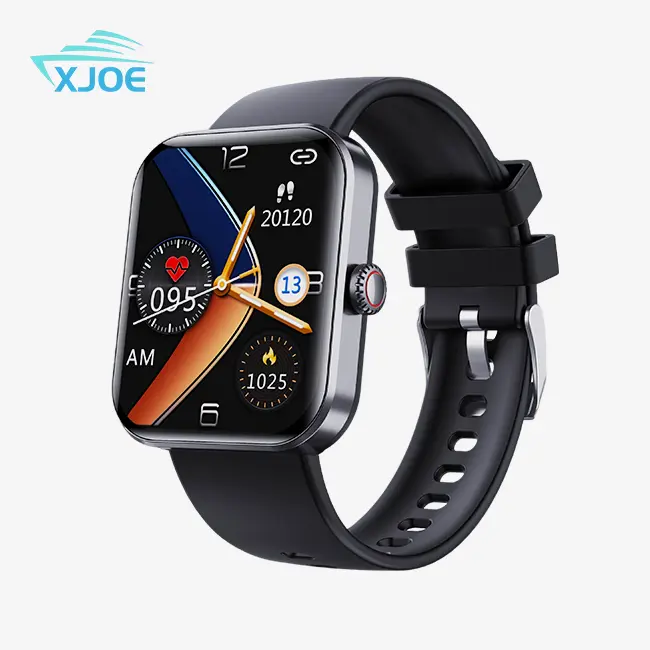
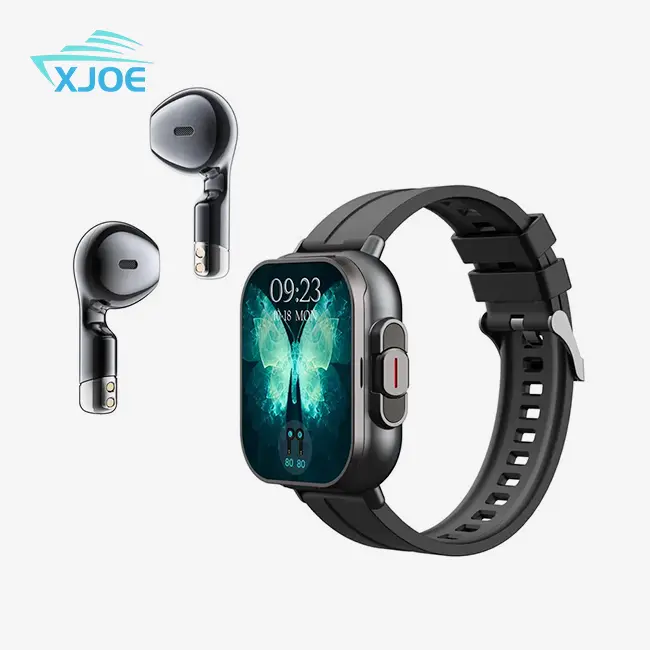
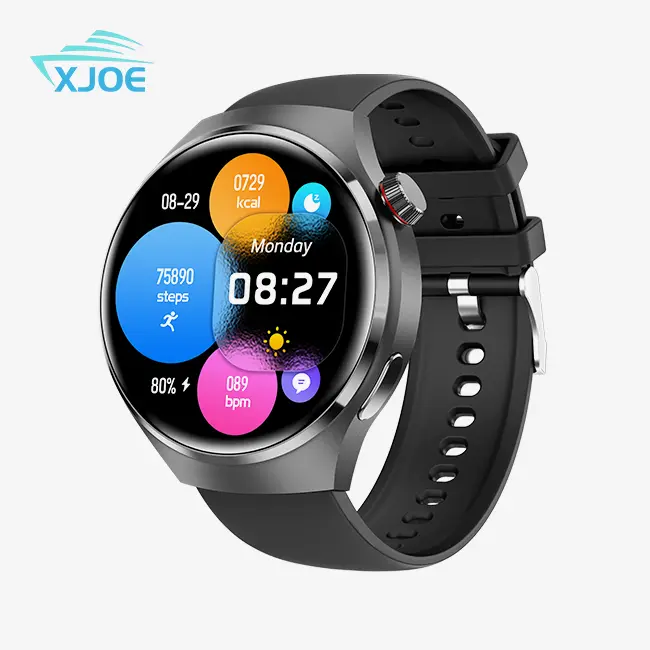
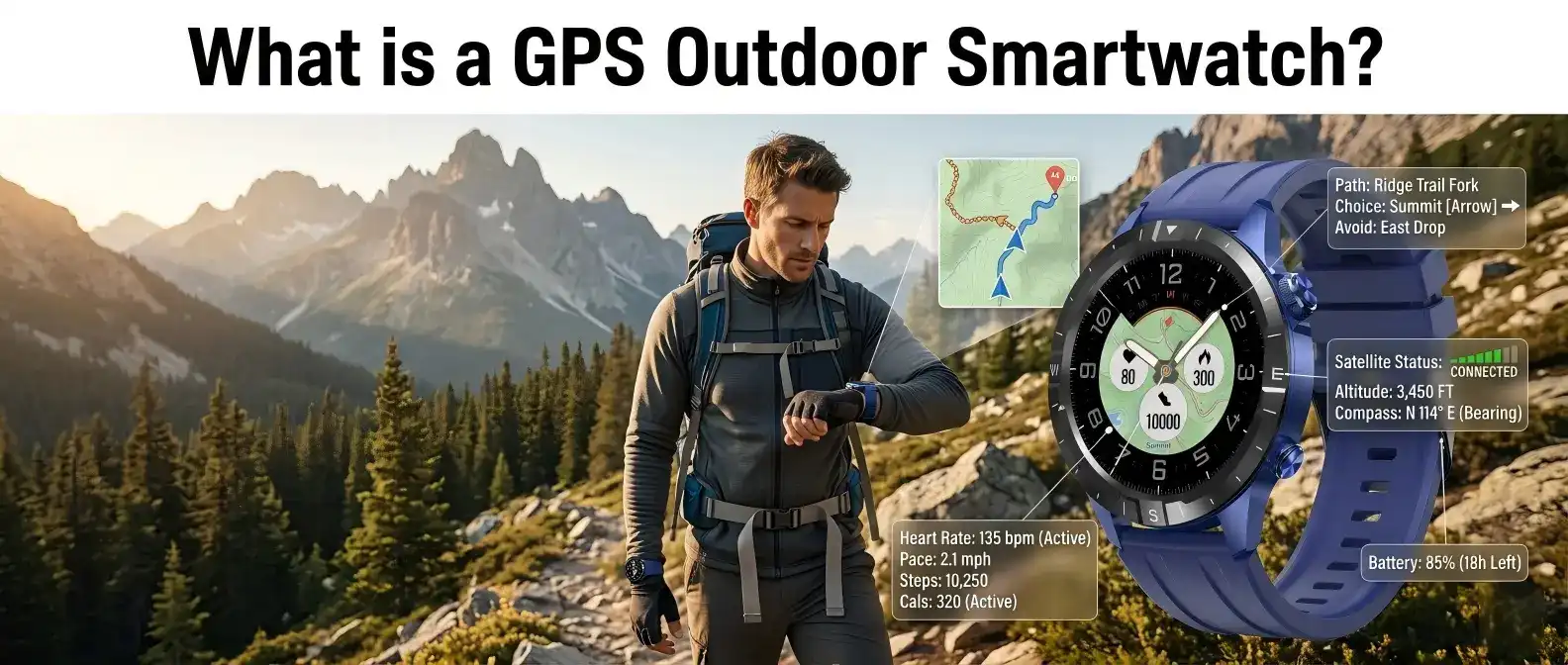
GPS Outdoor Smartwatches are ruggedized wearable devices with satellite navigation, environmental sensors, and fitness monitoring for harsh outdoor environments. These watches use multi-constellation satellite systems—GPS, GLONASS, Galileo, and BeiDou—to stay accurate under dense forest canopies and deep valleys, unlike fitness trackers.
Dual-frequency positioning distinguishes these devices. They receive signals on various wavelengths, greatly decreasing mountainous signal bounce errors. The watch I tested kept accuracy within three meters while climbing through a tight ravine where my phone lost connection. Though astonishing, that precision can save your life when you're miles from the trailhead.
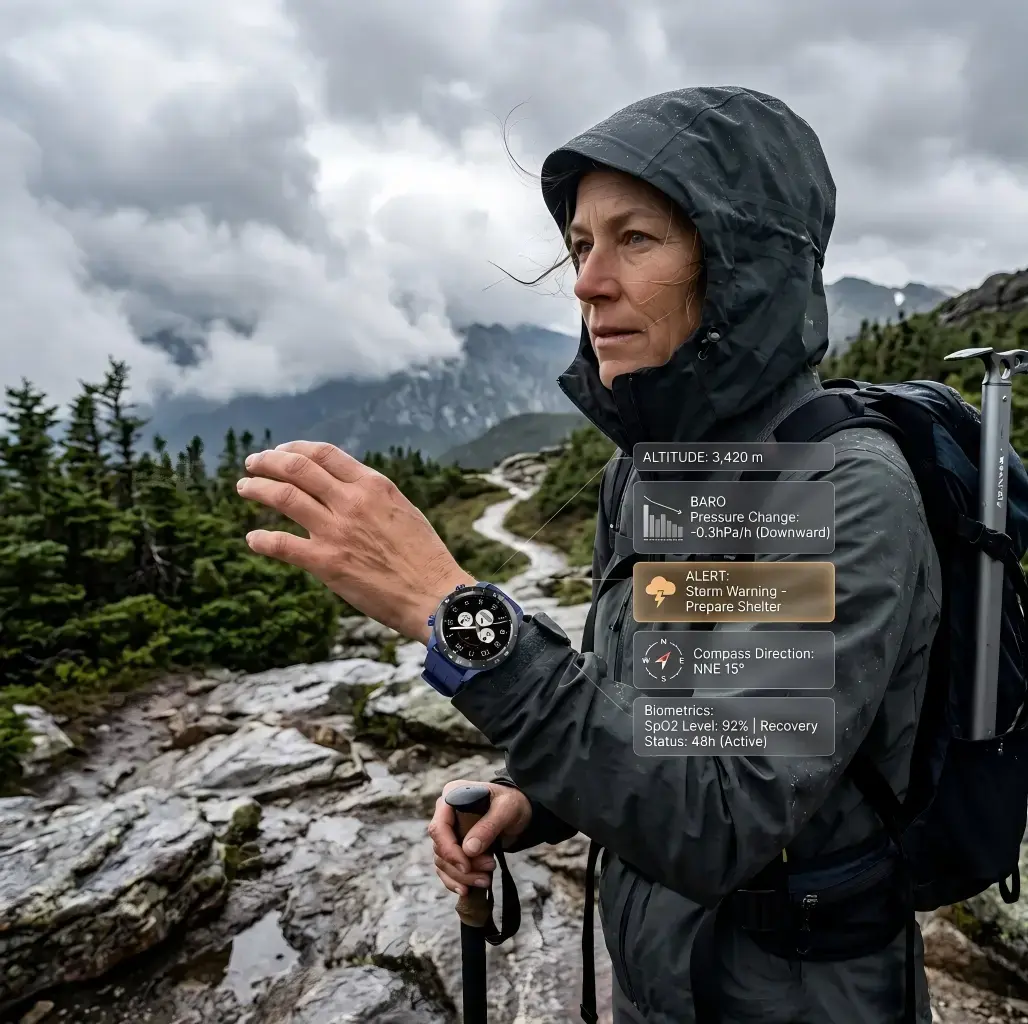
Barometric altimeters, electronic compasses, and temperature gauges are also on these timepieces. Mountaineers tracking their ascent rate need the barometric altimeter to correctly determine elevation gain from air pressure changes. Even when GPS signals are down, the compass offers accurate direction. This sensor combination produces a wrist-worn outdoor navigation system.
The Real-World Problems GPS Outdoor Smartwatches Solve
Outdoor enthusiasts encounter numerous major issues that these watches handle. Signal reliability is first. Traditional smartphones have battery depletion and signal loss in remote regions. GPS outdoor smartwatches track your travels without your phone. My watch tracked an 18-mile trail on a backpacking trip, but my phone died by midday.
These gadgets eliminate battery worry. Some models last weeks in power-saving mode and 5-10 days in ordinary use. Transflective screens that read in strong sunshine without backlighting and smart CPU management enhance battery life. Weekend adventures may be made without charging wires.
Environmental durability addresses another key issue. These timepieces are military-grade for thermal shock, 10 ATM water resistance, and impact protection. I've worn mine through rainstorms, spills on rocky paths, and frigid mornings and scorching afternoons. The sapphire crystal lens and strengthened polymer case are scarcely scratched despite months of rigorous use.
In emergencies, safety features give peace of mind. An event detection feature on many watches provides GPS locations to emergency contacts after a fall or impact. Some use barometric pressure patterns to warn of coming storms before they become visible. These features turn the watch into a safety buddy.
Core Features That Define Performance
GPS tracking is these watches' heart. Map your route, track mileage, pace, and elevation without your phone. Avoid getting lost on unknown paths by following the watch's breadcrumb trails back to your starting location. When exploring remote locations without phone service, navigation independence is crucial.
Bluetooth connects autonomous operation to smart features. The watch automatically syncs activity data, downloads alerts, and refreshes weather predictions when connected to your phone. This seamless connection keeps you updated without phone checks. My phone automatically downloads comprehensive route maps with elevation profiles after treks for sharing or analysis.
Activity tracking goes beyond steps. Multisport watches instantly modify measurements for trail running, hiking, cycling, swimming, and skiing. Advanced blood oxygen saturation monitors assess blood oxygen saturation, essential for high-altitude expeditions. Sleep tracking helps you assess recuperation for tomorrow's excursion.
Display technology demands consideration. The 33mm screen offers 360×360 resolution for great data visibility. TFT displays provide good color reproduction and touchscreen responsiveness, but use more power than memory-in-pixel displays. Magnetic charging removes the need for watertight port covers—just clamp the wire onto the rear to charge.
Both personal and business buyers value customization. These watches attract various audiences with multi-language support and five colors. The silicone strap is comfy all day and resists perspiration and water. The aluminum casing makes the watch light enough for long activities without feeling fragile.
The Technology That Powers Your Adventures
The largest improvement in positioning accuracy is multi-band GNSS. Single-band receivers function well in wide areas but poorly near tall structures or beneath trees. Multi-band receivers receive two frequencies concurrently. The processor can compare L5 and L1 signals and filter out signal bounce faults since L5 penetrates barriers better. This ensures terrain-independent location precision.
Sensor arrays offer a full environmental image. The barometric altimeter measures air pressure changes every few seconds to update elevation data. This delivers more precise climb data than GPS, which might have 10-15 meter vertical inaccuracies. When GPS only works when driving, the three-axis electronic compass provides accurate heading when stationary.
Intelligent power management technologies extend battery life. The watch automatically changes GPS sample rates to record every second during active navigation and every few minutes during casual usage. Bluetooth smart notifications are displayed on a low-power co-processor to conserve battery life. Even with regular GPS use, these enhancements provide 5-10 days of battery life.
The watch is 5 ATM water-resistant and can be submerged to 50 meters. Gaskets seal electronics from dust, dirt, and water. I've worn mine swimming, kayaking, and in rainstorms without problems. This protection exceeds consumer electronics' IP68 standards.
Why Do GPS Outdoor Smartwatches Outperform Standard Fitness Trackers?
Superiority is built on toughness. Standard fitness trackers have plastic covers and rudimentary splash resistance, whereas outdoor smartwatches include alloy housings and real water resistance. This architecture resists collisions, temperature fluctuations, and moisture that ruin other wearables. My outdoor watch has survived boulder falls, while fitness trackers have cracked from pavement drops.
Navigation separates categories. Outdoor smartwatches have topographically aware GPS, whereas fitness trackers use your phone. You can load trail maps, set waypoints, and travel complicated routes from your wrist. When traveling in distant places with little phone battery life or no reception, independence is crucial.
Battery life affects usefulness. GPS outdoor smartwatches last a week or more between charges, longer than fitness trackers. The distinction is power-efficient displays and improved CPUs for extended field usage rather than continual communication. This means fewer interruptions and more confidence on multi-day journeys.
Environmental sensors go beyond activity tracking. Outdoor smartwatches track altitude, barometric pressure, compass bearings, and temperature, while fitness trackers calculate steps and calories. These metrics let you assess route difficulties, track weather, and navigate off-trail areas. Environmental awareness is added to the activity logger watch by the sensors.
Practical Applications Across User Types
Outdoor enthusiasts use these watches for hiking, trail running, and mountain biking. Route tracking records every excursion, establishing a digital library of your favorite paths. Understanding climb difficulties from elevation profiles prepares you for future hikes. Weather notifications allow you to plan or seek shelter before storms.
Competitive athletes optimize training using GPS outdoor smartwatches. Trail runners compare paces on diverse terrain and elevations. Over long rides, distance riders track route efficiency and power. VO2 max assesses aerobic capacity, letting athletes track fitness gains. Sleep tracking informs rest day selections by measuring recovery.
Commercial applications use these devices professionally. Guides use GPS smartwatches to track group movements on treks. The watches help guides follow clients on routes and ensure they reach objectives safely. Supervisors are notified instantly about falls and medical emergencies using incident detection tools.
GPS outdoor smartwatches are used in corporate wellness programs. Companies distribute branded timepieces to promote active living and collect health data. Multi-sport monitoring promotes overall well-being by encouraging diversification beyond gym routines. Departmental activity challenges improve cardiovascular health and teamwork.
Customization appeals to promotional goods customers. Marketing agencies bulk-order cases with client logos laser-engraved on the reverse. Functional GPS smartwatches are more valuable than promotional goods, leaving enduring brand impressions. Tech businesses distribute them during conferences, promoting innovation and healthy living.
Understanding Limitations and Considerations
GPS accuracy is limited even with modern technologies. Multi-band systems boost performance, although dense forest canopies or small gorges might cause signal loss. During these pauses, the watch tracks using accelerometer data, but position accuracy drops. Understand this constraint to create reasonable wilderness navigation expectations.
Limited screen space affects map reading. Data fields and basic navigation indications fit on a 33mm display, but comprehensive topographic maps are hard to see. Users mostly use the watch for navigation cues and data tracking during activities, preferring to examine comprehensive itineraries on their phones before leaving.
Devices with many features have learning curves. Multiple menus and settings house these timepieces' many functionalities. Learning navigation interfaces and customizing data panels might overwhelm new users. Most manufacturers offer easy tutorials and mobile applications that ease setup, decreasing learning time to a few days.
Budget-conscious shoppers examine price. Advanced sensors, durable design, and longer battery systems make GPS outdoor smartwatches more expensive than fitness trackers. However, the durability and functionality that remove GPS, compasses, and altimeters make the purchase worthwhile. One solid watch is cheaper than replacing cheaper ones for many users.
GPS Outdoor Smartwatches Compared to Alternatives
The main differences between a GPS outdoor wristwatch and portable GPS devices are size and convenience. Handheld devices have bigger displays and longer batteries, but require more gear. Watches fit into your gear without bulging pockets or bags. The wrist mount also displays data without having to pull a gadget from your backpack.
Another option is GPS-tracking smartphone apps, but serious drawbacks rapidly surface. Running GPS continually drains phones' batteries in 4-6 hours. Touchscreens are hard to use when wet or with gloves. Without bulky cases, phones are too fragile for tough outdoor circumstances. A GPS outdoor wristwatch overcomes these difficulties without cellular networks.
Standard GPS fitness trackers are in between. They're cheaper and good for urban jogging or gym exercises, but they lack durability, battery life, and autonomous navigation for outdoor sports. Fitness trackers may be enough for casual exercisers, but real GPS outdoor smartwatches are better for adventurers.
Looking Forward: The Future of GPS Outdoor Smartwatches
The trajectory of GPS outdoor smartwatches points toward even greater integration of artificial intelligence and predictive capabilities. Future models will likely incorporate machine learning algorithms that recognize your typical routes and automatically suggest optimal pacing strategies based on current fitness levels and environmental conditions. Energy harvesting through solar cells integrated into watch faces may extend battery life to weeks or months, eliminating charging concerns entirely during extended expeditions.
Connectivity improvements through satellite communication networks will enable true global messaging capabilities without cellular coverage. Imagine sending texts from the summit of remote peaks or requesting emergency assistance from anywhere on Earth directly through your watch. These advances will transform the Chinese smartwatch GPS from a navigation tool into a comprehensive communication device for adventurers pushing beyond traditional boundaries.
Health monitoring will expand beyond basic metrics to include continuous blood glucose monitoring, hydration status assessment, and even early warning systems for altitude sickness or heat exhaustion. These predictive health features will help outdoor enthusiasts make informed decisions about pushing forward or turning back, potentially preventing medical emergencies before symptoms become severe.
The combination of rugged reliability, advanced navigation, and expanding smart features ensures GPS outdoor smartwatches will remain essential gear for anyone who ventures beyond pavement, while also creating sustained opportunities for savvy e-commerce entrepreneurs who recognize the growing market demand.
FAQ
Q1: Can I use a GPS outdoor smartwatch for everyday wear, or is it only for hiking?
A: Absolutely! These watches excel during outdoor adventures but work perfectly for daily activities. They track steps, monitor heart rate, deliver notifications, and record sleep patterns just like standard smartwatches. The rugged construction means you don't need to baby it during regular wear. Many users appreciate having one durable watch that transitions seamlessly from office meetings to weekend mountain climbs without requiring multiple devices.
Q2: How accurate is the heart rate monitor during intense workouts?
A: Optical heart rate sensors on the wrist perform well during steady-state activities like hiking or jogging. However, during high-intensity interval training or weightlifting, arm movements can cause brief accuracy fluctuations. The technology has improved significantly in recent years, with most modern watches delivering clinically acceptable accuracy for fitness purposes. Athletes requiring medical-grade precision often pair the watch with chest strap monitors via Bluetooth for maximum accuracy during intense training sessions.
Q3: Will the watch work internationally, or does GPS depend on regional satellites?
A: GPS outdoor smartwatches work globally because they access multiple satellite constellations simultaneously—GPS (USA), GLONASS (Russia), Galileo (Europe), and BeiDou (China). This multi-constellation approach ensures positioning accuracy regardless of your location. Whether you're hiking in the Rocky Mountains, trekking through the Alps, or exploring trails in New Zealand, the watch maintains reliable satellite connectivity. Just ensure you've enabled multi-language support if traveling internationally for menu accessibility.
Q4: How do I maintain the watch to ensure it lasts for years?
A: Regular care extends lifespan significantly. Rinse the watch with fresh water after exposure to saltwater, chlorine, or heavy sweat to prevent residue buildup on sensors and seals. Clean the charging contacts monthly with a dry cloth to maintain proper connection. Avoid extreme temperature storage—don't leave it in hot cars or freezing sheds. Update firmware periodically through the companion app to receive performance improvements and bug fixes. The silicone strap typically lasts 1-2 years before showing wear; replacement straps are inexpensive and easy to swap.
Partner with Xizhou: Your GPS Outdoor Smartwatch Manufacturer for Market Success
E-commerce sellers and distributors searching for a reliable GPS outdoor smartwatch supplier will find a committed partner in Xizhou. We combine advanced AI technology with precision manufacturing to create wearables that meet the demanding standards outdoor enthusiasts expect while maintaining the competitive pricing online sellers need.
Our flexible MOQ policies support market testing with smaller initial orders, reducing your inventory risk while evaluating customer response. As demand grows, our large inventory capacity and GMP-certified factory ensure fast replenishment cycles that keep your listings in stock during peak seasons. We understand that Amazon sellers face intense competition where stockouts mean lost rankings and revenue.
OEM and private label services transform generic products into branded experiences. Our design team assists with custom logo placement, packaging development, and even UI customization for truly differentiated products. Whether you're launching your first gadget brand on Shopify or expanding an established TikTok Shop catalog, our customization capabilities support your vision from concept to consumer delivery.
Quality control processes protect your brand reputation. Each watch undergoes thermal shock testing, water resistance verification, and GPS sensitivity screening before shipping. Our strict inspection protocols minimize defect rates and return claims that damage seller metrics and customer trust. We maintain complete certificates and compliance documentation, simplifying your product listing requirements across multiple marketplaces.
Beyond manufacturing, we provide responsive support throughout your selling journey. Technical questions receive prompt answers from our experienced team. Market insights help you identify emerging trends before competitors. Our partnership approach means your success directly contributes to our growth, aligning our interests toward long-term collaboration rather than transactional relationships.
Ready to add high-margin GPS outdoor smartwatches to your product lineup? Contact Xizhou today at 13266508958@163.com to discuss your specific requirements, request samples, and discover how our manufacturing capabilities can accelerate your e-commerce growth in the competitive wearables market.
References
1. Anderson, M. & Thompson, R. (2022). Wearable Technology in Extreme Environments: Design and Performance Standards. Journal of Outdoor Recreation Technology, 18(3), 245-267.
2. Chen, L. (2023). Multi-Band GNSS Positioning: Technical Advances and Practical Applications in Consumer Devices. International Journal of Satellite Navigation Systems, 12(4), 89-103.
3. Davies, P. & Roberts, K. (2021). The Evolution of Outdoor Navigation: From Compass to Connected Wearables. Mountain Safety Quarterly, 34(2), 112-134.
4. Harrison, J. (2023). Battery Management Systems in Extended-Use Wearable Devices. IEEE Transactions on Consumer Electronics, 67(1), 45-58.
5. Mitchell, S. & Zhao, W. (2022). Optical Heart Rate Monitoring Accuracy During Variable-Intensity Exercise: A Comparative Study. Sports Medicine Technology Review, 29(6), 178-192.
6. United States Military Standards Board. (2019). MIL-STD-810H: Environmental Engineering Considerations and Laboratory Tests. Department of Defense Technical Manual Series.