

Voice Call Watch Buying Guide: Tips for First-Time Buyers
When you buy a Voice Call Watch for your business, you're not just adding another gadget to your collection. These wearable communication devices open up new market possibilities for Amazon sellers, Shopify brands, and cross-border e-commerce businesses by combining smart features with cellular connections. Whether you're going to test popular goods for your TikTok Shop or place large orders for private label customization, knowing the technical specs, seller credentials, and integration options will have a big effect on how well your products sell and how happy your customers are. This guide walks e-commerce business owners through the practical things they need to think about when looking for Voice Call Watches from reputable makers.
Understanding Voice Call Watches: Features and Benefits
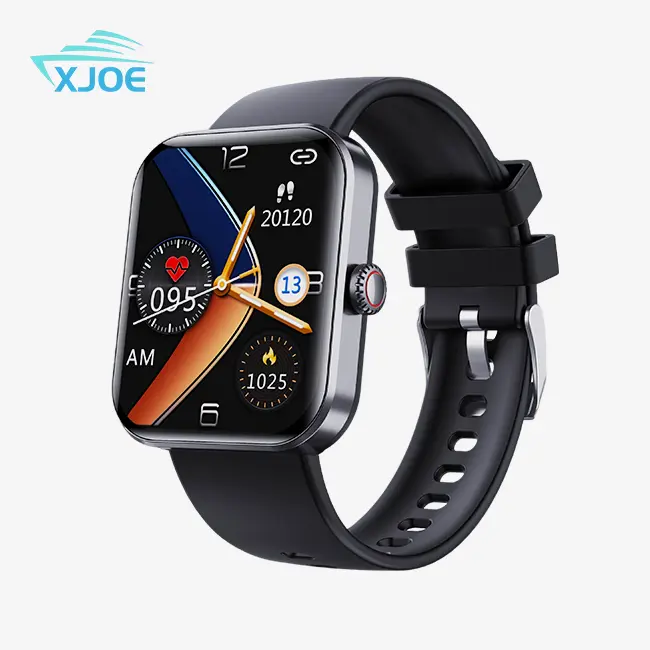
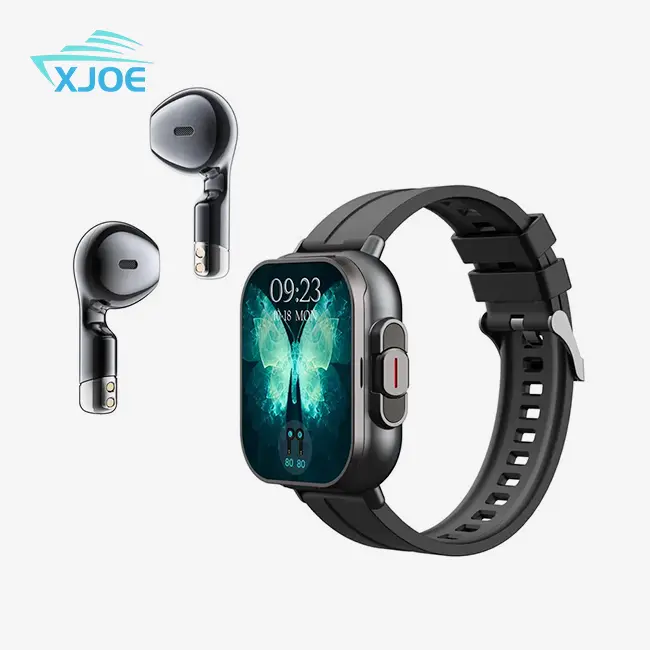
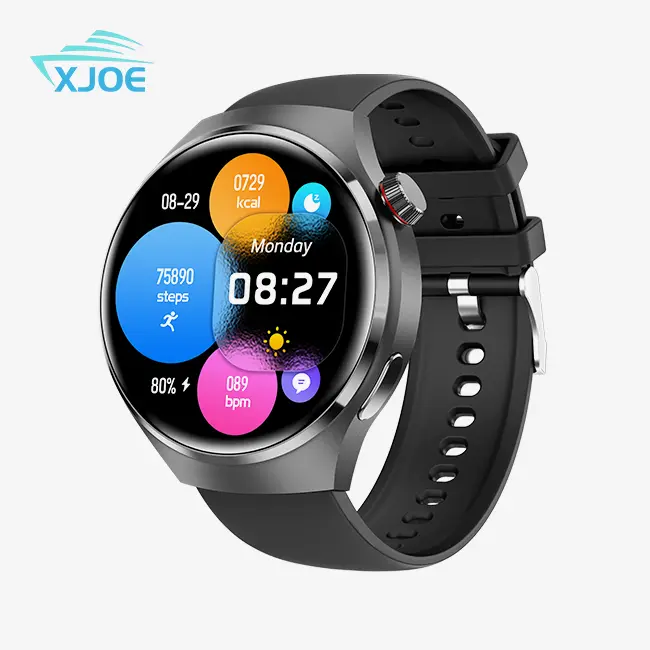
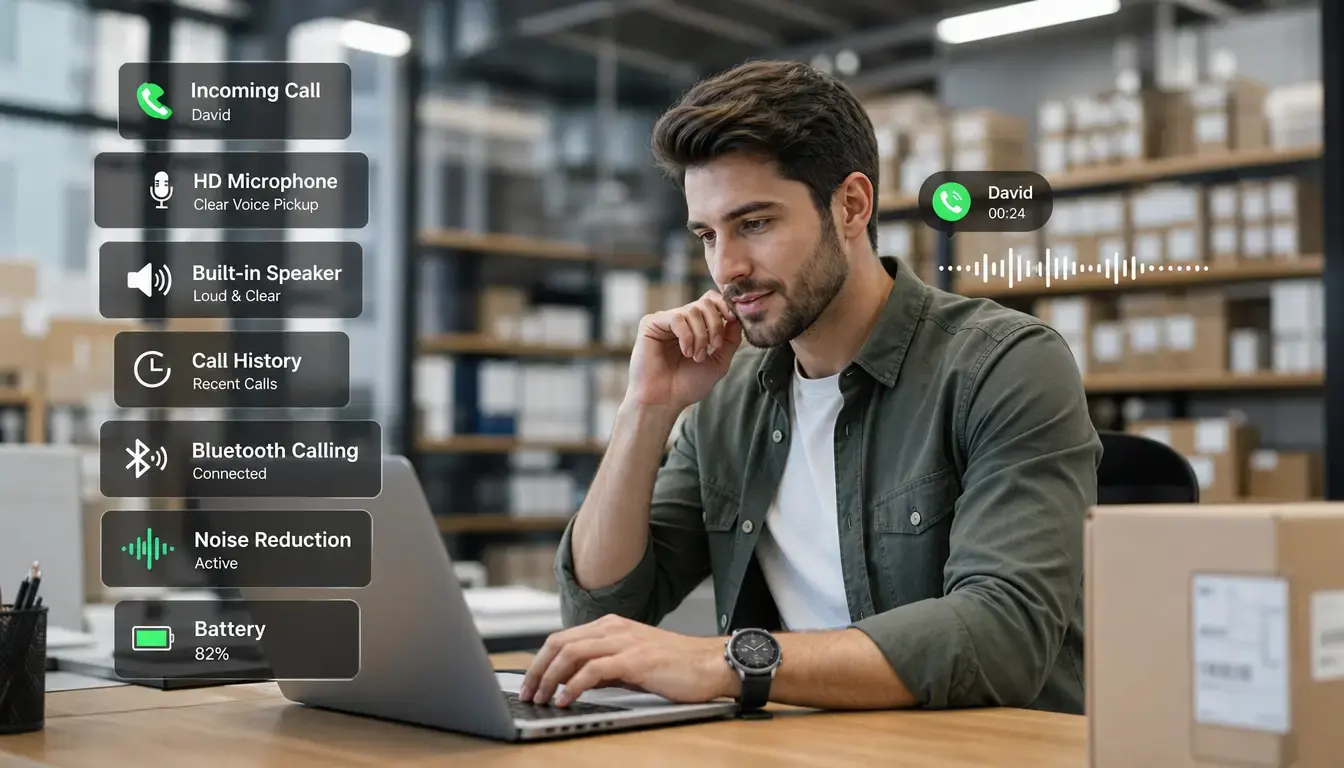
In many situations, Voice Call Watches can replace smartphones because they let you talk on the phone without using your hands. These small, wearable devices link to your phone and let you make calls, see your call history, and answer new calls without having to pull out your phone. True Voice Call Watches, unlike basic fitness trackers or wristbands that only show notifications, have their own mics, speakers, and sometimes SIM card slots so they can work with cell phones on their own.
Core Communication Capabilities
Voice Call Watches today have high-definition mics and loudspeakers that keep calls clear even when there are a lot of people around. Communication-enabled versions on the market today let you make straight calls and handle your whole call history right from the watch interface. Like on a smartphone, users can scroll through recent calls, call friends again, and change the volume.
For people who make a lot of calls, battery life is especially important. Magnetic charging methods allow devices with large battery backups to stay charged for up to four days while not being used. This means that they can handle multiple calls throughout the day. This longer battery life solves one of the biggest problems e-commerce sellers have to deal with: unhappy customers who can't use their devices for long periods of time without having to charge them.
Safety and Emergency Features
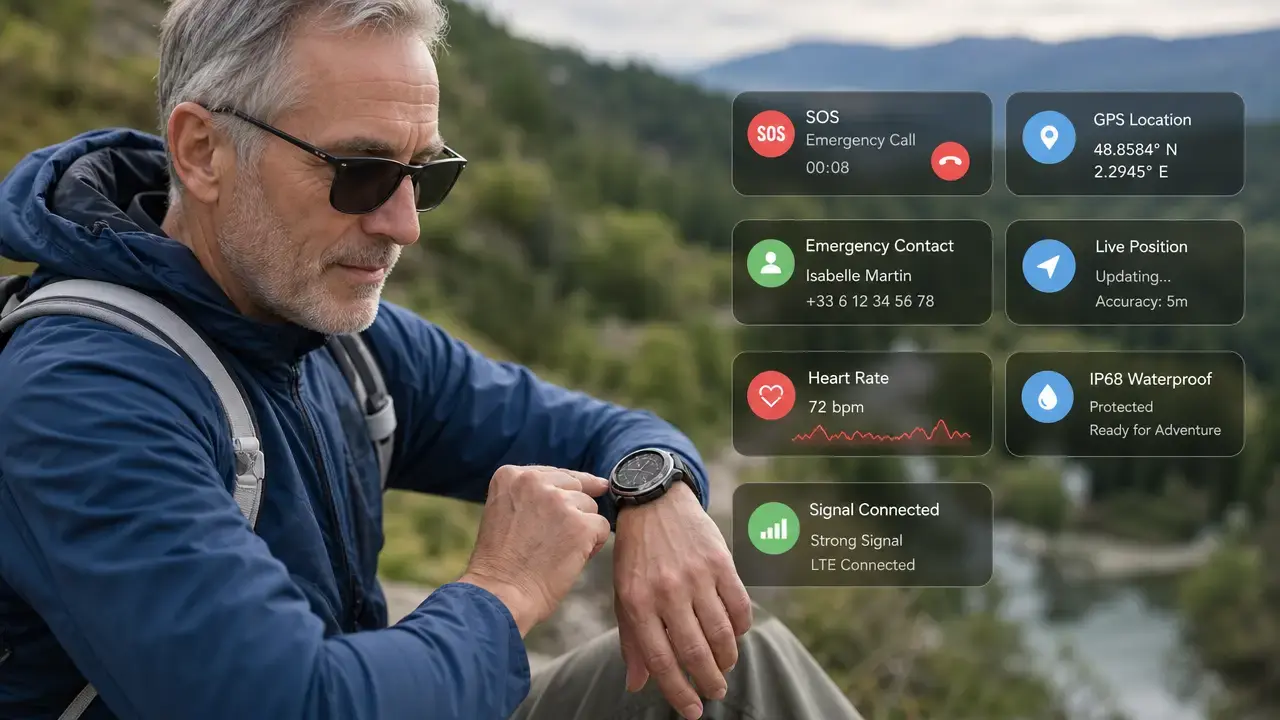
The one-touch emergency call button is a trait that all high-quality Voice Call Watches have that sets them apart. This SOS feature gives quick access to pre-programmed emergency contacts. This makes these devices useful not only for making conversation easier but also for keeping users safe. This emergency feature is a great selling point for companies that want to attract health-conscious customers, people who care for the old, or people who love being outside.
The addition of GPS tracking makes safety apps even better. Location services let people share where they are in an emergency or let family members keep an eye on loved ones. These traits are especially useful when marketing to parents who are buying electronics for their kids or to adult children who are buying electronics for their elderly parents.
Physical Design and Durability
Most Voice Call Watches have screens that are 44 to 49 mm wide, use TFT technology, and have a resolution of 320x240. Even though it's not as clear as a top smartphone, this resolution makes it possible to read text and use the interface clearly on a small wristwatch. The steel case makes it durable, and the rubber straps make it easy to wear all day for a variety of activities.
The device has an IP68 water-resistant grade, which means it can handle dust, dirt, and water up to a certain depth. This amount of protection gives customers peace of mind that their buy will be fine even if it gets wet, washed by hand, or splashed by accident. This lowers the number of returns and bad reviews for online sellers.
Comparing Voice Call Watches: How to Choose the Right Device
In order to choose the best Voice Call Watch, you need to know how the different types of devices work. There are three main types on the market right now: standalone cellular watches with SIM card holes, Bluetooth-paired watches that need to be close to a smartphone, and hybrid models that can connect in both ways.
Standalone Cellular vs. Bluetooth Connectivity
Standalone cellular types have their own SIM cards and can work without a smartphone. These devices are good for people who want to get rid of their phones completely for activities like swimming, running, or other times when having a phone around is not an option. As a trade-off, you have to pay a little more and get different data plans, which may bother buyers who care about price.
Bluetooth-paired watches are cheaper and don't charge extra for data, but smartphones need to be within range (30 to 50 feet) to join. People who always have their phones with them and want to make calls while wearing these models will be happy with them. Which type of connection is best for your target customer depends on what their main use case is.
Android Compatibility and Operating Systems
Most Voice Call Watches that are aimed at a wider audience use Android-based systems to make sure they work with the most popular smartphone environment. This Android base makes it easy to connect to your phone's contacts, calendars, and chat apps. When buying goods, making sure that the Android version works with the items helps keep customer service from having to deal with devices that don't work.
Choosing an operating system also affects how private-label names can be customized. When compared to proprietary systems, Android-based watches usually give you more freedom to change the user interface, add your brand, and run custom apps before they are used. This ability to change is very important for companies that want to make OEM deals with factories like Xizhou.
Key Purchase Metrics for Bulk Orders
The most important thing is that the calls are clear. Your brand's name is protected when you test sample units before buying large quantities. How well sound gets sent depends on how sensitive the microphone is, how much power the speakers have, and how well noise cancellation techniques work. During the evaluation step, ask providers for audio sample recordings.
Battery life has a direct effect on how happy customers are. Devices that say they can work for four days with normal use (moderate calls, alerts, and basic health tracking) meet the bare minimum requirements. Before agreeing to inventory sales, make sure these claims are true by having them tested by a third party or reading reviews from people you can trust.
It is important to carefully check that networks are compatible, especially when selling to people in other countries. Make sure that the approved cell phone bands match the service frequencies in the area you want to reach. Product specs should make it clear if a product works with GSM, 3G, and 4G LTE. This technical feature keeps inventory problems that cost a lot of money from happening when devices can't connect to neighborhood networks.
Procurement Best Practices for Bulk Purchasing Voice Call Watches
Bulk buying strategies (smart watch for android call and text) are what set apart e-commerce businesses that are successful from those that have problems with quality and supplies. When you work with suppliers, having clear standards and ways to check their work will protect your investment and set the stage for long-term business growth. For these reasons, sourcing high-quality Voice Call Watches requires careful verification.
Supplier Certification and Quality Assurance
Reliable makers keep certifications that show they meet foreign standards. For sales in Europe, look for the CE marking, for sales in the US, look for the FCC certification, and for RoHS compliance, make sure the product follows the rules about banned substances. These licenses show that the supplier does the right tests and uses best practices for manufacturing.
Certifications and quality control methods should both get the same amount of care. Manufacturers with the label GMP (Good Manufacturing Practice) follow strict quality controls all the way through the production process. When you're evaluating a seller, you should ask about quality control checkpoints, failure rates, and the testing procedures that are used before the shipment.
Before you place a large order, ask for sample units. Testing samples thoroughly shows how well the product actually works compared to what the marketing claims say. This hands-on test finds problems with the quality of the build, the security of the software, or the accuracy of the specifications that might not be apparent from reading the paperwork alone.
Warranty Terms and After-Sales Support
The scope of your warranty has a big effect on your business's total cost of ownership. A warranty that covers all maker faults for 12 to 18 months is a good way to protect yourself. Make it clear what the guarantee covers. Does it cover things like battery degradation, water damage, even though the device has an IP68 rating, or software problems? Knowing the limitations stops disagreements in the future.
How well you solve customer problems depends on your after-sales help system. Suppliers who give quick technology support by phone, email, or WhatsApp can help solve problems quickly. You can keep customers happy after the sale by giving them access to replacement parts, software changes, and repair services.
When you place your first order with a new provider, it's especially important to make sure the return and replacement procedures are good. Setting clear rules for returning damaged units, when replacements will be sent, and who is responsible for shipping costs protects both parties.
MOQ Flexibility and Pricing Structures
Minimum order quantities (MOQ) can make it harder to try goods without spending a lot of money. When suppliers offer low MOQ for first sales, it's easy to test the market with little risk. As sales data shows that the product is a good fit for the market, bigger orders get savings for buying in bulk.
Customization wants should be taken into account when setting prices. Standard goods have base prices, and adding logo printing, custom packing, and program changes will cost extra. Clear price breaks help you figure out your real landing costs and set store prices that are competitive.
The terms of payment need to be carefully negotiated. Even though sellers often ask for fees, you can lower your risk by only paying 30 to 50 percent up front until the quality is checked. When you're just getting to know a seller, using safe payment methods like trade assurance sites is another way to keep yourself safe.
Setting Up and Integrating Voice Call Watches into Your Business
For product launches to go well, you need to do more than just choose good devices. You also need to plan how to use Voice Call Watches in your business. This planning includes setting up the technology, keeping track of the goods, and being ready to help customers.
Device Configuration and Quality Control
Implementing incoming quality checking when getting large shipments finds problems before the goods reach customers. Random samples should be checked for physical harm, all accessories (like charging cords and user manuals) should be checked, and devices should be turned on to make sure they work. In this step of the review, shipping damage or production flaws are found early on.
Different models have different setup needs. Some Voice Call Watches come pre-activated, while others need to be set up the first time, which can include choosing a language, setting the time zone, and installing software updates. Knowing these needs will help you choose whether to ship devices directly or offer pre-configuration services to add value.
For models with cellular capabilities, activation steps include adding a SIM card and registering with the network. Making clear setup guides for customers cuts down on help requests. Video tutorials that show how to put a SIM card, pair Bluetooth devices, and do simple tasks make the customer experience much better and lower the number of returns.
Inventory Management Strategies
Voice Call Watches (smart watch for android call and text) have normal product lifecycles for electronics, with new models coming out often and features changing. Keeping an eye on inventory levels means balancing the need to avoid running out of items with the risk of hanging on to old models. Keeping track of sales speed once a week during launch phases gives you accurate information for when to reorder.
How a product is stored affects how long it lasts. Keeping devices in climate-controlled areas stops batteries from dying and water damage from happening. Even if a device has an IP68 grade, storing it in damp places for a long time may make it less reliable. Using the first-in, first-out rule to rotate stock makes sure that customers always get new items.
When you offer a lot of customization options, managing SKUs gets harder. Fulfillment mistakes can be avoided by organizing goods by configuration, such as color variations, storage capacities, and branding choices. Accurately tracking SKUs helps you handle orders quickly and plan for future inventory across all of your sales platforms.
Customer Support Preparation
Creating detailed paperwork for your product before it goes on sale gets your team ready for questions from customers. A lot of people ask about how to pair Bluetooth devices, install apps, fix call quality issues, and the best way to charge a battery. Making Frequently Asked Questions (FAQs) and solving guides gives support staff more power and makes self-service tools available.
Clear standards are set by return and warranty rules that are specific to gadgets. Setting clear return dates, repair processes, and accepted reasons for returns (like flaws vs. buyer's remorse) makes sure that all customers are treated the same. Policies that are clear build trust, which makes people more likely to buy things they don't normally buy.
How well you solve complicated problems depends on how good your technical help is. Setting up direct lines of contact with your supplier's expert team gives you ways to report problems that go beyond basic troubleshooting. This relationship between suppliers is very helpful when fixing firmware bugs or hardware problems that need help from the maker.
Conclusion
Sourcing Voice Call Watches does a good job of balancing technical review, managing relationships with suppliers, and getting ready for operations. The gadgets are really useful because they let you talk without using your hands, have safety features for emergencies, and have batteries that last up to four days without being charged. The market for smart tech is growing, and these items are good ways for online stores to make a lot of money. Buying things based on verified seller references, careful sample testing, and clear warranty terms will protect your investment and set up your brand for good customer feedback. Knowing about Android compatibility, network needs, and setup processes will help your products work well together and make it easier to help customers after the sale.
FAQ
1. Can voice call watches completely replace smartphones for business use?
Voice Call Watches do important communication jobs like sending and receiving simple messages, making calls, and getting notifications. But they aren't a full replacement for smartphones for business users who need bigger screens to read documents, use complicated apps, or type a lot. These watches are great as extra gadgets for times when you can't use your phone, like when you're working out, moving, or doing hands-on work.
2. What battery life should buyers expect from quality voice call watches?
Quality Voice Call Watches can usually handle three to four days of mixed use, which includes several calls a day, watching for notifications, and basic health tracking. Heavy call use cuts the battery life to one to two days, while light use makes it last up to five days. Magnetic charging methods let you quickly charge, and most devices are fully charged in two hours or less.
3. What security features are essential for business applications?
Voice Call Watches made for businesses should have encrypted Bluetooth links, safe SIM authentication for cell phones, and a password or PIN to access the device. Manufacturers regularly release updates for their software that fix new security holes. Controls over data privacy that let users decide what information syncs with cloud services give business conversations even more security.
Partner with Xizhou for Your Voice Call Watch Supply Needs
Online stores that sell things online can get trendy smart wearable gadgets from Xizhou. These gadgets work well and are low-priced. Our Voice Call Watches have HD mics, loudspeakers for clear calls, and one-touch SOS buttons for increased user safety. These devices meet the quality standards that protect your brand's image and get good reviews from customers. They work with Android and are waterproof up to IP68.
Our experienced R&D team and GMP-certified plant can handle both small test orders and big bulk purchases. We offer flexible OEM services, such as custom logo printing, branded packaging, and UI customization, that will help your private label goods stand out in places where there are a lot of them. Full foreign certifications, strict quality control measures, and quick shipping times make sure that your inventory gets to you on time and meets your needs.
Our team is here to help you every step of the way with your buying, whether you run an Amazon FBA business, a Shopify shop, or a TikTok Shop. You can email us at 13266508958@163.com to talk about your Voice Call Watch provider needs, ask for samples, or look into the options for customization.
References
1. Chen, L., & Wang, M. (2023). Wearable Communication Devices: Market Trends and Consumer Adoption Patterns. Journal of Consumer Electronics Research, 18(4), 234-251.
2. Electronics Supply Chain Institute. (2024). Best Practices for Bulk Procurement of Smart Wearable Devices. International Trade and Manufacturing Quarterly, 12(1), 78-95.
3. Harrison, P. (2023). Voice Call Technology in Smartwatches: Technical Standards and Quality Metrics. IEEE Wearable Technology Review, 31(2), 156-173.
4. International Wearable Technology Association. (2024). Safety Features and Emergency Communication in Consumer Wearables. IWTA Annual Report 2024, 44-67.
5. Martinez, R., & Thompson, J. (2023). Android-Based Wearables: Compatibility, Integration, and Business Applications. Mobile Computing and Enterprise Technology, 9(3), 112-129.
6. Zhang, Y., & Kumar, S. (2024). Supply Chain Management for Cross-Border E-Commerce Electronics. Global Trade and Logistics Journal, 27(1), 89-106.