

High Temp Warning Band adoption rising in Gulf construction sites
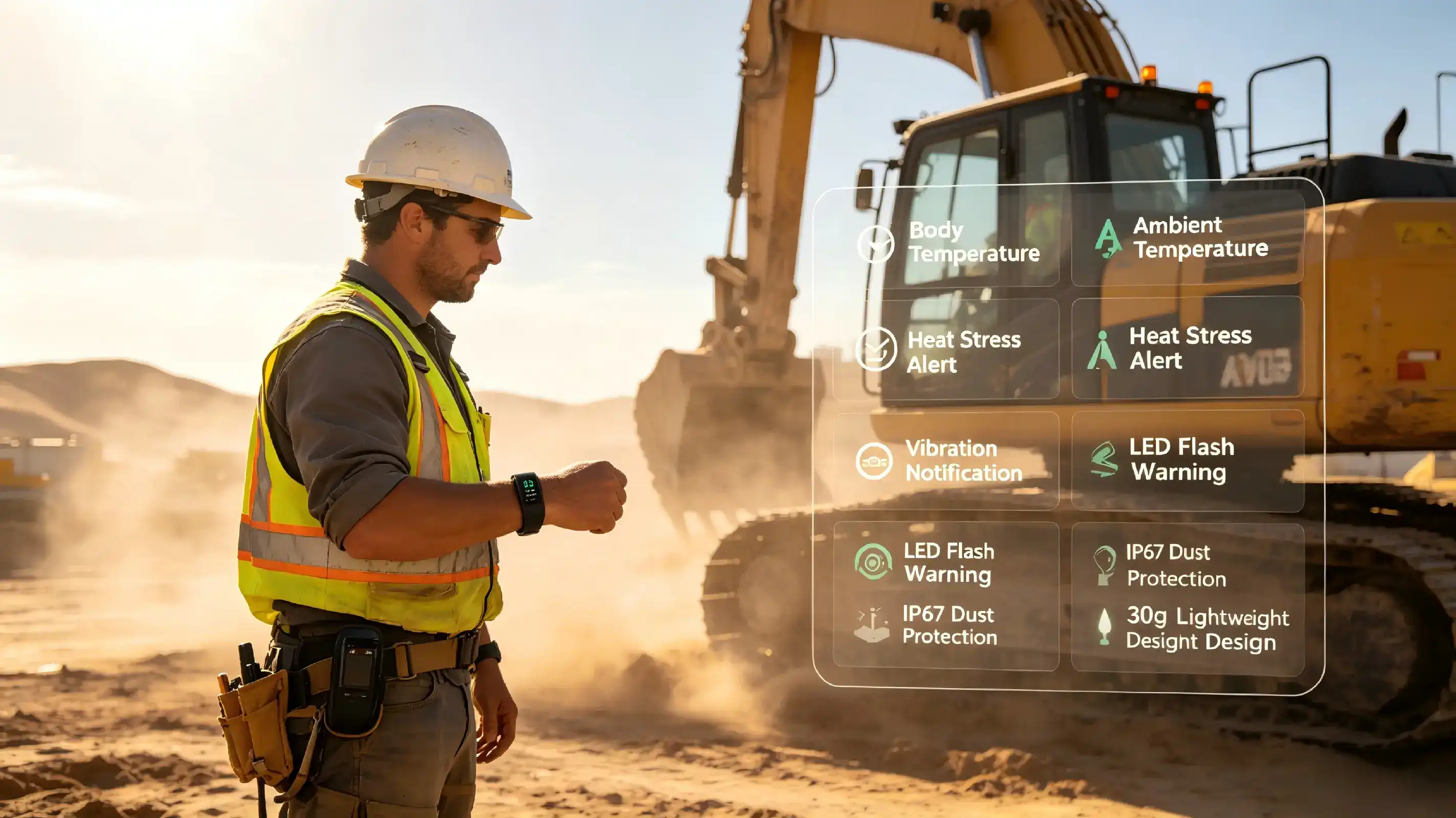
On Gulf building sites, where high temperatures and hard work conditions pose serious health risks, the High-Temp Warning Band is a big step forward in keeping people safe. This smart portable device constantly monitors both your body temperature and the temperature of the surrounding environment. When dangerous levels are reached, it vibrates and lights up to let you know right away. This IP67-rated device is very light (only 30 grams) and comes with a flexible silicone strap. It fits right into building processes and protects workers and site managers in real time from heat exhaustion and heat stroke. As more strict safety rules are put in place for Gulf construction projects, these smart warning systems are being used more and more on industrial sites across the region.
Understanding High Temp Warning Bands and Their Role in Construction Safety
What Makes These Devices Essential for Gulf Construction Sites?
High Temp Warning Bands are smart sensors that can be worn and are designed to measure real-time heat exposure in the environment and the body. These smart devices are different from passive temperature indicators because they use advanced sensor technology and quick notice systems to keep workers safe in harsh conditions. The construction industry in the Gulf area has special problems with heat. During the summer, temperatures regularly rise above 45°C, and machinery surfaces hit levels that are dangerous.
The High Temp Warning Band works continuously in temperatures between 0°C and 50°C, which makes it perfect for keeping an eye on both changes in body temperature and the temperature of the surroundings. Workers are immediately warned through vibrations and LED lights when temperature levels show possible heat stress. This lets them take action before health problems happen.
Technical Specifications That Matter for Industrial Applications
When construction site managers look at temperature monitoring options, they need devices that are long-lasting, reliable, and can handle rough conditions. The High Temp Warning Band has a strong silicone strap and an ABS case. It weighs about 30 grams and is comfortable to wear all day. Its 250 mm band can be adjusted to fit workers with a wide range of wrist sizes.
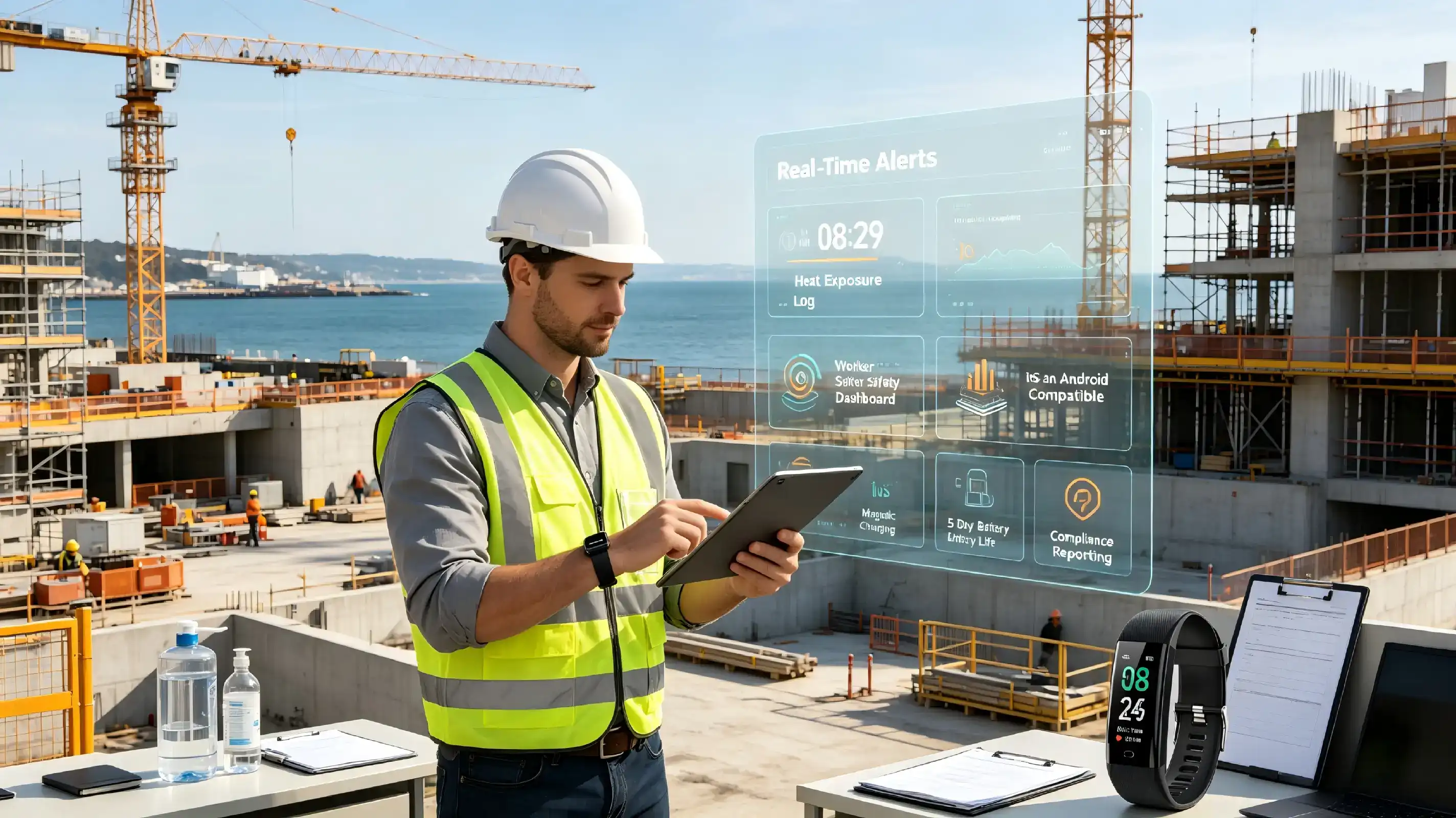
For continuous monitoring during long shifts, battery life is very important. The 120mAh battery gives the device five days of normal use, and magnetic charging makes it easy to charge when you need to. IP67 water resistance ensures that it works even when it gets wet or dusty, which is typical on building sites. Being compatible with iOS 10.0+ and Android 6.0+ makes it easy to connect to personal mobile devices and site safety management systems.
Regulatory Compliance and Safety Standards
Occupational health and safety rules are getting stricter for construction projects in the Gulf. Temperature monitoring tools help make sure that regional standards for worker safety in extreme heat are followed. The High Temp Warning Band lets you keep track of how much contact with the environment there is. This makes safety records that can be checked and meet legal needs while protecting companies from liability issues.
Why Are Gulf Construction Sites Rapidly Adopting Temperature Monitoring Wearables?
Extreme Climate Conditions Demand Advanced Safety Solutions.
Outdoor workers in the Gulf have to deal with some of the hottest conditions in the world on building projects. In the summer, temperatures always rise above what is safe for workers, and reflective surfaces and heavy equipment create hot spots that are harder to avoid. Scheduled breaks, drinking water, and visual guidance are all common safety steps that don't always catch people's heat stress reactions before they get too bad.
Smart tracking technology gets around these problems by keeping track of how each worker's body reacts to heat. Devices like the High Temp Warning Band keep track of the temperature all the time, which creates a personalized safety net that takes into account things like acclimatization levels, work intensity, and personal health conditions that affect heat tolerance.
Regulatory Pressure and Corporate Safety Responsibility
As heat-related accidents rise, regional governments and foreign building standards bodies are paying more attention to worker safety. For big projects, complete heat stress prevention plans with real-time tracking are now required. Companies that use advanced temperature monitoring show they are committed to the duty of care, which lowers insurance costs and improves the company's reputation.
More and more site managers are realizing that keeping an eye on the temperature cuts down on medical bills, workers' compensation claims, and project delays caused by accidents related to heat. Wearable warning systems are a small investment that pays off in big ways, like better safety and uninterrupted operations.
Technological Integration and Data-Driven Safety Management
Digital platforms are used on modern construction sites to manage safety, plan maintenance, and boost productivity. Wearables that measure temperature fit right in with these environments and provide data sets that help people make decisions. Because the High Temp Warning Band works with mobile devices, managers can keep an eye on how the whole team is being exposed to heat, find high-risk areas, and make changes to work plans on the fly.
The information gathered from wearable tech helps make safety rules better all the time. By looking at how temperatures change in different work areas, at different times of the day, and during different activities, we can make our prevention methods more effective and protect workers better while also improving the speed of our operations.
Selecting the Right Temperature Warning Device for Your Construction Project
Essential Performance Criteria for Industrial Environments
People who work in procurement have to compare temperature monitoring devices to certain performance standards. Being accurate within the target temperature range ensures that the alarm goes off correctly and there are no false positives that make workers lose trust. The 0°C to 50°C working range of the high-temp warning band covers all of the situations that can happen on Gulf building sites, from equipment cabins with air conditioning to direct sunlight.
Alert systems must work even when there is noise and visual distractions on a construction site. Dual-mode alerts that use both vibration and LED light make sure that workers get warnings no matter what the weather is like. Response time is very important—delays between the temperature level being broken and the alert being sent may make the protection useless.
Durability and Maintenance Requirements
In construction sites, dust, impacts, chemical splashes, and UV rays are used to test how long tools will last. Devices such as wearable heat stress monitors must keep working correctly and accurately even after being used for a long time. The High Temp Warning Band is made of silicone and ABS, which makes it both flexible and resistant to impact. Its IP67 rating ensures protection against dust and short-term immersion in water.
The operational usefulness is directly affected by the battery life. Devices that need to be charged every day create gaps in compliance and extra work for administrators. With a five-day battery life and magnetic charging, less care is needed, so everyone on the job site can use it the same way. The procurement team should check to see if replacement parts are available and that the warranty terms protect the value of the investment.
Comparing Solutions: Wearables Versus Alternative Monitoring Methods
There are many ways to keep an eye on the temperature, from simple color-changing labels to complex electronic sensors. Passive signs don't send alerts in real time and need to be looked at, which makes them less useful for mobile workers in tough settings. Environmental monitors that stay in one place miss physiological reactions that are very different between workers.
Smart wearables like the High Temp Warning Band monitor the environment and are close to the body, so they can pick up both body heat and physiological signals. Personal alert delivery makes sure that every worker gets a message right away, so they can take action to protect themselves. Integration with mobile platforms gives senior staff more tracking power, which creates more layers of security.
Implementation Best Practices for Maximum Effectiveness
Deployment Strategy and Worker Training
For implementation to go well, workers need to be fully trained on how the devices work, how to properly wear them, and how to respond to alerts. In training, it should be stressed that alerts don't mean that work has to stop; instead, they let people take strategic steps to rest and cool down. Workers need to know how to make adjustments to make sure that the sensors stay accurate and that the fit is comfortable and secure.
Site supervisors need to learn how to read data and follow reaction guidelines. Clear escalation procedures should spell out what to do when an alert goes off. These should include designated areas for cooling off, hydration stations, and temporary task reassignment procedures. Adding temperature monitoring to regular safety briefings makes it more common and strengthens the company's commitment to preventing heat stress.
Maintenance and Device Management Systems
Setting up processes for checking out and returning devices guarantees accountability and proper upkeep. Visual checks should be done every day to make sure the physical state, strap stability, and charging status are all correct. To keep the fleet working, certain people should be in charge of cleaning, rotating charging, and updating the firmware on all the devices.
Replacement plans should take into account how batteries of a wearable heat stress monitor age and wear out. By keeping track of a device's age and usage hours, it can be replaced before it stops working as well. Keeping spare parts on hand prevents safety gaps when devices break down or when more workers are needed.
Environmental Considerations for Gulf Conditions
Some of the problems that come up on Gulf construction sites are rough dust, strong UV rays, and big changes in temperature. Devices should be rinsed often to get rid of dust that has built up and could affect how well sensors work or how long straps last. Parts last longer if they are not left in full sunlight for long periods of time when they are not in use.
Charging stations should be put in climate-controlled areas to get the most out of batteries and keep electronic parts from breaking down from the heat. Setting up shift schedules that let recently charged devices cool down before being used keeps batteries lasting longer and measurements accurate.
Conclusion
Wearable temperature monitors are becoming more and more popular on Gulf building sites. This shows that the region is serious about worker safety in harsh weather. Smart devices like the High Temp Warning Band offer real-time security through constant tracking and prompt alerts, which get around the problems with older ways of preventing heat stress. As rules get stricter and building companies see how proactive safety technology can help them do their jobs better, these gadgets are no longer nice-to-have extras but necessary tools. When procurement professionals know about device specs, best practices for implementation, and integration strategies, they can help their companies protect workers' health while keeping them productive. As sensor technology improves, prices go down, and more people learn about the dangers of heat stress, the building industry in the region will continue to use wearable temperature tracking devices more and more.
FAQ
1. What temperature range do these warning bands monitor effectively?
Within a temperature range of 0°C to 50°C, the High Temp Warning Band works for both tracking body temperature and checking the temperature of the surrounding environment. This range covers all possible exposure situations on Gulf construction sites, from rooms with air conditioning to very hot weather outside. The device sends out alerts when measurements go over safe limits, so workers can take precautions before they become sick from heat stress.
2. How long do the devices maintain accuracy in harsh construction environments?
With the right care, like regular cleaning and storage, quality temperature tracking tools keep their measurements accurate for as long as they are used. When used regularly for 12 to 18 months, batteries usually start to lose some of their power, but devices still work fine. Organizations should set replacement schedules based on how often something is used and how much it is exposed to the environment. If you follow basic care instructions, gadgets like the High Temp Warning Band will keep working even in tough conditions thanks to their IP67 water and dust protection.
3. Can these devices integrate with existing site safety management systems?
Wearable temperature monitors made today work with both iOS and Android mobile platforms, which allows them to be connected to digital safety management systems. Data connectivity lets managers keep an eye on the temperature exposure patterns of the whole team through central dashboards. Some businesses make their own apps that combine temperature data with other safety measures to make full risk management tools. With this connection feature, separate safety devices can be turned into smart safety environments that help with making decisions based on data and improving protocols all the time.
Partner with Xizhou for Advanced Temperature Monitoring Solutions
Xizhou is ready to help you with your building safety efforts by providing you with state-of-the-art temperature tracking equipment made for harsh industrial settings. As a top company that makes smart wearables, we use advanced AI-driven sensor technology and user-centered design to make sure that our products are ones that our workers will actually wear all the time. Our High Temp Warning Band is the perfect combination of safety and usability—it's light, easy to use, and has been thoroughly tested for conditions in the Gulf region.
We know that buying workers needs more than just goods. They also need partners they can trust to help them make sure the project runs smoothly. The expert staff at Xizhou can help you with everything from choosing the right gadget to getting it set up in a way that fits your project's needs. Our mature research and development (R&D) skills, GMP-certified production sites, and wide range of product certifications make sure that all orders, no matter how big or small, get the same high quality. We have flexible minimum order quantities and delivery schedules that can be adjusted to fit your needs, whether you need small pilot programs or fleet deployments for big construction projects.
To talk about your temperature monitoring needs, please email our procurement specialists at 13266508958@163.com. We will give you detailed specifications, pricing based on volume, and options for customisation that fit your budget and time frame.
References
1. Al-Bouwarthan, M., Quinn, M. M., Kriebel, D., & Wegman, D. H. (2019). Assessment of Heat Stress Exposure among Construction Workers in the Hot Desert Climate of Saudi Arabia. Annals of Work Exposures and Health, 63(5), 505-520.
2. International Labour Organization. (2021). Working on a Warmer Planet: The Impact of Heat Stress on Labour Productivity and Decent Work. ILO Publications, Geneva, Switzerland.
3. Flouris, A. D., Dinas, P. C., Ioannou, L. G., Nybo, L., Havenith, G., Kenny, G. P., & Kjellstrom, T. (2018). Workers' Health and Productivity under Occupational Heat Strain: A Systematic Review and Meta-Analysis. The Lancet Planetary Health, 2(12), e521-e531.
4. Gulf Cooperation Council Standardization Organization. (2020). Occupational Health and Safety Management Systems: Requirements for Construction Industry Standards. GCC GSO Publications, Riyadh.
5. Notley, S. R., Flouris, A. D., & Kenny, G. P. (2018). On the Use of Wearable Physiological Monitors to Assess Heat Strain during Occupational Heat Stress. Applied Physiology, Nutrition, and Metabolism, 43(9), 869-881.
6. Miller, V. S., & Bates, G. P. (2017). The Thermal Work Limit is a Simple Reliable Heat Index for the Protection of Workers in Thermally Stressful Environments. Annals of Occupational Hygiene, 51(6), 553-561.