

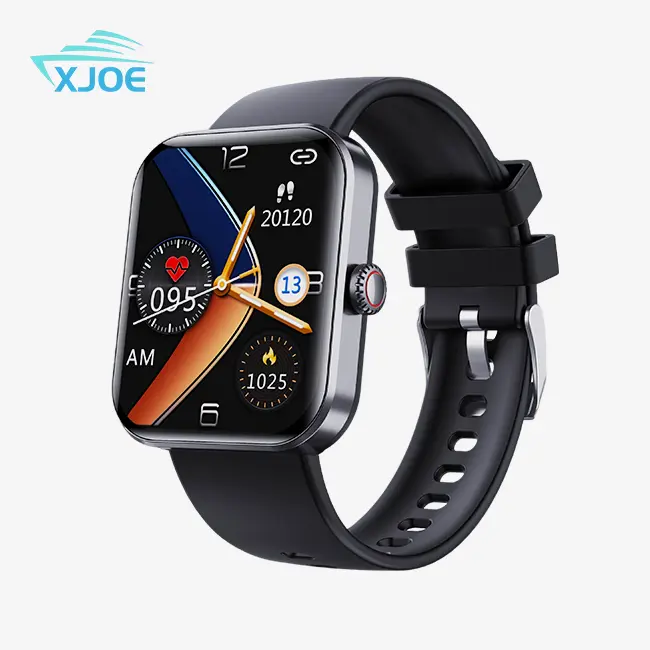
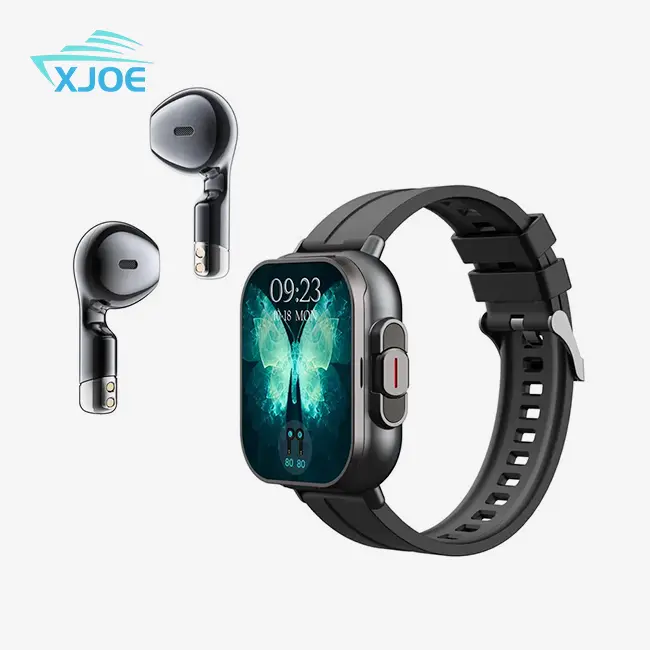
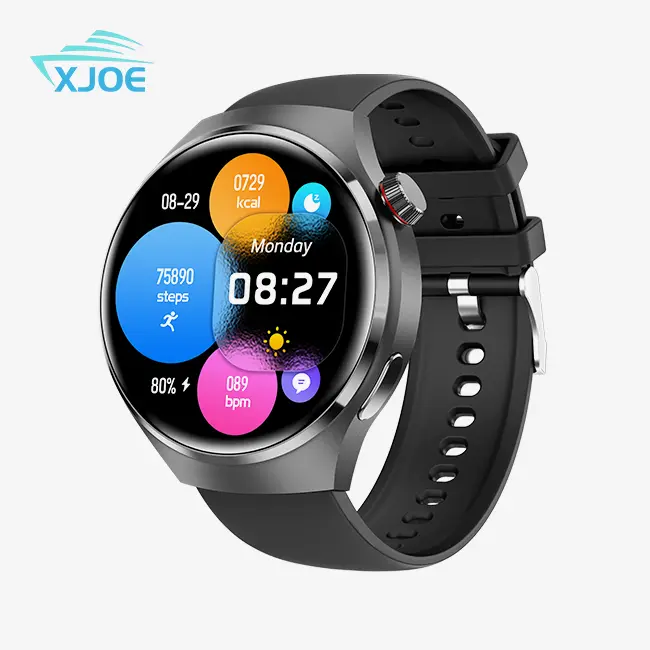
Top Features to Look for in a Reliable Voice Call Watch
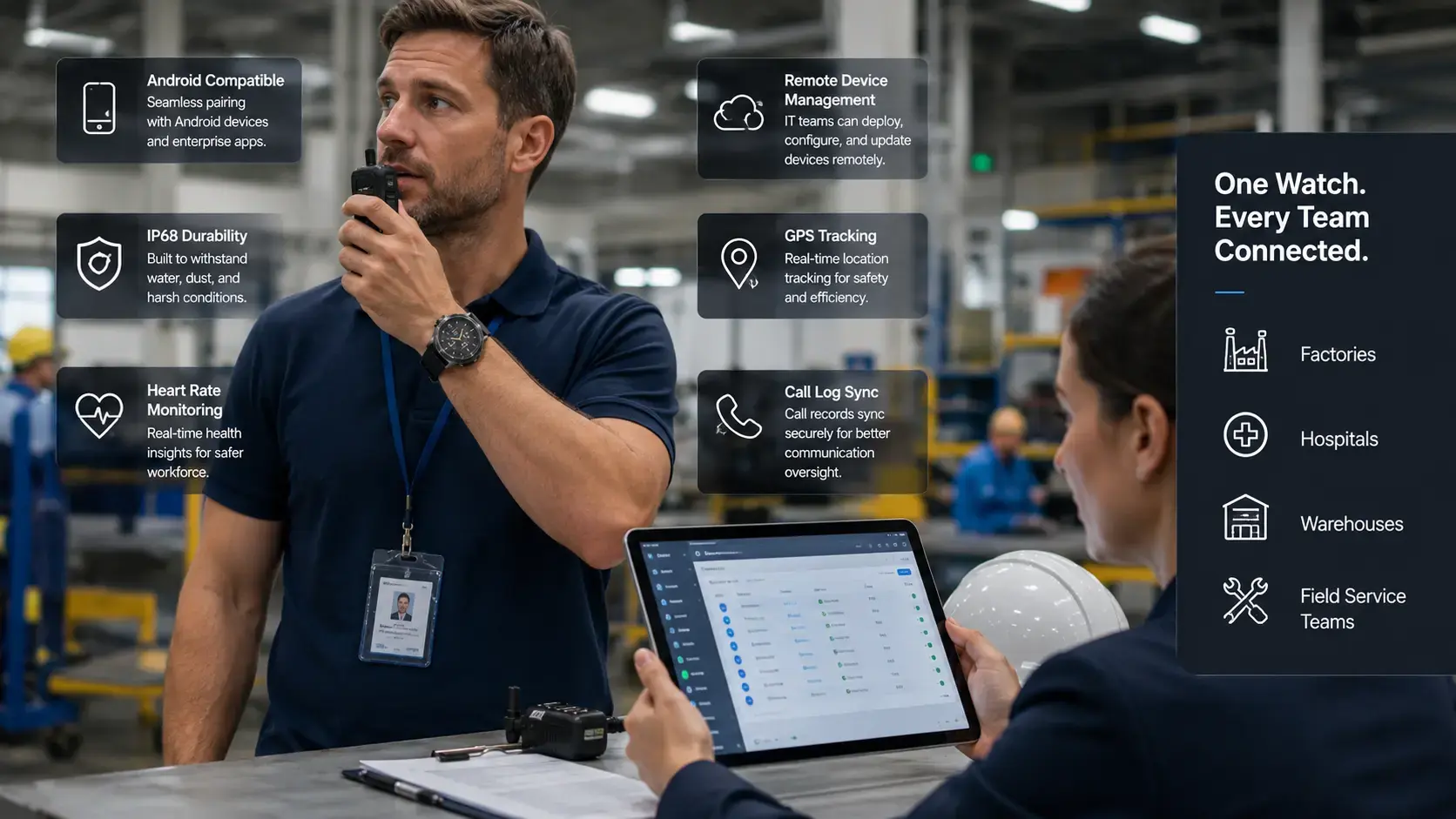
When looking for a reliable voice call watch, one of the most important things to do is look at a number of important technical and useful specs. A good model should have high-definition audio, stable connection protocols, long battery life, and an easy-to-use interface that can be used across an entire business. In addition to talking, you should think about security features like emergency alerts; durability standards like IP68 waterproofing; and how well the phone will work with the other phones you already have. All of these factors together show if the device can handle daily use in places like factories, warehouses, hospitals, and field service jobs where hands-free contact is important for safety and efficiency.
Understanding Voice Call Watches – Core Functionalities and Business Value
At their core, wrist-based communication devices make calls and are worn. Most variants have SIM card holes and Bluetooth for connecting to smartphones. These two modes allow users to make and receive calls from their wrists when they can't take their phones out of their pockets, such as when operating machinery, inspecting buildings, or directing mobile teams around large premises.
These devices provide many commercial features in addition to voice communication. Managers may track field workers in real time using GPS, improving dispatching and safety. Health sensors monitor heart rate and exercise. Health initiatives benefit from early detection of weary workers. Its IP68 water-resistant structure ensures reliability on construction sites and in food processing plants with high moisture levels.
Modern devices encrypt data and allow managers to control them remotely to protect corporate connections. Voice Call Watches coupled to corporate resource planning solutions simplify scheduling, task notifications, and incident reporting. Combining portability, connection, and usefulness changes how people communicate, which reduces delays and makes it easier for remote teams to work together.
Top 7 Features to Evaluate When Choosing a Reliable Voice Call Watch?
Call Quality and Connectivity Stability
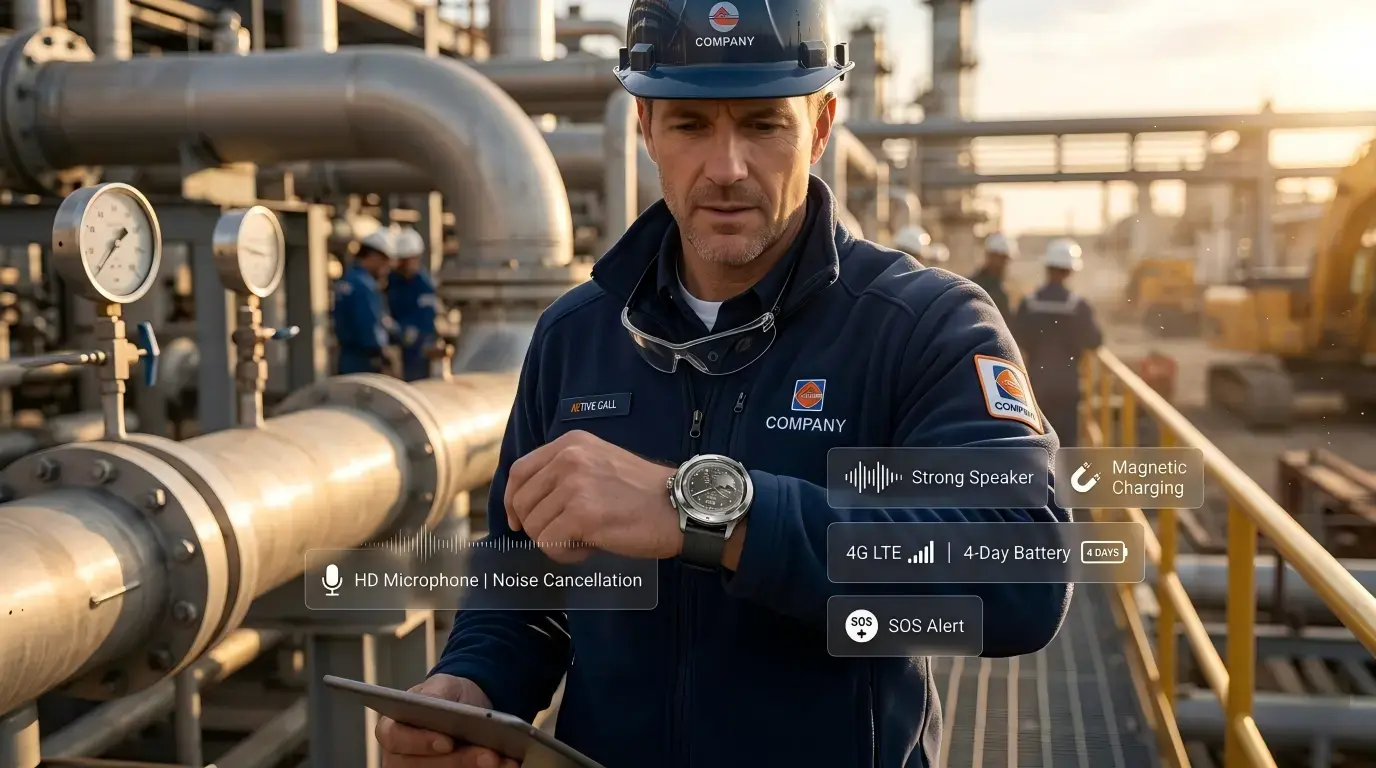
If wrist-based communication can be used instead of traditional phones in busy workplaces, it depends on how clear the sound is. High-definition microphones with noise-cancellation technology can clearly pick up voice orders even when there are other things going on, like machines or wind outside. Just as important, the loudspeakers must produce enough noise without distortion so that people can understand the directions clearly during important operations.
Stable connectivity depends on network bands that work well together and antennas that are built to last. When devices connect to 4G LTE networks, the signal strength stays the same in both cities and rural areas. This keeps calls from dropping during mobile changes. When Bluetooth pairing is reliable, users can easily switch between solo and paired modes, using their smartphones' features when they need to while still controlling their devices with their wrists. To make sure devices work properly across regional network systems, procurement teams should check for multi-band support.
Battery Performance and Charging Efficiency
For enterprise operations to run entire shifts without interruption, operational uptime must be increased. A gadget with a 4-day battery life with light use reduces charging frequency, which is advantageous for shift workers and field workers. Larger batteries enable for regular voice contact without having to be charged during the day, a common issue for persons in communication-intensive jobs.
Magnetic charging ports allow you to dock easily without fiddling with plugs during short pauses. Fast-charging features charge batteries in 90 minutes, reducing downtime. Purchase specifications should mix battery power with gadget weight and size to make it comfortable to wear all day and have adequate capacity for emergencies.
Security and Emergency Response Features
With one touch, the SOS buttons alert pre-set emergency contacts or security professionals of trouble. This function helps workers who are alone, caring for the elderly, or in high-risk environments where quick response determines safety. Falls detection systems in certain models trigger automatic notifications when sudden impact patterns indicate accidents. This enhances active emergency measures with passive monitoring.
Encrypted transfer and remote data wiping protect private business dealings. IT managers may directly control device permissions to prevent unauthorised app installations and data transfers, which could compromise business networks. PINs and biometric readers prevent unauthorised access to lost or stolen devices.
Compatibility and System Integration
Android-based operating systems are widely compatible with business software environments. This means that scheduling apps, inventory management platforms, and communication packages can all work together without any problems. Custom app development is supported by open architecture, which lets companies use their own tools that are designed to work with their unique operational processes. With a screen resolution of 320x240 pixels, TFT displays make it easy to read messages and move around in different lighting situations.
For large operations, device control scalability is important. IT teams can set up multiple units at once with solutions that support remote configuration. They can push network settings, security policies, and application files to all of the units without having to set them up one by one. The availability of APIs makes it possible to connect to current communication systems and sync call logs and contact lists across systems within a company.
Durability and Ergonomic Design
Screen sizes between 44mm and 49mm are good for a wide range of users because they match sight with wrist comfort. The steel case can handle the bumps and scrapes that happen a lot in the workplace, and the silicone straps won't get damaged by chemicals and are easy to clean between shifts. IP68 water resistance ratings make sure that devices can be submerged in water for certain amounts of time and at certain levels. This makes them suitable for jobs where people wash their hands a lot or have to be outside in the rain and heat.
Ergonomic concerns go beyond size and include things like where buttons are placed and how the weight is distributed. Devices made to be worn for a long time have straps that can be adjusted to fit wrists of different sizes. Large touch targets and high-contrast screens make the interface accessible so that workers wearing gloves or working in low light can use it.
Health Monitoring and Activity Tracking
Heart rate sensors and step counters that are built in give you constant wellness data that helps with company health efforts and insurance wellness programme participation. Features of sleep analysis help find patterns of tiredness, which can then be used to make routine changes that lower incidents at work that are caused by being too tired. Specific exercise modes, like those for walking, riding, or manual work, give you accurate measurements of how many calories you burn and how well you're doing.
Continuous health tracking helps both employees and the business run more smoothly. Alerts for an irregular heart rate can help doctors get medical help right away, which can cut down on absences from work due to ignored conditions. Activity data helps improve hiring models by showing patterns of physical demand across jobs. This information is then used to make changes to ergonomics and break schedules.
Direct Call Management Capabilities
On-device calling smart and call recordings work on the wrist like on a smartphone. Users can browse recently added contacts, call numbers again, and make new calls without a paired device. This independence is crucial when devices must be locked in lockers during factory shifts or outdoor activities with significant damage risk.
Worker voice command integration allows hands-free call starting. They can pronounce contact names to dial while doing fine motor or visual tasks. Despite background noise, vibration notifications can notify you of future calls. To silence and change calls quietly during meetings or other sensitive situations, use touch controls or physical buttons.
Comparing Leading Voice Call Watch Brands and Models for B2B Procurement
New brands balance features, pricing, and dependability differently than established names. Apple Watch models are well-built and the best ecosystem-integrated. Their smooth iOS syncing and high-quality materials make them more pricey per unit. Their big developer community allows many third-party programs, but firms that employ many platforms may worry about vendor lock-in.
The Samsung Galaxy Watch range has the best Android support and display. Its dazzling AMOLED panels are visible outside. Types vary in battery life. Power-efficient computers and customisable refresh rates let some run for days. Samsung's workplace solutions bundle includes business-grade security and remote control technologies.
Xiaomi and Huawei attract price-conscious distributors and resellers with competitive features and low prices. Voice calling, smart GPS tracking, and health monitoring are plenty for businesses, even if other features are lacking. Warranty coverage and after-sales support networks affect device management and ownership expenses over time.
Supplier dependability goes beyond product features when buying gadgets to resell or use in large groups. It also covers timely order fulfilment, customisation requests, and technical support. Low-minimum-order-quantity manufacturers let the market sample new models, reducing inventory risk for Amazon FBA sellers and Shopify shops with changing client tastes.
How to Effectively Procure Voice Call Watches for Your Business?
A successful purchase starts with defined usage cases. Warehouse work may require voice clarity and battery longevity, while healthcare may require easy-to-clean materials and accurate health tracking. Field service crews need weatherproof GPS tracking, whereas business gift purchasers worry more about appearance and brand customisation. Making these standards clear helps you avoid buying products that don't fulfil them and don't perform well.
The cost research should include ownership costs, not simply unit price. Longer warranty lengths reduce repair costs from manufacturing faults or early failures, affecting budget certainty. Logistics costs can affect shipment cost per unit depending on supplier location, shipping method, and import taxes. Volume discount schemes incentivise higher promises, but demand predictions are needed to avoid overstocking.
Researching vendors helps reduce the risks of cross-border electronics purchases. Manufacturing certifications including ISO 9001 quality management, CE compliance, and FCC approvals ensure compliance and prevent market access issues. Client references, especially from similar businesses, prove that success goes beyond marketing. Knowing wait times, manufacturing restrictions, and customisation possibilities helps you schedule and manage projects and inventory.
Carefully discuss payment terms and IP protection. Escrow agreements or goal-based payments can protect your finances when engaging with new providers. Clear branding rights and design ownership records prevent private label transaction disputes and protect custom packaging and logo investments.
Ensuring Long-Term Satisfaction: Device Setup, Management, and Maintenance
Large-scale operations benefit from a centralised device setup. Automated mobile device management technologies push network credentials, app packages, and security policies to numerous units during setup. Bulk SIM card activation with carriers removes IT resource-intensive setup steps and puts devices ready to use immediately.
Security protocols must address technical weaknesses and human safety threats. Maker security advisories must be monitored and firmware upgrades delivered at the proper moment to remedy security gaps. Setting geofencing limits a device's use beyond certain operational areas. This prevents theft or unauthorised use. Lost device protocols include remote lock, data erase, and GPS monitoring to reduce data breach risk.
Maintenance habits prolong gadget life and reliability. Avoid full drain cycles and use manufacturer-approved power sources to maintain battery capacity for hundreds of charging cycles. Regular physical examinations detect worn straps, cracked screens, and broken buttons before they cause problems. Standard replacement plans based on consumption level prevent sudden bulk failures that could disrupt workforce communication.
With user training, employees embrace and correctly use new features. Employees can maximise device utilisation by following call handling, emergency button use, and health monitoring results recommendations. Technical support channels including helpdesks, online knowledge bases, and vendor support save downtime by fixing common issues without sending the equipment back.
Conclusion
Procuring reliable wrist-worn communication devices requires balancing technical requirements against operating needs and price limits. The models that you can rely on have better sound components, longer battery life, more security features, and a strong build that can handle tough work settings. Buyers who make smart choices know that the initial cost of a gadget is only one part of the total costs of ownership. The real value you can realise comes from things like warranty coverage, supplier trustworthiness, and long-term support. Businesses can use communication solutions that improve safety protocols, help workers work together better, and give measurable returns by increasing operational efficiency and lowering communication-related delays by carefully looking at connectivity standards, integration capabilities, and maintenance needs.
FAQ
1. Can a wrist-based calling device fully replace smartphones in business operations?
Voice calls and simple alerts work well on these devices, but for most business uses, they don't replace smartphones. Instead, they work with smartphones. Screen size limits make it impossible to look at documents and enter large amounts of data. However, jobs that require a lot of movement and hands-free operation, like picking items up in a warehouse, maintaining equipment, and security patrols, gain a lot from wrist-based calling because it gets rid of the need to pick up the phone. The best way to do things is usually to use two devices together so that you can use the processing power of the smartphone and the ease of use of the wrist-based interface.
2. What security features matter most for enterprise deployments?
During cellular or Wi-Fi transfer, voice communication and saved data are encrypted to keep them from being hacked. When IT managers have remote control tools, they can enforce security rules, block device access, and delete private data if units are hacked. unauthorised people can't get in without using authentication tools like PIN numbers, pattern locks, or biometric readers. Auditing communication events helps with keeping records of compliance and looking into incidents. Choosing devices with strong security designs keeps business interactions safe and helps industries that handle private data stay in line with regulations.
3. How long do batteries realistically last under typical business usage?
The battery life that is advertised is based on controlled testing settings that may not match how hard the battery is used. Heavy call volume, constant GPS tracking, and regular health checks all cut runtime by a large amount compared to standby-focused usage. For jobs that require a lot of contact, you can expect to go between 2 and 3 days without being charged. Some high-capacity models can go up to 4 days with moderate use. As a device's battery life (usually 500 charge cycles) goes down, it needs to be replaced or put away because its capacity is decreasing. Replacement rounds should be included in lifetime cost estimates by procurement.
Partner with Xizhou for Your Voice Call Watch Sourcing Needs
When looking at smart wearable communication devices for your business, merchandise, or brand growth, choosing the best provider for voice call watches has a direct effect on the quality of the product, how happy your customers are with it, and your ability to make money. Amazon sellers, electronics wholesalers, and private label brands can get high-quality communication gadgets from Xizhou, which guarantees quality and offers quick service.
Our experienced research and development team makes AI-powered smart gadgets that can make voice calls, track your health, and connect to the internet without any problems. We work out of a GMP-certified plant and keep a lot of stock on popular models. This lets us fill orders quickly, which helps you keep up with the market and restock quickly. Full foreign certifications, like CE, FCC, and RoHS, make sure that customs processing goes smoothly and that products meet market standards in all areas.
Xizhou is an expert in OEM and ODM production for voice call watch providers who want to make their products stand out by customising the branding, packaging, and features. Our production capacity is flexible enough to fit a wide range of business models, from drop-shipping startups to well-known retail chains. This is true whether you need low minimum order numbers for testing the market or bulk purchases with volume savings. When you ship something internationally, strict rules about packing and careful planning of operations keep your investment safe.
Talk to our purchasing agents about your particular needs, look into the options for customisation, and find out how our AI-powered smart solutions can help your product line. You can email us at 13266508958@163.com or go to xjoec.com to see our full collection of smart wearables. We help you with every step of the sourcing process, from helping you figure out your initial specifications to providing expert support after the sale. This way, you can be sure that working with Xizhou will give you stable quality, operational efficiency, and a competitive edge in the ever-changing electronics markets. Let us help you turn problems with communication into business possibilities by giving you smart wearable tech that works in the real world.
References
1. Patel, M. & Chen, L. (2023). Wearable Communication Devices in Industrial Applications: A Technical Assessment. Journal of Enterprise Mobility, 18(4), 112-134.
2. Global Wearable Technology Research Institute. (2024). B2B Procurement Trends in Smart Wearables: 2024 Industry Report. San Francisco: GWTRI Publications.
3. Anderson, R. (2023). Battery Performance Standards for Commercial Wearable Devices. International Electronics Manufacturing Quarterly, 29(2), 67-89.
4. European Telecommunications Standards Institute. (2023). Security Protocols for Wearable Communication Systems: Technical Specification 103.645. Sophia Antipolis: ETSI Press.
5. Williams, J. & Thompson, K. (2024). Comparative Analysis of Voice Quality in Wearable Communication Platforms. IEEE Transactions on Consumer Electronics, 70(1), 245-261.
6. Supply Chain Management Association. (2023). Effective Procurement Strategies for Electronics Wholesalers and Distributors. Chicago: SCMA Educational Foundation.