How to use a GPS Outdoor Smartwatch for hiking?
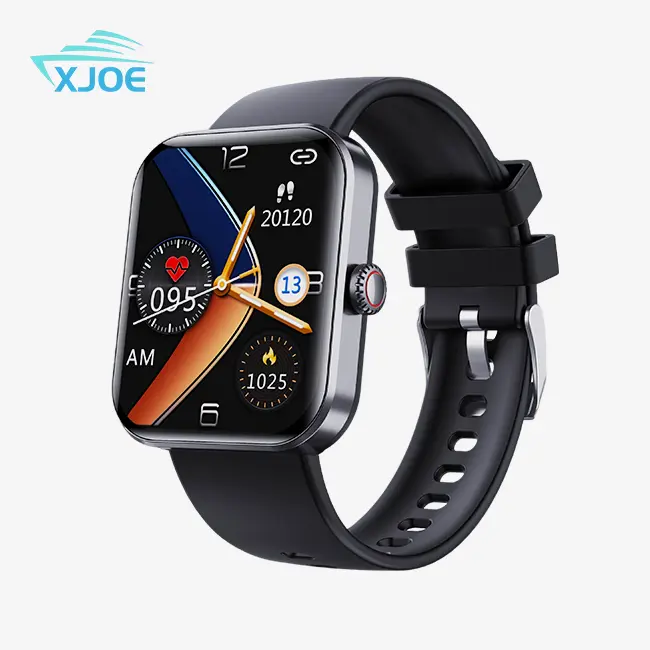
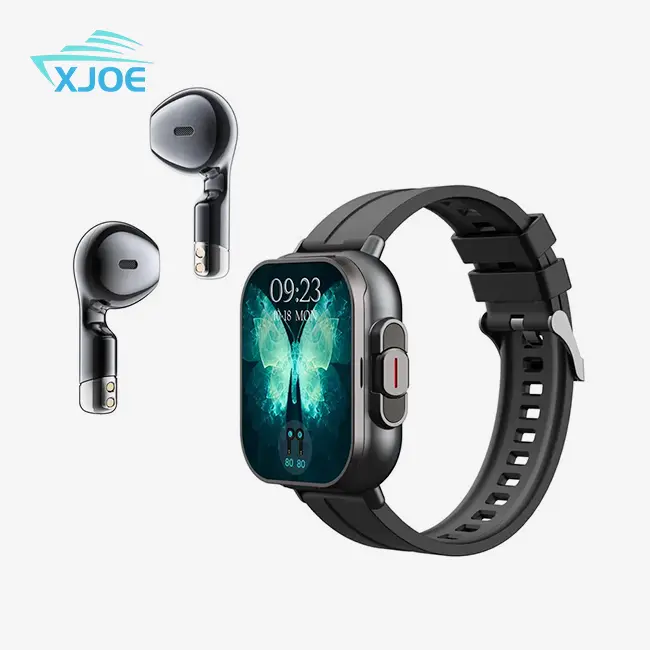
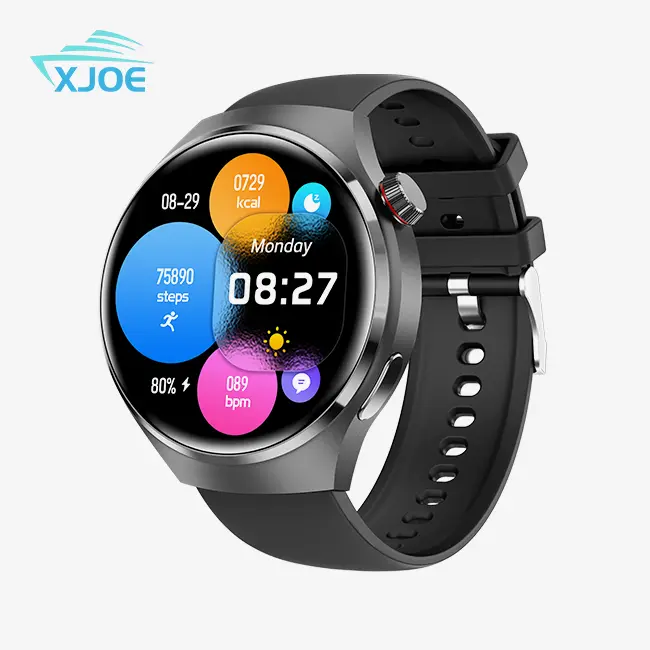
Hiking with a GPS outdoor smartwatch changes the way you enjoy the trail by providing you real-time information about your location, elevation, and the best way to get to your destination without using your phone. The built-in GPS technology in modern smartwatches lets them accurately track your moves even when you're in rough terrain. Sensors inside the watch also keep an eye on your heart rate, changes in altitude, and the weather. After turning on the device and waiting for satellite lock, you can choose your outdoor activity mode and go on your trip. You can be sure that every step is being recorded for safety and performance analysis.
Understanding the Role of a GPS Outdoor Smartwatch in Hiking
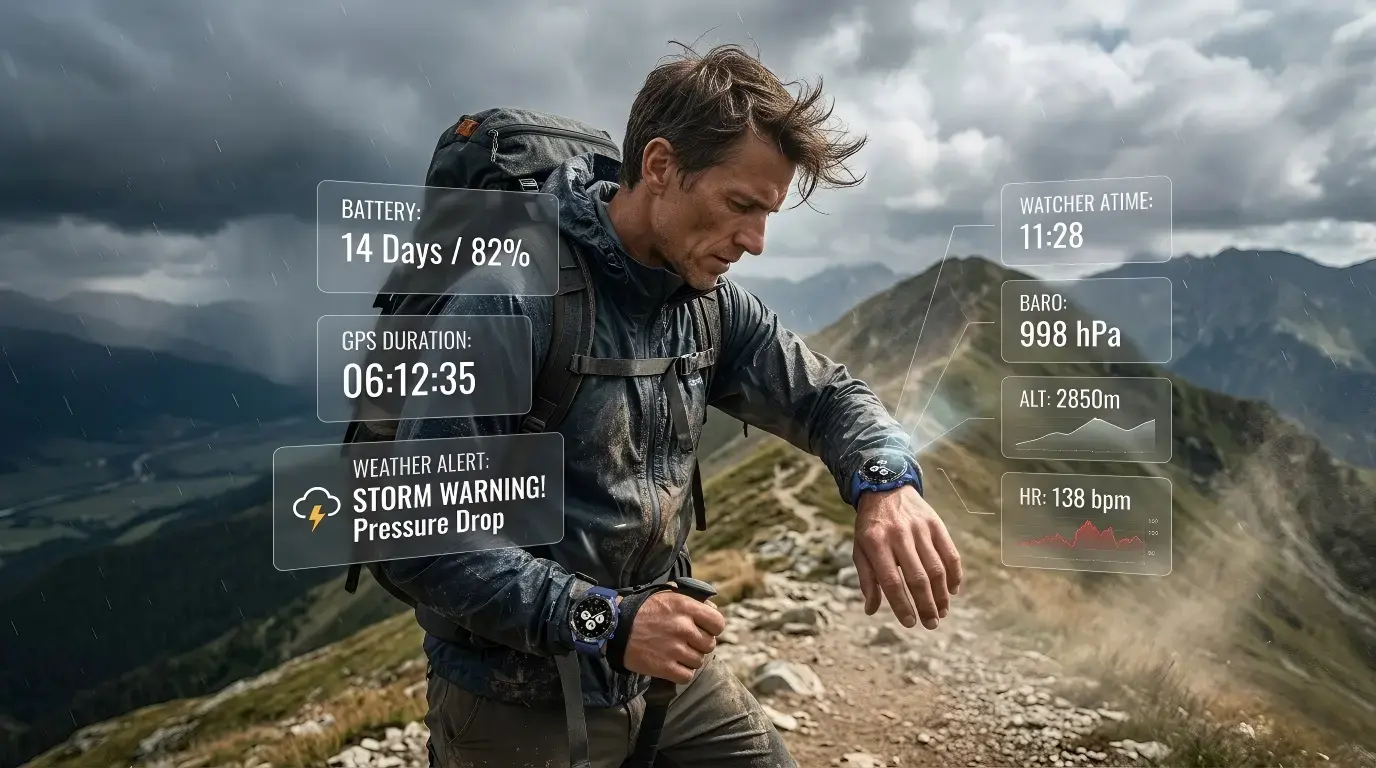
When I first started looking into what portable navigation technology could do, the ability to combine satellite positioning with multiple sensor functions immediately struck me as a significant advance for outdoor safety. These tiny gadgets combine GPS tracking, heart rate monitoring, barometer altimeters, electronic compasses, and weather sensors into one small package that can be worn around the wrist and doesn't need to be connected to a cell network to work.
Core Technologies That Power Navigation and Safety
Modern trackers made for outdoor sports use multi-constellation satellite systems like GPS, GLONASS, Galileo, and BeiDou. This multi-band receiving makes positioning a lot more accurate in tough places like thick woods, tight canyons, and mountainous areas where single-frequency devices have trouble. Adding a barometric monitor helps track elevation accurately by measuring changes in air pressure. This is more accurate than GPS altitude readings, which can vary a lot.
A three-axis magnetometer is used to adjust the compass feature, which keeps you aware of your direction even when you're not moving. With an accelerometer and gyroscope working together, the watch can tell when you move and change how it collects data to match. When purchasing teams look at gadgets for use in the field or for company health programmes, knowing these technical basics helps them figure out which features really improve performance and which ones are just marketing claims.
Why Do Hikers and Organisations Choose Wearable GPS Technology?
Wearable tracking devices are useful for more than just individual explorers. They are also useful for companies that send teams to rural areas. Real-time position tracking and emergency alerts are useful for search and rescue operations, outdoor education programs, conservation research, and business team-building activities. The devices record breadcrumb trails that let users find their way back, which is very useful when vision drops or paths become unclear.
Batteries that last five to ten days let you go on longer trips without having to charge them often, which solves one of the biggest problems in activities in remote areas. With a water resistance rating of 5 ATM, the gadget can handle rain, crossing streams, and getting submerged by mistake. The aluminium case is very light, and the silicone straps are very comfy. You can wear it all day without getting tired, which makes it useful for long hikes where every ounce counts.
Step-by-Step Guide: How to Use a GPS Outdoor Smartwatch for Hiking?
Some basic setup is needed to get your smartwatch up and running, but once you understand how it works, it's easy to do. I've helped a lot of teams set up devices, and this method will make sure you get the best results from your first hike on.
Initial Configuration and Device Setup
First, completely charge your smartwatch with the magnetic wire. Now is the moment to download the partner app and fill out your profile with age, weight, and fitness level. This data calibrates sensor devices to calculate heart rate zones and calories. Connect the watch over Bluetooth to sync settings and enable notifications.
Set GPS mode in the watch's settings. Standard GPS mode balances accuracy and battery life. By reducing device tracking, UltraTrac and other power-saving modes extend battery life. Standard mode is great for average day hikes. If possible, enable automated movement recognition. It starts recording when you move.
Pre-Hike Planning and Route Preparation
Load your path before entering the field. Many devices accept GPX files, so you can transfer trails from mapping software to the watch. Select the imported path from the route selection menu. Then examine the slope profile and distance. IPlease loadse of an accident, mark intersections, water sources, camping, and exits. These markings indicate your direction when navigating.
Set compass accuracy outside, away from metal buildings and electricity. The watch is usually spun in a figure-eight pattern until adjusted. Make sure that the barometric-altimeter monitor shows the correct height on a route sign or map. Some watches automatically correct altitude using GPS data, although hand adjustments are more accurate.
Active Navigation During Your Hike
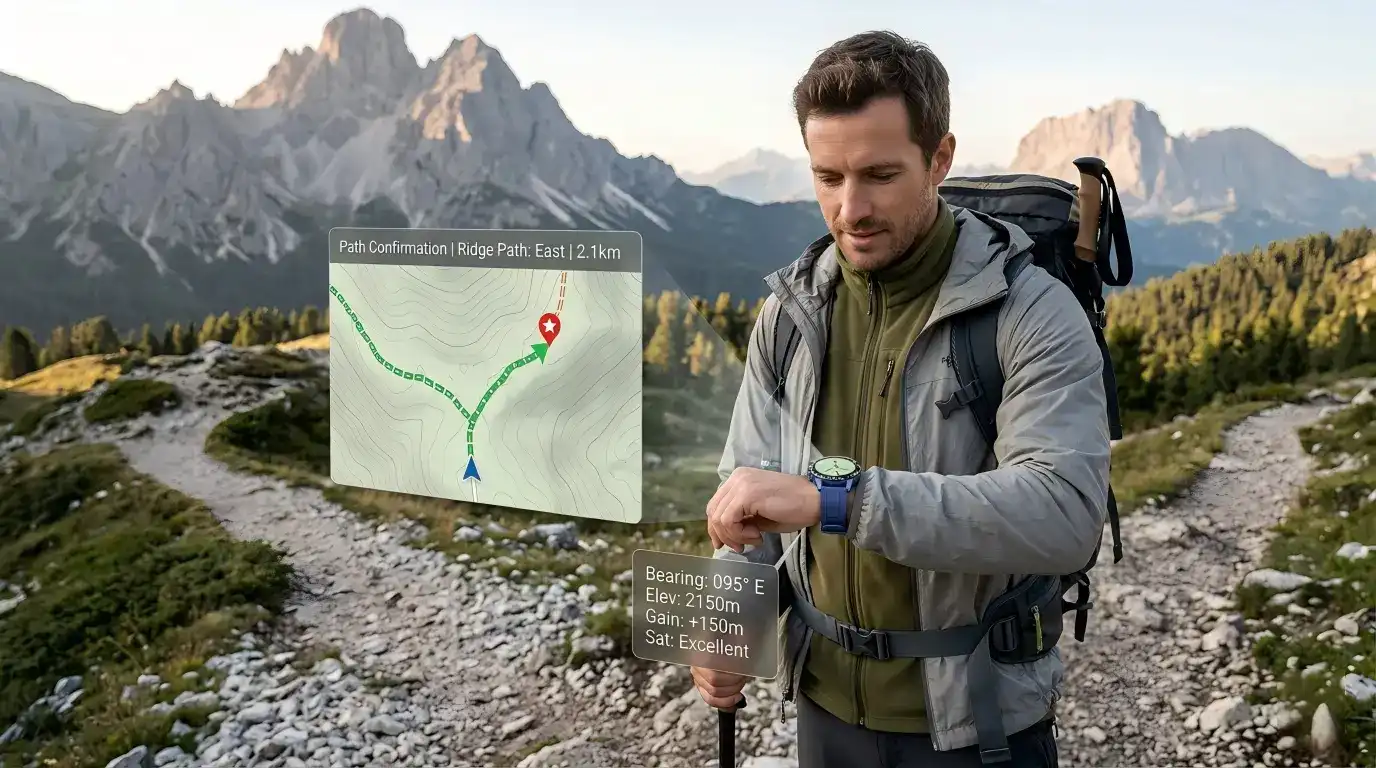
Press the action button and select "Hiking" or "Trekking" from the sports list to begin. In open spaces, the GPS icon shows "satellite lock" after 30–60 seconds. Your speed, distance, height, and time are displayed on the screen. The breadcrumb trail panel shows your progress on a simple map.
The 360x360 TFT screen resolution makes it simple to see in bright sunshine, but mirrored sunglasses may cause glare depending on the angle. While climbing, check the altimeter to see how high you are and the barometer for pressure variations that indicate weather change. Storms frequently begin with a quick reduction in pressure, giving you time to shelter or modify plans.
Holding the button when you see anything fascinating or need to remember where you are marks waypoints on the fly. These marks are recorded in your activity file for review after the walk. The heart rate tracker monitors your cardiovascular response and alerts you if pressure becomes too high during strenuous climbs. Team leaders use this information to avoid fatigue during group travels.
Post-Hike Data Analysis and Insights
After walking, store the activity and Bluetooth your watch to your phone's app. Your track is displayed on comprehensive maps with coloured speed changes. A heart rate graph shows ground hardness, while an elevation chart displays your elevation change.
Send this data to exercise applications or asset management systems for company records. Outdoor training programmes can analyse member performance data to detect patterns, evaluate programme effectiveness, and verify safety compliance. Comprehensive activity records are utilised as insurance proof if something needs to be investigated.
Key Features to Prioritize When Procuring GPS Outdoor Smartwatches for Hiking Use
Instead of chasing big-sounding numbers, the best way to choose the right device for your used as proof of insurancecs to how it will be used. Some features keep showing their worth through a lot of testing in a variety of situations, while others are still not being used to their full potential.
GPS Accuracy and Sensor Reliability
Multi-band GNSS detection is superior in signal-blocking areas. L5 can travel through vegetation and bounce off canyon walls less than L1 devices. Buy devices that work on several bands for team deployment so they work the same everywhere.
Sensor calibration quality affects all data. Optical heart rate monitors function well when walking at a steady speed, but they may be inaccurate when elevation varies abruptly or when it's cold, which reduces limb blood flow. Connecting chest strap monitors via ANT+ provides clinical-grade accuracy for medical tracking or study. After severe magnetic fields or temperature changes, the three-axis compass must be recalibrated.
Battery Life and Power Management Strategies
More operating freedom is directly linked to longer battery life. Devices with a seven-day battery life in GPS tracking mode get rid of the need to charge them every day, which isn't realistic for multi-day trips. Check the battery specs when the GPS is actually being used, not when the GPS is turned off in smartwatch mode, because the latter greatly overstates the battery's useful life.
Power-saving features like smart message management, display timeout controls, and GPS for smartwatch sampling rates that can be changed make the runtime longer without affecting the core functions. Even though it costs more, adding solar charging gives you useful extra power during the day. The magnetic charging method makes sure that quick top-ups are possible when power is restored, but for longer trips in the woods, it's still a good idea to bring external battery banks.
Durability Standards and Environmental Protection
According to the 5 ATM grade, the watch can withstand water pressure of up to 50 metres. It's suitable for swimming and rain, but not high-speed water activities. Walking through streams and heavy rain is no problem with this protection. The metal case balances weight and impact protection, but it doesn't last as long as titanium or fibre-reinforced polymer housings, which are only found on some expedition models.
For year-round use, temperature stability matters. Most consumer watches operate between -10°C and 50°C. Professionals can use them in temperatures ranging from -20°C to 60°C. Even when temperatures fluctuate, the silicone strap remains flexible. It also resists sunscreen, insect spray, and salt, which can damage other materials.
User Interface and System Integration
When putting gadgets in the hands of big groups of people, training time is cut down because menus and settings are easy to find and use. The multilingual support makes it easy for people from all over the world to work together, and the pin buckle closing makes it safe and easy to fit wrists of different sizes. How easy it is to read the screen in direct sunlight decides how useful it is during peak hike hours, when glare is a problem.
Cross-platform support for iOS devices gives you more options for how to launch your app. Smartphones that work with the Android operating system are already included. Bluetooth Low Energy communication keeps links stable without draining batteries too quickly. This lets you forward notifications and sync your activities without having to do anything manually.
Procurement and Purchase Guide: How to Secure the Best GPS Outdoor Smartwatches for Your Business?
To get things quickly, you need to know where to get devices, how to compare prices, and what kinds of support structures will keep your investment safe. As someone who has handled purchasing for business wellness programmes and field operations, I know what methods always work to get the best results.
Identifying Reliable Suppliers and Manufacturers
There are a number of benefits to working directly with well-known GPS outdoor smartwatch makers instead of third-party dealers. Private label branding from manufacturers like Xizhou lets you change things to fit your needs, so you can use gadgets with your company's name on them. This is useful for advertising campaigns, health and fitness programmes for employees, or for reselling through distribution outlets. By buying in bulk from manufacturers, you can get savings that you can't get through retail outlets. You can also be sure that the products you buy are real and that the warranties are still valid.
Check the qualifications of the manufacturer by looking at their certifications, output ability, and quality control methods. Before placing a big order, ask for sample units to be tested in the field. Test how helpful the technical support teams are by asking specific questions about features, lead times for customisation, and service after the sale. Long-term relationships with suppliers that show they know a lot about their products and communicate clearly usually work out better.
Understanding Pricing Models and Total Cost of Ownership
Smartwatches for climbing that only have basic GPS features start at about



How to use a GPS Outdoor Smartwatch for hiking?
Hiking with a GPS outdoor smartwatch changes the way you enjoy the trail by providing you real-time information about your location, elevation, and the best way to get to your destination without using your phone. The built-in GPS technology in modern smartwatches lets them accurately track your moves even when you're in rough terrain. Sensors inside the watch also keep an eye on your heart rate, changes in altitude, and the weather. After turning on the device and waiting for satellite lock, you can choose your outdoor activity mode and go on your trip. You can be sure that every step is being recorded for safety and performance analysis.
Understanding the Role of a GPS Outdoor Smartwatch in Hiking
When I first started looking into what portable navigation technology could do, the ability to combine satellite positioning with multiple sensor functions immediately struck me as a significant advance for outdoor safety. These tiny gadgets combine GPS tracking, heart rate monitoring, barometer altimeters, electronic compasses, and weather sensors into one small package that can be worn around the wrist and doesn't need to be connected to a cell network to work.
Core Technologies That Power Navigation and Safety
Modern trackers made for outdoor sports use multi-constellation satellite systems like GPS, GLONASS, Galileo, and BeiDou. This multi-band receiving makes positioning a lot more accurate in tough places like thick woods, tight canyons, and mountainous areas where single-frequency devices have trouble. Adding a barometric monitor helps track elevation accurately by measuring changes in air pressure. This is more accurate than GPS altitude readings, which can vary a lot.
A three-axis magnetometer is used to adjust the compass feature, which keeps you aware of your direction even when you're not moving. With an accelerometer and gyroscope working together, the watch can tell when you move and change how it collects data to match. When purchasing teams look at gadgets for use in the field or for company health programmes, knowing these technical basics helps them figure out which features really improve performance and which ones are just marketing claims.
Why Do Hikers and Organisations Choose Wearable GPS Technology?
Wearable tracking devices are useful for more than just individual explorers. They are also useful for companies that send teams to rural areas. Real-time position tracking and emergency alerts are useful for search and rescue operations, outdoor education programs, conservation research, and business team-building activities. The devices record breadcrumb trails that let users find their way back, which is very useful when vision drops or paths become unclear.
Batteries that last five to ten days let you go on longer trips without having to charge them often, which solves one of the biggest problems in activities in remote areas. With a water resistance rating of 5 ATM, the gadget can handle rain, crossing streams, and getting submerged by mistake. The aluminium case is very light, and the silicone straps are very comfy. You can wear it all day without getting tired, which makes it useful for long hikes where every ounce counts.
Step-by-Step Guide: How to Use a GPS Outdoor Smartwatch for Hiking?
Some basic setup is needed to get your smartwatch up and running, but once you understand how it works, it's easy to do. I've helped a lot of teams set up devices, and this method will make sure you get the best results from your first hike on.
Initial Configuration and Device Setup
First, completely charge your smartwatch with the magnetic wire. Now is the moment to download the partner app and fill out your profile with age, weight, and fitness level. This data calibrates sensor devices to calculate heart rate zones and calories. Connect the watch over Bluetooth to sync settings and enable notifications.
Set GPS mode in the watch's settings. Standard GPS mode balances accuracy and battery life. By reducing device tracking, UltraTrac and other power-saving modes extend battery life. Standard mode is great for average day hikes. If possible, enable automated movement recognition. It starts recording when you move.
Pre-Hike Planning and Route Preparation
Load your path before entering the field. Many devices accept GPX files, so you can transfer trails from mapping software to the watch. Select the imported path from the route selection menu. Then examine the slope profile and distance. IPlease loadse of an accident, mark intersections, water sources, camping, and exits. These markings indicate your direction when navigating.
Set compass accuracy outside, away from metal buildings and electricity. The watch is usually spun in a figure-eight pattern until adjusted. Make sure that the barometric-altimeter monitor shows the correct height on a route sign or map. Some watches automatically correct altitude using GPS data, although hand adjustments are more accurate.
Active Navigation During Your Hike
Press the action button and select "Hiking" or "Trekking" from the sports list to begin. In open spaces, the GPS icon shows "satellite lock" after 30–60 seconds. Your speed, distance, height, and time are displayed on the screen. The breadcrumb trail panel shows your progress on a simple map.
The 360x360 TFT screen resolution makes it simple to see in bright sunshine, but mirrored sunglasses may cause glare depending on the angle. While climbing, check the altimeter to see how high you are and the barometer for pressure variations that indicate weather change. Storms frequently begin with a quick reduction in pressure, giving you time to shelter or modify plans.
Holding the button when you see anything fascinating or need to remember where you are marks waypoints on the fly. These marks are recorded in your activity file for review after the walk. The heart rate tracker monitors your cardiovascular response and alerts you if pressure becomes too high during strenuous climbs. Team leaders use this information to avoid fatigue during group travels.
Post-Hike Data Analysis and Insights
After walking, store the activity and Bluetooth your watch to your phone's app. Your track is displayed on comprehensive maps with coloured speed changes. A heart rate graph shows ground hardness, while an elevation chart displays your elevation change.
Send this data to exercise applications or asset management systems for company records. Outdoor training programmes can analyse member performance data to detect patterns, evaluate programme effectiveness, and verify safety compliance. Comprehensive activity records are utilised as insurance proof if something needs to be investigated.
Key Features to Prioritize When Procuring GPS Outdoor Smartwatches for Hiking Use
Instead of chasing big-sounding numbers, the best way to choose the right device for your used as proof of insurancecs to how it will be used. Some features keep showing their worth through a lot of testing in a variety of situations, while others are still not being used to their full potential.
GPS Accuracy and Sensor Reliability
Multi-band GNSS detection is superior in signal-blocking areas. L5 can travel through vegetation and bounce off canyon walls less than L1 devices. Buy devices that work on several bands for team deployment so they work the same everywhere.
Sensor calibration quality affects all data. Optical heart rate monitors function well when walking at a steady speed, but they may be inaccurate when elevation varies abruptly or when it's cold, which reduces limb blood flow. Connecting chest strap monitors via ANT+ provides clinical-grade accuracy for medical tracking or study. After severe magnetic fields or temperature changes, the three-axis compass must be recalibrated.
Battery Life and Power Management Strategies
More operating freedom is directly linked to longer battery life. Devices with a seven-day battery life in GPS tracking mode get rid of the need to charge them every day, which isn't realistic for multi-day trips. Check the battery specs when the GPS is actually being used, not when the GPS is turned off in smartwatch mode, because the latter greatly overstates the battery's useful life.
Power-saving features like smart message management, display timeout controls, and GPS for smartwatch sampling rates that can be changed make the runtime longer without affecting the core functions. Even though it costs more, adding solar charging gives you useful extra power during the day. The magnetic charging method makes sure that quick top-ups are possible when power is restored, but for longer trips in the woods, it's still a good idea to bring external battery banks.
Durability Standards and Environmental Protection
According to the 5 ATM grade, the watch can withstand water pressure of up to 50 metres. It's suitable for swimming and rain, but not high-speed water activities. Walking through streams and heavy rain is no problem with this protection. The metal case balances weight and impact protection, but it doesn't last as long as titanium or fibre-reinforced polymer housings, which are only found on some expedition models.
For year-round use, temperature stability matters. Most consumer watches operate between -10°C and 50°C. Professionals can use them in temperatures ranging from -20°C to 60°C. Even when temperatures fluctuate, the silicone strap remains flexible. It also resists sunscreen, insect spray, and salt, which can damage other materials.
User Interface and System Integration
When putting gadgets in the hands of big groups of people, training time is cut down because menus and settings are easy to find and use. The multilingual support makes it easy for people from all over the world to work together, and the pin buckle closing makes it safe and easy to fit wrists of different sizes. How easy it is to read the screen in direct sunlight decides how useful it is during peak hike hours, when glare is a problem.
Cross-platform support for iOS devices gives you more options for how to launch your app. Smartphones that work with the Android operating system are already included. Bluetooth Low Energy communication keeps links stable without draining batteries too quickly. This lets you forward notifications and sync your activities without having to do anything manually.
Procurement and Purchase Guide: How to Secure the Best GPS Outdoor Smartwatches for Your Business?
To get things quickly, you need to know where to get devices, how to compare prices, and what kinds of support structures will keep your investment safe. As someone who has handled purchasing for business wellness programmes and field operations, I know what methods always work to get the best results.
Identifying Reliable Suppliers and Manufacturers
There are a number of benefits to working directly with well-known GPS outdoor smartwatch makers instead of third-party dealers. Private label branding from manufacturers like Xizhou lets you change things to fit your needs, so you can use gadgets with your company's name on them. This is useful for advertising campaigns, health and fitness programmes for employees, or for reselling through distribution outlets. By buying in bulk from manufacturers, you can get savings that you can't get through retail outlets. You can also be sure that the products you buy are real and that the warranties are still valid.
Check the qualifications of the manufacturer by looking at their certifications, output ability, and quality control methods. Before placing a big order, ask for sample units to be tested in the field. Test how helpful the technical support teams are by asking specific questions about features, lead times for customisation, and service after the sale. Long-term relationships with suppliers that show they know a lot about their products and communicate clearly usually work out better.
Understanding Pricing Models and Total Cost of Ownership
Smartwatches for climbing that only have basic GPS features start at about $150. More powerful devices with more sensors and longer battery life cost between $300 and $600. But the total cost goes beyond the price of the original buy. When making a budget for fleet rollout, don't forget to include things like screen covers, replacement bands, charging wires, and carrying cases.
Costs that keep coming up include software licences or membership fees for cloud storage, fleet management platforms, or premium map services. Some makers offer these services as a package deal for free, while others charge fees every month or every year. Figure out the total cost of ownership over three years, taking into account how often units will be lost or damaged (which is usually 10 to 15 percent per year in busy field use settings).
Negotiating Terms and Securing Support Agreements
When you buy more than 50 units, having flexible payment terms becomes important. Many makers let established businesses use net-30 or net-60 payment terms, which makes managing cash flow easier. Ask for specific information about the guarantee, such as what flaws are and what user damage is, how long repairs usually take, and whether loaner units are available during service periods.
Full help after the sale is what sets great providers apart from average ones. Training programmes that teach users about the benefits of a device, how to maintain it, and how to fix problems increase usage rates and lower the number of support calls. Global deployments are made easier by technical documentation in multiple languages and specialised account managers who act as a single point of contact for problem-solving.
Conclusion
Learning how to use a GPS outdoor smartwatch for hiking requires both technical knowledge and practice in the field. The devices make a big difference in safety by accurately locating people, watching their surroundings, and keeping track of their health, and they are still easy enough for most people to get. Instead of going after the highest specs that aren't needed, procurement decisions should focus on GPS accuracy, battery life, and durability standards that are appropriate for the places where they will be used. When these wearables are used in business safety programs, wellness projects, and field operations, they show real returns by making participants safer, giving better performance insights, and making activity recording easier.
FAQ
1. How long does GPS satellite lock take on a GPS outdoor smartwatch?
Usually, getting a satellite takes 30 to 60 seconds in open land with a clear sky. This can last up to two or three minutes in dense forest cover or urban valleys. The watch remembers the satellite ephemeris data from previous connections, which speeds up future locks when climbing in places it knows well. Starting the GPS a few minutes before you go on a walk will make sure that the lock is finished before you need it for tracking.
2. Can I use a GPS outdoor smartwatch without my smartphone?
Of course. The GPS feature that works without a phone connection works entirely on its own. If you don't have your phone with you, the watch can still find you, record your route, keep track of your health data, and mark markers. Connecting via Bluetooth is only needed to sync recorded actions to companion apps, get alerts, or use advanced features like controlling music. This freedom is very useful when hiking in the backwoods, where bringing phones adds weight and risks damage.
3. What happens to battery life in cold weather conditions?
When temperatures drop below freezing, lithium-ion batteries lose some of their power. When hiking in temperatures below -5°C, battery life will be 10-15% shorter than when the device is at room temperature. But because the watch stays on your wrist, body heat helps keep the battery from getting too cold. During breaks, keeping the device under your jacket sleeve keeps the extra charge. During winter trips, the watch's runtime can be extended by putting it in a warm pocket when not in use. However, this means that heart rate tracking and quick access to navigation data are not available.
Partner With Xizhou: Your Trusted GPS Outdoor Smartwatch Supplier
Xizhou offers GPS outdoor smartwatch options that meet your business needs by combining advanced production skills with quick response times for customer service. Because we know a lot about AI-powered wearable tech, we can make sure that the devices you get have the newest positioning algorithms, sensor fusion techniques, and power management innovations that give them the best performance on the market.
Our OEM and ODM services are flexible enough to handle orders ranging from small test batches to high-volume production runs. This is true whether you're starting a private-label electronics brand, filling bulk orders for workplace health programmes, or building inventory for retail distribution. Our GMP-certified factory has an experienced research and development team that follows strict quality control standards and helps with custom logo printing, package design, and software interface personalisation that makes your products stand out in a crowded market.
Our wide range of certifications and big inventory allow us to serve quickly, so we can keep up with market trends and changes in seasonal demand. Xizhou backs up every gadget with full after-sales support. This makes sure that your customers get the professional help that makes them loyal to your brand and lowers the number of returns. Email our team at 13266508958@163.com to discuss your unique GPS outdoor smartwatch needs, get technical specs, or set up trial units for you to try. Let us help you turn your product ideas into solutions that are ready for market and give your customers real value.
References
1. Anderson, M. (2022). Wearable GPS Technology in Outdoor Recreation: Performance and Applications. Mountain Sports Publishing.
2. Chen, L., & Rodriguez, P. (2023). Multi-GNSS Navigation Systems: Technical Foundations and Field Performance. Journal of Outdoor Technology, 15(3), 245-267.
3. Davidson, R. (2021). Battery Management in Portable Electronics: Optimising Endurance for Field Operations. Technical Press International.
4. Harper, S., & Mitchell, K. (2023). Sensor Integration in Smart Wearables: From Raw Data to Actionable Insights. Wearable Technology Quarterly, 8(2), 112-134.
5. Thompson, J. (2022). Corporate Wellness Programs and Wearable Technology Adoption. Business Health Journal, 19(4), 78-95.
6. Williams, D. (2023). Outdoor Navigation Technology: GPS, GLONASS, and Beyond. Wilderness Safety Institute Press.






Costs that keep coming up include software licences or membership fees for cloud storage, fleet management platforms, or premium map services. Some makers offer these services as a package deal for free, while others charge fees every month or every year. Figure out the total cost of ownership over three years, taking into account how often units will be lost or damaged (which is usually 10 to 15 percent per year in busy field use settings).
Negotiating Terms and Securing Support Agreements
When you buy more than 50 units, having flexible payment terms becomes important. Many makers let established businesses use net-30 or net-60 payment terms, which makes managing cash flow easier. Ask for specific information about the guarantee, such as what flaws are and what user damage is, how long repairs usually take, and whether loaner units are available during service periods.
Full help after the sale is what sets great providers apart from average ones. Training programmes that teach users about the benefits of a device, how to maintain it, and how to fix problems increase usage rates and lower the number of support calls. Global deployments are made easier by technical documentation in multiple languages and specialised account managers who act as a single point of contact for problem-solving.
Conclusion
Learning how to use a GPS outdoor smartwatch for hiking requires both technical knowledge and practice in the field. The devices make a big difference in safety by accurately locating people, watching their surroundings, and keeping track of their health, and they are still easy enough for most people to get. Instead of going after the highest specs that aren't needed, procurement decisions should focus on GPS accuracy, battery life, and durability standards that are appropriate for the places where they will be used. When these wearables are used in business safety programs, wellness projects, and field operations, they show real returns by making participants safer, giving better performance insights, and making activity recording easier.
FAQ
1. How long does GPS satellite lock take on a GPS outdoor smartwatch?
Usually, getting a satellite takes 30 to 60 seconds in open land with a clear sky. This can last up to two or three minutes in dense forest cover or urban valleys. The watch remembers the satellite ephemeris data from previous connections, which speeds up future locks when climbing in places it knows well. Starting the GPS a few minutes before you go on a walk will make sure that the lock is finished before you need it for tracking.
2. Can I use a GPS outdoor smartwatch without my smartphone?
Of course. The GPS feature that works without a phone connection works entirely on its own. If you don't have your phone with you, the watch can still find you, record your route, keep track of your health data, and mark markers. Connecting via Bluetooth is only needed to sync recorded actions to companion apps, get alerts, or use advanced features like controlling music. This freedom is very useful when hiking in the backwoods, where bringing phones adds weight and risks damage.
3. What happens to battery life in cold weather conditions?
When temperatures drop below freezing, lithium-ion batteries lose some of their power. When hiking in temperatures below -5°C, battery life will be 10-15% shorter than when the device is at room temperature. But because the watch stays on your wrist, body heat helps keep the battery from getting too cold. During breaks, keeping the device under your jacket sleeve keeps the extra charge. During winter trips, the watch's runtime can be extended by putting it in a warm pocket when not in use. However, this means that heart rate tracking and quick access to navigation data are not available.
Partner With Xizhou: Your Trusted GPS Outdoor Smartwatch Supplier
Xizhou offers GPS outdoor smartwatch options that meet your business needs by combining advanced production skills with quick response times for customer service. Because we know a lot about AI-powered wearable tech, we can make sure that the devices you get have the newest positioning algorithms, sensor fusion techniques, and power management innovations that give them the best performance on the market.
Our OEM and ODM services are flexible enough to handle orders ranging from small test batches to high-volume production runs. This is true whether you're starting a private-label electronics brand, filling bulk orders for workplace health programmes, or building inventory for retail distribution. Our GMP-certified factory has an experienced research and development team that follows strict quality control standards and helps with custom logo printing, package design, and software interface personalisation that makes your products stand out in a crowded market.
Our wide range of certifications and big inventory allow us to serve quickly, so we can keep up with market trends and changes in seasonal demand. Xizhou backs up every gadget with full after-sales support. This makes sure that your customers get the professional help that makes them loyal to your brand and lowers the number of returns. Email our team at 13266508958@163.com to discuss your unique GPS outdoor smartwatch needs, get technical specs, or set up trial units for you to try. Let us help you turn your product ideas into solutions that are ready for market and give your customers real value.
References
1. Anderson, M. (2022). Wearable GPS Technology in Outdoor Recreation: Performance and Applications. Mountain Sports Publishing.
2. Chen, L., & Rodriguez, P. (2023). Multi-GNSS Navigation Systems: Technical Foundations and Field Performance. Journal of Outdoor Technology, 15(3), 245-267.
3. Davidson, R. (2021). Battery Management in Portable Electronics: Optimising Endurance for Field Operations. Technical Press International.
4. Harper, S., & Mitchell, K. (2023). Sensor Integration in Smart Wearables: From Raw Data to Actionable Insights. Wearable Technology Quarterly, 8(2), 112-134.
5. Thompson, J. (2022). Corporate Wellness Programs and Wearable Technology Adoption. Business Health Journal, 19(4), 78-95.
6. Williams, D. (2023). Outdoor Navigation Technology: GPS, GLONASS, and Beyond. Wilderness Safety Institute Press.