Smartwatches in Healthcare: Revolutionizing Health?
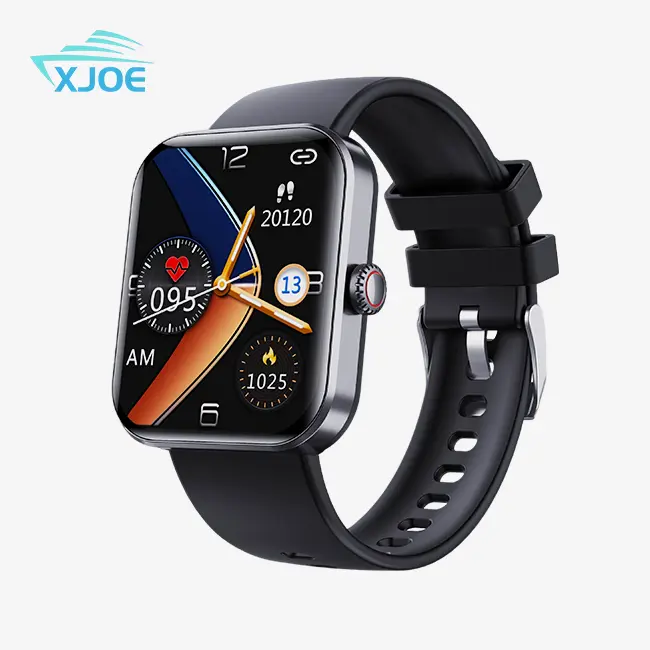
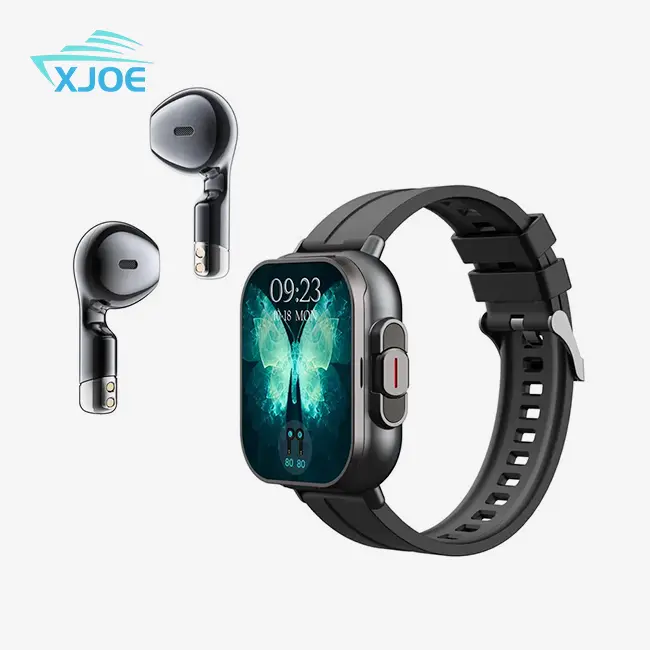
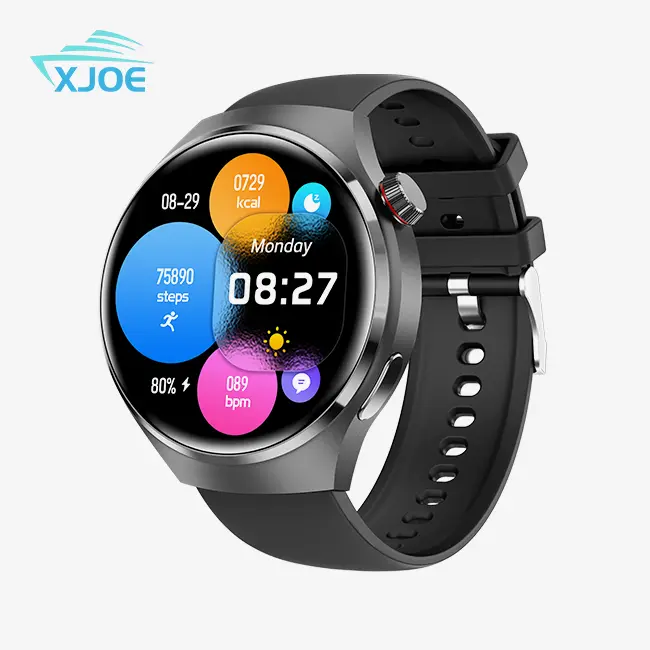
Smartwatches are changing the way healthcare is provided by putting medical-grade tracking right on people's wrists. Heart rhythm study and blood oxygen monitoring are always possible with devices like the ECG SpO₂ Smartwatch, which is a cross between consumer tech and professional health tracking. These tools can find problems with the heart, keep an eye on the health of your lungs, and help you control chronic diseases—all without using big, bulky devices. By letting people get real-time tips and watch patients from afar, they give people and healthcare providers the power to act quickly on new health problems, which changes preventive care and everyday wellness management.
Understanding ECG Spo2 Smartwatches: Technology and Benefits
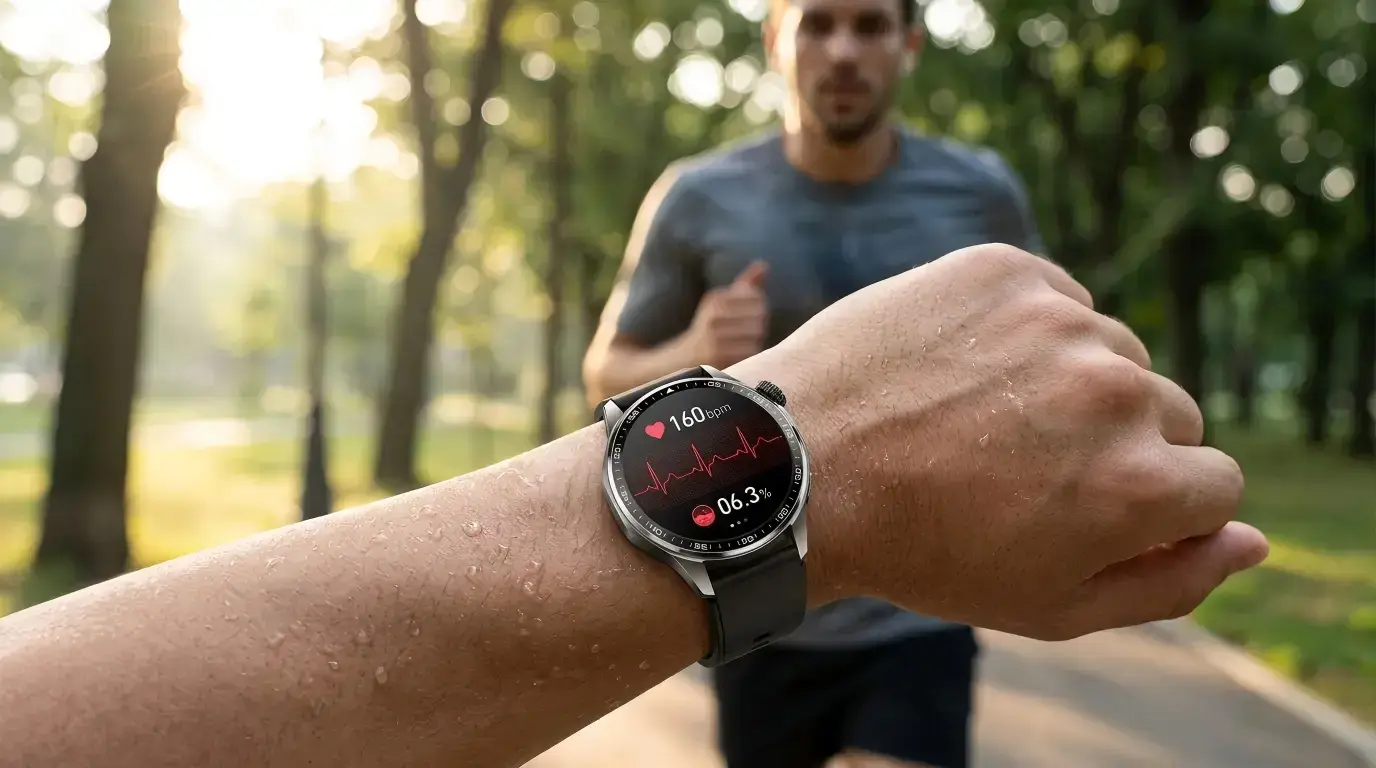
Biosensors in modern health gadgets are very advanced and do a lot more than just count steps. The ECG SpO₂ Smartwatch has both electrocardiogram leads and visual sensors that collect important data about your heart and lungs all day long.
How ECG Technology Works in Wearables?
The electrocardiogram feature picks up electrical signs from your heart using dry probes built into the watch's case and bottom. When you wear the watch and put your finger on the crown, the gadget completes the circuit and records a single-lead ECG trace, similar to a Lead I reading on hospital equipment. This method keeps an eye on your heart's beat and looks for strange patterns that could mean you have atrial fibrillation or another arrhythmia. The bio-potential signals are sent from the sensor to an analogue front end, which filters out noise and boosts the data to make a pattern that can be read.
Understanding SpO₂ Monitoring Technology
Photoplethysmography, a method that uses LED lights and photodetectors, is used to measure blood oxygen levels. Through your skin, the watch sends out red and infrared light that is measured by how much light your blood takes in. The device can figure out your oxygen saturation rate because blood that is oxygenated receives different wavelengths than blood that is deoxygenated. This test helps find breathing problems, sleep apnea signs, and problems linked to high altitude before they get worse.
Combined Health Monitoring Advantages
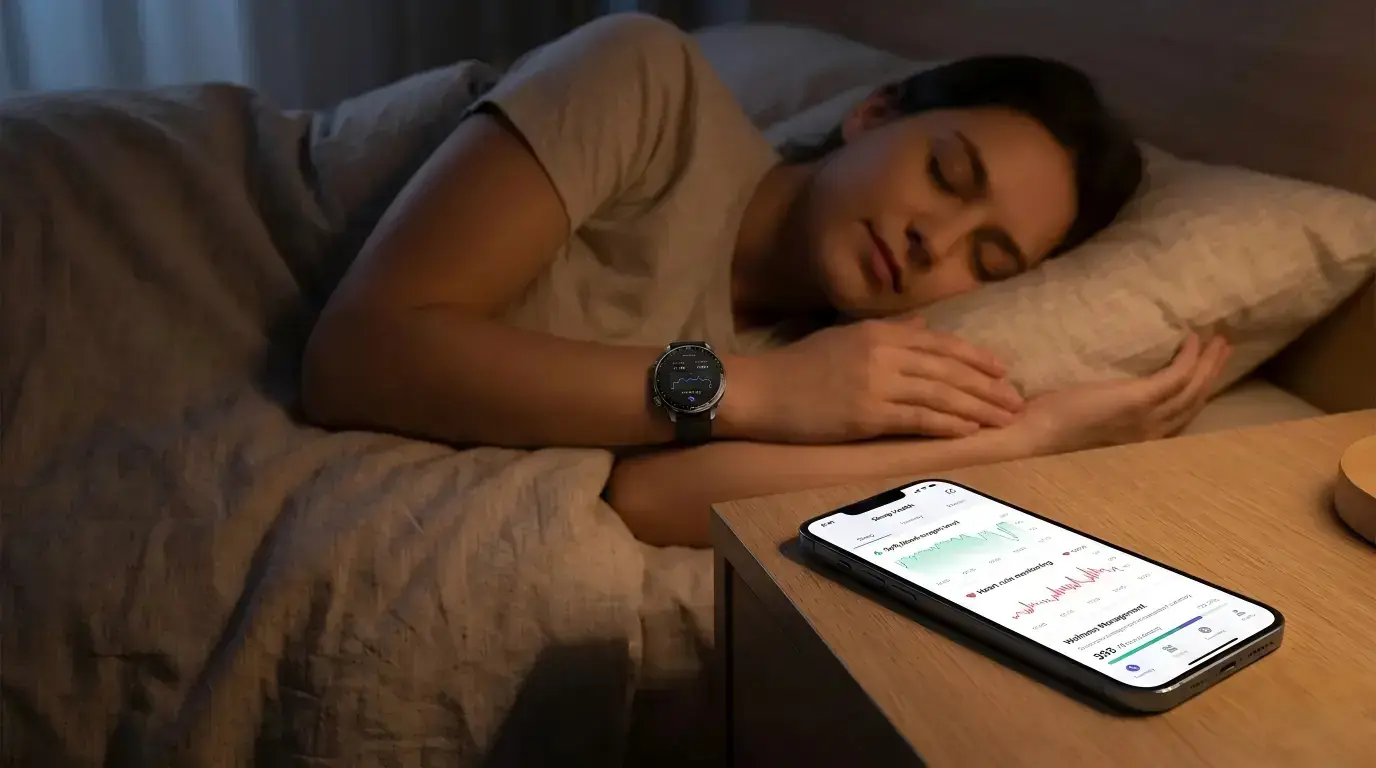
Putting both devices together gives a full picture of health. The ECG SpO₂ Smartwatch measures both the electrical activity of the heart and the amount of oxygen in the blood. This shows connections that other devices don't see. During sleep, the watch can pick up on changes in heart rate and oxygen levels, which could be signs of sleep apnea. During exercise, it makes sure that your cardiovascular system gets enough oxygen to your muscles, which increases the impact of your workout while keeping you safe.
Researchers have found that wrist-based ECG monitors can pick up rhythms with enough accuracy, but they can't replace 12-lead hospital ECGs for diagnosing ischaemia. Under normal circulation conditions, SpO₂ monitors are usually accurate within 2% to 3% of clinical pulse oximeters. Because of these features, wearables are useful for screening as part of early warning systems and for situations where tracking is ongoing.
Comparing ECG Spo2 Smartwatches with Other Health Devices
It's easier for procurement managers and sellers to find the right products for their target markets when they know how advanced health wearables compare to basic fitness apps and traditional tracking equipment.
Smartwatches vs. Basic Fitness Trackers
Optical sensors in standard fitness bands track steps, calories, and heart rate. They are used by casual sports players and people who just want to be healthier in general. They don't have medical-grade instruments or the ability to do an ECG as the ECG SPO2 Smartwatch does. Fitness trackers are great at keeping track of your exercise, but they can't detect heart rhythms or measure blood oxygen saturation in a way that is useful for doctors. Health-focused smartwatches are a middle ground between regular fitness trackers and medical monitoring devices. They are popular with people who are health-conscious and who are handling long-term illnesses.
Medical-Grade Monitors vs. Wearable Technology
With multi-lead ECG setups and lab-calibrated oximeters, traditional medical monitors are better at making diagnoses. But they can only be used in clinical situations or need bulky chest straps and wired links to work. Wearable health technology gives up some diagnostic accuracy in exchange for real-time tracking in daily settings. People wear these devices while they sleep, work out, and do other daily things. They collect data that would be missed by professional measures done only occasionally. Paroxysmal atrial fibrillation happens without warning and is often missed during regular doctor visits. However, it can be found with wearable tracking that is on all the time.
Key Features Worth Evaluating
When buyers and wholesalers compare models that will be on the market in 2024, they should look at a few important specs. The 1.69-inch TFT display on the ECG SpO₂ Smartwatch has a resolution of 240x280, which makes it easy to see the info. Its 200mAh battery gives you 5–7 days of normal use, so you don't have to charge it as often as other devices. The rubber strap and ABS case make it durable and comfortable to wear all the time. IP67 water protection lets you swim and do other outdoor activities, so it can be used for more than just sedentary tracking.
Data dependability is based on the quality of the sensors. Heart rate monitors, accelerometers, and separate ECG and SpO₂ units are built into more advanced models. Being compatible with iOS 10.0+ and Android 6.0+ means that a lot of people can use it, which is important for B2B clients who want to reach a wide range of customers. Multiple sports modes, such as running, riding, swimming, hiking, jump rope, and yoga, make it more appealing to busy users who want a lot of different functions.
Premium options are different from cheaper ones because they have longer batteries, work accurately while moving, and work with other apps. Magnetic charging makes it easier for users, and a strong connection makes sure that data can be sent easily to apps and health platforms. These practical factors help wholesalers and private label brands that want to stand out from the competition decide what to buy in bulk.
How to Use ECG/SpO₂ Smartwatches for Enhanced Health Monitoring?
Initial Setup and Calibration Tips
Before you use your ECG SpO2 Smartwatch for the first time, make sure it is fully charged. Get the partner app that works with your phone's running system and connect the two via Bluetooth. During setup, be sure to enter correct information about yourself, such as your age, weight, height, and gender, since these factors affect how the algorithm figures out heart rate zones and exercise measures. Put the watch on your wrist so that it fits snugly, about one finger's width above your wrist bone. When the fit is too loose, the sensor can't connect properly, which makes both visual heart rate and SpO₂ readings less accurate.
Integrating Data with Health Management Platforms
Through API links and HL7-compatible data formats, modern health devices can talk to electronic health records and telemedicine platforms. Healthcare providers who use remote patient tracking can get direct access to health data created by the patient. This cuts down on the need for regular reporting and lets providers take action before it's too late. Data security is still very important. Look for products that support AES-128 or AES-256 encryption for HIPAA and GDPR-compliant protected health information during Bluetooth transfer and cloud storage.
Analytic panels in apps that work with it—using smartwatch ECG SpO₂ and other metrics—let you keep an eye on trends over days, weeks, and months. Users are notified by alert systems when their heart rate goes over their own personal limits, when their SpO₂ level drops below what is considered safe, or when irregular beats continue. These features turn raw data into insights that can be used, which helps with managing long-term conditions like heart failure, COPD, and sleep problems.
Practical Applications Across Environments
The IP67 water protection and lightweight (about 40 grammes) of the ECG SpO₂ Smartwatch make it useful in a variety of situations. Athletes keep an eye on their heart rate and recovery measures while they train to find the best effort zones. Sleep tracking looks at trends to find events of oxygen depletion that could be signs of apnea. Outdoor lovers who go to high elevations can keep track of acclimatisation by checking their SpO₂ levels. This helps avoid acute mountain sickness by finding it early. With smart alerts, users can stay in touch without constantly checking their phones, so they can focus on their health and get things done every day.
Procurement Considerations for ECG Spo2 Smartwatches in B2B Markets
Identifying Reliable Suppliers and Purchasing Channels
To do a good job of procurement, you must first find makers and sellers whose products are consistently of high quality and who follow all the rules. OEM/ODM partners that have been around for a while, like Shenzhen Xizhou E-commerce Co., Ltd, have the tools and knowledge to make customised health wearables. Their research and development (R&D) helps with making changes to products, customising software, and private label branding. This is very important for Amazon sellers, Shopify brands, and TikTok Shop merchants who want to stand out in crowded markets.
Check out suppliers based on a number of factors, such as manufacturing certifications that prove GMP standards, openness about where parts come from, safety of intellectual property, and after-sales support systems. Before placing a large order, ask for examples to check the build quality, sensor accuracy, and user experience. Low minimum order amounts let you test the market without taking on too much inventory risk. This is especially helpful for drop-shipping businesses and new brands that are looking into new product categories.
Pricing Analysis and Cost-Benefit Evaluation
Health-focused smartwatches cost more than basic fitness trackers because they have more powerful sensors and medical-grade features. Wholesale prices change based on the size of the order, the level of customisation needed, and the specs of the parts. Distributors usually discuss tiered price structures so that they can make more money when they make bigger promises. But it's still hard to find the right balance between investing in goods and the changing needs of the market, since technology changes quickly and customer tastes change all the time.
Figure out the total cost of ownership by adding up the costs of shipping, import taxes, warranty responsibilities, and the chance that the item will be returned. Customers are less likely to complain and leave bad reviews on high-quality devices, which is especially important for online sellers whose identities depend on star ratings. A study of competing products shows that prices fall into three groups: entry-level devices cost between $30 and $60, mid-range devices cost between $60 and



Smartwatches in Healthcare: Revolutionizing Health?
Smartwatches are changing the way healthcare is provided by putting medical-grade tracking right on people's wrists. Heart rhythm study and blood oxygen monitoring are always possible with devices like the ECG SpO₂ Smartwatch, which is a cross between consumer tech and professional health tracking. These tools can find problems with the heart, keep an eye on the health of your lungs, and help you control chronic diseases—all without using big, bulky devices. By letting people get real-time tips and watch patients from afar, they give people and healthcare providers the power to act quickly on new health problems, which changes preventive care and everyday wellness management.
Understanding ECG Spo2 Smartwatches: Technology and Benefits
Biosensors in modern health gadgets are very advanced and do a lot more than just count steps. The ECG SpO₂ Smartwatch has both electrocardiogram leads and visual sensors that collect important data about your heart and lungs all day long.
How ECG Technology Works in Wearables?
The electrocardiogram feature picks up electrical signs from your heart using dry probes built into the watch's case and bottom. When you wear the watch and put your finger on the crown, the gadget completes the circuit and records a single-lead ECG trace, similar to a Lead I reading on hospital equipment. This method keeps an eye on your heart's beat and looks for strange patterns that could mean you have atrial fibrillation or another arrhythmia. The bio-potential signals are sent from the sensor to an analogue front end, which filters out noise and boosts the data to make a pattern that can be read.
Understanding SpO₂ Monitoring Technology
Photoplethysmography, a method that uses LED lights and photodetectors, is used to measure blood oxygen levels. Through your skin, the watch sends out red and infrared light that is measured by how much light your blood takes in. The device can figure out your oxygen saturation rate because blood that is oxygenated receives different wavelengths than blood that is deoxygenated. This test helps find breathing problems, sleep apnea signs, and problems linked to high altitude before they get worse.
Combined Health Monitoring Advantages
Putting both devices together gives a full picture of health. The ECG SpO₂ Smartwatch measures both the electrical activity of the heart and the amount of oxygen in the blood. This shows connections that other devices don't see. During sleep, the watch can pick up on changes in heart rate and oxygen levels, which could be signs of sleep apnea. During exercise, it makes sure that your cardiovascular system gets enough oxygen to your muscles, which increases the impact of your workout while keeping you safe.
Researchers have found that wrist-based ECG monitors can pick up rhythms with enough accuracy, but they can't replace 12-lead hospital ECGs for diagnosing ischaemia. Under normal circulation conditions, SpO₂ monitors are usually accurate within 2% to 3% of clinical pulse oximeters. Because of these features, wearables are useful for screening as part of early warning systems and for situations where tracking is ongoing.
Comparing ECG Spo2 Smartwatches with Other Health Devices
It's easier for procurement managers and sellers to find the right products for their target markets when they know how advanced health wearables compare to basic fitness apps and traditional tracking equipment.
Smartwatches vs. Basic Fitness Trackers
Optical sensors in standard fitness bands track steps, calories, and heart rate. They are used by casual sports players and people who just want to be healthier in general. They don't have medical-grade instruments or the ability to do an ECG as the ECG SPO2 Smartwatch does. Fitness trackers are great at keeping track of your exercise, but they can't detect heart rhythms or measure blood oxygen saturation in a way that is useful for doctors. Health-focused smartwatches are a middle ground between regular fitness trackers and medical monitoring devices. They are popular with people who are health-conscious and who are handling long-term illnesses.
Medical-Grade Monitors vs. Wearable Technology
With multi-lead ECG setups and lab-calibrated oximeters, traditional medical monitors are better at making diagnoses. But they can only be used in clinical situations or need bulky chest straps and wired links to work. Wearable health technology gives up some diagnostic accuracy in exchange for real-time tracking in daily settings. People wear these devices while they sleep, work out, and do other daily things. They collect data that would be missed by professional measures done only occasionally. Paroxysmal atrial fibrillation happens without warning and is often missed during regular doctor visits. However, it can be found with wearable tracking that is on all the time.
Key Features Worth Evaluating
When buyers and wholesalers compare models that will be on the market in 2024, they should look at a few important specs. The 1.69-inch TFT display on the ECG SpO₂ Smartwatch has a resolution of 240x280, which makes it easy to see the info. Its 200mAh battery gives you 5–7 days of normal use, so you don't have to charge it as often as other devices. The rubber strap and ABS case make it durable and comfortable to wear all the time. IP67 water protection lets you swim and do other outdoor activities, so it can be used for more than just sedentary tracking.
Data dependability is based on the quality of the sensors. Heart rate monitors, accelerometers, and separate ECG and SpO₂ units are built into more advanced models. Being compatible with iOS 10.0+ and Android 6.0+ means that a lot of people can use it, which is important for B2B clients who want to reach a wide range of customers. Multiple sports modes, such as running, riding, swimming, hiking, jump rope, and yoga, make it more appealing to busy users who want a lot of different functions.
Premium options are different from cheaper ones because they have longer batteries, work accurately while moving, and work with other apps. Magnetic charging makes it easier for users, and a strong connection makes sure that data can be sent easily to apps and health platforms. These practical factors help wholesalers and private label brands that want to stand out from the competition decide what to buy in bulk.
How to Use ECG/SpO₂ Smartwatches for Enhanced Health Monitoring?
Initial Setup and Calibration Tips
Before you use your ECG SpO2 Smartwatch for the first time, make sure it is fully charged. Get the partner app that works with your phone's running system and connect the two via Bluetooth. During setup, be sure to enter correct information about yourself, such as your age, weight, height, and gender, since these factors affect how the algorithm figures out heart rate zones and exercise measures. Put the watch on your wrist so that it fits snugly, about one finger's width above your wrist bone. When the fit is too loose, the sensor can't connect properly, which makes both visual heart rate and SpO₂ readings less accurate.
Integrating Data with Health Management Platforms
Through API links and HL7-compatible data formats, modern health devices can talk to electronic health records and telemedicine platforms. Healthcare providers who use remote patient tracking can get direct access to health data created by the patient. This cuts down on the need for regular reporting and lets providers take action before it's too late. Data security is still very important. Look for products that support AES-128 or AES-256 encryption for HIPAA and GDPR-compliant protected health information during Bluetooth transfer and cloud storage.
Analytic panels in apps that work with it—using smartwatch ECG SpO₂ and other metrics—let you keep an eye on trends over days, weeks, and months. Users are notified by alert systems when their heart rate goes over their own personal limits, when their SpO₂ level drops below what is considered safe, or when irregular beats continue. These features turn raw data into insights that can be used, which helps with managing long-term conditions like heart failure, COPD, and sleep problems.
Practical Applications Across Environments
The IP67 water protection and lightweight (about 40 grammes) of the ECG SpO₂ Smartwatch make it useful in a variety of situations. Athletes keep an eye on their heart rate and recovery measures while they train to find the best effort zones. Sleep tracking looks at trends to find events of oxygen depletion that could be signs of apnea. Outdoor lovers who go to high elevations can keep track of acclimatisation by checking their SpO₂ levels. This helps avoid acute mountain sickness by finding it early. With smart alerts, users can stay in touch without constantly checking their phones, so they can focus on their health and get things done every day.
Procurement Considerations for ECG Spo2 Smartwatches in B2B Markets
Identifying Reliable Suppliers and Purchasing Channels
To do a good job of procurement, you must first find makers and sellers whose products are consistently of high quality and who follow all the rules. OEM/ODM partners that have been around for a while, like Shenzhen Xizhou E-commerce Co., Ltd, have the tools and knowledge to make customised health wearables. Their research and development (R&D) helps with making changes to products, customising software, and private label branding. This is very important for Amazon sellers, Shopify brands, and TikTok Shop merchants who want to stand out in crowded markets.
Check out suppliers based on a number of factors, such as manufacturing certifications that prove GMP standards, openness about where parts come from, safety of intellectual property, and after-sales support systems. Before placing a large order, ask for examples to check the build quality, sensor accuracy, and user experience. Low minimum order amounts let you test the market without taking on too much inventory risk. This is especially helpful for drop-shipping businesses and new brands that are looking into new product categories.
Pricing Analysis and Cost-Benefit Evaluation
Health-focused smartwatches cost more than basic fitness trackers because they have more powerful sensors and medical-grade features. Wholesale prices change based on the size of the order, the level of customisation needed, and the specs of the parts. Distributors usually discuss tiered price structures so that they can make more money when they make bigger promises. But it's still hard to find the right balance between investing in goods and the changing needs of the market, since technology changes quickly and customer tastes change all the time.
Figure out the total cost of ownership by adding up the costs of shipping, import taxes, warranty responsibilities, and the chance that the item will be returned. Customers are less likely to complain and leave bad reviews on high-quality devices, which is especially important for online sellers whose identities depend on star ratings. A study of competing products shows that prices fall into three groups: entry-level devices cost between $30 and $60, mid-range devices cost between $60 and $120, and high-end devices cost more than $120. Place your product carefully in these groups based on the buying power and feature standards of your target audience.
Customisation and OEM Partnership Opportunities
OEM agreements that let private label brands print logos, create their own packaging, and change firmware are very helpful for smartwatches ECG SpO₂ blood pressure. The ECG SpO₂ smartwatch's base is flexible, so the interface can be changed to fit the brand's needs. This lets brands use their own colour schemes, watch faces, and app branding. Packaging design shows what a brand is all about and keeps goods safe while they're being shipped. This is very important for opening experiences that get people to interact with your brand on social media and buy from you again.
Talk to your manufacturing partners about the technical customisation options that are available. For example, you could change the battery size or sensor tuning, or you could add features like GPS or NFC payments. Long-term relationships make it easier to make changes to products over time, so brands can release new models that take user comments and new health tracking technologies into account. Quick prototyping processes and responsive contact are what set exceptional sellers apart from commodity providers.
Conclusion
Smartwatches with ECG and SpO2 monitors are a big step forward in making healthcare technology easier for more people to use. These devices make constant health tracking more accessible to everyone, putting features that were once only found in hospitals on people's wrists. The ECG SpO₂ Smartwatch is a great example of this change because it combines heart rate recognition, blood oxygen measurement, and full activity tracking into a small, easy-to-use device. As technology improves and healthcare systems adopt remote tracking, these wearables will become even more important in tactics that improve results while lowering costs, like early intervention, preventive care, and managing chronic diseases.
FAQ
1. How accurate are smartwatch ECG readings compared to hospital equipment?
ECG smartwatches that are worn on the wrist record a single lead, which can be used to find pulse problems like atrial fibrillation. Ischaemia and cardiac infarction can only be diagnosed with multi-lead hospital ECGs. Studies show that these devices can find AFib with a sensitivity and specificity of above 90%. This makes them useful for screening rather than diagnosing.
2. Can these devices detect sleep apnea?
The ECG SpO₂ Smartwatch finds signs of sleep apnoea by keeping track of times when oxygen levels drop and changes in heart rate that happen during sleep. Polysomnography is still the best way to diagnose sleep problems, but this test is a good way to find people who should get official sleep studies with a doctor.
3. What should businesses consider when purchasing ECG Spo2 smartwatches in bulk?
Check out the supplier's track record, product approvals, ability to make changes, and customer service after the sale. Test samples to see how accurate the sensors are, make sure they work with the devices your target market has, and talk about pricing structures that balance the number of orders with the risk of running out of stock. Give priority to partners who can offer low MOQ choices for trying the market and flexible restocking plans.
Partner with Xizhou for Advanced Health Wearable Solutions
With Xizhou's full range of ECG SpO₂ smartwatch production and customisation services, you can add cutting-edge health monitoring technology to your product line. We use AI to make smart wearables, and our production sites are GMP-certified. We have open OEM/ODM partnerships that help your brand's idea come to life. We offer quality, speed, and new ideas, whether you're an Amazon seller looking for high-margin goods, a dealer needing a reliable bulk supply, or a private label brand wanting to stand out.
Our experienced research and development team can help you make custom software, calibrate sensors, and create packaging that will appeal to your target audience. A large collection makes sure that orders for items that sell quickly are filled quickly, and full certifications make it easier to get into markets around the world. As a reliable supplier, we know how hard it is to do business online in a competitive market. That's why we offer quick responses, clear pricing, and quality assurance that keeps your image safe. Connect with our team at 13266508958@163.com to explore partnership opportunities. Let's shape the future of AI-powered wearables together.
References
1. Perez, M.V., Mahaffey, K.W., Hedlin, H., et al. "Large-Scale Assessment of a Smartwatch to Identify Atrial Fibrillation." New England Journal of Medicine, 2019.
2. Bent, B., Goldstein, B.A., Kibbe, W.A., Dunn, J.P. "Investigating Sources of Inaccuracy in Wearable Optical Heart Rate Sensors." NPJ Digital Medicine, 2020.
3. Spaccarotella, C., Polimeni, A., Migliarino, S., et al. "Multichannel Electrocardiograms Obtained by a Smartwatch for the Diagnosis of ST-Segment Changes." JAMA Cardiology, 2020.
4. Luks, A.M., Swenson, E.R. "Pulse Oximetry at High Altitude." High Altitude Medicine & Biology, 2011.
5. Tison, G.H., Bird, B., et al. "Passive Detection of Atrial Fibrillation Using a Commercially Available Smartwatch." JAMA Cardiology, 2018.
6. Steinhubl, S.R., Waalen, J., Edwards, A.M., et al. "Effect of a Home-Based Wearable Continuous ECG Monitoring Patch on Detection of Undiagnosed Atrial Fibrillation." JAMA, 2018.







Smartwatches in Healthcare: Revolutionizing Health?
Smartwatches are changing the way healthcare is provided by putting medical-grade tracking right on people's wrists. Heart rhythm study and blood oxygen monitoring are always possible with devices like the ECG SpO₂ Smartwatch, which is a cross between consumer tech and professional health tracking. These tools can find problems with the heart, keep an eye on the health of your lungs, and help you control chronic diseases—all without using big, bulky devices. By letting people get real-time tips and watch patients from afar, they give people and healthcare providers the power to act quickly on new health problems, which changes preventive care and everyday wellness management.
Understanding ECG Spo2 Smartwatches: Technology and Benefits
Biosensors in modern health gadgets are very advanced and do a lot more than just count steps. The ECG SpO₂ Smartwatch has both electrocardiogram leads and visual sensors that collect important data about your heart and lungs all day long.
How ECG Technology Works in Wearables?
The electrocardiogram feature picks up electrical signs from your heart using dry probes built into the watch's case and bottom. When you wear the watch and put your finger on the crown, the gadget completes the circuit and records a single-lead ECG trace, similar to a Lead I reading on hospital equipment. This method keeps an eye on your heart's beat and looks for strange patterns that could mean you have atrial fibrillation or another arrhythmia. The bio-potential signals are sent from the sensor to an analogue front end, which filters out noise and boosts the data to make a pattern that can be read.
Understanding SpO₂ Monitoring Technology
Photoplethysmography, a method that uses LED lights and photodetectors, is used to measure blood oxygen levels. Through your skin, the watch sends out red and infrared light that is measured by how much light your blood takes in. The device can figure out your oxygen saturation rate because blood that is oxygenated receives different wavelengths than blood that is deoxygenated. This test helps find breathing problems, sleep apnea signs, and problems linked to high altitude before they get worse.
Combined Health Monitoring Advantages
Putting both devices together gives a full picture of health. The ECG SpO₂ Smartwatch measures both the electrical activity of the heart and the amount of oxygen in the blood. This shows connections that other devices don't see. During sleep, the watch can pick up on changes in heart rate and oxygen levels, which could be signs of sleep apnea. During exercise, it makes sure that your cardiovascular system gets enough oxygen to your muscles, which increases the impact of your workout while keeping you safe.
Researchers have found that wrist-based ECG monitors can pick up rhythms with enough accuracy, but they can't replace 12-lead hospital ECGs for diagnosing ischaemia. Under normal circulation conditions, SpO₂ monitors are usually accurate within 2% to 3% of clinical pulse oximeters. Because of these features, wearables are useful for screening as part of early warning systems and for situations where tracking is ongoing.
Comparing ECG Spo2 Smartwatches with Other Health Devices
It's easier for procurement managers and sellers to find the right products for their target markets when they know how advanced health wearables compare to basic fitness apps and traditional tracking equipment.
Smartwatches vs. Basic Fitness Trackers
Optical sensors in standard fitness bands track steps, calories, and heart rate. They are used by casual sports players and people who just want to be healthier in general. They don't have medical-grade instruments or the ability to do an ECG as the ECG SPO2 Smartwatch does. Fitness trackers are great at keeping track of your exercise, but they can't detect heart rhythms or measure blood oxygen saturation in a way that is useful for doctors. Health-focused smartwatches are a middle ground between regular fitness trackers and medical monitoring devices. They are popular with people who are health-conscious and who are handling long-term illnesses.
Medical-Grade Monitors vs. Wearable Technology
With multi-lead ECG setups and lab-calibrated oximeters, traditional medical monitors are better at making diagnoses. But they can only be used in clinical situations or need bulky chest straps and wired links to work. Wearable health technology gives up some diagnostic accuracy in exchange for real-time tracking in daily settings. People wear these devices while they sleep, work out, and do other daily things. They collect data that would be missed by professional measures done only occasionally. Paroxysmal atrial fibrillation happens without warning and is often missed during regular doctor visits. However, it can be found with wearable tracking that is on all the time.
Key Features Worth Evaluating
When buyers and wholesalers compare models that will be on the market in 2024, they should look at a few important specs. The 1.69-inch TFT display on the ECG SpO₂ Smartwatch has a resolution of 240x280, which makes it easy to see the info. Its 200mAh battery gives you 5–7 days of normal use, so you don't have to charge it as often as other devices. The rubber strap and ABS case make it durable and comfortable to wear all the time. IP67 water protection lets you swim and do other outdoor activities, so it can be used for more than just sedentary tracking.
Data dependability is based on the quality of the sensors. Heart rate monitors, accelerometers, and separate ECG and SpO₂ units are built into more advanced models. Being compatible with iOS 10.0+ and Android 6.0+ means that a lot of people can use it, which is important for B2B clients who want to reach a wide range of customers. Multiple sports modes, such as running, riding, swimming, hiking, jump rope, and yoga, make it more appealing to busy users who want a lot of different functions.
Premium options are different from cheaper ones because they have longer batteries, work accurately while moving, and work with other apps. Magnetic charging makes it easier for users, and a strong connection makes sure that data can be sent easily to apps and health platforms. These practical factors help wholesalers and private label brands that want to stand out from the competition decide what to buy in bulk.
How to Use ECG/SpO₂ Smartwatches for Enhanced Health Monitoring?
Initial Setup and Calibration Tips
Before you use your ECG SpO2 Smartwatch for the first time, make sure it is fully charged. Get the partner app that works with your phone's running system and connect the two via Bluetooth. During setup, be sure to enter correct information about yourself, such as your age, weight, height, and gender, since these factors affect how the algorithm figures out heart rate zones and exercise measures. Put the watch on your wrist so that it fits snugly, about one finger's width above your wrist bone. When the fit is too loose, the sensor can't connect properly, which makes both visual heart rate and SpO₂ readings less accurate.
Integrating Data with Health Management Platforms
Through API links and HL7-compatible data formats, modern health devices can talk to electronic health records and telemedicine platforms. Healthcare providers who use remote patient tracking can get direct access to health data created by the patient. This cuts down on the need for regular reporting and lets providers take action before it's too late. Data security is still very important. Look for products that support AES-128 or AES-256 encryption for HIPAA and GDPR-compliant protected health information during Bluetooth transfer and cloud storage.
Analytic panels in apps that work with it—using smartwatch ECG SpO₂ and other metrics—let you keep an eye on trends over days, weeks, and months. Users are notified by alert systems when their heart rate goes over their own personal limits, when their SpO₂ level drops below what is considered safe, or when irregular beats continue. These features turn raw data into insights that can be used, which helps with managing long-term conditions like heart failure, COPD, and sleep problems.
Practical Applications Across Environments
The IP67 water protection and lightweight (about 40 grammes) of the ECG SpO₂ Smartwatch make it useful in a variety of situations. Athletes keep an eye on their heart rate and recovery measures while they train to find the best effort zones. Sleep tracking looks at trends to find events of oxygen depletion that could be signs of apnea. Outdoor lovers who go to high elevations can keep track of acclimatisation by checking their SpO₂ levels. This helps avoid acute mountain sickness by finding it early. With smart alerts, users can stay in touch without constantly checking their phones, so they can focus on their health and get things done every day.
Procurement Considerations for ECG Spo2 Smartwatches in B2B Markets
Identifying Reliable Suppliers and Purchasing Channels
To do a good job of procurement, you must first find makers and sellers whose products are consistently of high quality and who follow all the rules. OEM/ODM partners that have been around for a while, like Shenzhen Xizhou E-commerce Co., Ltd, have the tools and knowledge to make customised health wearables. Their research and development (R&D) helps with making changes to products, customising software, and private label branding. This is very important for Amazon sellers, Shopify brands, and TikTok Shop merchants who want to stand out in crowded markets.
Check out suppliers based on a number of factors, such as manufacturing certifications that prove GMP standards, openness about where parts come from, safety of intellectual property, and after-sales support systems. Before placing a large order, ask for examples to check the build quality, sensor accuracy, and user experience. Low minimum order amounts let you test the market without taking on too much inventory risk. This is especially helpful for drop-shipping businesses and new brands that are looking into new product categories.
Pricing Analysis and Cost-Benefit Evaluation
Health-focused smartwatches cost more than basic fitness trackers because they have more powerful sensors and medical-grade features. Wholesale prices change based on the size of the order, the level of customisation needed, and the specs of the parts. Distributors usually discuss tiered price structures so that they can make more money when they make bigger promises. But it's still hard to find the right balance between investing in goods and the changing needs of the market, since technology changes quickly and customer tastes change all the time.
Figure out the total cost of ownership by adding up the costs of shipping, import taxes, warranty responsibilities, and the chance that the item will be returned. Customers are less likely to complain and leave bad reviews on high-quality devices, which is especially important for online sellers whose identities depend on star ratings. A study of competing products shows that prices fall into three groups: entry-level devices cost between $30 and $60, mid-range devices cost between $60 and $120, and high-end devices cost more than $120. Place your product carefully in these groups based on the buying power and feature standards of your target audience.
Customisation and OEM Partnership Opportunities
OEM agreements that let private label brands print logos, create their own packaging, and change firmware are very helpful for smartwatches ECG SpO₂ blood pressure. The ECG SpO₂ smartwatch's base is flexible, so the interface can be changed to fit the brand's needs. This lets brands use their own colour schemes, watch faces, and app branding. Packaging design shows what a brand is all about and keeps goods safe while they're being shipped. This is very important for opening experiences that get people to interact with your brand on social media and buy from you again.
Talk to your manufacturing partners about the technical customisation options that are available. For example, you could change the battery size or sensor tuning, or you could add features like GPS or NFC payments. Long-term relationships make it easier to make changes to products over time, so brands can release new models that take user comments and new health tracking technologies into account. Quick prototyping processes and responsive contact are what set exceptional sellers apart from commodity providers.
Conclusion
Smartwatches with ECG and SpO2 monitors are a big step forward in making healthcare technology easier for more people to use. These devices make constant health tracking more accessible to everyone, putting features that were once only found in hospitals on people's wrists. The ECG SpO₂ Smartwatch is a great example of this change because it combines heart rate recognition, blood oxygen measurement, and full activity tracking into a small, easy-to-use device. As technology improves and healthcare systems adopt remote tracking, these wearables will become even more important in tactics that improve results while lowering costs, like early intervention, preventive care, and managing chronic diseases.
FAQ
1. How accurate are smartwatch ECG readings compared to hospital equipment?
ECG smartwatches that are worn on the wrist record a single lead, which can be used to find pulse problems like atrial fibrillation. Ischaemia and cardiac infarction can only be diagnosed with multi-lead hospital ECGs. Studies show that these devices can find AFib with a sensitivity and specificity of above 90%. This makes them useful for screening rather than diagnosing.
2. Can these devices detect sleep apnea?
The ECG SpO₂ Smartwatch finds signs of sleep apnoea by keeping track of times when oxygen levels drop and changes in heart rate that happen during sleep. Polysomnography is still the best way to diagnose sleep problems, but this test is a good way to find people who should get official sleep studies with a doctor.
3. What should businesses consider when purchasing ECG Spo2 smartwatches in bulk?
Check out the supplier's track record, product approvals, ability to make changes, and customer service after the sale. Test samples to see how accurate the sensors are, make sure they work with the devices your target market has, and talk about pricing structures that balance the number of orders with the risk of running out of stock. Give priority to partners who can offer low MOQ choices for trying the market and flexible restocking plans.
Partner with Xizhou for Advanced Health Wearable Solutions
With Xizhou's full range of ECG SpO₂ smartwatch production and customisation services, you can add cutting-edge health monitoring technology to your product line. We use AI to make smart wearables, and our production sites are GMP-certified. We have open OEM/ODM partnerships that help your brand's idea come to life. We offer quality, speed, and new ideas, whether you're an Amazon seller looking for high-margin goods, a dealer needing a reliable bulk supply, or a private label brand wanting to stand out.
Our experienced research and development team can help you make custom software, calibrate sensors, and create packaging that will appeal to your target audience. A large collection makes sure that orders for items that sell quickly are filled quickly, and full certifications make it easier to get into markets around the world. As a reliable supplier, we know how hard it is to do business online in a competitive market. That's why we offer quick responses, clear pricing, and quality assurance that keeps your image safe. Connect with our team at 13266508958@163.com to explore partnership opportunities. Let's shape the future of AI-powered wearables together.
References
1. Perez, M.V., Mahaffey, K.W., Hedlin, H., et al. "Large-Scale Assessment of a Smartwatch to Identify Atrial Fibrillation." New England Journal of Medicine, 2019.
2. Bent, B., Goldstein, B.A., Kibbe, W.A., Dunn, J.P. "Investigating Sources of Inaccuracy in Wearable Optical Heart Rate Sensors." NPJ Digital Medicine, 2020.
3. Spaccarotella, C., Polimeni, A., Migliarino, S., et al. "Multichannel Electrocardiograms Obtained by a Smartwatch for the Diagnosis of ST-Segment Changes." JAMA Cardiology, 2020.
4. Luks, A.M., Swenson, E.R. "Pulse Oximetry at High Altitude." High Altitude Medicine & Biology, 2011.
5. Tison, G.H., Bird, B., et al. "Passive Detection of Atrial Fibrillation Using a Commercially Available Smartwatch." JAMA Cardiology, 2018.
6. Steinhubl, S.R., Waalen, J., Edwards, A.M., et al. "Effect of a Home-Based Wearable Continuous ECG Monitoring Patch on Detection of Undiagnosed Atrial Fibrillation." JAMA, 2018.
Customisation and OEM Partnership Opportunities
OEM agreements that let private label brands print logos, create their own packaging, and change firmware are very helpful for smartwatches ECG SpO₂ blood pressure. The ECG SpO₂ smartwatch's base is flexible, so the interface can be changed to fit the brand's needs. This lets brands use their own colour schemes, watch faces, and app branding. Packaging design shows what a brand is all about and keeps goods safe while they're being shipped. This is very important for opening experiences that get people to interact with your brand on social media and buy from you again.
Talk to your manufacturing partners about the technical customisation options that are available. For example, you could change the battery size or sensor tuning, or you could add features like GPS or NFC payments. Long-term relationships make it easier to make changes to products over time, so brands can release new models that take user comments and new health tracking technologies into account. Quick prototyping processes and responsive contact are what set exceptional sellers apart from commodity providers.
Conclusion
Smartwatches with ECG and SpO2 monitors are a big step forward in making healthcare technology easier for more people to use. These devices make constant health tracking more accessible to everyone, putting features that were once only found in hospitals on people's wrists. The ECG SpO₂ Smartwatch is a great example of this change because it combines heart rate recognition, blood oxygen measurement, and full activity tracking into a small, easy-to-use device. As technology improves and healthcare systems adopt remote tracking, these wearables will become even more important in tactics that improve results while lowering costs, like early intervention, preventive care, and managing chronic diseases.
FAQ
1. How accurate are smartwatch ECG readings compared to hospital equipment?
ECG smartwatches that are worn on the wrist record a single lead, which can be used to find pulse problems like atrial fibrillation. Ischaemia and cardiac infarction can only be diagnosed with multi-lead hospital ECGs. Studies show that these devices can find AFib with a sensitivity and specificity of above 90%. This makes them useful for screening rather than diagnosing.
2. Can these devices detect sleep apnea?
The ECG SpO₂ Smartwatch finds signs of sleep apnoea by keeping track of times when oxygen levels drop and changes in heart rate that happen during sleep. Polysomnography is still the best way to diagnose sleep problems, but this test is a good way to find people who should get official sleep studies with a doctor.
3. What should businesses consider when purchasing ECG Spo2 smartwatches in bulk?
Check out the supplier's track record, product approvals, ability to make changes, and customer service after the sale. Test samples to see how accurate the sensors are, make sure they work with the devices your target market has, and talk about pricing structures that balance the number of orders with the risk of running out of stock. Give priority to partners who can offer low MOQ choices for trying the market and flexible restocking plans.
Partner with Xizhou for Advanced Health Wearable Solutions
With Xizhou's full range of ECG SpO₂ smartwatch production and customisation services, you can add cutting-edge health monitoring technology to your product line. We use AI to make smart wearables, and our production sites are GMP-certified. We have open OEM/ODM partnerships that help your brand's idea come to life. We offer quality, speed, and new ideas, whether you're an Amazon seller looking for high-margin goods, a dealer needing a reliable bulk supply, or a private label brand wanting to stand out.
Our experienced research and development team can help you make custom software, calibrate sensors, and create packaging that will appeal to your target audience. A large collection makes sure that orders for items that sell quickly are filled quickly, and full certifications make it easier to get into markets around the world. As a reliable supplier, we know how hard it is to do business online in a competitive market. That's why we offer quick responses, clear pricing, and quality assurance that keeps your image safe. Connect with our team at 13266508958@163.com to explore partnership opportunities. Let's shape the future of AI-powered wearables together.
References
1. Perez, M.V., Mahaffey, K.W., Hedlin, H., et al. "Large-Scale Assessment of a Smartwatch to Identify Atrial Fibrillation." New England Journal of Medicine, 2019.
2. Bent, B., Goldstein, B.A., Kibbe, W.A., Dunn, J.P. "Investigating Sources of Inaccuracy in Wearable Optical Heart Rate Sensors." NPJ Digital Medicine, 2020.
3. Spaccarotella, C., Polimeni, A., Migliarino, S., et al. "Multichannel Electrocardiograms Obtained by a Smartwatch for the Diagnosis of ST-Segment Changes." JAMA Cardiology, 2020.
4. Luks, A.M., Swenson, E.R. "Pulse Oximetry at High Altitude." High Altitude Medicine & Biology, 2011.
5. Tison, G.H., Bird, B., et al. "Passive Detection of Atrial Fibrillation Using a Commercially Available Smartwatch." JAMA Cardiology, 2018.
6. Steinhubl, S.R., Waalen, J., Edwards, A.M., et al. "Effect of a Home-Based Wearable Continuous ECG Monitoring Patch on Detection of Undiagnosed Atrial Fibrillation." JAMA, 2018.