Health Smartwatches with ECG: Your Ultimate Fitness Companion
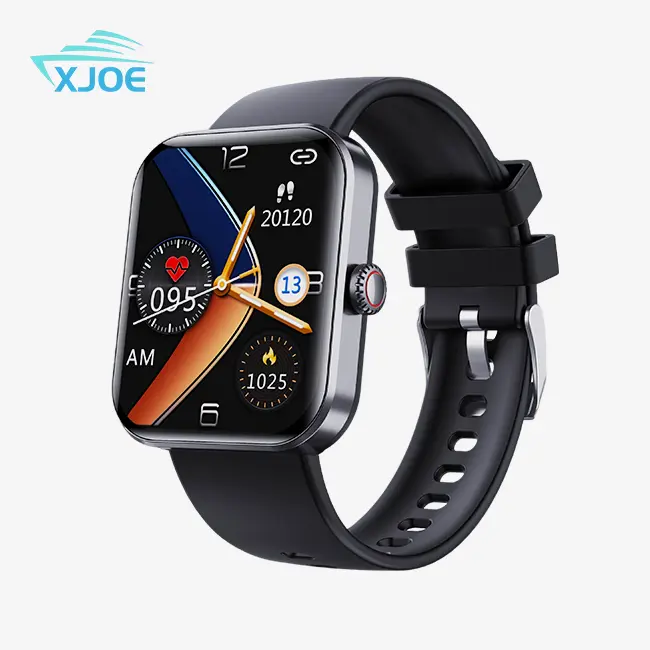
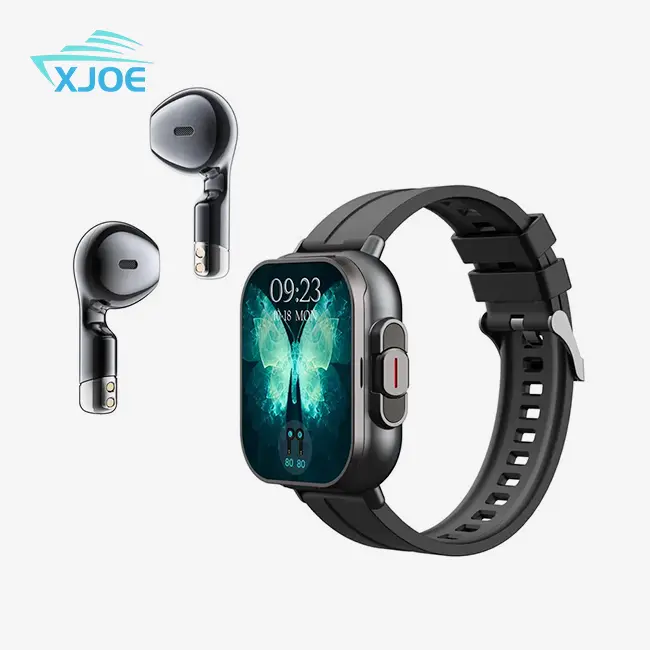
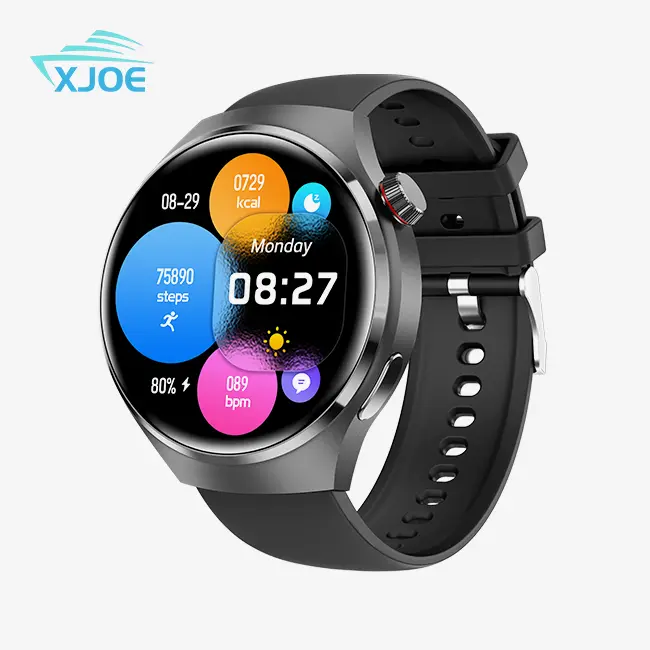
The ECG SpO₂ Smartwatch is a big step forward in personal health technology. It tracks both blood oxygen levels and electrocardiograms to give you a lot of information about your heart. These high-tech gadgets can find irregular heartbeats, keep an eye on oxygen saturation levels, and give people constant health information that helps them make smart choices about their health. To stay competitive in today's fast-changing consumer electronics market, whether you're an Amazon seller, an electronics dealer, or an OEM partner, you need to know what health smartwatches with ECG features can do and how big the market could be for them.

Introduction
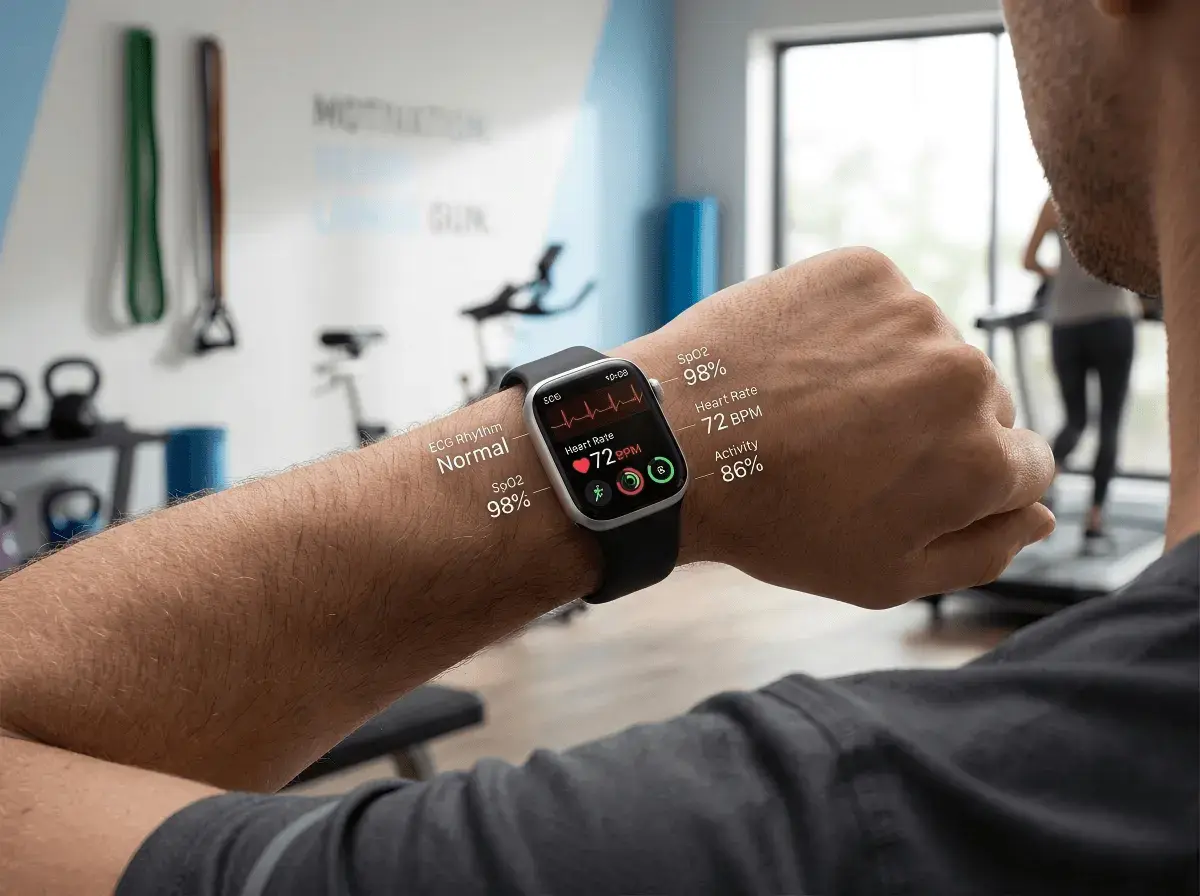
Smartwatches for health that can track ECG and SpO2 levels have changed how people and businesses think about cardiovascular health. These portable tech gadgets give you constant, painless health information that lets you find heart problems and changes in oxygen levels early, which is very important for mindful health management.
This technology fills the gap between fitness trackers for regular people and medical tracking tools used by doctors. These smartwatches send useful health information right to users' wrists using biosensors that record electrical heart activity and visual sensors that measure blood oxygen levels. When artificial intelligence and advanced algorithms are combined, measurement accuracy goes up while tools stay easy to use.
These devices are valuable tools for business-to-business clients like fitness resellers, original equipment makers, and company wellness managers. They improve product lines and employee wellness programmes. As more health-conscious customers buy and more remote patient monitoring options are used, the market will have a lot of possibilities. As companies look at their purchasing options, they need to know about the core technology, key features, and supplier skills in order to make smart choices that combine quality, the ability to customise, and cost-effectiveness.
Understanding ECG and SpO₂ Smartwatch Technology
How ECG Sensors Capture Heart Activity?
Single-lead ECG readings can be taken directly from the wrist with modern health smartwatches that use dry electrode technology. The device sets up a circuit that picks up the heart's electrical waves when a person puts their finger on the watch crown or a certain sensor area. This method is similar to the Lead I readings used in hospitals, but it only collects data from one vector instead of the full 12-lead system used in hospitals.
The analogue front-end circuits turn these very small electrical signals into larger ones, get rid of noise disturbance, and convert analogue data into digital data. The pulse patterns are then looked at by processing programmes to find problems like atrial fibrillation, bradycardia, or tachycardia. Wrist-based ECG tracking isn't as good at finding rhythm problems that happen outside of clinical environments as hospital equipment is at finding ischaemia or cardiac infarction.
SpO₂ Measurement Technology Explained
Photoplethysmography technology is used to measure oxygen saturation levels in the blood. It does this by using light-emitting diodes and photodetectors. The sensors send red and infrared light into the skin. The patterns of light that are returned show how much oxygen is in the blood. The gadget can figure out SpO₂ percentages because oxygenated blood and blood that is not oxygenated receive light differently.
Correct sensor touch, room temperature, and peripheral blood flow all play a big role in how accurate the measurements are. Good devices have perfusion index algorithms that check the accuracy of the signal and show when readings were made in less-than-ideal circumstances. This technology is especially useful for finding quiet hypoxia, keeping an eye on lung health, and helping people get used to being at higher elevations while they're outdoors.
Regulatory Standards and Certification Requirements
Medical-grade wearable tech has to follow strict rules set by regulators to make sure accurate measurements and user safety. If a company wants to sell ECG-enabled wristbands in the US, they need to get FDA approval first. In Europe, they need to get CE marking approval. These certificates show that devices meet certain levels of accuracy, electromagnetic compatibility, and biocompatibility for materials that come into contact with skin.
B2B customers can judge the reliability of a seller and the quality of their products better if they understand these regulatory systems, such as for the ECG SpO₂ Smartwatch. Certified products show that the maker is committed to validation testing, quality control methods, and ongoing tracking of compliance. When looking at possible sellers or OEM partners, it's important to do your research and ask for proof of any relevant certificates. This will protect your brand's image and make sure customers are happy.
Key Features and Benefits of ECG SpO₂ Smartwatches for B2B Clients
Comprehensive Health Monitoring Capabilities
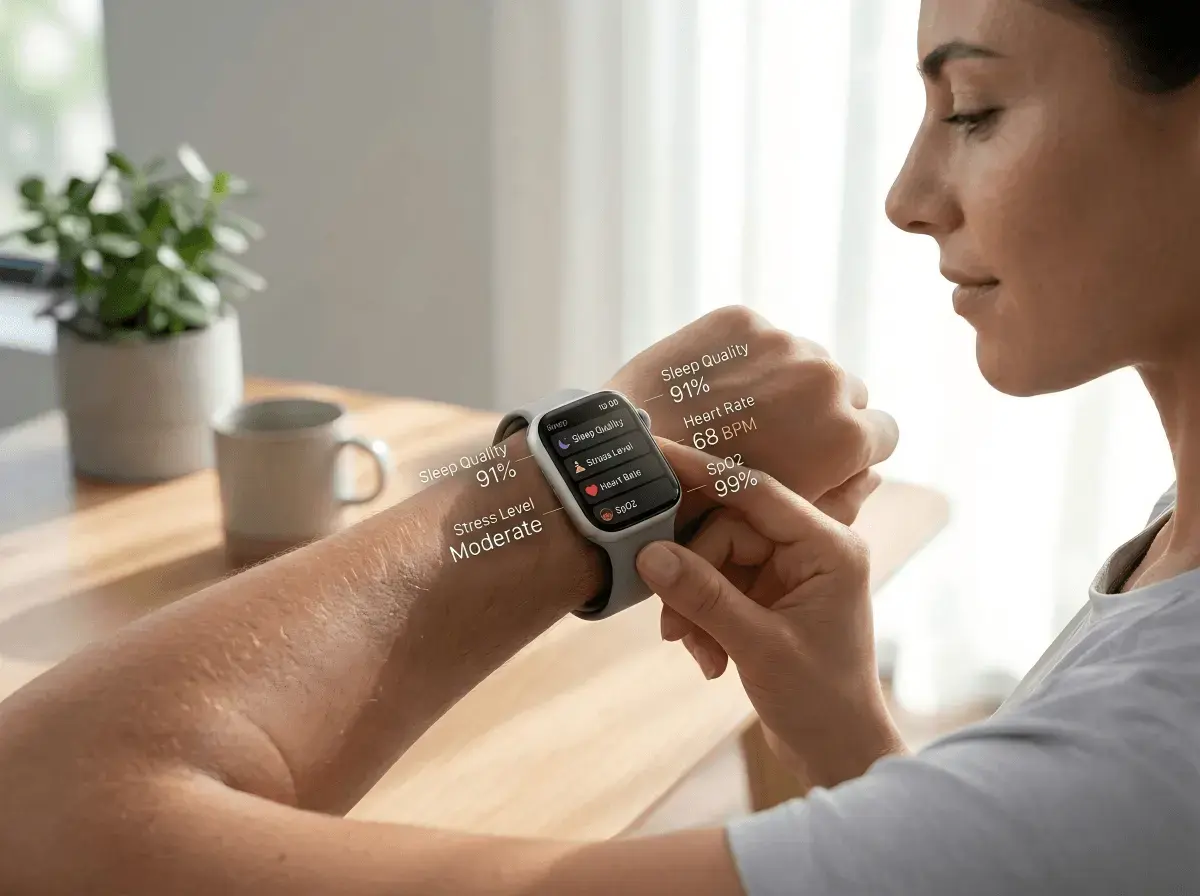
The ECG SpO₂ Smartwatch from Xizhou is an integrated health tracker that monitors your heart rate and gives you exercise data. The device has real-time ECG tracking that keeps an eye on the electrical activity of the heart to help find problems and keep the heart healthy. Monitoring SpO₂ levels in the blood all the time helps with managing lung health, and heart rate tracking 24 hours a day, seven days a week keeps track of heart activity during exercise and rest.
Running, riding, swimming, hiking, jumping rope, and yoga are just some of the sports that can be tracked. In real time, performance data is recorded. Sleep tracking looks at how you rest to help you heal better. Smart notifications let users stay in touch by showing calls, texts, and app alerts right on the 1.69-inch TFT screen with a resolution of 240x280. This full set of features meets the needs of a wide range of users, from casual fitness fans to serious athletes who need specific performance data.
The device is very light (about 40 grammes), so it's easy to wear all day. The silicone strap and ABS case make it durable for people who live busy lives. IP67 water resistance keeps you safe from splashes and sweat while you work out and do other daily things. With a 200mAh battery that can last for 5–7 days of normal use, the watch charges quickly and doesn't stop watching your health all the time.
Cross-Platform Compatibility and User Experience
Being able to work with both iOS 10.0+ and Android 6.0+ means that it can reach a lot of people and fit in easily with the technology they already have. This universal compatibility is very important for B2B clients who have a wide range of customers or who run workplace health programmes for people who like to use different kinds of devices. The magnetic charging method makes the charging process easier, which makes users more likely to keep up with regular gadget upkeep.
Easy-to-use platforms that let you quickly understand data lower the learning curve and increase the number of people who use the technology. Users can quickly get to health data, look at historical trends, and react to alerts without having to figure out how to use complicated menus. This ease of access is especially helpful in business settings where employees need to be able to easily participate and see the value.
Data Security and Privacy Protection
Sensitive biometric data is kept safe during Bluetooth transfer and cloud synchronisation by advanced encryption methods. Good makers use AES-128 or AES-256 encryption standards that follow GDPR and HIPAA rules for protecting health information that can be used to identify a person. People and businesses that manage staff health data are becoming more worried about privacy, and these security systems help ease those worries.
When reviewing providers for business-to-business purchases, it's important to know how they handle data. Clear privacy rules, safe API connections for health record systems, and tools for managing user approval show that the provider is technically savvy and aware of the rules. When it comes to workplace wellness apps and telehealth features, where data breaches can lead to big liability issues, these things are especially important to think about.
Comparative Analysis: Selecting the Best ECG SpO2 Smartwatch Solution
Market Positioning Across Price Segments
There are different price ranges for health smartwatches based on their features, build quality, and brand placement, such as smartwatches ECG SpO₂.. Premium gadgets from well-known tech companies usually cost more than $300 and come with better user experiences, more health data, and more ecosystem connections. People who care about name recognition and high-end materials, like titanium cases or sapphire crystal screens, are interested in these goods.
Options in the middle range, which usually cost between



Health Smartwatches with ECG: Your Ultimate Fitness Companion
The ECG SpO₂ Smartwatch is a big step forward in personal health technology. It tracks both blood oxygen levels and electrocardiograms to give you a lot of information about your heart. These high-tech gadgets can find irregular heartbeats, keep an eye on oxygen saturation levels, and give people constant health information that helps them make smart choices about their health. To stay competitive in today's fast-changing consumer electronics market, whether you're an Amazon seller, an electronics dealer, or an OEM partner, you need to know what health smartwatches with ECG features can do and how big the market could be for them.
Introduction
Smartwatches for health that can track ECG and SpO2 levels have changed how people and businesses think about cardiovascular health. These portable tech gadgets give you constant, painless health information that lets you find heart problems and changes in oxygen levels early, which is very important for mindful health management.
This technology fills the gap between fitness trackers for regular people and medical tracking tools used by doctors. These smartwatches send useful health information right to users' wrists using biosensors that record electrical heart activity and visual sensors that measure blood oxygen levels. When artificial intelligence and advanced algorithms are combined, measurement accuracy goes up while tools stay easy to use.
These devices are valuable tools for business-to-business clients like fitness resellers, original equipment makers, and company wellness managers. They improve product lines and employee wellness programmes. As more health-conscious customers buy and more remote patient monitoring options are used, the market will have a lot of possibilities. As companies look at their purchasing options, they need to know about the core technology, key features, and supplier skills in order to make smart choices that combine quality, the ability to customise, and cost-effectiveness.
Understanding ECG and SpO₂ Smartwatch Technology
How ECG Sensors Capture Heart Activity?
Single-lead ECG readings can be taken directly from the wrist with modern health smartwatches that use dry electrode technology. The device sets up a circuit that picks up the heart's electrical waves when a person puts their finger on the watch crown or a certain sensor area. This method is similar to the Lead I readings used in hospitals, but it only collects data from one vector instead of the full 12-lead system used in hospitals.
The analogue front-end circuits turn these very small electrical signals into larger ones, get rid of noise disturbance, and convert analogue data into digital data. The pulse patterns are then looked at by processing programmes to find problems like atrial fibrillation, bradycardia, or tachycardia. Wrist-based ECG tracking isn't as good at finding rhythm problems that happen outside of clinical environments as hospital equipment is at finding ischaemia or cardiac infarction.
SpO₂ Measurement Technology Explained
Photoplethysmography technology is used to measure oxygen saturation levels in the blood. It does this by using light-emitting diodes and photodetectors. The sensors send red and infrared light into the skin. The patterns of light that are returned show how much oxygen is in the blood. The gadget can figure out SpO₂ percentages because oxygenated blood and blood that is not oxygenated receive light differently.
Correct sensor touch, room temperature, and peripheral blood flow all play a big role in how accurate the measurements are. Good devices have perfusion index algorithms that check the accuracy of the signal and show when readings were made in less-than-ideal circumstances. This technology is especially useful for finding quiet hypoxia, keeping an eye on lung health, and helping people get used to being at higher elevations while they're outdoors.
Regulatory Standards and Certification Requirements
Medical-grade wearable tech has to follow strict rules set by regulators to make sure accurate measurements and user safety. If a company wants to sell ECG-enabled wristbands in the US, they need to get FDA approval first. In Europe, they need to get CE marking approval. These certificates show that devices meet certain levels of accuracy, electromagnetic compatibility, and biocompatibility for materials that come into contact with skin.
B2B customers can judge the reliability of a seller and the quality of their products better if they understand these regulatory systems, such as for the ECG SpO₂ Smartwatch. Certified products show that the maker is committed to validation testing, quality control methods, and ongoing tracking of compliance. When looking at possible sellers or OEM partners, it's important to do your research and ask for proof of any relevant certificates. This will protect your brand's image and make sure customers are happy.
Key Features and Benefits of ECG SpO₂ Smartwatches for B2B Clients
Comprehensive Health Monitoring Capabilities
The ECG SpO₂ Smartwatch from Xizhou is an integrated health tracker that monitors your heart rate and gives you exercise data. The device has real-time ECG tracking that keeps an eye on the electrical activity of the heart to help find problems and keep the heart healthy. Monitoring SpO₂ levels in the blood all the time helps with managing lung health, and heart rate tracking 24 hours a day, seven days a week keeps track of heart activity during exercise and rest.
Running, riding, swimming, hiking, jumping rope, and yoga are just some of the sports that can be tracked. In real time, performance data is recorded. Sleep tracking looks at how you rest to help you heal better. Smart notifications let users stay in touch by showing calls, texts, and app alerts right on the 1.69-inch TFT screen with a resolution of 240x280. This full set of features meets the needs of a wide range of users, from casual fitness fans to serious athletes who need specific performance data.
The device is very light (about 40 grammes), so it's easy to wear all day. The silicone strap and ABS case make it durable for people who live busy lives. IP67 water resistance keeps you safe from splashes and sweat while you work out and do other daily things. With a 200mAh battery that can last for 5–7 days of normal use, the watch charges quickly and doesn't stop watching your health all the time.
Cross-Platform Compatibility and User Experience
Being able to work with both iOS 10.0+ and Android 6.0+ means that it can reach a lot of people and fit in easily with the technology they already have. This universal compatibility is very important for B2B clients who have a wide range of customers or who run workplace health programmes for people who like to use different kinds of devices. The magnetic charging method makes the charging process easier, which makes users more likely to keep up with regular gadget upkeep.
Easy-to-use platforms that let you quickly understand data lower the learning curve and increase the number of people who use the technology. Users can quickly get to health data, look at historical trends, and react to alerts without having to figure out how to use complicated menus. This ease of access is especially helpful in business settings where employees need to be able to easily participate and see the value.
Data Security and Privacy Protection
Sensitive biometric data is kept safe during Bluetooth transfer and cloud synchronisation by advanced encryption methods. Good makers use AES-128 or AES-256 encryption standards that follow GDPR and HIPAA rules for protecting health information that can be used to identify a person. People and businesses that manage staff health data are becoming more worried about privacy, and these security systems help ease those worries.
When reviewing providers for business-to-business purchases, it's important to know how they handle data. Clear privacy rules, safe API connections for health record systems, and tools for managing user approval show that the provider is technically savvy and aware of the rules. When it comes to workplace wellness apps and telehealth features, where data breaches can lead to big liability issues, these things are especially important to think about.
Comparative Analysis: Selecting the Best ECG SpO2 Smartwatch Solution
Market Positioning Across Price Segments
There are different price ranges for health smartwatches based on their features, build quality, and brand placement, such as smartwatches ECG SpO₂.. Premium gadgets from well-known tech companies usually cost more than $300 and come with better user experiences, more health data, and more ecosystem connections. People who care about name recognition and high-end materials, like titanium cases or sapphire crystal screens, are interested in these goods.
Options in the middle range, which usually cost between $100 and $250, offer strong ECG and SpO₂ features with good accuracy and dependability. Brands like Amazfit and Mobvoi have taken out a big piece of the market by making high-tech health monitors affordable. People in this group are budget-conscious and want medical-grade features without the high prices of name brands.
Alternatives that cost less than $100 make ECG and SpO₂ tracking available to a wide range of people. Most of the time, these devices don't have high-end materials, advanced AI features, or ecosystem connections, but they still have basic health monitoring features. The ECG SpO₂ Smartwatch fits into this easy-to-afford group. It offers basic heart rate monitoring, full fitness tracking, and a solid build at a low bulk price that lets Amazon sellers and e-commerce brands make good retail returns.
Technical Specifications That Drive Performance
Measurement precision and user trust are directly linked to the quality of the sensors. Better devices use more than one photodetector and more complex signal processing to stay accurate in a range of skin tones, temperatures, and levels of movement. The accuracy of movement tracking depends on the quality of the accelerometer. GPS integration allows tracking of sports in the outdoors and health information based on location.
When watching someone's health all the time, battery life is very important. Devices that need to be charged every day cause problems for users, that make them less likely to be engaged over time. The 5-7 day battery life of good mid-range devices like the Xizhou model strikes a good mix between usefulness and ease of use, letting you keep an eye on things during the week and charge them on the weekends.
Display technology affects how well you can see outside and how much power you use. TFT screens are reasonably priced and have bright colours and good clarity. AMOLED screens have better brightness and deeper blacks, but they cost more. Resolution affects how easy it is to read data. For small wrist-worn forms, 240x280 pixels gives you clear text and images.
B2B Procurement Guide for ECG SpO₂ Smartwatches
Essential Evaluation Criteria for Bulk Purchasing
When looking for health smartwatches to resell or use in the company, procurement workers have to look at a number of technical and business factors. Verifying the accuracy of sensors through independent testing or third-party confirmation reports gives users faith in the device's dependability. You can check the build quality, user interface design, and real-world performance of sample units before committing to large sales by asking for them.
Multiplatform support makes sure that the app can be used by as many people as possible, but the quality of the partner app affects how happy users are and how engaged they stay. When you look at app store reviews and features, you can see the full user experience that goes beyond physical specs. Claims about battery life should be checked against real-life usage habits that include active health monitoring, messages, and how often the screen is turned on.
Brands that want to set their products apart from others need to be able to customise them. White-label branding helps build brand identity through logo printing, custom package design, and changes to the software interface. OEM partners with flexible minimum order amounts, can try the product and make sure it's popular in the market before committing to big volumes.
Supplier Relationship and Service Quality
Warranty coverage guards against flaws in the manufacturing process and early failures that cause returns and hurt the image of the brand. Full guarantee terms that last between 12 and 18 months show that the maker is confident in the quality of the product. Long-term customer happiness is ensured by after-sales support that includes technical help, software changes, and the availability of new parts.
Return policies and methods for fixing problems show that the seller wants the partnership to succeed. Transactional sellers are different from reliable suppliers because they don't communicate well, solve problems openly, or use fair settlement frameworks. Setting clear service level agreements about reaction times and how to escalate issues stops misunderstandings that slow down business.
Logistics skills, such as shipping choices that can be relied on, help with inventory management, and flexible fulfilment have an impact on business efficiency. When suppliers offer warehousing services, drop-shipping, or consolidated packages, they make it easier for growing e-commerce companies to manage their foreign supply chains.
Cost Management and Financial Planning
Bulk pricing models usually offer savings that go up as the number of orders goes up, such as for smartwatch ECG SpO₂ blood pressure features. This is because bigger promises lead to better unit economics. To find the best order amounts that balance inventory investment against per-unit costs, it's helpful to know the break-even points and margin needs. Seasonal sales and rewards for launching a new product can help you choose the best time to buy.
Businesses that are growing can better handle their cash flow when they have flexible payment terms, such as net-30 or net-60 agreements. Some sellers offer consignment agreements or inventory loans that lower the amount of money that needs to be paid up front. When you look at the total landing costs, which include shipping, fees, and import taxes, you can get a good idea of how much money you will make.
Conclusion
Health smartwatches that can track ECG and SpO2 levels are very useful tools that give users actionable cardiovascular information and open up huge chances for B2B clients. The technology has grown up to the point where it can provide accurate measures, a wide range of features, and affordable prices that encourage a wide market usage. When you know about the technology basics, key differences, and buying factors, you can make smart choices that combine quality, customisation options, and cost-effectiveness.
FAQ
1. How accurate are readings of ECG and SpO₂ on a smartwatch compared to medical equipment?
Wrist-based ECG devices take single-lead readings that can find rhythm problems like atrial fibrillation. However, they can't find ischaemia or heart attacks like 12-lead hospital ECG systems can. When everything is perfect and there is enough blood flow to all parts of the body, SpO₂ readings are usually within ±2% to 3% of what clinical pulse oximeters show. Vasoconstriction by cold temperatures can make measurements less accurate. High-quality devices use perfusion index methods to show this instead of showing possibly wrong data.
2. Can these smartwatches tell if someone is sick?
Health smartwatches are not diagnostic medical devices; instead, they are used for checking and keeping an eye on things. They can find signs that someone needs to see a doctor more, like uneven heartbeats or patterns of oxygen depletion during sleep that could be signs of sleep apnea. Based on data from smartwatches and a full clinical assessment, users should talk to medical experts to get a clear diagnosis and treatment suggestions.
3. What should B2B buyers look for in terms of platform compatibility?
Making apps work on both iOS and Android increases the number of people who can use them and makes customers happier. Devices that support iOS 10.0+ and Android 6.0+ make sure that the vast majority of smartphone users can access them. This cuts down on possible returns and technical support needs while letting business wellness programmes cater to a wide range of employee tastes.
Partner with Xizhou as Your Trusted ECG SpO₂ Smartwatch Supplier
Shenzhen Xizhou E-commerce Co., Ltd. specialises in smart wearable solutions driven by AI that offer advanced health tracking and a lot of customisation options. Our ECG SpO₂ Smartwatch has a sleek, lightweight design that makes it great for Amazon sellers, electronics dealers, and private label brands. It tracks cardiovascular and blood oxygen levels to a clinical level and has a lot of exercise features.
We sell the safe ECG SpO₂ Smartwatch, which has all the necessary certifications, including FDA and CE compliance. Our R&D team has been working in a GMP-certified plant for a long time. We offer low minimum order amounts for trying the market, quick restocking times, and OEM/ODM customisation, which includes printing your image, making custom packages, and making changes to the software interface that help build your brand.
Our large stockpile and efficient operations allow us to deliver quickly, so your shelves stay stocked and your customers are happy. Our cheap bulk pricing and strict quality control methods will help you keep your good name, and our quick after-sales service will help you make more money. You can email us at 13266508958@163.com to talk about your unique needs and find out how Xizhou can help you give better wearable tech with goods that are new, reliable, and a great value.
References
1. Smith, J. & Williams, R. (2023). Wearable Electrocardiogram Technology: Clinical Applications and Technical Standards. Journal of Digital Health Innovation, 15(3), 287-304.
2. Chen, L., Thompson, K., & Martinez, S. (2024). Photoplethysmography-Based SpO2 Monitoring: Accuracy Analysis Across Consumer Wearable Devices. International Journal of Biomedical Engineering, 42(1), 56-73.
3. Anderson, M. (2023). Global Smart Wearables Market Analysis: Growth Trends and B2B Opportunities 2023-2028. Technology Market Research Institute Press.
4. Rodriguez, P. & Kim, H. (2024). Artificial Intelligence Applications in Cardiovascular Wearable Monitoring Systems. AI in Healthcare Quarterly, 8(2), 134-149.
5. European Commission Health Technology Assessment Unit. (2023). Regulatory Framework for Medical Wearable Devices: Compliance Standards and Certification Requirements. Official EU Publications.
6. Zhang, W., Patel, N., & O'Connor, T. (2024). Corporate Wellness Technology Adoption: Implementation Strategies and Employee Engagement Outcomes. Journal of Occupational Health Management, 31(4), 412-429.







Alternatives that cost less than
Health Smartwatches with ECG: Your Ultimate Fitness Companion
The ECG SpO₂ Smartwatch is a big step forward in personal health technology. It tracks both blood oxygen levels and electrocardiograms to give you a lot of information about your heart. These high-tech gadgets can find irregular heartbeats, keep an eye on oxygen saturation levels, and give people constant health information that helps them make smart choices about their health. To stay competitive in today's fast-changing consumer electronics market, whether you're an Amazon seller, an electronics dealer, or an OEM partner, you need to know what health smartwatches with ECG features can do and how big the market could be for them.
Introduction
Smartwatches for health that can track ECG and SpO2 levels have changed how people and businesses think about cardiovascular health. These portable tech gadgets give you constant, painless health information that lets you find heart problems and changes in oxygen levels early, which is very important for mindful health management.
This technology fills the gap between fitness trackers for regular people and medical tracking tools used by doctors. These smartwatches send useful health information right to users' wrists using biosensors that record electrical heart activity and visual sensors that measure blood oxygen levels. When artificial intelligence and advanced algorithms are combined, measurement accuracy goes up while tools stay easy to use.
These devices are valuable tools for business-to-business clients like fitness resellers, original equipment makers, and company wellness managers. They improve product lines and employee wellness programmes. As more health-conscious customers buy and more remote patient monitoring options are used, the market will have a lot of possibilities. As companies look at their purchasing options, they need to know about the core technology, key features, and supplier skills in order to make smart choices that combine quality, the ability to customise, and cost-effectiveness.
Understanding ECG and SpO₂ Smartwatch Technology
How ECG Sensors Capture Heart Activity?
Single-lead ECG readings can be taken directly from the wrist with modern health smartwatches that use dry electrode technology. The device sets up a circuit that picks up the heart's electrical waves when a person puts their finger on the watch crown or a certain sensor area. This method is similar to the Lead I readings used in hospitals, but it only collects data from one vector instead of the full 12-lead system used in hospitals.
The analogue front-end circuits turn these very small electrical signals into larger ones, get rid of noise disturbance, and convert analogue data into digital data. The pulse patterns are then looked at by processing programmes to find problems like atrial fibrillation, bradycardia, or tachycardia. Wrist-based ECG tracking isn't as good at finding rhythm problems that happen outside of clinical environments as hospital equipment is at finding ischaemia or cardiac infarction.
SpO₂ Measurement Technology Explained
Photoplethysmography technology is used to measure oxygen saturation levels in the blood. It does this by using light-emitting diodes and photodetectors. The sensors send red and infrared light into the skin. The patterns of light that are returned show how much oxygen is in the blood. The gadget can figure out SpO₂ percentages because oxygenated blood and blood that is not oxygenated receive light differently.
Correct sensor touch, room temperature, and peripheral blood flow all play a big role in how accurate the measurements are. Good devices have perfusion index algorithms that check the accuracy of the signal and show when readings were made in less-than-ideal circumstances. This technology is especially useful for finding quiet hypoxia, keeping an eye on lung health, and helping people get used to being at higher elevations while they're outdoors.
Regulatory Standards and Certification Requirements
Medical-grade wearable tech has to follow strict rules set by regulators to make sure accurate measurements and user safety. If a company wants to sell ECG-enabled wristbands in the US, they need to get FDA approval first. In Europe, they need to get CE marking approval. These certificates show that devices meet certain levels of accuracy, electromagnetic compatibility, and biocompatibility for materials that come into contact with skin.
B2B customers can judge the reliability of a seller and the quality of their products better if they understand these regulatory systems, such as for the ECG SpO₂ Smartwatch. Certified products show that the maker is committed to validation testing, quality control methods, and ongoing tracking of compliance. When looking at possible sellers or OEM partners, it's important to do your research and ask for proof of any relevant certificates. This will protect your brand's image and make sure customers are happy.
Key Features and Benefits of ECG SpO₂ Smartwatches for B2B Clients
Comprehensive Health Monitoring Capabilities
The ECG SpO₂ Smartwatch from Xizhou is an integrated health tracker that monitors your heart rate and gives you exercise data. The device has real-time ECG tracking that keeps an eye on the electrical activity of the heart to help find problems and keep the heart healthy. Monitoring SpO₂ levels in the blood all the time helps with managing lung health, and heart rate tracking 24 hours a day, seven days a week keeps track of heart activity during exercise and rest.
Running, riding, swimming, hiking, jumping rope, and yoga are just some of the sports that can be tracked. In real time, performance data is recorded. Sleep tracking looks at how you rest to help you heal better. Smart notifications let users stay in touch by showing calls, texts, and app alerts right on the 1.69-inch TFT screen with a resolution of 240x280. This full set of features meets the needs of a wide range of users, from casual fitness fans to serious athletes who need specific performance data.
The device is very light (about 40 grammes), so it's easy to wear all day. The silicone strap and ABS case make it durable for people who live busy lives. IP67 water resistance keeps you safe from splashes and sweat while you work out and do other daily things. With a 200mAh battery that can last for 5–7 days of normal use, the watch charges quickly and doesn't stop watching your health all the time.
Cross-Platform Compatibility and User Experience
Being able to work with both iOS 10.0+ and Android 6.0+ means that it can reach a lot of people and fit in easily with the technology they already have. This universal compatibility is very important for B2B clients who have a wide range of customers or who run workplace health programmes for people who like to use different kinds of devices. The magnetic charging method makes the charging process easier, which makes users more likely to keep up with regular gadget upkeep.
Easy-to-use platforms that let you quickly understand data lower the learning curve and increase the number of people who use the technology. Users can quickly get to health data, look at historical trends, and react to alerts without having to figure out how to use complicated menus. This ease of access is especially helpful in business settings where employees need to be able to easily participate and see the value.
Data Security and Privacy Protection
Sensitive biometric data is kept safe during Bluetooth transfer and cloud synchronisation by advanced encryption methods. Good makers use AES-128 or AES-256 encryption standards that follow GDPR and HIPAA rules for protecting health information that can be used to identify a person. People and businesses that manage staff health data are becoming more worried about privacy, and these security systems help ease those worries.
When reviewing providers for business-to-business purchases, it's important to know how they handle data. Clear privacy rules, safe API connections for health record systems, and tools for managing user approval show that the provider is technically savvy and aware of the rules. When it comes to workplace wellness apps and telehealth features, where data breaches can lead to big liability issues, these things are especially important to think about.
Comparative Analysis: Selecting the Best ECG SpO2 Smartwatch Solution
Market Positioning Across Price Segments
There are different price ranges for health smartwatches based on their features, build quality, and brand placement, such as smartwatches ECG SpO₂.. Premium gadgets from well-known tech companies usually cost more than $300 and come with better user experiences, more health data, and more ecosystem connections. People who care about name recognition and high-end materials, like titanium cases or sapphire crystal screens, are interested in these goods.
Options in the middle range, which usually cost between $100 and $250, offer strong ECG and SpO₂ features with good accuracy and dependability. Brands like Amazfit and Mobvoi have taken out a big piece of the market by making high-tech health monitors affordable. People in this group are budget-conscious and want medical-grade features without the high prices of name brands.
Alternatives that cost less than $100 make ECG and SpO₂ tracking available to a wide range of people. Most of the time, these devices don't have high-end materials, advanced AI features, or ecosystem connections, but they still have basic health monitoring features. The ECG SpO₂ Smartwatch fits into this easy-to-afford group. It offers basic heart rate monitoring, full fitness tracking, and a solid build at a low bulk price that lets Amazon sellers and e-commerce brands make good retail returns.
Technical Specifications That Drive Performance
Measurement precision and user trust are directly linked to the quality of the sensors. Better devices use more than one photodetector and more complex signal processing to stay accurate in a range of skin tones, temperatures, and levels of movement. The accuracy of movement tracking depends on the quality of the accelerometer. GPS integration allows tracking of sports in the outdoors and health information based on location.
When watching someone's health all the time, battery life is very important. Devices that need to be charged every day cause problems for users, that make them less likely to be engaged over time. The 5-7 day battery life of good mid-range devices like the Xizhou model strikes a good mix between usefulness and ease of use, letting you keep an eye on things during the week and charge them on the weekends.
Display technology affects how well you can see outside and how much power you use. TFT screens are reasonably priced and have bright colours and good clarity. AMOLED screens have better brightness and deeper blacks, but they cost more. Resolution affects how easy it is to read data. For small wrist-worn forms, 240x280 pixels gives you clear text and images.
B2B Procurement Guide for ECG SpO₂ Smartwatches
Essential Evaluation Criteria for Bulk Purchasing
When looking for health smartwatches to resell or use in the company, procurement workers have to look at a number of technical and business factors. Verifying the accuracy of sensors through independent testing or third-party confirmation reports gives users faith in the device's dependability. You can check the build quality, user interface design, and real-world performance of sample units before committing to large sales by asking for them.
Multiplatform support makes sure that the app can be used by as many people as possible, but the quality of the partner app affects how happy users are and how engaged they stay. When you look at app store reviews and features, you can see the full user experience that goes beyond physical specs. Claims about battery life should be checked against real-life usage habits that include active health monitoring, messages, and how often the screen is turned on.
Brands that want to set their products apart from others need to be able to customise them. White-label branding helps build brand identity through logo printing, custom package design, and changes to the software interface. OEM partners with flexible minimum order amounts, can try the product and make sure it's popular in the market before committing to big volumes.
Supplier Relationship and Service Quality
Warranty coverage guards against flaws in the manufacturing process and early failures that cause returns and hurt the image of the brand. Full guarantee terms that last between 12 and 18 months show that the maker is confident in the quality of the product. Long-term customer happiness is ensured by after-sales support that includes technical help, software changes, and the availability of new parts.
Return policies and methods for fixing problems show that the seller wants the partnership to succeed. Transactional sellers are different from reliable suppliers because they don't communicate well, solve problems openly, or use fair settlement frameworks. Setting clear service level agreements about reaction times and how to escalate issues stops misunderstandings that slow down business.
Logistics skills, such as shipping choices that can be relied on, help with inventory management, and flexible fulfilment have an impact on business efficiency. When suppliers offer warehousing services, drop-shipping, or consolidated packages, they make it easier for growing e-commerce companies to manage their foreign supply chains.
Cost Management and Financial Planning
Bulk pricing models usually offer savings that go up as the number of orders goes up, such as for smartwatch ECG SpO₂ blood pressure features. This is because bigger promises lead to better unit economics. To find the best order amounts that balance inventory investment against per-unit costs, it's helpful to know the break-even points and margin needs. Seasonal sales and rewards for launching a new product can help you choose the best time to buy.
Businesses that are growing can better handle their cash flow when they have flexible payment terms, such as net-30 or net-60 agreements. Some sellers offer consignment agreements or inventory loans that lower the amount of money that needs to be paid up front. When you look at the total landing costs, which include shipping, fees, and import taxes, you can get a good idea of how much money you will make.
Conclusion
Health smartwatches that can track ECG and SpO2 levels are very useful tools that give users actionable cardiovascular information and open up huge chances for B2B clients. The technology has grown up to the point where it can provide accurate measures, a wide range of features, and affordable prices that encourage a wide market usage. When you know about the technology basics, key differences, and buying factors, you can make smart choices that combine quality, customisation options, and cost-effectiveness.
FAQ
1. How accurate are readings of ECG and SpO₂ on a smartwatch compared to medical equipment?
Wrist-based ECG devices take single-lead readings that can find rhythm problems like atrial fibrillation. However, they can't find ischaemia or heart attacks like 12-lead hospital ECG systems can. When everything is perfect and there is enough blood flow to all parts of the body, SpO₂ readings are usually within ±2% to 3% of what clinical pulse oximeters show. Vasoconstriction by cold temperatures can make measurements less accurate. High-quality devices use perfusion index methods to show this instead of showing possibly wrong data.
2. Can these smartwatches tell if someone is sick?
Health smartwatches are not diagnostic medical devices; instead, they are used for checking and keeping an eye on things. They can find signs that someone needs to see a doctor more, like uneven heartbeats or patterns of oxygen depletion during sleep that could be signs of sleep apnea. Based on data from smartwatches and a full clinical assessment, users should talk to medical experts to get a clear diagnosis and treatment suggestions.
3. What should B2B buyers look for in terms of platform compatibility?
Making apps work on both iOS and Android increases the number of people who can use them and makes customers happier. Devices that support iOS 10.0+ and Android 6.0+ make sure that the vast majority of smartphone users can access them. This cuts down on possible returns and technical support needs while letting business wellness programmes cater to a wide range of employee tastes.
Partner with Xizhou as Your Trusted ECG SpO₂ Smartwatch Supplier
Shenzhen Xizhou E-commerce Co., Ltd. specialises in smart wearable solutions driven by AI that offer advanced health tracking and a lot of customisation options. Our ECG SpO₂ Smartwatch has a sleek, lightweight design that makes it great for Amazon sellers, electronics dealers, and private label brands. It tracks cardiovascular and blood oxygen levels to a clinical level and has a lot of exercise features.
We sell the safe ECG SpO₂ Smartwatch, which has all the necessary certifications, including FDA and CE compliance. Our R&D team has been working in a GMP-certified plant for a long time. We offer low minimum order amounts for trying the market, quick restocking times, and OEM/ODM customisation, which includes printing your image, making custom packages, and making changes to the software interface that help build your brand.
Our large stockpile and efficient operations allow us to deliver quickly, so your shelves stay stocked and your customers are happy. Our cheap bulk pricing and strict quality control methods will help you keep your good name, and our quick after-sales service will help you make more money. You can email us at 13266508958@163.com to talk about your unique needs and find out how Xizhou can help you give better wearable tech with goods that are new, reliable, and a great value.
References
1. Smith, J. & Williams, R. (2023). Wearable Electrocardiogram Technology: Clinical Applications and Technical Standards. Journal of Digital Health Innovation, 15(3), 287-304.
2. Chen, L., Thompson, K., & Martinez, S. (2024). Photoplethysmography-Based SpO2 Monitoring: Accuracy Analysis Across Consumer Wearable Devices. International Journal of Biomedical Engineering, 42(1), 56-73.
3. Anderson, M. (2023). Global Smart Wearables Market Analysis: Growth Trends and B2B Opportunities 2023-2028. Technology Market Research Institute Press.
4. Rodriguez, P. & Kim, H. (2024). Artificial Intelligence Applications in Cardiovascular Wearable Monitoring Systems. AI in Healthcare Quarterly, 8(2), 134-149.
5. European Commission Health Technology Assessment Unit. (2023). Regulatory Framework for Medical Wearable Devices: Compliance Standards and Certification Requirements. Official EU Publications.
6. Zhang, W., Patel, N., & O'Connor, T. (2024). Corporate Wellness Technology Adoption: Implementation Strategies and Employee Engagement Outcomes. Journal of Occupational Health Management, 31(4), 412-429.
Technical Specifications That Drive Performance
Measurement precision and user trust are directly linked to the quality of the sensors. Better devices use more than one photodetector and more complex signal processing to stay accurate in a range of skin tones, temperatures, and levels of movement. The accuracy of movement tracking depends on the quality of the accelerometer. GPS integration allows tracking of sports in the outdoors and health information based on location.
When watching someone's health all the time, battery life is very important. Devices that need to be charged every day cause problems for users, that make them less likely to be engaged over time. The 5-7 day battery life of good mid-range devices like the Xizhou model strikes a good mix between usefulness and ease of use, letting you keep an eye on things during the week and charge them on the weekends.
Display technology affects how well you can see outside and how much power you use. TFT screens are reasonably priced and have bright colours and good clarity. AMOLED screens have better brightness and deeper blacks, but they cost more. Resolution affects how easy it is to read data. For small wrist-worn forms, 240x280 pixels gives you clear text and images.
B2B Procurement Guide for ECG SpO₂ Smartwatches
Essential Evaluation Criteria for Bulk Purchasing
When looking for health smartwatches to resell or use in the company, procurement workers have to look at a number of technical and business factors. Verifying the accuracy of sensors through independent testing or third-party confirmation reports gives users faith in the device's dependability. You can check the build quality, user interface design, and real-world performance of sample units before committing to large sales by asking for them.
Multiplatform support makes sure that the app can be used by as many people as possible, but the quality of the partner app affects how happy users are and how engaged they stay. When you look at app store reviews and features, you can see the full user experience that goes beyond physical specs. Claims about battery life should be checked against real-life usage habits that include active health monitoring, messages, and how often the screen is turned on.
Brands that want to set their products apart from others need to be able to customise them. White-label branding helps build brand identity through logo printing, custom package design, and changes to the software interface. OEM partners with flexible minimum order amounts, can try the product and make sure it's popular in the market before committing to big volumes.
Supplier Relationship and Service Quality
Warranty coverage guards against flaws in the manufacturing process and early failures that cause returns and hurt the image of the brand. Full guarantee terms that last between 12 and 18 months show that the maker is confident in the quality of the product. Long-term customer happiness is ensured by after-sales support that includes technical help, software changes, and the availability of new parts.
Return policies and methods for fixing problems show that the seller wants the partnership to succeed. Transactional sellers are different from reliable suppliers because they don't communicate well, solve problems openly, or use fair settlement frameworks. Setting clear service level agreements about reaction times and how to escalate issues stops misunderstandings that slow down business.
Logistics skills, such as shipping choices that can be relied on, help with inventory management, and flexible fulfilment have an impact on business efficiency. When suppliers offer warehousing services, drop-shipping, or consolidated packages, they make it easier for growing e-commerce companies to manage their foreign supply chains.
Cost Management and Financial Planning
Bulk pricing models usually offer savings that go up as the number of orders goes up, such as for smartwatch ECG SpO₂ blood pressure features. This is because bigger promises lead to better unit economics. To find the best order amounts that balance inventory investment against per-unit costs, it's helpful to know the break-even points and margin needs. Seasonal sales and rewards for launching a new product can help you choose the best time to buy.
Businesses that are growing can better handle their cash flow when they have flexible payment terms, such as net-30 or net-60 agreements. Some sellers offer consignment agreements or inventory loans that lower the amount of money that needs to be paid up front. When you look at the total landing costs, which include shipping, fees, and import taxes, you can get a good idea of how much money you will make.
Conclusion
Health smartwatches that can track ECG and SpO2 levels are very useful tools that give users actionable cardiovascular information and open up huge chances for B2B clients. The technology has grown up to the point where it can provide accurate measures, a wide range of features, and affordable prices that encourage a wide market usage. When you know about the technology basics, key differences, and buying factors, you can make smart choices that combine quality, customisation options, and cost-effectiveness.
FAQ
1. How accurate are readings of ECG and SpO₂ on a smartwatch compared to medical equipment?
Wrist-based ECG devices take single-lead readings that can find rhythm problems like atrial fibrillation. However, they can't find ischaemia or heart attacks like 12-lead hospital ECG systems can. When everything is perfect and there is enough blood flow to all parts of the body, SpO₂ readings are usually within ±2% to 3% of what clinical pulse oximeters show. Vasoconstriction by cold temperatures can make measurements less accurate. High-quality devices use perfusion index methods to show this instead of showing possibly wrong data.
2. Can these smartwatches tell if someone is sick?
Health smartwatches are not diagnostic medical devices; instead, they are used for checking and keeping an eye on things. They can find signs that someone needs to see a doctor more, like uneven heartbeats or patterns of oxygen depletion during sleep that could be signs of sleep apnea. Based on data from smartwatches and a full clinical assessment, users should talk to medical experts to get a clear diagnosis and treatment suggestions.
3. What should B2B buyers look for in terms of platform compatibility?
Making apps work on both iOS and Android increases the number of people who can use them and makes customers happier. Devices that support iOS 10.0+ and Android 6.0+ make sure that the vast majority of smartphone users can access them. This cuts down on possible returns and technical support needs while letting business wellness programmes cater to a wide range of employee tastes.
Partner with Xizhou as Your Trusted ECG SpO₂ Smartwatch Supplier
Shenzhen Xizhou E-commerce Co., Ltd. specialises in smart wearable solutions driven by AI that offer advanced health tracking and a lot of customisation options. Our ECG SpO₂ Smartwatch has a sleek, lightweight design that makes it great for Amazon sellers, electronics dealers, and private label brands. It tracks cardiovascular and blood oxygen levels to a clinical level and has a lot of exercise features.
We sell the safe ECG SpO₂ Smartwatch, which has all the necessary certifications, including FDA and CE compliance. Our R&D team has been working in a GMP-certified plant for a long time. We offer low minimum order amounts for trying the market, quick restocking times, and OEM/ODM customisation, which includes printing your image, making custom packages, and making changes to the software interface that help build your brand.
Our large stockpile and efficient operations allow us to deliver quickly, so your shelves stay stocked and your customers are happy. Our cheap bulk pricing and strict quality control methods will help you keep your good name, and our quick after-sales service will help you make more money. You can email us at 13266508958@163.com to talk about your unique needs and find out how Xizhou can help you give better wearable tech with goods that are new, reliable, and a great value.
References
1. Smith, J. & Williams, R. (2023). Wearable Electrocardiogram Technology: Clinical Applications and Technical Standards. Journal of Digital Health Innovation, 15(3), 287-304.
2. Chen, L., Thompson, K., & Martinez, S. (2024). Photoplethysmography-Based SpO2 Monitoring: Accuracy Analysis Across Consumer Wearable Devices. International Journal of Biomedical Engineering, 42(1), 56-73.
3. Anderson, M. (2023). Global Smart Wearables Market Analysis: Growth Trends and B2B Opportunities 2023-2028. Technology Market Research Institute Press.
4. Rodriguez, P. & Kim, H. (2024). Artificial Intelligence Applications in Cardiovascular Wearable Monitoring Systems. AI in Healthcare Quarterly, 8(2), 134-149.
5. European Commission Health Technology Assessment Unit. (2023). Regulatory Framework for Medical Wearable Devices: Compliance Standards and Certification Requirements. Official EU Publications.
6. Zhang, W., Patel, N., & O'Connor, T. (2024). Corporate Wellness Technology Adoption: Implementation Strategies and Employee Engagement Outcomes. Journal of Occupational Health Management, 31(4), 412-429.