

Smartwatch Heart Rate Technology for Modern Training
If you've been searching for an accurate heart rate smartwatch to stock, source, or build a brand around, the timing has never been better. The global smartwatch market is projected to exceed $96 billion by 2027, and heart rate monitoring remains the top feature driving purchase decisions among fitness-focused consumers. Whether you're an Amazon FBA seller, a wholesale distributor, or a private label brand, understanding the technology behind these devices is the foundation of smarter procurement.
Medical Disclaimer: The health-related information in this article is intended for general educational purposes only and does not constitute medical advice. Heart rate smartwatches are consumer wellness devices and are not FDA-cleared diagnostic tools unless explicitly stated.
Understanding Accurate Heart Rate Smartwatch Technology
The most important part of any heart rate smartwatch is photoplethysmography, or PPG. With this optical method, green LED light is used to see how the amount of blood under the skin changes every time the heart beats. More modern types have ECG (electrocardiogram) units that measure electrical signals from the heart. This gives them more accuracy for uses that are close to clinical ones.
How Sensor Technology Affects Real-World Accuracy
Optical heart rate accuracy is often affected by three things: motion artifacts during high-intensity movement, differences in skin tone across the Fitzpatrick scale, and incorrect sensor positioning. To fight these, top makers use 6-axis accelerometers to remove motion noise from the optical signal and multi-wavelength LED arrays to account for the fact that different skin tones absorb light differently. A study from 2022 in the Journal of Medical Internet Research found that optical sensors worn on the wrist were accurate within ±5 BPM compared to chest strap ECG monitors during moderate exercise. This is a standard that the industry tries to reach.
For business-to-business buyers, this means product risk. Devices with less powerful signal processing give inaccurate readings, which leads to bad reviews on Amazon and returns at stores. If you choose products that are built on validated sensor architecture, your brand will be safe in the future.
Key Features and Benefits of Accurate Heart Rate Smartwatches for Modern Training
A heart count is not enough for modern exercise. Accurate heart rate smartwatch devices today are like portable biometric labs because they turn raw heart data into training intelligence that you can use. This is exactly where the features of a premium product really set it apart in the market.
For exercise fans and business clients alike, these are the main performance benefits that mean the most:
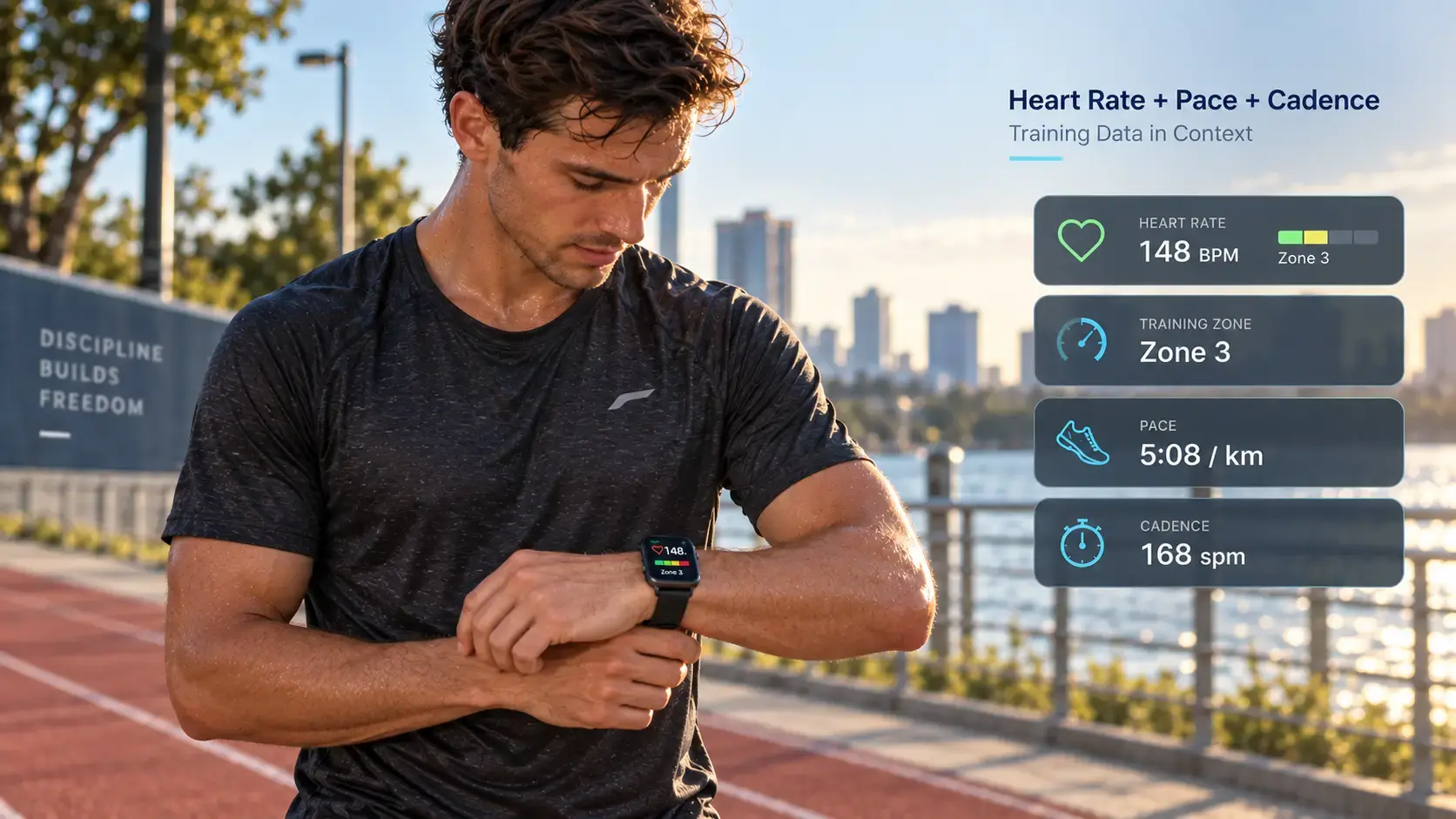
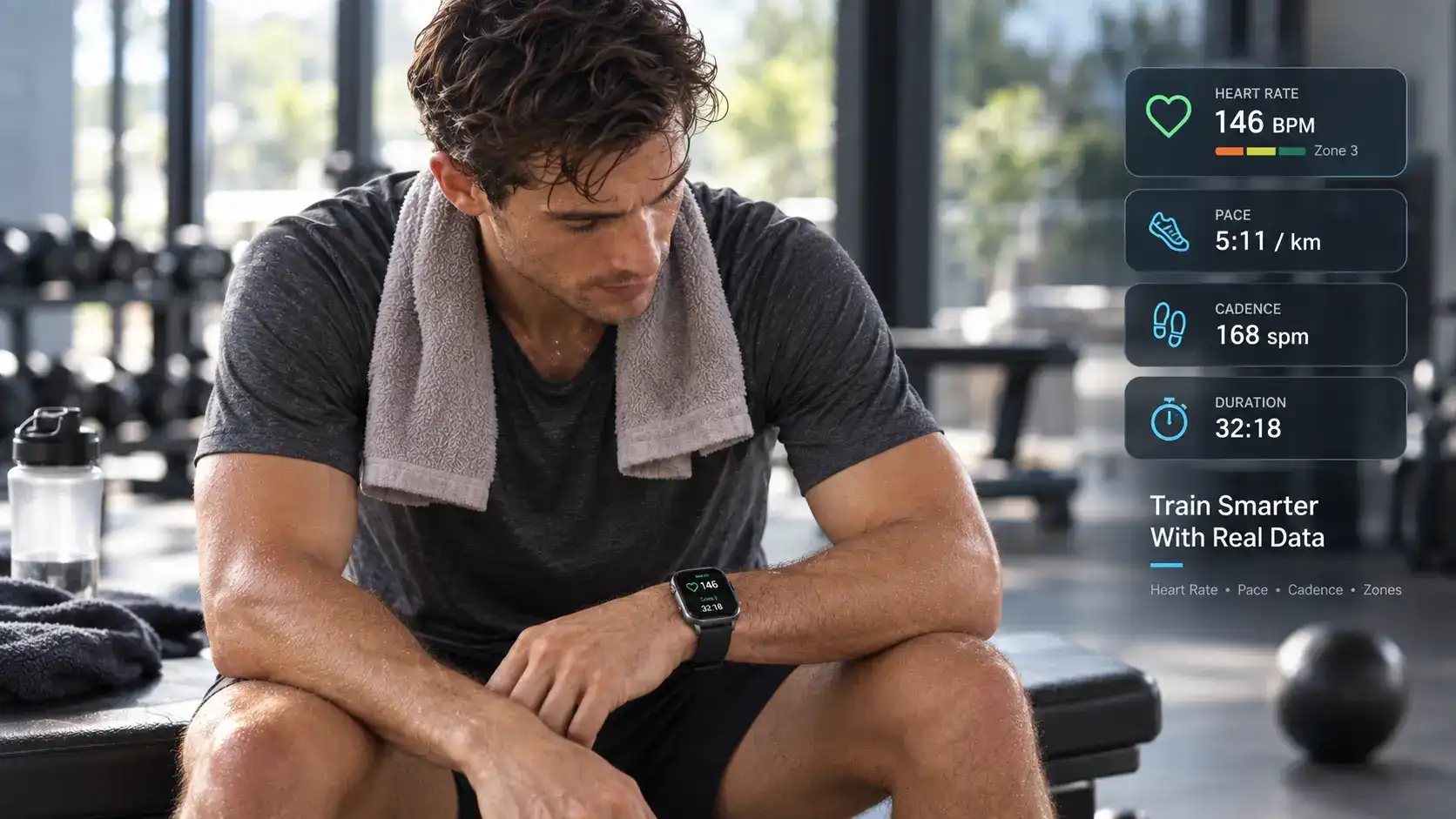
- Zone-based training guidance: Real-time heart rate zone input lets athletes train at exact energy levels—Zone 2 for building an aerobic base and Zone 4 for lactate threshold work—without having to guess. This feature is very useful for running coaches and people who ride bikes.
- VO₂ Max estimation: VO₂ Max figures are based on pace and heart rate readings and show how endurance athletes' cardiovascular fitness changes over time. Accuracy depends on how well the GPS is integrated and how well the idle heart rate is tracked.
- Pace and cadence tracking: Paired with heart rate, cadence data (steps per minute) helps runners find patterns of overstriding that can cause injury. Devices that offer this mix have more loyal customers who buy them again and again.
- Battery life sustainability: A battery cycle that lasts 5–10 days with continuous heart rate tracking turned on is the realistic minimum for daily wear. People quickly lose faith in devices that drain in two days.
These benefits can be turned into real business value. When distributors keep these products in stock, they get fewer returns, longer reorder cycles, and better shelf performance in both stores and online.
Comparing Accurate Heart Rate Smartwatches: Making an Informed Decision
There is a huge range of prices for smartwatches, from cheap ones that cost less than $50 to high-end ones that cost $500 or more. For business-to-business purchases, the best feature-to-cost ratios can be found between $80 and $200.
Smartwatch vs. Chest Strap: What the Data Shows
When it comes to raw ECG accuracy, chest strap monitors like the Polar H10 are still the best. Smartwatches, on the other hand, have tightened the gap a lot. Optical smartwatches now offer widely acceptable accuracy for training that doesn't involve sprint cycles or extreme motion. They also have usability benefits that chest straps can't, like GPS, sleep tracking, alerts, and being comfortable to wear every day.
Brand Landscape and Procurement Positioning
When it comes to GPS-driven endurance sports features, Garmin is the leader, especially for cycling and triathlon. Apple Watch is the leader in the high-end urban fitness market thanks to how stickily its ecosystem is built. Strong health tracking packages from Samsung and Fitbit are aimed at middle-class customers. Huawei is very competitive when it comes to battery life and the number of sensors it has.
For OEM and private label clients, this is a clear message: instead of going up against these well-known brands directly, the chance is to fill a niche that these big brands leave open, like runner-specific devices with clinical-grade zone training and longer battery life.
Procurement Insights for B2B Clients and Distributors
Smart buying for a heart monitor running watch is more than just negotiating prices. Product sourcing choices have an immediate effect on customer happiness, return rates, and the long-term value of an Amazon seller's, Shopify brand's, or bulk distributor's brand.
Vendor Evaluation Criteria That Reduce Risk
When looking for a smartwatch provider, these traits always help you tell the difference between reliable and bad ones:
- Quality certifications, such as IEC 62133 (battery safety) and ISO 10993 (biocompatibility)
- Dynamic heart rate accuracy tests compared to ECG chest strap standards
- IP67 or higher water protection confirmed by tests in a pressure chamber
- Fitzpatrick skin tone PPG approval for a wide range of user profiles
- MOQ structures that are flexible enough to let test orders happen before committing to bulk
Once these factors have been confirmed, procurement teams should also ask for data on batch consistency. One of the worst problems in the supply chain for consumer electronics is that quality can vary from one production run to the next. One bad batch can wipe out months of good reviews.
Future Trends and Performance Optimization in Heart Rate Smartwatch Technology
AI and machine learning are changing what heart rate monitors can do all the time. Next-generation devices don't just record pulse data; they also look at HRV (heart rate variability) patterns over weeks to predict the risk of overtraining, suggest recovery windows, and change the training load on the fly. Several makers are already putting in place on-device inference models that can process biometric data without using the cloud. This is a big plus for healthcare and business deployments that care a lot about privacy.
B2B Applications Beyond Individual Fitness
Heart rate monitors are becoming more useful for businesses than just personal training. Smartwatches are now widely used by corporate wellness programs to track employees' levels of exercise and stress biomarkers. This data is then sent anonymously to workplace health platforms. Wearable data is used by community health services to help with preventive care. Insurance companies are testing payment models that are linked to biometrics and reward people who are shown to be healthy.
For business-to-business buyers, these new areas offer big sales chances. As long as it meets the standards for data security and accuracy needed by these applications, a device that works well as a consumer fitness tracker can also be used as the hardware layer in a managed wellness ecosystem.
Conclusion
Accurate heart rate smartwatch devices are one of the most commercially viable types of wearable tech right now because they combine sensor technology, AI-driven analytics, and more B2B use cases. Accurate and accurate pulse tracking is no longer a high-end selling point; it's what customers expect. It is expected that sellers and distributors will find goods with stable quality, a lot of features, and reasonable prices. These companies will be able to keep their market positions as the field grows.
FAQ
1. What makes a smartwatch heart rate monitor accurate during workouts?
How accurate it is during exercise varies based on the optical sensor, the motion compensation method, and where the wrist is placed. When it comes to high-intensity periods, devices with 6-axis accelerometers that filter out motion artifacts work much better than those with basic 3-axis systems.
2. Is IP67 water resistance sufficient for runner-focused smartwatches?
With IP67, your device is safe from sweat, rain, and immersion in water up to 1 meter for 30 minutes. It's good enough for most racing situations, but open-water swimsuits should look for ratings of 5ATM or higher.
3. How should B2B buyers evaluate heart rate accuracy before placing bulk orders?
Ask for dynamic precision testing data that compares the device to a standard ECG chest strap across a number of different BPM bands. As part of their quality control reports, reputable suppliers give this information.
4. Can these devices support corporate wellness or community health programs?
Yes, devices that have stable BLE 5.0 connectivity and open API data export can work with other health management platforms. This means that they can be used for large-scale organizational wellness programs.
Partner With Xizhou — Your Reliable, Accurate Heart Rate Smartwatch Manufacturer
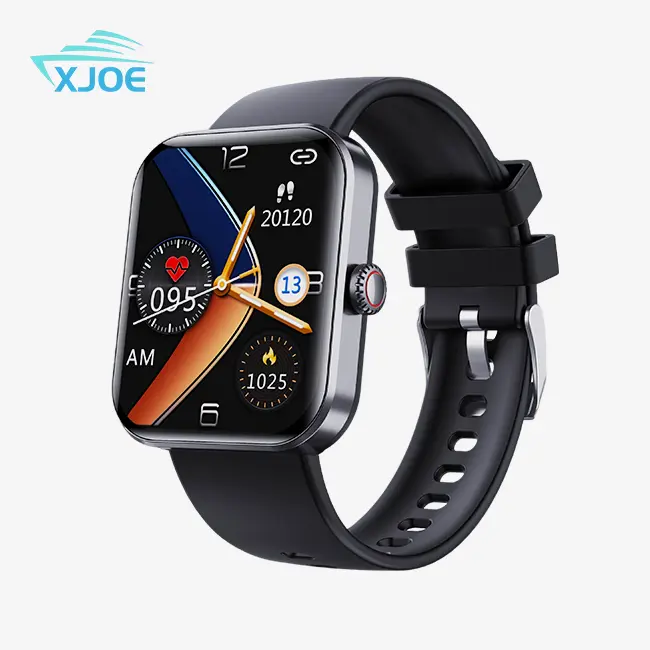
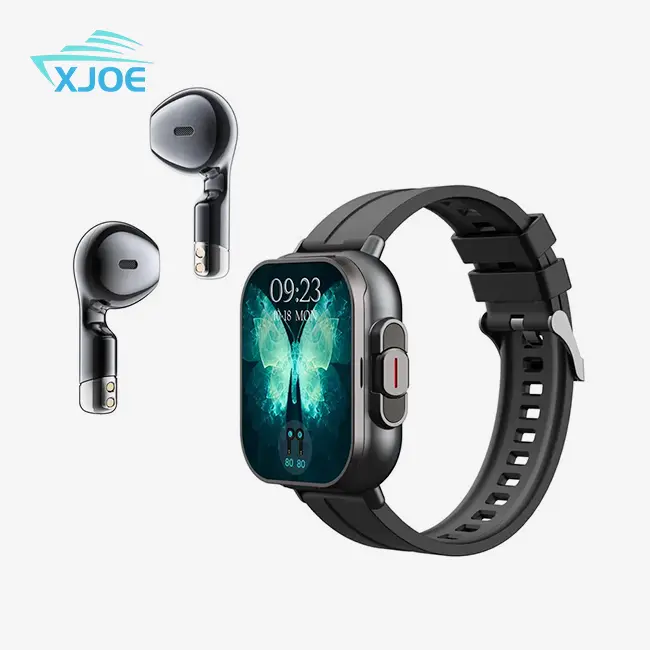
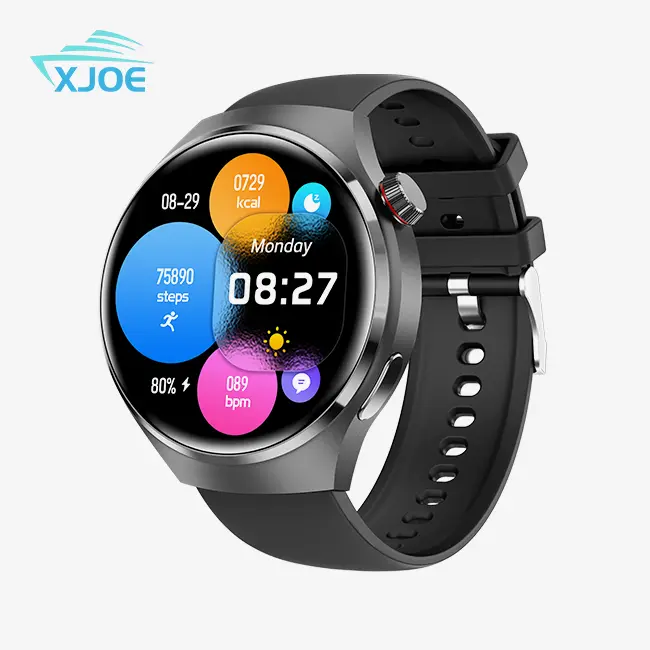
Xizhou makes smart wearables that are on-trend and made for the performance market today. Our accurate heart rate smartwatch is designed for runners and has a 5–10 day battery, an IP67 rating for durability, high-precision optical heart rate monitoring, VO₂ Max predictions, pace and cadence tracking, and an IP67 rating for durability. It comes in a lightweight metal case with a comfortable silicone strap. We offer OEM customization, a variable MOQ, GMP-certified production, and fast shipping around the world. Let's talk about how we can power your next line of products: 13266508958@163.com.
References
1. Bent, B., et al. — npj Digital Medicine, 2020
2. Gillinov, S., et al. — Journal of Orthopaedic & Sports Physical Therapy, 2017
3. Stahl, S. E., et al. — Journal of Medical Internet Research, 2016
4. Evenson, K. R., et al. — Journal of Science and Medicine in Sport, 2015
5. Shcherbina, A., et al. — Journal of Personalized Medicine, 2017
6. Düking, P., et al. — Sports Medicine Open, 2018