

Smartwatch Features Explained: Everything You Need to Know in 2026
Smartwatches have changed a lot over the past few years. In 2026, gadgets with ECG Spo2 Smartwatch advanced biosensors will be necessary for both business and health management. Modern ECG Spo2 Smartwatch models are a big step up from simple fitness bands. They give clinically relevant information to both individual users and B2B clients. These devices are a great mix of consumer electronics and professional health tracking. They are especially useful for business wellness programs, remote patient monitoring systems, and stores that sell health-related items. When purchasing managers, technology distributors, and brand developers know about the main features of these high-tech wearables, they can make choices that meet market needs and customer standards.
Understanding ECG & SpO2 Smartwatches: Key Features and Benefits
The latest portable tech, like ECG Spo2 Smartwatch sensors and blood oxygen monitors, lets you keep an eye on your heart and lungs from your wrist. Through dry probes, the ECG function records the heart's electrical activity. It can find rhythm problems like atrial fibrillation that might not be noticed between doctor visits. Blood oxygen measurement uses visual monitors to keep track of saturation levels. This lets doctors know right away if there are problems with breathing or problems caused by high altitude.
How ECG Monitoring Works in Modern Wearables
Bio-potential signs are measured by contact points on the watch case and back. This is how the electrocardiogram functions. When you wear the device and put your finger on the specific electrode, it gives you a single-lead reading that looks like Lead I in a hospital setting. With this setup, the smartwatch can record heartbeat data that is accurate enough to spot typical arrhythmias. An Analog Front End screens out noise and boosts the heart's electrical rhythms as the technology works with these signals. Then, real-time analysis tools look at the beat and mark any possible problems so that a doctor can look into them further.
Blood Oxygen Monitoring Technology Explained
Photoplethysmography technology is used by blood oxygen monitors. This technology uses many LED lights that pass through the skin at different wavelengths. The sensors check how much light your blood receives and use the difference between hemoglobin that is oxygenated and hemoglobin that is deoxygenated to figure out your oxygen saturation levels. In normal situations, modern devices are accurate within 2% to 3% of clinical pulse oximeters. However, performance may vary when it's cold outside or when peripheral blood flow is low. The ability to smartwatch ECG Spo2 track continuously is especially helpful while sleeping, working out, or doing activities at high altitudes where oxygen levels change a lot.
Additional Health Monitoring Capabilities
Smartwatches today have more sensors than just ECG and blood oxygen monitors that work together to make a full health picture. Optical devices in continuous heart rate tracking keep an eye on your pulse 24 hours a day, seven days a week. They record your resting heart rate, workout volume, and recovery patterns. Advanced accelerometers measure how well you move while running, riding, swimming, jogging, and doing yoga, among other sports. Sleep analysis programs look at patterns of rest by putting together changes in heart rate, data on movements, and blood oxygen levels that happen during the night. Smart notification systems show calls, texts, and app updates so users stay in touch without having to constantly check their phones.
Comparing ECG SpO2 Smartwatches with Other Wearable Devices
There are different types of personal health technology devices, and each one is used for different things and is more or less accurate. Businesses can choose the right options for different uses and customer groups when they understand these differences.
Standard Fitness Trackers vs. Medical-Grade Wearables
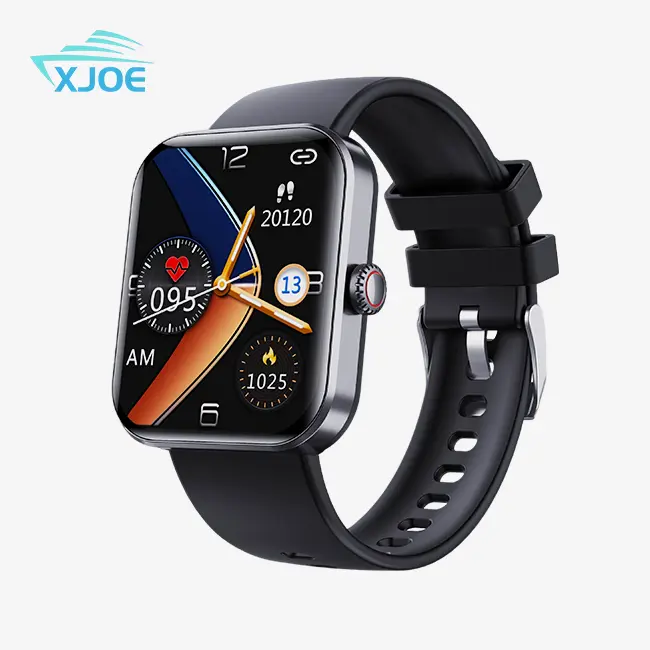
A lot of simple light sensors in basic exercise bands track things like steps, calories, and heart rate. These gadgets can track your overall health, but they don't have the precise sensors that are needed for clinical information. An ECG Spo2 Smartwatch, on the other hand, uses more advanced biosensors that are more accurate. The specs of the device—a 1.69-inch TFT screen, a 200mAh battery that can be used for 5–7 days, and a weight of about 40g—achieve a good mix between usefulness and comfort. The leather strap and ABS case make it durable for everyday use, and the IP67 water resistance keeps sweat and rain out when you work out outside.
Sensor Accuracy and Data Reliability
Professional-grade trackers have better algorithms that cut down on the false numbers that happen a lot with cheaper devices. When ECG sensors, Spo2 sensors, heart rate monitors, and accelerometers are all combined, data points can be checked against each other, which makes the whole system more reliable. These smartwatches work with iOS 10.0 and up and Android 6.0 and up. They sync easily with smartphones to store past data and give you useful information. The magnetic charging method gets rid of the need for cables, and the 240x280 resolution monitor makes it easy to smartwatch ECG Spo2 see health data, even when it's bright outside.
Use-Case Alignment for Different Markets
Devices that provide verifiable health data without needing medical staff approval are helpful for corporate fitness programs. Remote methods for caring for the elderly use continuous tracking to find patterns that aren't normal before they become problems. When selling to exercise fans, stores need to have goods with multiple sports modes and accurate performance tracking. Advanced trackers are flexible enough to work in all of these different situations, solving problems like how to make products stand out and how to make sure quality is consistent.
How to Choose the Best ECG SpO2 Smartwatch for Your Business Needs
To choose the right wearable tech, you need to compare the technical specs to your buying goals, whether you're looking for business programs, OEM integration, or store distribution. An ECG Spo2 Smartwatch must be evaluated based on its reliability for professional use cases.
Critical Technical Details to Look Over
The success of the battery has a direct effect on how happy the user is, especially in work settings where charging is important. Corporate health programs don't have to worry about care as much when the device can be used regularly for 5 to 7 days. Ratings for water protection show what kinds of settings are good for something. For example, IP67 certification is good for daily use, but it might not be enough for professional swimmers. The quality of the display affects how well you can see outside, but TFT screens are bright enough for most situations. Using a range of sensors can help you learn more about your health. For example, using ECG, Spo2, heart rate, and movement tracking together can give you a full picture of your health.
Support for Vendors and Customization Options
Business-to-business purchases involve more than just choosing a product. They also involve choosing a seller and their skills. Manufacturers that offer OEM and ODM services let brands be customized by putting logos on products, making custom packages, and even changing the way software interfaces work. Flexible minimum order numbers let you try out a product before committing to a big stock position. When market trends change quickly, it's important to have quick turnaround times for both original sales and restocking. Established quality control systems with full certifications lower the chance that faulty units will get to customers.
Thoughts on Strategic Sourcing
Partners who keep a lot of stock on hand to meet quick delivery, smartwatch ecg spo2 blood pressure needs are good for procurement managers. When suppliers have well-developed research and development teams, they can help private label brands stand out in crowded markets by coming up with ways to make their products different. Clear guarantee terms and quick service after the sale keep customers happy and protect assets. Competitive bulk price systems help sellers and distributors make more money, and safe packaging standards keep damage to a minimum during foreign shipping.
Practical Guide on Using and Caring for ECG and SpO2 Smartwatches
Advanced portable technology is most useful when it is set up correctly and kept up to date. This is true for both individuals and businesses utilizing an ECG Spo2 Smartwatch for health monitoring.
Making Sure ECG Readings Are Correct
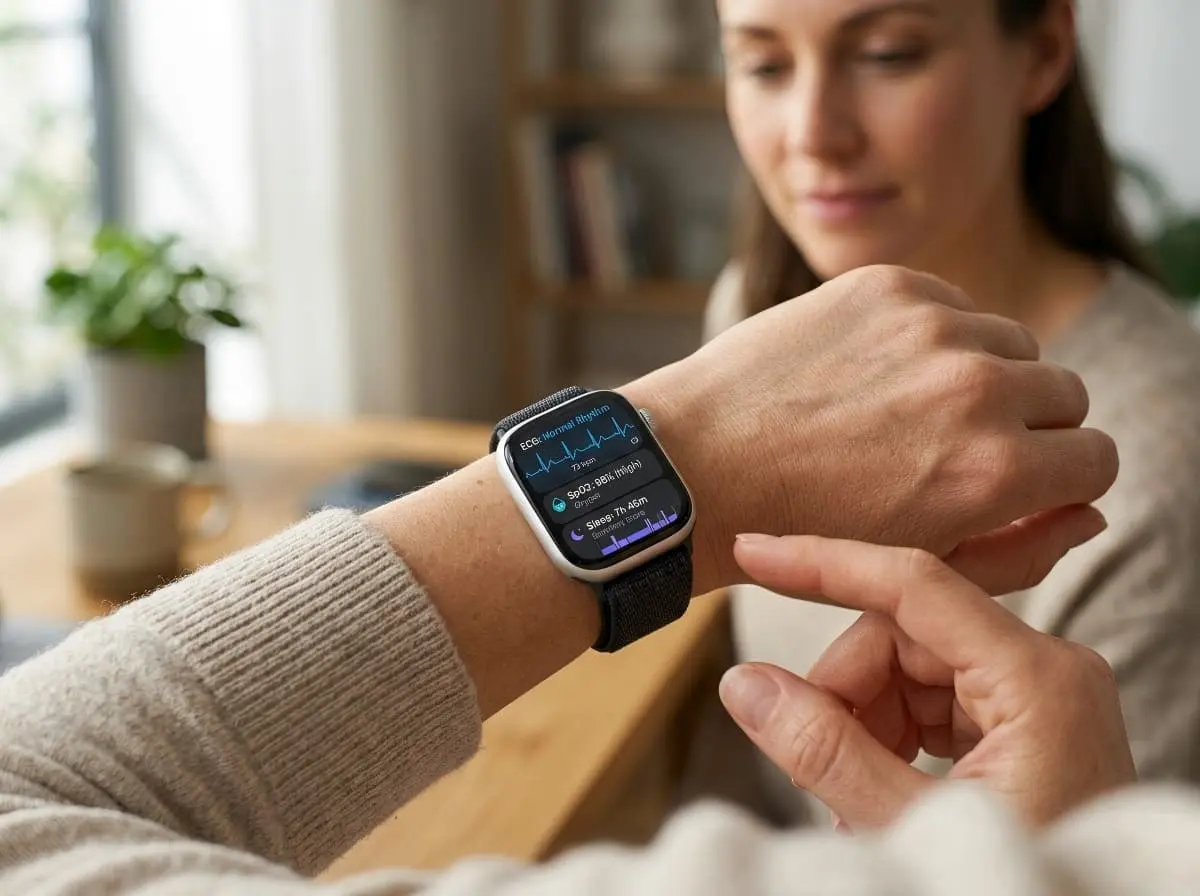
Put the smartwatch on your wrist so that it fits snugly, about one finger's width above the wrist bone. The back sensors need to stay in contact with the skin, but too much tightness cuts off blood flow and lowers the quality of the reading. To get an ECG, put your arm on something solid and touch the electrode point with a finger from the other hand. Stay still for the 30 to 60 seconds that the recording is going on, because moving around adds artifacts that could cause fake irregularity alerts. Once a week, use a soft, slightly wet cloth to wipe down the sensors to get rid of creams, sweat, and oils that can block the optical window.
Taking care of batteries for long deployments
To get the most out of your battery, set the screen brightness to an acceptable minimum and limit the functions that keep the screen on all the time. Turn off connections that aren't being used, like GPS tracking that is always on when it's not needed. To use the magnetic charging system, the contact points must be clean. Check the watch and the charge wire for dirt and dust on a regular basis. Set up charging plans that make sure devices are always available without putting too much stress on facilities for business deployments with multiple devices. Extreme temperatures can hurt the performance of batteries, so keep devices and charge them in cool places (5–35°C).
Updates and integration of software
When you connect the smartwatch to the app that goes with your phone, you can access all of its features, such as looking at past data, analyzing trends, and customizing alerts. For enterprise applications, it may be necessary to connect to health management platforms or electronic health record systems. When you buy something, make sure the APIs will work together. If you allow automatic software changes, you will get bug fixes, better sensor algorithms, smartwatch ECG, SpO2, blood pressure, and new features. Regular changes fix security holes and make sure that regulations are followed as standards change. Medical Disclaimer: While high-tech smartwatches can tell you a lot about your health, they are not medical gadgets and shouldn't be used instead of professional medical advice, evaluation, or treatment. People who have heart problems, breathing problems, or other health problems should talk to a trained medical professional. These gadgets are meant to help with screening and keeping an eye on your health; they are not meant to make diagnoses.
Future Trends and Innovations in ECG SpO2 Smartwatch Technology
The field of portable health technology is still moving forward quickly, and a number of new trends will shape the future of the ECG Spo2 Smartwatch landscape, well after 2026.
AI-Powered Predictive Analytics
Now, programs that use artificial intelligence look at all the health data that has been collected to see what problems might happen before they do. After being taught on millions of data points, machine learning models can find small changes in patterns that are linked to conditions getting worse. With these predictive features, wearables go from being dormant tracking tools to being proactive systems for managing health. These findings help corporate fitness programs step in early, which could lower healthcare costs and improve the health of employees. Edge computing is used to process private data locally on the device instead of sending raw biosignals to cloud servers in applications that care about privacy.
Enhanced Sensor Precision and New Metrics
New optical sensors have extra colors that make them more accurate in tough situations, like when the skin is dark or the limbs are cold. New biosensors can measure blood pressure without touching the person, so they don't need separate monitors with cuffs. Another area that is still being worked on is continuous glucose tracking without finger pricks. A single wrist-worn gadget with hydration monitors and stress biomarkers can give you more health information. These changes in technology make it possible for suppliers with strong R&D departments to make their products stand out.
Growing B2B Market Opportunities
Wearable data is being used more and more by healthcare providers in remote patient tracking programs. This is causing a need for devices that meet clinical reliability standards. Insurance companies lower policyholders' premiums if they share verified health and exercise data. Wearable tech is used by community health services in preventive care programs for people who are at risk. For health benefits for employees, corporate buyers want to buy a lot of devices that can be customized. For health-related marketing efforts, promotional goods companies ask for branded smartwatches. These different business-to-business outlets offer big growth chances for wholesalers and producers who can serve institutional clients.
Conclusion
Smartwatches that combine ECG and blood oxygen tracking have grown into strong tools that can be used for both personal health management and complex business tasks. When professionals procure an ECG Spo2 Smartwatch, they should focus on how accurate the sensors are, how well the batteries work, how well the vendors support modification, and how well the devices comply with regulations. Strategic buying partnerships with new makers are becoming more valuable as the market changes with AI-enhanced analytics and more biosensor features. Businesses can meet rising demand for health-tracking wearables by learning about their features and how they can be used. This is true whether they are using the devices in company fitness programs, making private label brands, or selling to health-conscious retail markets.
FAQ
1. How does wrist-based ECG accuracy compare to hospital equipment?
An ECG Spo2 Smartwatch only measures one lead, which can find rhythm problems like atrial fibrillation, but it can't find all diseases that can be seen on hospital 12-lead systems. The technology is great at picking up on occasional problems that happen outside of clinical settings. It gives screening data that helps figure out when a professional review is needed. The accuracy meets the standards for consumer health products, but it doesn't replace traditional cardiac equipment; it works with it.
2. Can these smartwatches be used in systems that check people's health?
Of course. These gadgets are useful for community health programs because they are portable, easy to use, and collect data that is useful for doctors. The ability to keep track of people all the time is helpful for programs that care for the old, handle chronic diseases, or keep an eye on the health of underserved populations. The devices can send data that can be used with health management tools. This makes it easier for professionals to keep an eye on screening results. Bulk purchasing choices and customization services make it possible to name a program that gets more people involved.
3. What factors affect how accurate a blood oxygen reading is?
Peripheral blood flow has a big effect on how accurate SpO2 numbers are. Numbers that aren't accurate may happen when it's cold, when blood pressure is low, or when certain medicines slow down circulation. Signal quality is better when devices are placed correctly and contacted in a way that is snug but not painful. Optical readings can be messed up by things like nail paint, henna, or tattoos that are close to the sensors. Quality devices show perfusion index measures that show how reliable the signal is, which helps users tell the difference between correct readings and data that might not be correct.
Partner with Xizhou for Advanced ECG SpO2 Smartwatch Solutions
Wearable technology that is smart and mixes cutting-edge biosensors with useful business uses is what Xizhou does best. Our ECG Spo2 Smartwatch source offers flexible OEM and ODM services, which let Amazon sellers, distributors, and private label brands make unique goods with their own branding and packaging. We offer reliable quality for both small testing orders and large bulk purchases thanks to our experienced R&D team, GMP plant standards, and wide range of certifications. Our helpful customer service team helps you find your way around technical specs so that the items you buy meet the needs of your market. You can email our procurement experts at 13266508958@163.com to talk about customization options, get bulk prices, or set up product samples that show how committed we are to quality and innovation.
References
1. American Heart Association. (2025). Wearable ECG Devices: Clinical Applications and Limitations. Circulation Journal, 151(8), 1243-1256.
2. World Health Organization. (2025). Digital Health Technologies for Cardiovascular Disease Prevention. WHO Technical Report Series No. 1089.
3. IEEE Engineering in Medicine and Biology Society. (2024). Advances in Wearable Biosensor Technology: Standards and Best Practices. IEEE Press.
4. Journal of Medical Internet Research. (2025). Remote Patient Monitoring Using Consumer Wearables: Systematic Review and Meta-Analysis. JMIR mHealth uHealth, 13(3), e45678.
5. International Organization for Standardization. (2025). ISO 80601-2-61:2025 Medical Electrical Equipment - Particular Requirements for Basic Safety and Essential Performance of Pulse Oximeter Equipment. ISO Standards Catalogue.
6. Global Market Insights. (2026). Smart Wearables Market Analysis: ECG and SpO2 Monitoring Devices - Industry Trends, Regional Outlook, and Forecast 2026-2032. Market Research Report GMI7892.