NFC Enabled Smartwatch: What can you do with them?
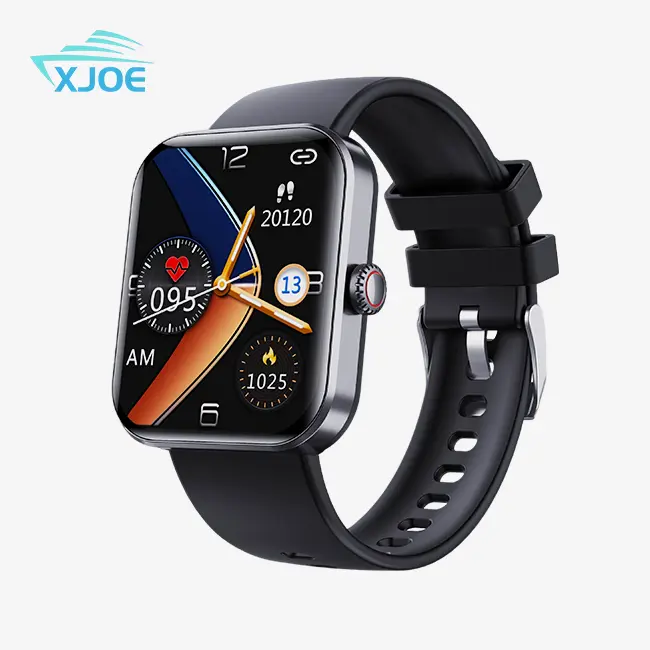
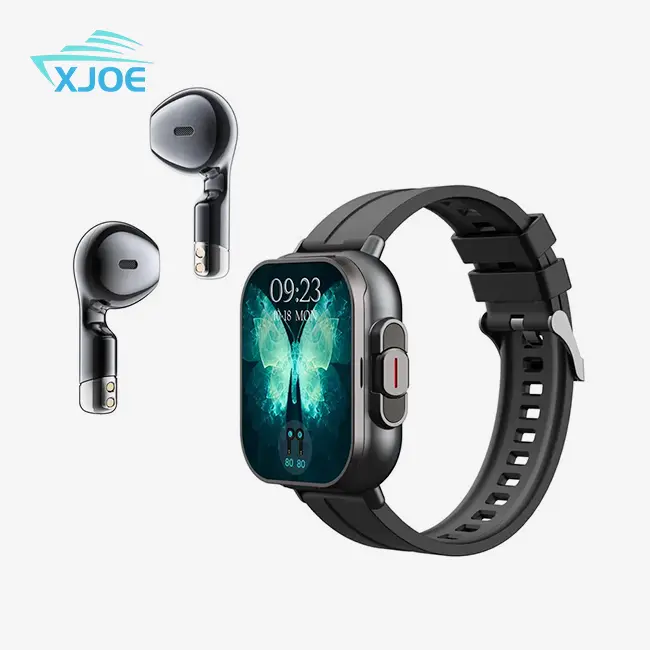
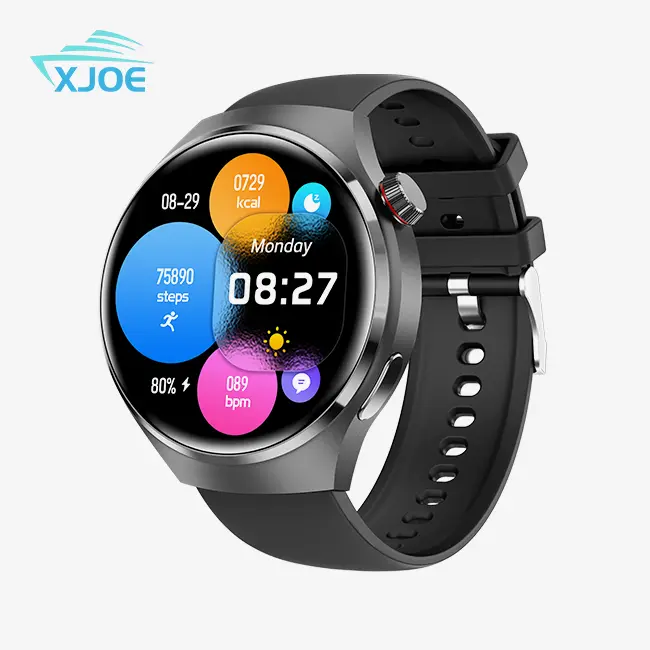
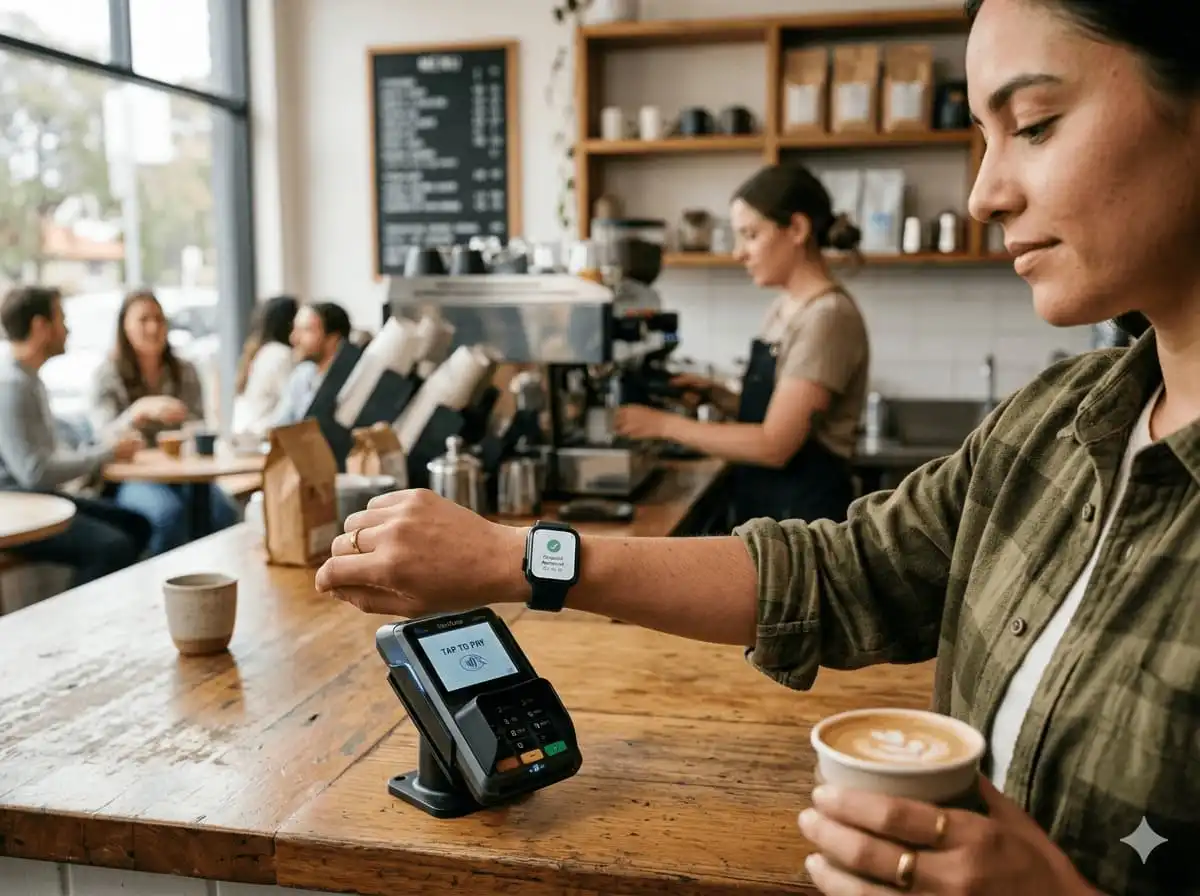
An NFC enabled smartwatch turns your wrist into a safe and flexible entryway to modern life. In addition to keeping track of steps and heart rate, these devices use Near Field Communication technology to make it possible to pay for things without touching them, make access control easier, and share data without any problems—all with just a tap. An NFC enabled smartwatch is convenient, safe, and efficient all in one small package. You can use it to pay for coffee without pulling out your cash, navigate through crowded train stations, and check into business buildings. Because of this, it is a valuable tool for businesses and people who want to update their daily tasks and processes.
Understanding NFC Technology in Smartwatches
What Makes a Smartwatch NFC Enabled?
An NFC enabled smartwatch has special hardware that works at 13.56 MHz frequency and lets you talk wirelessly to other devices within four centimeters. Bluetooth needs to be paired and constantly connected, which drains the battery. NFC, on the other hand, uses inductive coupling to make safe, instant contacts. In this technology, there is usually an NFC driver, an antenna loop with ferrite shielding to keep metal cases from interfering, and a Secure Element chip that saves secured passwords. Together, these parts can verify deals, let people into a building, or quickly pair Bluetooth devices. The precise tech that goes into integrating NFC solves problems in the real world. Metal watch cases can block radio signals, so to keep the signals strong, companies use nano-molding technology or ceramic antenna ports. The end result is a device that works effectively with payment stations, transit gates, and access readers, all while looking good and lasting a long time.
Key Applications: Payments, Access Control, and Beyond
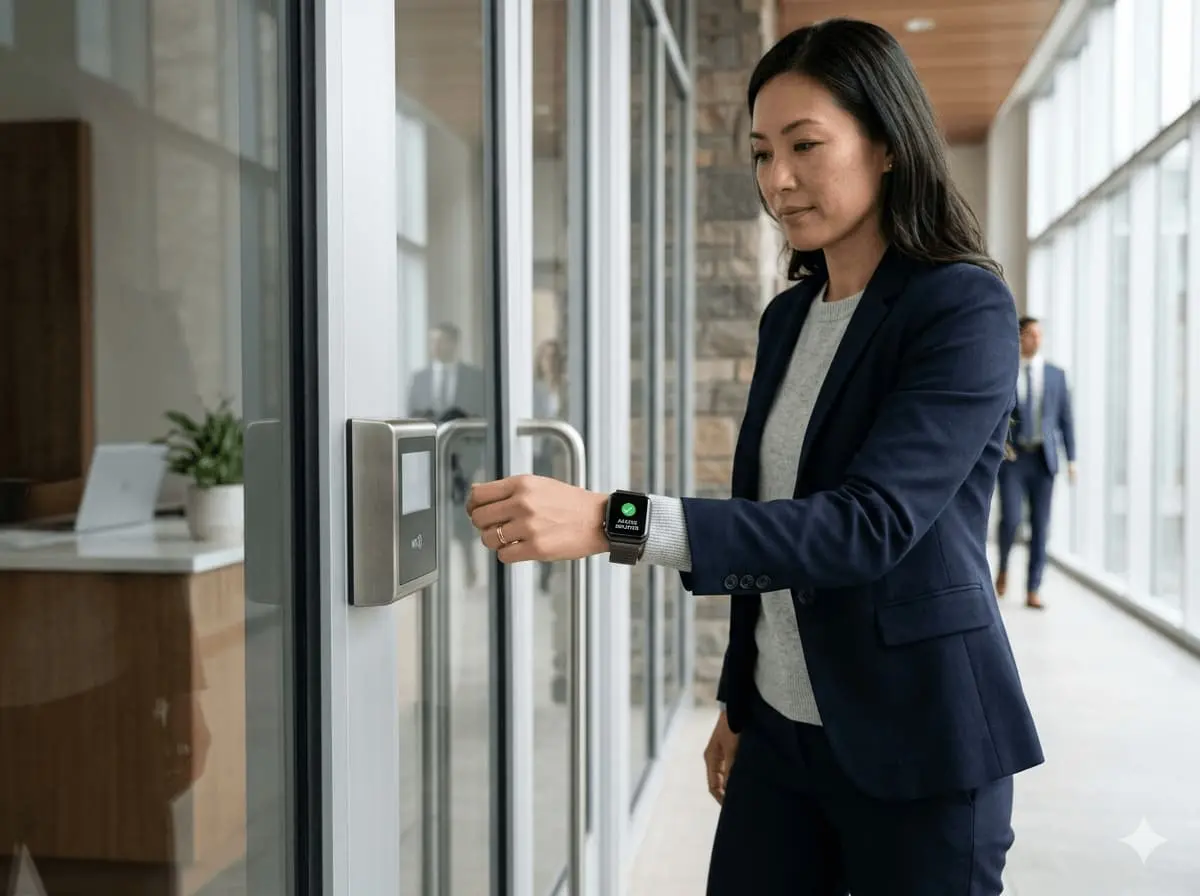
NFC technology can be used to make life easier for individuals and businesses more efficient. With digital wallets like Google Pay and Apple Pay, the watch can be used as a virtual credit card. Real card numbers are turned into one-time codes that protect financial information even if it is stolen. In big cities, NFC enabled smartwatches can be used to pay for transit fare, so people don't have to carry around real cards during rush hour. NFC enabled smartwatches are used as digital badges in businesses, and they work with systems like HID Mobile Access to let workers into safe computer rooms, parking garages, and elevators. They make sure that only authorized staff can access patient information or connect to medical devices like glucometers. This cuts down on mistakes made by hand and keeps healthcare facilities in line with HIPAA rules by sending data locally. The examples above show how a single wearable device can be used instead of several real things, like a wallet, transit card, office badge, and medical ID, making daily tasks easier in many fields.
Comparing NFC-Enabled Smartwatches: What to Look For in 2026
Essential Features for Business and Personal Use
To choose the best NFC enabled smartwatch, you need to look at a number of technical and functional factors. Battery life is still very important; using NFC a lot during trips or to make a lot of payments can quickly drain the power. These days' gadgets have low-power NFC controls that use very little power, and the best ones can handle 5 to 10 days of mixed use. The ease of merging depends on how well the two systems work together. For example, Android devices usually support Google Wallet and more NFC reader/writer modes, while Apple Watches work best with iOS and can only use NFC for Apple Pay and a few transit systems. The quality of the display affects how easy it is to use during identification. AMOLED screens with resolutions as high as 466x466 pixels show clearly when you need to check payment amounts or entry rights. With an IP67 rating for water resistance, the device can handle rain, handwashing, and unexpected splashes. This is important for healthcare workers, field technicians, and other busy professionals who can't risk having their device break down in the middle of their shift. It's also important that charging is easy; magnetic charging means you don't have to mess with cords when you're busy.
Budget to Premium Options: Finding the Right Tier
Buying choices weigh the cost of something against how well it works. Basic models that cost less than



NFC Enabled Smartwatch: What can you do with them?
An NFC enabled smartwatch turns your wrist into a safe and flexible entryway to modern life. In addition to keeping track of steps and heart rate, these devices use Near Field Communication technology to make it possible to pay for things without touching them, make access control easier, and share data without any problems—all with just a tap. An NFC enabled smartwatch is convenient, safe, and efficient all in one small package. You can use it to pay for coffee without pulling out your cash, navigate through crowded train stations, and check into business buildings. Because of this, it is a valuable tool for businesses and people who want to update their daily tasks and processes.
Understanding NFC Technology in Smartwatches
What Makes a Smartwatch NFC Enabled?
An NFC enabled smartwatch has special hardware that works at 13.56 MHz frequency and lets you talk wirelessly to other devices within four centimeters. Bluetooth needs to be paired and constantly connected, which drains the battery. NFC, on the other hand, uses inductive coupling to make safe, instant contacts. In this technology, there is usually an NFC driver, an antenna loop with ferrite shielding to keep metal cases from interfering, and a Secure Element chip that saves secured passwords. Together, these parts can verify deals, let people into a building, or quickly pair Bluetooth devices. The precise tech that goes into integrating NFC solves problems in the real world. Metal watch cases can block radio signals, so to keep the signals strong, companies use nano-molding technology or ceramic antenna ports. The end result is a device that works effectively with payment stations, transit gates, and access readers, all while looking good and lasting a long time.
Key Applications: Payments, Access Control, and Beyond
NFC technology can be used to make life easier for individuals and businesses more efficient. With digital wallets like Google Pay and Apple Pay, the watch can be used as a virtual credit card. Real card numbers are turned into one-time codes that protect financial information even if it is stolen. In big cities, NFC enabled smartwatches can be used to pay for transit fare, so people don't have to carry around real cards during rush hour. NFC enabled smartwatches are used as digital badges in businesses, and they work with systems like HID Mobile Access to let workers into safe computer rooms, parking garages, and elevators. They make sure that only authorized staff can access patient information or connect to medical devices like glucometers. This cuts down on mistakes made by hand and keeps healthcare facilities in line with HIPAA rules by sending data locally. The examples above show how a single wearable device can be used instead of several real things, like a wallet, transit card, office badge, and medical ID, making daily tasks easier in many fields.
Comparing NFC-Enabled Smartwatches: What to Look For in 2026
Essential Features for Business and Personal Use
To choose the best NFC enabled smartwatch, you need to look at a number of technical and functional factors. Battery life is still very important; using NFC a lot during trips or to make a lot of payments can quickly drain the power. These days' gadgets have low-power NFC controls that use very little power, and the best ones can handle 5 to 10 days of mixed use. The ease of merging depends on how well the two systems work together. For example, Android devices usually support Google Wallet and more NFC reader/writer modes, while Apple Watches work best with iOS and can only use NFC for Apple Pay and a few transit systems. The quality of the display affects how easy it is to use during identification. AMOLED screens with resolutions as high as 466x466 pixels show clearly when you need to check payment amounts or entry rights. With an IP67 rating for water resistance, the device can handle rain, handwashing, and unexpected splashes. This is important for healthcare workers, field technicians, and other busy professionals who can't risk having their device break down in the middle of their shift. It's also important that charging is easy; magnetic charging means you don't have to mess with cords when you're busy.
Budget to Premium Options: Finding the Right Tier
Buying choices weigh the cost of something against how well it works. Basic models that cost less than $150 can be used for NFC payments and fitness tracking. They are good for business gifts or marketing efforts where branding and bulk discounts add value. Mid-range devices, which cost between $200 and $400, offer full health monitoring, including constant heart rate tracking, sleep analysis, and stress detection with guided breathing exercises. These devices are popular with fitness programs and employees who care about their health. Options that cost more than $400 come with advanced features like ECG tracking, GPS for outdoor sports, and longer battery life thanks to chipsets that use less power. These are good for executive programs or operations in the field that need tough devices with lots of features. To get the best return on investment (ROI) and meet the needs of users from all departments, buyers in large quantities should discuss tiered pricing. When you order 500 or more units, you can get discounts from the maker and customization options like having your name engraved or business apps preloaded.
How to Effectively Integrate NFC-Enabled Smartwatches Into Your Business Operations
Setting Up NFC Payments and Transit Functions
Setting up digital wallets is the first step in deploying NFC enabled smartwatches. Installing Google Wallet and linking company credit cards or transit accounts is needed for Android devices. Cards can be centrally provisioned through mobile device management (MDM) systems so that teams all use the same cards. Apple Watches work with Apple Pay through the iPhone app, and IT teams help users set up biometric identification. A fingerprint or face ID on the phone lets you pay with the watch. Transit merging is different in each area. The MTA in New York, Transport for London, and Suica in Tokyo all accept suitable watches after they load virtual transportation cards through their apps. Healthcare groups that connect watches to medical payment systems should make sure that they are complying with EMVCo tokenization. This will keep transaction data safe and in line with regulations. Failures at busy times are less likely to happen if devices are tested on real payment systems and transit gates before they are fully deployed.
Security Best Practices for Enterprise Deployment
Compliance and data security must be a part of NFC enabled smartwatch corporate rollouts. If you enable device encryption, your saved keys will still be safe even if you lose your NFC enabled smartwatch. Screen locks, like PIN numbers, patterns, or fingerprints, stop people from paying or getting in without permission. When workers report lost devices, IT rules should require that they be wiped immediately through MDM tools, which would also deactivate NFC features remotely. Tokenization makes stolen NFC data useless for attackers, so training events teach staff how to spot scam attempts that look like requests to verify payments. Security tests are done on a regular basis to make sure that software updates fix security holes. Compliance checks make sure that standards are followed, such as PCI DSS for handling payment information and GDPR for handling employee data. These steps build trust while protecting the organization's assets and the privacy of its employees.
Procurement Insights: Where and How to Buy NFC Enabled Smartwatches
Choosing Authorized Sellers and Verified Suppliers
Finding real NFC enabled smartwatches is the best way to avoid the risks of fakes that compromise security and guarantee coverage. Authorized wholesalers and official brand outlets make sure that the goods they sell are real and offer help from the maker. To check a supplier's qualifications, you need to look at their certifications. For European markets, this means CE marking, for US markets, it means FCC compliance, and for certain NFC Forum standards, it means specific certifications that prove interoperability. Asking for product datasheets and test reports from a third party makes sure that the technical specs match what the company says they can do. Support after the sale is what sets trusted providers apart. Customer service that is quick to respond, both by email and phone, answers setup questions and fixes gadget problems right away. Buying things with warranties that cover problems with the way they were made for at least a year and return policies that let you test them for 30 days lowers the risks of buying things. Having specialized account managers from providers makes it easier to reorder and gives you access to new products before they come out.
Evaluating Refurbished Devices and Quality Assurance
Refurbished NFC enabled smartwatches are a good option for people on a budget, as long as they pass strict quality checks to make sure they work. Reputable refurbishers change batteries, check NFC antennas for signal integrity, and bring devices back to how they were when they were first made. They also offer guarantees that last anywhere from 90 days to a year. Buyers should make sure that the process of refurbishment includes trying NFC transactions on a number of different payment platforms and access readers to make sure that the level of trustworthiness is the same as with new devices. Logistics issues affect both the total cost and the time it takes to send. For urgent missions, air freight speeds up packages and gets them to their destination within 5–7 days, but it costs more. Sea freight works well for planned rollouts because it can send big amounts of goods at a low cost over 4 to 6 weeks. To avoid delays, business bills, packing lists, and certificates of origin must be filled out correctly in order to clear customs. Buyers' investments are protected by return policies that accept broken items or mistakes in large orders, pay for the return shipping, and offer full refunds or replacements.
Brand & Supplier Reviews: Trusted NFC Smartwatch Manufacturers in 2026
Established Market Leaders: Samsung and Apple
On all versions of the Samsung Galaxy Watch, NFC enabled smartwatch technology is built in. This means that all of them can be used with Samsung Pay and with older machines that only accept magstripes. This is a great feature for places with a mix of payment systems. Knox security platform integration is one of the enterprise-ready features that lets IT departments control devices centrally, apply encryption policies, and remotely turn off watches that have been hacked. They are useful for business visitors and field staff because the battery lasts for two to three days, even when they are used a lot for NFC.Apple Watch models have strong NFC features that can only be used with Apple Pay and some public transit systems. They work well with iOS and other apps. The Secure Element chip is unique and protects payment information at the bank level. Apple Business Manager lets companies buy a lot of watches at once, set them up ahead of time, and send them straight to workers, which speeds up the onboarding process. Even though the watches are expensive, they have great build quality, get software changes regularly, and have a high resale value. All of these things lower the total cost of ownership over multiple years of use.
Emerging Contenders: Xiaomi and Customizable OEM Solutions
Xiaomi is shaking up the market with reasonably priced NFC enabled smartwatches that have AMOLED screens, NFC payments, NFC enabled smartwatch and full fitness tracking. Support for NFC varies by region. In Asian markets where Xiaomi works with local transport systems, NFC works better. People who want to save money are drawn to the value offer because it lets them try out wearable apps before committing to high-end brands. Customization is limited compared to OEM partnerships, but goods that are ready for sale ship quickly with small orders.OEM/ODM providers like Xizhou, a tech-focused company that specializes in AI-powered smart gadgets, can help companies that want fully branded solutions. Xizhou's flexible customization services let private label branding happen by engraving names on aluminum alloy cases, changing the colors of watch faces to match corporate colors, and preloading health tracking software that is unique to the company. Experienced research and development teams change designs to fit the needs of clients. For example, they might add special NFC methods for regional markets or change the battery capacity to allow for longer use in the field. GMP-certified companies make sure that the quality of each production run is the same, and having a lot of stock on hand helps with fast shipping, which is important for starting seasonal campaigns or replacing broken units right away. Complete certifications (CE, FCC, RoHS) make foreign shipping easier, and quick expert support after the sale makes things even better. This type of relationship works well for companies that want to make their own unique product lines or for brands that want to sell customized wearables that meet their specific business needs.
Conclusion
NFC enabled smartwatches bring together ease, safety, and new ideas. These gadgets make it easier to pay for things, keep track of who has access, and keep track of your health. They do this by using simple technology that fits in with modern life. The right watch strikes a mix between technology requirements, security standards, and user experience. It can be used by business teams, sold online, or included in wellness programs. Adoption will go smoothly if you know about NFC standards, check battery life, and choose sources you can trust. As the market changes, there are now choices for every price and use, ranging from high-end flagship models to OEM solutions that can be customized. This means that both companies and people can welcome the smooth, safe interactions that will define the future of wearable technology.
FAQ
1. Can NFC smartwatches be skimmed or hacked during payments?
Electronic pickpocketing is not possible with NFC deals because they use multiple layers of security. The effective contact range stays below four centimeters, which means that you have to be close to scan something quickly. Tokenization replaces real card information with one-time codes. The data is no longer useful after the transaction is over, even if a signal is captured. Most NFC enabled smartwatches need to be activated through the screen or a button press before NFC can work. This adds purpose and stops accidental charges. The watch and payment machine talk to each other using encryption that meets EMVCo standards. This keeps the data safe. Banks keep an eye on transactions to spot any odd trends and offer "zero-liability" policies to protect customers from being charged without permission.
2. Do NFC watches work with all transit systems globally?
Regional standards affect how well two things work together. Most Western transport networks, such as London's Oyster, New York's MTA, and Sydney's Opal, work with ISO 14443 Type A/B protocols. For systems like Suica and Pasmo, Japan and some parts of Asia use FeliCa (NFC Type F). This means that NFC enabled smartwatches must have specific FeliCa hardware support. Before making a purchase, buyers who want to move internationally or serve global markets should make sure that the process will work with their plans. Some companies make versions that work best in certain regions, while high-end watches handle multiple protocols so they can be used by anyone. Before deploying a lot of devices, testing them on target transit systems makes sure they work together and stops problems from happening.
3. How does a low battery affect NFC functionality?
Passive card copying is possible with more advanced NFC chipsets. When the NFC enabled smartwatch battery runs out, it draws power from the reader's electric field. This lets you do some things, like use transport cards or get into buildings, for a few hours after the main running system shuts down. Users see features get worse; busy functions like confirming payments or pairing Bluetooth devices need enough juice. In power reserve modes, NFC activities are given priority over other features. This makes important access skills more important in case of an emergency. Regular charging habits keep things running smoothly. Magnetic charging docks make it easy to top off batteries while sleeping or working at a desk, keeping you ready for busy schedules.
Partner with Xizhou for Your NFC Enabled Smartwatch Supply Needs
Xizhou is ready to help your business with NFC enabled smartwatch options that are suited to the needs of your market. We are a reliable maker and seller with advanced research and development (R&D) skills. We make trendy smart wearables that meet strict quality standards and can be easily customized in many ways, such as by adding your name or choosing a different packaging design. We can also help with software integration and supporting different NFC protocols in different regions. Our GMP-certified plant keeps a lot of stock and all of the necessary certifications, so we can deliver quickly and make sure it fits with your advertising and restocking schedules.
We offer quick service, low bulk prices, and technical knowledge that help businesses grow in a way that lasts, whether you run an Amazon store to test out new product lines, run a wholesale distribution network, or create your own brand of electronics. You can email us at 13266508958@163.com to talk about your needs. Let's work together to give your customers smart, safe, and ready-to-sell NFC-enabled smartwatches that will make their lives better and make you more competitive.
References
1. International Organization for Standardization. (2020). ISO/IEC 14443: Identification Cards – Contactless Integrated Circuit Cards – Proximity Cards. Geneva: ISO Press.
2. NFC Forum. (2022). NFC Technology Standards and Implementation Guidelines for Consumer Electronics. Wakefield, MA: NFC Forum Publications.
3. EMVCo. (2021). EMV Payment Tokenization Specification: Technical Framework Version 2.1. Foster City, CA: EMVCo.
4. Lee, J., & Park, S. (2023). Security Analysis of Near Field Communication in Wearable Payment Devices. Journal of Cybersecurity and Privacy, 3(2), 245-267.
5. Global Wearable Technology Market Research. (2024). NFC-Enabled Smartwatch Adoption Trends and Enterprise Applications. London: Tech Insights Group.
6。 Zhang, W., Chen, L., & Kumar, R. (2023). Integration Challenges of NFC Technology in Metal-Cased Wearable Devices. IEEE Transactions on Consumer Electronics, 69(4), 812-826.







How to Effectively Integrate NFC-Enabled Smartwatches Into Your Business Operations
Setting Up NFC Payments and Transit Functions
Setting up digital wallets is the first step in deploying NFC enabled smartwatches. Installing Google Wallet and linking company credit cards or transit accounts is needed for Android devices. Cards can be centrally provisioned through mobile device management (MDM) systems so that teams all use the same cards. Apple Watches work with Apple Pay through the iPhone app, and IT teams help users set up biometric identification. A fingerprint or face ID on the phone lets you pay with the watch. Transit merging is different in each area. The MTA in New York, Transport for London, and Suica in Tokyo all accept suitable watches after they load virtual transportation cards through their apps. Healthcare groups that connect watches to medical payment systems should make sure that they are complying with EMVCo tokenization. This will keep transaction data safe and in line with regulations. Failures at busy times are less likely to happen if devices are tested on real payment systems and transit gates before they are fully deployed.
Security Best Practices for Enterprise Deployment
Compliance and data security must be a part of NFC enabled smartwatch corporate rollouts. If you enable device encryption, your saved keys will still be safe even if you lose your NFC enabled smartwatch. Screen locks, like PIN numbers, patterns, or fingerprints, stop people from paying or getting in without permission. When workers report lost devices, IT rules should require that they be wiped immediately through MDM tools, which would also deactivate NFC features remotely. Tokenization makes stolen NFC data useless for attackers, so training events teach staff how to spot scam attempts that look like requests to verify payments. Security tests are done on a regular basis to make sure that software updates fix security holes. Compliance checks make sure that standards are followed, such as PCI DSS for handling payment information and GDPR for handling employee data. These steps build trust while protecting the organization's assets and the privacy of its employees.
Procurement Insights: Where and How to Buy NFC Enabled Smartwatches
Choosing Authorized Sellers and Verified Suppliers
Finding real NFC enabled smartwatches is the best way to avoid the risks of fakes that compromise security and guarantee coverage. Authorized wholesalers and official brand outlets make sure that the goods they sell are real and offer help from the maker. To check a supplier's qualifications, you need to look at their certifications. For European markets, this means CE marking, for US markets, it means FCC compliance, and for certain NFC Forum standards, it means specific certifications that prove interoperability. Asking for product datasheets and test reports from a third party makes sure that the technical specs match what the company says they can do. Support after the sale is what sets trusted providers apart. Customer service that is quick to respond, both by email and phone, answers setup questions and fixes gadget problems right away. Buying things with warranties that cover problems with the way they were made for at least a year and return policies that let you test them for 30 days lowers the risks of buying things. Having specialized account managers from providers makes it easier to reorder and gives you access to new products before they come out.
Evaluating Refurbished Devices and Quality Assurance
Refurbished NFC enabled smartwatches are a good option for people on a budget, as long as they pass strict quality checks to make sure they work. Reputable refurbishers change batteries, check NFC antennas for signal integrity, and bring devices back to how they were when they were first made. They also offer guarantees that last anywhere from 90 days to a year. Buyers should make sure that the process of refurbishment includes trying NFC transactions on a number of different payment platforms and access readers to make sure that the level of trustworthiness is the same as with new devices. Logistics issues affect both the total cost and the time it takes to send. For urgent missions, air freight speeds up packages and gets them to their destination within 5–7 days, but it costs more. Sea freight works well for planned rollouts because it can send big amounts of goods at a low cost over 4 to 6 weeks. To avoid delays, business bills, packing lists, and certificates of origin must be filled out correctly in order to clear customs. Buyers' investments are protected by return policies that accept broken items or mistakes in large orders, pay for the return shipping, and offer full refunds or replacements.
Brand & Supplier Reviews: Trusted NFC Smartwatch Manufacturers in 2026
Established Market Leaders: Samsung and Apple
On all versions of the Samsung Galaxy Watch, NFC enabled smartwatch technology is built in. This means that all of them can be used with Samsung Pay and with older machines that only accept magstripes. This is a great feature for places with a mix of payment systems. Knox security platform integration is one of the enterprise-ready features that lets IT departments control devices centrally, apply encryption policies, and remotely turn off watches that have been hacked. They are useful for business visitors and field staff because the battery lasts for two to three days, even when they are used a lot for NFC.Apple Watch models have strong NFC features that can only be used with Apple Pay and some public transit systems. They work well with iOS and other apps. The Secure Element chip is unique and protects payment information at the bank level. Apple Business Manager lets companies buy a lot of watches at once, set them up ahead of time, and send them straight to workers, which speeds up the onboarding process. Even though the watches are expensive, they have great build quality, get software changes regularly, and have a high resale value. All of these things lower the total cost of ownership over multiple years of use.
Emerging Contenders: Xiaomi and Customizable OEM Solutions
Xiaomi is shaking up the market with reasonably priced NFC enabled smartwatches that have AMOLED screens, NFC payments, NFC enabled smartwatch and full fitness tracking. Support for NFC varies by region. In Asian markets where Xiaomi works with local transport systems, NFC works better. People who want to save money are drawn to the value offer because it lets them try out wearable apps before committing to high-end brands. Customization is limited compared to OEM partnerships, but goods that are ready for sale ship quickly with small orders.OEM/ODM providers like Xizhou, a tech-focused company that specializes in AI-powered smart gadgets, can help companies that want fully branded solutions. Xizhou's flexible customization services let private label branding happen by engraving names on aluminum alloy cases, changing the colors of watch faces to match corporate colors, and preloading health tracking software that is unique to the company. Experienced research and development teams change designs to fit the needs of clients. For example, they might add special NFC methods for regional markets or change the battery capacity to allow for longer use in the field. GMP-certified companies make sure that the quality of each production run is the same, and having a lot of stock on hand helps with fast shipping, which is important for starting seasonal campaigns or replacing broken units right away. Complete certifications (CE, FCC, RoHS) make foreign shipping easier, and quick expert support after the sale makes things even better. This type of relationship works well for companies that want to make their own unique product lines or for brands that want to sell customized wearables that meet their specific business needs.
Conclusion
NFC enabled smartwatches bring together ease, safety, and new ideas. These gadgets make it easier to pay for things, keep track of who has access, and keep track of your health. They do this by using simple technology that fits in with modern life. The right watch strikes a mix between technology requirements, security standards, and user experience. It can be used by business teams, sold online, or included in wellness programs. Adoption will go smoothly if you know about NFC standards, check battery life, and choose sources you can trust. As the market changes, there are now choices for every price and use, ranging from high-end flagship models to OEM solutions that can be customized. This means that both companies and people can welcome the smooth, safe interactions that will define the future of wearable technology.
FAQ
1. Can NFC smartwatches be skimmed or hacked during payments?
Electronic pickpocketing is not possible with NFC deals because they use multiple layers of security. The effective contact range stays below four centimeters, which means that you have to be close to scan something quickly. Tokenization replaces real card information with one-time codes. The data is no longer useful after the transaction is over, even if a signal is captured. Most NFC enabled smartwatches need to be activated through the screen or a button press before NFC can work. This adds purpose and stops accidental charges. The watch and payment machine talk to each other using encryption that meets EMVCo standards. This keeps the data safe. Banks keep an eye on transactions to spot any odd trends and offer "zero-liability" policies to protect customers from being charged without permission.
2. Do NFC watches work with all transit systems globally?
Regional standards affect how well two things work together. Most Western transport networks, such as London's Oyster, New York's MTA, and Sydney's Opal, work with ISO 14443 Type A/B protocols. For systems like Suica and Pasmo, Japan and some parts of Asia use FeliCa (NFC Type F). This means that NFC enabled smartwatches must have specific FeliCa hardware support. Before making a purchase, buyers who want to move internationally or serve global markets should make sure that the process will work with their plans. Some companies make versions that work best in certain regions, while high-end watches handle multiple protocols so they can be used by anyone. Before deploying a lot of devices, testing them on target transit systems makes sure they work together and stops problems from happening.
3. How does a low battery affect NFC functionality?
Passive card copying is possible with more advanced NFC chipsets. When the NFC enabled smartwatch battery runs out, it draws power from the reader's electric field. This lets you do some things, like use transport cards or get into buildings, for a few hours after the main running system shuts down. Users see features get worse; busy functions like confirming payments or pairing Bluetooth devices need enough juice. In power reserve modes, NFC activities are given priority over other features. This makes important access skills more important in case of an emergency. Regular charging habits keep things running smoothly. Magnetic charging docks make it easy to top off batteries while sleeping or working at a desk, keeping you ready for busy schedules.
Partner with Xizhou for Your NFC Enabled Smartwatch Supply Needs
Xizhou is ready to help your business with NFC enabled smartwatch options that are suited to the needs of your market. We are a reliable maker and seller with advanced research and development (R&D) skills. We make trendy smart wearables that meet strict quality standards and can be easily customized in many ways, such as by adding your name or choosing a different packaging design. We can also help with software integration and supporting different NFC protocols in different regions. Our GMP-certified plant keeps a lot of stock and all of the necessary certifications, so we can deliver quickly and make sure it fits with your advertising and restocking schedules.
We offer quick service, low bulk prices, and technical knowledge that help businesses grow in a way that lasts, whether you run an Amazon store to test out new product lines, run a wholesale distribution network, or create your own brand of electronics. You can email us at 13266508958@163.com to talk about your needs. Let's work together to give your customers smart, safe, and ready-to-sell NFC-enabled smartwatches that will make their lives better and make you more competitive.
References
1. International Organization for Standardization. (2020). ISO/IEC 14443: Identification Cards – Contactless Integrated Circuit Cards – Proximity Cards. Geneva: ISO Press.
2. NFC Forum. (2022). NFC Technology Standards and Implementation Guidelines for Consumer Electronics. Wakefield, MA: NFC Forum Publications.
3. EMVCo. (2021). EMV Payment Tokenization Specification: Technical Framework Version 2.1. Foster City, CA: EMVCo.
4. Lee, J., & Park, S. (2023). Security Analysis of Near Field Communication in Wearable Payment Devices. Journal of Cybersecurity and Privacy, 3(2), 245-267.
5. Global Wearable Technology Market Research. (2024). NFC-Enabled Smartwatch Adoption Trends and Enterprise Applications. London: Tech Insights Group.
6。 Zhang, W., Chen, L., & Kumar, R. (2023). Integration Challenges of NFC Technology in Metal-Cased Wearable Devices. IEEE Transactions on Consumer Electronics, 69(4), 812-826.