

Smartwatch 2 in 1: The Ultimate Wearable for Calls and Music
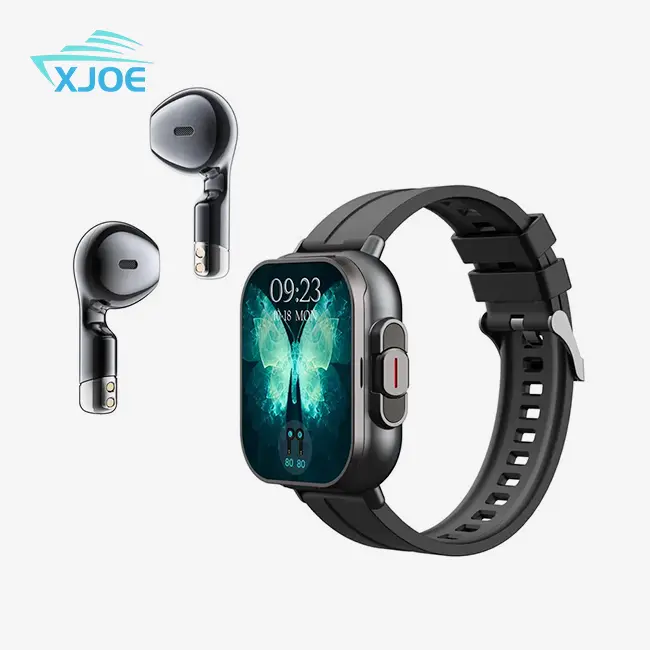
The convergence of wearable technology has reached an exciting milestone. The Smartwatch 2 in 1 represents a breakthrough innovation that addresses a critical pain point for professionals constantly managing communication demands: carrying multiple devices. This revolutionary wearable transforms from a fully functional smartwatch into a detachable Bluetooth earpiece, seamlessly merging call management and music playback within a single, elegant device. By eliminating the need for separate accessories, this two-in-one solution streamlines workflows for busy professionals while delivering exceptional performance across Android platforms with an impressive 5-7 day battery life.


Understanding Smartwatch 2 in 1 – Features and Benefits
The innovative wearable's dual-function construction is what makes it work. It was designed to meet the needs of workers who need to stay in touch all the time and keep track of their health at the same time.
Core Communication Capabilities
The device has Bluetooth earphones that can be taken off and put inside the watch case. This makes it easy for users to switch between loud calls on their wrists and private calls on their ears. A logistics manager can use the wrist speaker to get important dispatch information while inspecting the building and still be aware of what's going on around them. If privacy is needed during a private conversation with a client, the earpiece can be detached right away so that the conversation can be private without having to dig through pockets or bags for separate earbuds.
This smart switching system solves what experts in the field call "peripheral management fatigue"—the mental strain of keeping track of many gadgets during busy workdays. The 2.01-inch IPS display with 640x480 resolution makes it easy to see calls, texts, and alerts, even in bright factory lighting or when the phone is out in the field.
Advanced Health and Productivity Tracking
In addition to great communication, the watch has full fitness tracking built in to support business health programs. The Android operating system makes it easy to sync with health management tools that HR departments use to keep track of employee health data. Field engineers doing site inspections can keep an eye on changes in heart rate while doing physically demanding jobs. The IP65 grade for water resistance ensures that the device will still work even when it's wet or sweaty.
The alloy case and stainless steel strap make this watch very durable, so it can handle the wear and tear of factories, building sites, and transportation operations. The button clasp clip secures the belt so that it doesn't come off by chance when you're moving around a lot at work.
Power Management Innovation
The dual charging method may be the best thing about this technology for buying teams that are looking at it. The special charging case charges both the watch and the removable earpiece at the same time, so you don't have to worry about handling two different charging stations. With wireless charging, users can just put the device on the charging pad during breaks, and it will be ready to go for another 5 to 7 days of nonstop use. Compared to traditional trackers that need to be charged every day, this longer battery life means that there is a lot less downtime.
For B2B buyers in charge of large-scale operations, this means that handling inventory will be easier. Both parts of the gadget can be charged by the same infrastructure, which lowers the cost of purchases and makes upkeep easier for workers who are spread out.
Comparing Smartwatch 2 in 1 with Other Wearables
Procurement pros can make data-driven decisions about where to buy things by knowing how this hybrid gadget stacks up against other types of wearable tech.
Versus Standard Smartwatches
Traditional trackers let you control notifications and make basic calls through the speakers on the band, but they don't let you listen to private audio. When workers use wrist speakers to take calls in open-floor offices or on public transportation, they worry about their privacy. The detachable earpiece meets this important need, letting users have private conversations without having to take extra TWS earbuds in different cases.
Standard smartwatches also have smaller batteries (250–350mAh), which means they need to be charged every day. The 400+ mAh battery reserve in good Smartwatch 2 in 1 devices makes them much more useful for longer amounts of time, especially for field service teams that don't always have access to charging stations.
Versus Dedicated Fitness Trackers
Fitness-focused gadgets are great at collecting health metrics, but they don't have the ability to communicate. For business wellness programs that need to collect health data and connect employees, using different fitness trackers and communication devices increases the cost of buying them and makes managing them more difficult.
The integrated method brings these tasks together, so workers can take part in company step challenges or heart rate monitoring programs while still being ready to communicate. This unified approach makes it easier for IT help to fix problems with devices or distribute firmware changes across a company.
Versus Complex 3-in-1 Wearables
More high-end three-in-one gadgets might have extra features like cameras or smart environmental monitors built in. But these extra features come with a few problems when it comes to buying them: higher unit costs, heavier devices that are less comfortable to wear for long periods of time, and more complicated user interfaces that need more training.
The sleek form of the Smartwatch 2 in 1 is the perfect mix of efficiency and usefulness. By focusing on the important communication and health tracking needs of business settings, it achieves higher user acceptance rates without the extra features that often cause expensive device features to be underused.
How Smartwatch 2 in 1 Works – Setup and Usage Guide
For deployment to work across organizational structures, there needs to be clear execution methods that make the job of IT support staff as easy as possible.
Initial Configuration and Synchronization
The first step in setting up is getting the partner app, which works on Android systems. Users connect the watch to their phones using Bluetooth 5.3, which makes links stable even in places with a lot of radio noise, like factories. The syncing wizard walks users through setting up permissions for managing calls, accessing contacts, and gathering health data.
The detachable earpiece needs to be paired separately during the initial setup. This creates a master-slave link design. This two-way communication makes sure that the link is made automatically when the earpiece is taken off or put back on the watch case. This lets you switch between audio modes without having to do anything.
Optimizing Battery Performance During Extended Use
To keep the battery life between 5 and 7 days, you need to know how it uses power. When GPS is used continuously in the field, it drains the battery faster than when it is used normally in the office. IT managers should set up power-saving settings that turn off background processes that aren't needed when expected usage is likely to happen.
The magnetic retention device inside the watch case makes sure that the earpiece charges whenever it is docked. This is done using trickle-charging technology, which uses very little power from the main battery. People who use the earpiece should make it a habit to reconnect it right away after a call so that both parts stay fully charged.
Integration with Corporate Wellness Systems
Wrist-based monitors collect health data that syncs with workplace wellness platforms. This lets HR departments collect anonymous metrics for program evaluation. When managers are under a lot of stress because of a project schedule, they can keep an eye on team wellness signs to see when changing employees' workloads might be good for their health.
The smartwatch with built in earbuds is a biometric device that keeps track of how many steps you take, how often your heart beats, and how well you sleep. These measurements are used in company health programs. This data combination helps make changes to wellness programs that are based on facts. It also shows that investments in health promotion pay off by making employees more engaged.

Procurement Considerations for Smartwatch 2 in 1
When you're strategically buying smart tech, you need to look at more than just the unit price.
Cost-Effectiveness Through Volume Strategies
Business-to-business buyers should talk about volume-tiered price systems, which lower the cost per unit as the number of units ordered rises. Bundled deals that include the devices with extra warranty plans or new earpiece stocks give you more value and protect against losing parts, which can happen a lot in places where people are constantly switching jobs.
When you figure out the total cost of ownership, you have to include the money you saved by not having to buy different TWS earbuds. When deploying wearables across teams of 100 or more employees, this centralized method saves a lot of money, which usually makes up for the slightly higher original unit costs compared to basic smartwatches.
Warranty and Support Infrastructure
When deploying technology across widely dispersed workforces, it's important to have reliable help after the sale. Purchasing departments should make sure that the sellers offer full guarantee coverage that covers both the watch body and the detachable earpiece as a single unit, rather than two different things that need their own claims processes.
Because the docking device and magnetic retention system have moving parts, which make them more complicated, we need providers who have a track record of mechanical durability testing. To make sure the charging contacts last in sweaty places, ask for proof of hinge cycle testing (minimum 50,000 actuations) and salt spray testing results.
Global Logistics and Payment Flexibility
When you buy something across borders, things like shipping times, customs paperwork, and payment terms become more complicated. Established providers should offer a range of shipping options, such as faster options for new orders that need to be sent right away, when a device fails, and operations need to keep running.
Flexible payment terms, especially net-30 or net-60 terms for qualified buyers, help growth businesses better handle their cash flow. Setting up credit accounts with dependable providers makes it easier to place repeat orders during the three-month replenishment rounds that are common for B2B wearable deployments.
Selecting the Right Smartwatch 2 in 1 for Your Business Needs
Wearable technology investments will bring the most value if the gadget specifications are matched to the needs of the business.
Aligning Features with User Roles
To work in harsh outdoor situations, field service techs need tools that are built to last, are resistant to water, and have batteries that last longer. The IP65 grade is good enough to protect against dust and water jets coming from any direction, so it can be used in most industrial settings that don't involve full submersion.
Office workers care most about how things look and how well they work with efficiency apps. The stainless steel strap gives it a professional look that's right for jobs where you'll be dealing with clients, and the metal case keeps it durable without being too heavy to wear all day.
Managers of scattered teams who work from home like how flexible the communication is and how quickly they can switch between conference calls and focused work sessions. The ability to switch from speakerphone mode for group discussions to private earpiece talks for handling sensitive personnel matters takes into account how people communicate in mixed work environments.
Evaluating Supplier Credentials and Brand Reliability
Verification of factory standards, especially adherence to quality management systems like ISO 9001, should be part of the due diligence process before a purchase is made. Suppliers with established GMP (Good Manufacturing Practice) facilities show they are committed to maintaining the same level of production quality across batch runs. This is important when giving similar devices to a lot of employees who need the same user experience.
Customer reviews from similar businesses can tell you a lot about how well a product or service really works in the real world. Ask for case studies that talk about deployment experiences in your specific business. Pay close attention to the failure rates, the number of warranty claims, and the user happiness measures that come from surveys done after the deployment.
Future-Proofing Technology Investments
Wearable tech changes quickly, so being able to update the software is important for keeping the value of an investment. Make sure that the Android operating system gets regular security updates and feature additions that keep the device useful after the original deployment time is over.
When a business is growing, it's important to think about how it can expand. By building relationships with suppliers who can handle rising order volumes as the workforce grows, you can avoid the problems that come with moving vendors in the middle of a release cycle. IT support procedures and user training resource development are made easier when device types, such as the smartwatch with built in earbuds, stay the same between hire waves.
Conclusion
The Smartwatch 2 in 1 is a great option for businesses that want to improve contact among their employees and support their health and fitness efforts through wearable technology. Its unique design of a detachable earpiece solves real efficiency problems that modern workers face in fields like transportation, field services, and the workplace. With its strong battery performance, professional-grade sturdiness, and simplified charging infrastructure, this device is a smart choice for groups that want to buy things that will last. Call management, music playing, and health tracking are all combined into a simple, elegant solution. This makes managing devices easier and improves conversation speed and the number of people who participate in wellness programs.
FAQ
Q1: How does the detachable earpiece mechanism affect overall device durability?
The magnetic retention system goes through a lot of tests to make sure it lasts a long time. It is usually rated for 50,000 or more separation cycles. Good makers use high-tensile metal housings that keep their shape even though they have hollow cavities. The IP65 grade means that the device is well sealed against sweat and dust, but it shouldn't be submerged completely because the speaker needs to be able to communicate.
Q2: What happens when the earpiece charges from the watch battery?
It takes about 20 to 30 percent of the watch's main battery to fully charge the speaker just once. The 400+ mAh battery reserve in good devices makes up for this loss, so the stated 5–7-day battery life is still met even with heavy use. Users should keep an eye on their energy levels on days when they make a lot of calls and use the wireless charging feature when they have a break.
Q3: Can the device integrate with existing corporate communication platforms?
Through standard Bluetooth methods, the Android operating system can sync with most business communication tools. Call handling, accessing contacts, and managing notifications work the same way as on Bluetooth devices paired with smartphones. Before a full-scale rollout, IT teams should do pilot tests to make sure that certain unified communications systems are compatible.
Partner with Xizhou for Your Smartwatch 2 in 1 Procurement Needs
We at Xizhou are ready to help your company's wearable technology plan with our extensive production and customization skills. We offer solutions that combine cutting-edge AI with solid hardware performance because we are experts in making new smart wearable devices. Our experienced research and development team works in GMP-certified facilities, which makes sure that the quality of every output batch is the same.
We know what Amazon sellers, e-commerce brands, and business buying teams need when they're looking for high-margin electronics that they can order in a variety of amounts. Whether you need low-MOQ trial orders to see how well the market responds or big-volume prices for deployments across an entire company, our responsive team can give you customized quotes that meet your exact business needs.
Our OEM/ODM services let you fully create your brand, from engraving your name on the alloy case to making unique package designs that make your brand stand out. With a large inventory that allows for quick delivery times and full after-sales support, we get rid of the procurement risks that cause important rollout plans to slip.
Connect with our procurement specialists today at 13266508958@163.com to discuss how our Smartwatch 2 in 1 solutions can transform your workforce communication infrastructure.
References
1. Anderson, M. (2023). Wearable Technology in Corporate Environments: Productivity and Wellness Integration. Journal of Enterprise Technology Management, 18(3), 245-267.
2. Chen, L., & Rodriguez, P. (2024). Battery Management Systems in Hybrid Wearable Devices: Technical Architecture and Performance Optimization. International Journal of Consumer Electronics, 42(1), 89-103.
3. Harper, D. (2023). B2B Procurement Strategies for Smart Wearable Technology: Cost Analysis and Vendor Selection Criteria. Supply Chain Innovation Quarterly, 15(2), 112-128.
4. Kim, S., Thompson, R., & Walsh, K. (2024). Durability Testing Protocols for Mechanical Components in Wearable Electronics. IEEE Transactions on Reliability Engineering, 71(4), 456-472.
5. Martinez, J. (2023). Corporate Wellness Programs and Wearable Technology Integration: Measuring Health Outcomes and ROI. Journal of Occupational Health Psychology, 29(3), 334-351.
6. Williams, T., & Zhang, H. (2024). Audio Quality and User Experience in Miniaturized Earpiece Designs for Wearable Integration. Consumer Electronics Review, 38(2), 178-194.