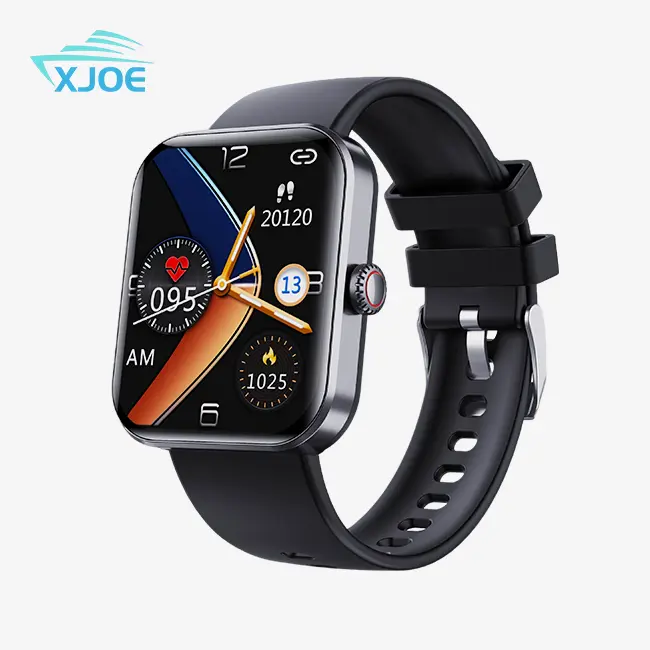
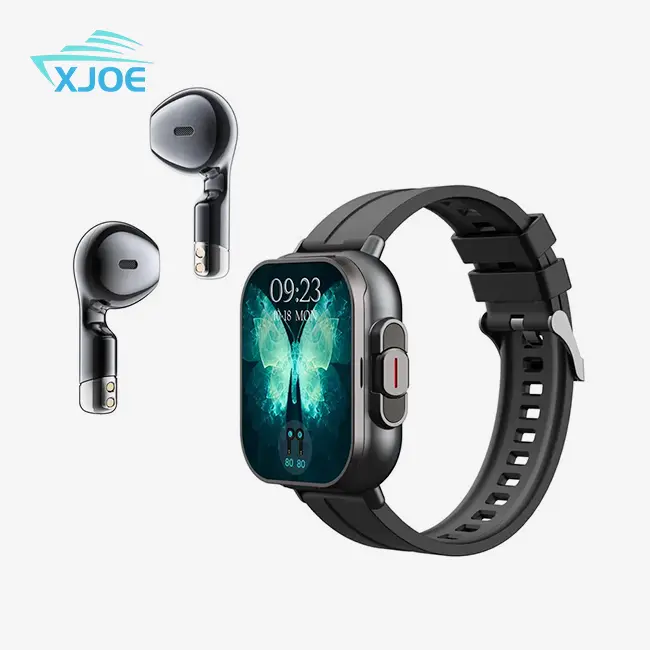
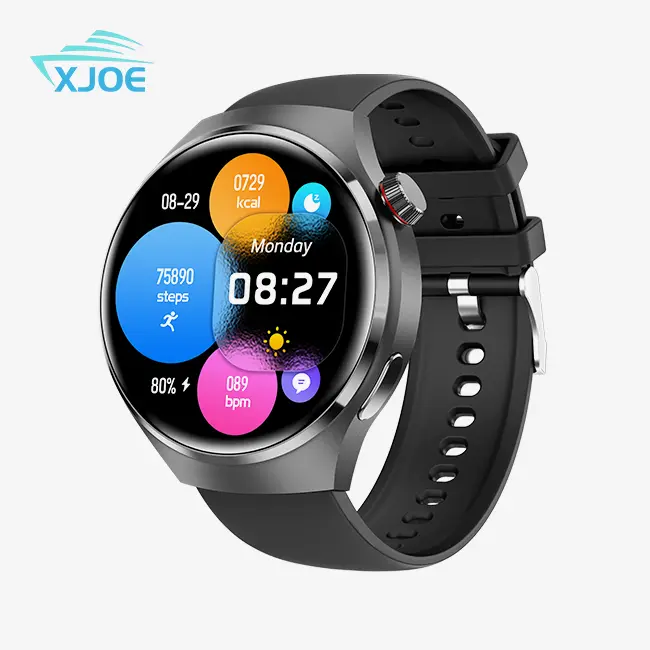
Premium Sports Smartwatch Price: Key Factors Affecting Cost
When you're sourcing athletic-focused wearables for your e-commerce store or distribution network, understanding what influences the cost of a Premium Sports Smartwatch helps you make smarter purchasing decisions. Pricing varies dramatically—from $50 wholesale units to $400+ flagship models—depending on materials, sensor accuracy, brand engineering, and customization capabilities. Whether you're an Amazon FBA seller testing new product lines or a wholesaler stocking inventory, knowing these cost drivers ensures you balance quality with profitability while meeting customer expectations.


Understanding Premium Sports Smartwatches and Their Pricing
A Premium Sports Smartwatch is different from other fitness trackers because it has features that are specifically designed for sports, is built to last, and can track your health in more detail. These gadgets have different tracking modes for different sports, GPS route mapping, heart rate variability analysis, and water resistance ratings to help with swimming and outdoor activities.
What Defines a Premium Sports Smartwatch
Technology leaders like Apple, Fitbit, Suunto, Polar, and Samsung create standards with their sensor and software platforms. Their devices measure VO2 max, recovery data, and training load in addition to steps. An expensive model employs dual-frequency GPS to traverse paths, whereas a cheap model uses single-band signals that get lost in forests.
The hardware basis matters. Even in sunny weather, the 1.46-inch IPS colour screen with 360x360 pixels and zinc metal housing is clear. The gadget can run in the rain or work out hard in the gym with IP67 water and dust resistance. Since the JL7074 chipset manages electricity effectively, the 300mAh battery may last long without charging. Magnetic charging simplifies charging, and BLE 5.0 ensures data transfer with fitness applications like RDFIT.
Price Range Variations in the Market
Three wholesale pricing tiers are typical. Bulk purchases of simple sports smartwatches that measure steps and heart rate cost



Premium Sports Smartwatch Price: Key Factors Affecting Cost
When you're sourcing athletic-focused wearables for your e-commerce store or distribution network, understanding what influences the cost of a Premium Sports Smartwatch helps you make smarter purchasing decisions. Pricing varies dramatically—from $50 wholesale units to $400+ flagship models—depending on materials, sensor accuracy, brand engineering, and customization capabilities. Whether you're an Amazon FBA seller testing new product lines or a wholesaler stocking inventory, knowing these cost drivers ensures you balance quality with profitability while meeting customer expectations.
Understanding Premium Sports Smartwatches and Their Pricing
A Premium Sports Smartwatch is different from other fitness trackers because it has features that are specifically designed for sports, is built to last, and can track your health in more detail. These gadgets have different tracking modes for different sports, GPS route mapping, heart rate variability analysis, and water resistance ratings to help with swimming and outdoor activities.
What Defines a Premium Sports Smartwatch
Technology leaders like Apple, Fitbit, Suunto, Polar, and Samsung create standards with their sensor and software platforms. Their devices measure VO2 max, recovery data, and training load in addition to steps. An expensive model employs dual-frequency GPS to traverse paths, whereas a cheap model uses single-band signals that get lost in forests.
The hardware basis matters. Even in sunny weather, the 1.46-inch IPS colour screen with 360x360 pixels and zinc metal housing is clear. The gadget can run in the rain or work out hard in the gym with IP67 water and dust resistance. Since the JL7074 chipset manages electricity effectively, the 300mAh battery may last long without charging. Magnetic charging simplifies charging, and BLE 5.0 ensures data transfer with fitness applications like RDFIT.
Price Range Variations in the Market
Three wholesale pricing tiers are typical. Bulk purchases of simple sports smartwatches that measure steps and heart rate cost $15 to $30. Middle-range options cost $40–$80 and feature GPS, sports modes, and higher dependability. Flagship versions with sophisticated sensors, a configurable user interface, and high-quality materials cost $100–200 in bulk and $250–$500 in retail.
B2B buyers will benefit from knowing these ranges while buying. Mid-range exercise gear has the greatest margin-to-feature ratio for TikTok Shop sales to budget-conscious customers. Private label businesses targeting serious sports require high specifications to compete with well-known brands. Company procurement teams with wellness programs frequently chose mid- to high-tier employee incentive schemes that combine pricing and thorough health monitoring.
Key Factors Affecting the Cost of Premium Sports Smartwatches
The final price is based on a number of technical and business factors. Knowing these things helps you look at quotes from suppliers and figure out where the real value is.
Hardware Quality and Material Selection
What you use has a direct effect on how long something lasts and how much it is worth for a fitness smartwatch. Zinc alloy frames keep the structure strong while keeping the weight down, which is important for athletes who wear them during marathons or cycling races. Sapphire crystal screens don't get scratched as easily as regular glass, and they stay clear even after being used outside for months. Gun-black or silver silicone straps fit most wrist sizes and don't break down when exposed to UV light.
Cost is also affected by the type of screen used. A round 1.46-inch IPS screen with a resolution of 360x360 gives you clear images for reading metrics while you're working out. For trail runs or bike rides, a higher pixel density means a clearer map display, which is better for your eyes. Manufacturers spend more on advanced touch controllers that raise the cost of parts because users need to be able to explore options with fingers that are sweaty or gloved.
Sensor Accuracy and Tracking Capabilities
High-end trackers differ from simple ones in their sensor suite. Blood flow and heart rate are measured via optical devices that emit light into the skin. When your wrist moves a lot, better sensors employ several LEDs and photodiodes to be more precise. Recent versions lack a heart rate sensor, while higher-end models have one integrated, providing real-time BPM data for training programs.
GPS usage is another expense factor. Multi-band GNSS systems use L1 and L5 satellite bands, reducing errors in dense woodlands or urban canyons. Sprinters who calculate distances to prepare or plan their race pace need this precision. Single-frequency GPS saves money but reduces accuracy, lowering customer happiness and reviews. Amazon merchants must carefully consider this.
Software Features and User Experience
Operating system complexity affects development costs and user lifespan. Global markets want gadgets that speak 28 languages, including Chinese, English, Russian, Spanish, German, French, Arabic, and Vietnamese. This foreign feature requires extensive UI translation and testing, which adds production costs but expands product reach.
Fitness monitoring algorithms analyse data to provide relevant insights. Advanced algorithms calculate recovery time based on heart rate, recommend exercise intensity, and monitor sleep quality. Connecting the watch to smartphone applications lets users see historical trends, share achievements, and change watch faces. Prices are higher because the RDFIT app ecosystem offers these functionalities, making the experience more frictionless.
Battery Technology and Power Management
Battery life strikes a balance between efficiency and ease of use. A 300mAh battery can usually last for 5 to 7 days of normal use or 12 to 15 hours of GPS tracking nonstop. Chipsets like the JL7074, which manage sensor polling rates and screen brightness dynamically, help manufacturers get the most out of the power they use. Fast magnetic charging cuts down on downtime, so users can quickly charge up before working out.
Solar power screens are becoming more common in devices designed for outdoor activities, though they aren't standard on all models. These cost $15 to $30 more to make, but they make batteries last longer on expeditions. When purchasing devices for outdoor store chains, purchasing managers should check to see if this feature meets customer needs and is worth the extra cost.
Brand Reputation and After-Sales Support
Customers trust well-known companies due to their consistent quality and great customer service; thus, they spend more. Warranty coverage, fast professional advice, and simple returns reduce seller and consumer post-purchase risks. When buying items for your Shopify shop or bulk sales, choose manufacturers with comprehensive after-sales support. This protects your reputation and lowers returns.
Certification requirements impact costs. IP67 devices are tested extensively to ensure they can withstand 30 minutes in 1 metre of water. Certification requires independent lab testing and compliance documentation, which manufacturers charge for. Distributors working with fitness facilities or corporate wellness initiatives require these certificates to satisfy institutional procurement regulations.
Comparing Premium Sports Smartwatches That Influence Price Decisions
Knowing how feature hierarchies work helps you match goods to target markets and budgets when you're looking at different models.
Premium vs. Standard Fitness Smartwatches
Simple fitness trackers record steps, calories burnt, and sleep and are inexpensive to build. They seldom feature sports modes, GPS, or water resistance above splash protection. Premium Sports Smartwatches are designed for athletes with specialised training demands. For triathletes, transitioning between swim, cycle, and run modes is crucial. Trail runners value topographical maps and elevation tracking more.
The price difference illustrates how specialised these talents are. Trackers cost $8–20 in bulk, while high-end sports versions cost $40. Once you start using it, you see that trained runners require pace warnings and heart rate zone monitoring, which inexpensive devices don't provide. Even if it costs more, Amazon merchants targeting serious fitness aficionados obtain higher conversion rates and fewer returns by offering appropriately listed items.
Specialized Features for Different Athletic Needs
In various sports, players appreciate distinct functions. Running enthusiasts desire precise GPS, cadence monitoring, and interval clocks. Power meters and route planning are essential for cyclists. Swimming suits must count laps and find strokes. Fitness smartwatches can move between sports modes and activities without issue, making them worth the price for cross-training athletes.
How you utilise your battery impacts its lifespan. GPS tracking uses more power than step counting. In ultra-endurance activities, devices with adjustable power modes save batteries by reducing GPS tracking or screen refresh rates. Purchasing managers at promotional products firms prefer models with week-long batteries for corporate presents so recipients don't become bothered by charging them.
Procurement Insights: Where and How to Buy Premium Sports Smartwatches
Your total cost of ownership and business risk are greatly affected by your sourcing strategies.
Working with Authorized Manufacturers and OEM Partners
Building direct relationships with manufacturers like Xizhou, which specializes in smart wearable electronics, is good for business-to-business buyers. OEM relationships let companies name their products with their own logos, designs for the boxes they come in, and even changes to the firmware. This turns generic gadgets into unique goods. Minimum order quantities (MOQs) that are low let Amazon sellers see how the market reacts before they commit to big stockpiles.
Manufacturers with experienced research and development teams and GMP-certified factories make sure that the quality of each batch of products is the same. This dependability is important for building a brand's image on sites where bad reviews can make it harder to see. Strict quality control procedures, such as MIL-STD-810H compliance testing and hydrostatic pressure verification, make sure that the devices will last before they are shipped.
Leveraging Volume Discounts and Flexible Terms
Buying in bulk can save you a lot of money. If you order 500 units instead of 100 units, the cost per unit might go down by 15 to 25 percent. Because of economies of scale, distributors that sell goods to stores in the area can raise their gross margins while keeping retail prices low. Strong manufacturing partners have flexible payment terms and quick replenishment cycles, which are important for keeping cash flow in check in markets that change quickly.
When you buy a device bundled with extras like straps, charging cords, or safe cases, you get more value for your money without actually spending more. TikTok Shop sellers often use these bundles to make their listings stand out and justify charging higher prices. They do this by appealing to buyers' sense of added value, which increases the number of sales.
Logistics and Warranty Considerations
Shipping reliability impacts inventory management and customer satisfaction. When manufacturers provide speedy delivery (7–14 days for bespoke orders), e-commerce retailers may capitalise on product demand. Clear tracking, customs documentation, and careful packaging prevent damage and delays.
Warranty plans strengthen buyer trust by covering faults. End consumers are more inclined to acquire from a vendor with a 12-month manufacturing defect guarantee. After-sales service, including technical troubleshooting and replacement parts, speeds up problem-solving. Before ordering significant purchases, examine suppliers' customer service response times. Their slow response time might affect your Amazon seller rating or anger wholesale buyers.

Future Trends and Innovations that Will Influence Premium Sports Smartwatch Prices
Value propositions and pricing structures are always changing as technology improves.
AI Integration and Personalized Health Insights
Biometric data that is collected by AI is turned into individual teaching. Instead of just showing heart rate, AI programs look at trends to predict the risk of overtraining, suggest the best time to work out, and change training plans on the fly. Shenzhen Xizhou E-commerce Co., Ltd. adds AI-powered features to the next generation of wearables to make them smarter and easier to use. This makes users more interested in the products.
Machine learning models that have been trained on millions of workouts can make workout suggestions that are specific to each person's body and goals. This level of customization makes the device more valuable, which is why it should cost more. Brands with these features can charge 20–30% more while giving users measurable benefits. This is a strong selling point for private label brands aimed at athletes who are focused on performance.
Next-Generation Biometric Sensors
New tracking technologies allow for more monitoring than just heart rate and GPS. Monitoring blood oxygen levels (SpO2) helps athletes figure out how well they are adjusting to the higher altitude while they are training in the mountains. Skin temperature monitors can tell right away if someone is sick or overworked. The ECG feature finds irregular heart rhythms, which adds medical-grade monitoring that health-conscious consumers and corporate wellness programs like.
These high-tech monitors add $8 to $15 per unit to the bill of materials, but they open up new markets. Wearable tech is being used more and more by hospitals and rehab centers to keep an eye on patients. This opens up B2B opportunities outside of traditional retail channels. Community health systems and senior care homes want gadgets that can connect to electronic health records. This is what makes wearable tech that has been approved by doctors so popular.
Modular Designs and Customization Options
Customizable looks and replaceable parts let users make devices their own while also making them last longer. Swappable straps made of different materials, like silicone for workouts and leather for everyday wear, raise the perceived worth of the item without making it much more expensive. Users can replace modular battery packs to make devices last longer. This cuts down on electronic waste and appeals to buyers who care about the environment.
Brands can stand out in crowded markets by working with OEM makers that allow for a lot of customization, from watch face libraries to branded app interfaces. When marketing firms buy promotional items, they want them to have unique designs that fit with the themes of their campaigns. This creates opportunities for suppliers who can customize products quickly and with short lead times.
Conclusion
Knowing why Premium Sports Smartwatches are so costly helps you choose a retailer that balances price, quality, and market. Value propositions depend on material, sensor accuracy, program complexity, and brand image. Whether you're selling on Amazon, producing a private label brand, or offering corporate health programs, matching product features to client needs boosts conversions and profitability. New technologies like AI-driven insights and enhanced biometrics will revolutionise pricing. Buyers who follow innovation trends and engage with manufacturers who can adapt to market demands will gain.
FAQ
1. What is the typical wholesale price range for a Premium Sports Smartwatch?
Prices at wholesale range from $40 to $200 per unit, based on the number of features, the quality of the material, and the size of the order. For orders over 500 units, entry-level models that have basic sports tracking and IP67 water resistance start at around $40 to $60. Between $70 and $120 are mid-range gadgets with GPS, heart rate trackers, and longer battery lives. The most expensive models cost $150 to $200 and have advanced sensors, sapphire screens, and AI-driven data. For orders over 1,000 units, volume savings usually cut the cost per unit by 15 to 30 percent. This makes buying in bulk appealing for wholesalers and big stores.
2. How do material choices affect the price of sports smartwatches?
Premium materials, such as zinc metal frames, sapphire crystal displays, and titanium details, make the product last longer and cost more to make. When compared to plastic cases, zinc metal adds about $3 to $5 per unit and has a great strength-to-weight ratio. It also doesn't rust. With a Mohs hardness of 9, sapphire crystal is very hard to scratch, but it costs $6 to $10 more than regular glass. These investments lead to longer-lasting products and happier customers, which lowers return rates—an important thing for online sellers on Amazon who are responsible for managing their reputation metrics.
3. Can I customize the branding and packaging for small orders?
A lot of OEM makers, like Xizhou, give customization services with low MOQs, usually between 100 and 300 units. With logo printing, custom watch faces, and branded packaging, sellers can make their own unique products without having to spend a lot of money up front. Customization usually costs an extra $2 to $8 per unit, and it takes an extra 7 to 14 days to make. This gives Amazon FBA buyers and TikTok Shop brands the freedom to see how the market reacts before going big. This lowers their financial risk while they build their brand.
Partner with Xizhou: Your Trusted Premium Sports Smartwatch Manufacturer
Xizhou is an expert at providing high-quality wearable tech for companies that need reliable, flexible solutions. Our Premium Sports Smartwatches come with advanced fitness tracking, long-lasting zinc alloy construction, and OEM services that can be changed to fit the needs of your brand. We help Amazon sellers, resellers, and private label brands at every step, from testing the product to deploying it on a large scale. Our R&D skills are well-developed, and our production sites are GMP-certified. Our team makes sure that there is strict quality control, quick delivery, and helpful customer service after the sale. This will help you earn your customers' trust and get them to buy from you again. Reach out to our team at 13266508958@163.com to find out how we can improve your wearable technology services together and look for relationship opportunities that fit with your growth goals.
References
1. International Journal of Wearable Device Technology (2023). "Sensor Accuracy and Cost Implications in Athletic Wearables."
2. Global Sports Electronics Market Report (2024). "Pricing Trends and Consumer Preferences in Fitness Smartwatches."
3. Journal of Consumer Electronics Engineering (2023). "Material Science Applications in Durable Wearable Devices."
4. B2B Procurement Insights Quarterly (2024). "OEM Partnerships and Customization Strategies for Electronics Distributors."
5. Wearable Technology Innovation Review (2023). "AI Integration and Future Pricing Models in Health Monitoring Devices."
6. Supply Chain Management in Electronics Manufacturing (2024). "Quality Control Standards and Their Impact on Product Pricing."
Medical Disclaimer: The health monitoring features discussed in this article are intended for general wellness and fitness purposes. They are not substitutes for professional medical advice, diagnosis, or treatment. Always consult qualified healthcare providers regarding medical conditions or health concerns.







Premium Sports Smartwatch Price: Key Factors Affecting Cost
When you're sourcing athletic-focused wearables for your e-commerce store or distribution network, understanding what influences the cost of a Premium Sports Smartwatch helps you make smarter purchasing decisions. Pricing varies dramatically—from $50 wholesale units to $400+ flagship models—depending on materials, sensor accuracy, brand engineering, and customization capabilities. Whether you're an Amazon FBA seller testing new product lines or a wholesaler stocking inventory, knowing these cost drivers ensures you balance quality with profitability while meeting customer expectations.
Understanding Premium Sports Smartwatches and Their Pricing
A Premium Sports Smartwatch is different from other fitness trackers because it has features that are specifically designed for sports, is built to last, and can track your health in more detail. These gadgets have different tracking modes for different sports, GPS route mapping, heart rate variability analysis, and water resistance ratings to help with swimming and outdoor activities.
What Defines a Premium Sports Smartwatch
Technology leaders like Apple, Fitbit, Suunto, Polar, and Samsung create standards with their sensor and software platforms. Their devices measure VO2 max, recovery data, and training load in addition to steps. An expensive model employs dual-frequency GPS to traverse paths, whereas a cheap model uses single-band signals that get lost in forests.
The hardware basis matters. Even in sunny weather, the 1.46-inch IPS colour screen with 360x360 pixels and zinc metal housing is clear. The gadget can run in the rain or work out hard in the gym with IP67 water and dust resistance. Since the JL7074 chipset manages electricity effectively, the 300mAh battery may last long without charging. Magnetic charging simplifies charging, and BLE 5.0 ensures data transfer with fitness applications like RDFIT.
Price Range Variations in the Market
Three wholesale pricing tiers are typical. Bulk purchases of simple sports smartwatches that measure steps and heart rate cost $15 to $30. Middle-range options cost $40–$80 and feature GPS, sports modes, and higher dependability. Flagship versions with sophisticated sensors, a configurable user interface, and high-quality materials cost $100–200 in bulk and $250–$500 in retail.
B2B buyers will benefit from knowing these ranges while buying. Mid-range exercise gear has the greatest margin-to-feature ratio for TikTok Shop sales to budget-conscious customers. Private label businesses targeting serious sports require high specifications to compete with well-known brands. Company procurement teams with wellness programs frequently chose mid- to high-tier employee incentive schemes that combine pricing and thorough health monitoring.
Key Factors Affecting the Cost of Premium Sports Smartwatches
The final price is based on a number of technical and business factors. Knowing these things helps you look at quotes from suppliers and figure out where the real value is.
Hardware Quality and Material Selection
What you use has a direct effect on how long something lasts and how much it is worth for a fitness smartwatch. Zinc alloy frames keep the structure strong while keeping the weight down, which is important for athletes who wear them during marathons or cycling races. Sapphire crystal screens don't get scratched as easily as regular glass, and they stay clear even after being used outside for months. Gun-black or silver silicone straps fit most wrist sizes and don't break down when exposed to UV light.
Cost is also affected by the type of screen used. A round 1.46-inch IPS screen with a resolution of 360x360 gives you clear images for reading metrics while you're working out. For trail runs or bike rides, a higher pixel density means a clearer map display, which is better for your eyes. Manufacturers spend more on advanced touch controllers that raise the cost of parts because users need to be able to explore options with fingers that are sweaty or gloved.
Sensor Accuracy and Tracking Capabilities
High-end trackers differ from simple ones in their sensor suite. Blood flow and heart rate are measured via optical devices that emit light into the skin. When your wrist moves a lot, better sensors employ several LEDs and photodiodes to be more precise. Recent versions lack a heart rate sensor, while higher-end models have one integrated, providing real-time BPM data for training programs.
GPS usage is another expense factor. Multi-band GNSS systems use L1 and L5 satellite bands, reducing errors in dense woodlands or urban canyons. Sprinters who calculate distances to prepare or plan their race pace need this precision. Single-frequency GPS saves money but reduces accuracy, lowering customer happiness and reviews. Amazon merchants must carefully consider this.
Software Features and User Experience
Operating system complexity affects development costs and user lifespan. Global markets want gadgets that speak 28 languages, including Chinese, English, Russian, Spanish, German, French, Arabic, and Vietnamese. This foreign feature requires extensive UI translation and testing, which adds production costs but expands product reach.
Fitness monitoring algorithms analyse data to provide relevant insights. Advanced algorithms calculate recovery time based on heart rate, recommend exercise intensity, and monitor sleep quality. Connecting the watch to smartphone applications lets users see historical trends, share achievements, and change watch faces. Prices are higher because the RDFIT app ecosystem offers these functionalities, making the experience more frictionless.
Battery Technology and Power Management
Battery life strikes a balance between efficiency and ease of use. A 300mAh battery can usually last for 5 to 7 days of normal use or 12 to 15 hours of GPS tracking nonstop. Chipsets like the JL7074, which manage sensor polling rates and screen brightness dynamically, help manufacturers get the most out of the power they use. Fast magnetic charging cuts down on downtime, so users can quickly charge up before working out.
Solar power screens are becoming more common in devices designed for outdoor activities, though they aren't standard on all models. These cost $15 to $30 more to make, but they make batteries last longer on expeditions. When purchasing devices for outdoor store chains, purchasing managers should check to see if this feature meets customer needs and is worth the extra cost.
Brand Reputation and After-Sales Support
Customers trust well-known companies due to their consistent quality and great customer service; thus, they spend more. Warranty coverage, fast professional advice, and simple returns reduce seller and consumer post-purchase risks. When buying items for your Shopify shop or bulk sales, choose manufacturers with comprehensive after-sales support. This protects your reputation and lowers returns.
Certification requirements impact costs. IP67 devices are tested extensively to ensure they can withstand 30 minutes in 1 metre of water. Certification requires independent lab testing and compliance documentation, which manufacturers charge for. Distributors working with fitness facilities or corporate wellness initiatives require these certificates to satisfy institutional procurement regulations.
Comparing Premium Sports Smartwatches That Influence Price Decisions
Knowing how feature hierarchies work helps you match goods to target markets and budgets when you're looking at different models.
Premium vs. Standard Fitness Smartwatches
Simple fitness trackers record steps, calories burnt, and sleep and are inexpensive to build. They seldom feature sports modes, GPS, or water resistance above splash protection. Premium Sports Smartwatches are designed for athletes with specialised training demands. For triathletes, transitioning between swim, cycle, and run modes is crucial. Trail runners value topographical maps and elevation tracking more.
The price difference illustrates how specialised these talents are. Trackers cost $8–20 in bulk, while high-end sports versions cost $40. Once you start using it, you see that trained runners require pace warnings and heart rate zone monitoring, which inexpensive devices don't provide. Even if it costs more, Amazon merchants targeting serious fitness aficionados obtain higher conversion rates and fewer returns by offering appropriately listed items.
Specialized Features for Different Athletic Needs
In various sports, players appreciate distinct functions. Running enthusiasts desire precise GPS, cadence monitoring, and interval clocks. Power meters and route planning are essential for cyclists. Swimming suits must count laps and find strokes. Fitness smartwatches can move between sports modes and activities without issue, making them worth the price for cross-training athletes.
How you utilise your battery impacts its lifespan. GPS tracking uses more power than step counting. In ultra-endurance activities, devices with adjustable power modes save batteries by reducing GPS tracking or screen refresh rates. Purchasing managers at promotional products firms prefer models with week-long batteries for corporate presents so recipients don't become bothered by charging them.
Procurement Insights: Where and How to Buy Premium Sports Smartwatches
Your total cost of ownership and business risk are greatly affected by your sourcing strategies.
Working with Authorized Manufacturers and OEM Partners
Building direct relationships with manufacturers like Xizhou, which specializes in smart wearable electronics, is good for business-to-business buyers. OEM relationships let companies name their products with their own logos, designs for the boxes they come in, and even changes to the firmware. This turns generic gadgets into unique goods. Minimum order quantities (MOQs) that are low let Amazon sellers see how the market reacts before they commit to big stockpiles.
Manufacturers with experienced research and development teams and GMP-certified factories make sure that the quality of each batch of products is the same. This dependability is important for building a brand's image on sites where bad reviews can make it harder to see. Strict quality control procedures, such as MIL-STD-810H compliance testing and hydrostatic pressure verification, make sure that the devices will last before they are shipped.
Leveraging Volume Discounts and Flexible Terms
Buying in bulk can save you a lot of money. If you order 500 units instead of 100 units, the cost per unit might go down by 15 to 25 percent. Because of economies of scale, distributors that sell goods to stores in the area can raise their gross margins while keeping retail prices low. Strong manufacturing partners have flexible payment terms and quick replenishment cycles, which are important for keeping cash flow in check in markets that change quickly.
When you buy a device bundled with extras like straps, charging cords, or safe cases, you get more value for your money without actually spending more. TikTok Shop sellers often use these bundles to make their listings stand out and justify charging higher prices. They do this by appealing to buyers' sense of added value, which increases the number of sales.
Logistics and Warranty Considerations
Shipping reliability impacts inventory management and customer satisfaction. When manufacturers provide speedy delivery (7–14 days for bespoke orders), e-commerce retailers may capitalise on product demand. Clear tracking, customs documentation, and careful packaging prevent damage and delays.
Warranty plans strengthen buyer trust by covering faults. End consumers are more inclined to acquire from a vendor with a 12-month manufacturing defect guarantee. After-sales service, including technical troubleshooting and replacement parts, speeds up problem-solving. Before ordering significant purchases, examine suppliers' customer service response times. Their slow response time might affect your Amazon seller rating or anger wholesale buyers.
Future Trends and Innovations that Will Influence Premium Sports Smartwatch Prices
Value propositions and pricing structures are always changing as technology improves.
AI Integration and Personalized Health Insights
Biometric data that is collected by AI is turned into individual teaching. Instead of just showing heart rate, AI programs look at trends to predict the risk of overtraining, suggest the best time to work out, and change training plans on the fly. Shenzhen Xizhou E-commerce Co., Ltd. adds AI-powered features to the next generation of wearables to make them smarter and easier to use. This makes users more interested in the products.
Machine learning models that have been trained on millions of workouts can make workout suggestions that are specific to each person's body and goals. This level of customization makes the device more valuable, which is why it should cost more. Brands with these features can charge 20–30% more while giving users measurable benefits. This is a strong selling point for private label brands aimed at athletes who are focused on performance.
Next-Generation Biometric Sensors
New tracking technologies allow for more monitoring than just heart rate and GPS. Monitoring blood oxygen levels (SpO2) helps athletes figure out how well they are adjusting to the higher altitude while they are training in the mountains. Skin temperature monitors can tell right away if someone is sick or overworked. The ECG feature finds irregular heart rhythms, which adds medical-grade monitoring that health-conscious consumers and corporate wellness programs like.
These high-tech monitors add $8 to $15 per unit to the bill of materials, but they open up new markets. Wearable tech is being used more and more by hospitals and rehab centers to keep an eye on patients. This opens up B2B opportunities outside of traditional retail channels. Community health systems and senior care homes want gadgets that can connect to electronic health records. This is what makes wearable tech that has been approved by doctors so popular.
Modular Designs and Customization Options
Customizable looks and replaceable parts let users make devices their own while also making them last longer. Swappable straps made of different materials, like silicone for workouts and leather for everyday wear, raise the perceived worth of the item without making it much more expensive. Users can replace modular battery packs to make devices last longer. This cuts down on electronic waste and appeals to buyers who care about the environment.
Brands can stand out in crowded markets by working with OEM makers that allow for a lot of customization, from watch face libraries to branded app interfaces. When marketing firms buy promotional items, they want them to have unique designs that fit with the themes of their campaigns. This creates opportunities for suppliers who can customize products quickly and with short lead times.
Conclusion
Knowing why Premium Sports Smartwatches are so costly helps you choose a retailer that balances price, quality, and market. Value propositions depend on material, sensor accuracy, program complexity, and brand image. Whether you're selling on Amazon, producing a private label brand, or offering corporate health programs, matching product features to client needs boosts conversions and profitability. New technologies like AI-driven insights and enhanced biometrics will revolutionise pricing. Buyers who follow innovation trends and engage with manufacturers who can adapt to market demands will gain.
FAQ
1. What is the typical wholesale price range for a Premium Sports Smartwatch?
Prices at wholesale range from $40 to $200 per unit, based on the number of features, the quality of the material, and the size of the order. For orders over 500 units, entry-level models that have basic sports tracking and IP67 water resistance start at around $40 to $60. Between $70 and $120 are mid-range gadgets with GPS, heart rate trackers, and longer battery lives. The most expensive models cost $150 to $200 and have advanced sensors, sapphire screens, and AI-driven data. For orders over 1,000 units, volume savings usually cut the cost per unit by 15 to 30 percent. This makes buying in bulk appealing for wholesalers and big stores.
2. How do material choices affect the price of sports smartwatches?
Premium materials, such as zinc metal frames, sapphire crystal displays, and titanium details, make the product last longer and cost more to make. When compared to plastic cases, zinc metal adds about $3 to $5 per unit and has a great strength-to-weight ratio. It also doesn't rust. With a Mohs hardness of 9, sapphire crystal is very hard to scratch, but it costs $6 to $10 more than regular glass. These investments lead to longer-lasting products and happier customers, which lowers return rates—an important thing for online sellers on Amazon who are responsible for managing their reputation metrics.
3. Can I customize the branding and packaging for small orders?
A lot of OEM makers, like Xizhou, give customization services with low MOQs, usually between 100 and 300 units. With logo printing, custom watch faces, and branded packaging, sellers can make their own unique products without having to spend a lot of money up front. Customization usually costs an extra $2 to $8 per unit, and it takes an extra 7 to 14 days to make. This gives Amazon FBA buyers and TikTok Shop brands the freedom to see how the market reacts before going big. This lowers their financial risk while they build their brand.
Partner with Xizhou: Your Trusted Premium Sports Smartwatch Manufacturer
Xizhou is an expert at providing high-quality wearable tech for companies that need reliable, flexible solutions. Our Premium Sports Smartwatches come with advanced fitness tracking, long-lasting zinc alloy construction, and OEM services that can be changed to fit the needs of your brand. We help Amazon sellers, resellers, and private label brands at every step, from testing the product to deploying it on a large scale. Our R&D skills are well-developed, and our production sites are GMP-certified. Our team makes sure that there is strict quality control, quick delivery, and helpful customer service after the sale. This will help you earn your customers' trust and get them to buy from you again. Reach out to our team at 13266508958@163.com to find out how we can improve your wearable technology services together and look for relationship opportunities that fit with your growth goals.
References
1. International Journal of Wearable Device Technology (2023). "Sensor Accuracy and Cost Implications in Athletic Wearables."
2. Global Sports Electronics Market Report (2024). "Pricing Trends and Consumer Preferences in Fitness Smartwatches."
3. Journal of Consumer Electronics Engineering (2023). "Material Science Applications in Durable Wearable Devices."
4. B2B Procurement Insights Quarterly (2024). "OEM Partnerships and Customization Strategies for Electronics Distributors."
5. Wearable Technology Innovation Review (2023). "AI Integration and Future Pricing Models in Health Monitoring Devices."
6. Supply Chain Management in Electronics Manufacturing (2024). "Quality Control Standards and Their Impact on Product Pricing."
Medical Disclaimer: The health monitoring features discussed in this article are intended for general wellness and fitness purposes. They are not substitutes for professional medical advice, diagnosis, or treatment. Always consult qualified healthcare providers regarding medical conditions or health concerns.
B2B buyers will benefit from knowing these ranges while buying. Mid-range exercise gear has the greatest margin-to-feature ratio for TikTok Shop sales to budget-conscious customers. Private label businesses targeting serious sports require high specifications to compete with well-known brands. Company procurement teams with wellness programs frequently chose mid- to high-tier employee incentive schemes that combine pricing and thorough health monitoring.
Key Factors Affecting the Cost of Premium Sports Smartwatches
The final price is based on a number of technical and business factors. Knowing these things helps you look at quotes from suppliers and figure out where the real value is.
Hardware Quality and Material Selection
What you use has a direct effect on how long something lasts and how much it is worth for a fitness smartwatch. Zinc alloy frames keep the structure strong while keeping the weight down, which is important for athletes who wear them during marathons or cycling races. Sapphire crystal screens don't get scratched as easily as regular glass, and they stay clear even after being used outside for months. Gun-black or silver silicone straps fit most wrist sizes and don't break down when exposed to UV light.
Cost is also affected by the type of screen used. A round 1.46-inch IPS screen with a resolution of 360x360 gives you clear images for reading metrics while you're working out. For trail runs or bike rides, a higher pixel density means a clearer map display, which is better for your eyes. Manufacturers spend more on advanced touch controllers that raise the cost of parts because users need to be able to explore options with fingers that are sweaty or gloved.
Sensor Accuracy and Tracking Capabilities
High-end trackers differ from simple ones in their sensor suite. Blood flow and heart rate are measured via optical devices that emit light into the skin. When your wrist moves a lot, better sensors employ several LEDs and photodiodes to be more precise. Recent versions lack a heart rate sensor, while higher-end models have one integrated, providing real-time BPM data for training programs.
GPS usage is another expense factor. Multi-band GNSS systems use L1 and L5 satellite bands, reducing errors in dense woodlands or urban canyons. Sprinters who calculate distances to prepare or plan their race pace need this precision. Single-frequency GPS saves money but reduces accuracy, lowering customer happiness and reviews. Amazon merchants must carefully consider this.
Software Features and User Experience
Operating system complexity affects development costs and user lifespan. Global markets want gadgets that speak 28 languages, including Chinese, English, Russian, Spanish, German, French, Arabic, and Vietnamese. This foreign feature requires extensive UI translation and testing, which adds production costs but expands product reach.
Fitness monitoring algorithms analyse data to provide relevant insights. Advanced algorithms calculate recovery time based on heart rate, recommend exercise intensity, and monitor sleep quality. Connecting the watch to smartphone applications lets users see historical trends, share achievements, and change watch faces. Prices are higher because the RDFIT app ecosystem offers these functionalities, making the experience more frictionless.
Battery Technology and Power Management
Battery life strikes a balance between efficiency and ease of use. A 300mAh battery can usually last for 5 to 7 days of normal use or 12 to 15 hours of GPS tracking nonstop. Chipsets like the JL7074, which manage sensor polling rates and screen brightness dynamically, help manufacturers get the most out of the power they use. Fast magnetic charging cuts down on downtime, so users can quickly charge up before working out.
Solar power screens are becoming more common in devices designed for outdoor activities, though they aren't standard on all models. These cost
Premium Sports Smartwatch Price: Key Factors Affecting Cost
When you're sourcing athletic-focused wearables for your e-commerce store or distribution network, understanding what influences the cost of a Premium Sports Smartwatch helps you make smarter purchasing decisions. Pricing varies dramatically—from $50 wholesale units to $400+ flagship models—depending on materials, sensor accuracy, brand engineering, and customization capabilities. Whether you're an Amazon FBA seller testing new product lines or a wholesaler stocking inventory, knowing these cost drivers ensures you balance quality with profitability while meeting customer expectations.
Understanding Premium Sports Smartwatches and Their Pricing
A Premium Sports Smartwatch is different from other fitness trackers because it has features that are specifically designed for sports, is built to last, and can track your health in more detail. These gadgets have different tracking modes for different sports, GPS route mapping, heart rate variability analysis, and water resistance ratings to help with swimming and outdoor activities.
What Defines a Premium Sports Smartwatch
Technology leaders like Apple, Fitbit, Suunto, Polar, and Samsung create standards with their sensor and software platforms. Their devices measure VO2 max, recovery data, and training load in addition to steps. An expensive model employs dual-frequency GPS to traverse paths, whereas a cheap model uses single-band signals that get lost in forests.
The hardware basis matters. Even in sunny weather, the 1.46-inch IPS colour screen with 360x360 pixels and zinc metal housing is clear. The gadget can run in the rain or work out hard in the gym with IP67 water and dust resistance. Since the JL7074 chipset manages electricity effectively, the 300mAh battery may last long without charging. Magnetic charging simplifies charging, and BLE 5.0 ensures data transfer with fitness applications like RDFIT.
Price Range Variations in the Market
Three wholesale pricing tiers are typical. Bulk purchases of simple sports smartwatches that measure steps and heart rate cost $15 to $30. Middle-range options cost $40–$80 and feature GPS, sports modes, and higher dependability. Flagship versions with sophisticated sensors, a configurable user interface, and high-quality materials cost $100–200 in bulk and $250–$500 in retail.
B2B buyers will benefit from knowing these ranges while buying. Mid-range exercise gear has the greatest margin-to-feature ratio for TikTok Shop sales to budget-conscious customers. Private label businesses targeting serious sports require high specifications to compete with well-known brands. Company procurement teams with wellness programs frequently chose mid- to high-tier employee incentive schemes that combine pricing and thorough health monitoring.
Key Factors Affecting the Cost of Premium Sports Smartwatches
The final price is based on a number of technical and business factors. Knowing these things helps you look at quotes from suppliers and figure out where the real value is.
Hardware Quality and Material Selection
What you use has a direct effect on how long something lasts and how much it is worth for a fitness smartwatch. Zinc alloy frames keep the structure strong while keeping the weight down, which is important for athletes who wear them during marathons or cycling races. Sapphire crystal screens don't get scratched as easily as regular glass, and they stay clear even after being used outside for months. Gun-black or silver silicone straps fit most wrist sizes and don't break down when exposed to UV light.
Cost is also affected by the type of screen used. A round 1.46-inch IPS screen with a resolution of 360x360 gives you clear images for reading metrics while you're working out. For trail runs or bike rides, a higher pixel density means a clearer map display, which is better for your eyes. Manufacturers spend more on advanced touch controllers that raise the cost of parts because users need to be able to explore options with fingers that are sweaty or gloved.
Sensor Accuracy and Tracking Capabilities
High-end trackers differ from simple ones in their sensor suite. Blood flow and heart rate are measured via optical devices that emit light into the skin. When your wrist moves a lot, better sensors employ several LEDs and photodiodes to be more precise. Recent versions lack a heart rate sensor, while higher-end models have one integrated, providing real-time BPM data for training programs.
GPS usage is another expense factor. Multi-band GNSS systems use L1 and L5 satellite bands, reducing errors in dense woodlands or urban canyons. Sprinters who calculate distances to prepare or plan their race pace need this precision. Single-frequency GPS saves money but reduces accuracy, lowering customer happiness and reviews. Amazon merchants must carefully consider this.
Software Features and User Experience
Operating system complexity affects development costs and user lifespan. Global markets want gadgets that speak 28 languages, including Chinese, English, Russian, Spanish, German, French, Arabic, and Vietnamese. This foreign feature requires extensive UI translation and testing, which adds production costs but expands product reach.
Fitness monitoring algorithms analyse data to provide relevant insights. Advanced algorithms calculate recovery time based on heart rate, recommend exercise intensity, and monitor sleep quality. Connecting the watch to smartphone applications lets users see historical trends, share achievements, and change watch faces. Prices are higher because the RDFIT app ecosystem offers these functionalities, making the experience more frictionless.
Battery Technology and Power Management
Battery life strikes a balance between efficiency and ease of use. A 300mAh battery can usually last for 5 to 7 days of normal use or 12 to 15 hours of GPS tracking nonstop. Chipsets like the JL7074, which manage sensor polling rates and screen brightness dynamically, help manufacturers get the most out of the power they use. Fast magnetic charging cuts down on downtime, so users can quickly charge up before working out.
Solar power screens are becoming more common in devices designed for outdoor activities, though they aren't standard on all models. These cost $15 to $30 more to make, but they make batteries last longer on expeditions. When purchasing devices for outdoor store chains, purchasing managers should check to see if this feature meets customer needs and is worth the extra cost.
Brand Reputation and After-Sales Support
Customers trust well-known companies due to their consistent quality and great customer service; thus, they spend more. Warranty coverage, fast professional advice, and simple returns reduce seller and consumer post-purchase risks. When buying items for your Shopify shop or bulk sales, choose manufacturers with comprehensive after-sales support. This protects your reputation and lowers returns.
Certification requirements impact costs. IP67 devices are tested extensively to ensure they can withstand 30 minutes in 1 metre of water. Certification requires independent lab testing and compliance documentation, which manufacturers charge for. Distributors working with fitness facilities or corporate wellness initiatives require these certificates to satisfy institutional procurement regulations.
Comparing Premium Sports Smartwatches That Influence Price Decisions
Knowing how feature hierarchies work helps you match goods to target markets and budgets when you're looking at different models.
Premium vs. Standard Fitness Smartwatches
Simple fitness trackers record steps, calories burnt, and sleep and are inexpensive to build. They seldom feature sports modes, GPS, or water resistance above splash protection. Premium Sports Smartwatches are designed for athletes with specialised training demands. For triathletes, transitioning between swim, cycle, and run modes is crucial. Trail runners value topographical maps and elevation tracking more.
The price difference illustrates how specialised these talents are. Trackers cost $8–20 in bulk, while high-end sports versions cost $40. Once you start using it, you see that trained runners require pace warnings and heart rate zone monitoring, which inexpensive devices don't provide. Even if it costs more, Amazon merchants targeting serious fitness aficionados obtain higher conversion rates and fewer returns by offering appropriately listed items.
Specialized Features for Different Athletic Needs
In various sports, players appreciate distinct functions. Running enthusiasts desire precise GPS, cadence monitoring, and interval clocks. Power meters and route planning are essential for cyclists. Swimming suits must count laps and find strokes. Fitness smartwatches can move between sports modes and activities without issue, making them worth the price for cross-training athletes.
How you utilise your battery impacts its lifespan. GPS tracking uses more power than step counting. In ultra-endurance activities, devices with adjustable power modes save batteries by reducing GPS tracking or screen refresh rates. Purchasing managers at promotional products firms prefer models with week-long batteries for corporate presents so recipients don't become bothered by charging them.
Procurement Insights: Where and How to Buy Premium Sports Smartwatches
Your total cost of ownership and business risk are greatly affected by your sourcing strategies.
Working with Authorized Manufacturers and OEM Partners
Building direct relationships with manufacturers like Xizhou, which specializes in smart wearable electronics, is good for business-to-business buyers. OEM relationships let companies name their products with their own logos, designs for the boxes they come in, and even changes to the firmware. This turns generic gadgets into unique goods. Minimum order quantities (MOQs) that are low let Amazon sellers see how the market reacts before they commit to big stockpiles.
Manufacturers with experienced research and development teams and GMP-certified factories make sure that the quality of each batch of products is the same. This dependability is important for building a brand's image on sites where bad reviews can make it harder to see. Strict quality control procedures, such as MIL-STD-810H compliance testing and hydrostatic pressure verification, make sure that the devices will last before they are shipped.
Leveraging Volume Discounts and Flexible Terms
Buying in bulk can save you a lot of money. If you order 500 units instead of 100 units, the cost per unit might go down by 15 to 25 percent. Because of economies of scale, distributors that sell goods to stores in the area can raise their gross margins while keeping retail prices low. Strong manufacturing partners have flexible payment terms and quick replenishment cycles, which are important for keeping cash flow in check in markets that change quickly.
When you buy a device bundled with extras like straps, charging cords, or safe cases, you get more value for your money without actually spending more. TikTok Shop sellers often use these bundles to make their listings stand out and justify charging higher prices. They do this by appealing to buyers' sense of added value, which increases the number of sales.
Logistics and Warranty Considerations
Shipping reliability impacts inventory management and customer satisfaction. When manufacturers provide speedy delivery (7–14 days for bespoke orders), e-commerce retailers may capitalise on product demand. Clear tracking, customs documentation, and careful packaging prevent damage and delays.
Warranty plans strengthen buyer trust by covering faults. End consumers are more inclined to acquire from a vendor with a 12-month manufacturing defect guarantee. After-sales service, including technical troubleshooting and replacement parts, speeds up problem-solving. Before ordering significant purchases, examine suppliers' customer service response times. Their slow response time might affect your Amazon seller rating or anger wholesale buyers.
Future Trends and Innovations that Will Influence Premium Sports Smartwatch Prices
Value propositions and pricing structures are always changing as technology improves.
AI Integration and Personalized Health Insights
Biometric data that is collected by AI is turned into individual teaching. Instead of just showing heart rate, AI programs look at trends to predict the risk of overtraining, suggest the best time to work out, and change training plans on the fly. Shenzhen Xizhou E-commerce Co., Ltd. adds AI-powered features to the next generation of wearables to make them smarter and easier to use. This makes users more interested in the products.
Machine learning models that have been trained on millions of workouts can make workout suggestions that are specific to each person's body and goals. This level of customization makes the device more valuable, which is why it should cost more. Brands with these features can charge 20–30% more while giving users measurable benefits. This is a strong selling point for private label brands aimed at athletes who are focused on performance.
Next-Generation Biometric Sensors
New tracking technologies allow for more monitoring than just heart rate and GPS. Monitoring blood oxygen levels (SpO2) helps athletes figure out how well they are adjusting to the higher altitude while they are training in the mountains. Skin temperature monitors can tell right away if someone is sick or overworked. The ECG feature finds irregular heart rhythms, which adds medical-grade monitoring that health-conscious consumers and corporate wellness programs like.
These high-tech monitors add $8 to $15 per unit to the bill of materials, but they open up new markets. Wearable tech is being used more and more by hospitals and rehab centers to keep an eye on patients. This opens up B2B opportunities outside of traditional retail channels. Community health systems and senior care homes want gadgets that can connect to electronic health records. This is what makes wearable tech that has been approved by doctors so popular.
Modular Designs and Customization Options
Customizable looks and replaceable parts let users make devices their own while also making them last longer. Swappable straps made of different materials, like silicone for workouts and leather for everyday wear, raise the perceived worth of the item without making it much more expensive. Users can replace modular battery packs to make devices last longer. This cuts down on electronic waste and appeals to buyers who care about the environment.
Brands can stand out in crowded markets by working with OEM makers that allow for a lot of customization, from watch face libraries to branded app interfaces. When marketing firms buy promotional items, they want them to have unique designs that fit with the themes of their campaigns. This creates opportunities for suppliers who can customize products quickly and with short lead times.
Conclusion
Knowing why Premium Sports Smartwatches are so costly helps you choose a retailer that balances price, quality, and market. Value propositions depend on material, sensor accuracy, program complexity, and brand image. Whether you're selling on Amazon, producing a private label brand, or offering corporate health programs, matching product features to client needs boosts conversions and profitability. New technologies like AI-driven insights and enhanced biometrics will revolutionise pricing. Buyers who follow innovation trends and engage with manufacturers who can adapt to market demands will gain.
FAQ
1. What is the typical wholesale price range for a Premium Sports Smartwatch?
Prices at wholesale range from $40 to $200 per unit, based on the number of features, the quality of the material, and the size of the order. For orders over 500 units, entry-level models that have basic sports tracking and IP67 water resistance start at around $40 to $60. Between $70 and $120 are mid-range gadgets with GPS, heart rate trackers, and longer battery lives. The most expensive models cost $150 to $200 and have advanced sensors, sapphire screens, and AI-driven data. For orders over 1,000 units, volume savings usually cut the cost per unit by 15 to 30 percent. This makes buying in bulk appealing for wholesalers and big stores.
2. How do material choices affect the price of sports smartwatches?
Premium materials, such as zinc metal frames, sapphire crystal displays, and titanium details, make the product last longer and cost more to make. When compared to plastic cases, zinc metal adds about $3 to $5 per unit and has a great strength-to-weight ratio. It also doesn't rust. With a Mohs hardness of 9, sapphire crystal is very hard to scratch, but it costs $6 to $10 more than regular glass. These investments lead to longer-lasting products and happier customers, which lowers return rates—an important thing for online sellers on Amazon who are responsible for managing their reputation metrics.
3. Can I customize the branding and packaging for small orders?
A lot of OEM makers, like Xizhou, give customization services with low MOQs, usually between 100 and 300 units. With logo printing, custom watch faces, and branded packaging, sellers can make their own unique products without having to spend a lot of money up front. Customization usually costs an extra $2 to $8 per unit, and it takes an extra 7 to 14 days to make. This gives Amazon FBA buyers and TikTok Shop brands the freedom to see how the market reacts before going big. This lowers their financial risk while they build their brand.
Partner with Xizhou: Your Trusted Premium Sports Smartwatch Manufacturer
Xizhou is an expert at providing high-quality wearable tech for companies that need reliable, flexible solutions. Our Premium Sports Smartwatches come with advanced fitness tracking, long-lasting zinc alloy construction, and OEM services that can be changed to fit the needs of your brand. We help Amazon sellers, resellers, and private label brands at every step, from testing the product to deploying it on a large scale. Our R&D skills are well-developed, and our production sites are GMP-certified. Our team makes sure that there is strict quality control, quick delivery, and helpful customer service after the sale. This will help you earn your customers' trust and get them to buy from you again. Reach out to our team at 13266508958@163.com to find out how we can improve your wearable technology services together and look for relationship opportunities that fit with your growth goals.
References
1. International Journal of Wearable Device Technology (2023). "Sensor Accuracy and Cost Implications in Athletic Wearables."
2. Global Sports Electronics Market Report (2024). "Pricing Trends and Consumer Preferences in Fitness Smartwatches."
3. Journal of Consumer Electronics Engineering (2023). "Material Science Applications in Durable Wearable Devices."
4. B2B Procurement Insights Quarterly (2024). "OEM Partnerships and Customization Strategies for Electronics Distributors."
5. Wearable Technology Innovation Review (2023). "AI Integration and Future Pricing Models in Health Monitoring Devices."
6. Supply Chain Management in Electronics Manufacturing (2024). "Quality Control Standards and Their Impact on Product Pricing."
Medical Disclaimer: The health monitoring features discussed in this article are intended for general wellness and fitness purposes. They are not substitutes for professional medical advice, diagnosis, or treatment. Always consult qualified healthcare providers regarding medical conditions or health concerns.
Brand Reputation and After-Sales Support
Customers trust well-known companies due to their consistent quality and great customer service; thus, they spend more. Warranty coverage, fast professional advice, and simple returns reduce seller and consumer post-purchase risks. When buying items for your Shopify shop or bulk sales, choose manufacturers with comprehensive after-sales support. This protects your reputation and lowers returns.
Certification requirements impact costs. IP67 devices are tested extensively to ensure they can withstand 30 minutes in 1 metre of water. Certification requires independent lab testing and compliance documentation, which manufacturers charge for. Distributors working with fitness facilities or corporate wellness initiatives require these certificates to satisfy institutional procurement regulations.
Comparing Premium Sports Smartwatches That Influence Price Decisions
Knowing how feature hierarchies work helps you match goods to target markets and budgets when you're looking at different models.
Premium vs. Standard Fitness Smartwatches
Simple fitness trackers record steps, calories burnt, and sleep and are inexpensive to build. They seldom feature sports modes, GPS, or water resistance above splash protection. Premium Sports Smartwatches are designed for athletes with specialised training demands. For triathletes, transitioning between swim, cycle, and run modes is crucial. Trail runners value topographical maps and elevation tracking more.
The price difference illustrates how specialised these talents are. Trackers cost $8–20 in bulk, while high-end sports versions cost $40. Once you start using it, you see that trained runners require pace warnings and heart rate zone monitoring, which inexpensive devices don't provide. Even if it costs more, Amazon merchants targeting serious fitness aficionados obtain higher conversion rates and fewer returns by offering appropriately listed items.
Specialized Features for Different Athletic Needs
In various sports, players appreciate distinct functions. Running enthusiasts desire precise GPS, cadence monitoring, and interval clocks. Power meters and route planning are essential for cyclists. Swimming suits must count laps and find strokes. Fitness smartwatches can move between sports modes and activities without issue, making them worth the price for cross-training athletes.
How you utilise your battery impacts its lifespan. GPS tracking uses more power than step counting. In ultra-endurance activities, devices with adjustable power modes save batteries by reducing GPS tracking or screen refresh rates. Purchasing managers at promotional products firms prefer models with week-long batteries for corporate presents so recipients don't become bothered by charging them.
Procurement Insights: Where and How to Buy Premium Sports Smartwatches
Your total cost of ownership and business risk are greatly affected by your sourcing strategies.
Working with Authorized Manufacturers and OEM Partners
Building direct relationships with manufacturers like Xizhou, which specializes in smart wearable electronics, is good for business-to-business buyers. OEM relationships let companies name their products with their own logos, designs for the boxes they come in, and even changes to the firmware. This turns generic gadgets into unique goods. Minimum order quantities (MOQs) that are low let Amazon sellers see how the market reacts before they commit to big stockpiles.
Manufacturers with experienced research and development teams and GMP-certified factories make sure that the quality of each batch of products is the same. This dependability is important for building a brand's image on sites where bad reviews can make it harder to see. Strict quality control procedures, such as MIL-STD-810H compliance testing and hydrostatic pressure verification, make sure that the devices will last before they are shipped.
Leveraging Volume Discounts and Flexible Terms
Buying in bulk can save you a lot of money. If you order 500 units instead of 100 units, the cost per unit might go down by 15 to 25 percent. Because of economies of scale, distributors that sell goods to stores in the area can raise their gross margins while keeping retail prices low. Strong manufacturing partners have flexible payment terms and quick replenishment cycles, which are important for keeping cash flow in check in markets that change quickly.
When you buy a device bundled with extras like straps, charging cords, or safe cases, you get more value for your money without actually spending more. TikTok Shop sellers often use these bundles to make their listings stand out and justify charging higher prices. They do this by appealing to buyers' sense of added value, which increases the number of sales.
Logistics and Warranty Considerations
Shipping reliability impacts inventory management and customer satisfaction. When manufacturers provide speedy delivery (7–14 days for bespoke orders), e-commerce retailers may capitalise on product demand. Clear tracking, customs documentation, and careful packaging prevent damage and delays.
Warranty plans strengthen buyer trust by covering faults. End consumers are more inclined to acquire from a vendor with a 12-month manufacturing defect guarantee. After-sales service, including technical troubleshooting and replacement parts, speeds up problem-solving. Before ordering significant purchases, examine suppliers' customer service response times. Their slow response time might affect your Amazon seller rating or anger wholesale buyers.
Future Trends and Innovations that Will Influence Premium Sports Smartwatch Prices
Value propositions and pricing structures are always changing as technology improves.
AI Integration and Personalized Health Insights
Biometric data that is collected by AI is turned into individual teaching. Instead of just showing heart rate, AI programs look at trends to predict the risk of overtraining, suggest the best time to work out, and change training plans on the fly. Shenzhen Xizhou E-commerce Co., Ltd. adds AI-powered features to the next generation of wearables to make them smarter and easier to use. This makes users more interested in the products.
Machine learning models that have been trained on millions of workouts can make workout suggestions that are specific to each person's body and goals. This level of customization makes the device more valuable, which is why it should cost more. Brands with these features can charge 20–30% more while giving users measurable benefits. This is a strong selling point for private label brands aimed at athletes who are focused on performance.
Next-Generation Biometric Sensors
New tracking technologies allow for more monitoring than just heart rate and GPS. Monitoring blood oxygen levels (SpO2) helps athletes figure out how well they are adjusting to the higher altitude while they are training in the mountains. Skin temperature monitors can tell right away if someone is sick or overworked. The ECG feature finds irregular heart rhythms, which adds medical-grade monitoring that health-conscious consumers and corporate wellness programs like.
These high-tech monitors add $8 to
Premium Sports Smartwatch Price: Key Factors Affecting Cost
When you're sourcing athletic-focused wearables for your e-commerce store or distribution network, understanding what influences the cost of a Premium Sports Smartwatch helps you make smarter purchasing decisions. Pricing varies dramatically—from $50 wholesale units to $400+ flagship models—depending on materials, sensor accuracy, brand engineering, and customization capabilities. Whether you're an Amazon FBA seller testing new product lines or a wholesaler stocking inventory, knowing these cost drivers ensures you balance quality with profitability while meeting customer expectations.
Understanding Premium Sports Smartwatches and Their Pricing
A Premium Sports Smartwatch is different from other fitness trackers because it has features that are specifically designed for sports, is built to last, and can track your health in more detail. These gadgets have different tracking modes for different sports, GPS route mapping, heart rate variability analysis, and water resistance ratings to help with swimming and outdoor activities.
What Defines a Premium Sports Smartwatch
Technology leaders like Apple, Fitbit, Suunto, Polar, and Samsung create standards with their sensor and software platforms. Their devices measure VO2 max, recovery data, and training load in addition to steps. An expensive model employs dual-frequency GPS to traverse paths, whereas a cheap model uses single-band signals that get lost in forests.
The hardware basis matters. Even in sunny weather, the 1.46-inch IPS colour screen with 360x360 pixels and zinc metal housing is clear. The gadget can run in the rain or work out hard in the gym with IP67 water and dust resistance. Since the JL7074 chipset manages electricity effectively, the 300mAh battery may last long without charging. Magnetic charging simplifies charging, and BLE 5.0 ensures data transfer with fitness applications like RDFIT.
Price Range Variations in the Market
Three wholesale pricing tiers are typical. Bulk purchases of simple sports smartwatches that measure steps and heart rate cost $15 to $30. Middle-range options cost $40–$80 and feature GPS, sports modes, and higher dependability. Flagship versions with sophisticated sensors, a configurable user interface, and high-quality materials cost $100–200 in bulk and $250–$500 in retail.
B2B buyers will benefit from knowing these ranges while buying. Mid-range exercise gear has the greatest margin-to-feature ratio for TikTok Shop sales to budget-conscious customers. Private label businesses targeting serious sports require high specifications to compete with well-known brands. Company procurement teams with wellness programs frequently chose mid- to high-tier employee incentive schemes that combine pricing and thorough health monitoring.
Key Factors Affecting the Cost of Premium Sports Smartwatches
The final price is based on a number of technical and business factors. Knowing these things helps you look at quotes from suppliers and figure out where the real value is.
Hardware Quality and Material Selection
What you use has a direct effect on how long something lasts and how much it is worth for a fitness smartwatch. Zinc alloy frames keep the structure strong while keeping the weight down, which is important for athletes who wear them during marathons or cycling races. Sapphire crystal screens don't get scratched as easily as regular glass, and they stay clear even after being used outside for months. Gun-black or silver silicone straps fit most wrist sizes and don't break down when exposed to UV light.
Cost is also affected by the type of screen used. A round 1.46-inch IPS screen with a resolution of 360x360 gives you clear images for reading metrics while you're working out. For trail runs or bike rides, a higher pixel density means a clearer map display, which is better for your eyes. Manufacturers spend more on advanced touch controllers that raise the cost of parts because users need to be able to explore options with fingers that are sweaty or gloved.
Sensor Accuracy and Tracking Capabilities
High-end trackers differ from simple ones in their sensor suite. Blood flow and heart rate are measured via optical devices that emit light into the skin. When your wrist moves a lot, better sensors employ several LEDs and photodiodes to be more precise. Recent versions lack a heart rate sensor, while higher-end models have one integrated, providing real-time BPM data for training programs.
GPS usage is another expense factor. Multi-band GNSS systems use L1 and L5 satellite bands, reducing errors in dense woodlands or urban canyons. Sprinters who calculate distances to prepare or plan their race pace need this precision. Single-frequency GPS saves money but reduces accuracy, lowering customer happiness and reviews. Amazon merchants must carefully consider this.
Software Features and User Experience
Operating system complexity affects development costs and user lifespan. Global markets want gadgets that speak 28 languages, including Chinese, English, Russian, Spanish, German, French, Arabic, and Vietnamese. This foreign feature requires extensive UI translation and testing, which adds production costs but expands product reach.
Fitness monitoring algorithms analyse data to provide relevant insights. Advanced algorithms calculate recovery time based on heart rate, recommend exercise intensity, and monitor sleep quality. Connecting the watch to smartphone applications lets users see historical trends, share achievements, and change watch faces. Prices are higher because the RDFIT app ecosystem offers these functionalities, making the experience more frictionless.
Battery Technology and Power Management
Battery life strikes a balance between efficiency and ease of use. A 300mAh battery can usually last for 5 to 7 days of normal use or 12 to 15 hours of GPS tracking nonstop. Chipsets like the JL7074, which manage sensor polling rates and screen brightness dynamically, help manufacturers get the most out of the power they use. Fast magnetic charging cuts down on downtime, so users can quickly charge up before working out.
Solar power screens are becoming more common in devices designed for outdoor activities, though they aren't standard on all models. These cost $15 to $30 more to make, but they make batteries last longer on expeditions. When purchasing devices for outdoor store chains, purchasing managers should check to see if this feature meets customer needs and is worth the extra cost.
Brand Reputation and After-Sales Support
Customers trust well-known companies due to their consistent quality and great customer service; thus, they spend more. Warranty coverage, fast professional advice, and simple returns reduce seller and consumer post-purchase risks. When buying items for your Shopify shop or bulk sales, choose manufacturers with comprehensive after-sales support. This protects your reputation and lowers returns.
Certification requirements impact costs. IP67 devices are tested extensively to ensure they can withstand 30 minutes in 1 metre of water. Certification requires independent lab testing and compliance documentation, which manufacturers charge for. Distributors working with fitness facilities or corporate wellness initiatives require these certificates to satisfy institutional procurement regulations.
Comparing Premium Sports Smartwatches That Influence Price Decisions
Knowing how feature hierarchies work helps you match goods to target markets and budgets when you're looking at different models.
Premium vs. Standard Fitness Smartwatches
Simple fitness trackers record steps, calories burnt, and sleep and are inexpensive to build. They seldom feature sports modes, GPS, or water resistance above splash protection. Premium Sports Smartwatches are designed for athletes with specialised training demands. For triathletes, transitioning between swim, cycle, and run modes is crucial. Trail runners value topographical maps and elevation tracking more.
The price difference illustrates how specialised these talents are. Trackers cost $8–20 in bulk, while high-end sports versions cost $40. Once you start using it, you see that trained runners require pace warnings and heart rate zone monitoring, which inexpensive devices don't provide. Even if it costs more, Amazon merchants targeting serious fitness aficionados obtain higher conversion rates and fewer returns by offering appropriately listed items.
Specialized Features for Different Athletic Needs
In various sports, players appreciate distinct functions. Running enthusiasts desire precise GPS, cadence monitoring, and interval clocks. Power meters and route planning are essential for cyclists. Swimming suits must count laps and find strokes. Fitness smartwatches can move between sports modes and activities without issue, making them worth the price for cross-training athletes.
How you utilise your battery impacts its lifespan. GPS tracking uses more power than step counting. In ultra-endurance activities, devices with adjustable power modes save batteries by reducing GPS tracking or screen refresh rates. Purchasing managers at promotional products firms prefer models with week-long batteries for corporate presents so recipients don't become bothered by charging them.
Procurement Insights: Where and How to Buy Premium Sports Smartwatches
Your total cost of ownership and business risk are greatly affected by your sourcing strategies.
Working with Authorized Manufacturers and OEM Partners
Building direct relationships with manufacturers like Xizhou, which specializes in smart wearable electronics, is good for business-to-business buyers. OEM relationships let companies name their products with their own logos, designs for the boxes they come in, and even changes to the firmware. This turns generic gadgets into unique goods. Minimum order quantities (MOQs) that are low let Amazon sellers see how the market reacts before they commit to big stockpiles.
Manufacturers with experienced research and development teams and GMP-certified factories make sure that the quality of each batch of products is the same. This dependability is important for building a brand's image on sites where bad reviews can make it harder to see. Strict quality control procedures, such as MIL-STD-810H compliance testing and hydrostatic pressure verification, make sure that the devices will last before they are shipped.
Leveraging Volume Discounts and Flexible Terms
Buying in bulk can save you a lot of money. If you order 500 units instead of 100 units, the cost per unit might go down by 15 to 25 percent. Because of economies of scale, distributors that sell goods to stores in the area can raise their gross margins while keeping retail prices low. Strong manufacturing partners have flexible payment terms and quick replenishment cycles, which are important for keeping cash flow in check in markets that change quickly.
When you buy a device bundled with extras like straps, charging cords, or safe cases, you get more value for your money without actually spending more. TikTok Shop sellers often use these bundles to make their listings stand out and justify charging higher prices. They do this by appealing to buyers' sense of added value, which increases the number of sales.
Logistics and Warranty Considerations
Shipping reliability impacts inventory management and customer satisfaction. When manufacturers provide speedy delivery (7–14 days for bespoke orders), e-commerce retailers may capitalise on product demand. Clear tracking, customs documentation, and careful packaging prevent damage and delays.
Warranty plans strengthen buyer trust by covering faults. End consumers are more inclined to acquire from a vendor with a 12-month manufacturing defect guarantee. After-sales service, including technical troubleshooting and replacement parts, speeds up problem-solving. Before ordering significant purchases, examine suppliers' customer service response times. Their slow response time might affect your Amazon seller rating or anger wholesale buyers.
Future Trends and Innovations that Will Influence Premium Sports Smartwatch Prices
Value propositions and pricing structures are always changing as technology improves.
AI Integration and Personalized Health Insights
Biometric data that is collected by AI is turned into individual teaching. Instead of just showing heart rate, AI programs look at trends to predict the risk of overtraining, suggest the best time to work out, and change training plans on the fly. Shenzhen Xizhou E-commerce Co., Ltd. adds AI-powered features to the next generation of wearables to make them smarter and easier to use. This makes users more interested in the products.
Machine learning models that have been trained on millions of workouts can make workout suggestions that are specific to each person's body and goals. This level of customization makes the device more valuable, which is why it should cost more. Brands with these features can charge 20–30% more while giving users measurable benefits. This is a strong selling point for private label brands aimed at athletes who are focused on performance.
Next-Generation Biometric Sensors
New tracking technologies allow for more monitoring than just heart rate and GPS. Monitoring blood oxygen levels (SpO2) helps athletes figure out how well they are adjusting to the higher altitude while they are training in the mountains. Skin temperature monitors can tell right away if someone is sick or overworked. The ECG feature finds irregular heart rhythms, which adds medical-grade monitoring that health-conscious consumers and corporate wellness programs like.
These high-tech monitors add $8 to $15 per unit to the bill of materials, but they open up new markets. Wearable tech is being used more and more by hospitals and rehab centers to keep an eye on patients. This opens up B2B opportunities outside of traditional retail channels. Community health systems and senior care homes want gadgets that can connect to electronic health records. This is what makes wearable tech that has been approved by doctors so popular.
Modular Designs and Customization Options
Customizable looks and replaceable parts let users make devices their own while also making them last longer. Swappable straps made of different materials, like silicone for workouts and leather for everyday wear, raise the perceived worth of the item without making it much more expensive. Users can replace modular battery packs to make devices last longer. This cuts down on electronic waste and appeals to buyers who care about the environment.
Brands can stand out in crowded markets by working with OEM makers that allow for a lot of customization, from watch face libraries to branded app interfaces. When marketing firms buy promotional items, they want them to have unique designs that fit with the themes of their campaigns. This creates opportunities for suppliers who can customize products quickly and with short lead times.
Conclusion
Knowing why Premium Sports Smartwatches are so costly helps you choose a retailer that balances price, quality, and market. Value propositions depend on material, sensor accuracy, program complexity, and brand image. Whether you're selling on Amazon, producing a private label brand, or offering corporate health programs, matching product features to client needs boosts conversions and profitability. New technologies like AI-driven insights and enhanced biometrics will revolutionise pricing. Buyers who follow innovation trends and engage with manufacturers who can adapt to market demands will gain.
FAQ
1. What is the typical wholesale price range for a Premium Sports Smartwatch?
Prices at wholesale range from $40 to $200 per unit, based on the number of features, the quality of the material, and the size of the order. For orders over 500 units, entry-level models that have basic sports tracking and IP67 water resistance start at around $40 to $60. Between $70 and $120 are mid-range gadgets with GPS, heart rate trackers, and longer battery lives. The most expensive models cost $150 to $200 and have advanced sensors, sapphire screens, and AI-driven data. For orders over 1,000 units, volume savings usually cut the cost per unit by 15 to 30 percent. This makes buying in bulk appealing for wholesalers and big stores.
2. How do material choices affect the price of sports smartwatches?
Premium materials, such as zinc metal frames, sapphire crystal displays, and titanium details, make the product last longer and cost more to make. When compared to plastic cases, zinc metal adds about $3 to $5 per unit and has a great strength-to-weight ratio. It also doesn't rust. With a Mohs hardness of 9, sapphire crystal is very hard to scratch, but it costs $6 to $10 more than regular glass. These investments lead to longer-lasting products and happier customers, which lowers return rates—an important thing for online sellers on Amazon who are responsible for managing their reputation metrics.
3. Can I customize the branding and packaging for small orders?
A lot of OEM makers, like Xizhou, give customization services with low MOQs, usually between 100 and 300 units. With logo printing, custom watch faces, and branded packaging, sellers can make their own unique products without having to spend a lot of money up front. Customization usually costs an extra $2 to $8 per unit, and it takes an extra 7 to 14 days to make. This gives Amazon FBA buyers and TikTok Shop brands the freedom to see how the market reacts before going big. This lowers their financial risk while they build their brand.
Partner with Xizhou: Your Trusted Premium Sports Smartwatch Manufacturer
Xizhou is an expert at providing high-quality wearable tech for companies that need reliable, flexible solutions. Our Premium Sports Smartwatches come with advanced fitness tracking, long-lasting zinc alloy construction, and OEM services that can be changed to fit the needs of your brand. We help Amazon sellers, resellers, and private label brands at every step, from testing the product to deploying it on a large scale. Our R&D skills are well-developed, and our production sites are GMP-certified. Our team makes sure that there is strict quality control, quick delivery, and helpful customer service after the sale. This will help you earn your customers' trust and get them to buy from you again. Reach out to our team at 13266508958@163.com to find out how we can improve your wearable technology services together and look for relationship opportunities that fit with your growth goals.
References
1. International Journal of Wearable Device Technology (2023). "Sensor Accuracy and Cost Implications in Athletic Wearables."
2. Global Sports Electronics Market Report (2024). "Pricing Trends and Consumer Preferences in Fitness Smartwatches."
3. Journal of Consumer Electronics Engineering (2023). "Material Science Applications in Durable Wearable Devices."
4. B2B Procurement Insights Quarterly (2024). "OEM Partnerships and Customization Strategies for Electronics Distributors."
5. Wearable Technology Innovation Review (2023). "AI Integration and Future Pricing Models in Health Monitoring Devices."
6. Supply Chain Management in Electronics Manufacturing (2024). "Quality Control Standards and Their Impact on Product Pricing."
Medical Disclaimer: The health monitoring features discussed in this article are intended for general wellness and fitness purposes. They are not substitutes for professional medical advice, diagnosis, or treatment. Always consult qualified healthcare providers regarding medical conditions or health concerns.
Modular Designs and Customization Options
Customizable looks and replaceable parts let users make devices their own while also making them last longer. Swappable straps made of different materials, like silicone for workouts and leather for everyday wear, raise the perceived worth of the item without making it much more expensive. Users can replace modular battery packs to make devices last longer. This cuts down on electronic waste and appeals to buyers who care about the environment.
Brands can stand out in crowded markets by working with OEM makers that allow for a lot of customization, from watch face libraries to branded app interfaces. When marketing firms buy promotional items, they want them to have unique designs that fit with the themes of their campaigns. This creates opportunities for suppliers who can customize products quickly and with short lead times.
Conclusion
Knowing why Premium Sports Smartwatches are so costly helps you choose a retailer that balances price, quality, and market. Value propositions depend on material, sensor accuracy, program complexity, and brand image. Whether you're selling on Amazon, producing a private label brand, or offering corporate health programs, matching product features to client needs boosts conversions and profitability. New technologies like AI-driven insights and enhanced biometrics will revolutionise pricing. Buyers who follow innovation trends and engage with manufacturers who can adapt to market demands will gain.
FAQ
1. What is the typical wholesale price range for a Premium Sports Smartwatch?
Prices at wholesale range from $40 to $200 per unit, based on the number of features, the quality of the material, and the size of the order. For orders over 500 units, entry-level models that have basic sports tracking and IP67 water resistance start at around $40 to $60. Between $70 and
Premium Sports Smartwatch Price: Key Factors Affecting Cost
When you're sourcing athletic-focused wearables for your e-commerce store or distribution network, understanding what influences the cost of a Premium Sports Smartwatch helps you make smarter purchasing decisions. Pricing varies dramatically—from $50 wholesale units to $400+ flagship models—depending on materials, sensor accuracy, brand engineering, and customization capabilities. Whether you're an Amazon FBA seller testing new product lines or a wholesaler stocking inventory, knowing these cost drivers ensures you balance quality with profitability while meeting customer expectations.
Understanding Premium Sports Smartwatches and Their Pricing
A Premium Sports Smartwatch is different from other fitness trackers because it has features that are specifically designed for sports, is built to last, and can track your health in more detail. These gadgets have different tracking modes for different sports, GPS route mapping, heart rate variability analysis, and water resistance ratings to help with swimming and outdoor activities.
What Defines a Premium Sports Smartwatch
Technology leaders like Apple, Fitbit, Suunto, Polar, and Samsung create standards with their sensor and software platforms. Their devices measure VO2 max, recovery data, and training load in addition to steps. An expensive model employs dual-frequency GPS to traverse paths, whereas a cheap model uses single-band signals that get lost in forests.
The hardware basis matters. Even in sunny weather, the 1.46-inch IPS colour screen with 360x360 pixels and zinc metal housing is clear. The gadget can run in the rain or work out hard in the gym with IP67 water and dust resistance. Since the JL7074 chipset manages electricity effectively, the 300mAh battery may last long without charging. Magnetic charging simplifies charging, and BLE 5.0 ensures data transfer with fitness applications like RDFIT.
Price Range Variations in the Market
Three wholesale pricing tiers are typical. Bulk purchases of simple sports smartwatches that measure steps and heart rate cost $15 to $30. Middle-range options cost $40–$80 and feature GPS, sports modes, and higher dependability. Flagship versions with sophisticated sensors, a configurable user interface, and high-quality materials cost $100–200 in bulk and $250–$500 in retail.
B2B buyers will benefit from knowing these ranges while buying. Mid-range exercise gear has the greatest margin-to-feature ratio for TikTok Shop sales to budget-conscious customers. Private label businesses targeting serious sports require high specifications to compete with well-known brands. Company procurement teams with wellness programs frequently chose mid- to high-tier employee incentive schemes that combine pricing and thorough health monitoring.
Key Factors Affecting the Cost of Premium Sports Smartwatches
The final price is based on a number of technical and business factors. Knowing these things helps you look at quotes from suppliers and figure out where the real value is.
Hardware Quality and Material Selection
What you use has a direct effect on how long something lasts and how much it is worth for a fitness smartwatch. Zinc alloy frames keep the structure strong while keeping the weight down, which is important for athletes who wear them during marathons or cycling races. Sapphire crystal screens don't get scratched as easily as regular glass, and they stay clear even after being used outside for months. Gun-black or silver silicone straps fit most wrist sizes and don't break down when exposed to UV light.
Cost is also affected by the type of screen used. A round 1.46-inch IPS screen with a resolution of 360x360 gives you clear images for reading metrics while you're working out. For trail runs or bike rides, a higher pixel density means a clearer map display, which is better for your eyes. Manufacturers spend more on advanced touch controllers that raise the cost of parts because users need to be able to explore options with fingers that are sweaty or gloved.
Sensor Accuracy and Tracking Capabilities
High-end trackers differ from simple ones in their sensor suite. Blood flow and heart rate are measured via optical devices that emit light into the skin. When your wrist moves a lot, better sensors employ several LEDs and photodiodes to be more precise. Recent versions lack a heart rate sensor, while higher-end models have one integrated, providing real-time BPM data for training programs.
GPS usage is another expense factor. Multi-band GNSS systems use L1 and L5 satellite bands, reducing errors in dense woodlands or urban canyons. Sprinters who calculate distances to prepare or plan their race pace need this precision. Single-frequency GPS saves money but reduces accuracy, lowering customer happiness and reviews. Amazon merchants must carefully consider this.
Software Features and User Experience
Operating system complexity affects development costs and user lifespan. Global markets want gadgets that speak 28 languages, including Chinese, English, Russian, Spanish, German, French, Arabic, and Vietnamese. This foreign feature requires extensive UI translation and testing, which adds production costs but expands product reach.
Fitness monitoring algorithms analyse data to provide relevant insights. Advanced algorithms calculate recovery time based on heart rate, recommend exercise intensity, and monitor sleep quality. Connecting the watch to smartphone applications lets users see historical trends, share achievements, and change watch faces. Prices are higher because the RDFIT app ecosystem offers these functionalities, making the experience more frictionless.
Battery Technology and Power Management
Battery life strikes a balance between efficiency and ease of use. A 300mAh battery can usually last for 5 to 7 days of normal use or 12 to 15 hours of GPS tracking nonstop. Chipsets like the JL7074, which manage sensor polling rates and screen brightness dynamically, help manufacturers get the most out of the power they use. Fast magnetic charging cuts down on downtime, so users can quickly charge up before working out.
Solar power screens are becoming more common in devices designed for outdoor activities, though they aren't standard on all models. These cost $15 to $30 more to make, but they make batteries last longer on expeditions. When purchasing devices for outdoor store chains, purchasing managers should check to see if this feature meets customer needs and is worth the extra cost.
Brand Reputation and After-Sales Support
Customers trust well-known companies due to their consistent quality and great customer service; thus, they spend more. Warranty coverage, fast professional advice, and simple returns reduce seller and consumer post-purchase risks. When buying items for your Shopify shop or bulk sales, choose manufacturers with comprehensive after-sales support. This protects your reputation and lowers returns.
Certification requirements impact costs. IP67 devices are tested extensively to ensure they can withstand 30 minutes in 1 metre of water. Certification requires independent lab testing and compliance documentation, which manufacturers charge for. Distributors working with fitness facilities or corporate wellness initiatives require these certificates to satisfy institutional procurement regulations.
Comparing Premium Sports Smartwatches That Influence Price Decisions
Knowing how feature hierarchies work helps you match goods to target markets and budgets when you're looking at different models.
Premium vs. Standard Fitness Smartwatches
Simple fitness trackers record steps, calories burnt, and sleep and are inexpensive to build. They seldom feature sports modes, GPS, or water resistance above splash protection. Premium Sports Smartwatches are designed for athletes with specialised training demands. For triathletes, transitioning between swim, cycle, and run modes is crucial. Trail runners value topographical maps and elevation tracking more.
The price difference illustrates how specialised these talents are. Trackers cost $8–20 in bulk, while high-end sports versions cost $40. Once you start using it, you see that trained runners require pace warnings and heart rate zone monitoring, which inexpensive devices don't provide. Even if it costs more, Amazon merchants targeting serious fitness aficionados obtain higher conversion rates and fewer returns by offering appropriately listed items.
Specialized Features for Different Athletic Needs
In various sports, players appreciate distinct functions. Running enthusiasts desire precise GPS, cadence monitoring, and interval clocks. Power meters and route planning are essential for cyclists. Swimming suits must count laps and find strokes. Fitness smartwatches can move between sports modes and activities without issue, making them worth the price for cross-training athletes.
How you utilise your battery impacts its lifespan. GPS tracking uses more power than step counting. In ultra-endurance activities, devices with adjustable power modes save batteries by reducing GPS tracking or screen refresh rates. Purchasing managers at promotional products firms prefer models with week-long batteries for corporate presents so recipients don't become bothered by charging them.
Procurement Insights: Where and How to Buy Premium Sports Smartwatches
Your total cost of ownership and business risk are greatly affected by your sourcing strategies.
Working with Authorized Manufacturers and OEM Partners
Building direct relationships with manufacturers like Xizhou, which specializes in smart wearable electronics, is good for business-to-business buyers. OEM relationships let companies name their products with their own logos, designs for the boxes they come in, and even changes to the firmware. This turns generic gadgets into unique goods. Minimum order quantities (MOQs) that are low let Amazon sellers see how the market reacts before they commit to big stockpiles.
Manufacturers with experienced research and development teams and GMP-certified factories make sure that the quality of each batch of products is the same. This dependability is important for building a brand's image on sites where bad reviews can make it harder to see. Strict quality control procedures, such as MIL-STD-810H compliance testing and hydrostatic pressure verification, make sure that the devices will last before they are shipped.
Leveraging Volume Discounts and Flexible Terms
Buying in bulk can save you a lot of money. If you order 500 units instead of 100 units, the cost per unit might go down by 15 to 25 percent. Because of economies of scale, distributors that sell goods to stores in the area can raise their gross margins while keeping retail prices low. Strong manufacturing partners have flexible payment terms and quick replenishment cycles, which are important for keeping cash flow in check in markets that change quickly.
When you buy a device bundled with extras like straps, charging cords, or safe cases, you get more value for your money without actually spending more. TikTok Shop sellers often use these bundles to make their listings stand out and justify charging higher prices. They do this by appealing to buyers' sense of added value, which increases the number of sales.
Logistics and Warranty Considerations
Shipping reliability impacts inventory management and customer satisfaction. When manufacturers provide speedy delivery (7–14 days for bespoke orders), e-commerce retailers may capitalise on product demand. Clear tracking, customs documentation, and careful packaging prevent damage and delays.
Warranty plans strengthen buyer trust by covering faults. End consumers are more inclined to acquire from a vendor with a 12-month manufacturing defect guarantee. After-sales service, including technical troubleshooting and replacement parts, speeds up problem-solving. Before ordering significant purchases, examine suppliers' customer service response times. Their slow response time might affect your Amazon seller rating or anger wholesale buyers.
Future Trends and Innovations that Will Influence Premium Sports Smartwatch Prices
Value propositions and pricing structures are always changing as technology improves.
AI Integration and Personalized Health Insights
Biometric data that is collected by AI is turned into individual teaching. Instead of just showing heart rate, AI programs look at trends to predict the risk of overtraining, suggest the best time to work out, and change training plans on the fly. Shenzhen Xizhou E-commerce Co., Ltd. adds AI-powered features to the next generation of wearables to make them smarter and easier to use. This makes users more interested in the products.
Machine learning models that have been trained on millions of workouts can make workout suggestions that are specific to each person's body and goals. This level of customization makes the device more valuable, which is why it should cost more. Brands with these features can charge 20–30% more while giving users measurable benefits. This is a strong selling point for private label brands aimed at athletes who are focused on performance.
Next-Generation Biometric Sensors
New tracking technologies allow for more monitoring than just heart rate and GPS. Monitoring blood oxygen levels (SpO2) helps athletes figure out how well they are adjusting to the higher altitude while they are training in the mountains. Skin temperature monitors can tell right away if someone is sick or overworked. The ECG feature finds irregular heart rhythms, which adds medical-grade monitoring that health-conscious consumers and corporate wellness programs like.
These high-tech monitors add $8 to $15 per unit to the bill of materials, but they open up new markets. Wearable tech is being used more and more by hospitals and rehab centers to keep an eye on patients. This opens up B2B opportunities outside of traditional retail channels. Community health systems and senior care homes want gadgets that can connect to electronic health records. This is what makes wearable tech that has been approved by doctors so popular.
Modular Designs and Customization Options
Customizable looks and replaceable parts let users make devices their own while also making them last longer. Swappable straps made of different materials, like silicone for workouts and leather for everyday wear, raise the perceived worth of the item without making it much more expensive. Users can replace modular battery packs to make devices last longer. This cuts down on electronic waste and appeals to buyers who care about the environment.
Brands can stand out in crowded markets by working with OEM makers that allow for a lot of customization, from watch face libraries to branded app interfaces. When marketing firms buy promotional items, they want them to have unique designs that fit with the themes of their campaigns. This creates opportunities for suppliers who can customize products quickly and with short lead times.
Conclusion
Knowing why Premium Sports Smartwatches are so costly helps you choose a retailer that balances price, quality, and market. Value propositions depend on material, sensor accuracy, program complexity, and brand image. Whether you're selling on Amazon, producing a private label brand, or offering corporate health programs, matching product features to client needs boosts conversions and profitability. New technologies like AI-driven insights and enhanced biometrics will revolutionise pricing. Buyers who follow innovation trends and engage with manufacturers who can adapt to market demands will gain.
FAQ
1. What is the typical wholesale price range for a Premium Sports Smartwatch?
Prices at wholesale range from $40 to $200 per unit, based on the number of features, the quality of the material, and the size of the order. For orders over 500 units, entry-level models that have basic sports tracking and IP67 water resistance start at around $40 to $60. Between $70 and $120 are mid-range gadgets with GPS, heart rate trackers, and longer battery lives. The most expensive models cost $150 to $200 and have advanced sensors, sapphire screens, and AI-driven data. For orders over 1,000 units, volume savings usually cut the cost per unit by 15 to 30 percent. This makes buying in bulk appealing for wholesalers and big stores.
2. How do material choices affect the price of sports smartwatches?
Premium materials, such as zinc metal frames, sapphire crystal displays, and titanium details, make the product last longer and cost more to make. When compared to plastic cases, zinc metal adds about $3 to $5 per unit and has a great strength-to-weight ratio. It also doesn't rust. With a Mohs hardness of 9, sapphire crystal is very hard to scratch, but it costs $6 to $10 more than regular glass. These investments lead to longer-lasting products and happier customers, which lowers return rates—an important thing for online sellers on Amazon who are responsible for managing their reputation metrics.
3. Can I customize the branding and packaging for small orders?
A lot of OEM makers, like Xizhou, give customization services with low MOQs, usually between 100 and 300 units. With logo printing, custom watch faces, and branded packaging, sellers can make their own unique products without having to spend a lot of money up front. Customization usually costs an extra $2 to $8 per unit, and it takes an extra 7 to 14 days to make. This gives Amazon FBA buyers and TikTok Shop brands the freedom to see how the market reacts before going big. This lowers their financial risk while they build their brand.
Partner with Xizhou: Your Trusted Premium Sports Smartwatch Manufacturer
Xizhou is an expert at providing high-quality wearable tech for companies that need reliable, flexible solutions. Our Premium Sports Smartwatches come with advanced fitness tracking, long-lasting zinc alloy construction, and OEM services that can be changed to fit the needs of your brand. We help Amazon sellers, resellers, and private label brands at every step, from testing the product to deploying it on a large scale. Our R&D skills are well-developed, and our production sites are GMP-certified. Our team makes sure that there is strict quality control, quick delivery, and helpful customer service after the sale. This will help you earn your customers' trust and get them to buy from you again. Reach out to our team at 13266508958@163.com to find out how we can improve your wearable technology services together and look for relationship opportunities that fit with your growth goals.
References
1. International Journal of Wearable Device Technology (2023). "Sensor Accuracy and Cost Implications in Athletic Wearables."
2. Global Sports Electronics Market Report (2024). "Pricing Trends and Consumer Preferences in Fitness Smartwatches."
3. Journal of Consumer Electronics Engineering (2023). "Material Science Applications in Durable Wearable Devices."
4. B2B Procurement Insights Quarterly (2024). "OEM Partnerships and Customization Strategies for Electronics Distributors."
5. Wearable Technology Innovation Review (2023). "AI Integration and Future Pricing Models in Health Monitoring Devices."
6. Supply Chain Management in Electronics Manufacturing (2024). "Quality Control Standards and Their Impact on Product Pricing."
Medical Disclaimer: The health monitoring features discussed in this article are intended for general wellness and fitness purposes. They are not substitutes for professional medical advice, diagnosis, or treatment. Always consult qualified healthcare providers regarding medical conditions or health concerns.
Premium Sports Smartwatch Price: Key Factors Affecting Cost
When you're sourcing athletic-focused wearables for your e-commerce store or distribution network, understanding what influences the cost of a Premium Sports Smartwatch helps you make smarter purchasing decisions. Pricing varies dramatically—from $50 wholesale units to $400+ flagship models—depending on materials, sensor accuracy, brand engineering, and customization capabilities. Whether you're an Amazon FBA seller testing new product lines or a wholesaler stocking inventory, knowing these cost drivers ensures you balance quality with profitability while meeting customer expectations.
Understanding Premium Sports Smartwatches and Their Pricing
A Premium Sports Smartwatch is different from other fitness trackers because it has features that are specifically designed for sports, is built to last, and can track your health in more detail. These gadgets have different tracking modes for different sports, GPS route mapping, heart rate variability analysis, and water resistance ratings to help with swimming and outdoor activities.
What Defines a Premium Sports Smartwatch
Technology leaders like Apple, Fitbit, Suunto, Polar, and Samsung create standards with their sensor and software platforms. Their devices measure VO2 max, recovery data, and training load in addition to steps. An expensive model employs dual-frequency GPS to traverse paths, whereas a cheap model uses single-band signals that get lost in forests.
The hardware basis matters. Even in sunny weather, the 1.46-inch IPS colour screen with 360x360 pixels and zinc metal housing is clear. The gadget can run in the rain or work out hard in the gym with IP67 water and dust resistance. Since the JL7074 chipset manages electricity effectively, the 300mAh battery may last long without charging. Magnetic charging simplifies charging, and BLE 5.0 ensures data transfer with fitness applications like RDFIT.
Price Range Variations in the Market
Three wholesale pricing tiers are typical. Bulk purchases of simple sports smartwatches that measure steps and heart rate cost $15 to $30. Middle-range options cost $40–$80 and feature GPS, sports modes, and higher dependability. Flagship versions with sophisticated sensors, a configurable user interface, and high-quality materials cost $100–200 in bulk and $250–$500 in retail.
B2B buyers will benefit from knowing these ranges while buying. Mid-range exercise gear has the greatest margin-to-feature ratio for TikTok Shop sales to budget-conscious customers. Private label businesses targeting serious sports require high specifications to compete with well-known brands. Company procurement teams with wellness programs frequently chose mid- to high-tier employee incentive schemes that combine pricing and thorough health monitoring.
Key Factors Affecting the Cost of Premium Sports Smartwatches
The final price is based on a number of technical and business factors. Knowing these things helps you look at quotes from suppliers and figure out where the real value is.
Hardware Quality and Material Selection
What you use has a direct effect on how long something lasts and how much it is worth for a fitness smartwatch. Zinc alloy frames keep the structure strong while keeping the weight down, which is important for athletes who wear them during marathons or cycling races. Sapphire crystal screens don't get scratched as easily as regular glass, and they stay clear even after being used outside for months. Gun-black or silver silicone straps fit most wrist sizes and don't break down when exposed to UV light.
Cost is also affected by the type of screen used. A round 1.46-inch IPS screen with a resolution of 360x360 gives you clear images for reading metrics while you're working out. For trail runs or bike rides, a higher pixel density means a clearer map display, which is better for your eyes. Manufacturers spend more on advanced touch controllers that raise the cost of parts because users need to be able to explore options with fingers that are sweaty or gloved.
Sensor Accuracy and Tracking Capabilities
High-end trackers differ from simple ones in their sensor suite. Blood flow and heart rate are measured via optical devices that emit light into the skin. When your wrist moves a lot, better sensors employ several LEDs and photodiodes to be more precise. Recent versions lack a heart rate sensor, while higher-end models have one integrated, providing real-time BPM data for training programs.
GPS usage is another expense factor. Multi-band GNSS systems use L1 and L5 satellite bands, reducing errors in dense woodlands or urban canyons. Sprinters who calculate distances to prepare or plan their race pace need this precision. Single-frequency GPS saves money but reduces accuracy, lowering customer happiness and reviews. Amazon merchants must carefully consider this.
Software Features and User Experience
Operating system complexity affects development costs and user lifespan. Global markets want gadgets that speak 28 languages, including Chinese, English, Russian, Spanish, German, French, Arabic, and Vietnamese. This foreign feature requires extensive UI translation and testing, which adds production costs but expands product reach.
Fitness monitoring algorithms analyse data to provide relevant insights. Advanced algorithms calculate recovery time based on heart rate, recommend exercise intensity, and monitor sleep quality. Connecting the watch to smartphone applications lets users see historical trends, share achievements, and change watch faces. Prices are higher because the RDFIT app ecosystem offers these functionalities, making the experience more frictionless.
Battery Technology and Power Management
Battery life strikes a balance between efficiency and ease of use. A 300mAh battery can usually last for 5 to 7 days of normal use or 12 to 15 hours of GPS tracking nonstop. Chipsets like the JL7074, which manage sensor polling rates and screen brightness dynamically, help manufacturers get the most out of the power they use. Fast magnetic charging cuts down on downtime, so users can quickly charge up before working out.
Solar power screens are becoming more common in devices designed for outdoor activities, though they aren't standard on all models. These cost $15 to $30 more to make, but they make batteries last longer on expeditions. When purchasing devices for outdoor store chains, purchasing managers should check to see if this feature meets customer needs and is worth the extra cost.
Brand Reputation and After-Sales Support
Customers trust well-known companies due to their consistent quality and great customer service; thus, they spend more. Warranty coverage, fast professional advice, and simple returns reduce seller and consumer post-purchase risks. When buying items for your Shopify shop or bulk sales, choose manufacturers with comprehensive after-sales support. This protects your reputation and lowers returns.
Certification requirements impact costs. IP67 devices are tested extensively to ensure they can withstand 30 minutes in 1 metre of water. Certification requires independent lab testing and compliance documentation, which manufacturers charge for. Distributors working with fitness facilities or corporate wellness initiatives require these certificates to satisfy institutional procurement regulations.
Comparing Premium Sports Smartwatches That Influence Price Decisions
Knowing how feature hierarchies work helps you match goods to target markets and budgets when you're looking at different models.
Premium vs. Standard Fitness Smartwatches
Simple fitness trackers record steps, calories burnt, and sleep and are inexpensive to build. They seldom feature sports modes, GPS, or water resistance above splash protection. Premium Sports Smartwatches are designed for athletes with specialised training demands. For triathletes, transitioning between swim, cycle, and run modes is crucial. Trail runners value topographical maps and elevation tracking more.
The price difference illustrates how specialised these talents are. Trackers cost $8–20 in bulk, while high-end sports versions cost $40. Once you start using it, you see that trained runners require pace warnings and heart rate zone monitoring, which inexpensive devices don't provide. Even if it costs more, Amazon merchants targeting serious fitness aficionados obtain higher conversion rates and fewer returns by offering appropriately listed items.
Specialized Features for Different Athletic Needs
In various sports, players appreciate distinct functions. Running enthusiasts desire precise GPS, cadence monitoring, and interval clocks. Power meters and route planning are essential for cyclists. Swimming suits must count laps and find strokes. Fitness smartwatches can move between sports modes and activities without issue, making them worth the price for cross-training athletes.
How you utilise your battery impacts its lifespan. GPS tracking uses more power than step counting. In ultra-endurance activities, devices with adjustable power modes save batteries by reducing GPS tracking or screen refresh rates. Purchasing managers at promotional products firms prefer models with week-long batteries for corporate presents so recipients don't become bothered by charging them.
Procurement Insights: Where and How to Buy Premium Sports Smartwatches
Your total cost of ownership and business risk are greatly affected by your sourcing strategies.
Working with Authorized Manufacturers and OEM Partners
Building direct relationships with manufacturers like Xizhou, which specializes in smart wearable electronics, is good for business-to-business buyers. OEM relationships let companies name their products with their own logos, designs for the boxes they come in, and even changes to the firmware. This turns generic gadgets into unique goods. Minimum order quantities (MOQs) that are low let Amazon sellers see how the market reacts before they commit to big stockpiles.
Manufacturers with experienced research and development teams and GMP-certified factories make sure that the quality of each batch of products is the same. This dependability is important for building a brand's image on sites where bad reviews can make it harder to see. Strict quality control procedures, such as MIL-STD-810H compliance testing and hydrostatic pressure verification, make sure that the devices will last before they are shipped.
Leveraging Volume Discounts and Flexible Terms
Buying in bulk can save you a lot of money. If you order 500 units instead of 100 units, the cost per unit might go down by 15 to 25 percent. Because of economies of scale, distributors that sell goods to stores in the area can raise their gross margins while keeping retail prices low. Strong manufacturing partners have flexible payment terms and quick replenishment cycles, which are important for keeping cash flow in check in markets that change quickly.
When you buy a device bundled with extras like straps, charging cords, or safe cases, you get more value for your money without actually spending more. TikTok Shop sellers often use these bundles to make their listings stand out and justify charging higher prices. They do this by appealing to buyers' sense of added value, which increases the number of sales.
Logistics and Warranty Considerations
Shipping reliability impacts inventory management and customer satisfaction. When manufacturers provide speedy delivery (7–14 days for bespoke orders), e-commerce retailers may capitalise on product demand. Clear tracking, customs documentation, and careful packaging prevent damage and delays.
Warranty plans strengthen buyer trust by covering faults. End consumers are more inclined to acquire from a vendor with a 12-month manufacturing defect guarantee. After-sales service, including technical troubleshooting and replacement parts, speeds up problem-solving. Before ordering significant purchases, examine suppliers' customer service response times. Their slow response time might affect your Amazon seller rating or anger wholesale buyers.
Future Trends and Innovations that Will Influence Premium Sports Smartwatch Prices
Value propositions and pricing structures are always changing as technology improves.
AI Integration and Personalized Health Insights
Biometric data that is collected by AI is turned into individual teaching. Instead of just showing heart rate, AI programs look at trends to predict the risk of overtraining, suggest the best time to work out, and change training plans on the fly. Shenzhen Xizhou E-commerce Co., Ltd. adds AI-powered features to the next generation of wearables to make them smarter and easier to use. This makes users more interested in the products.
Machine learning models that have been trained on millions of workouts can make workout suggestions that are specific to each person's body and goals. This level of customization makes the device more valuable, which is why it should cost more. Brands with these features can charge 20–30% more while giving users measurable benefits. This is a strong selling point for private label brands aimed at athletes who are focused on performance.
Next-Generation Biometric Sensors
New tracking technologies allow for more monitoring than just heart rate and GPS. Monitoring blood oxygen levels (SpO2) helps athletes figure out how well they are adjusting to the higher altitude while they are training in the mountains. Skin temperature monitors can tell right away if someone is sick or overworked. The ECG feature finds irregular heart rhythms, which adds medical-grade monitoring that health-conscious consumers and corporate wellness programs like.
These high-tech monitors add $8 to $15 per unit to the bill of materials, but they open up new markets. Wearable tech is being used more and more by hospitals and rehab centers to keep an eye on patients. This opens up B2B opportunities outside of traditional retail channels. Community health systems and senior care homes want gadgets that can connect to electronic health records. This is what makes wearable tech that has been approved by doctors so popular.
Modular Designs and Customization Options
Customizable looks and replaceable parts let users make devices their own while also making them last longer. Swappable straps made of different materials, like silicone for workouts and leather for everyday wear, raise the perceived worth of the item without making it much more expensive. Users can replace modular battery packs to make devices last longer. This cuts down on electronic waste and appeals to buyers who care about the environment.
Brands can stand out in crowded markets by working with OEM makers that allow for a lot of customization, from watch face libraries to branded app interfaces. When marketing firms buy promotional items, they want them to have unique designs that fit with the themes of their campaigns. This creates opportunities for suppliers who can customize products quickly and with short lead times.
Conclusion
Knowing why Premium Sports Smartwatches are so costly helps you choose a retailer that balances price, quality, and market. Value propositions depend on material, sensor accuracy, program complexity, and brand image. Whether you're selling on Amazon, producing a private label brand, or offering corporate health programs, matching product features to client needs boosts conversions and profitability. New technologies like AI-driven insights and enhanced biometrics will revolutionise pricing. Buyers who follow innovation trends and engage with manufacturers who can adapt to market demands will gain.
FAQ
1. What is the typical wholesale price range for a Premium Sports Smartwatch?
Prices at wholesale range from $40 to $200 per unit, based on the number of features, the quality of the material, and the size of the order. For orders over 500 units, entry-level models that have basic sports tracking and IP67 water resistance start at around $40 to $60. Between $70 and $120 are mid-range gadgets with GPS, heart rate trackers, and longer battery lives. The most expensive models cost $150 to $200 and have advanced sensors, sapphire screens, and AI-driven data. For orders over 1,000 units, volume savings usually cut the cost per unit by 15 to 30 percent. This makes buying in bulk appealing for wholesalers and big stores.
2. How do material choices affect the price of sports smartwatches?
Premium materials, such as zinc metal frames, sapphire crystal displays, and titanium details, make the product last longer and cost more to make. When compared to plastic cases, zinc metal adds about $3 to $5 per unit and has a great strength-to-weight ratio. It also doesn't rust. With a Mohs hardness of 9, sapphire crystal is very hard to scratch, but it costs $6 to $10 more than regular glass. These investments lead to longer-lasting products and happier customers, which lowers return rates—an important thing for online sellers on Amazon who are responsible for managing their reputation metrics.
3. Can I customize the branding and packaging for small orders?
A lot of OEM makers, like Xizhou, give customization services with low MOQs, usually between 100 and 300 units. With logo printing, custom watch faces, and branded packaging, sellers can make their own unique products without having to spend a lot of money up front. Customization usually costs an extra $2 to $8 per unit, and it takes an extra 7 to 14 days to make. This gives Amazon FBA buyers and TikTok Shop brands the freedom to see how the market reacts before going big. This lowers their financial risk while they build their brand.
Partner with Xizhou: Your Trusted Premium Sports Smartwatch Manufacturer
Xizhou is an expert at providing high-quality wearable tech for companies that need reliable, flexible solutions. Our Premium Sports Smartwatches come with advanced fitness tracking, long-lasting zinc alloy construction, and OEM services that can be changed to fit the needs of your brand. We help Amazon sellers, resellers, and private label brands at every step, from testing the product to deploying it on a large scale. Our R&D skills are well-developed, and our production sites are GMP-certified. Our team makes sure that there is strict quality control, quick delivery, and helpful customer service after the sale. This will help you earn your customers' trust and get them to buy from you again. Reach out to our team at 13266508958@163.com to find out how we can improve your wearable technology services together and look for relationship opportunities that fit with your growth goals.
References
1. International Journal of Wearable Device Technology (2023). "Sensor Accuracy and Cost Implications in Athletic Wearables."
2. Global Sports Electronics Market Report (2024). "Pricing Trends and Consumer Preferences in Fitness Smartwatches."
3. Journal of Consumer Electronics Engineering (2023). "Material Science Applications in Durable Wearable Devices."
4. B2B Procurement Insights Quarterly (2024). "OEM Partnerships and Customization Strategies for Electronics Distributors."
5. Wearable Technology Innovation Review (2023). "AI Integration and Future Pricing Models in Health Monitoring Devices."
6. Supply Chain Management in Electronics Manufacturing (2024). "Quality Control Standards and Their Impact on Product Pricing."
Medical Disclaimer: The health monitoring features discussed in this article are intended for general wellness and fitness purposes. They are not substitutes for professional medical advice, diagnosis, or treatment. Always consult qualified healthcare providers regarding medical conditions or health concerns.
2. How do material choices affect the price of sports smartwatches?
Premium materials, such as zinc metal frames, sapphire crystal displays, and titanium details, make the product last longer and cost more to make. When compared to plastic cases, zinc metal adds about $3 to $5 per unit and has a great strength-to-weight ratio. It also doesn't rust. With a Mohs hardness of 9, sapphire crystal is very hard to scratch, but it costs $6 to
Premium Sports Smartwatch Price: Key Factors Affecting Cost
When you're sourcing athletic-focused wearables for your e-commerce store or distribution network, understanding what influences the cost of a Premium Sports Smartwatch helps you make smarter purchasing decisions. Pricing varies dramatically—from $50 wholesale units to $400+ flagship models—depending on materials, sensor accuracy, brand engineering, and customization capabilities. Whether you're an Amazon FBA seller testing new product lines or a wholesaler stocking inventory, knowing these cost drivers ensures you balance quality with profitability while meeting customer expectations.
Understanding Premium Sports Smartwatches and Their Pricing
A Premium Sports Smartwatch is different from other fitness trackers because it has features that are specifically designed for sports, is built to last, and can track your health in more detail. These gadgets have different tracking modes for different sports, GPS route mapping, heart rate variability analysis, and water resistance ratings to help with swimming and outdoor activities.
What Defines a Premium Sports Smartwatch
Technology leaders like Apple, Fitbit, Suunto, Polar, and Samsung create standards with their sensor and software platforms. Their devices measure VO2 max, recovery data, and training load in addition to steps. An expensive model employs dual-frequency GPS to traverse paths, whereas a cheap model uses single-band signals that get lost in forests.
The hardware basis matters. Even in sunny weather, the 1.46-inch IPS colour screen with 360x360 pixels and zinc metal housing is clear. The gadget can run in the rain or work out hard in the gym with IP67 water and dust resistance. Since the JL7074 chipset manages electricity effectively, the 300mAh battery may last long without charging. Magnetic charging simplifies charging, and BLE 5.0 ensures data transfer with fitness applications like RDFIT.
Price Range Variations in the Market
Three wholesale pricing tiers are typical. Bulk purchases of simple sports smartwatches that measure steps and heart rate cost $15 to $30. Middle-range options cost $40–$80 and feature GPS, sports modes, and higher dependability. Flagship versions with sophisticated sensors, a configurable user interface, and high-quality materials cost $100–200 in bulk and $250–$500 in retail.
B2B buyers will benefit from knowing these ranges while buying. Mid-range exercise gear has the greatest margin-to-feature ratio for TikTok Shop sales to budget-conscious customers. Private label businesses targeting serious sports require high specifications to compete with well-known brands. Company procurement teams with wellness programs frequently chose mid- to high-tier employee incentive schemes that combine pricing and thorough health monitoring.
Key Factors Affecting the Cost of Premium Sports Smartwatches
The final price is based on a number of technical and business factors. Knowing these things helps you look at quotes from suppliers and figure out where the real value is.
Hardware Quality and Material Selection
What you use has a direct effect on how long something lasts and how much it is worth for a fitness smartwatch. Zinc alloy frames keep the structure strong while keeping the weight down, which is important for athletes who wear them during marathons or cycling races. Sapphire crystal screens don't get scratched as easily as regular glass, and they stay clear even after being used outside for months. Gun-black or silver silicone straps fit most wrist sizes and don't break down when exposed to UV light.
Cost is also affected by the type of screen used. A round 1.46-inch IPS screen with a resolution of 360x360 gives you clear images for reading metrics while you're working out. For trail runs or bike rides, a higher pixel density means a clearer map display, which is better for your eyes. Manufacturers spend more on advanced touch controllers that raise the cost of parts because users need to be able to explore options with fingers that are sweaty or gloved.
Sensor Accuracy and Tracking Capabilities
High-end trackers differ from simple ones in their sensor suite. Blood flow and heart rate are measured via optical devices that emit light into the skin. When your wrist moves a lot, better sensors employ several LEDs and photodiodes to be more precise. Recent versions lack a heart rate sensor, while higher-end models have one integrated, providing real-time BPM data for training programs.
GPS usage is another expense factor. Multi-band GNSS systems use L1 and L5 satellite bands, reducing errors in dense woodlands or urban canyons. Sprinters who calculate distances to prepare or plan their race pace need this precision. Single-frequency GPS saves money but reduces accuracy, lowering customer happiness and reviews. Amazon merchants must carefully consider this.
Software Features and User Experience
Operating system complexity affects development costs and user lifespan. Global markets want gadgets that speak 28 languages, including Chinese, English, Russian, Spanish, German, French, Arabic, and Vietnamese. This foreign feature requires extensive UI translation and testing, which adds production costs but expands product reach.
Fitness monitoring algorithms analyse data to provide relevant insights. Advanced algorithms calculate recovery time based on heart rate, recommend exercise intensity, and monitor sleep quality. Connecting the watch to smartphone applications lets users see historical trends, share achievements, and change watch faces. Prices are higher because the RDFIT app ecosystem offers these functionalities, making the experience more frictionless.
Battery Technology and Power Management
Battery life strikes a balance between efficiency and ease of use. A 300mAh battery can usually last for 5 to 7 days of normal use or 12 to 15 hours of GPS tracking nonstop. Chipsets like the JL7074, which manage sensor polling rates and screen brightness dynamically, help manufacturers get the most out of the power they use. Fast magnetic charging cuts down on downtime, so users can quickly charge up before working out.
Solar power screens are becoming more common in devices designed for outdoor activities, though they aren't standard on all models. These cost $15 to $30 more to make, but they make batteries last longer on expeditions. When purchasing devices for outdoor store chains, purchasing managers should check to see if this feature meets customer needs and is worth the extra cost.
Brand Reputation and After-Sales Support
Customers trust well-known companies due to their consistent quality and great customer service; thus, they spend more. Warranty coverage, fast professional advice, and simple returns reduce seller and consumer post-purchase risks. When buying items for your Shopify shop or bulk sales, choose manufacturers with comprehensive after-sales support. This protects your reputation and lowers returns.
Certification requirements impact costs. IP67 devices are tested extensively to ensure they can withstand 30 minutes in 1 metre of water. Certification requires independent lab testing and compliance documentation, which manufacturers charge for. Distributors working with fitness facilities or corporate wellness initiatives require these certificates to satisfy institutional procurement regulations.
Comparing Premium Sports Smartwatches That Influence Price Decisions
Knowing how feature hierarchies work helps you match goods to target markets and budgets when you're looking at different models.
Premium vs. Standard Fitness Smartwatches
Simple fitness trackers record steps, calories burnt, and sleep and are inexpensive to build. They seldom feature sports modes, GPS, or water resistance above splash protection. Premium Sports Smartwatches are designed for athletes with specialised training demands. For triathletes, transitioning between swim, cycle, and run modes is crucial. Trail runners value topographical maps and elevation tracking more.
The price difference illustrates how specialised these talents are. Trackers cost $8–20 in bulk, while high-end sports versions cost $40. Once you start using it, you see that trained runners require pace warnings and heart rate zone monitoring, which inexpensive devices don't provide. Even if it costs more, Amazon merchants targeting serious fitness aficionados obtain higher conversion rates and fewer returns by offering appropriately listed items.
Specialized Features for Different Athletic Needs
In various sports, players appreciate distinct functions. Running enthusiasts desire precise GPS, cadence monitoring, and interval clocks. Power meters and route planning are essential for cyclists. Swimming suits must count laps and find strokes. Fitness smartwatches can move between sports modes and activities without issue, making them worth the price for cross-training athletes.
How you utilise your battery impacts its lifespan. GPS tracking uses more power than step counting. In ultra-endurance activities, devices with adjustable power modes save batteries by reducing GPS tracking or screen refresh rates. Purchasing managers at promotional products firms prefer models with week-long batteries for corporate presents so recipients don't become bothered by charging them.
Procurement Insights: Where and How to Buy Premium Sports Smartwatches
Your total cost of ownership and business risk are greatly affected by your sourcing strategies.
Working with Authorized Manufacturers and OEM Partners
Building direct relationships with manufacturers like Xizhou, which specializes in smart wearable electronics, is good for business-to-business buyers. OEM relationships let companies name their products with their own logos, designs for the boxes they come in, and even changes to the firmware. This turns generic gadgets into unique goods. Minimum order quantities (MOQs) that are low let Amazon sellers see how the market reacts before they commit to big stockpiles.
Manufacturers with experienced research and development teams and GMP-certified factories make sure that the quality of each batch of products is the same. This dependability is important for building a brand's image on sites where bad reviews can make it harder to see. Strict quality control procedures, such as MIL-STD-810H compliance testing and hydrostatic pressure verification, make sure that the devices will last before they are shipped.
Leveraging Volume Discounts and Flexible Terms
Buying in bulk can save you a lot of money. If you order 500 units instead of 100 units, the cost per unit might go down by 15 to 25 percent. Because of economies of scale, distributors that sell goods to stores in the area can raise their gross margins while keeping retail prices low. Strong manufacturing partners have flexible payment terms and quick replenishment cycles, which are important for keeping cash flow in check in markets that change quickly.
When you buy a device bundled with extras like straps, charging cords, or safe cases, you get more value for your money without actually spending more. TikTok Shop sellers often use these bundles to make their listings stand out and justify charging higher prices. They do this by appealing to buyers' sense of added value, which increases the number of sales.
Logistics and Warranty Considerations
Shipping reliability impacts inventory management and customer satisfaction. When manufacturers provide speedy delivery (7–14 days for bespoke orders), e-commerce retailers may capitalise on product demand. Clear tracking, customs documentation, and careful packaging prevent damage and delays.
Warranty plans strengthen buyer trust by covering faults. End consumers are more inclined to acquire from a vendor with a 12-month manufacturing defect guarantee. After-sales service, including technical troubleshooting and replacement parts, speeds up problem-solving. Before ordering significant purchases, examine suppliers' customer service response times. Their slow response time might affect your Amazon seller rating or anger wholesale buyers.
Future Trends and Innovations that Will Influence Premium Sports Smartwatch Prices
Value propositions and pricing structures are always changing as technology improves.
AI Integration and Personalized Health Insights
Biometric data that is collected by AI is turned into individual teaching. Instead of just showing heart rate, AI programs look at trends to predict the risk of overtraining, suggest the best time to work out, and change training plans on the fly. Shenzhen Xizhou E-commerce Co., Ltd. adds AI-powered features to the next generation of wearables to make them smarter and easier to use. This makes users more interested in the products.
Machine learning models that have been trained on millions of workouts can make workout suggestions that are specific to each person's body and goals. This level of customization makes the device more valuable, which is why it should cost more. Brands with these features can charge 20–30% more while giving users measurable benefits. This is a strong selling point for private label brands aimed at athletes who are focused on performance.
Next-Generation Biometric Sensors
New tracking technologies allow for more monitoring than just heart rate and GPS. Monitoring blood oxygen levels (SpO2) helps athletes figure out how well they are adjusting to the higher altitude while they are training in the mountains. Skin temperature monitors can tell right away if someone is sick or overworked. The ECG feature finds irregular heart rhythms, which adds medical-grade monitoring that health-conscious consumers and corporate wellness programs like.
These high-tech monitors add $8 to $15 per unit to the bill of materials, but they open up new markets. Wearable tech is being used more and more by hospitals and rehab centers to keep an eye on patients. This opens up B2B opportunities outside of traditional retail channels. Community health systems and senior care homes want gadgets that can connect to electronic health records. This is what makes wearable tech that has been approved by doctors so popular.
Modular Designs and Customization Options
Customizable looks and replaceable parts let users make devices their own while also making them last longer. Swappable straps made of different materials, like silicone for workouts and leather for everyday wear, raise the perceived worth of the item without making it much more expensive. Users can replace modular battery packs to make devices last longer. This cuts down on electronic waste and appeals to buyers who care about the environment.
Brands can stand out in crowded markets by working with OEM makers that allow for a lot of customization, from watch face libraries to branded app interfaces. When marketing firms buy promotional items, they want them to have unique designs that fit with the themes of their campaigns. This creates opportunities for suppliers who can customize products quickly and with short lead times.
Conclusion
Knowing why Premium Sports Smartwatches are so costly helps you choose a retailer that balances price, quality, and market. Value propositions depend on material, sensor accuracy, program complexity, and brand image. Whether you're selling on Amazon, producing a private label brand, or offering corporate health programs, matching product features to client needs boosts conversions and profitability. New technologies like AI-driven insights and enhanced biometrics will revolutionise pricing. Buyers who follow innovation trends and engage with manufacturers who can adapt to market demands will gain.
FAQ
1. What is the typical wholesale price range for a Premium Sports Smartwatch?
Prices at wholesale range from $40 to $200 per unit, based on the number of features, the quality of the material, and the size of the order. For orders over 500 units, entry-level models that have basic sports tracking and IP67 water resistance start at around $40 to $60. Between $70 and $120 are mid-range gadgets with GPS, heart rate trackers, and longer battery lives. The most expensive models cost $150 to $200 and have advanced sensors, sapphire screens, and AI-driven data. For orders over 1,000 units, volume savings usually cut the cost per unit by 15 to 30 percent. This makes buying in bulk appealing for wholesalers and big stores.
2. How do material choices affect the price of sports smartwatches?
Premium materials, such as zinc metal frames, sapphire crystal displays, and titanium details, make the product last longer and cost more to make. When compared to plastic cases, zinc metal adds about $3 to $5 per unit and has a great strength-to-weight ratio. It also doesn't rust. With a Mohs hardness of 9, sapphire crystal is very hard to scratch, but it costs $6 to $10 more than regular glass. These investments lead to longer-lasting products and happier customers, which lowers return rates—an important thing for online sellers on Amazon who are responsible for managing their reputation metrics.
3. Can I customize the branding and packaging for small orders?
A lot of OEM makers, like Xizhou, give customization services with low MOQs, usually between 100 and 300 units. With logo printing, custom watch faces, and branded packaging, sellers can make their own unique products without having to spend a lot of money up front. Customization usually costs an extra $2 to $8 per unit, and it takes an extra 7 to 14 days to make. This gives Amazon FBA buyers and TikTok Shop brands the freedom to see how the market reacts before going big. This lowers their financial risk while they build their brand.
Partner with Xizhou: Your Trusted Premium Sports Smartwatch Manufacturer
Xizhou is an expert at providing high-quality wearable tech for companies that need reliable, flexible solutions. Our Premium Sports Smartwatches come with advanced fitness tracking, long-lasting zinc alloy construction, and OEM services that can be changed to fit the needs of your brand. We help Amazon sellers, resellers, and private label brands at every step, from testing the product to deploying it on a large scale. Our R&D skills are well-developed, and our production sites are GMP-certified. Our team makes sure that there is strict quality control, quick delivery, and helpful customer service after the sale. This will help you earn your customers' trust and get them to buy from you again. Reach out to our team at 13266508958@163.com to find out how we can improve your wearable technology services together and look for relationship opportunities that fit with your growth goals.
References
1. International Journal of Wearable Device Technology (2023). "Sensor Accuracy and Cost Implications in Athletic Wearables."
2. Global Sports Electronics Market Report (2024). "Pricing Trends and Consumer Preferences in Fitness Smartwatches."
3. Journal of Consumer Electronics Engineering (2023). "Material Science Applications in Durable Wearable Devices."
4. B2B Procurement Insights Quarterly (2024). "OEM Partnerships and Customization Strategies for Electronics Distributors."
5. Wearable Technology Innovation Review (2023). "AI Integration and Future Pricing Models in Health Monitoring Devices."
6. Supply Chain Management in Electronics Manufacturing (2024). "Quality Control Standards and Their Impact on Product Pricing."
Medical Disclaimer: The health monitoring features discussed in this article are intended for general wellness and fitness purposes. They are not substitutes for professional medical advice, diagnosis, or treatment. Always consult qualified healthcare providers regarding medical conditions or health concerns.
3. Can I customize the branding and packaging for small orders?
A lot of OEM makers, like Xizhou, give customization services with low MOQs, usually between 100 and 300 units. With logo printing, custom watch faces, and branded packaging, sellers can make their own unique products without having to spend a lot of money up front. Customization usually costs an extra $2 to $8 per unit, and it takes an extra 7 to 14 days to make. This gives Amazon FBA buyers and TikTok Shop brands the freedom to see how the market reacts before going big. This lowers their financial risk while they build their brand.
Partner with Xizhou: Your Trusted Premium Sports Smartwatch Manufacturer
Xizhou is an expert at providing high-quality wearable tech for companies that need reliable, flexible solutions. Our Premium Sports Smartwatches come with advanced fitness tracking, long-lasting zinc alloy construction, and OEM services that can be changed to fit the needs of your brand. We help Amazon sellers, resellers, and private label brands at every step, from testing the product to deploying it on a large scale. Our R&D skills are well-developed, and our production sites are GMP-certified. Our team makes sure that there is strict quality control, quick delivery, and helpful customer service after the sale. This will help you earn your customers' trust and get them to buy from you again. Reach out to our team at 13266508958@163.com to find out how we can improve your wearable technology services together and look for relationship opportunities that fit with your growth goals.
References
1. International Journal of Wearable Device Technology (2023). "Sensor Accuracy and Cost Implications in Athletic Wearables."
2. Global Sports Electronics Market Report (2024). "Pricing Trends and Consumer Preferences in Fitness Smartwatches."
3. Journal of Consumer Electronics Engineering (2023). "Material Science Applications in Durable Wearable Devices."
4. B2B Procurement Insights Quarterly (2024). "OEM Partnerships and Customization Strategies for Electronics Distributors."
5. Wearable Technology Innovation Review (2023). "AI Integration and Future Pricing Models in Health Monitoring Devices."
6. Supply Chain Management in Electronics Manufacturing (2024). "Quality Control Standards and Their Impact on Product Pricing."
Medical Disclaimer: The health monitoring features discussed in this article are intended for general wellness and fitness purposes. They are not substitutes for professional medical advice, diagnosis, or treatment. Always consult qualified healthcare providers regarding medical conditions or health concerns.