

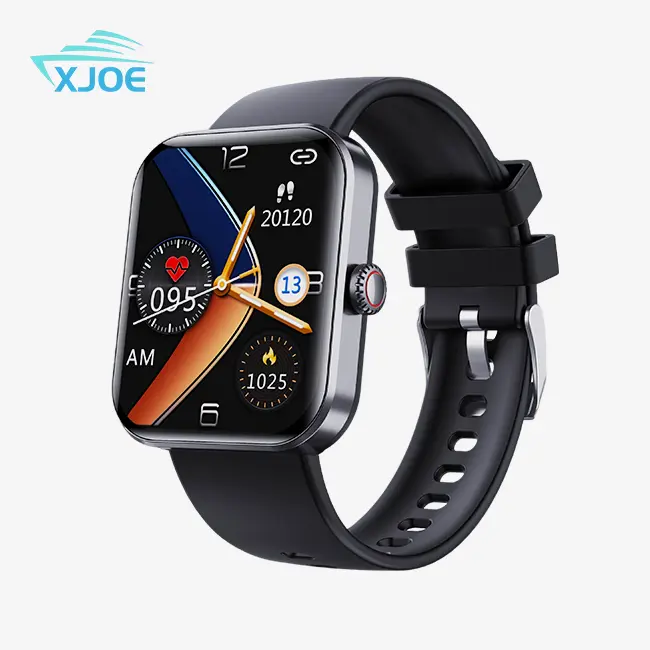
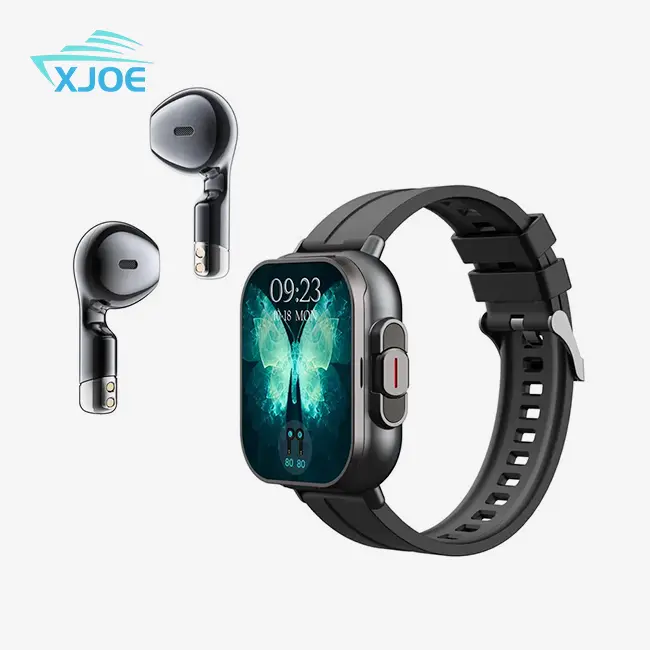
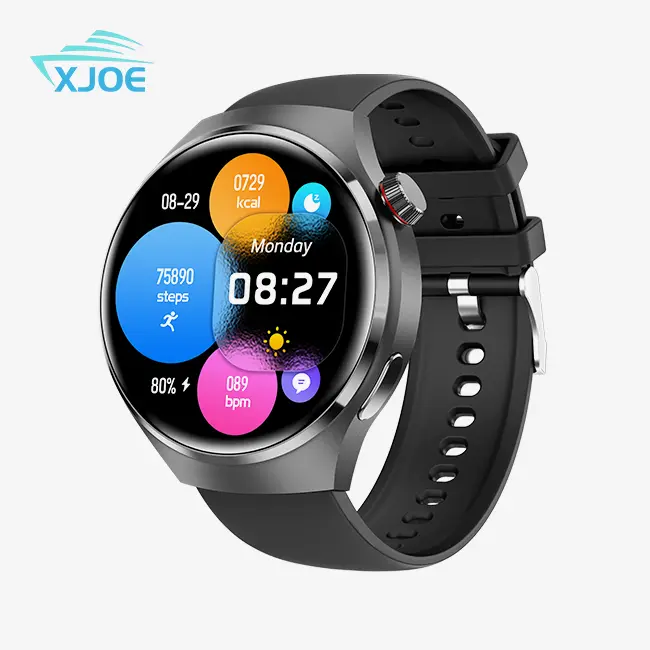
Improving Training Results with ECG Sport Watch Technology
Medical Disclaimer: The ECG sport watch is designed for fitness and wellness tracking purposes only. It is not a medical device and should not be used to diagnose, treat, or replace professional medical advice. Always consult a qualified healthcare provider for cardiac health concerns.
When we talk about optimizing training outcomes in a corporate or commercial context, data quality is everything. An ECG sports watch delivers exactly that — real-time electrocardiogram readings combined with continuous fitness tracking, giving users and organizations a level of cardiovascular insight that standard heart rate monitors simply cannot match. Whether you are sourcing wearables for an Amazon storefront, building a private-label fitness brand, or outfitting a corporate wellness program, understanding this technology can sharpen your procurement decisions and elevate your product offering significantly.
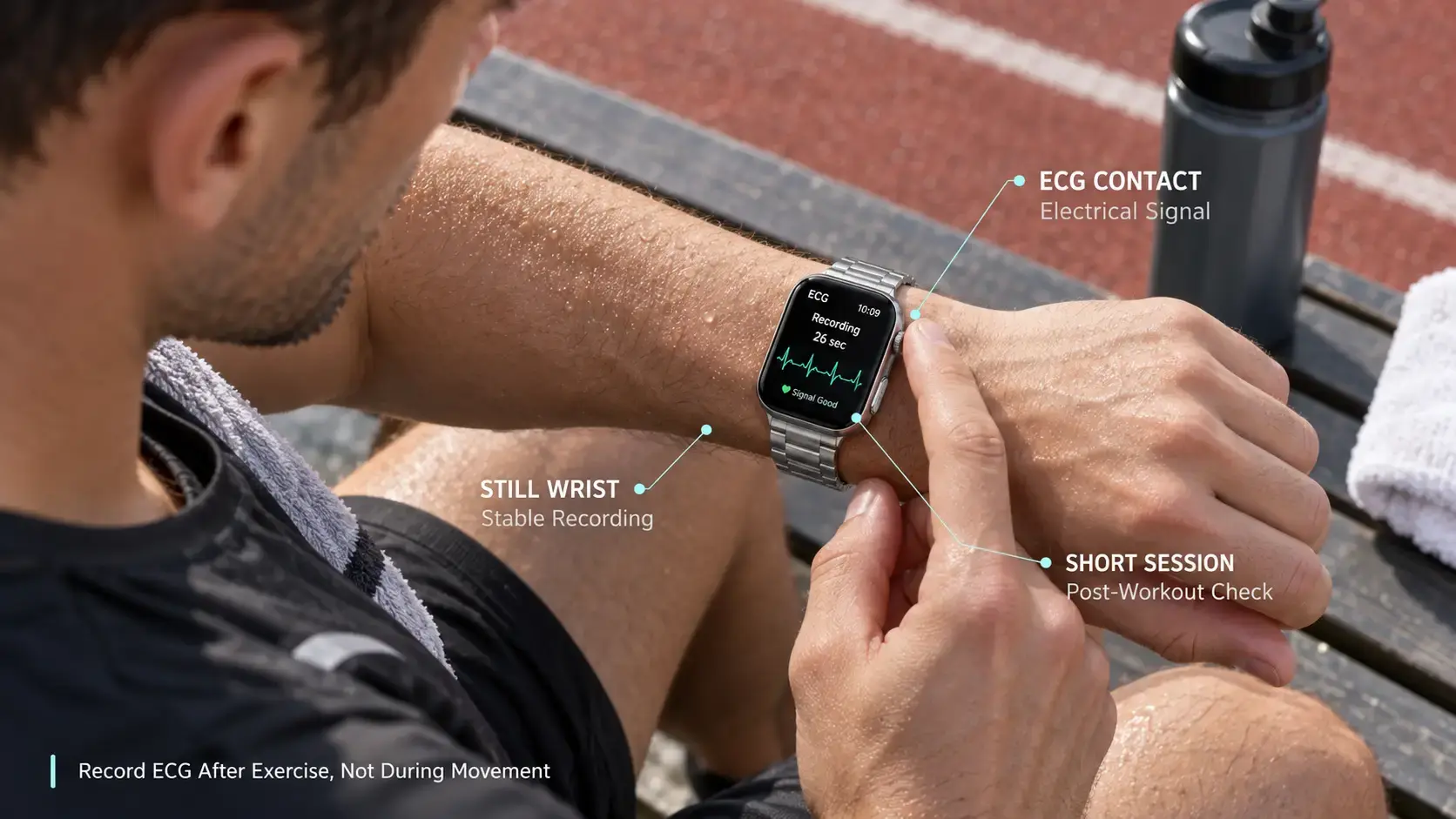
What Makes ECG Sport Watch Technology Different
Beyond Basic Heart Rate Monitoring
Most optical heart rate monitors check the flow of blood through the wrist, which can change when you're moving around a lot. ECG-based wearables, on the other hand, directly record the heart's electrical activity, giving results that are similar to single-lead clinical electrocardiograms. A study released in 2021 in npj Digital Medicine found that wearable ECG devices were able to identify atrial fibrillation with a sensitivity rate of above 93%. This is a useful standard for anyone buying a product to check its trustworthiness.
This difference in correctness is important for B2B clients. Products that give accurate heart data get fewer bad reviews, help build brand trust, and encourage repeat purchases. All of these things have a direct effect on how well sellers do on sites like Amazon or Shopify.
Key Features That Drive Procurement Value
Knowing what a good cardiac fitness tracker can do at its core helps buyers choose the right product for the right customer. Here are the main things that make this area appealing to businesses:
- Real-Time ECG Monitoring: Records heart rate while you work out and while you rest, so you can find problems like arrhythmias or signs of overwork before they get worse.
- 24/7 Heart Rate Tracking: Monitoring your heart rate all day and night gives you a full cardiovascular overview that helps with both sports performance and daily health management.
- Multiple Sports Modes: Running, cycling, swimming, and other sports have their own systems that make sure that exercise data stays true across a wide range of user profiles.
- Sleep Monitoring: Keeps track of the stages of sleep and the quality of recovery, which helps users match their rest periods with their training loads. This is a tool that is especially useful for workplace health programs.
- Smart Notifications: Works with both Android and iOS devices via Dual BT (BLE5.1 + BT3.0), sending alerts without stopping what you're doing.
All of these features for ECG watches lower the risk of high return rates and negative feedback based on complaints, which are two of the worst things for electronics sellers who are already struggling with low margins.
How ECG Data Actively Improves Training Outcomes
Translating Biometric Signals Into Actionable Coaching
These days, one of the most popular ways that sports scientists speak about determining whether or not someone is ready to exercise is by analysing their heart rate variability, sometimes known as HRV. HRV-guided training regimens were shown to be much more successful in building endurance than fixed-intensity plans, according to research that was published in the International Journal of Sports Physiology and Performance (2020). A wristwatch that is capable of recording electrocardiograms immediately captures the raw data that is required to get these insights.
Suppose five hundred employees at a firm that offers a health program were provided with heart monitors that they could wear. There were three individuals who were working out in the morning, and their electrocardiograms revealed abnormal pulse rhythms. Notifications are issued to managers, and workers are instructed to see a physician before anything more severe takes place. In other words, it is not only a hypothesis; rather, it is a real-world illustration of how these devices are actually being used in workplace health systems.
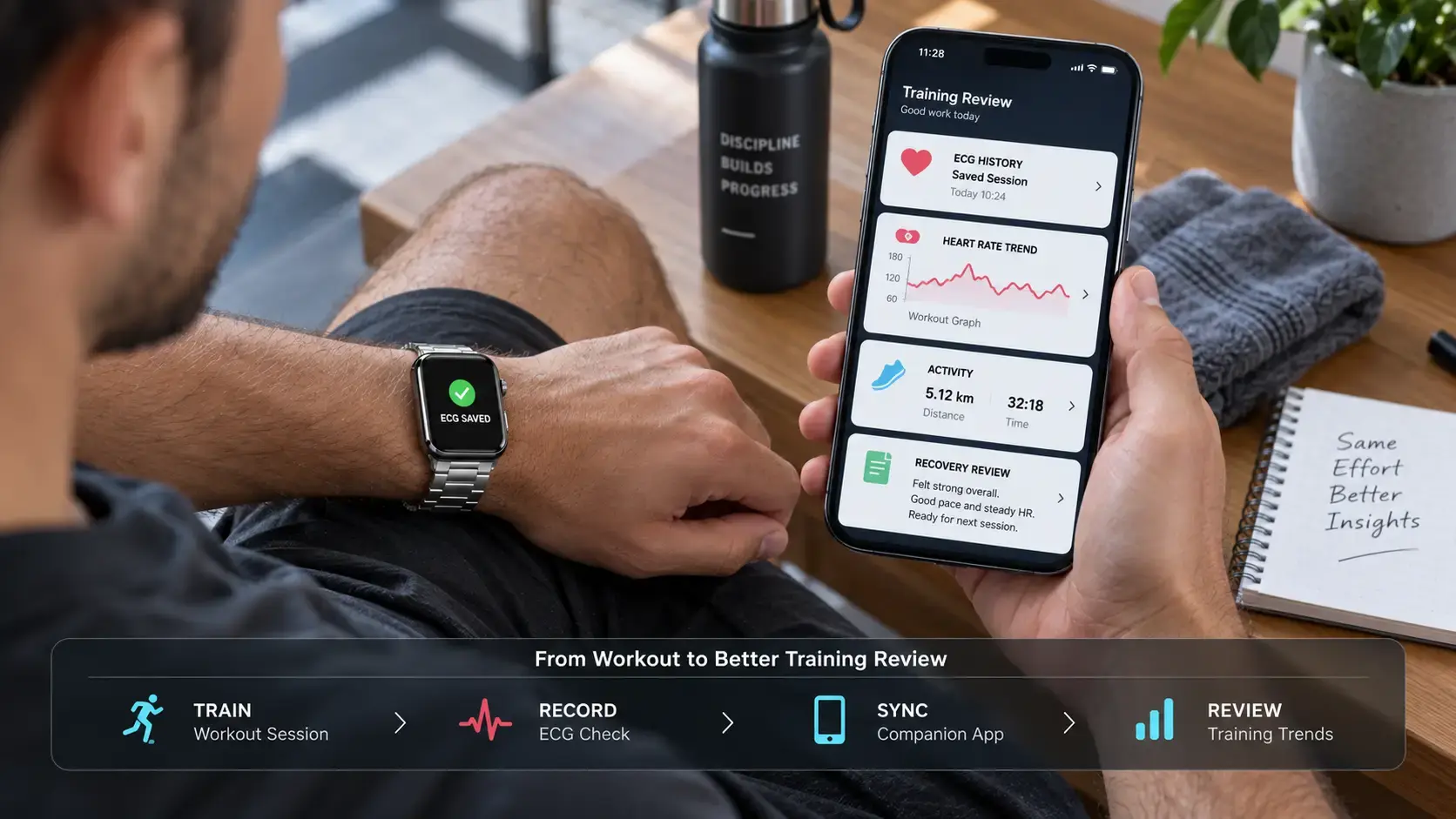
In order to provide athletes and fitness enthusiasts with a connection between ECG output and GPS distance, calories burnt, and movement strength, the watch is designed. Consequently, this results in a comprehensive training profile that coaches may utilise to modify the amount of work that athletes do on a weekly basis.
Practical Tips for Maximizing Device Effectiveness
To get the most out of ECG wearable tech, it needs to be used regularly and properly at first. To get a full picture of the data, sellers and program managers should tell users to wear the device during both training sessions and recovery periods. When the watch is paired with an app that shows HRV trends, sleep scores, and activity reports, users can turn raw numbers into choices they can act on.
Choosing the Right ECG Sport Watch for Your Business
Matching Specifications to Market Demands
Not every product works well with every channel. When looking at an ECG exercise wearable for business-to-business purchases, the following standard guidelines are very important:
- Screen Size and Resolution: The 2.01-inch TFT display with a resolution of 240x296 makes it easy to read while working out without being too bulky.
- Battery Life: A 5–10-day battery cycle makes it easier for users and cuts down on return requests related to charging issues.
- Water Resistance: If the device has an IP67 rating, it can reliably handle sweat and splashes, which is what you should expect from any sport-related wearable.
- Build Materials: An alloy case and a TPU strap work well together because they are both durable and comfortable, making them good for both casual users and athletes who want to perform well.
- Connectivity: It has two types of Bluetooth support (BLE5.1 and BT3.0), so it works with a lot of devices that run on both Android and iOS.
These factors are in line with what buyers on Amazon, Shopify, and TikTok Shop regularly say makes them buy smart wearables like an ECG sport watch. For OEM and private-label customers, these specs also make it easy to add their own logos without affecting the product's functionality.
Logistics, Warranty, and After-Sales Considerations
When buying in bulk, procurement teams need more than just a strong product sheet. In business-to-business (B2B) situations, you can't go without reliable delivery, warranty coverage, and quick technical support. When shipments are late or defect claims aren't addressed, they put pressure on downstream inventory, which can lead to lost ranks and tense relationships with retailers. These risks are greatly reduced when you work with a manufacturer that keeps a large inventory on hand and has strict quality control at the factory level.
Integrating ECG Wearables Into Corporate and Community Health Programs
Applications Across Industries
ECG sport watches have a wide range of uses that extend well beyond the gym. It is possible to employ these devices in community health management systems in order to keep an eye on people who are participating in programs that are designed to improve their heart health. Wearable biometric technology has been used by human resources departments in organisations as a component of employee wellness programs that are organised. As of the year 2023, Grand View Research estimated that the value of this market reached over sixty billion dollars globally and is continuing to expand.
Rehabilitative facilities make use of continuous heart rhythm monitoring in order to monitor patients while they are engaging in supervised activity for the purpose of recuperation. When working in tasks that require a lot of physical exertion, occupational health professionals utilise data from wearable cardiac monitors to identify early indications of fatigue. Each of these scenarios presents a one-of-a-kind opportunity for business-to-business (B2B) sales for distributors and sellers who are able to position the product in the appropriate location.
Data Privacy and Compliance
When working with a lot of personal data, you need to pay attention to GDPR and HIPAA rules. Companies that want to use ECG wearables in community or employee programs should work with vendors who can help with data architecture and make sure that private health data is handled and stored correctly. Not only is it the law to handle data responsibly, but it's also a sign of trust that makes long-term business partnerships stronger.
Conclusion
Consumer attraction and clinical-grade health knowledge are combined in ECG sports watch technology. It's easy to see the chance for business-to-business buyers, like Amazon sellers, private-label brands, corporate wellness buyers, and regional distributors. Products that accurately monitor your heart rate, are well-made, and work with a lot of different platforms consistently do better than generic fitness trackers in terms of both market demand and customer retention. Picking the right ECG smartwatch provider with strong R&D skills, customizable options, and dependable stocking support is what sets successful brands apart from those that have to deal with returns and listings that don't move.
Frequently Asked Questions
1. How accurate are ECG sport watches compared to clinical ECG devices?
Consumer-grade ECG wearables use single-lead electrocardiogram technology, which is different from the 12-lead clinical ECGs used in hospitals but still collects useful information about heart rhythm. They work well for finding common heart problems like atrial fibrillation and a fast heart rate at rest, but they are not medical-grade tests. Studies show that verified wireless ECG devices have sensitivity rates above 90% for finding certain arrhythmias.
2. Can these watches integrate with existing health or fitness platforms?
Most smartwatches that can do ECGs can connect to companion apps that work on both Android and iOS. It depends on the software ecosystem whether an API can connect to other health management platforms, but many OEM solutions allow for the creation of custom apps for use in businesses.
3. What are the typical lead times and MOQ for bulk procurement?
Lead times depend on how customized the item is. Standard sales with logos usually get sent out between 7 and 15 business days. Minimum order quantities are flexible; low MOQ options are available for testing the market, and volume orders can get better prices. Based on current inventory levels, getting in touch with the seller directly gives you the most accurate schedule.
4. Is IP67 sufficient for swimming use?
The IP67 rating means that it can be submerged up to 1 meter for 30 minutes, so it can handle sweat, rain, and splashes. It's not a good idea to swim in open water or do sports in high-pressure water.
Partner With Xizhou for Your ECG Sport Watch Supply
Xizhou has mature R&D, GMP-certified manufacturing, and a large stock that is ready to go to meet all of your buying needs, no matter how big or small. As a reliable ECG sports watch manufacturer, we offer OEM and ODM customization, such as printing logos or branding apps. We also offer fast delivery times and make sure that every batch meets strict quality standards. Our team is ready to help you grow, whether you're introducing a new line of products or expanding your current catalog. You can get samples, talk about bulk pricing, or look into custom development options by emailing 13266508958@163.com.
References
1. Wasserlauf, J. et al. — npj Digital Medicine, 2019. Smartwatch Performance for the Detection and Quantification of Atrial Fibrillation.
2. Plews, D. J. et al. — International Journal of Sports Physiology and Performance, 2020. Training Adaptation and Heart Rate Variability in Elite Endurance Athletes.
3. Grand View Research — Corporate Wellness Market Size & Forecast Report, 2023.
4. Bayoumy, K. et al. — Nature Reviews Cardiology, 2021. Smart Wearable Devices in Cardiovascular Care.
5. Hannun, A. Y. et al. — Nature Medicine, 2019. Cardiologist-Level Arrhythmia Detection and Classification in Ambulatory Electrocardiograms Using a Deep Neural Network.
6. Shcherbina, A. et al. — JAMA Cardiology, 2017. Accuracy in Wrist-Worn, Sensor-Based Measurements of Heart Rate and Energy Expenditure in a Diverse Cohort.