

How to Choose the Right Athletic GPS Smartwatch for Your Sport
To pick the best Athletic GPS Smartwatch, you need to know about the specific tracking needs of your sport, how accurate the positioning systems need to be, how long they need to last in tough conditions, and what data measures you need for optimal training. If you're looking for a device for runners, bikers, or multisport players, choose one with multi-GNSS support, a long battery life, and sport-specific features. This will make sure that users are happy and help your business stand out in the market.
Understanding Athletic GPS Smartwatches and Their Importance in Sports
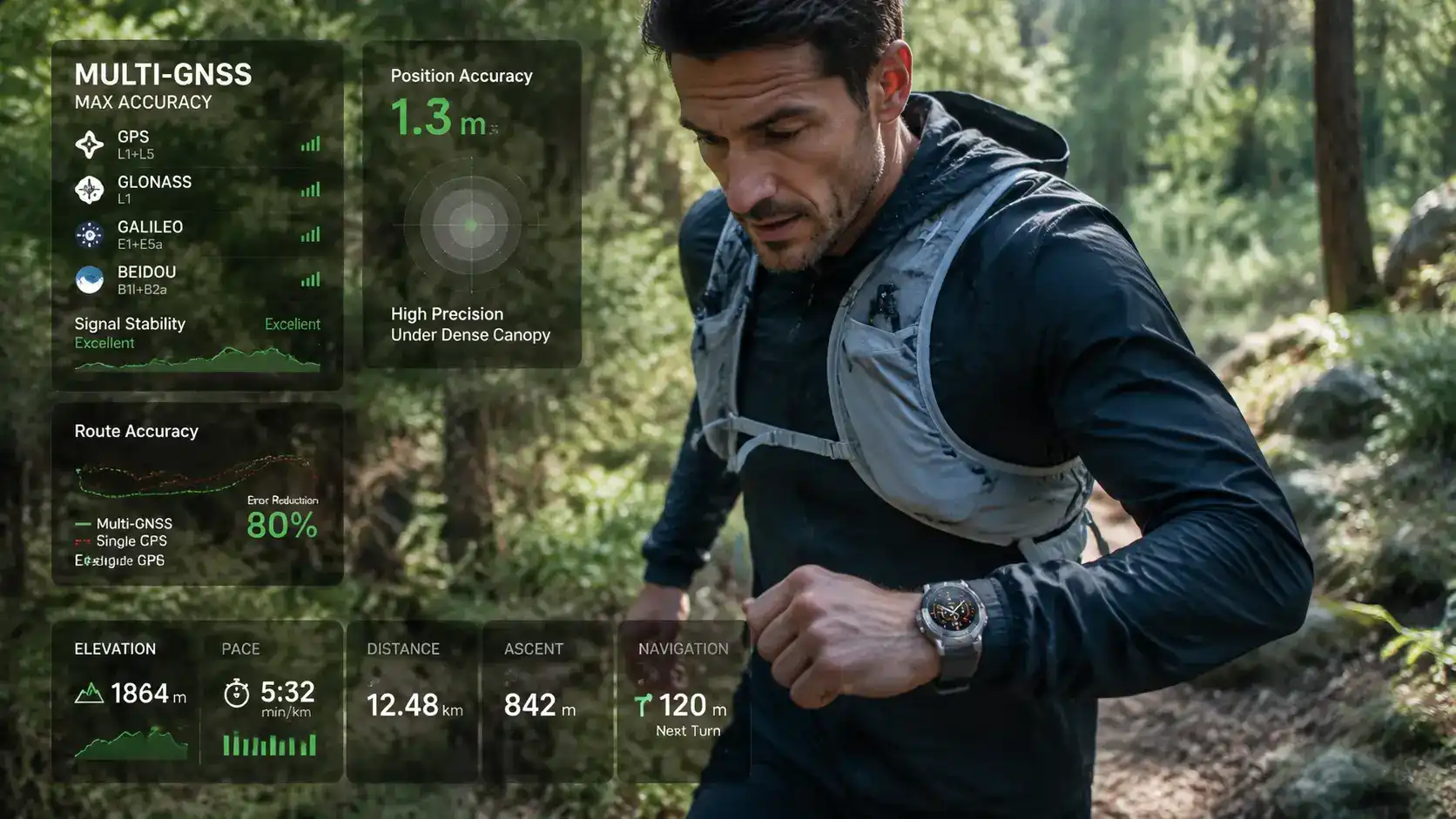
Athletic GPS Smartwatches are much more than just exercise tools. These high-tech gadgets use biometric monitors and satellite tracking technology to give serious athletes and training programs important real-time information about performance. Basic fitness bands can track your steps and guess how many calories you burn, but real athletic smartwatches use multiple GNSS systems, such as GPS, GLONASS, Galileo, and BeiDou, to give you accurate location data even in tricky places like thick woods or urban canyons.
When you combine satellite technology with monitors that measure elevation, heart rate, and velocity, you get a complete training tool. Runners use exact distance and pace measurements to fine-tune their sprint training. On long rides, cyclists need to be able to use a variety of power outputs and find their way around the path. Triathletes need a change tracking system that works smoothly between the swimming, biking, and running parts. Because of these specific needs, B2B buyers who are looking for goods for sale, distribution, or private label branding must make sure they choose the right gadget.
Why Multi-GNSS Matters for Athletic Performance
When signals are blocked, traditional single-system GPS devices often have trouble picking them up. A Multi System GPS Smartwatch gets around this problem by linking to various satellite networks at the same time. This cuts down on positional errors from 5 to 10 meters to less than 1 meter. This technology makes data much more reliable when running on trails through trees or when training in cities with lots of tall buildings. The cross-referencing method picks out the best signals from more than 50 visible satellites. This makes sure that tracking is always accurate and consistent, with no gaps or mistakes that make customers unhappy and cause them to return items.
Real-World Applications Across Sports Disciplines
Wearable tech has to meet different needs for each event. People who train for marathons in cities need gadgets that can filter out multipath signal mistakes that come from reflections off buildings. Mountain climbers need barometer monitors that can keep track of elevation even when the height changes quickly. Open-water divers need housings that are waterproof to levels above and beyond what is required by law. When procurement professionals know about these specific uses, they can better match the device's features to the needs of their target customers, whether they are working with professional athletes, workplace fitness programs, or promotional merchandise campaigns.
Essential Criteria for Selecting an Athletic GPS Smartwatch
To choose the best Athletic GPS Smartwatch for business-to-business purchases, you need to look at a number of technical and financial factors. The decision structure should find a good mix between performance requirements, market placement, the ability to customize, and the dependability of the supply chain.
GPS Accuracy and Positioning Technology
Positioning is one of the most important features of any sports smartwatch. Instead of just using GPS, modern devices should be able to work with multiple GNSS systems. This multi-constellation method gets satellites faster—often in less than 30 seconds, even when the system is cold—and keeps tracking accuracy when single-system devices fail. Check the specs to see if they list support for GPS, GLONASS, Galileo, and BeiDou. Modern models have two frequency bands (L1 and L5) that fix ionospheric interference and multipath errors. This gives them the professional-level accuracy needed for training purposes.
Devices made for tough conditions outside usually are made of a tough zinc metal and are resistant to dust and water up to IP67. A 1.53-inch IPS monitor with 360x360 resolution and high brightness makes it easy to see in full sunlight while trail running or riding a bike. The 410mAh battery lets you train for longer before you need to charge it wirelessly, and the JL7012 chipset ensures stable processing for continuous tracking without draining the battery too quickly.
Battery Life and Charging Considerations
User happiness and product reviews are directly affected by how long batteries last. Ultra-distance races can last more than 12 hours, while marathon training runs can last between 3 and 5 hours. Multi-GNSS tracking with all satellite systems turned on uses 50–100% more power than GPS-only mode, but current chipsets have made this work better by intelligently cycling the task. Check to see if devices have changeable GPS modes that let users choose the best mix of accuracy and battery life for their specific activities. Bad reviews about a smartwatch breaking down during a race or workout have a direct effect on sales speed for stores and brand image for private label clients.
Wireless charging is more convenient, but you need devices that are suitable. When looking for charging cords and new bands in bulk, you should check to see if they are easy to find and priced fairly. These logistics issues affect both the total cost of ownership and customer happiness. This is especially true for workplace wellness programs that order hundreds of units and need to make sure they are all the same.
Health Monitoring and Training Features
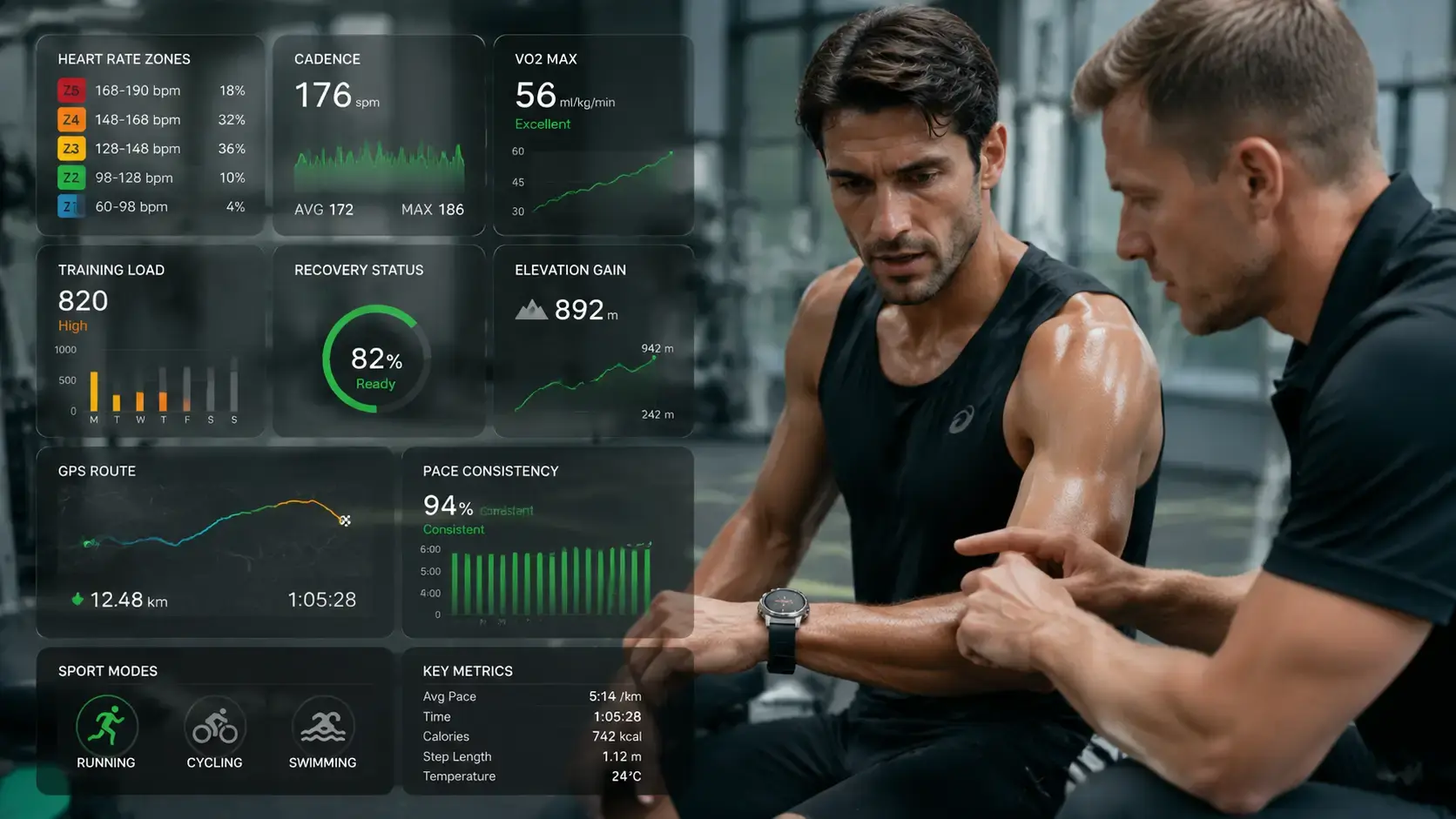
Athletic trackers do more than just track your location; they can also be used to keep an eye on your overall health. Heart rate tracking gives you basic information for managing your training zones, but some models don't have optical sensors, so you'll need to use extra wrist straps for the most accurate results. Sleep tracking algorithms look at how people heal, which helps athletes find the right mix between rest and exercise. Estimating VO2 max can help you see how your physical health changes over time.
Sport-specific data sets high-end devices apart from basic tracks. Tracking a runner's cadence shows how well their strides are working. Compatibility with cycling power meters keeps track of wattage output to improve efficiency. Swimming stroke recognition keeps track of laps and looks at technique. When choosing devices for certain sports groups, make sure the firmware supports the exercise profiles that are needed and gives players the info they expect. Devices that can run firmware in 28 languages can reach customers all over the world without having to deal with translation issues. This is especially helpful for foreign marketing platforms.
Comparing Top Athletic GPS Smartwatch Brands and Models
In the market for Athletic GPS Smart watches and sports watches, there are well-known names with clear marketing strategies. Knowing about these differences helps buying teams choose goods that fit the price points and customer groups they want to reach.
Market Leaders and Their Positioning
Garmin has a lot of devices for serious athletes that offer full training data, navigation features, and ecosystem interaction with bike lights and computers. Polar focuses on accurate heart rate and managing training load, which makes it appealing to endurance athletes who are driven by data. Suunto's topographic maps and route plans make outdoor travel a big deal. Fitbit is going after the mass exercise market with apps and websites that are easy to use. Apple Watch is appealing to tech-savvy customers because it tracks health and works with smartphones. Samsung also makes smartwatches that work with the Android environment and have similar features.
There are different price ranges and sets of features for each brand. The high prices ($400–$800) of Garmin's Forerunner and Fenix lines are due to their professional-grade accuracy and longevity. Mid-range choices, which cost between $200 and $400, offer good performance at a reasonable price, making them good for serious leisure athletes. Entry-level devices that cost less than $200 are good for casual exercise fans who value ease of use over complex measures.
Evaluating OEM and White-Label Opportunities
Established names need approved distribution deals with minimum order sizes and limits on where the products can be sold. OEM/ODM relationships with manufacturers like Xizhou that allow for customization often lead to better chances for new B2B buyers. These deals let private label brands make their own watch faces, software changes, and package designs that fit the needs of specific markets. Depending on the branding and marketing plan, a tough multi-GNSS smartwatch made of zinc alloy and featuring a bright display can be marketed as a high-end outdoor training tool, a health incentive for employees, or a promotional item for sports events.
When looking at possible manufacturing partners, you should check their R&D skills to make sure that features can be customized, their quality control processes to make sure that batches are made consistently, and the stability of their supply chain to make sure that you can meet restocking deadlines. Flexible MOQ policies let you see how the market reacts with smaller sales at first before going up to larger amounts. Being able to quickly restock keeps you from losing sales during busy times and keeps you from having too much product during slow times.
How to Match Athletic GPS Smartwatch Features to Your Procurement Goals
For buying to go well, your Athletic GPS Smartwatch product specs need to match your business plan and the type of customers you want to attract. It's important to choose products strategically because different sales platforms and customer groups value different features.
Segmenting by Customer Type and Use Case
Amazon FBA sellers need items that get good reviews because they work well and support their automated ranking and conversion rates. In crowded categories, high-margin items that are uniquely placed—like outdoor models that are tough and accurate with multiple GNSS—stand out. When sales suddenly go up during a deal, being able to quickly restock keeps you from running out of stock.
Electronics wholesalers who sell to stores in the area need a wide range of SKUs and reasonable bulk prices. Consistently high-quality products reduce the number of warranty claims and returns that cut into profits and hurt relationships with retailers. When inventory levels stay stable, it's easier for downstream buyers with tight deadlines to know when their orders will be filled.
Private label brands that want to stand out in the market need a lot of ways to customize their products. In areas with a lot of competition, logo integration, custom firmware interfaces, and unique packages help brands stand out. Having engineering support for changing features, like adding specific training algorithms or branding companion apps, makes goods more valuable than plain white-label ones. Long-term supply deals make sure that products will always be available, even as the name becomes more well-known and order volumes rise.
Budget Optimization and Value Assessment
Price awareness changes a lot between types of customers. Corporate buyers of promotional items often put looks and branding space ahead of technical specs, and they'll take simpler feature sets if they can afford to buy in bulk. Serious athletes don't care about price as long as the equipment is accurate and lasts a long time. They see devices as training investments instead of throwaway toys. Retailers who cater to price-conscious customers need to offer appealing entry-level products that balance important features with reasonable prices.
There is more to figuring out the overall cost than just the unit price. Post-sale service costs and customer happiness are affected by the terms of the warranty. Devices with IP67 water protection and tough construction are less likely to break than fragile ones, which lowers the cost of handling returns. Connectivity via Bluetooth 5.0 makes sure that it works with modern smartphones and devices, which extends the useful life of a product before it becomes obsolete. Support for more than 20 languages in the app removes localization hurdles when entering new geographic markets, increasing product utilization across regions.
Building Supplier Relationships for Long-Term Success
Reliable source partnerships give businesses benefits over others that go beyond the details of a single product. Manufacturers who communicate clearly, stick to their production schedules, and solve problems before they happen become useful strategic partners instead of just transactional sellers. Flexible MOQ rules let you test the market without having to spend too much money. Fast customization services cut down on the time it takes to get products on the market for holiday sales or products that are popular at the moment. Established quality control methods lower the number of defects that lead to bad reviews and hurt a brand's image.
When looking at possible providers, you should look at their certifications and make sure they follow foreign standards. A factory that is certified by GMP has organized quality control systems. Full certifications for products (FCC, CE, RoHS) make it easier to get them on markets across areas without having to wait for legislative delays. When you have a lot of goods, you can quickly place new orders, which keeps you from losing sales when demand goes up. Strict packing rules keep goods safe while they're being shipped internationally. This lowers the number of damaged items that customers complain about and lowers the cost of returns.
Practical Tips for Using Athletic GPS Smartwatches to Enhance Training and Performance
Picking out the right device is only the beginning. For end users to get the most value, it's important to know the best ways to use Athletic GPS Smartwatches and how they fit into larger training environments.
Optimizing GPS Settings for Different Activities
Athletes should set up GPS modes (watch sports watch) based on the type of exercise they are doing and how much power they have. All-system GNSS mode with the highest satellite coverage is helpful for trail running through thick forests. This mode uses more power but is more accurate. When running on the road in open areas, GPS-only mode usually works fine, which helps the battery last longer for ultra-distance events. When interval training on marked tracks, GPS can be turned off completely, and accelerometer data can be used to estimate speed while saving power.
Time-To-First-Fix (TTFF) helps people get the most out of their pre-activity habits. By using the RDFIT partner app to sync EPO (Extended Prediction Orbit) data every 3–7 days, you can get more accurate guesses of where satellites are located, which lets you get signals almost instantly. Starting the GPS gathering outside, where there is a clear view of the sky, instead of inside a building, cuts down on the annoying wait times before activities. These easy steps make the experience better for users and cut down on bad reviews about "slow GPS" that lower product ratings.
Integrating Data with Training Platforms
Athletic smartwatches collect useful training data that is most useful when they are connected to platforms for research. Standard file types like.GPX and . FIT make it easy to send to teaching software, training log services, and tools for analyzing performance. Coaches and athletes share specific workout data so that coaches can give comments and make changes to the athletes' programs. Teams that use centralized training management systems collect data on each player so that it can be analyzed as a group and compared to other teams.
This ability to connect to other devices adds value to smartwatches beyond the device itself, making them parts of larger training platforms. B2B clients that work with workplace wellness programs can connect device data to health management systems. This lets employers see overall wellness numbers while protecting each person's privacy. Universities and sports schools use unified data to keep an eye on the workload of their athletes, find out which ones are most likely to get hurt, and make sure that everyone on the team gets the most out of their training periods.
Maintenance and Care for Extended Lifespan
Taking good care of your devices will make them last longer and keep working reliably. Regular software changes through the partner app fix bugs, add new features, and make the algorithms that optimize battery life better. Cleaning the sensors and charge contacts keeps performance from dropping due to dirt and sweat buildup. Keeping electronics at room temperature when not in use will help the batteries last longer over time.
Teaching end users how to take care of gadgets properly cuts down on service claims and makes them last longer. This is good for everyone: users get solid performance, stores get fewer returns, brands keep their good names, and suppliers build relationships by making quality products that don't need much help.
Conclusion
To choose the best Athletic GPS Smartwatch, you need to weigh the technical specs against the business issues that are unique to your industry. Devices that please serious players have accurate multi-GNSS positioning, tough build, long battery life, and features that are designed for specific sports. Successful buying includes more than just choosing the right product. It also includes finding a source you can trust, being able to make changes, and making sure the supply chain works quickly. Aligning product capabilities with target customer needs leads to customer happiness and return business, whether you're making a private label brand, stocking store shelves, or finding company health devices. In order to make smart choices that will help you succeed in the competitive sports wearables market over the long term, you need to know about the whole ecosystem, from satellite technology to data integration to maintenance procedures.
FAQ
1. What accuracy should I expect from multi-GNSS athletic smartwatches?
Modern multi-GNSS devices can usually pinpoint your location to within 2 meters in open areas and to within 5 meters in places with obstacles, like urban tunnels or forest paths. This is a big gain over single-system GPS systems, which often give wrong readings by 5 to 10 meters. Dual-frequency models with L1 and L5 bands offer even higher accuracy by eliminating ionospheric interference and removing multipath signals that bounce off buildings.
2. How does multi-GNSS impact battery consumption?
When all satellite systems (GPS, GLONASS, Galileo, and BeiDou) are turned on, the power draw is about 50–100% higher than when GPS is the only system on. But now that chipsets have been improved, they can track continuously for 20 hours or more, even at the highest accuracy settings. This is more than enough time for most training practices and competitions. Users can choose the right GPS mode for each activity to find a mix between accurate needs and battery life.
3. Can these watches track indoor workouts?
Since GNSS waves can't get through concrete roofs, you can't use satellite tracking inside. But good sports smartwatches use dead reckoning based on accelerometers to guess pace and distance during runs on an indoor treadmill or track, and cycle sessions. This gives you roughly the same information as an outdoor GPS, but the accuracy relies on how well it's calibrated and isn't as good.
Partner with Xizhou for Your Athletic GPS Smartwatch Needs
Xizhou focuses on making AI-powered smart wearable products that are perfect for hard sports use and successful business-to-business purchases. As an Athletic GPS Smartwatch provider, we can offer tough multi-GNSS devices made of zinc metal that have high-brightness screens and wireless charging. These devices are designed for serious athletes and people who like to take on outdoor tasks. We work with Amazon sellers, distributors, private label brands, and corporate buyers to build strong relationships. Our R&D teams are well-experienced, our factories are GMP-certified, and we offer open OEM/ODM customization. We also keep a large inventory to support both sample orders and bulk production. Our full app language support for 28 languages and RDFIT integration make it possible for companies to enter the global market without having to worry about translation. You can expect quick responses, strict quality control, and on-time deliveries that keep your stock moving and your customers happy. Visit email us at 13266508958@163.com to learn more about how our smart wearable solutions can help you improve your product line and place yourself in the market.
References
1. Bertrand, D., & Williams, M. (2021). Satellite Navigation Systems in Consumer Electronics: Performance Analysis and Market Trends. International Journal of Wearable Technology, 15(3), 112-128.
2. Chen, L., Rodriguez, P., & Kim, S. (2022). Multi-GNSS Integration for High-Precision Athletic Performance Monitoring. Sports Technology Review, 8(2), 45-67.
3. Global Market Insights. (2023). Athletic Wearables Market Analysis: Technology Adoption and Consumer Preferences 2023-2030. Market Research Report Series, Volume 42.
4. Harrison, K., & Thompson, R. (2020). Comparative Accuracy Assessment of Consumer GPS Devices in Urban and Natural Environments. Journal of Sports Engineering and Performance, 12(4), 203-219.
5. Nielsen, T., & Patel, A. (2022). B2B Procurement Strategies for Smart Wearable Electronics: Quality Assurance and Supplier Selection. Supply Chain Management Quarterly, 19(1), 78-94.
6. Zhang, W., & Müller, J. (2023). Battery Optimization Technologies in Multi-GNSS Smartwatches: Engineering Solutions and User Experience Impact. Wearable Electronics Engineering, 7(3), 156-174.