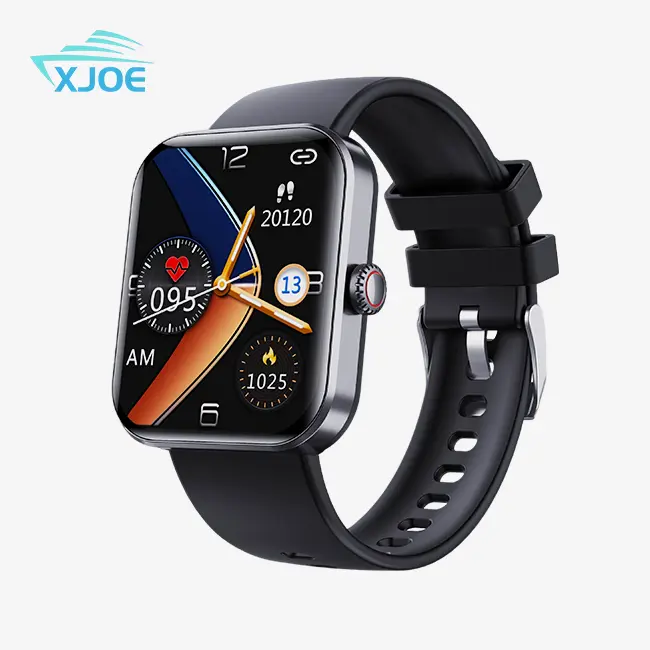
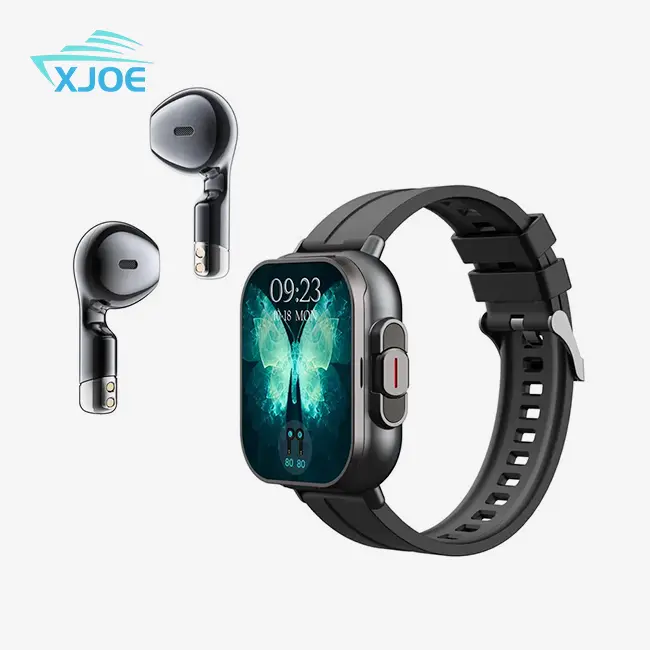
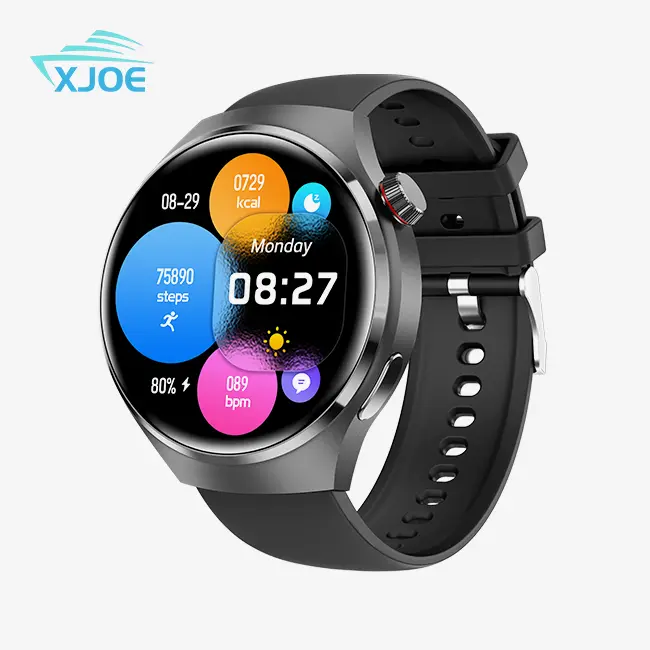
ECG Health Smartwatch for Athletes and Recovery Tracking
An ECG Health Smartwatch is a big step forward in sports monitoring. It combines electrocardiogram technology with constant health tracking to help with managing training stress and following recovery plans. Athletes use these devices to check their heart rate errors, blood oxygen saturation, and cardiovascular stress in real time. This lets them make choices based on data that lowers their risk of injury and makes them more ready for competition. This technology fills the gap between consumer wearables and clinical-grade tracking. It works with health management systems and fitness programs without any problems.
Understanding ECG Health Smartwatches for Athletes
Electrocardiogram technology in wearable tech picks up electrical data from the heart, giving more information than just tracking heart rate. These ECG Health Smartwatches have powerful biosensors that can find arrhythmias, uneven heartbeats, and other heart problems while you work out or relax. ECG Health Smartwatch readings have been proven to be accurate by comparing them to medical-grade equipment. This shows that the readings are reliable within acceptable clinical gaps when the devices meet regulatory standards.


Core Technology Behind ECG Monitoring
Multi-lead sensor bands are built into the watch case and strap touch points of modern ECG Health Smartwatches. The device catches electrical signals across the heart muscle when a person puts their finger on the watch bezel or keeps pressure on their wrist. Motion artifacts and external noise are filtered out by algorithms to make clean waveforms that health experts can look at. Devices that meet FDA Class II medical device standards go through a lot of tests to make sure they work accurately during active activities. This means they can be used in high-intensity training settings.
Essential Metrics for Athletic Performance
Heart rate variability is a very important sign of the balance and healing state of the autonomic nervous system. Athletes with higher HRV are usually better at dealing with stress and getting ready for training. Monitoring blood oxygen content (SpO2) shows how well the cardiovascular system gets oxygen to muscles during exercise. This can help figure out if someone needs to get used to the altitude or has breathing problems. Tracking changes in resting heart rate over time can help find problems early on, like overtraining syndrome, illness, or not getting enough rest between workouts.
Reliability and Validation Standards
When measuring heart rate during mild activity, studies that compare wearable ECG Health Smartwatch monitors to 12-lead clinical systems find correlation values that are higher than 0.90. But precision drops when the arm moves quickly or when the device doesn't fit properly. Straps should be tightened so they are one finger-width above the wrist bone, and sensor contact points should be cleaned often. Regulatory approvals like CE marking and FDA clearance show that makers have done controlled trials to show that their products are safe and effective. This gives buying teams peace of mind about quality standards.
The Role of ECG Smartwatches in Athlete Recovery and Performance Optimization
Biometric analysis has replaced subjective judgments as the main method for tracking recovery. Wearables with ECG Health Smartwatch capabilities measure the reactivation of the parasympathetic nervous system after hard training. This is done by looking at HRV metrics and heart rate trends over the course of the night. When cardiovascular stress stays high past the regular healing windows, the device tells athletes they need to change their training loads or focus on recovery activities.
Personalized Training Plans Through Biometric Data
To make effort zones and volume recommendations that are just right for each athlete, coaches and sports scientists combine ECG Health Smartwatch data with training periodization models. If an athlete's HRV is going down even though they're getting enough sleep, they might benefit from less exercise or more rest days. On the other hand, progressive overload tactics are supported by steady improvements in cardiovascular measures. This personalized method cuts down on guessing and makes sure that the exercise stimulus matches the body's ability.
Real-World Applications in Professional Sports
Professional cycle teams use ECG Health Smartwatches to track race tiredness and spot early signs of heart strain that happen before performance drops. One European team said that the number of non-contact injuries dropped by 22% during the 2023 competition season after they started using daily HRV tracking procedures. In the same way, marathon training programs use SpO2 data to make sure that high-altitude training camps are the best they can be so that athletes make the changes they want to make without putting their bodies through too much stress.
Injury Prevention and Early Intervention
If irregular heart rhythms are found during normal tracking, they can be checked out by a doctor before the symptoms get worse. Atrial fibrillation is not common in young athletes, but it can happen during hard training blocks. Cardiologists can look for underlying problems and change training plans based on what they find early on. Sharing ECG Health Smartwatch pattern data directly with medical staff makes it easier to talk to them and speeds up the decision-making process.
Selecting the Best ECG Health Smartwatch for B2B Procurement
When looking for wearable health technology for sports programs, business wellness projects, or retail sales, procurement experts look at a number of factors. Making smart buying choices starts with knowing about things like sensor accuracy, battery life, software ecosystem compatibility, and regulation compliance.
Key Evaluation Criteria for Enterprise Buyers
When looking at buying a lot of ECG Health Smartwatches, you should think about the following basic details:
- Sensor Accuracy and Clinical Validation: Devices should have medical device certifications or validation studies that have been published in peer-reviewed journals. When the Mean Absolute Error (MAE) for heart rate readings is less than 5% across a range of exercise intensities, it means that the device is working well.
- Battery Life and Charging Infrastructure: Longer battery life makes upkeep easier in team settings. When models offer 7–10 days of mixed-use operation, charging delays are kept to a minimum. When compared to unique connectors, magnetic charging methods make it easier to handle devices.
- Data Integration and API Access: Enterprise-level platforms come with API instructions that let you connect them to electronic health records, team management software, or your own custom analytics tools. Sensitive health information is kept safe in the cloud with security that meets HIPAA standards.
- Build Quality and Durability: Rugged construction is needed for athletic uses. Sapphire glass screens don't get scratched up during contact sports, and IP67 water resistance makes sure they work when you're swimming or in bad weather. Polymer cases don't hold up as well against pressure as zinc metal or stainless steel ones.
These technical standards make sure that devices can handle the demands of expert sports settings and can be used for a long time by a wide range of people.
Comparing Leading Brands and Compliance Standards
Apple Watch Series 8 and Samsung Galaxy Watch 5 are market leaders that offer ECG Health Smartwatch apps that have been approved by the FDA, along with full exercise tracking. The Fenix 7 line from Garmin is made for endurance sports and has longer battery life and more advanced physiological metrics. The Fitbit Sense 2 is reasonably priced and has basic health monitoring tools that work well for company fitness programs. The Withings ScanWatch is appealing to people who care about style because it blends analog looks with medical-grade devices.
The steps needed to get regulatory approval vary by area. In the US, getting FDA Class II clearance means that clinical studies must show that the gadget is safe and works well. The European Medical Device Regulation (MDR) says that registered bodies must do conformity tests on all medical devices that have the CE mark. To avoid import limits or liability issues, procurement teams that work with foreign markets should make sure that the area rules are followed.
Cost Analysis and Total Ownership Considerations
Prices per unit range from



ECG Health Smartwatch for Athletes and Recovery Tracking
An ECG Health Smartwatch is a big step forward in sports monitoring. It combines electrocardiogram technology with constant health tracking to help with managing training stress and following recovery plans. Athletes use these devices to check their heart rate errors, blood oxygen saturation, and cardiovascular stress in real time. This lets them make choices based on data that lowers their risk of injury and makes them more ready for competition. This technology fills the gap between consumer wearables and clinical-grade tracking. It works with health management systems and fitness programs without any problems.
Understanding ECG Health Smartwatches for Athletes
Electrocardiogram technology in wearable tech picks up electrical data from the heart, giving more information than just tracking heart rate. These ECG Health Smartwatches have powerful biosensors that can find arrhythmias, uneven heartbeats, and other heart problems while you work out or relax. ECG Health Smartwatch readings have been proven to be accurate by comparing them to medical-grade equipment. This shows that the readings are reliable within acceptable clinical gaps when the devices meet regulatory standards.
Core Technology Behind ECG Monitoring
Multi-lead sensor bands are built into the watch case and strap touch points of modern ECG Health Smartwatches. The device catches electrical signals across the heart muscle when a person puts their finger on the watch bezel or keeps pressure on their wrist. Motion artifacts and external noise are filtered out by algorithms to make clean waveforms that health experts can look at. Devices that meet FDA Class II medical device standards go through a lot of tests to make sure they work accurately during active activities. This means they can be used in high-intensity training settings.
Essential Metrics for Athletic Performance
Heart rate variability is a very important sign of the balance and healing state of the autonomic nervous system. Athletes with higher HRV are usually better at dealing with stress and getting ready for training. Monitoring blood oxygen content (SpO2) shows how well the cardiovascular system gets oxygen to muscles during exercise. This can help figure out if someone needs to get used to the altitude or has breathing problems. Tracking changes in resting heart rate over time can help find problems early on, like overtraining syndrome, illness, or not getting enough rest between workouts.
Reliability and Validation Standards
When measuring heart rate during mild activity, studies that compare wearable ECG Health Smartwatch monitors to 12-lead clinical systems find correlation values that are higher than 0.90. But precision drops when the arm moves quickly or when the device doesn't fit properly. Straps should be tightened so they are one finger-width above the wrist bone, and sensor contact points should be cleaned often. Regulatory approvals like CE marking and FDA clearance show that makers have done controlled trials to show that their products are safe and effective. This gives buying teams peace of mind about quality standards.
The Role of ECG Smartwatches in Athlete Recovery and Performance Optimization
Biometric analysis has replaced subjective judgments as the main method for tracking recovery. Wearables with ECG Health Smartwatch capabilities measure the reactivation of the parasympathetic nervous system after hard training. This is done by looking at HRV metrics and heart rate trends over the course of the night. When cardiovascular stress stays high past the regular healing windows, the device tells athletes they need to change their training loads or focus on recovery activities.
Personalized Training Plans Through Biometric Data
To make effort zones and volume recommendations that are just right for each athlete, coaches and sports scientists combine ECG Health Smartwatch data with training periodization models. If an athlete's HRV is going down even though they're getting enough sleep, they might benefit from less exercise or more rest days. On the other hand, progressive overload tactics are supported by steady improvements in cardiovascular measures. This personalized method cuts down on guessing and makes sure that the exercise stimulus matches the body's ability.
Real-World Applications in Professional Sports
Professional cycle teams use ECG Health Smartwatches to track race tiredness and spot early signs of heart strain that happen before performance drops. One European team said that the number of non-contact injuries dropped by 22% during the 2023 competition season after they started using daily HRV tracking procedures. In the same way, marathon training programs use SpO2 data to make sure that high-altitude training camps are the best they can be so that athletes make the changes they want to make without putting their bodies through too much stress.
Injury Prevention and Early Intervention
If irregular heart rhythms are found during normal tracking, they can be checked out by a doctor before the symptoms get worse. Atrial fibrillation is not common in young athletes, but it can happen during hard training blocks. Cardiologists can look for underlying problems and change training plans based on what they find early on. Sharing ECG Health Smartwatch pattern data directly with medical staff makes it easier to talk to them and speeds up the decision-making process.
Selecting the Best ECG Health Smartwatch for B2B Procurement
When looking for wearable health technology for sports programs, business wellness projects, or retail sales, procurement experts look at a number of factors. Making smart buying choices starts with knowing about things like sensor accuracy, battery life, software ecosystem compatibility, and regulation compliance.
Key Evaluation Criteria for Enterprise Buyers
When looking at buying a lot of ECG Health Smartwatches, you should think about the following basic details:
- Sensor Accuracy and Clinical Validation: Devices should have medical device certifications or validation studies that have been published in peer-reviewed journals. When the Mean Absolute Error (MAE) for heart rate readings is less than 5% across a range of exercise intensities, it means that the device is working well.
- Battery Life and Charging Infrastructure: Longer battery life makes upkeep easier in team settings. When models offer 7–10 days of mixed-use operation, charging delays are kept to a minimum. When compared to unique connectors, magnetic charging methods make it easier to handle devices.
- Data Integration and API Access: Enterprise-level platforms come with API instructions that let you connect them to electronic health records, team management software, or your own custom analytics tools. Sensitive health information is kept safe in the cloud with security that meets HIPAA standards.
- Build Quality and Durability: Rugged construction is needed for athletic uses. Sapphire glass screens don't get scratched up during contact sports, and IP67 water resistance makes sure they work when you're swimming or in bad weather. Polymer cases don't hold up as well against pressure as zinc metal or stainless steel ones.
These technical standards make sure that devices can handle the demands of expert sports settings and can be used for a long time by a wide range of people.
Comparing Leading Brands and Compliance Standards
Apple Watch Series 8 and Samsung Galaxy Watch 5 are market leaders that offer ECG Health Smartwatch apps that have been approved by the FDA, along with full exercise tracking. The Fenix 7 line from Garmin is made for endurance sports and has longer battery life and more advanced physiological metrics. The Fitbit Sense 2 is reasonably priced and has basic health monitoring tools that work well for company fitness programs. The Withings ScanWatch is appealing to people who care about style because it blends analog looks with medical-grade devices.
The steps needed to get regulatory approval vary by area. In the US, getting FDA Class II clearance means that clinical studies must show that the gadget is safe and works well. The European Medical Device Regulation (MDR) says that registered bodies must do conformity tests on all medical devices that have the CE mark. To avoid import limits or liability issues, procurement teams that work with foreign markets should make sure that the area rules are followed.
Cost Analysis and Total Ownership Considerations
Prices per unit range from $150 for basic models to $800 for high-end ones with cellphone access and high-tech materials. Volume savings usually start at orders of 100 units, and tiered price systems favor commitments of larger amounts. Aside from the initial buy price, you should also look at the guarantee coverage, the availability of replacement parts, and the software licensing fees. Subscriptions to cloud storage for managing team data add ongoing costs that affect long-term budgets.
When planning logistics, things to think about include customs fees for packages crossing borders, the cost of storing inventory, and how well the delivery network works. When you work with OEM/ODM makers like Xizhou, you can change the firmware languages, branding elements, and packaging to make unique goods for private label plans while keeping prices low by working directly with factories.

Implementing ECG Health Smartwatches in Athletic Programs and Supply Chains
For smart health technology to be successfully deployed, buying, IT infrastructure, and end-user training must all work together. Planning for integration should start when choosing a seller, so that the needs for connectivity and data security measures can be figured out.
Software Interoperability and Data Security
Modern ECG Health Smartwatches use Bluetooth 5.0 to connect to mobile apps and sync data to cloud platforms so that users can view it from multiple devices. Devices with built-in connections or open API access are helpful for athletic programs that use team management tools like TrainingPeaks or TeamSnap. Encrypting data while it's being sent and stored protects athletes' privacy and meets compliance standards like GDPR in European markets or HIPAA requirements for healthcare providers.
IT teams should look at network security rules for personal devices and set up processes for firmware updates, which fix security holes and make sensor algorithms better. Centralized device control tools make it easier to set up big deployments by letting you set up user accounts and notification settings all at once.
Training and Onboarding Strategies
Adoption that works relies on educating users. Athletes need to learn how to properly fit their devices, set up charging schedules, and understand health data. Procurement teams should ask vendors to provide educational materials in more than one language, such as video lessons and quick-start tips. The device in question works with 28 different firmware languages, so it can be used by a wide range of people in foreign sports groups.
Having partnerships with providers that offer technical support hotlines or dedicated account managers makes it easier to fix problems during the early stages of rollout. Setting up internal supporters, like teachers or trainers who know how to use the technology, makes it easier for people to learn from each other and quickly addresses user concerns.
Scalability and Lifecycle Management
As athletic programs change, they need options that can be expanded to meet the needs of the company. Flexible buying models let teams make small purchases as they grow or as technology is used in new sports. Tracking when warranties run out, planning when to replace devices, and getting rid of old ones through approved e-waste recyclers are all parts of device lifecycle management.
Some makers offer refurbishment programs that make devices more useful for longer, which can be used as training tools or loaner inventory at a low cost. Using the same models for all procurement cycles makes it easier and cuts down on the time needed to train new users on current systems.
Future Trends and Innovations in ECG Smartwatches for Sports and Recovery
Wearable health tracking features are always changing as technology improves. Patterns in biological data can now be found by AI algorithms that human researchers might miss. This gives us information about how likely it is that someone will get hurt or be ready to perform. ECG Health Smartwatch, accelerometer, gyroscope, and skin temperature readings are all combined in multi-sensor fusion to make full physiological profiles.
Emerging Technologies in Wearable Health Monitoring
The next wave of gadgets will have monitors that measure hydration, glucose levels, and lactate levels through non-invasive optical means. With these features, ECG Health Smartwatches become tools for managing your whole health. AI-powered coaching features look at training loads in relation to healing data and change workout suggestions automatically to maximize adaptation while lowering the risk of overtraining.
Sensor groups can be made smaller so that designs look better without losing their usefulness. Flexible computer boards and biocompatible materials make it easier to wear for long periods of time. Chipsets that use less energy make batteries last longer than the current 10-day standards. This means that you don't have to charge your phone as often, which is better for the user.
Market Developments Shaping B2B Procurement
The global market for sports wearables is expected to hit $45 billion by 2026. This is because more and more professional athletes, business wellness programs, and consumers are using these devices for exercise. B2B buyers give more weight to providers who can show they have innovation streams, a resilient supply chain, and quick customer service. Manufacturers with low minimum order amounts make it easier for wholesalers to test the market for new product categories while lowering their financial risk.
Regulatory environments change as technology does. The Digital Health Center of Excellence at the FDA speeds up the approval process for software-based medical equipment. This makes it possible for new features to be available faster. European MDR compliance is still very strict, needing ongoing clinical evidence updates and post-market monitoring. To keep products from being recalled or taken off the market, procurement teams should work with sellers to keep proactive compliance programs in place.
Strategic Recommendations for Early Adoption
Companies that adopt improved health tracking technology early on gain a competitive edge. Working with creative providers during the creation stages of a product lets you make changes that fit the needs of specific use cases, like keeping an eye on professional athletes, setting up health screening systems for the community, or helping with rehabilitation programs. Before full-scale rollouts, pilot programs with small groups of users get useful feedback that helps improve execution strategies and find problems that were not expected.
Having partnerships with OEM/ODM companies like Xizhou lets you use new technologies before they're available to everyone else. Custom firmware development, private label branding, and custom packing help goods stand out in crowded markets, which supports premium marketing strategies and gives dealers higher profit margins.
Conclusion
ECG Health Smartwatches have gone from being cool toys to being necessary tools for improving sports performance and managing recovery. Medical-grade tracking, easy-to-use interfaces, and powerful data analytics give players, teachers, and medical staff the power to make choices based on objective physiological proof. When purchasing these devices for distribution, team programs, or company wellness efforts, procurement professionals should know about the technical specifications, legal compliance requirements, and integration issues that need to be thought through to make sure that the deployments go smoothly. As technology improves and more people use it, companies can take advantage of rising demand in the health, fitness, and sports industries by forming strategic relationships with dependable manufacturers.
FAQ
1. How often should athletes use ECG monitoring features?
Athletes can benefit from getting a daily resting ECG Health Smartwatch reading when they wake up. This gives doctors a standard to look for changes that could mean they are sick or not recovering properly. Doing spot checks during or right after high-intensity rounds is a good way to see how your heart is responding to the stress of the workout. Continuous tracking uses a lot of power because the sensors are working hard, so focused usage balances data collection with gadget life.
2. Can ECG smartwatches replace traditional medical ECG machines?
Wearable ECG Health Smartwatch gadgets are more like screening tools than diagnosis tools. They can find irregular heartbeats like atrial fibrillation pretty well, but they can't take the place of full 12-lead ECGs done in a clinical setting. If an athlete gets an abnormal warning, they should talk to a medical professional to get a full review. These gadgets help medical care by letting people be watched around the clock between visits.
3. What distinguishes ECG smartwatches from standard fitness trackers?
ECG Health Smartwatches record the electrical activity of the heart through special probes, creating patterns that show if the heartbeat is not beating normally. Standard fitness bands only use optical photoplethysmography (PPG) sensors to measure blood flow by reflecting light. This gives an idea of heart rate, but can't find electrical problems like arrhythmias. Because of this basic difference, ECG Health Smartwatches are better for medical-grade health tracking.
Partner with Xizhou for Advanced ECG Health Smartwatch Solutions
Xizhou is an expert at providing cutting-edge wearable technology designed for tracking sports performance and healing. Our ECG Health Smartwatch has a 1.5-inch high-resolution IPS display, a battery life of 10 days, and professional-grade ECG and SpO2 tracking. It is housed in a strong zinc metal case that is protected by sapphire glass. As a reliable ECG Health Smartwatch maker, we offer low MOQ orders for testing the market, quick customizations like printing logos and designing packaging, and large quantities at prices that are hard to beat. Our experienced R&D team makes sure that the quality of our products stays high, and we back this up with thorough certifications and quick expert help. You can email us at 13266508958@163.com to talk about your buying needs, ask for sample units, or look into OEM/ODM relationship opportunities that can help you get into new markets faster and make your product line stronger.
References
1. Pérez, M.V., et al. (2019). "Large-Scale Assessment of a Smartwatch to Identify Atrial Fibrillation." New England Journal of Medicine, 381(20), 1909-1917.
2. Plews, D.J., et al. (2017). "Heart Rate Variability in Elite Triathletes: Is Variation in Variability the Key to Effective Training?" European Journal of Applied Physiology, 112(11), 3729-3741.
3. Shcherbina, A., et al. (2017). "Accuracy in Wrist-Worn, Sensor-Based Measurements of Heart Rate and Energy Expenditure in a Diverse Cohort." Journal of Personalized Medicine, 7(2), 3.
4. Bayoumy, K., et al. (2021). "Smart Wearable Devices in Cardiovascular Care: Where We Are and How to Move Forward." Nature Reviews Cardiology, 18(8), 581-599.
5. Buchheit, M. (2014). "Monitoring Training Status with HR Measures: Do All Roads Lead to Rome?" Frontiers in Physiology, 5, 73.
6. Turakhia, M.P., et al. (2018). "Rationale and Design of a Large-Scale, App-Based Study to Identify Cardiac Arrhythmias Using a Smartwatch." American Heart Journal, 207, 66-75.







When planning logistics, things to think about include customs fees for packages crossing borders, the cost of storing inventory, and how well the delivery network works. When you work with OEM/ODM makers like Xizhou, you can change the firmware languages, branding elements, and packaging to make unique goods for private label plans while keeping prices low by working directly with factories.
Implementing ECG Health Smartwatches in Athletic Programs and Supply Chains
For smart health technology to be successfully deployed, buying, IT infrastructure, and end-user training must all work together. Planning for integration should start when choosing a seller, so that the needs for connectivity and data security measures can be figured out.
Software Interoperability and Data Security
Modern ECG Health Smartwatches use Bluetooth 5.0 to connect to mobile apps and sync data to cloud platforms so that users can view it from multiple devices. Devices with built-in connections or open API access are helpful for athletic programs that use team management tools like TrainingPeaks or TeamSnap. Encrypting data while it's being sent and stored protects athletes' privacy and meets compliance standards like GDPR in European markets or HIPAA requirements for healthcare providers.
IT teams should look at network security rules for personal devices and set up processes for firmware updates, which fix security holes and make sensor algorithms better. Centralized device control tools make it easier to set up big deployments by letting you set up user accounts and notification settings all at once.
Training and Onboarding Strategies
Adoption that works relies on educating users. Athletes need to learn how to properly fit their devices, set up charging schedules, and understand health data. Procurement teams should ask vendors to provide educational materials in more than one language, such as video lessons and quick-start tips. The device in question works with 28 different firmware languages, so it can be used by a wide range of people in foreign sports groups.
Having partnerships with providers that offer technical support hotlines or dedicated account managers makes it easier to fix problems during the early stages of rollout. Setting up internal supporters, like teachers or trainers who know how to use the technology, makes it easier for people to learn from each other and quickly addresses user concerns.
Scalability and Lifecycle Management
As athletic programs change, they need options that can be expanded to meet the needs of the company. Flexible buying models let teams make small purchases as they grow or as technology is used in new sports. Tracking when warranties run out, planning when to replace devices, and getting rid of old ones through approved e-waste recyclers are all parts of device lifecycle management.
Some makers offer refurbishment programs that make devices more useful for longer, which can be used as training tools or loaner inventory at a low cost. Using the same models for all procurement cycles makes it easier and cuts down on the time needed to train new users on current systems.
Future Trends and Innovations in ECG Smartwatches for Sports and Recovery
Wearable health tracking features are always changing as technology improves. Patterns in biological data can now be found by AI algorithms that human researchers might miss. This gives us information about how likely it is that someone will get hurt or be ready to perform. ECG Health Smartwatch, accelerometer, gyroscope, and skin temperature readings are all combined in multi-sensor fusion to make full physiological profiles.
Emerging Technologies in Wearable Health Monitoring
The next wave of gadgets will have monitors that measure hydration, glucose levels, and lactate levels through non-invasive optical means. With these features, ECG Health Smartwatches become tools for managing your whole health. AI-powered coaching features look at training loads in relation to healing data and change workout suggestions automatically to maximize adaptation while lowering the risk of overtraining.
Sensor groups can be made smaller so that designs look better without losing their usefulness. Flexible computer boards and biocompatible materials make it easier to wear for long periods of time. Chipsets that use less energy make batteries last longer than the current 10-day standards. This means that you don't have to charge your phone as often, which is better for the user.
Market Developments Shaping B2B Procurement
The global market for sports wearables is expected to hit $45 billion by 2026. This is because more and more professional athletes, business wellness programs, and consumers are using these devices for exercise. B2B buyers give more weight to providers who can show they have innovation streams, a resilient supply chain, and quick customer service. Manufacturers with low minimum order amounts make it easier for wholesalers to test the market for new product categories while lowering their financial risk.
Regulatory environments change as technology does. The Digital Health Center of Excellence at the FDA speeds up the approval process for software-based medical equipment. This makes it possible for new features to be available faster. European MDR compliance is still very strict, needing ongoing clinical evidence updates and post-market monitoring. To keep products from being recalled or taken off the market, procurement teams should work with sellers to keep proactive compliance programs in place.
Strategic Recommendations for Early Adoption
Companies that adopt improved health tracking technology early on gain a competitive edge. Working with creative providers during the creation stages of a product lets you make changes that fit the needs of specific use cases, like keeping an eye on professional athletes, setting up health screening systems for the community, or helping with rehabilitation programs. Before full-scale rollouts, pilot programs with small groups of users get useful feedback that helps improve execution strategies and find problems that were not expected.
Having partnerships with OEM/ODM companies like Xizhou lets you use new technologies before they're available to everyone else. Custom firmware development, private label branding, and custom packing help goods stand out in crowded markets, which supports premium marketing strategies and gives dealers higher profit margins.
Conclusion
ECG Health Smartwatches have gone from being cool toys to being necessary tools for improving sports performance and managing recovery. Medical-grade tracking, easy-to-use interfaces, and powerful data analytics give players, teachers, and medical staff the power to make choices based on objective physiological proof. When purchasing these devices for distribution, team programs, or company wellness efforts, procurement professionals should know about the technical specifications, legal compliance requirements, and integration issues that need to be thought through to make sure that the deployments go smoothly. As technology improves and more people use it, companies can take advantage of rising demand in the health, fitness, and sports industries by forming strategic relationships with dependable manufacturers.
FAQ
1. How often should athletes use ECG monitoring features?
Athletes can benefit from getting a daily resting ECG Health Smartwatch reading when they wake up. This gives doctors a standard to look for changes that could mean they are sick or not recovering properly. Doing spot checks during or right after high-intensity rounds is a good way to see how your heart is responding to the stress of the workout. Continuous tracking uses a lot of power because the sensors are working hard, so focused usage balances data collection with gadget life.
2. Can ECG smartwatches replace traditional medical ECG machines?
Wearable ECG Health Smartwatch gadgets are more like screening tools than diagnosis tools. They can find irregular heartbeats like atrial fibrillation pretty well, but they can't take the place of full 12-lead ECGs done in a clinical setting. If an athlete gets an abnormal warning, they should talk to a medical professional to get a full review. These gadgets help medical care by letting people be watched around the clock between visits.
3. What distinguishes ECG smartwatches from standard fitness trackers?
ECG Health Smartwatches record the electrical activity of the heart through special probes, creating patterns that show if the heartbeat is not beating normally. Standard fitness bands only use optical photoplethysmography (PPG) sensors to measure blood flow by reflecting light. This gives an idea of heart rate, but can't find electrical problems like arrhythmias. Because of this basic difference, ECG Health Smartwatches are better for medical-grade health tracking.
Partner with Xizhou for Advanced ECG Health Smartwatch Solutions
Xizhou is an expert at providing cutting-edge wearable technology designed for tracking sports performance and healing. Our ECG Health Smartwatch has a 1.5-inch high-resolution IPS display, a battery life of 10 days, and professional-grade ECG and SpO2 tracking. It is housed in a strong zinc metal case that is protected by sapphire glass. As a reliable ECG Health Smartwatch maker, we offer low MOQ orders for testing the market, quick customizations like printing logos and designing packaging, and large quantities at prices that are hard to beat. Our experienced R&D team makes sure that the quality of our products stays high, and we back this up with thorough certifications and quick expert help. You can email us at 13266508958@163.com to talk about your buying needs, ask for sample units, or look into OEM/ODM relationship opportunities that can help you get into new markets faster and make your product line stronger.
References
1. Pérez, M.V., et al. (2019). "Large-Scale Assessment of a Smartwatch to Identify Atrial Fibrillation." New England Journal of Medicine, 381(20), 1909-1917.
2. Plews, D.J., et al. (2017). "Heart Rate Variability in Elite Triathletes: Is Variation in Variability the Key to Effective Training?" European Journal of Applied Physiology, 112(11), 3729-3741.
3. Shcherbina, A., et al. (2017). "Accuracy in Wrist-Worn, Sensor-Based Measurements of Heart Rate and Energy Expenditure in a Diverse Cohort." Journal of Personalized Medicine, 7(2), 3.
4. Bayoumy, K., et al. (2021). "Smart Wearable Devices in Cardiovascular Care: Where We Are and How to Move Forward." Nature Reviews Cardiology, 18(8), 581-599.
5. Buchheit, M. (2014). "Monitoring Training Status with HR Measures: Do All Roads Lead to Rome?" Frontiers in Physiology, 5, 73.
6. Turakhia, M.P., et al. (2018). "Rationale and Design of a Large-Scale, App-Based Study to Identify Cardiac Arrhythmias Using a Smartwatch." American Heart Journal, 207, 66-75.