

How to Choose a Women’s Metal Health Smartwatch for Daily Wellness
Choosing a Women’s Mental Health Smartwatch involves evaluating display clarity, health-tracking precision, durability, and aesthetic compatibility with professional and casual environments. These wearables blend biometric monitoring with refined metallurgy, addressing ergonomic needs while offering features like menstrual cycle tracking, heart rate monitoring, and sleep analysis. Understanding material quality, sensor accuracy, battery longevity, and ecosystem compatibility ensures informed procurement decisions that align with wellness goals and brand positioning.
Understanding the Core Features of Women's Mental Health Smartwatches
Wearable tech for health today does more than just count steps. Women's health smartwatches now come in sleek forms that work well for both business meetings and weekend hiking. They have advanced biometric sensors, tools for tracking your menstrual cycle, and tools for dealing with stress.
Health Monitoring Capabilities That Matter
Heart rate monitors underpin health tracking. Photoplethysmography (optical PPG) measures pulses to assess heart health and stress. Heart rate and movement characteristics let sleep monitoring algorithms distinguish light, deep, and REM sleep. This information helps users identify sleep issues and optimise sleep.
Because it detects blood oxygen levels when you sleep and exercise, SpO2 monitoring is more crucial. ECG equipment can detect irregular heartbeats, helping clinicians detect atrial fibrillation early. Women-only features include ovulation prediction and menstruation monitoring. These features forecast women's reproductive periods and periods using temperature sensors and user inputs.
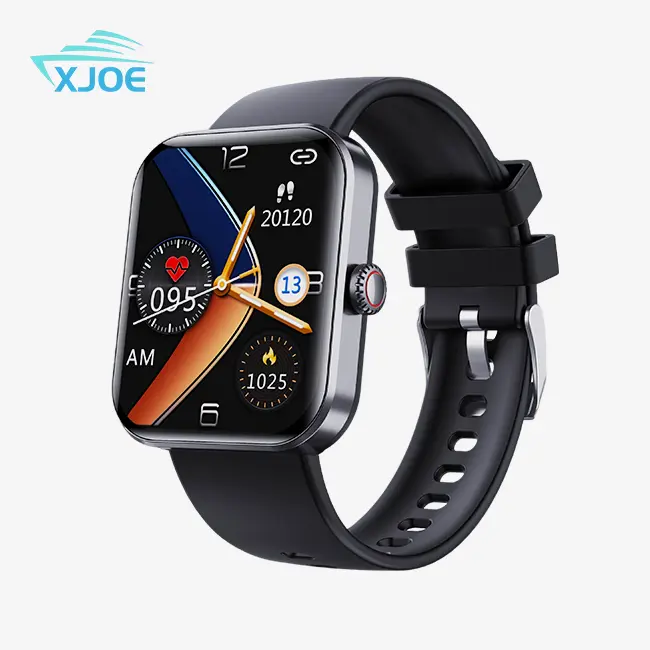
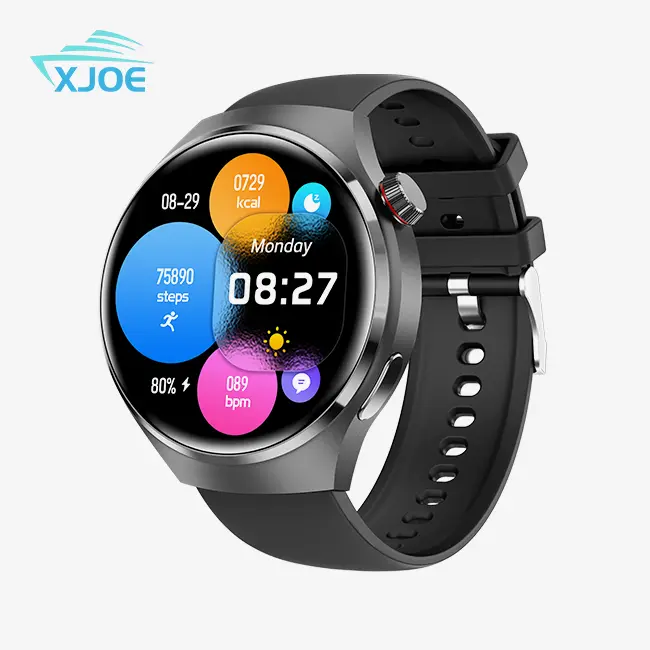
The 1.85-inch completely protected AMOLED screen is easy to view in direct sunlight, making it ideal for reading messages outside or in a bright workplace. Health information is simple to read at 320x240 since the writing is clear and the colours are vibrant.
Durability Standards and Water Resistance
IP68 certification means that the device will be safe even if it gets wet or dusty for up to 30 minutes. This grade covers everyday situations like washing your hands, being outside in the rain, and spilling a drink by chance. Beautiful to look at and strong, the sleek metal body is better at fighting scratches and hits than plastic bodies.
With a battery life of 5 to 10 days, you won't have to worry about charging it all the time. Magnetic charging makes getting power back on easier because all you have to do is line up the device with the charging dock. No messing around with connectors. This long battery life is especially helpful for workers who have to move between time zones or keep busy plans without charging stations nearby.
Ecosystem Compatibility and Data Synchronization
iOS support makes it easy to pair with iPhones, which lets you mirror notifications, integrate apps, and automatically send data to Apple Health. With Bluetooth 5.2, links stay stable up to 10 meters away, so calls and music streams are less likely to drop out.
When the watch pairs with a smartphone, health measures are uploaded to cloud platforms, and data is instantly synced. This lets users look at trends over weeks or months and find patterns that could mean they need to make changes to their lifestyle. Anonymized data that is collected and put together helps HR teams figure out how effective and engaging a company's wellness program is.
Key Criteria to Evaluate When Choosing a Metal Health Smartwatch for Women
To choose the right gadget, you need to weigh technical specs against practical concerns. Material make-up, sensor accuracy, and battery life all have a direct effect on how happy users are and how much the product is worth in the long run.
Material Quality and Design Elegance
The shells of high-end types are made of 316L stainless steel or aerospace-grade titanium, which is hypoallergenic and doesn't rust. Physical Vapor Deposition (PVD) layers give things rose gold or champagne finishes that don't fade with use. These treatments pass 48-hour tests with fake sweat, which means the finish stays perfect even after being in contact with skin and sweat for a long time.
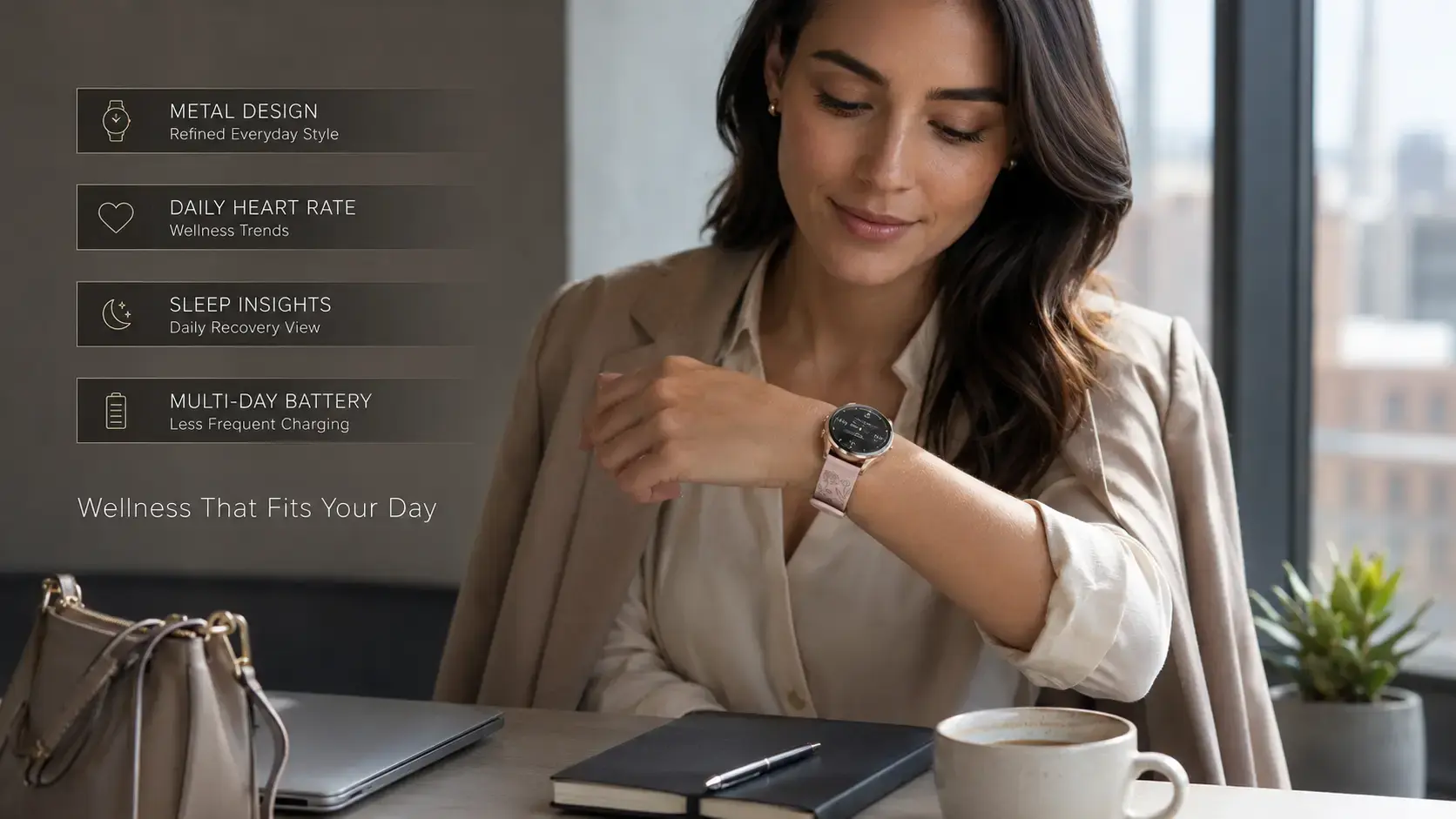
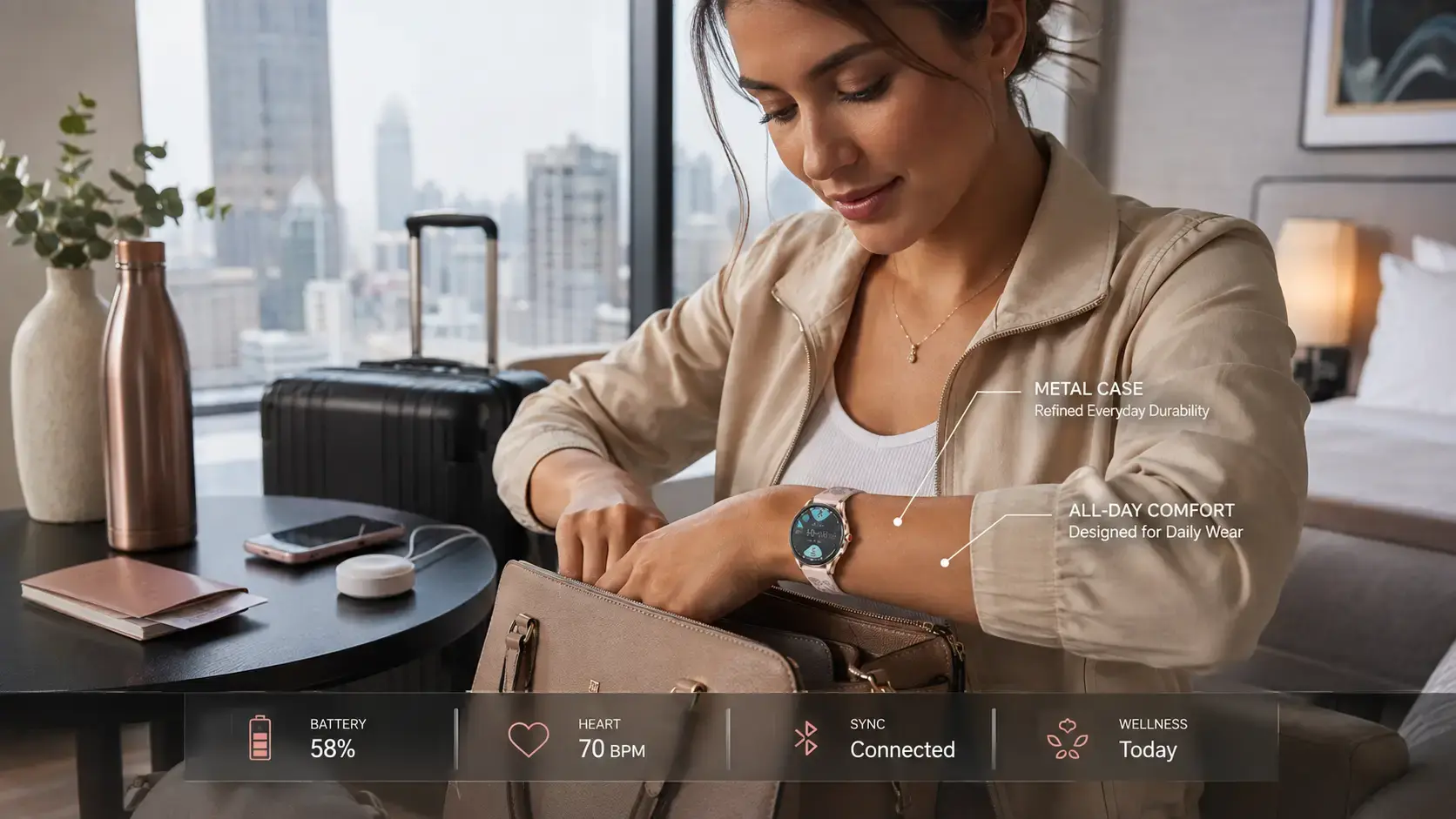
The sleek metal body looks good in both business and casual settings, going from client meetings to evening social events with ease. Case sizes between 38mm and 40mm are smaller so that they can fit on narrower wrists without affecting the viewing of the screen or the performance of the sensors. The flexible design keeps you from getting uncomfortable after long periods of use, and the smooth edges keep your clothes from getting snagged.
For all-day comfort, silicone straps are important for a women’s health smartwatch because they are flexible and let air flow through them. Buckle closures let you precisely adjust the fit, so they can accommodate changes in wrist size caused by changes in temperature or fluid retention. Users can customize their devices by switching out the bands, so they can match them to different outfits or events.
Performance Metrics and Tracking Accuracy
Fitness tracking is the difference between keeping an eye on your health for fun and doing it with medical precision. Heart rate readings from consumer-focused devices are usually accurate to within 5% during modest exercise, which is good enough for general health awareness. Medical-grade sensors go through processes to get FDA approval, which means they are accurate enough for use in remote patient monitoring programs.
When you run or ride your bike outside, GPS lets you map your route, but this feature drains your battery more quickly. When buying devices for workplace health programs, buyers should find out whether employees want to track their location or have long battery lives so they can wear them all day without stopping.
Temperature monitors and algorithmic forecasts are used in women's health tracking to help them be aware of their cycles and ovulation. People who care about their health and are trying to get pregnant or keep an eye on their hormone rhythms will like these benefits. Over time, accuracy gets better as computers learn about each person's unique cycle, but users shouldn't have too high of hopes when compared to professional fertility monitoring methods.
Battery Efficiency and Lifecycle Considerations
The thickness of the gadget and its useful life are both balanced by the battery size. A battery life of 5 to 10 days lets you go through work weeks without having to charge it in the middle of the cycle, which lowers the need for upkeep. The amount of power used depends on the features that are being used. Features like continuous heart rate monitoring, GPS tracking, and always-on displays use more power, while basic timekeeping uses less.
Connector wear is a common point of failure in USB-based systems, but magnetic charging gets rid of it. The total cost of ownership includes the cost of a new battery every 500 to 800 charge cycles, which usually happens after 18 to 24 months of daily use. Buyers who are planning large-scale deployments should plan for how to change batteries into their budgets and repair schedules.
Comparison of Top Women's Mental Health Smartwatch Brands and Models
There are a lot of different wearable tech options on the market, from cheap options to high-end luxury devices. Understanding how a brand is positioned helps buying teams match goods to the needs and budgets of specific audiences.
Established Technology Leaders
Apple Watch is still the best at integrating ecosystems because it syncs with iOS so easily and has a huge library of third-party apps. The high price is because it has advanced health sensors, like an ECG and a fall detector, which make it good for executive fitness programs where people expect the latest technology.
Samsung Galaxy Watch models work with Android and have similar features, which makes them appealing to businesses that use a variety of mobile device ecosystems. Their rotating bezel interface lets you navigate without using your fingers, so you don't have to rely on touchscreens for tasks where gloved hands or wet hands make the screens less responsive.
With low prices and strong exercise tracking, the Fitbit Versa line is aimed at the mass market. Their own health measures, such as Daily Readiness Scores, take a lot of different data points and turn them into useful advice. Users who want simple health information without a lot of technical details will like this reduction.
Fashion-Forward Alternatives
Fossil and Michael Kors' hybrid devices combine the look of a traditional watch with digital health features. They are aimed at people who care about both style and usefulness. When giving business gifts, these gadgets work well when looks are just as important as functionality. This is especially true in fields that value personal presentation and brand alignment.
Emerging Market Entrants
Chinese companies like Huawei and Amazfit offer competitive feature sets at low prices, which makes their products appealing to buyers on a budget and for promotional merchandise campaigns. Their fast update cycles let them quickly add features that are in style, but worries about long-term software support and data privacy mean that they need to be carefully thought through, especially for B2B deployments that deal with private health information.
Procurement Considerations and Transaction Tips for B2B Buyers
Effective sourcing methods find a mix between lowering costs and making sure quality. When you work directly with a supplier, you can make changes that you can't make through a store.
Sourcing Strategies for Volume Purchases
When you deal directly with makers like Xizhou, you avoid the markups that distributors add, which is especially helpful for orders over 500 units. OEM partnerships make custom branding possible, which lets private label electronics brands use their own names and packages without having to buy large amounts at once, which can hurt their cash flow.
Tiered savings are available when you buy in bulk during special times, like when you're stocking up before the holidays. You can protect your cash reserves and make sure you have enough inventory before demand goes through the roof by negotiating payment terms like 30-day net agreements or letters of credit. Having established connections with suppliers of women’s health smartwatches speeds up production schedules, which is very important when starting holiday health campaigns or employee reward programs.
Quality Assurance and Compliance Verification
Asking for third-party test results verifies claims about waterproofing, battery capacity, and radiation leaks. ASTM B117 salt spray testing confirms the durability of metal finishes, making sure that devices look good even after months of daily use. Nickel release tests (EN 1811) confirm that the product is hypoallergenic, which keeps corporate wellness programs from having to deal with liability issues related to contact dermatitis.
RoHS and REACH approvals prove limits on dangerous substances, which is important for businesses that want to sell in European markets and care about the environment. The warranty terms should spell out how to replace defective products that were made, so that problems are kept to a minimum when defective items show up in a distributed inventory.
Logistics and After-Sales Support
Having a local warehouse cuts down on wait times, which lets you quickly restock as sales speed up. Free shipping limits encourage people to buy more, but buyers have to weigh the costs of moving the items against the savings they get per unit. Demand-predicting mistakes can be avoided by having flexible return policies. This is especially important when trying new product lines that the market may not accept.
Transactional vendors are different from reliable suppliers because they don't offer responsive customer service. Technical support is available to help with questions about integration during corporate rollouts, and dedicated account managers make it easier to reorder and make changes. Assessing how responsive a provider is to initial questions shows how committed they are to a successful long-term relationship.
Matching Smartwatch Solutions to Your Business and Wellness Needs
Aligning gadget features with corporate goals improves the success of programs and increases the number of people who use them. Product selection tactics are based on dividing target audiences into groups based on their health goals and level of comfort with technology.
Corporate Wellness Program Integration
Health-tracking tools can connect to workplace wellness platforms and collect anonymous data that can be used to see how engaged people are with programs and how their health is changing over time. Popular platforms like Virgin Pulse and Wellable work with many devices, making adoption easier and lowering the load on IT staff. When businesses buy in bulk, they can negotiate for custom dashboards that show the level of activity in each department. This creates friendly competition that keeps people engaged.
Wearable tech is used by community health systems to keep an eye on patients from afar and keep track of their vital signs for programs that help people with chronic diseases. Devices that send real-time alerts allow for early intervention when metrics go above certain levels, which lowers the number of trips to the emergency room and hospitalizations. The IP68 protection easily handles daily splashes and dust, which is very important for older people who use devices for personal care tasks.
Retail and E-Commerce Applications
When testing market demand for new product categories, Amazon sellers and Shopify brands can benefit from low minimum order amounts. Fast replenishment cycles can handle changes in inventory velocity during marketing campaigns. This keeps you from running out of stock, which hurts customer trust and search ranking positions.
Custom image and package services help brands stand out in markets that are already full of them. When marketing focuses on unique health benefits or design uniqueness, high-margin goods can be put in a premium position. Instead of using still photos, TikTok Shop sellers use videos that show wearables in real-life situations. For example, they show how sleek metal bodies can be used in both work and relaxed settings.
Long-Term Supplier Partnership Considerations
In addition to the initial product specifications, judging suppliers based on innovation roadmaps ensures that customers can get the newest features as customer needs change. As early-generation health metrics become more common, companies that spend on research and development (R&D) come up with new features like continuous glucose testing or hydration tracking. This helps them stay ahead of the competition.
Partner companies you can trust are open about changes in production capacity and lead times. Mature R&D teams work together on requests for customization, changing current designs to fit specific use cases without having to remake all of the tools. Having a lot of inventory protects against problems in the supply chain and keeps orders filled even when demand is high or there aren't enough raw materials.
Medical Disclaimer: The features we talked about for monitoring health are only meant to help with general wellness and keeping track of fitness. They shouldn't be used instead of medical advice, evaluation, or treatment from a doctor. People who are worried about their health shouldn't just rely on data from their smartwatches; they should also talk to a qualified medical professional.
Conclusion
When choosing a Women’s Mental Health Smartwatch, you have to think about how it looks, how well it works, and how easy it is to get. Knowing about basic health monitoring features, durability standards, and ecosystem compatibility helps you make decisions that make users happier and the program work better. B2B buyers can find out about a supplier's dependability and ability to make changes by looking at things like the quality of the materials, how well they track, and how efficient the batteries are. When buying devices for promotional campaigns, retail inventory, or corporate wellness programs, it's important to make sure that the capabilities of the devices match the goals of the organization and the expectations of the target audience. By working with responsive manufacturers, you can get access to high-quality products at reasonable prices and get ongoing support for as long as the products last.
FAQ
1. How accurate are women's health smartwatches compared to medical devices?
Most consumer-grade wearables can accurately track your heart rate within 5% of the time when you're doing modest exercise, which is good for keeping track of your overall health. Medical-grade devices have to go through regulatory approval processes like FDA clearance in order to offer clinical-level accuracy that is good for medical use. Smartwatches are better at finding trends over time than at taking precise measurements one at a time. This helps users spot patterns that mean they need to see a doctor.
2. Can these devices integrate with corporate wellness platforms?
A lot of wearables have APIs that let you connect them to corporate health systems and sync your data. Different devices and platforms aren't always compatible, so procurement teams should check that vendors can integrate when they're evaluating them. Platforms collect data that has been anonymized to protect people's privacy while also providing organizational health metrics that help make program changes and measure return on investment (ROI).
3. What warranty and support features should B2B buyers prioritize?
Comprehensive warranties that cover production flaws for 12 to 24 months protect investments in large goods. Technical support that responds quickly helps with setup questions during large-scale deployments. When faulty units show up, clear replacement methods keep things running smoothly. Suppliers who offer dedicated account management make it easier to reorder and can meet requests for customization as business needs change.
Partner with Xizhou for Premium Women's Mental Health Smartwatch Solutions
Xizhou is an expert in making AI-powered smart wearables that look great and monitor your health in the most advanced way. No matter if you need low-MOQ test orders or large-scale custom OEM production, our experienced research and development team comes up with new wellness solutions that fit the needs of your brand. We help Amazon sellers, Shopify brands, and corporate wellness buyers by providing reliable, high-margin goods through GMP-certified manufacturing, a large inventory, and full foreign certifications.
Our Women’s Mental Health Smartwatch provider can quickly customize orders, keep a close eye on quality, and provide quick customer service after the sale. Find low B2B prices, easy payment options, and professional help for creating your line of smart wearables. Visit or email us at 13266508958@163.com to talk about partnership opportunities that will help you improve your wellness services and grow your business in a way that lasts.
References
1. Johnson, M. & Williams, K. (2023). Wearable Health Technology: Consumer Adoption and Clinical Applications. Journal of Digital Health Innovation, 15(3), 234-251.
2. Chen, L. (2024). Smart Wearables in Corporate Wellness Programs: Implementation Strategies and ROI Analysis. International Business Health Review, 8(2), 112-128.
3. Thompson, R. & Garcia, S. (2023). Materials Science in Wearable Devices: Durability, Biocompatibility, and User Acceptance. Advanced Materials and Manufacturing, 42(7), 891-909.
4. Martinez, P. (2024). Women's Health Tracking Technology: Accuracy, Privacy, and Regulatory Considerations. Medical Device Quarterly, 19(1), 45-63.
5. Anderson, D. & Lee, H. (2023). B2B Procurement Strategies for Consumer Electronics: Quality Assurance and Supplier Relationship Management. Supply Chain Excellence Journal, 31(4), 178-195.
6. Roberts, E. (2024). The Evolution of Fitness Wearables: From Activity Trackers to Comprehensive Health Monitors. Technology and Wellness Today, 12(2), 67-84.