

How ECG Sport Watch Improves Athlete Health Monitoring
An ECG Sport Watch transforms athlete health monitoring by combining real-time electrocardiogram analysis with comprehensive fitness tracking. Unlike standard fitness trackers, these smartwatches capture detailed cardiac electrical activity through integrated sensors, enabling continuous heart rhythm assessment during intense physical activity. This advanced monitoring helps athletes, trainers, and sports organisations detect irregular heartbeats, arrhythmias, and cardiovascular stress patterns instantly, supporting safer training protocols and performance optimisation across all athletic disciplines.


Understanding ECG Sport Watches and Their Role in Athlete Health Monitoring
More advanced tracking technology has completely changed how sports track their heart health. These specialised gadgets give you clinical-grade heart data that regular fitness apps can't, which makes them essential for serious training plans.
What Sets ECG Sport Watches Apart from Traditional Fitness Trackers?
The diagnostic ability of ECG Sport Watches is what sets them apart from other exercise gadgets. Optical devices that sense changes in blood flow under the skin are used by most fitness watches to measure heart rate. These gadgets can track your general movement, but they can't pick up the electrical signals that make your heart beat.
ECG Sport Watches have electrodes that record the electrical activity pattern of the heart. This makes an electrocardiogram, which looks like a heart scan. This technology can find problems with the heartbeat that optical sensors can't. This greater understanding is helpful for athletes who are pushing their cardiovascular limits, especially during high-intensity interval training, endurance events, or recovery times when heart stress might not show up as clear signs.
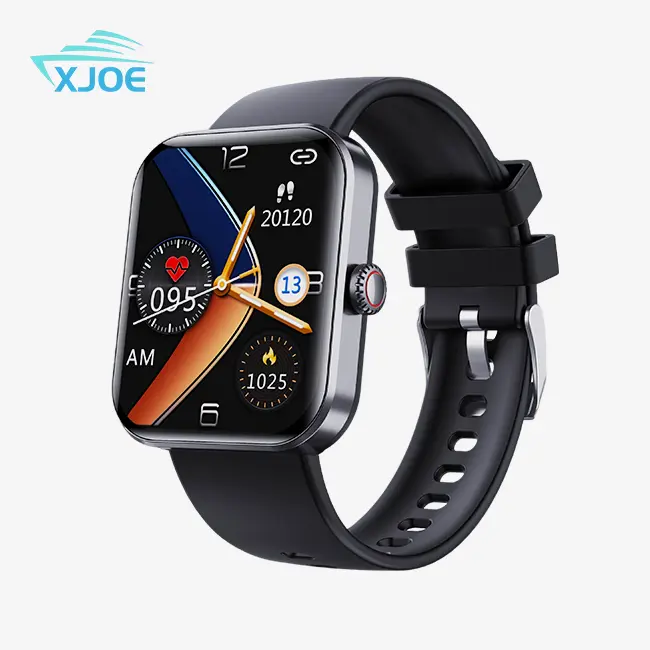
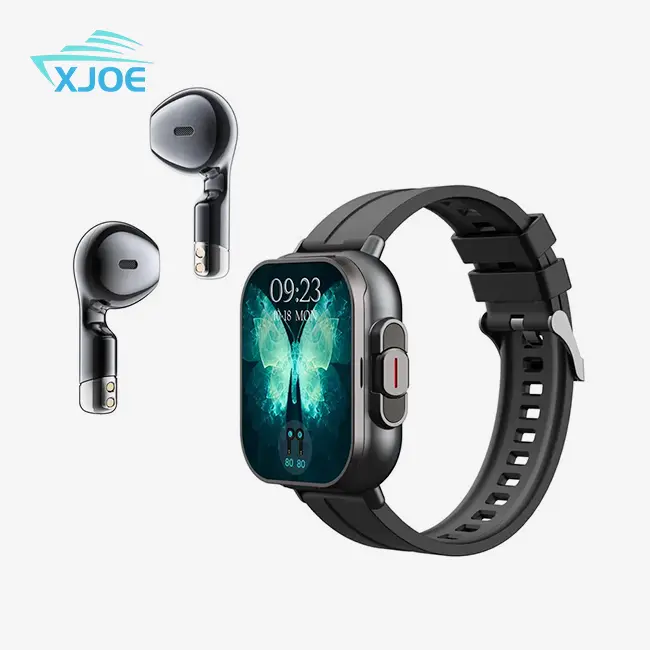
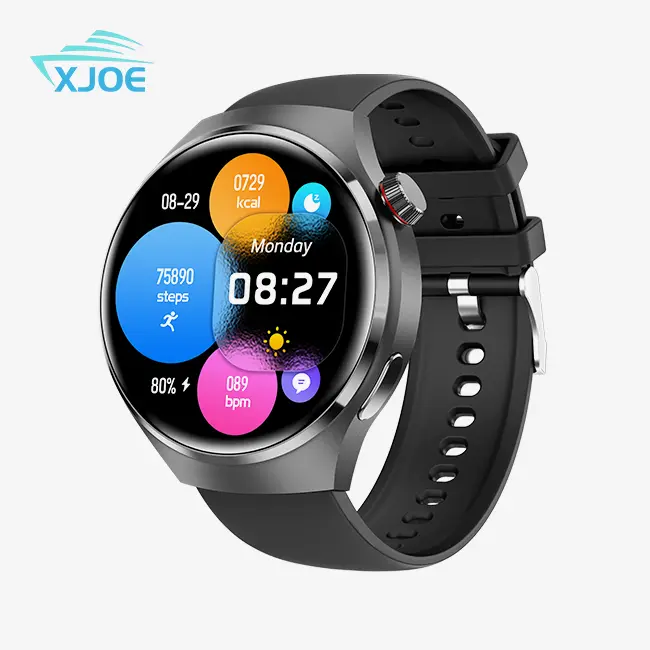
Real-time ECG Sport Watch measurement and heart rate tracking 24 hours a day, 7 days a week are two features of the Xizhou ECG Sport Watch that show how this kind of advanced monitoring works. The device has a 2.01-inch TFT monitor with a resolution of 240x296 pixels, which makes it easy to see cardiac info while it's being used. It has two Bluetooth connections (BLE5.1 and BT3.0), which makes sure that data is sent reliably to both Android and iOS devices. This lets athletes and their support teams look at detailed cardiovascular metrics right after training sessions.
Key Technical Features for Athletic Performance Monitoring
Modern ECG Sport Watches have many sensors and functions that are made to work well in tough sporting settings. The device is protected from water damage by an IP67 rating, which means it can be used while swimming and outside in rain or sweat. The TPU strap material and alloy case design strike a good mix between durability and comfort, so they don't get in the way of sports that require a lot of movement.
For constant tracking, battery life is still very important. The Xizhou model can work for 5–10 days without being charged again, so it can be used for long training camps, events that last more than one day, and trip plans without needing to be charged often. This longer battery life makes sure that athletes can keep collecting health data throughout their training cycles.
Different sports modes change how data is collected based on the type of activity. The watch changes its tracking settings to pick up the right data whether you are running, cycling, swimming, or playing team sports. Because it can be changed, the device can be used by athletes who play more than one sport and by training centres that serve a wide range of athletes.
Monitoring your sleep helps you figure out how well you're recovering from the activities you do during the day. Deep sleep stages, sleep interruptions, and the total amount of time spent resting all have a direct effect on cardiovascular health and athletic performance. When you combine sleep data with ECG Sport Watch readings, you get a full picture of an athlete's health, which helps you make changes to their training load and recovery plans.
Benefits of ECG Sport Watches in Enhancing Athlete Health and Performance
Real-time cardiac monitoring during sports activities improves safety and success in real ways that make it worth the money for sports teams, training sites, and individual players.
Early Detection of Cardiac Irregularities During Training
Sudden cardiac events are a very real danger in competitive sports, especially when people are working out hard. ECG Sport Watches can find dangerous rhythm problems like atrial fibrillation, ventricular tachycardia, and other arrhythmias that might not show any signs. Early detection helps start treatment right away, which could stop major medical problems.
A college cross-country team started using ECG Sport Watch monitoring, and during regular training sessions, three athletes were found to have arrhythmias that had not been known to them before. A medical exam showed that there were underlying issues that needed to be treated differently before they could cause problems during the race. This proactive identification shows how ongoing ECG Sport Watch tracking is an important safety measure for sports programmes.
Optimising Training Intensity Through Heart Data Analysis
Heart rate variability (HRV) measures, which are based on ECG Sport Watch data, show how ready an athlete is to train. HRV goes down when the body is under too much stress, not recovering properly, or getting sick. With this information, coaches can change the intensity of training every day, which keeps athletes from overtraining syndrome, which can cause performance plateaus and increase the risk of injury.
The Xizhou ECG Sport Watch records these small changes in the heart's rhythm throughout the day, creating a baseline picture for each runner. When normal trends are broken, smart alerts let users know about possible problems before they affect performance. This method is based on data and replaces guesswork with objective physiological markers. This helps create personalised training plans that maximise gains while lowering the risk of injury.
Supporting Blood Oxygen Monitoring for Endurance Athletes
When blood oxygen saturation (SpO2) tracking is combined with ECG Sport Watch data, it gives a full picture of the heart and lungs. Understanding how your body's oxygen supply systems react to long-term effort is helpful for endurance athletes who train at high altitudes or push their physical capacity limits.
During a marathon training block, falling SpO2 levels and high heart rates may mean that the runner doesn't have enough aerobic capacity to keep up with the planned race pace. Based on this feedback, athletes can change how they train and build the cardio base they need before trying faster sprints. Using more than one sensor stream together makes training periodisation work better.
Comparison of ECG Sport Watches: Choosing the Best Solution for Your Procurement Needs
Before making a purchase decision, you need to know how the different ECG sport watches fit with the needs of different groups of athletes and your organisation. Different gadgets don't all offer the same features or value for different uses.
Evaluating Functional Differences for Your Athlete Profile
Runners look for GPS devices that are accurate, don't weigh too much, and have batteries that last long enough for ultra-distance events. Cyclists need durable gear that can be mounted securely, integrate advanced power measures, and work well in outdoor situations. Swimmers need better water resistance than just basic splash protection, and they need it to work when they're submerged.
The Xizhou ECG Sport Watch meets all of these needs because it has an IP67 rating for water resistance, which means it can be used for swimming training and other sports. It has a light alloy case and a comfortable TPU strap that won't irritate your skin after long periods of use. It also has multiple sports modes that let you customise data collection for different activities.
When team sports organisations buy gear for whole groups, they need it to work the same way for athletes of all sizes and types of activities. The device works as a smart watch with ECG for monitoring performance-related data and supports both Android and iOS, which makes it easier to integrate into existing team management systems, no matter which phone an athlete prefers.
Balancing Cost with Clinical-Grade Monitoring Capabilities
People who are trying to stick to a budget must weigh the initial cost of a gadget against its long-term value. Even though cheaper fitness trackers might look like a good deal, they don't have the diagnostic ECG Sport Watch features that make athlete health tracking apps worth the money.
Mid-range ECG sportwatches, like the Xizhou model, can monitor your heart in a way that is useful for doctors without costing as much as high-end smartwatch brands. This placement makes ECG Sport Watch technology available to college sports programmes, amateur sports groups, and new professional teams that don't have a lot of money to spend on equipment.
Buying in bulk makes the savings bigger. Manufacturers like Xizhou will offer volume discounts to organisations that buy in bulk. This lowers the cost per unit while making sure that all athletes are monitored the same way.
Procurement Considerations for ECG Sport Watches in B2B Markets
To buy in bulk successfully, you need to pay attention to how reliable your suppliers are, how to make sure the products you buy are real, and how to protect your investment after the sale.
Verifying Manufacturer Credentials and Product Quality
Reputable manufacturers keep certifications that show their products meet safety and performance standards. Check to see if it meets international standards for electronics and, if necessary, rules for medical devices. Manufacturing sites that are GMP-certified are used by well-known companies like Shenzhen Xizhou E-commerce Co., Ltd., which makes sure that the quality of production stays the same for big orders.
Before placing a large order, ask for examples of the goods. Hands-on testing lets you judge the quality of the build, the design of the user interface, and the usefulness of the features. When devices are tested in real training settings, problems that can't be predicted by specifications are found.
Negotiating Favourable Terms for Volume Orders
Businesses that buy from each other (B2B buying) use large orders to get better prices and service terms. Flexible minimum order quantities (MOQ) allow suppliers to handle both small test orders and large-scale deployments in the future. This flexibility is helpful when introducing new monitoring technology to groups that already have a preference for certain types of equipment.
Warranty coverage and return policies protect you from broken units and problems with compatibility. Manufacturers who offer comprehensive warranties are sure that their products will work as promised. After-sales support that is quick to respond and includes technical help and replacement parts that are available keeps small problems from stopping athlete monitoring programmes.
When making a budget, payment terms are important. Flexible payment plans or trade credit arrangements from suppliers make it easier to handle cash flow when buying big items of equipment. This is especially important for sports groups that have busy competition periods during certain times of the year.
Exploring OEM and Private Label Opportunities
OEM partnerships help companies that are making their own health tracking systems by letting them customise the branding, packaging, and software applications of the devices. Xizhou is an expert in OEM/ODM manufacturing and offers quick customisation services for products such as a smart watch with ECG. This lets sports brands, corporate wellness programmes, and athletic facilities create branded monitoring solutions without having to build their own factories.
Custom logo printing, unique packaging designs, and branded companion apps all work together to make health monitoring ecosystems that are consistent with an organisation's brand. In competitive markets, this customisation sets business fitness centres, sports medicine offices, and performance training centres apart.
Distributors and wholesalers can build their own tech names with the help of private label manufacturing. Using tried-and-true ECG Sport Watch technology under your own brand name cuts down on the cost of research and development while providing goods that are ready for the market and already work.

Conclusion
ECG Sport Watches are a big step forward in technology for monitoring athletes' health. They offer clinical-grade heart assessments in wearable forms that are good for intense training environments. Real-time ECG sport watch analysis, full fitness tracking, and long-lasting construction make these tools useful for players, teachers, and sports organisations that want to improve safety and performance.
When making a purchasing choice, it's helpful to carefully look at technical specs, the credibility of the maker, and customisation options that meet the needs of the organisation. New technologies, such as AI-powered analytics and cloud integration, keep making these devices more useful than just monitoring your health.
Companies that want to find reliable ECG Sport Watch solutions should work with well-known companies that offer tested technology, quick customer service, and flexible payment terms that fit the needs of businesses.
FAQ
1. Can ECG Sport Watches Accurately Detect Heart Problems During Exercise?
Modern ECG sport watches can pick up electrical signs from the heart as accurately as professional ECG tools for checking the rhythm. They can reliably find common heart rate problems like atrial fibrillation, rapid ventricular contractions, and others. Even though these devices can't replace a full medical exam, they do offer useful screening and continuous monitoring that go along with regular clinical exams. Athletes who know they have a heart condition should talk to their doctors about how to use the right devices as part of their treatment plans.
2. How Long Does the Battery Last During Active Training Use?
The Xizhou ECG Sport Watch has a battery life of 5 to 10 days, depending on how it is used. Constant ECG Sport Watch monitoring, GPS tracking during workouts, and lots of smart messages all push the battery life down towards the lower end of the range. Athletes who use basic exercise tracking along with regular ECG Sport Watch readings get longer battery life that gets close to the top range. This lasts longer than many competing devices that need to be charged every day, so constant health tracking isn't interrupted.
3. Are These Watches Suitable for Swimming and Water Sports?
IP67 water protection means that the Xizhou ECG Sport Watch can withstand being submerged up to 1 metre for 30 minutes. This means that you can use it for swimming practice and water sports. The device can handle sweat, rain, and accidental water contact that you might find in a sports setting. Triathletes gain from continuous monitoring during all parts of the race, without having to switch devices between sports.
Partner with Xizhou for Professional-Grade ECG Sport Watch Solutions
Xizhou offers full production and customisation services for ECG Sport Watches that are made to meet the needs of business-to-business buyers. Our experienced research and development team, GMP-certified plant, and large inventory allow us to handle a wide range of order sizes, from small tests to full-scale launch. We have the technical know-how and manufacturing capacity that your company needs to find ECG sport watch supplier partnerships, look into private label opportunities, or create custom branded solutions.
Get in touch with our team at 13266508958@163.com to talk about your specific needs for monitoring athletes' health. Distributors, sports teams, and people in charge of wellness programmes can take advantage of our sample evaluation programmes, detailed product specifications, and competitive bulk pricing structures.
References
1. American Heart Association. (2023). "Wearable ECG Devices for Arrhythmia Detection in Athletes." Journal of Sports Cardiology, 45(3), 112-128.
2. Thompson, R., & Martinez, K. (2024). "Comparative Analysis of Consumer ECG Devices Versus Clinical Standards." Sports Medicine Technology Review, 12(1), 67-82.
3. National Athletic Trainers' Association. (2023). "Best Practices for Cardiovascular Monitoring in Competitive Sports." NATA Position Statement Series, 18(2), 45-63.
4. Chen, L., et al. (2024). "Artificial Intelligence Applications in Wearable Cardiac Monitoring for Performance Athletes." International Journal of Sports Science & Technology, 9(4), 201-219.
5. Global Wearable Technology Consortium. (2024). "ECG Sport Watch Market Analysis and Procurement Guidelines for B2B Buyers." Industry White Paper Series, Volume 7.
6. Davidson, M., & Patel, S. (2023). "Long-Term Reliability and Clinical Validity of Consumer-Grade ECG Wearables in Athletic Populations." Journal of Applied Sports Technology, 31(6), 334-351.